





News Summary
Editorial review has been completed by source.
- The Rastriya Swatantra Party (Raswapa) has issued a warning to recall MPs who fail to adhere to discipline and work against public expectations.
- Raswapa conducted a two-day closed camp orientation program to guide its MPs on parliamentary conduct and responsibilities.
- Chairperson Ravi Lamichhane directed MPs to avoid running after interest groups, refrain from factionalism, and focus on law-making.
March 18, Kathmandu – The Rastriya Swatantra Party (Raswapa) has warned that it will recall MPs who fail to maintain proper conduct and act contrary to public expectations. This directive was given during a closed camp organized to train and instruct the party’s MPs to adhere to discipline and work according to the people’s aspirations.
Speaking at the party’s orientation program, Asika Tamang, an MP elected from Dhading-1, sarcastically responded to critics who claimed she was unable to speak in parliament: “That’s why I am taking this class.”
The party conducted a two-day closed camp orientation to educate its MPs about their parliamentary roles and how to effectively present themselves. Most of Raswapa’s directly and proportionally elected MPs, totaling 182, attended the program.
However, Balendra Shah, a senior party leader and the proposed future prime minister, was absent due to health reasons despite waiting MPs anticipating his presence. The program concluded with an address by Chairperson Ravi Lamichhane.
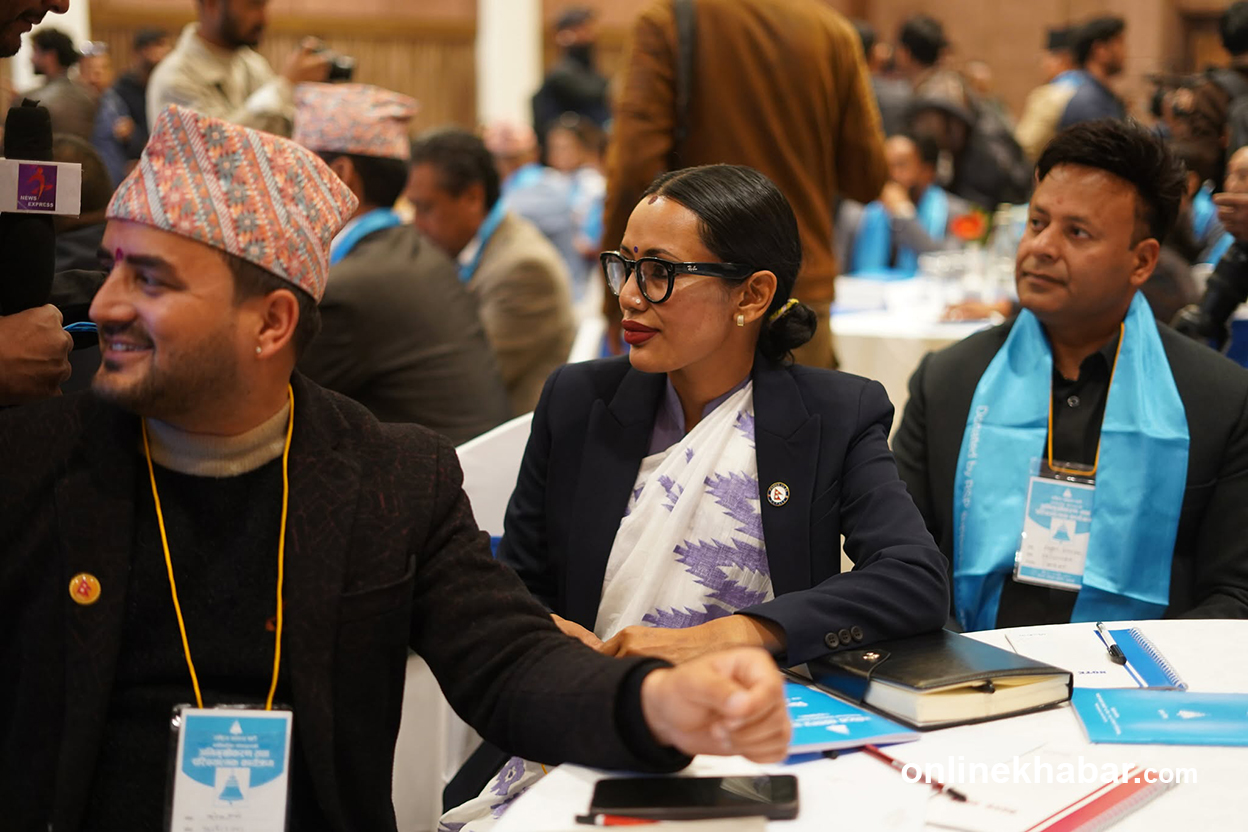
The two-day camp provided newly elected MPs with knowledge on when and how to speak in parliament and what to do and avoid doing. Senior leaders and experts from the party shared insights on parliamentary practices.
Participants expressed that the orientation was highly beneficial. “The two-day class was excellent. This was my concern. Not only the prime minister but many MPs are new in the country. I feared who would guide me. The party conducted a very good orientation class, which was very helpful,” said Tamang, sharing her experience.
Many newly elected MPs did not know each other before, and they appreciated the chance to get acquainted and learn about parliamentary practices. “We were sensitive about how to work. We received training on parliamentary roles, lawmaking, and the bureaucracy,” said Sasmit Pokharel, elected from Kathmandu-5. “We come from diverse backgrounds and environments. This helped us understand the role of MPs better.”
Former MPs shared their experiences with new legislators. “We shared our experiences. The previous term was short. We passed on knowledge to the newly elected,” said Hari Dhakal, elected from Chitwan-1.
Since Raswapa began such training before the oath-taking, unlike older parties, its MPs expressed confidence that parliamentary work would be carried out properly. “If the old parties had provided such classes before, the country would not have faced difficulties. This year, multi-dimensional topics were covered,” stated Yagnmani Nyaupane, MP from Morang-1.
MPs said the camp was an opportunity to learn how to solve the country’s problems through parliament. “We are new and still identifying the problems. We discussed for two days about how to resolve issues. We are planning ahead scientifically about budgetary problems before even taking the oath,” said Sagar Dhakal, elected from Gulmi-1.
Since the party is close to a two-thirds majority, MPs understood the importance of every word spoken in parliament and learned how to express themselves effectively. “The class was excellent. It will help us work in parliament. We learned about the party manifesto and what can and cannot be said,” said proportional representative MP Sumnima Udas. “Every statement must be made responsibly.”
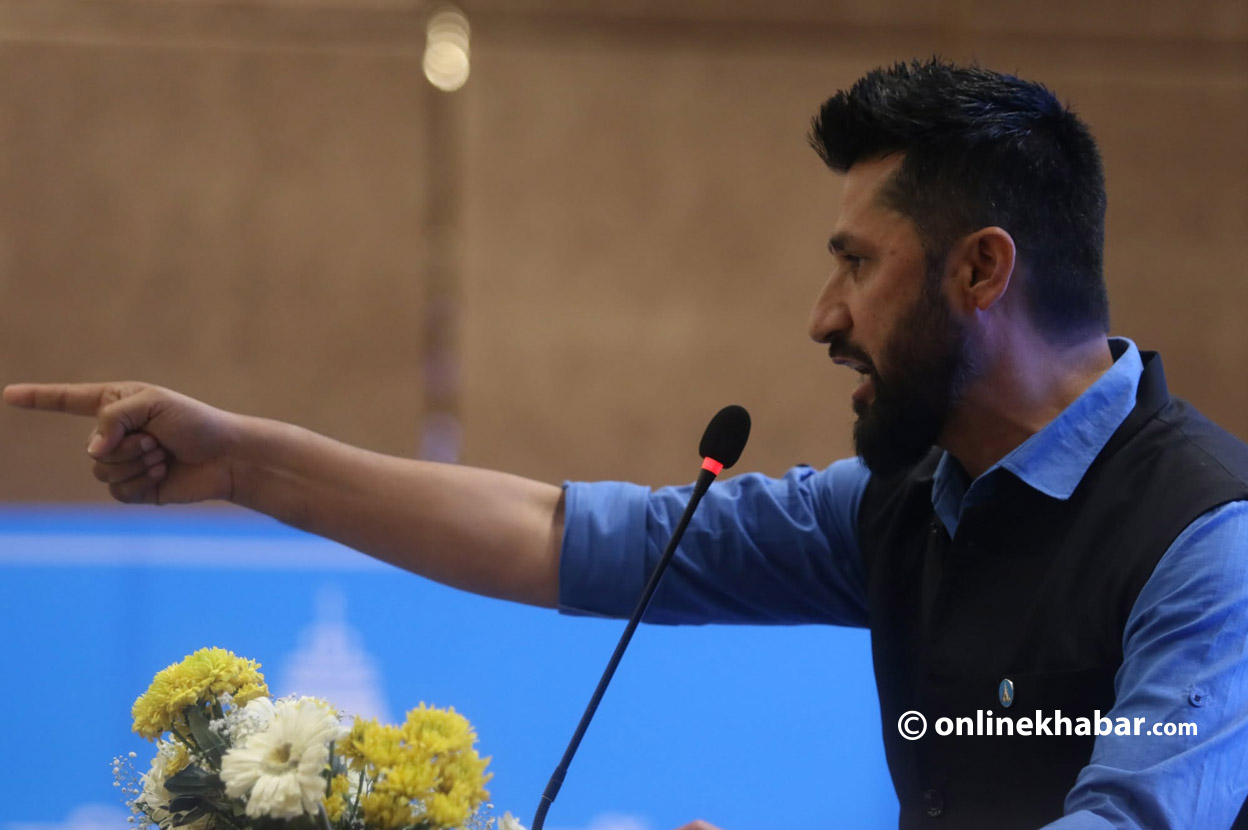
Disciplinary Measures Threatened for Non-compliance
Following training sessions by party leaders and experts, Raswapa warned that MPs who fail to comply with discipline will face sanctions. The warning comes as the public has entrusted MPs with unprecedented votes and responsibilities, expecting them to perform accordingly.
The party announced it will rigorously enforce the ‘Right to Recall’ provision in its constitution. Chairperson Ravi Lamichhane stated, “There is freedom, and there is discipline. We must carefully maintain the thin line between freedom and discipline. The party will not violate your freedom for any purpose. Use your freedom wisely but remain disciplined. The family is growing. If we fail to maintain discipline, anarchy will arise, which we cannot accept.”
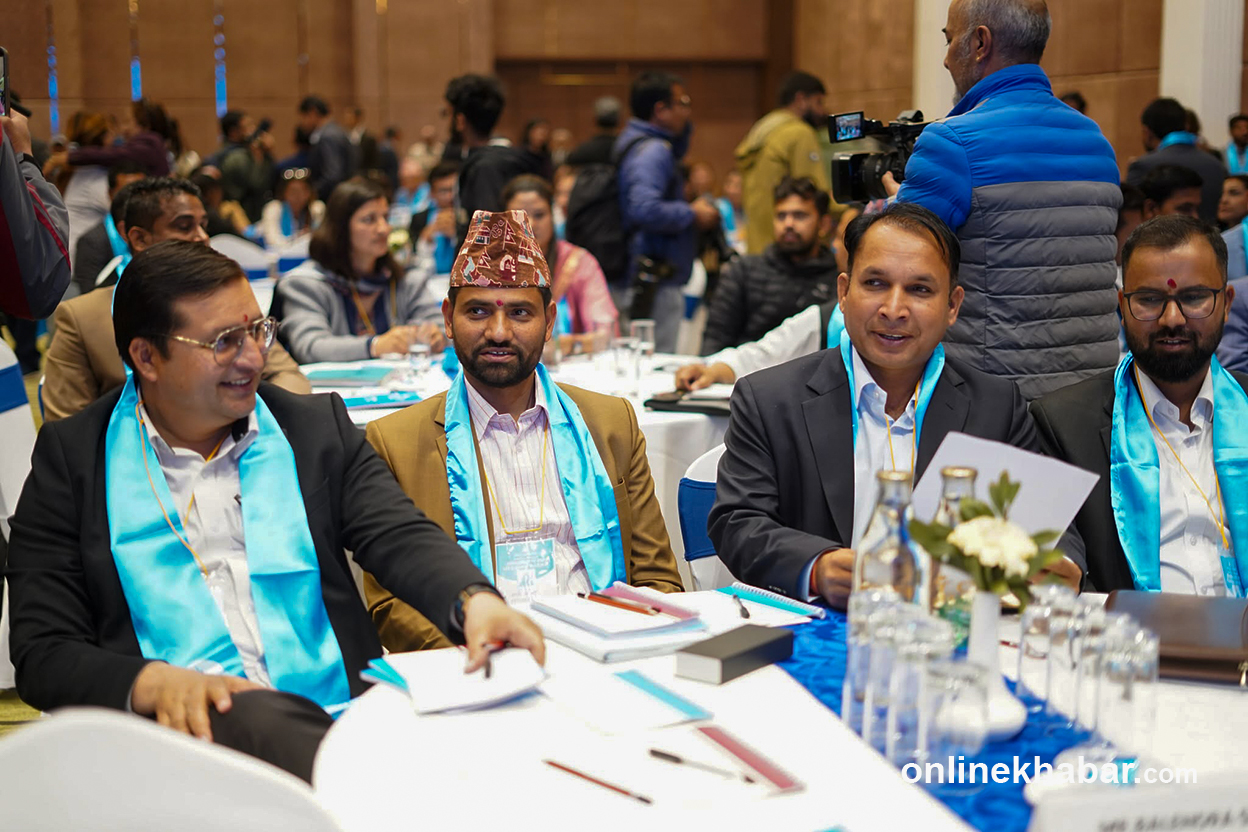
Chairperson Lamichhane cautioned MPs against running after interest groups or forming factions. “Before you drink a middleman’s water, remember the mother of a martyr,” he said. “Do not confine budgets to your own areas only. Always stay close to the citizens.” He also requested MPs not to lobby for ministerial positions.
He reminded MPs that their primary role is lawmaking and urged them to stay vigilant. “We have come to make laws. The main responsibility of lawmaking has been entrusted to you by the Nepali people,” Lamichhane said. “Citizens don’t know which law led to the construction of their roads, supply of water, electricity, or internet. But you must know where systems are congested. You have to study and bring these facilities to people’s homes.”
He further instructed MPs to work for social justice and stay connected with the public. He advised against centralized politics, stating, “Know your position; where you stand. Your status in the party and government. If we do not move away from centralized politics, our situation will be worse than the leaders of old political parties.”


