




March 18, Kathmandu — China has long been preparing for a potential oil shortage. However, the energy crisis sparked by the conflict in West Asia is now testing China’s resilience.
Iran’s threat to attack ships passing through the Strait of Hormuz has effectively halted energy supplies from the Middle East. This blockade was imposed by Iran in response to attacks by the United States and Israel.
The resulting disruption in global oil supply has severely impacted Asian countries dependent on Gulf states for energy.
In response, the Philippines has implemented a four-day workweek to conserve fuel, while Indonesia is actively seeking ways to avoid depleting its limited reserves too quickly.
As the world’s largest oil importer, China also feels the pressure. However, compared to its neighbors, China is in a relatively better position because it has long prepared itself through strategic policies for a potential energy crunch.
China Faces a Crucial Test
The energy crisis has introduced volatility to the global economy, with oil prices surging repeatedly to around $120 per barrel. Attacks on transportation and energy infrastructure have intensified the situation.
The crisis arose after Iran’s blockade of the Strait of Hormuz, considered one of the busiest oil transit routes worldwide. According to the U.S. Energy Information Administration (EIA), nearly 20 percent of global oil trade passes through this strait.
With supply disrupted, countries are seeking alternative crude oil suppliers outside the Gulf region and tapping into existing reserves.
Analysts estimate that China, as the world’s second-largest oil consumer after the U.S., consumes around 15 to 16 million barrels of oil per day. China’s vast transportation network, including cars, trucks, and aircraft, is heavily reliant on oil. A significant portion of its crude oil needs is imported, with Gulf countries as major suppliers. Saudi Arabia and Iran together contribute more than 10 percent of China’s total oil imports, according to EIA data.
Crude oil transported from Iran and the Middle East through the South China Sea is used predominantly as fuel in factories and transportation, especially in southern China, where consumption is higher.
Northern China mainly relies on domestically produced oil and supplies delivered via pipeline from Russia, meaning the Middle East conflict has not significantly affected oil availability in the northern regions.
Despite sanctions from the U.S. and Europe, Russia has become China’s largest oil supplier. Coal also remains a major source of electricity generation in China, with vast domestic reserves available.
China is the world’s largest coal producer, controlling more than half of global coal production.
In China’s overall energy mix, oil and natural gas comprise just over one-quarter, which reduces its dependence on these sources compared to Europe and the United States.
Preparation for Difficult Times
Ole Hansen, Head of Commodity Strategy at Saxo Bank, notes that China has taken advantage of previously low crude oil prices and ample supply from Gulf countries to build one of the world’s largest oil reserves.
According to China’s customs administration data, Beijing increased its crude oil imports by 16 percent in January and February compared to the same period last year.
Iran remains an important supplier of inexpensive crude oil to China. Reports indicate China purchases over 80 percent of Iran’s total oil exports.
Recent ship-tracking data since the onset of the recent conflict shows that some Iranian oil still reaches China. However, analysts differ on the exact size of China’s total reserves.
Trade analytics firm Kepler reports that more than 46 million barrels of Iranian oil are currently aboard tankers in the South China Sea, sufficient to meet China’s energy needs for several days.
Hansen estimates China’s strategic oil reserves at roughly 900 million barrels, equivalent to about three months of imports.
Chinese state media, citing data from Columbia University, claims China’s oil stockpiles stand around 1.4 billion barrels.
These substantial reserves act as a “strong protective shield” during any crisis. Nevertheless, Beijing has signaled caution in managing supply in the near term despite holding these stocks.
Chinese officials have instructed oil refineries to halt fuel exports to control domestic prices. The government has not provided an official comment on this measure.
Pursuit of Energy Self-Reliance
China is a global leader in clean energy and is rapidly developing wind and solar power projects nationwide.
In 2024 alone, China generated over one-third of its total electricity from wind, solar, and hydropower. This progress contributed to crude oil’s share in China’s total energy consumption dropping to 20 percent in 2024. Efforts to further expand the renewable energy grid continue.
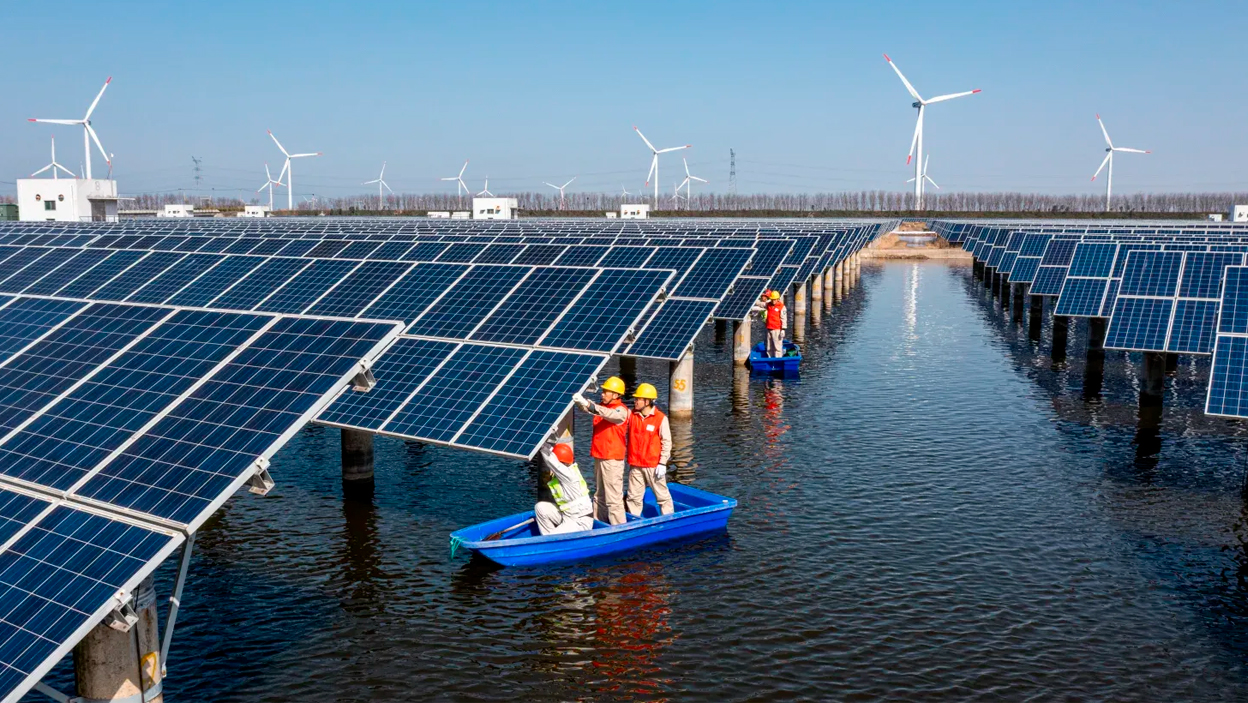
The International Energy Agency predicts no substantial increase in oil demand from China in the future.
Energy economist Roger Fouquet says China’s ambitious shift towards renewables has helped not only in environmental protection but also in shielding its economy from global risks.
“China has been fortunate because it started investing in renewable energy 25 years ago, and it is now reaping the benefits,” he states.
Rokie Si from the University of Sydney points out that at least one-third of cars in China are electric, reducing oil dependence. He adds, “This means even if Middle East tensions push up petroleum prices, users of electric vehicles in China remain largely unaffected. These consumers are isolated from the fluctuations of the international oil market.”
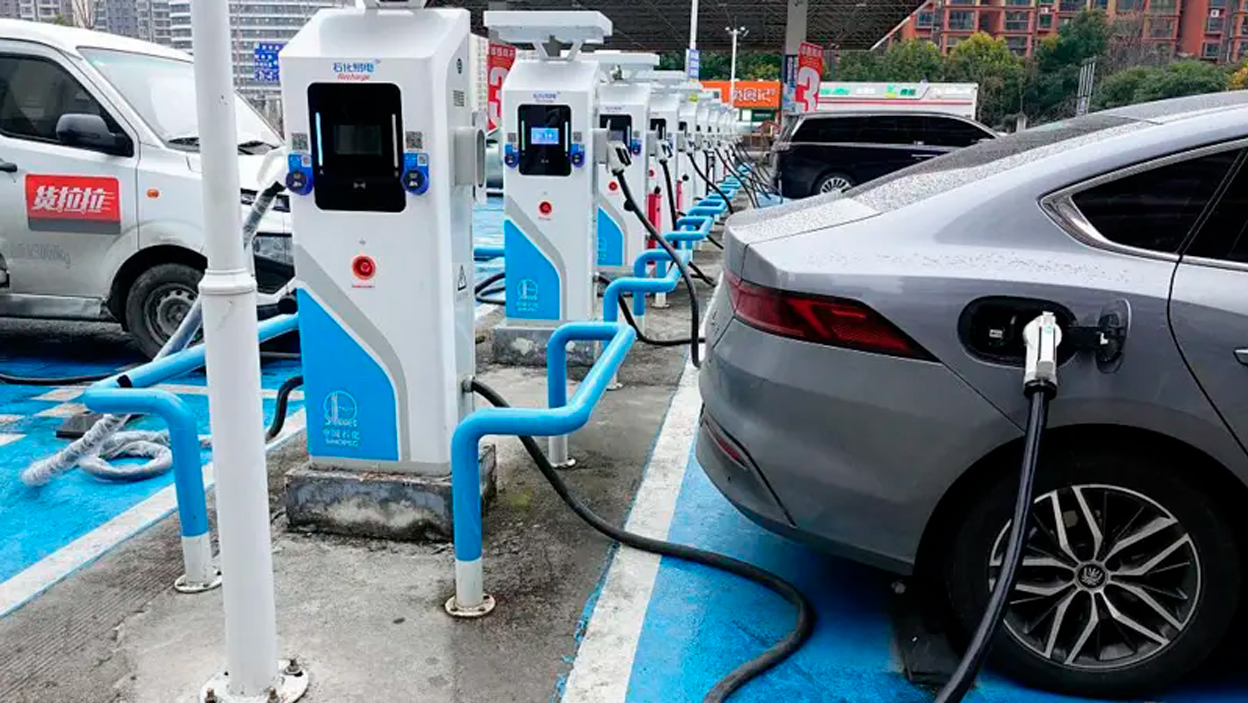
However, experts warn that China’s economy is not yet fully insulated from shocks to oil supply. If the energy crisis pushes fuel prices higher, charging costs for electric vehicles could also rise, posing economic risks.


