




News Summary
- Renuka Kaucha has been elected as a proportional representative MP from Nepali Congress and received her certificate from the Election Commission on Thursday.
- She emphasized the need for policy reforms to address the issues of remote citizens and highlighted the necessity of coordination among the three levels of government.
- Kaucha is currently pursuing an MPhil and expressed her dedication to applying her academic knowledge to lawmaking.
March 19, Kathmandu – Renuka Kaucha has become a proportional representative Member of Parliament from the Nepali Congress. She hails from Galkot Municipality in Baglung and was elected deputy mayor from Congress in the 2017 local elections. Having served a term as deputy mayor, Kaucha has now reached parliament.
Although she was on the proportional representation list in 2022, she was not elected as a member then. This time, she was elected from the indigenous women’s group quota and received her certificate from the Election Commission on Thursday.
“Receiving the certificate makes me truly feel the immense responsibility,” she said. “I respect the trust given by the people and will not let that trust down.”
Main Agenda: Improving People’s Living Standards
As she accepted her certificate, memories of the hardships faced by people in remote villages came to her mind. “Not just then, even now I remember those distant parents. When I was asking for votes, I cried four or five times. Those circumstances deeply moved me,” she shared.
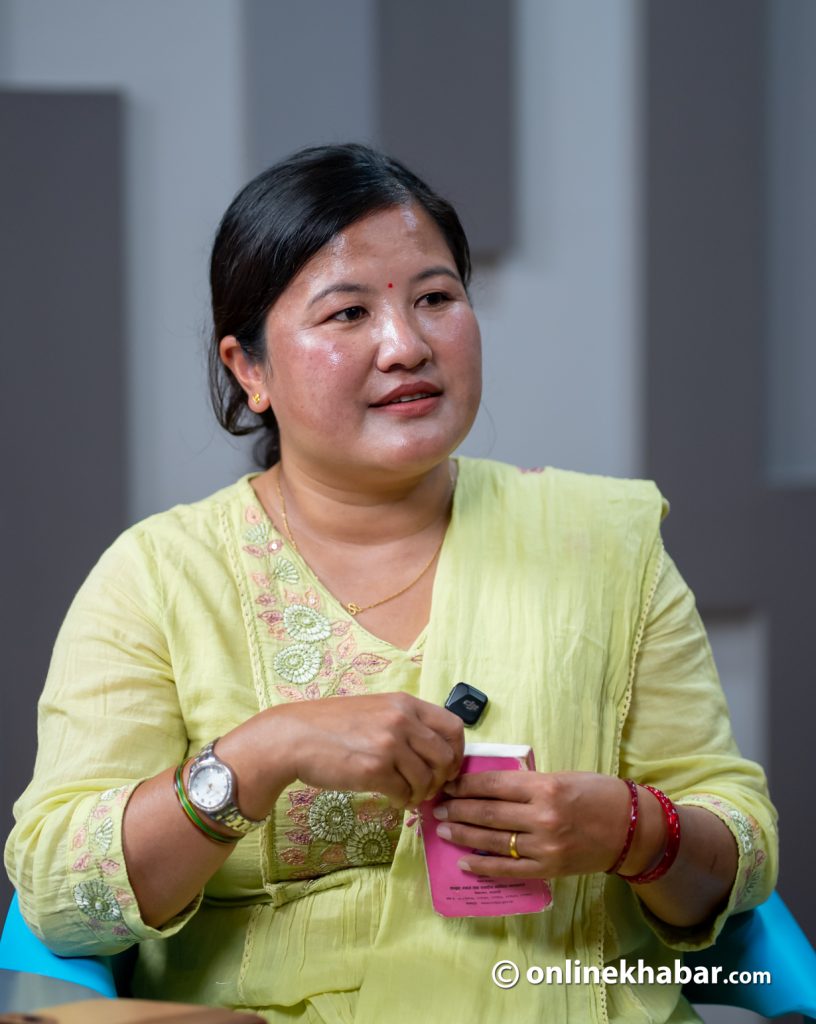 She is determined to reform policies to solve the problems faced by those voters. “We have come to parliament to formulate and improve policies not for ourselves, but for the benefit of the country and its people,” she said. “Services and facilities found in Kathmandu, Pokhara, or even Baglung’s district headquarters are not available to people in remote areas.”
Her constituency is Baglung-2, an area still lacking road upgrades, with dangerous conditions.
“There is fear every time one gets on a vehicle – it could overturn at any moment. I’ve only been there once or twice, but we must consider how citizens travel daily. If the budget was allocated appropriately, the people would receive better services,” she said. “The tendency to allocate less budget to geographically disadvantaged areas must end, and the government should deliver work that everyone can feel.”
Coordination Needed Between Three Levels of Government
Kaucha has observed a lack of coordination among local, provincial, and federal governments. She plans to actively work to remove inconsistencies among laws. “While I was deputy mayor, I experienced difficulties working because laws at the federal, provincial, and local levels were different and uncoordinated. For example, the Mid-Hill Highway is regulated by the federal government, but locals complain about the dust. I will work to clear such ambiguities,” she said.
She also pointed out problems in the planning and selection of projects among the three government tiers. “Instead of plans being selected ‘from the bottom upwards,’ they are done the other way around — from the top down. The center forms plans, but the budget arrives late at the provincial and local levels, leading to cuts. Local representatives get scolded by user committees. This needs reform,” she said.
Entrance into Politics
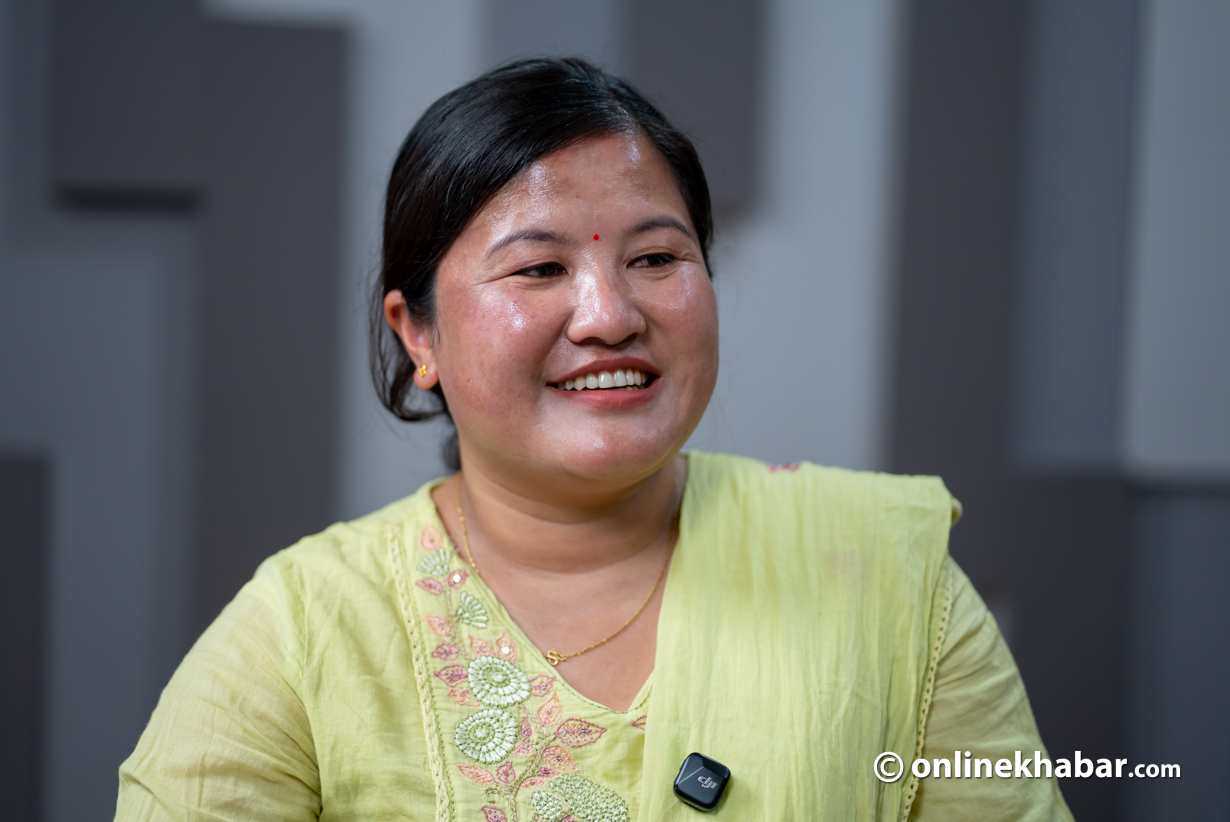
Kaucha’s family has a political background in the Nepali Congress. Her grandfather was the founding chairperson of her village, and her father was also politically active. Initially, she did not plan to enter politics but became active after becoming the treasurer in the student union election at Saraswati Campus in 2008 (2065 BS).
“Senior leaders encouraged me, and I had family support, which brought me here today,” she said.
Moving forward, she is determined to apply the knowledge she gains through her studies to legislative work.
Through continuous political engagement, she has become an MP. Although Congress did not achieve the expected vote share this time, she promises to play a constructive opposition role in parliament.
“We will play a strong opposition role. Being in opposition does not mean opposing everything; we will support the government’s good work and alert them on mistakes,” she stated. “Along with warnings, we will present alternatives. Debate on bills and prioritizing people’s issues will remain our focus.”
Currently Pursuing MPhil
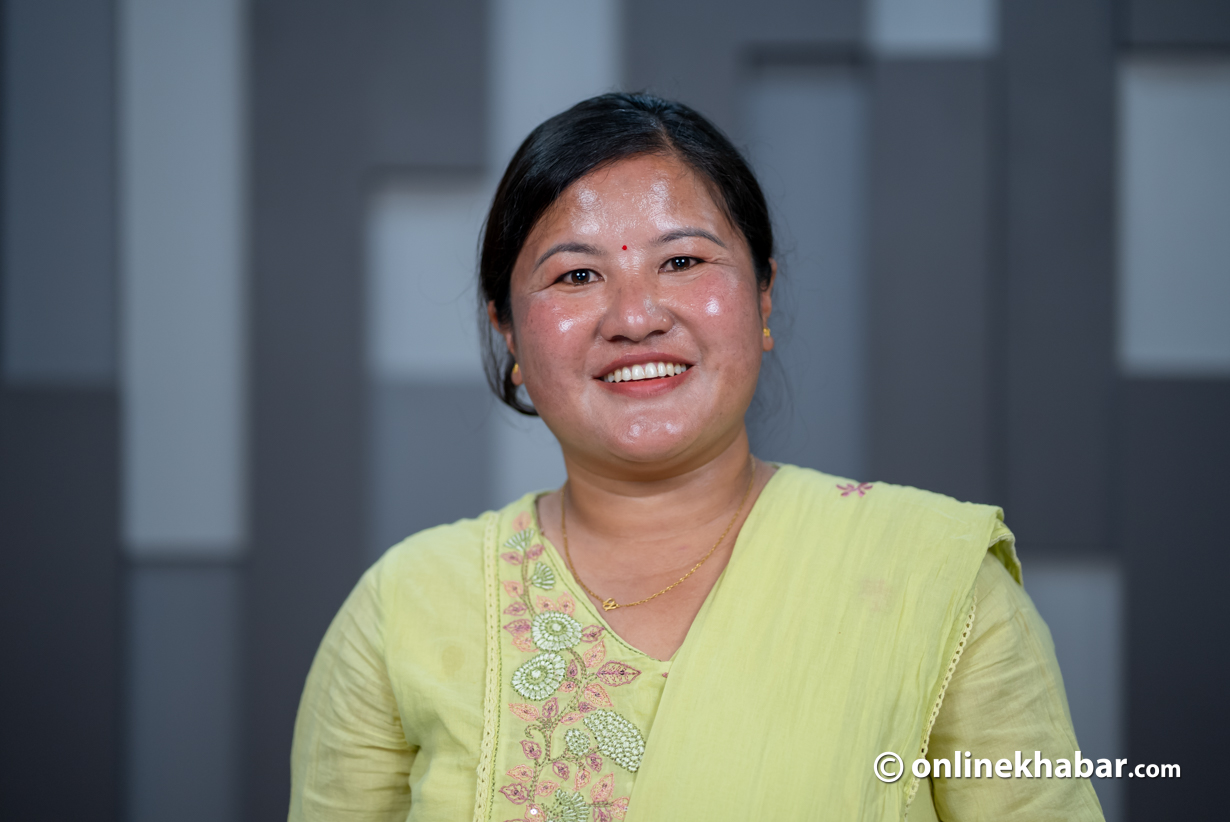
Kaucha continues her education, currently pursuing an MPhil in Anthropology. While serving as deputy mayor, she completed an LLB and succeeded in the parliamentary Judicial Committee, where legal matters and complaints are addressed. She highlighted the importance of law in this role.
Having completed studies in management at Tribhuvan University and Saraswati Campus, and a master’s degree in Indigenous Studies from Kathmandu University, Kaucha is committed to utilizing her academic knowledge for lawmaking.


