




News Summary
Prepared with editorial review.
- Today, 9th Chaitra, the 76th World Meteorological Day is being observed worldwide including Nepal under the theme ‘Observation Today, Safety Tomorrow’.
- According to ICIMOD’s report, the rate of snow and ice melt in the Hindu Kush Himalaya has increased by 65 percent, with a risk of losing 30 to 50 percent of snow by the end of this century.
- The Ministry of Home Affairs of Nepal has released data showing that climate-induced disasters cause an average of 250 deaths and approximately NPR 2.9 billion in economic losses annually.
9 Chaitra, Kathmandu – Under the theme ‘Observation Today, Safety Tomorrow,’ the 76th World Meteorological Day is being observed globally, including in Nepal. Celebrated on the founding day of the World Meteorological Organization (WMO), this year’s event emphasizes the growing risks posed by climate change and the critical need for accurate early warning systems.
The day is given special significance due to the changing climate and its severe impacts on lives and property.
Unprecedented Crisis in the Himalayas
A recent report from the International Centre for Integrated Mountain Development (ICIMOD), based in Nepal, reveals alarming rates of snow melt in the Hindu Kush Himalayan region. Between 2011 and 2020, the rate of snow and ice melt increased by 65 percent compared to the previous decade, according to ICIMOD.
Experts warn that if this trend continues, by the end of the century, 30 to 50 percent of the snow in the mountains may disappear, threatening the river systems known as Asia’s water towers with drying up.
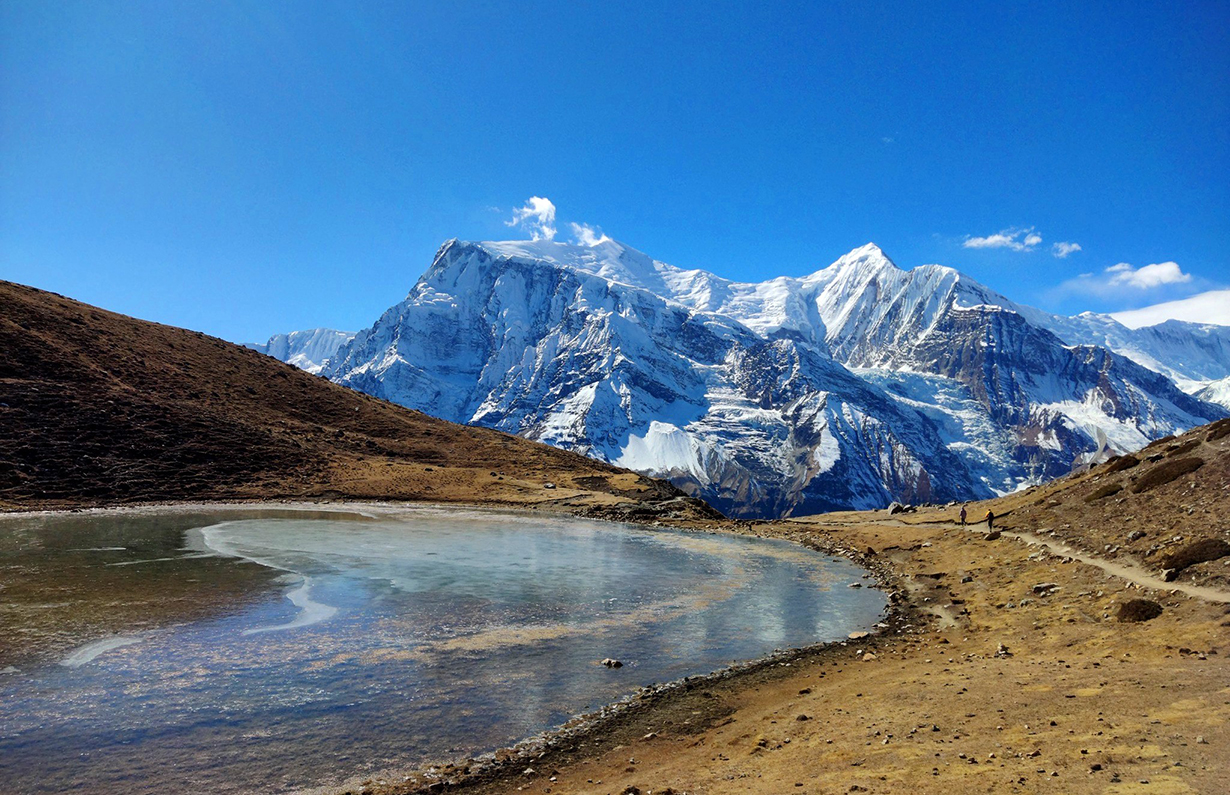
ICIMOD also highlights that rapid glacier melting places Nepal’s glacial lakes at high risk of bursting. Such events could endanger millions residing in downstream areas and pose threats to hydropower facilities at any time.
Data from Nepal’s Ministry of Home Affairs and the National Disaster Risk Reduction and Management Authority indicates that climate-related disasters cause enormous loss of life and property annually in Nepal. Floods, landslides, and lightning strikes lead to an average of 250 deaths each year. Over the last decade alone, more than 5,600 people have lost their lives.
Between 2012 and 2024, over 44,000 disaster events, both major and minor, have been recorded. These incidents have damaged more than 42,000 physical infrastructures including houses, schools, and bridges.
Nepal suffers an average annual economic loss of approximately NPR 2.9 billion due to these disasters, amounting to about 0.25 percent of the country’s Gross Domestic Product (GDP).
Extreme Weather Events
According to the World Meteorological Organization, 2025 has been the third warmest year on record. The Earth’s temperature has risen by 1.48 degrees Celsius compared to pre-industrial times. This has resulted in changes to monsoon patterns, with instances of both excessive rainfall and drought occurring. The Terai region faces heatwaves (locally called “Loo”), rising sea levels, and increased risks of major cyclones.
Therefore, the year’s theme underscores that effective early warning systems, which are accessible to all, are a key strategy for disaster risk reduction. Nepal has set a goal to provide “early warning for all” by 2027.
Officials from Nepal’s Department of Hydrology and Meteorology state that precise information provided through advanced radar and weather stations will assist farmers and the general public in staying safe. However, experts from organizations like ICIMOD emphasize that to curb rising temperatures, immediate action is required from major nations to reduce greenhouse gas emissions.


