Two Former Ministers Cleared of Corruption Charges in Pokhara International Airport Case Based on ‘I Had No Knowledge’ Statements





News Summary
Editorially Reviewed.
- The Commission for the Investigation of Abuse of Authority (CIAA) has cleared two former ministers in the corruption case related to the construction of Pokhara International Airport.
- The CIAA has filed a corruption case against Tourism Secretary Kedar Bahadur Adhikari involving Rs. 461.5 million.
- Former Ministers Jeevan Bahadur Shahi and Jitendra Dev testified that they had no knowledge of the budget, leading to their exoneration by the CIAA.
March 22, Kathmandu – The Commission for the Investigation of Abuse of Authority (CIAA) has reportedly cleared two former ministers from corruption charges in the Pokhara International Airport construction case based on their statements saying, ‘I had no knowledge about the budget.’
Although former Ministers Jeevan Bahadur Shahi and Jitendra Dev, who were responsible for the Ministry of Civil Aviation, were interrogated, the CIAA disclosed that no action has been taken against them. The Tourism Minister chairs the board of directors of the Civil Aviation Authority of Nepal (CAAN), and no budget is approved without decisions from this board.
However, the CIAA has filed a corruption case against Tourism Secretary Kedar Bahadur Adhikari, who reportedly had no role in the CAAN’s board of directors. He is accused of failing to properly monitor and oversee the financial operations of subordinate bodies and colluding in corruption.
The Nepal government had signed a loan agreement with the Export-Import Bank of China for the construction of Pokhara Airport. Under this agreement, CAAN signed a building contract with the Chinese firm CAMC.
Although the contract specified that the contractor should appoint consultants, the CIAA alleges that CAAN appointed consultants using its own budget, which constituted corrupt practice and led to legal action.
The CIAA has filed cases against 23 individuals—including Tourism Secretary Adhikari, former director generals and employees of CAAN, contractors, and their representatives—accusing them of causing a loss of Rs. 461.5 million through appointing consultants using the authority’s budget.
‘I Had No Knowledge’
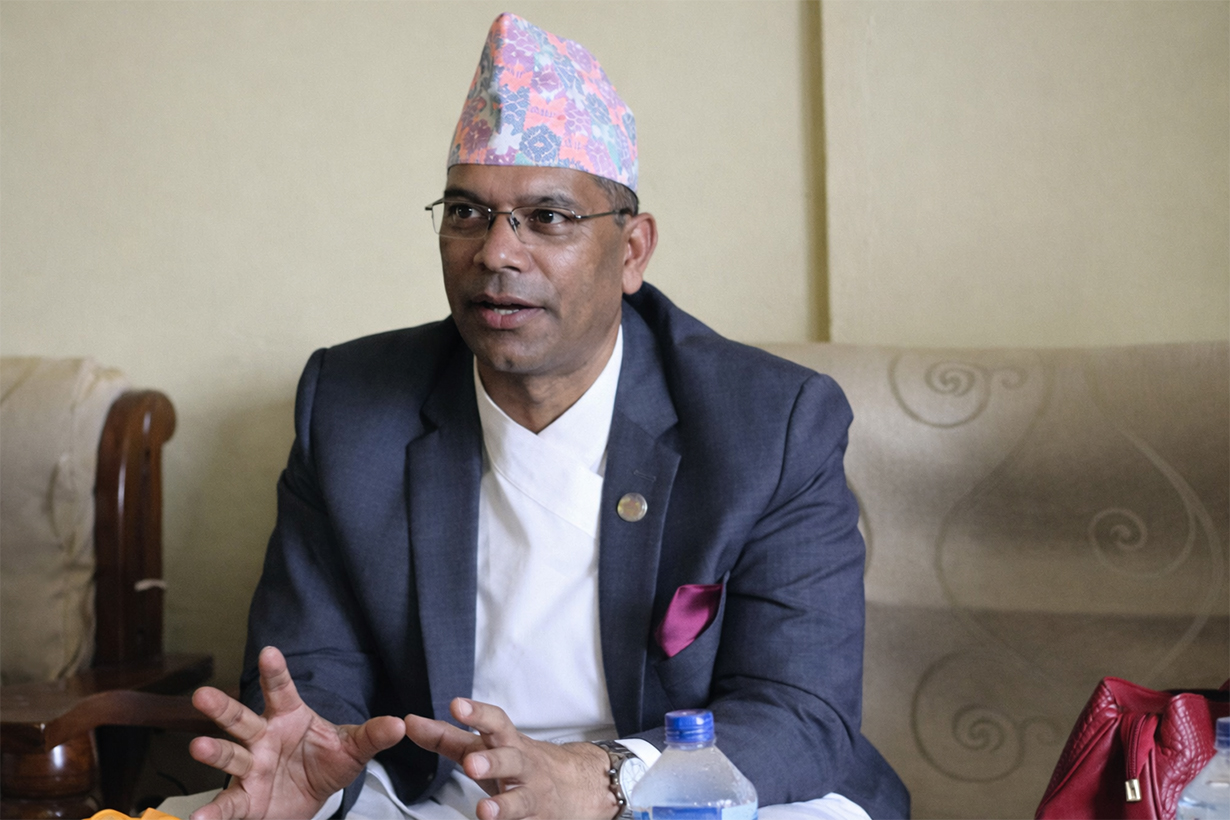
Former Tourism Minister Jeevan Bahadur Shahi stated that the subcommittee was formed and the budget allocated before he assumed office as minister. He explained that since the Civil Aviation Authority and its subcommittee had already allocated the budget, he was not aware of these details.
The CAAN budget only takes effect after approval by the board of directors, which is chaired by the minister. Although the budgeting process is led by the decision-makers, no charges have been filed against them; instead, legal action was taken against those involved in budget planning.
However, in his statement to the CIAA, Minister Shahi indicated that the budget was submitted as a lump sum to the board and there was no separate allocation, so he lacked detailed knowledge.
“The entire budget was submitted to the board in one lump sum, and the board of directors did not make separate allocations. I had no knowledge about the procurement contract details,” he said. “Since I was not knowledgeable about the technical aspects, I was unaware of this matter.”
He also mentioned he had no awareness of budget provisions for consultancy services related to the Pokhara Airport construction or any notifications regarding consultancy services. Minister Shahi served for seven months, from mid-November to mid-February.
“I had no information that the authority’s director general had decided to purchase consultancy services from the authority’s budget or that an invitation for bids had been published,” he told the CIAA.
He further explained he had recently joined CAAN as chairman and lacked technical knowledge. He even provided his technical opinion during the inquiry, stating:
“The Engineering Procurement Construction (EPC) contract should finance the consultancy services from funds allocated for that purpose.”
Jitendra Dev’s Statement: ‘The Director General Did Not Inform Me’
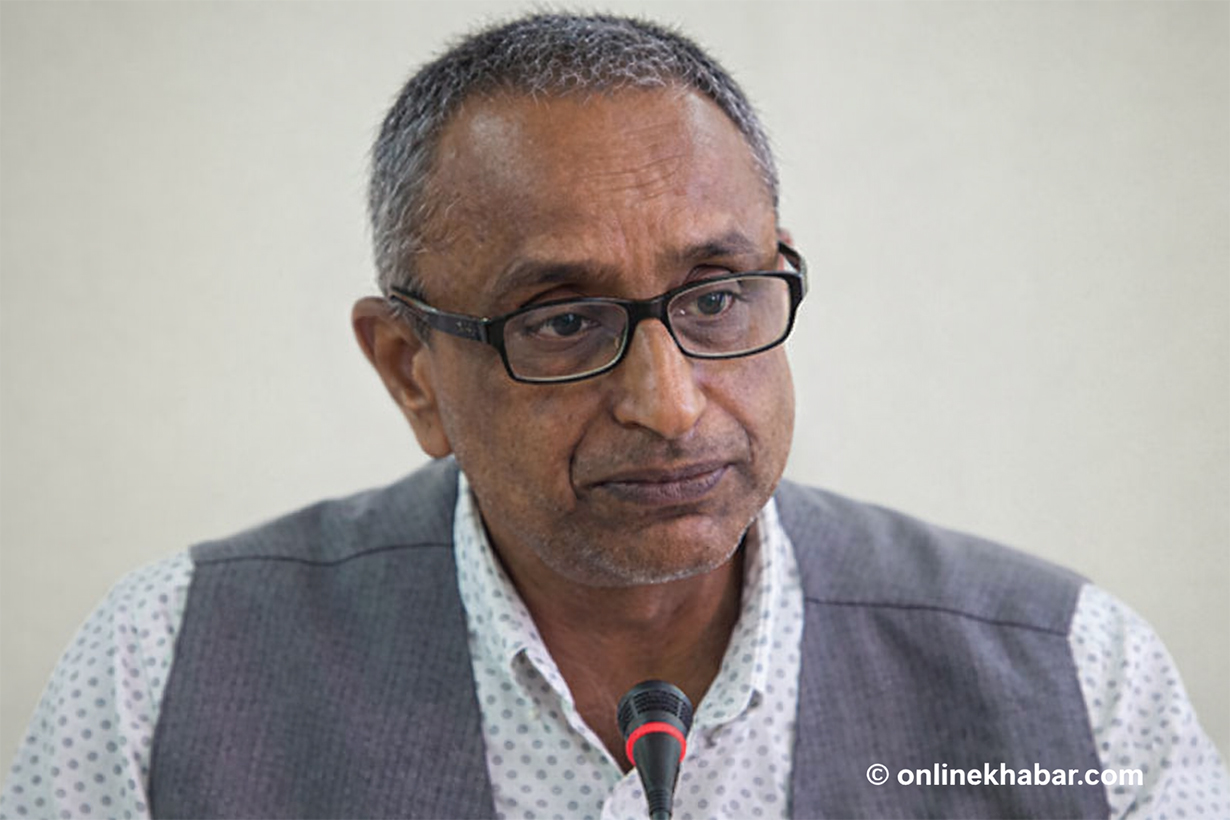
Minister Jitendra Dev similarly told the CIAA that he had no knowledge of the budget for consultancy services related to the Pokhara Airport construction. He added that detailed budgetary matters are known to the authority’s director general, who did not share relevant information with him.
“Neither the director general nor anyone else presented discussions in the board of directors’ meetings, so I was unaware,” he stated. “No one informed me about issues related to the airport construction contract.”
The CAAN had allocated about Rs. 500 million for consultancy services, included in the annual budget. According to the CIAA, the authority incorrectly spent this amount from its annual budget instead of the contract funds.
Although corruption charges were filed against the authority’s director generals, the CIAA did not record statements from the board chairpersons after accepting document authenticity. Other members who gave statements are not being prosecuted.
Secretary, Who Does Not Attend Authority Meetings, Faces Charges
According to Section 13 of the Nepal Civil Aviation Act 1996, the CAAN board is formed to operate, manage, and oversee all activities of the authority. The board is chaired by the Tourism Minister or State Minister and includes representatives from other stakeholders.
However, the Tourism Secretary does not participate in the board meetings, while the authority’s director general serves as the board’s secretary.
Despite not playing any role in the budget allocation, decisions, or implementation of the authority, Tourism Secretary Kedar Bahadur Adhikari has been charged by the CIAA with corruption. He is also accused of authenticating documents of the authority improperly. The commission alleges he failed to supervise his subordinate offices and was complicit in corruption, demanding recovery of Rs. 461.5 million from him.
Secretary Adhikari admitted in his statement that his role was limited to certifying letters and files received from the authority and forwarding them to the Ministry of Finance. He maintained that, as the authority is an autonomous body, he could not intervene in its operations.
“It is incorrect to assume that I approved sending government documents received by the ministry to the Ministry of Finance,” he said, “The law assigns responsibility to the autonomous body itself.”
However, the CIAA’s charge sheet accuses him of abusing his position to authorize documents that benefited contractors and caused damage to Nepal Government and CAAN assets.
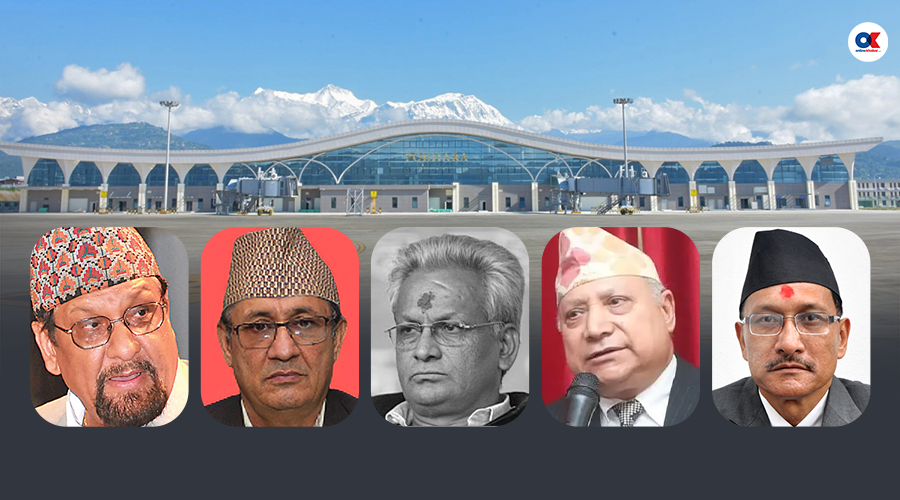
On December 7 last year, the CIAA filed cases against five former ministers and a Chinese company along with a total of 56 individuals, alleging corruption worth Rs. 836 million in the Pokhara airport construction project.
The accused included Ram Kumar Shrestha, Bhim Prasad Acharya, Dipak Chandra Amatya, Dr. Ram Sharan Mahat, and the late Post Bahadur Botgya’s widow Ram Maya Bogti. Former tourism secretaries Sushil Ghimire and Sureshman Shrestha, Finance Secretary Suman Prasad Sharma, and Law Secretary Bheshraj Sharma were also charged.
According to the special court’s charge sheet, the corruption involved inflating the construction cost of Pokhara International Airport. The initial estimate was USD 169.69 million, including 13% VAT and 3% contingency.
However, after cost escalations, the contract value rose to USD 244.04 million, an increase of USD 74.34 million. The CIAA alleges that this amount—equivalent to Rs. 836 million based on the then exchange rate of Rs. 112.55 per dollar—is the basis for the corruption allegations.
The latest case concerns amounts spent outside the loan agreement with the Chinese bank. The CIAA claims that instead of the contractor spending the allocated funds on consultants as per the contract, CAAN spent its own budget, constituting corrupt practice.


