




News Summary
Reviewed.
- Armed Police Inspector General Raju Aryal stated there is no clear role defined for Armed Police deployment in riot control.
- The government has decided to designate the Neel Barahi Unit in Kirtipur as the Riot Control Unit.
- The Home Ministry is preparing the Security Forces Deployment Policy, 2082 to eliminate overlap between Armed Police and Nepal Police in mob and riot management.
March 24, Kathmandu – According to Section (G) of the Armed Police Act 2058, Armed Police are supposed to be deployed for riot control, but there remains a lack of clarity on this matter. Clear roles and conditions for deploying Armed Police in riot situations have not been firmly established, raising concerns.
On Tuesday, during the 22nd anniversary ceremony of the Pashupatinath Battalion headquarters in New Baneshwor, Armed Police Inspector General (IGP) Raju Aryal raised questions about the ambiguous role of Armed Police deployment.
Although Armed Police are said to be deployed when riots occur or are likely, he indicated that Armed Police personnel are currently being deployed daily even in normal circumstances.
He also noted that there is still no clear policy on riot control and that decisions on this matter are awaited from the Home Ministry.
The ambiguity around Armed Police deployment, mandates, and roles has caused overlap and confusion between the Nepal Police and Armed Police.
During the protest on September 8 and 9, the entire security apparatus failed in riot control. When protestors entered prohibited areas and violence ensued, security forces fired shots, resulting in 19 deaths.
Similarly, during the royalist protest at Three Corners on March 28, security agencies were also unable to act effectively. These events highlighted the lack of coordination, resulting in overlap and uncertainties among security agencies.
Following these incidents, the Armed Police Force proposed forming a specialized unit for riot control to the Home Ministry. Accordingly, on December 18, the Cabinet decided to convert the Neel Barahi Unit in Kirtipur into a Riot Control Unit and to add posts for Senior Superintendents of Police (SSP).
This unit, commanded by an SSP, has now been placed under the Riot Control Regiment.
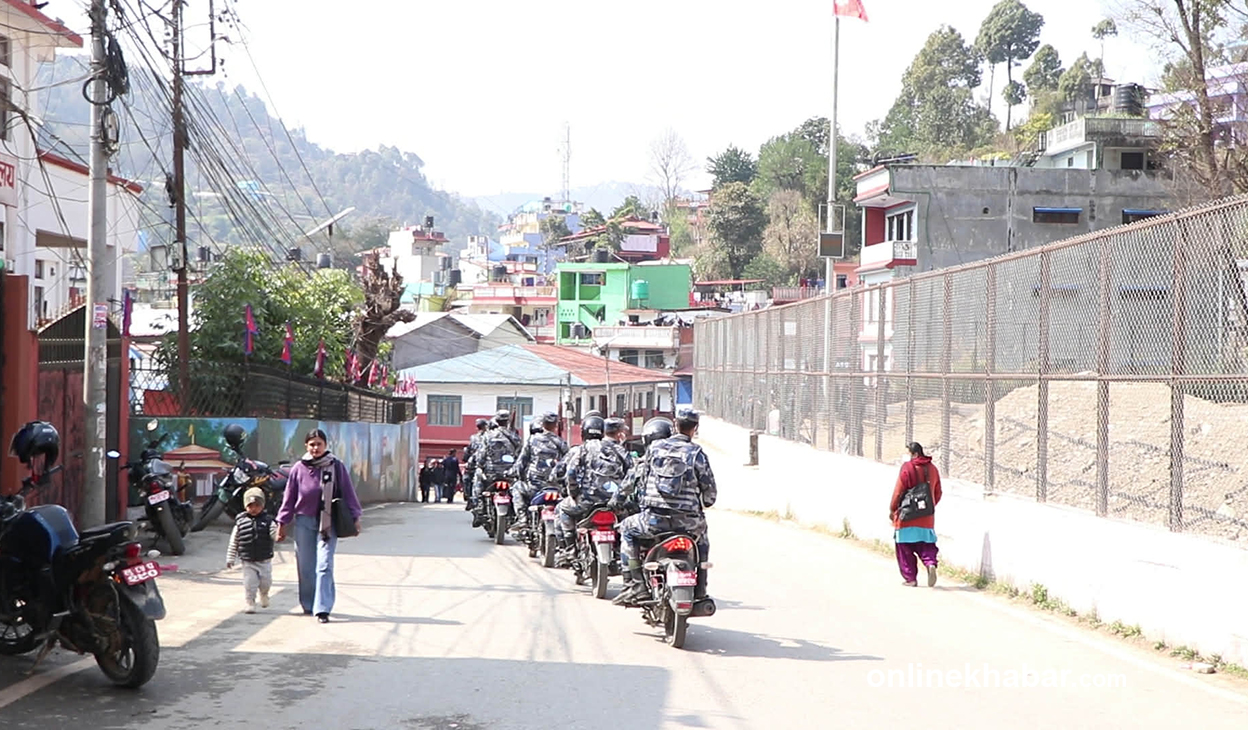
Preparations are underway to formally inaugurate and operationalize this unit soon. However, security officials express concerns that despite the unit’s formation, its deployment and role remain unclear.
A senior Armed Police official said, “Posts have been created, but questions about why, when, and how these teams will be deployed remain unanswered. The role of other security agencies in such scenarios and the delineation of authority need clarification. This could lead to incidents similar to the recent protests.”
There appears to be insufficient coordination between the two security forces — Nepal Police and Armed Police — in crowd control. During the September 8 protests, Police received no assistance from Armed Police while firing shots.
Deployment of Police and Armed Police separately in the field contributed to significant human losses.
To eliminate this overlap, the Home Ministry is preparing the Security Forces Deployment Policy, 2082, regarding mob and riot management.
The proposed policy defines how and when Armed Police should be deployed in normal situations, including their duties and powers.
According to the policy, Nepal Police and local police will have primary responsibility for security under normal circumstances, with Armed Police deployed only as necessary.
A phased approach to crowd control, ranging from baton charges to water cannons and aerial firing, has been devised.
If these measures fail to control riots and destructive activities escalate, a special situation can be declared to permit Armed Police deployment.
In such cases, Armed Police will lead field operations, and Nepal Police will be deployed under Armed Police command.
However, this policy has yet to be implemented. IGP Aryal has also demanded clarity on the role of Armed Police in this regard.
Former Deputy Inspector General of Armed Police Narayan Babu Thapa has also called for a clear delineation of roles to avoid overlap between the Nepal Police and Armed Police.
Although the Armed Police Force was established for riot control, District Chiefs (CDOs) have been deploying Armed Police even in routine situations.
Post-protest, there has been a recommendation to have a specialized unit for riot control, but unclear jurisdiction and deployment scope have hindered effectiveness.
Pashupatinath Battalion Relocated from Baneshwor
The Pashupatinath Battalion of the Armed Police Force has been responsible for security, crowd control, riot management, disaster relief, and VIP security covering the three districts of Kathmandu Valley.
Established 22 years ago, its office was until recently located in Satungal. Following recent protests, the office has been moved to New Baneshwor.
The new office is situated behind the Transport Department, and the valley’s command is now managed here by Armed Police DIGs.
Since New Baneshwor and Maitighar areas frequently witness protests, rallies, and sit-ins, relocating the battalion was meant to enhance coordination. The location also houses important government offices and establishments, making it strategically important for security.


