




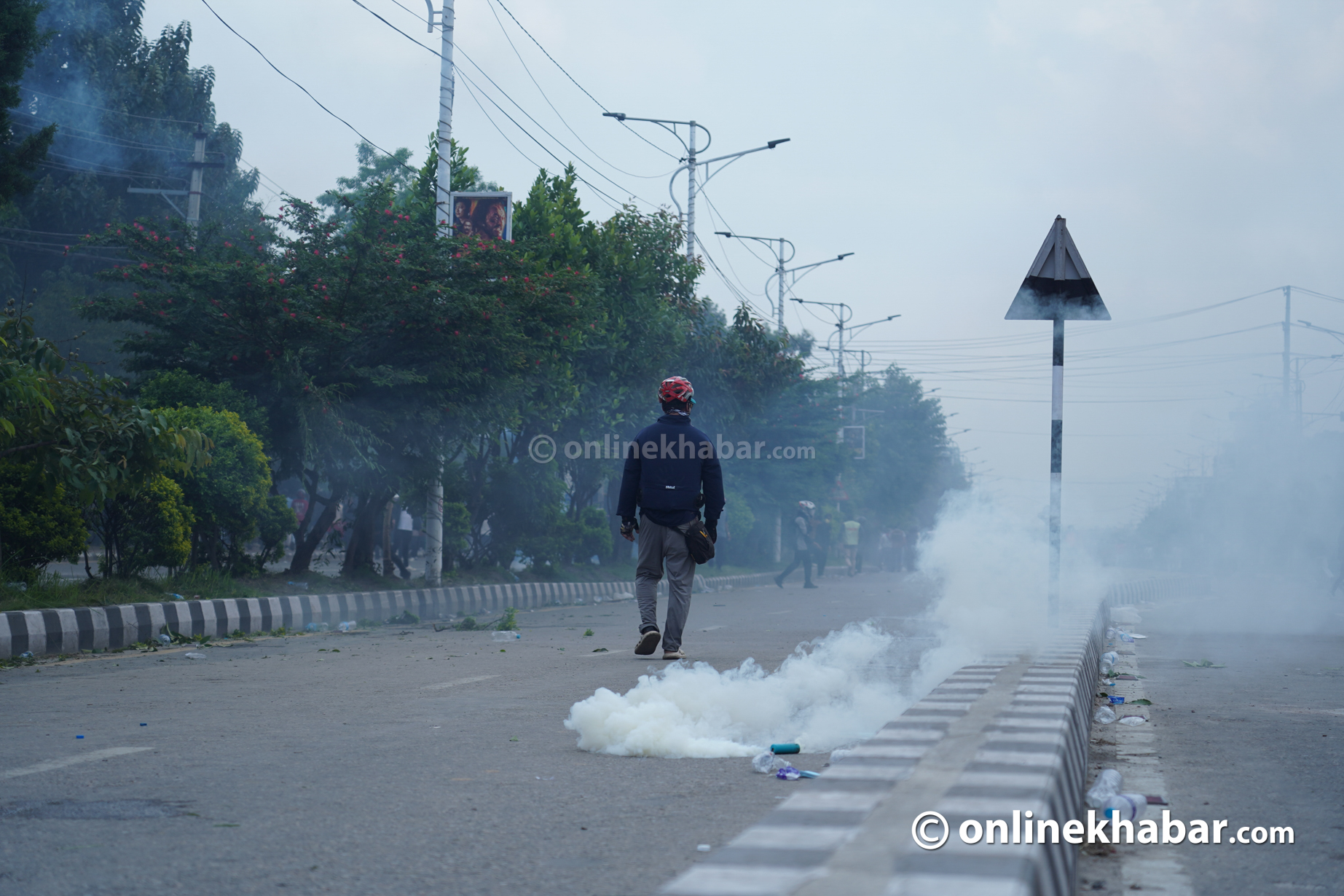
March 24, Kathmandu – Prime Minister Sushila Karki has decided to publicly release the investigative commission’s report concerning the events of September 8 and 9. Before the Prime Minister’s announcement on Wednesday evening, media outlets had already published the full text of the report.
The 907-page report, prepared by the commission led by former Special Court Chairperson Gauribahadur Karki, recommends initiating murder investigations against former Prime Minister KP Sharma Oli, Home Minister Ramesh Lekhak, and Inspector General of Police Chandrakuber Khapung, among others.
The Cabinet had resolved on March 14 to accept the Karki Commission’s report.
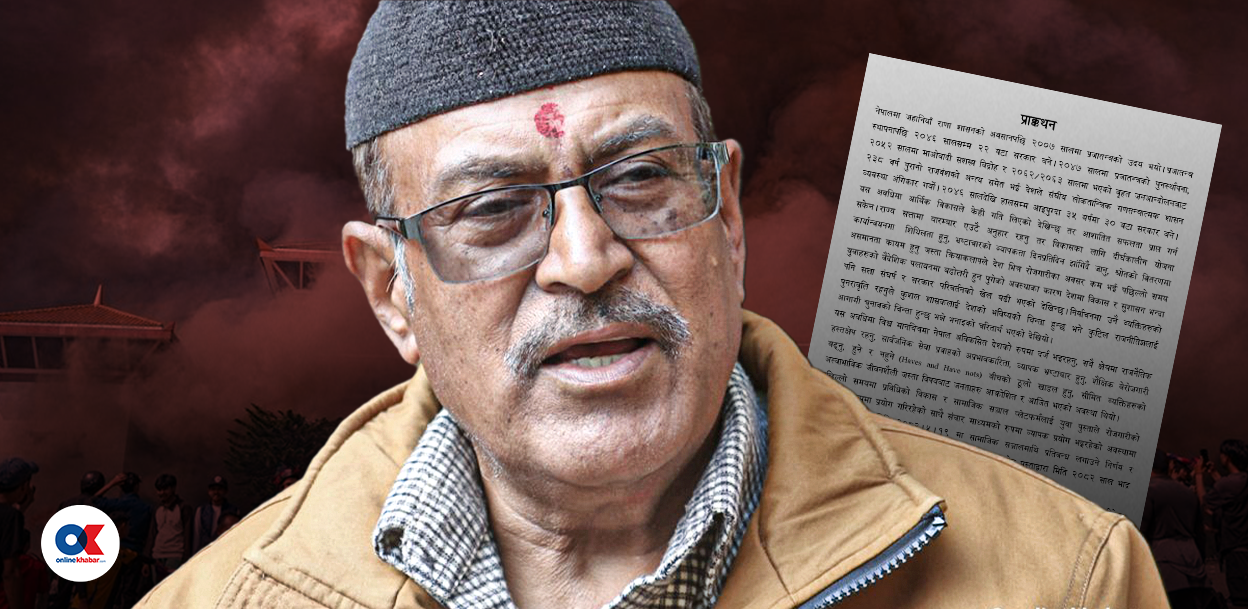
Will the report serve as a sufficient basis for legal action against individuals? “While the commission’s report is not equivalent to a court judgment, the government can rely on it for further study and investigation,” stated former Supreme Court Chief Justice Kalyan Shrestha.
Experts explain that although a fact-finding commission may not directly convict individuals involved, it can recommend further actions for legal proceedings. Former Chief Justice Shrestha emphasized that the commission’s report can indeed serve as a foundation for investigations.
The Karki-led commission was constituted under the Commission of Inquiry Act, 2026. Section 3(2) of the Act allows for forming a commission to investigate matters of public significance if deemed necessary.
Fact-finding commissions primarily collect facts and details related to events. While the commission can provide its viewpoint after investigation, ultimate decision-making authority rests with the government, according to experts.
Former Supreme Court Justice Girishchandra Lal stated, “The commission can express its opinion, but it is the government that decides whether to conduct further investigation or file charges as per the report.”
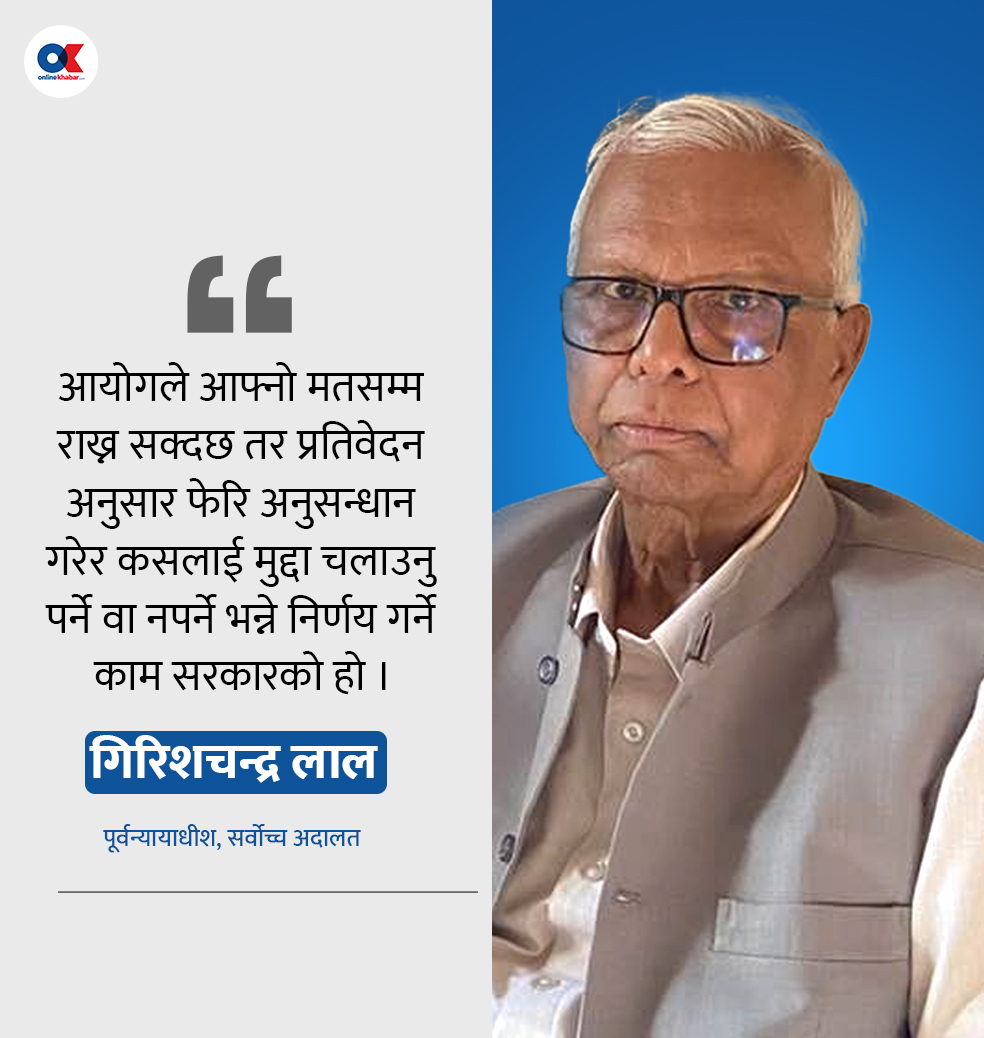
Justice Lal, who previously led commissions concerning the Tikapur incident and disputes over revenue from dedicated and truck lines, pointed out that investigatory commissions do not hold prosecutorial powers.
Once the commission completes its work and submits the report, the government acquires the authority to decide subsequent actions. Relevant agencies may conduct further investigations based on the commission’s recommendations.
The report recommends that the Government of Nepal investigate and prosecute former Prime Minister Oli, Minister Lekhak, and IGP Khapung under Sections 181(1) and 182 of the 2017 Criminal Code. Section 181 criminalizes negligent acts leading to death, punishable by three to ten years imprisonment and a fine between NPR 30,000 and NPR 100,000.
Similarly, Section 182 criminalizes reckless behavior causing death, with a penalty of up to three years imprisonment and a fine up to NPR 30,000. The commission also recommended prosecuting former Home Secretary Gokarn Mani Duwadi, Armed Police Force Inspector General Raju Aryal, National Investigation Department Chief Hutaraj Thapa, and Chief District Officer Shvilaal Rizal under Section 182.
Such prosecutions are typically conducted jointly by government lawyers and police. Former Justice Lal noted, “Cases of this nature must be conducted according to the Government Cases Act and related laws, with the prosecution led by the government.”
Senior Advocate Rajuprasad Chapagain suggests that some of the report’s recommendations may be implemented through policy, legal, institutional, and procedural reforms. “For that, the government and Parliament need to take necessary initiatives,” he emphasized.
Chapagain further explained that the commission’s investigation alone cannot be solely relied upon, but it provides crucial guidance. He clarified that implementing recommendations related to violations on September 8 and subsequent violent events on the 9th will not be straightforward or immediate.
“Criminal investigations and prosecutions must follow due process and be evidence-based,” Chapagain said. “Based on the commission’s recommendations, further investigation can be carried out to gather sufficient evidence to complete criminal proceedings and file cases.”
Regarding human rights violations, he noted that national and international human rights principles and criminal law jurisprudence may be applied.
Chapagain remarked, “Effective implementation of the recommendations requires breaking the cycle of impunity, which is contingent on the state’s political will. Whether the state demonstrates this will remain to be seen over time.”


