




News Summary
Reviewed.
- The commission investigating the suppression of the Jenajati movement has recommended pursuing homicide investigations against former Prime Minister KP Sharma Oli, Home Minister Ramesh Lekhak, and Inspector General of Police Chandrakuber Khapung.
- The commission deemed Oli’s role irresponsible for failing to prevent human casualties.
- The four-hour delay in stopping the gunfire has been classified as reckless conduct.
- The commission has also recommended investigation and action against Home Secretary Gokarn Mani Duwadi, Armed Police Force Inspector General Raju Aryal, and two others for reckless killing.
March 24, Kathmandu – A commission established to investigate the crackdown during the Jenajati movement has recommended pursuing homicide investigations against former Prime Minister KP Sharma Oli, Home Minister Ramesh Lekhak, and four senior officials.
According to a leaked confidential report, these individuals have been suggested for investigation under Section 181 of the Muluki Ain, 2074 (National Code), which prohibits negligent actions leading to loss of life.
Those named include former Prime Minister KP Sharma Oli, Home Minister Ramesh Lekhak, and Inspector General of Police Chandrakuber Khapung. Section 181 states that negligence resulting in someone’s death is punishable by three to ten years imprisonment and a fine ranging from NPR 30,000 to NPR 100,000.
Section 182 of the same code prohibits reckless conduct causing death, with penalties including up to three years imprisonment and a fine up to NPR 30,000.
Regarding Oli’s role, the commission stated, ‘During the parliamentary system, despite gunfire lasting about four hours outside the parliament building resulting in deaths and injuries, the Prime Minister, as the guardian of all citizens, did not take steps to prevent further human loss, reflecting a significant failure.’
The commission further labeled Oli’s response to questions from SEE students and on-field police as irresponsible, citing his failure to take action to prevent additional casualties.
Why Was No Attempt Made to Stop the Gunfire?
The commission questioned why, after it was established that Oli did not order the shooting and that protesters were not killed out of premeditated intent, security forces continued firing without attempts to halt, resulting in deaths and injuries among demonstrators.
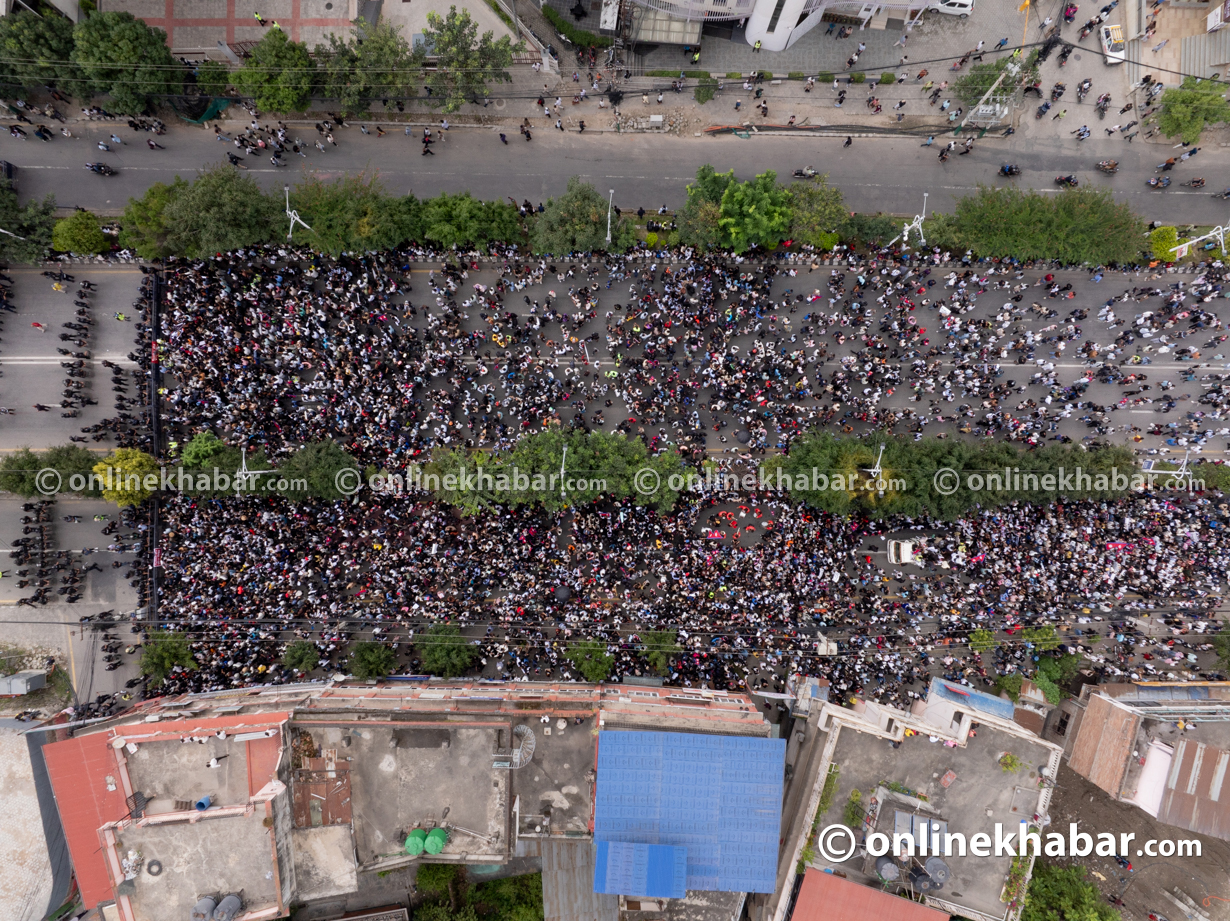
‘Because no efforts were made to stop the shooting, even minors lost their lives,’ the commission stated, adding that those responsible for negligence and recklessness in the incident dated September 8 are accountable.
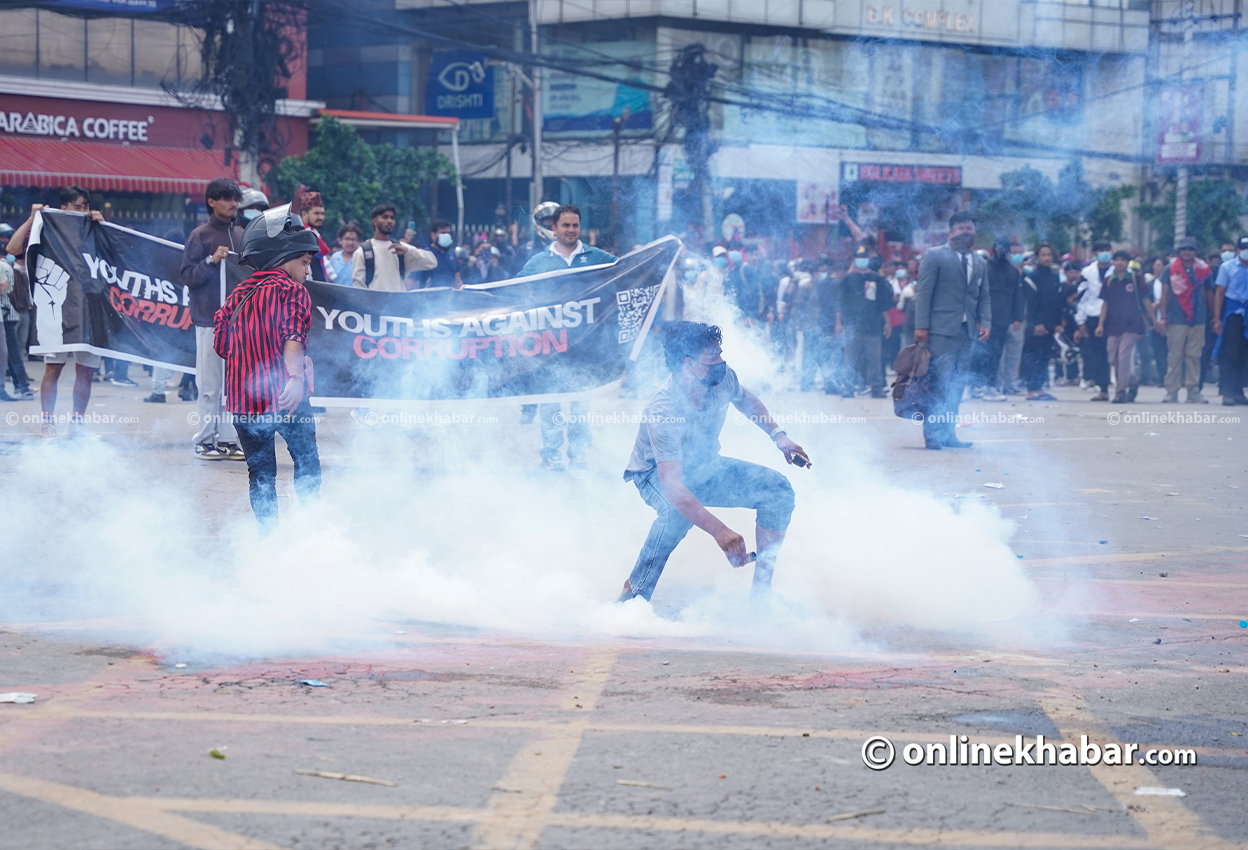
The commission has recommended that Oli, Lekhak, and Khapung be criminally investigated for negligent and reckless conduct leading to death, and the four-hour period during which gunfire was not stopped has been identified as reckless behavior.
Further Investigations Recommended Against Four Officials
Besides these three officials, the commission has also recommended a secondary level of disciplinary action against Home Secretary Gokarn Mani Duwadi, Armed Police Force Inspector General Raju Aryal, National Investigation Department Chief Hutaraj Thapa, and former Kathmandu Chief District Officer Chhavi Rizal.
They have been recommended for investigation under Section 182 for reckless killing, which carries up to three years imprisonment and a fine up to NPR 30,000.
These officials have been cited for negligence in exercising their official powers and for facilitating reckless conduct.
Officials Recommended for Departmental Action
The commission has recommended disciplinary action against AIG Siddhibikram Shah, DIG Om Bahadur Rana, SSP Bishwo Adhikari, SSP Deepshamsher Jabara, and SP Rishiram Kandel.
Shah was not the operation chief, while Rana served as acting head of the Valley Police Office. Bishwo Adhikari was the Kathmandu District Police Chief. Jabara and Kandel were also in key police positions in the Valley and special units.
The commission found lapses in their performance of duties, leading to the recommendation for action.
In addition, recommendations for disciplinary measures include AIG Narayandatt Paudel of the Armed Police Headquarters, DIG Suresh Kumar Shrestha of Kathmandu Armed Police Battalion, SP Jeevan KC of the Disaster Rescue Unit in Sinamangal, Deputy Director Krishna Prasad Khanal of the National Investigation Department, and Reben Kumar Gachhadar, Kathmandu Chief and Deputy Investigation Director.
The commission also recommended administrative action against military officials such as Manoj Baidwar, head of the Presidential Residence protection team; Diwakar Khadka of the Baluwatar security team; Ganesh Khadka of the Singha Durbar Secretariat security; and Santosh Dhungel, parliamentary building security personnel.
Furthermore, the commission suggested investigation and action against members of the TOB who incited unrest near Baneshwor on motorcycles and encouraged peaceful demonstrators to advance towards the parliament.


