




Summary of the News
Editorially Reviewed.
- Houthi rebels from Yemen launched missile attacks on sensitive Israeli military sites on March 28.
- The Houthi group targeted Israeli military objectives and stated their campaign will continue as long as the assaults against Palestine and Iran persist.
- This attack has increased uncertainty over the Red Sea trade route, heightening the risks of global energy crises and economic recessions.
Arising from northern Yemen’s mountainous areas, the Houthi rebels launched missile strikes on what they described as sensitive Israeli military sites on Saturday. This marks the Houthis’ formal and aggressive entry into the month-long conflict initiated by the US and Israel against Iran.
Houthi military spokesperson Yahya Sari announced via Al-Masirah TV that Israeli military targets had been hit. He stated, “We have targeted Israeli military positions, and this campaign will persist as long as the aggression against Palestine and Iran continues.”
Israel claimed to have intercepted and destroyed most of the missiles mid-air, but the incident has once again injected uncertainty and tension along the Red Sea trade routes.
Origins of the Houthis
The Houthis are officially called “Ansar Allah” (Supporters of God). They are an armed religious and political movement originating from Yemen’s northern Saada province. Understanding the Houthis’ origins requires examining Yemen’s millennium-old religious history. The group primarily belongs to the Zaidi sect of Islam, a branch of Shia Islam with some distinct practices that in certain aspects align with Sunni Islam.
For Iran, the Houthis have become a key instrument to exert pressure on Saudi Arabia and challenge Israeli and Western naval routes in the Red Sea. Like Hezbollah and Hamas, the Houthis are major pillars in Iran’s “Axis of Resistance.”
From 897 to 1962, Zaidi imams ruled northern Yemen’s mountainous region for nearly a thousand years. Leadership descended from Prophet Muhammad’s lineage (Ahl al-Bayt) and rebellion against injustice was seen as a religious duty. This concept of “Khurooj” (rebellion) forms the ideological foundation of the current Houthi movement.
The 1962 Military Coup and the End of the Imamate
The year 1962 was pivotal in Yemen’s modern history. A military coup that year ended the thousand-year-old Zaidi imamate and founded the Yemen Arab Republic (North Yemen).
The coup politically marginalized the Zaidi community. Egypt’s Gamal Abdel Nasser supported the republicans, while Saudi Arabia backed the imamate loyalists. This triggered a prolonged civil war whose effects remain visible today through groups like the Houthis. They view themselves as fighters reclaiming their lost political and religious rights.
Religious tensions deepened Yemen’s internal conflict when neighboring Saudi Arabia began spreading Wahhabi and Salafi (hardline Sunni) ideologies in northern Yemen.
In the 1980s, Saudi Arabia heavily invested in establishing religious schools (madrasas) in Saada province, the Houthis’ stronghold. Zaidi scholars perceived this as an existential threat. Subsequently, Hussein Badreddin al-Houthi initiated religious education and youth mobilization efforts. This struggle was not merely religious; it was a contest over Yemen’s fundamental identity and foreign interference.
Following Yemen’s unification in the 1990s, the movement emerged in response to the growing influence of Saudi Wahhabi ideology and opposition to the US-backed Yemeni government. Founder Hussein Badreddin al-Houthi launched the “Believing Youth” program in 1992 to preserve Zaidi identity.
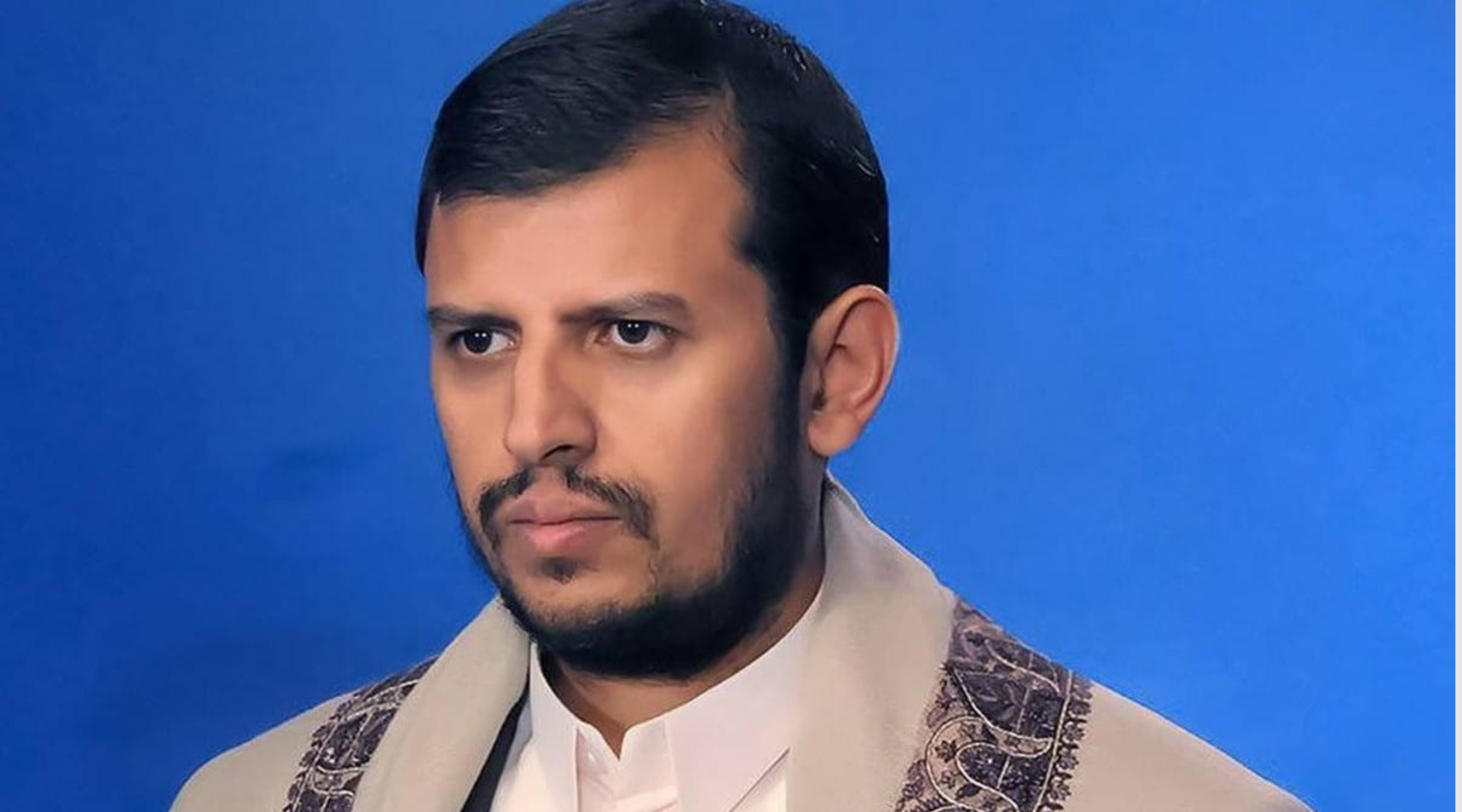
After the 2003 invasion of Iraq, Hussein embraced an anti-US and anti-Israel stance as a core principle. When the government moved to detain him, the first armed uprising began from the Saada mountains in 2004. Hussein was killed on September 10 that year. His death did not weaken but rather unified the movement further. Leadership transferred to his brother Abdul Malik al-Houthi, who consolidated various Zaidi commanders under a single military command.
From Rebellion to Power and the Blaze of Civil War
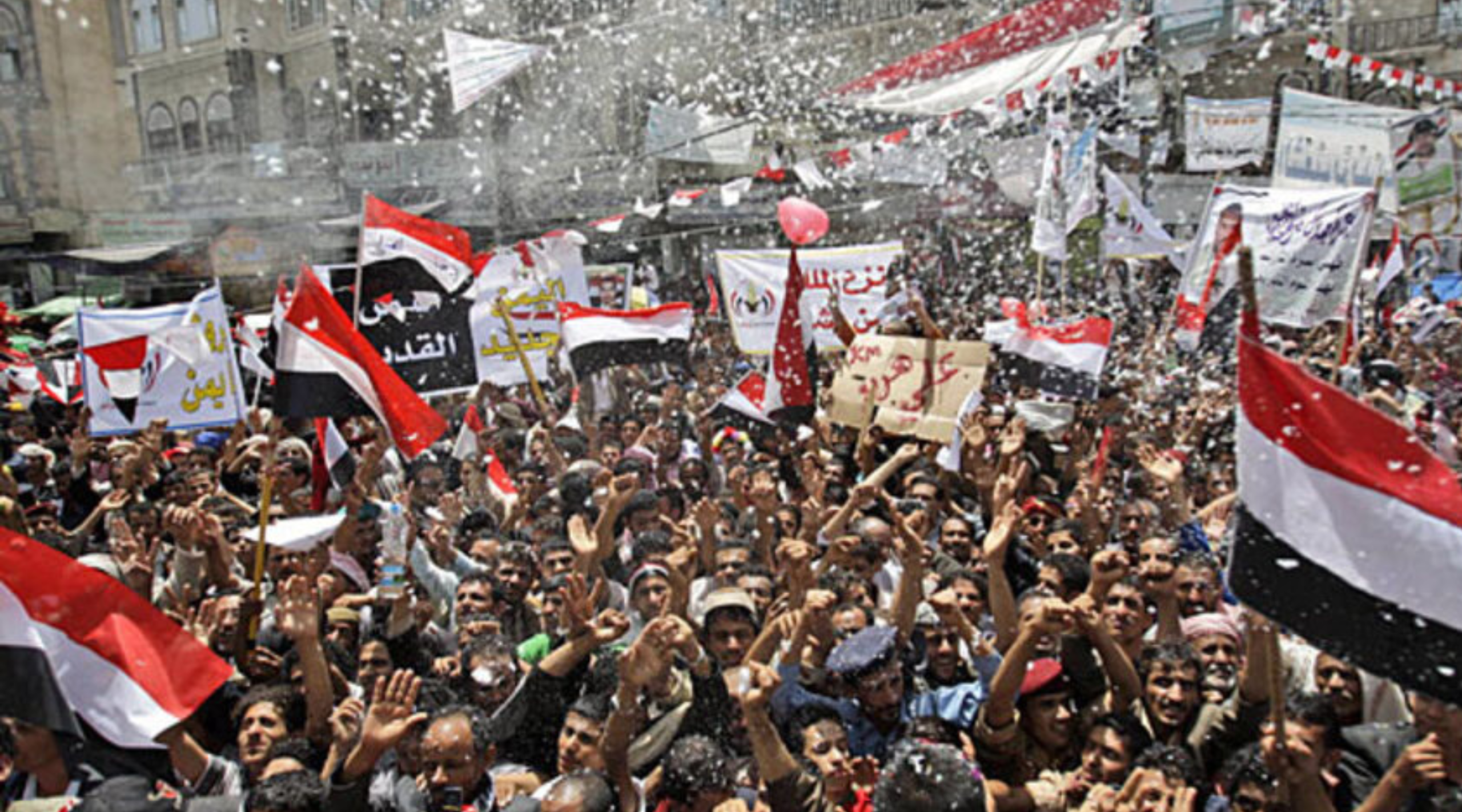
The 2011 Arab Spring uprising shook Yemen’s 33-year rule by Ali Abdullah Saleh. The Houthis actively participated in protests in Sana’a.
After Saleh’s resignation, Vice President Abd-Rabbu Mansour Hadi assumed power. However, his government proved weak and corrupt. The Houthis capitalized on public discontent and led widespread protests in Sana’a in 2014. On September 21, 2014, Houthi fighters seized the capital, forcing the Hadi government into exile and dramatically altering Yemen’s history. This ignited a brutal civil war. In 2015, a Saudi-led coalition of 10 countries launched “Operation Decisive Storm” to counter the Houthis.
Abdul Malik al-Houthi issued a warning threatening complete destruction of ships that violate the “red line” in the Red Sea. This development has exacerbated risks of a global energy crisis and economic recession.
Saudi Arabia’s aim was to restore the Hadi government and expel the Iranian-backed Houthis beyond its borders. Yet the conflict proved more complex than expected. The Houthis employed guerrilla tactics challenging Saudi military technology. Concurrently, Iran supplied the Houthis with advanced drones and missile technology. Consequently, the Houthis acquired capabilities to attack Saudi and UAE oil facilities and airports.
The war ultimately became a “proxy” conflict between Iran and Saudi Arabia. According to the UN, it is the world’s worst humanitarian crisis, with nearly 400,000 deaths and over 4 million displaced.
Relations with Iran and the “Axis of Resistance”
The Houthis are highly effective regional partners of Iran. Iran’s Islamic Revolutionary Guard Corps (IRGC) has supplied the Houthis with advanced drones, ballistic missiles, and military training.
Using Iranian technology, the Houthis have developed powerful missiles like the “Palestine-2” with ranges exceeding 2,150 kilometers.
For Iran, the Houthis serve as a key tool to pressure Saudi Arabia and disrupt Israeli and Western maritime routes in the Red Sea. Like Hezbollah and Hamas, the Houthis are strong components of the Iranian “Axis of Resistance.”
Red Sea Attacks: Strikes on a Vital Global Trade Route
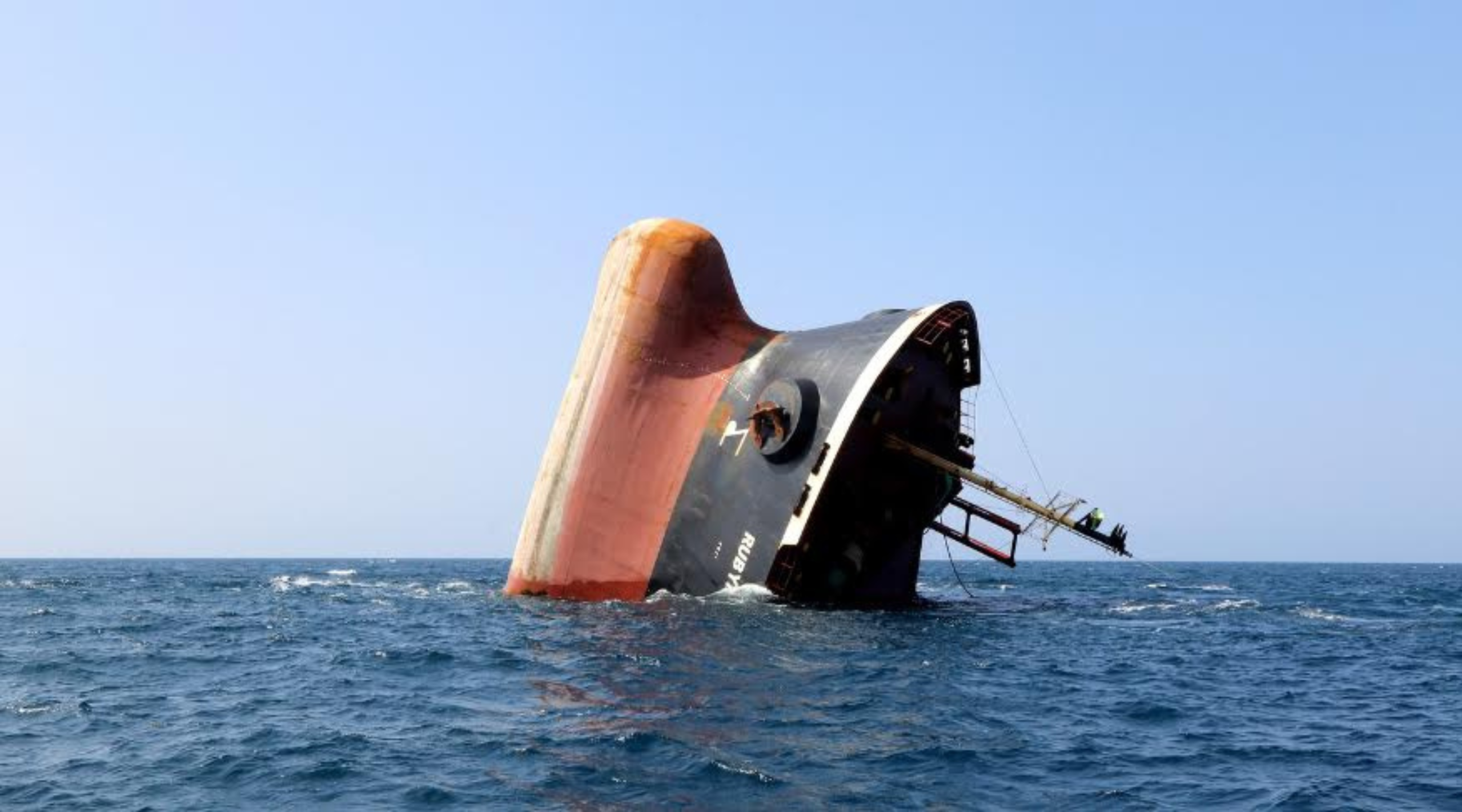
Until 2022, the conflict appeared relatively stable. Saudi Arabia and the Houthis engaged in both secret and public negotiations for ceasefires. However, after October 7, 2023, the Houthis launched a series of attacks on ships in the Red Sea in support of Palestine. They targeted Israeli and Western vessels in the Red Sea and Bab al-Mandeb Strait, causing repercussions worldwide.
This critical trade route accounting for approximately 15% of global shipping became insecure. Many ships were forced to reroute around Africa’s Cape of Good Hope, adding nine days to transit times and doubling to tripling costs.
Rising fuel and goods transport expenses have significantly increased consumer prices in developing countries such as Nepal, worsening global inflation.
The 2026 Iran–Israel Conflict and the Houthis’ “Third Front”
In February and March 2026, when America and Israel struck Iranian nuclear sites, the Houthis formally entered the war. The missile attack on Israeli military targets on March 28 is the latest event in this escalation.
Abdul Malik al-Houthi warned that any violation of the “red line” would lead to complete destruction of ships in the Red Sea. This has renewed fears of a global energy crisis and economic downturn. Since critical maritime choke points like the Strait of Hormuz and the Red Sea are affected, the global oil supply faces significant disruption risks.


