




News Summary
Reviewed by editorial team.
- The new House of Representatives convened its first session on Chaitra 20, marking the start of duties for the new government and parliament.
- The government plans to draft a federal Civil Service Bill within 45 days to free the administration from political interference.
- Even after a decade since the constitution was promulgated, federal laws, police integration, and education bills have yet to be enacted.
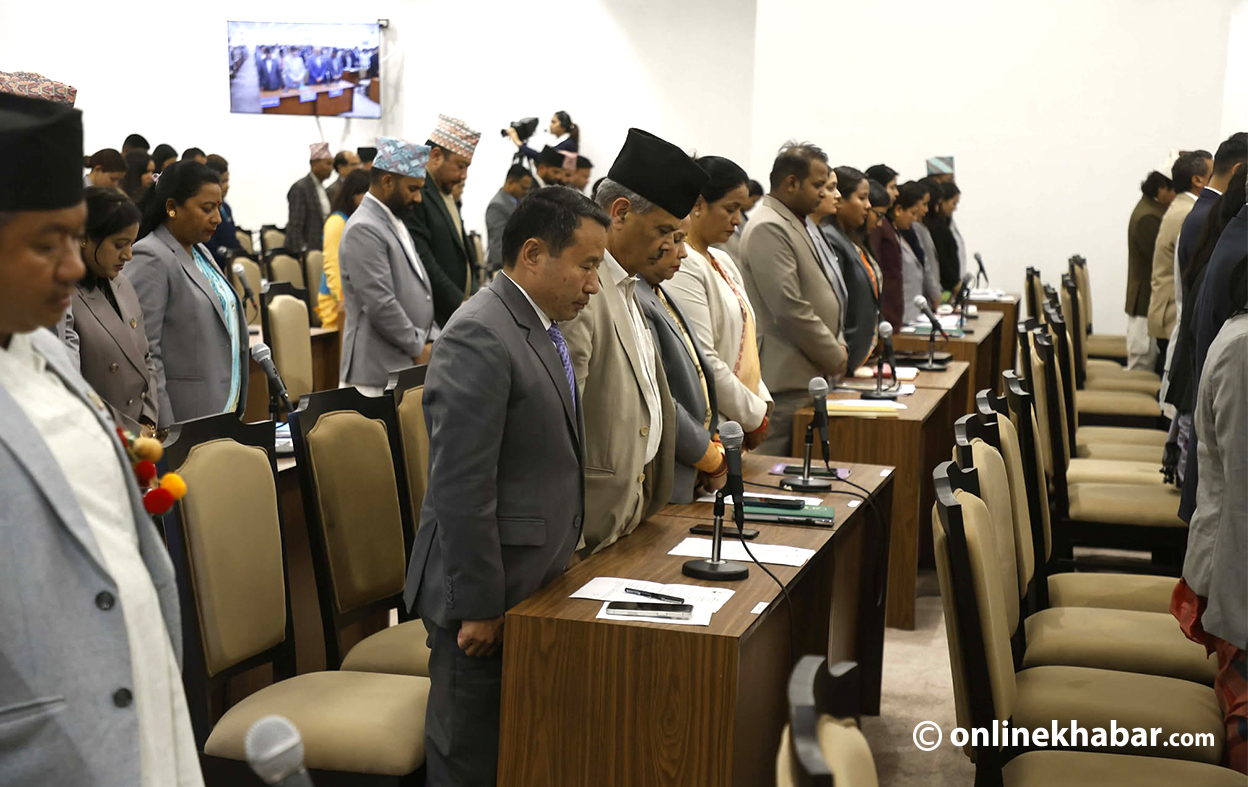
Chaitra 20, Kathmandu – Following the electoral mandate, the new government and the House of Representatives have commenced their responsibilities. The House held its first session on Thursday, where members reminded everyone of their duties toward the newly formed government and parliament.
“The new parliament carries not only the achievements of the past but also the responsibilities left undone,” said Communist Party of Nepal (CPN) leader Barshaman Pun. “There remain several unfinished peace agreements and transitional justice issues for which the new government must take ownership.”
It has been two decades since the peace process began in the country; however, transitional justice remains incomplete. Cases from the conflict period are still unresolved, and victims have not received justice.
After the dissolution of the previous House, laws were enacted for investigating disappeared persons and for the Truth and Reconciliation Commission, which is now operational. The responsibility of completing transitional justice now rests with the new parliament.
Apart from transitional justice, many tasks intensively debated but left undecided in the previous parliament must be addressed by the new legislature.
More than a decade after the constitution was promulgated, federal laws remain unpassed. Issues such as the structure of employees across the three tiers of government, police management, and fiscal powers have been contentious due to the absence of federal legislation.
Priority Given to Civil Service Act
The government has set priorities and deadlines, including drafting the federal Civil Service Bill within 45 days.
As part of the 100-point governance reform agenda, the government has pledged to prepare the federal Civil Service Bill within this timeframe.
The goal is to make government administration completely free from political interference, impartial, and accountable to citizens. Civil servants, including administrative personnel, teachers, professors, and other public servants, should not maintain ties with any political party or interest group.
Failure to comply will result in strict actions under the proposed Civil Service Bill. Additionally, political trade unions in public administration are to be abolished to eliminate undue pressures.
The government is preparing the necessary legal provisions within the federal Civil Service Bill, which is expected to be ready within 45 days.
The constitution mandates that each of the three government levels has its own employees, yet without the Civil Service Bill, administrative federalism has not been implemented effectively.
Employee arrangements were primarily made during the previous term. However, consensus on where employees should be placed—whether at federal, provincial, or local levels—has not been reached. Though Provincial Public Service Commissions exist, employees remain under federal control.
Disputes over whether chief secretaries at provinces, secretaries of ministries, and chief administrative and accounting officers at local levels should be under federal authority prevented previous parliaments from passing the Civil Service Bill. This responsibility now shifts to the new parliament.
Police Act Passed but Integration Pending
Despite a decade passing, the federal arrangement of security agencies has yet to be implemented. Although discussed in previous parliaments, practical progress remained stalled. The country still operates a centralized security system.
Two police integration bills were passed in 2076 BS (2019 AD). They were certified by the President on Magh 28 (mid-February 2020).
According to the police integration, 24,816 personnel are to be integrated into central police, and 54,720 into seven provincial police forces. However, implementation has not progressed.
Education Bill Remains a Major Public Concern
Another major expectation from the new government among citizens is the Education Bill. The constitution grants education rights to the three tiers of government, but no federal Education Act has been enacted.
This issue saw extensive debates in the dissolved House of Representatives. Though the bill was ready for passage, parliamentary dissolution halted the process. The new parliament is expected to take it forward.
On Bhadra 27, 2080 BS (September 11, 2023), the School Education Bill was presented and discussed by the parliamentary committee and submitted to the House, but no further progress was made.
As a result, local governments have yet to exercise their education rights effectively. Secondary education falls solely under local government jurisdiction but has not been implemented efficiently.
The National Independent Student Union demanded making education more practical and proposed three points of divergence: teachers’ rights, reproductive health, and special priority for women’s leave and transfers.
The 2075 BS (2018 AD) Compulsory and Free Education Act includes some mandatory fees, though effective implementation remains pending.
Article 31 of the Constitution guarantees the right of every citizen to basic education, yet after a decade, citizens have not fully realized this right.
The student union has continuously advocated for special priorities concerning women’s issues, reproductive health, leave, and transfers.
Moreover, Article 38(5) of the constitution requires positive discrimination in favor of women.
This time, the student union’s presence in the House with a two-thirds majority suggests smoother passage of the bill.
Limited Progress on Fundamental Rights
Implementation of fundamental rights as mandated by the constitution has seen little progress. Laws compatible with the constitution were to be passed within three years but remain incomplete.
Necessary regulations for fundamental rights have not yet been formulated. The constitution recognizes 16 rights, including housing, education, clean environment, and employment, as fundamental rights.
The new government has pledged to accelerate law-making and adhere to strict timelines.
Minister for Law, Justice and Parliamentary Affairs Sobita Gautam stated the government’s readiness to move the legislative process quickly.
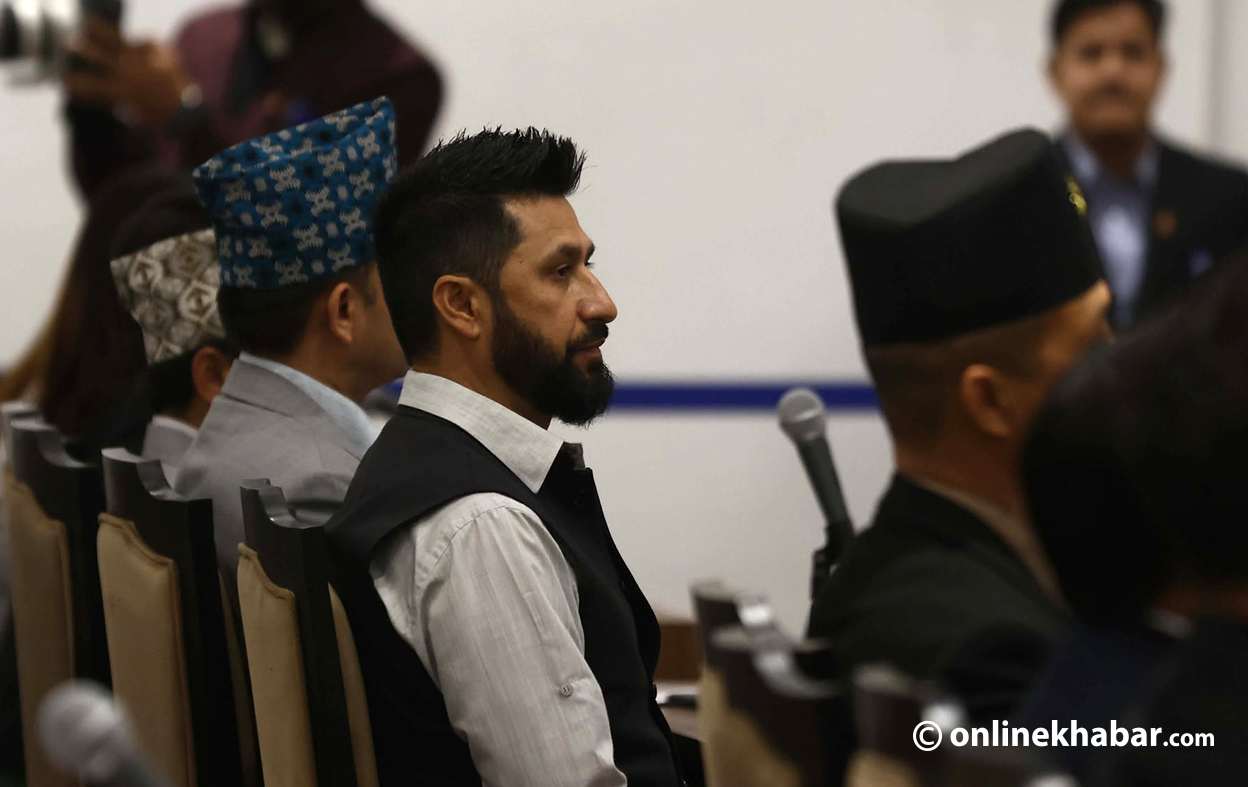
RSWP Chairperson Ravi Lamichhane also expressed hope in the new parliament and a commitment to rectify past mistakes and advance lawmaking.
Lamichhane clarified that the parliament should be a platform for debate, not revenge, and vowed to prevent the entry of vested interest groups.
Nepali Congress MP Bhishmaraj Aangdembe emphasized the need for a stable government and policies and urged the new government to work toward mutual harmony, good governance, and prosperity.


