




Summary
- After the Sugauli Treaty, Nepal lost its geopolitical strength and economic potential, becoming vulnerable under the pressure of global powers.
- Following the Treaty of Kanagawa, Japan acknowledged its weaknesses, modernized rapidly, and emerged as a regional superpower.
- Post-Sugauli, Nepal was mired in internal conflicts and power struggles, failing to enhance national capacity.
Throughout world history, a persistent truth resurfaces: as global powers rise, geopolitical storms affect all nations, yet not all advance equally. Some turn pressures into opportunities and rewrite their destiny, while others vanish or are pushed to the margins by the waves of change.
Nepal’s current marginal position amid geopolitical turmoil is a harsh reality we all must recognize. Following treaties with dominant global powers, today’s generations move around the world in a state of implicit economic subjugation. It is crucial to understand that after such historic turning points, Japan transformed its defeat into a “wake-up call” and achieved a tremendous leap toward modernization.
In this context, the historical parallels between Japan’s modernization process and Nepal’s treaty experiences are striking. I had the opportunity to interact with a renowned Japanese scientist who has developed new earthquake-resistant alloys.
The scientist, attending a conference in Nepal, expressed interest in Nepal’s current economic and political situation.
Japan’s journey to becoming a great power centers on the mantra, “We were weak; we must change immediately.” This awareness propelled Japan toward continuous transformation.
He linked Japan’s state after the Meiji Restoration to the Treaty of Kanagawa and said, “Youth must understand history; it is useful even in science.” He shared insights into Japan’s development in modern economics and scientific education.
This brief exchange revealed that Japanese scientists are not confined to laboratories but are also thinkers deeply engaged in history, geopolitics, and nation-building. This comprehensive understanding is the true foundation of Japan’s modernization.
By contrast, Nepal signed the Treaty of Kanagawa’s counterpart, the Sugauli Treaty, about 38 years earlier, yet results diverged significantly. Where Japan converted defeat into opportunity, Nepal lost both geopolitical power and economic prospects.
The Rana regime brought stability but missed the chance for economic transformation. This article compares Japan’s development trajectory to Nepal’s post-Sugauli errors.
What was Nepal’s state before the Sugauli Treaty? King Prithvi Narayan Shah unified small states, laying the foundation of modern Nepal by securing strategic economic and trade centers and creating centralized power.
His achievements in a limited time helped safeguard the nation.
Meanwhile, Europe was engulfed in wars and scientific revolutions, and Britain was rising as a world power through the Industrial Revolution. Japan, under the Edo era, remained isolated from foreign influence. China was an economic superpower, and Korea was under Chinese influence.
Amidst this global environment, the Sugauli Treaty was signed. Britain was expanding its Indian empire, and Nepal fought a major war that shifted the balance of power at the time.
After defeat, Nepal lost about one-third of its territory and was forced into disadvantageous treaties. Lack of foresight in the political leadership caused profound grief for Nepal.
In contrast, Japan signed the Treaty of Kanagawa with the United States and chose the path of modernization that led it to become a powerful nation. Nepal missed this opportunity.
Internal strife and power struggles after the treaty prevented Nepal from building national capacity. Even with leadership changes, no awakening comparable to China’s “wake-up” was evident in Nepal.
Looking at Northeast Asia, it is clear how Nepal weakened under economic and geopolitical pressures.
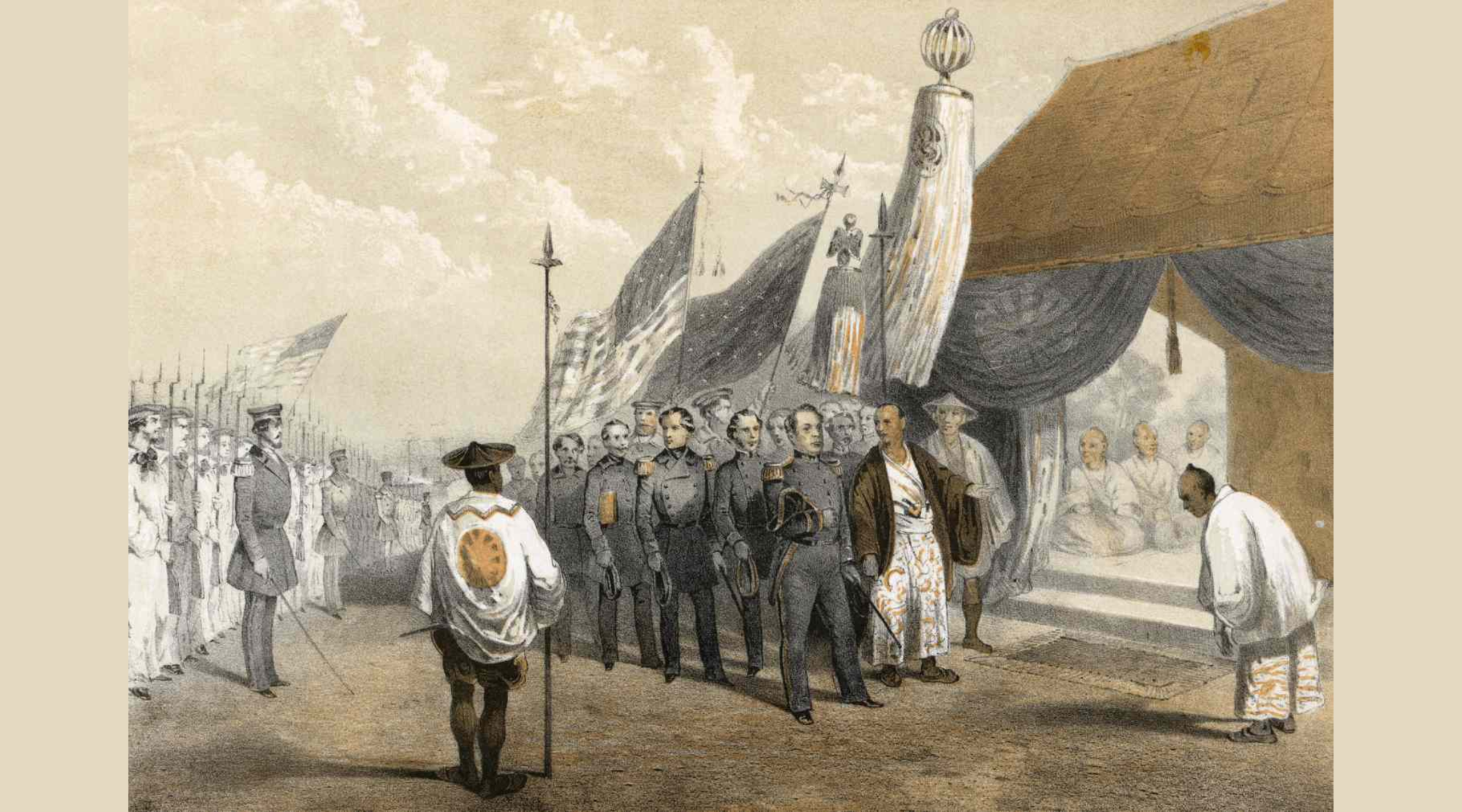
The question of how Japan became a powerhouse after being forced by the U.S. into trade agreements is highly relevant to Nepal. While Nepal missed diplomatic opportunities, Japan used them constructively.
After the Sugauli Treaty, Nepal became a pawn in the hands of world powers and was entangled in internal conflicts. It failed to build networks for nation-building or collaborate effectively with Britain. Japan, however, progressed by constructing a system for prosperity.
Following the opening to the West, Japan abandoned isolation and achieved significant advances in military, education, and industrial sectors. Under Emperor Meiji, Japan adopted British-style governance and entered a new era.
In a meeting with Professor Sadaori Sadoshima of Waseda University, Japan’s imperial expansion and attendant regional growth were discussed. The message conveyed was clear: Nepal should learn from its errors post-Sugauli Treaty.
Japan extended influence over Korea, Taiwan, and China, becoming a superpower in the Asia-Pacific region—an important history Nepal must consider.
Despite devastating losses, post-World War II Japan emerged as the world’s second-largest economy, competing with the United States—an extraordinary model of development.
While China and Korea lost ground, Nepal’s situation appears bleak. Failure to prioritize modernization in time has left Nepal vulnerable.
Under General Chung Hee Park, South Korea swiftly industrialized and developed technical education, achieving economic heights. Nepal’s King Mahendra restored stability but limited economic reforms contributed significantly to Nepal’s lagging status.
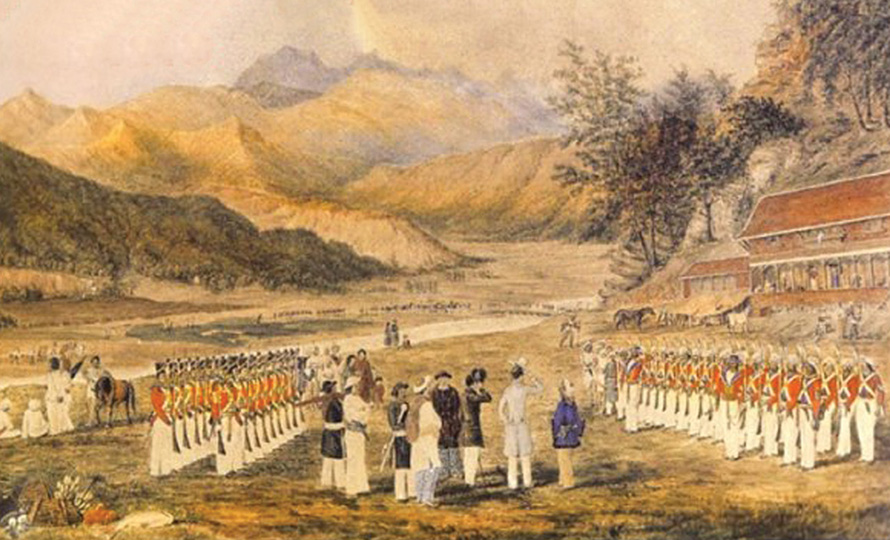
The Sugauli Treaty and the Lipulekh Dispute
Failure to establish modern economic capacity made Nepal an easy pawn for international power plays. Regional powers have repeatedly signed treaties influencing smaller states, with Nepal frequently on the weaker side and forced into silence.
After the Sugauli Treaty, Nepal became constrained, forced to concede water agreements and remain powerless at strategic border posts. Strategic locations like Lipulekh still face foreign pressures today.
Nepal must focus on qualitative improvements in education, military, and industry to build a foundation for a modern nation. Delay in decisive action will make history harsher.
Trade operations at Lipulekh without Nepal’s participation question Nepal’s sovereignty. The problems that started with the Sugauli Treaty persist, threatening Nepal’s very existence.
History shows countries like Japan, Korea, and China leveraged geopolitical challenges as opportunities—demonstrating the critical role of nation-building decisions.
What Should Nepal Do Now?
First, we must understand history. While global powers act in their own interest, countries remaining passive have their futures written by others. Denying weaknesses is dangerous.
Nepal failed to develop this awareness after the Sugauli Treaty, and it remains absent even after the Lipulekh incursions. Consequently, Nepal has long been subject to geopolitical pressure.
We have seen the annexation of Sikkim and witnessed geopolitical crises in nations like Ukraine and Iran. Diplomatic maneuvers alone will not safeguard Nepal’s territory. Often called a “bamboo between two stones,” Nepal consistently faces external pressures.
Now, Nepal must aim to become not a “motionless bridge” but a “dynamic hub” actively creating opportunities and advancing.
Substantive reforms in education, defense, and industry are essential to lay the foundation for a modern state. Delay will only deepen the challenges in history yet to come. The current leadership must take decisive steps, reflecting the consent of the people.


