News Summary
- The Kamala Irrigation Management Office has issued a notice to clear encroached land in the Sukumbasi settlement at Kamala Bazar, Ganeshman Charanath Municipality-7, Dhanusha.
- The notice has caused distress among approximately 45 squatter families, who have pleaded with the government to arrange proper resettlement before eviction.
- Randhir Kumar Sah, head of the Kamala Irrigation Management Office, stated the notice was issued per federal government directives to identify and protect encroached land.
April 29, Janakpur Dham — Punam Devi Pajiyar, aged 67, residing in the Sukumbasi settlement of Kamala Bazar in Ganeshman Charanath Municipality-7, Dhanusha, appeared deeply worried on Tuesday. She is troubled by the threat of displacement from her current residence.
A notice pasted on a temple pillar in the middle of the settlement on April 16 has caused her significant anxiety. The notice was issued by the Kamala Irrigation Management Office located east of the settlement and calls for clearing encroached land.
The notice reads: “Residents are asked not to encroach on the canal system’s ‘Right of Way’ and survey-mapped land of the camps. Any past encroachments must be removed within 15 days. Failure to comply will result in legal action.”
Since seeing the notice, Punam Devi’s concerns have only deepened. The stress has even affected her appetite. She fears that the painful displacement she experienced in Janakpur a decade ago will happen again.
“Since the day the notice was posted, I haven’t been able to sleep well. I worry about whether they will come at night or during the day to demolish my home,” she said.
A decade ago, her family home was situated near the railway station in Sitachok, Janakpurdham Sub-metropolitan City-1. The house was demolished due to railway expansion, forcing her and her family to seek safer shelter in the Sukumbasi settlement in Kamala Bazar. Currently, she supports a family of seven and is anxious about where they will go and how they will survive if displaced again.
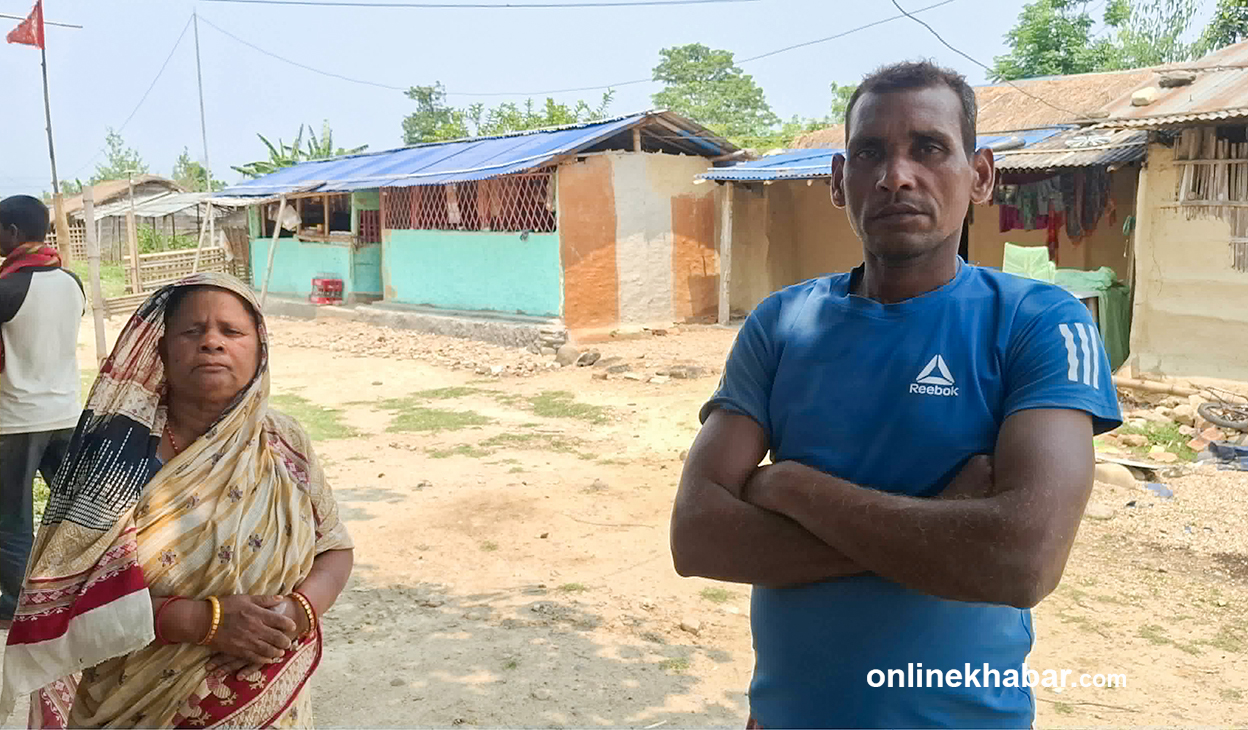
Similarly distressed is Pramod Sah, a resident of the same settlement. Supporting a family of five through daily wages, he has lived in a thatched home here for nine years. Previously, he worked as a laborer in Birgunj for 18 years and moved here after his daughter Lakshmi’s marriage brought him to the area.
Pramod’s original home is in Pipara Rural Municipality-7, Ratauli, Mahottari. He traveled abroad twice, once to Malaysia and once to Qatar, seeking employment. However, fate was not on his side; a company closure in Qatar forced his return within three months, and an injury forced him back from Malaysia.
To repay his foreign employment debts, he was compelled to sell five kathas (units) of land and an orchard.
“Though I went abroad twice, luck was not on my side. That forced me to sell my land and orchard. I lived 18 years in Birgunj and came here hoping to settle,” he said. “Now the Kamala Irrigation Office has ordered us to vacate. Where will we go? How will we survive?”
He and other residents have appealed to the government for proper arrangements before any demolitions occur.
Devu Rawal, another resident, recalled the scenes of squatters’ settlements in Kathmandu being bulldozed. “There, the buildings were demolished with bulldozers. We fear the same might happen here,” he said.
Having relocated here from near the Sagarnath Forest Development Project in Sarlahi 11 years ago, he recounts, “We came here as we heard the land was vacant and available for residence. Now talk of eviction arises. We hope for an orderly clearance.” He supports a family of seven in his home.
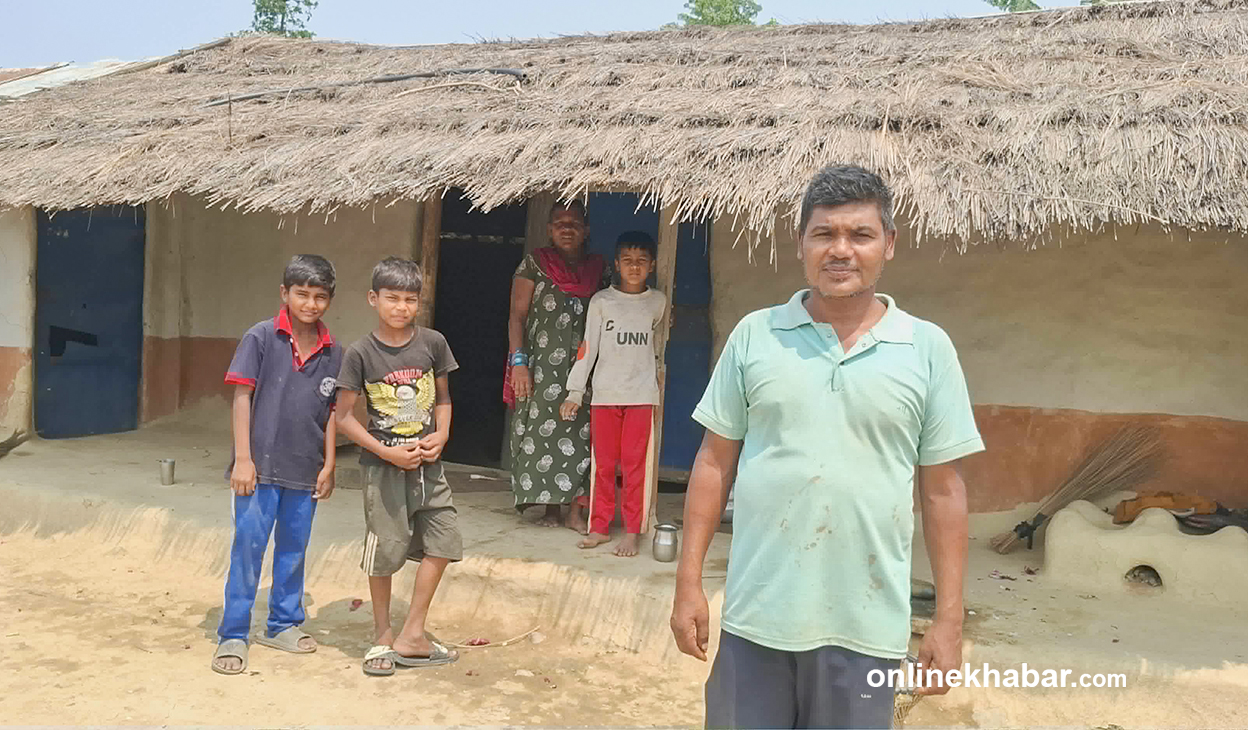
The eviction notice has also unsettled 65-year-old Ramnath Sah. “The notice was posted a few days ago. What will happen to us now? Where will we go?” he questioned anxiously.
He has lived here for 11 years after selling limited land in Bhagwatpur of Mirchaiya, Siraha, which he was forced to sell due to road expansion. He said he now lives as a squatter and came here after hearing they would be allowed to stay.
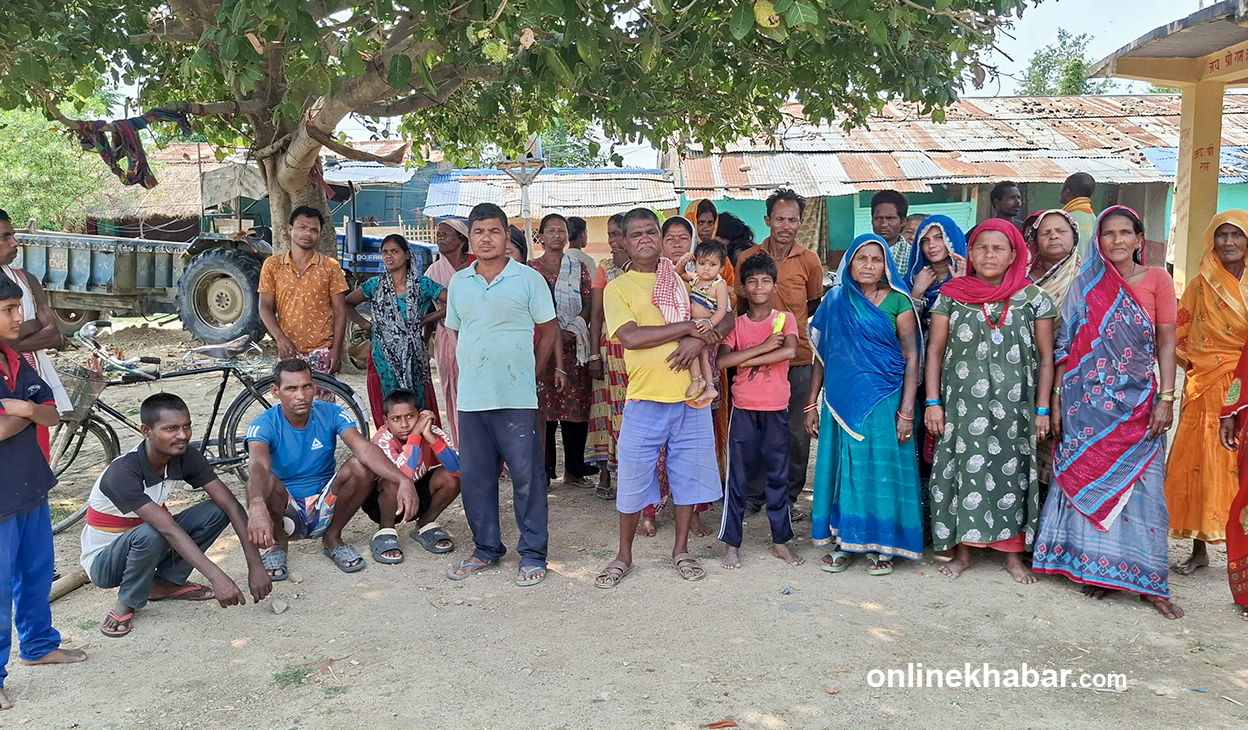
Not only Punam Devi, Pramod Sah, Devu Rawal, and Ramnath Sah, but many other squatters in the settlement have also settled here for various reasons. About 45 families live in the settlement and the eviction notice has created widespread fear. Some residents are unable to sleep through the night.
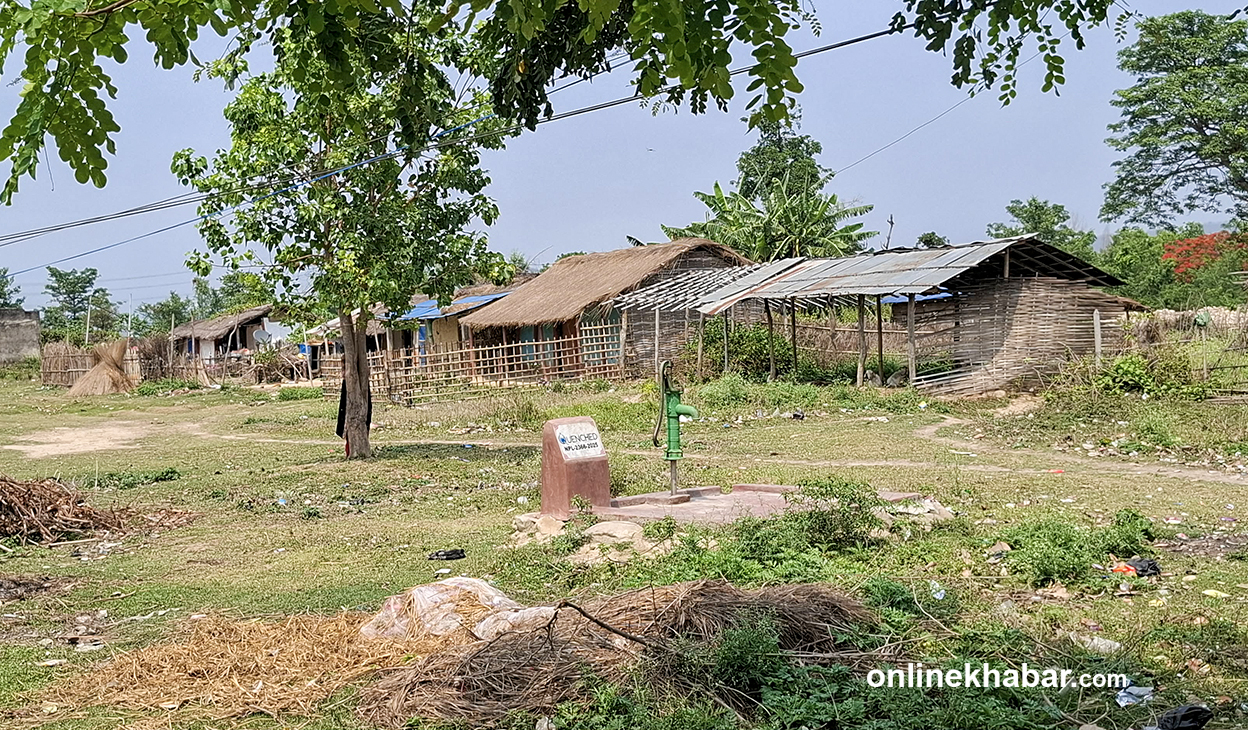
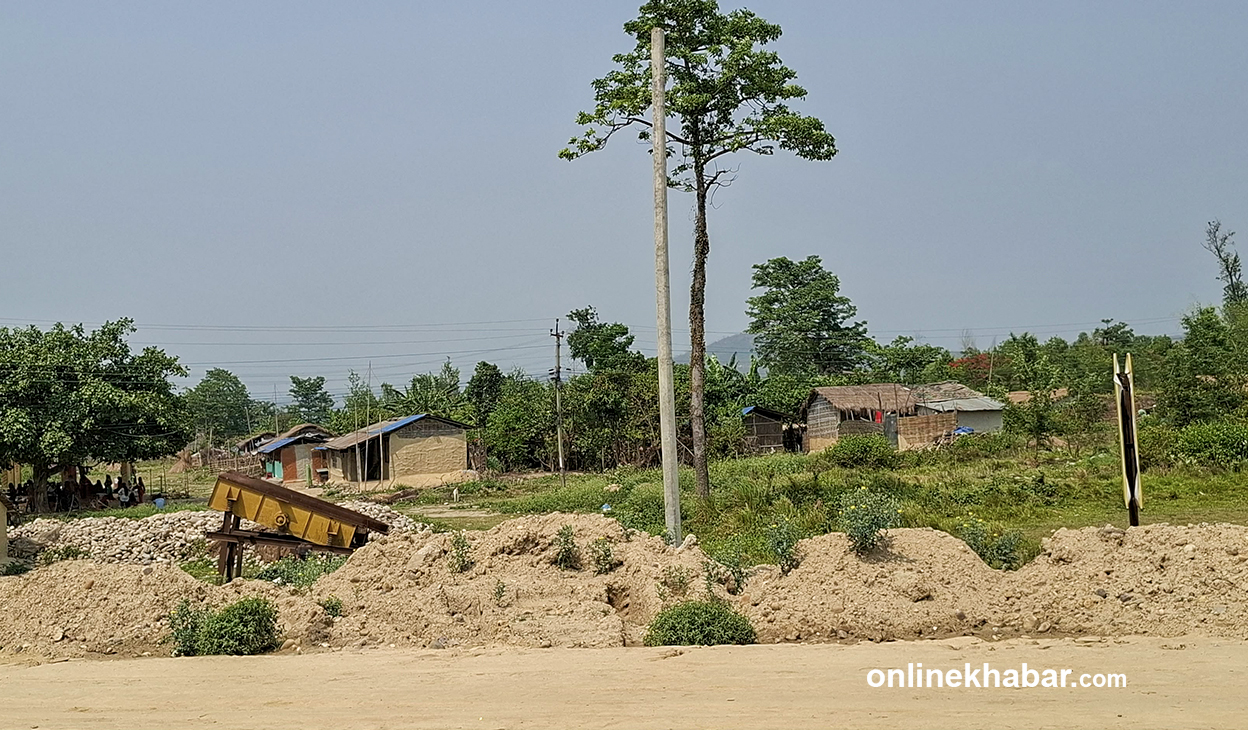
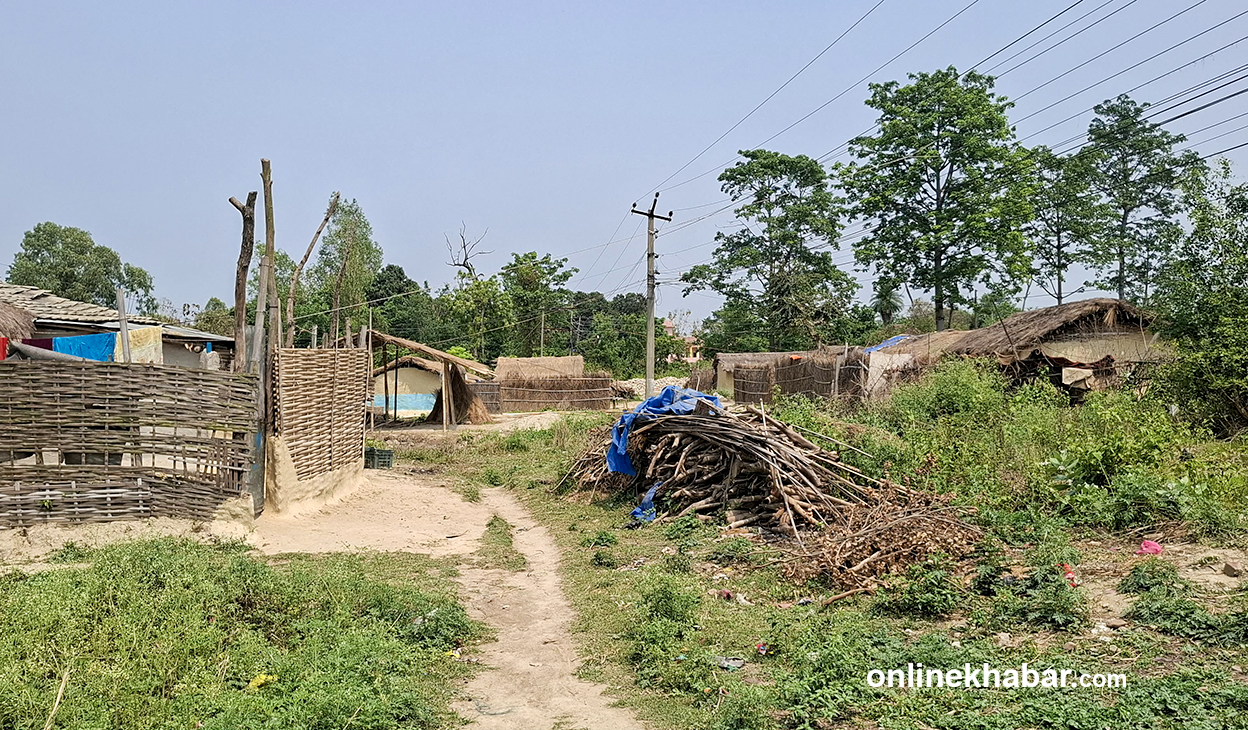
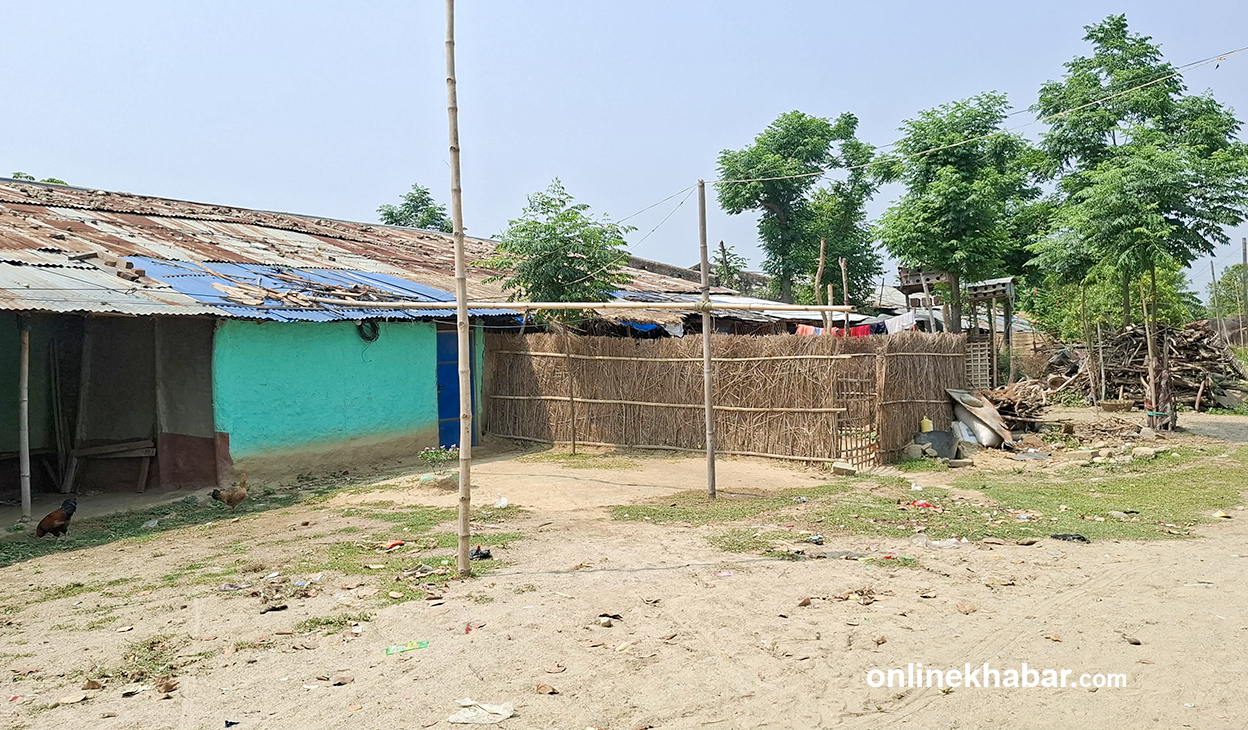
Located near the East-West Highway, this settlement falls under the bank of the Kamala River. The Kamala Irrigation Management Office’s land of around two bighas is occupied by the squatters, who come from over a dozen ethnic backgrounds.
Many residents fear demolition by bulldozers, having witnessed videos and news reports of similar settlements in Kathmandu being forcibly cleared by bulldozers and security forces. Ramnath Sah, a senior local, said residents worry about where to go after eviction.
“We are genuine squatters who have come from various places. We only have these huts. Without proper arrangements, there is fear about where we will go after eviction,” he explained.
The 100-point public reform plan unveiled by Prime Minister Balendra Shah includes provisions for clearing encroached public land in an organized way and identifying squatters for proper management.
Resident Jumani Khatun pleaded for prior arrangements, saying, “After we squatters are forced to leave, where will we go? Please arrange a little land for us first before demolishing our homes.”
Kisun Paswan from Kisun settlement shared a similar view, emphasizing the need for proper arrangements before evictions. “If the houses are demolished first, where will our children live? Please construct houses first before demolishing,” he said.
Randhir Kumar Sah, head of the Kamala Irrigation Management Office, acknowledged issuing the eviction notice. “Our office posted the notice. We are moving forward with identifying encroached land under our management and organizing it. This step comes following federal government directives to protect public land,” he stated.