




News Summary
- The government has declared 2027 as the ‘Year of Health Tourism’ and is promoting health tourism with a 10-year strategy and a 5-year action plan.
- The strategy aims to increase the arrival of health-focused international tourists by 11% within five years.
- The government plans to establish integrated health centers in locations including Kathmandu, Pokhara, Lumbini, and Nagarkot.
April 30, Kathmandu – The government has declared 2027 as the ‘Year of Health Tourism.’ It has prioritized the promotion of health tourism by launching a 10-year health tourism strategy (2026-2035) and a 5-year action plan (2026-2030).
According to the Ministry of Culture, Tourism, and Civil Aviation, health tourism initiatives will focus on four key areas: spa and massage, Ayurvedic clinics, yoga and meditation, and natural and spiritual healing activities. The ministry has also developed a code of conduct to support these initiatives.
Regarding the strategy, the ministry’s secretary Mukund Prasad Niraula stated, “Nepal’s unique confluence of natural beauty, cultural richness, and spiritual heritage makes it one of the world’s best destinations for health tourism.”
He added that Nepal’s policies and plans have placed health and health tourism alongside general tourism as central pillars of strategic development.
According to Niraula, the Nepal Investment Board has prioritized health tourism as a key investment sector. Based on this, new partnerships and regulatory frameworks will be established to strengthen institutional support. The strategy also includes investment promotion plans aligning health services with tourism.
Goal to increase health-focused tourist arrivals by 11% within five years
Through this long-term strategy, the government aims to boost international arrivals of health-oriented tourists by 11% within the next five years. The ministry emphasized that the strategy intends to conserve cultural and natural heritage while providing measurable health benefits to visitors.
This initiative will enhance destination marketing and Nepal’s competitive edge. The strategy and action plan aim to transform Nepal into a health tourism destination beyond its current reputation for mountaineering, trekking, and adventure tourism.
By 2030, integrated health centers will be established in at least five major locations. By 2035, health tourism services aim to achieve a tourist satisfaction rating of 8.5/10 or higher.
The ministry states that by the end of 2027, national health standards and codes of conduct will be implemented. By 2030, all major health infrastructure will be certified and aligned with international best practices.
The government also aims to train and certify 2,000 new health professionals through nationally recognized programs by 2030. At least 30% of new employment opportunities will include women, youth, and local communities.
The plan also includes launching the ‘Healthy Nepal’ marketing campaign by 2027.
What is the strategy’s objective?
The strategy aims to establish Nepal as an integrated health destination by creating a network of health centers. Objectives include generating economic benefits through health tourism services, developing and ensuring training of authentic and skilled workforce that meets international standards.
Additionally, there is a focus on developing Himalayan service centers with international recognition that balance Nepal’s social and environmental factors while operating health tourism effectively.
Where will the health centers be established?
The government has identified strategic locations for integrated health centers designed to offer tourists life-transforming experiences.
The Kathmandu Valley will be developed as a spiritual and cultural hub. Pokhara and the Annapurna region are planned to become the natural yoga capital.
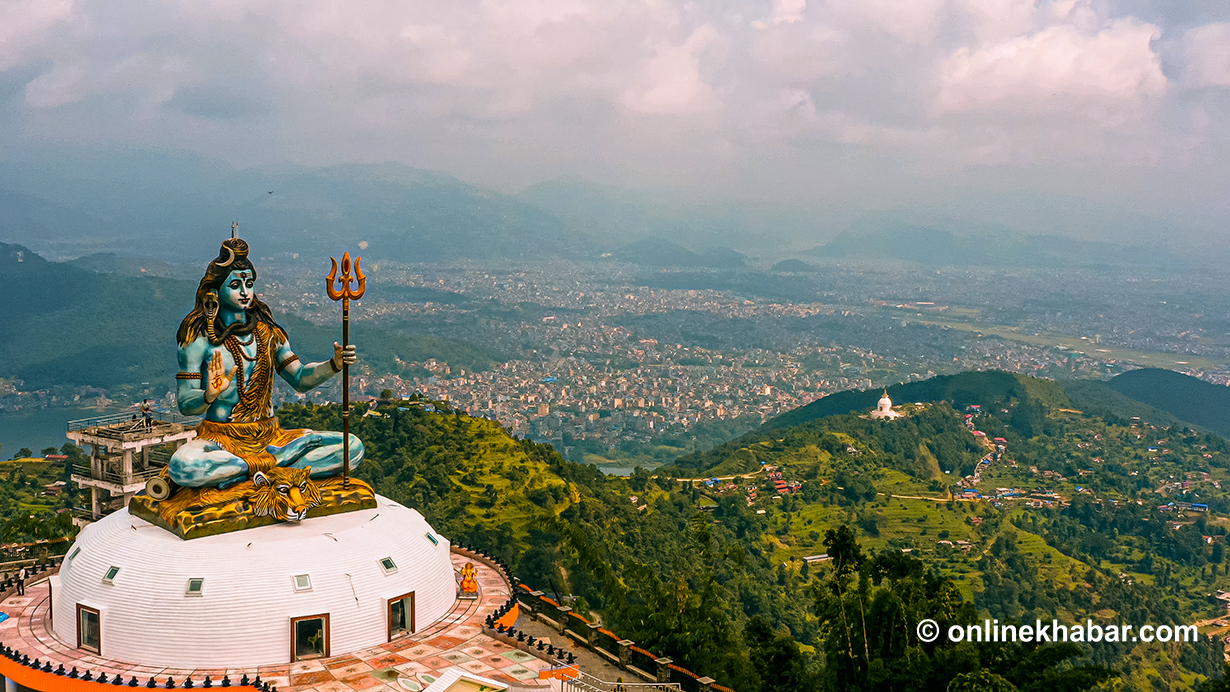
Lumbini will be developed as a spiritual health sanctuary. Hill areas such as Nagarkot, Dhulikhel, and Sarangkot will feature eco-resorts and community health villages. In high Himalayan regions like Manang and Mustang, lake-based health programs and remote spiritual dedication activities will be organized.
Types of services and facilities
To establish Nepal as a strong health tourism destination, different categories of services and facilities have been designed. These include health trekking routes.
Plans include temple meditation retreats, Ayurvedic and detox retreats, sound and energy healing journeys, yoga combined with adventure packages, and seasonal health programs.
Seasonal programs feature Monsoon Detox (July-August), Winter Immunity Program (December-January), Spring Rejuvenation (February-May), and Autumn Gratitude (September-October).
What will the pilot projects involve?
According to the tourism ministry, special pilot projects will be launched, involving partnerships with the private sector to establish international standard retreats in either Pokhara or Kathmandu by the end of 2027.
These centers will offer comprehensive packages including spa, meditation, yoga, and holistic healing. In Lumbini, a health village will be developed to offer tourists tranquil environments for meditation, Ayurvedic treatments, conscious lifestyles, and cultural dedication experiences. A monastery retreat model will also be introduced in the birthplace of Buddha, Lumbini.

An eco-village with community ownership will be developed featuring eco-lodges, yoga halls, organic environments, and traditional herbal healing. This boutique hill station health village will be established in places like Nagarkot.
What is the investment promotion plan?
The government plans to introduce financial support grant programs to attract innovation and investment. Investments will be mobilized through public-private partnerships. Policies and infrastructure will be optimized to attract international investment.
What is the implementation strategy?
2026-27: Develop 5 to 8 premium health service facilities generating revenue between 1 to 2 million USD.
2028-29: Expand services to achieve revenue up to 12 million USD.
Post 2030: Build a mature market, lead in health tourism, and target annual revenue of 20 to 30 million USD.
Who are the target source markets for health tourism?
The strategy expects main source markets will be tourists seeking yoga teacher training, retreat experiences, and long-term stays.
Tourists interested in monastery-based living, silent meditation, and health-based cultural pilgrimage will also be important source segments.
Health programs based on Ayurveda, detox, and therapeutic services, as well as those combining trekking, rafting, nature exploration, massage, yoga, and hot springs rejuvenation, will attract further visitors.
Spa, recreational health tourists, corporate, and family health tourists are also targeted markets.
By country, the top priority markets with strong demand for authentic, spiritual, and nature-based health experiences are the USA, Germany, the UK, and Australia.
The second priority includes geographically nearby countries with rising health awareness and attractive outbound travel options such as Japan, South Korea, India, and Middle Eastern countries.
The third priority markets are countries like China, Brazil, and France, showing interest in high-value health tourism.


