




Summary
Prepared after editorial review.
- Over 100 complaints daily are received through the Ministry of Health’s Hello Health service regarding hospital staff behavior, medicine shortages, and service management.
- Several hospitals have stopped insurance services since the Health Insurance Board has pending payments exceeding NPR 1.6 billion to service providers.
- The implementation of the Hospital Reform Procedures–2082 has led to improvements, with serious complaints being forwarded to relevant authorities.
April 8, Kathmandu – The Ministry of Health and Population’s “Hello Health” platform has been receiving complaints from across the country. Many patients report long queues at hospitals, medicine shortages, and poor behavior by staff.
On Tuesday, Dr. Bhakt Bahadur KC, the ministry’s information officer, received a complaint from Nuwakot.
The caller’s 70-year-old mother is undergoing long-term treatment at Bir Hospital for high blood pressure and heart issues. Previously, patients with chronic illnesses could receive medicines covering three months through health insurance by presenting a doctor’s prescription.
However, the hospital has recently introduced a new rule: now only one month’s medicine is dispensed, and patients must be physically present to collect it. Transporting an elderly patient to Kathmandu incurs more expenses for ambulance and lodging than the cost of medicines.
The caller expressed frustration: “It is difficult to bring the patient to Bir Hospital. Travel expenses are higher than medicine costs. There should be an option to obtain medicines nearby.”
Dr. KC assured that local hospitals could potentially address this issue.
One week prior, complaints about rude behavior from staff working at the health service call center (1115), located in Teku, were raised.
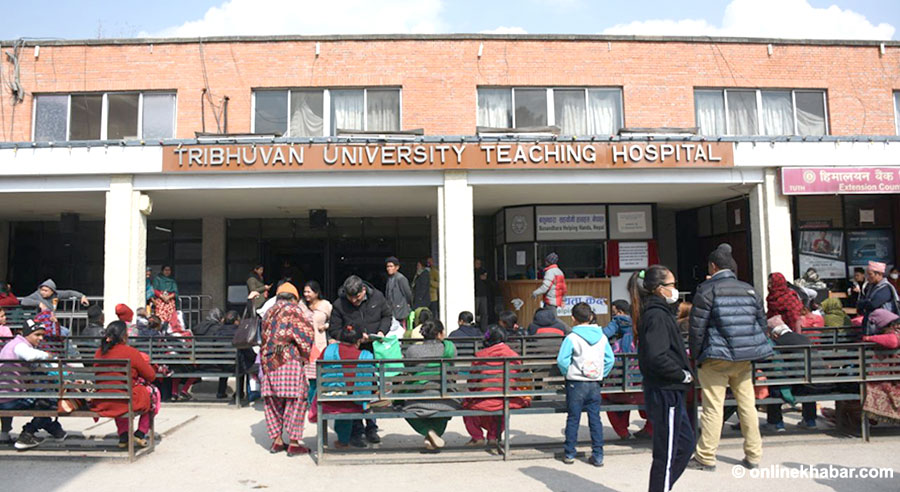 A woman alleged she was mistreated at the billing counter of the Tribhuvan University Teaching Hospital. She stated, “Some counter staff refused to provide necessary information and were rude over the phone. When asked, doctors also responded sharply.”
She described how such conduct by staff creates discomfort for patients and urged the Ministry of Health to improve staff management and ensure a patient-friendly environment.
The ministry receives over 100 complaints daily through Hello Health, call centers, phone, Hello Government, email, and WhatsApp. Data shows a remarkable rise in grievances related to health services, insurance, hospital management, and staff behavior in recent months.
According to ministry statistics, four thousand complaints were registered in the month of Chaitra alone, compared to only 100 the previous month.
Monthly complaint numbers included 74 in Shrawan, 88 in Bhadra, 84 in Ashwin, 91 in Kartik, 105 in Mangsir, 83 in Poush, 93 in Magh, and 104 in Falgun. Health Minister Nisha Mahet attributed the rise partly to the increased use of WhatsApp for submitting complaints after urging citizens to do so.
“Everyone complains about staff behavior”
According to Dr. KC, most complaints pertain to hospital staff behavior. “There are many reports of staff speaking angrily, being rude, refusing to answer questions, or being physically harsh. We collect these complaints and send letters to health institutions for improvement.”
Complaints frequently target staff managing tickets, tokens, and crowd control, highlighting problems at the first point of contact.
Lack of specialist doctors is also a critical issue. Some hospitals reportedly lack experts to conduct video X-rays.
Recently, a patient complained to the ministry about Patan Hospital, explaining, “We took my daughter to Patan for a throat problem. The doctor advised a video X-ray but told us to return after 10 days. Waiting weeks for a basic video X-ray is distressing – what will happen to patients in such circumstances?”
Other complaints include pathologists and radiologists absent during office hours, specialists on prolonged leave or official duty.
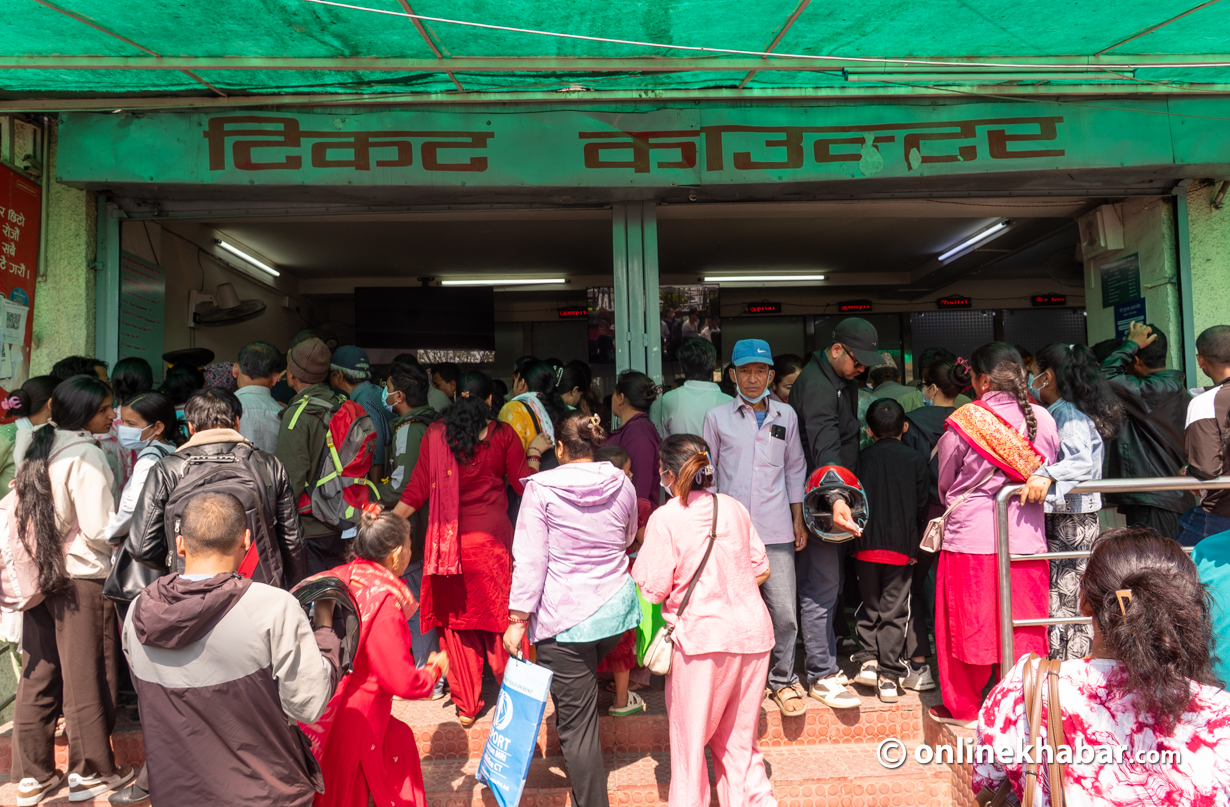
Most complaints concern Bir Hospital. The ministry notes that Bir, Patan, and Tribhuvan Teaching Hospital receive heavy patient volumes, which contributes to more grievances.
Complaints also come from facilities such as the National Trauma Center, Nizami Hospital, Maternity Hospital, Shahid Gangalal National Heart Center, Kanti Children’s Hospital, BP Koirala Health Science Institute, Karnali Health Science Institute, Bhaktapur Cancer Hospital, Bharatpur Hospital, and Shahid Dharmabhakta National Transplant Centre.
Some patients complain that doctors do not properly explain conditions. A visitor to Gangalal Hospital recounted, “After a long wait, we finally got a surgery date for my father, but he was made to fast all day and told to buy medicines costing NPR 10,000. The surgery was postponed until the following day. Such doctor conduct adds to patients’ physical and mental distress.”
Lack of coordination and communication among hospital staff is another problem. Many patients aren’t given basic information about where to go or what services are available. Insufficient communication skills among staff escalate complaints.
Listening patiently and explaining patiently are crucial. Poor communication between doctors and patients adversely affects treatment outcomes.
Distrust mainly exists towards doctors. Weak communication and counseling between patients, families, and doctors increase mistrust.
Dr. KC said, “If doctors listen carefully, patients’ distress is halved. A conducive environment helps early diagnosis and reduces expenses and hospital stays.”
He added, “Most complaints relate to staff misconduct. Cordial and transparent communication within hospitals can resolve many issues.”
“Insurance Services Not Being Delivered”
There are also many complaints regarding the health insurance program. Some hospitals have halted or reduced insurance services due to unpaid dues, directly impacting patients.
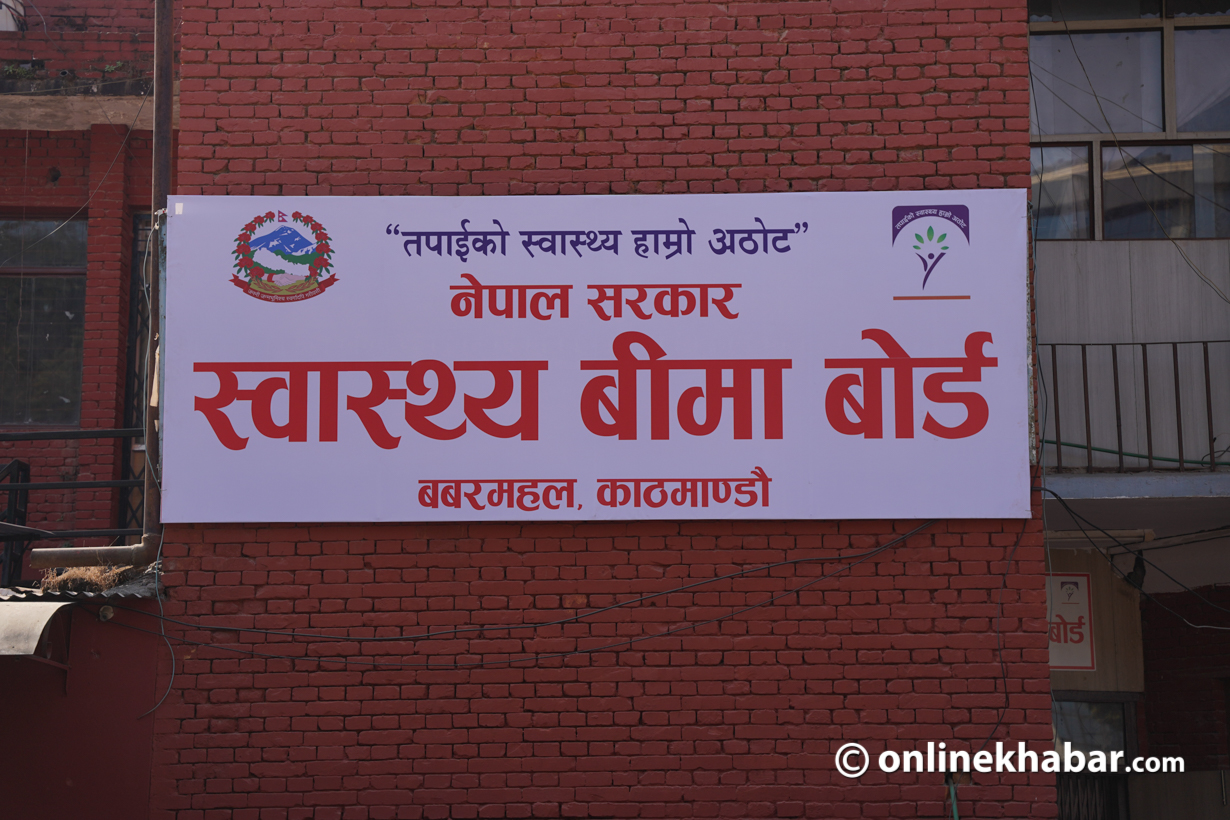
The Health Insurance Board reportedly owes over NPR 1.6 billion in payments to service providers. Dr. KC says the government’s delay in payments has forced hospitals to stop insurance services.
“Because of outstanding amounts, some hospitals have shut down services, others have reduced them. Many complaints arise from patients unable to receive insurance benefits,” he explained.
Many beneficiaries lack information on how to use insurance, where to go, and the types of services available.
“People need awareness about why insurance is important and how to acquire it. Clear information on costs, procedures, and services would reduce complaints,” said Dr. KC.
Equipment Failure, Medicine Shortages, and Hygiene Issues
Complaints also focus on broken hospital equipment, non-operational machines, medicine shortages, and poor hygiene. Free medicine shortages are more common in local health facilities.
Some report poor quality meals, dirty restrooms, and unhealthy environments in hospitals.
The ministry also receives grievances related to public health. For example, complaints are filed about pollution—dust, smoke, water, and noise—from industries in local areas.
“There are complaints that dust and waste from factories harm the environment and pollute water,” stated Dr. KC.
Many reports accuse government hospital doctors of unnecessarily referring patients to private diagnostic centers or other hospitals.
Similar complaints have been noted at Madhesh Science Institute; one patient said, “I have sweating from an opening, but no doctors are available at the hospital, and mess staff suggest going to a clinic that charges a lot. Shouldn’t doctors work nearby?”
The ministry reported that after implementing the Hospital Reform Procedures–2082, improvements have been noted. They follow up on complaints by contacting relevant agencies.
“We have increased monitoring through calls and letters, and have seen progress,” said Dr. KC. “On some occasions, hospitals have responded with commitments to improve.”
Serious allegations involving corruption, financial irregularities, or gross negligence are forwarded to governance and investigation bodies.
Dr. KC said, “We prioritize health service improvements and serious complaints, forwarding them to the appropriate authorities.”


