Kathmandu Children’s Hospital Offers International Standard Care at Government-Level Fees





News Summary
- Dr. Bhagwan Koirala established Kathmandu Children’s Hospital aiming to provide comprehensive pediatric healthcare services under one roof.
- The hospital offers services at fees comparable to government hospitals and follows a policy of free treatment for children from economically disadvantaged backgrounds.
- Specialized pediatric services for heart disease, kidney ailments, cancer, and more are centralized with plans to set up satellite centers in all seven provinces.
April 11, Kathmandu – Senior pediatric heart specialist Dr. Bhagwan Koirala dedicated over three decades to treating children’s heart conditions. He conducted countless heart surgeries, saving thousands of young lives.
Many of those operations were successful, allowing children to return home with renewed health, bringing joy to their families and fulfillment to the doctor. However, he also faced painful moments, losing children to common infections after complex heart surgeries.
Often, when other complications arose — such as abdominal issues, urinary tract infections, or neurological problems — children had to be taken to different hospitals. Due to the unavailability of timely treatment for these common ailments, innocent children lost their lives.
The cause of these child deaths was not only medical failure but also systemic shortcomings. This pain deeply troubled Dr. Koirala and sparked a profound question: Could these children be saved if all necessary services were available under one roof?
Over time, this question transformed into a determination. After his retirement from government service, Dr. Koirala set a clear goal: to make comprehensive pediatric health services available under one roof. Whether the issue is cardiac, abdominal, renal, neurological, cancer, or any other problem, a dedicated pediatric team would provide collective treatment to ensure no child dies without care.
His determination to end child deaths caused by lack of access, absence of specialist care, and economic constraints has now begun to take shape.
To realize this dream that began nearly half a decade ago, Kathmandu Institute of Child Health (KIoCH) has launched Kathmandu Children’s Hospital.
Run as a non-profit through a public service model, the hospital brings a new paradigm to specialized pediatric healthcare delivery, with modern infrastructure, technology, and patient-centered services.
Expert Care for Just 100 Rupees
In Nepal, the government’s main pediatric care facility is Kanti Children’s Hospital, alongside some private hospitals and medical colleges that have pediatric departments.
However, not all types of specialized pediatric services are available. In developed countries, dedicated hospitals solely for children and youth are considered essential. In Nepal, 40 percent of the population — about 12 million — are under 18 years old.
Each year, 30 out of every 1000 children under five die due to lack of treatment, yet many could be saved with proper care.
Recognizing this need, Dr. Koirala, also KIoCH’s chairman, has advanced a long-term plan to establish a central hospital in Kathmandu and satellite centers in all seven provinces to provide comprehensive pediatric healthcare under one roof.
As part of this plan, a satellite center in Damak Municipality, Koshi Province, operating from a building provided by Nepal Red Cross Society, has been offering 50 beds and service for the past three years.
Kathmandu Children’s Hospital has yet to hold a formal inauguration but has been providing essential services for around three months. Located in Budhanilkantha Municipality–7, outpatient, emergency, and surgical services are currently offered.
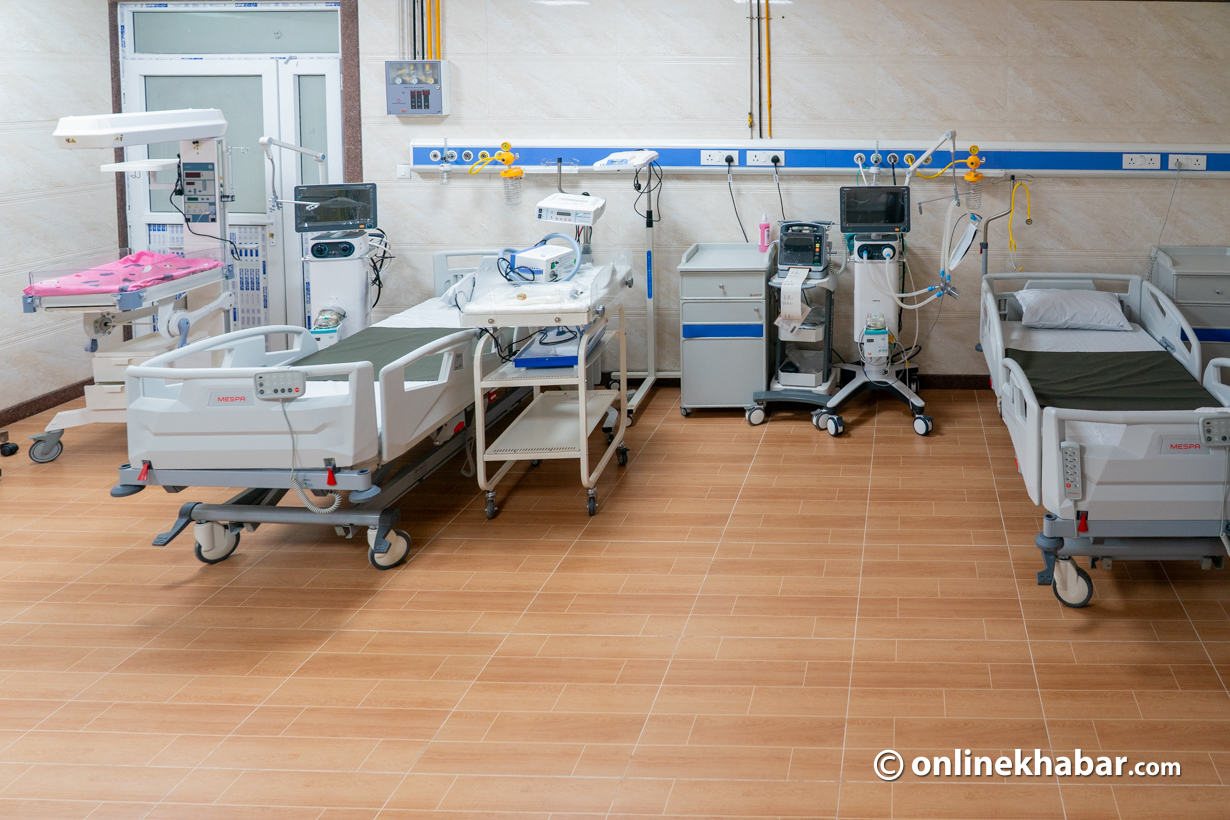
Services have begun in one building while two additional buildings are under construction. The hospital’s infrastructure is ultramodern and child-friendly, equipped with play materials and television for entertainment. Ample seating is available outside the OPD area.
The hospital has made efforts to keep service fees comparable to government hospitals, with a policy offering free treatment to children from disadvantaged families.
According to pediatric cardiology specialist Dr. Saurabh Shrestha, the OPD ticket costs only 100 rupees—equivalent to government hospital fees. This ticket grants access to specialists in cardiology, nephrology, pulmonology, and others without needing multiple tickets.
The OPD operates on the third floor with distinct sections for general medicine, nephrology, hemato-oncology, orthopedics, dental care, child psychiatry, cardiology, and cardiac surgery. A separate room is designated for routine vaccinations.
The cardiology department is equipped with advanced devices for echo, ECG, and video diagnostics of the heart. Various pediatric departments are gradually expanding within the OPD.
“Our goal is to provide all pediatric specialist services available nationwide right here,” says Dr. Shrestha. “No child should leave untreated.” The hospital also features a dedicated breastfeeding room, offering privacy for mothers to nurse their infants comfortably.
The hospital also houses a state-of-the-art pathology department aiming to conduct genetic and cancer-related tests domestically. Recently, it initiated a ‘newborn screening’ service to detect serious conditions within 48 to 72 hours after birth.
“We have the latest equipment here, eliminating the need to send samples abroad. Services will be offered at affordable rates,” Dr. Shrestha adds.
Emergency Room with Cabin Facilities
The emergency department has a separate waiting area for patients’ families. Upon arrival, children are registered and triaged according to a modern system that categorizes cases into red, yellow, and green zones.
Critically ill patients receive immediate CPR and other life-saving treatments, with four ventilated beds specifically arranged. The emergency section includes two modular operation theaters, complemented by four additional advanced theaters on the fourth floor.
The theaters are equipped with HEPA filters, suction systems, and infection control technologies, allowing surgeries to be observed live via video for educational purposes. The emergency ward has 20 beds distributed among red, yellow, and green areas. Three cabins are also available.
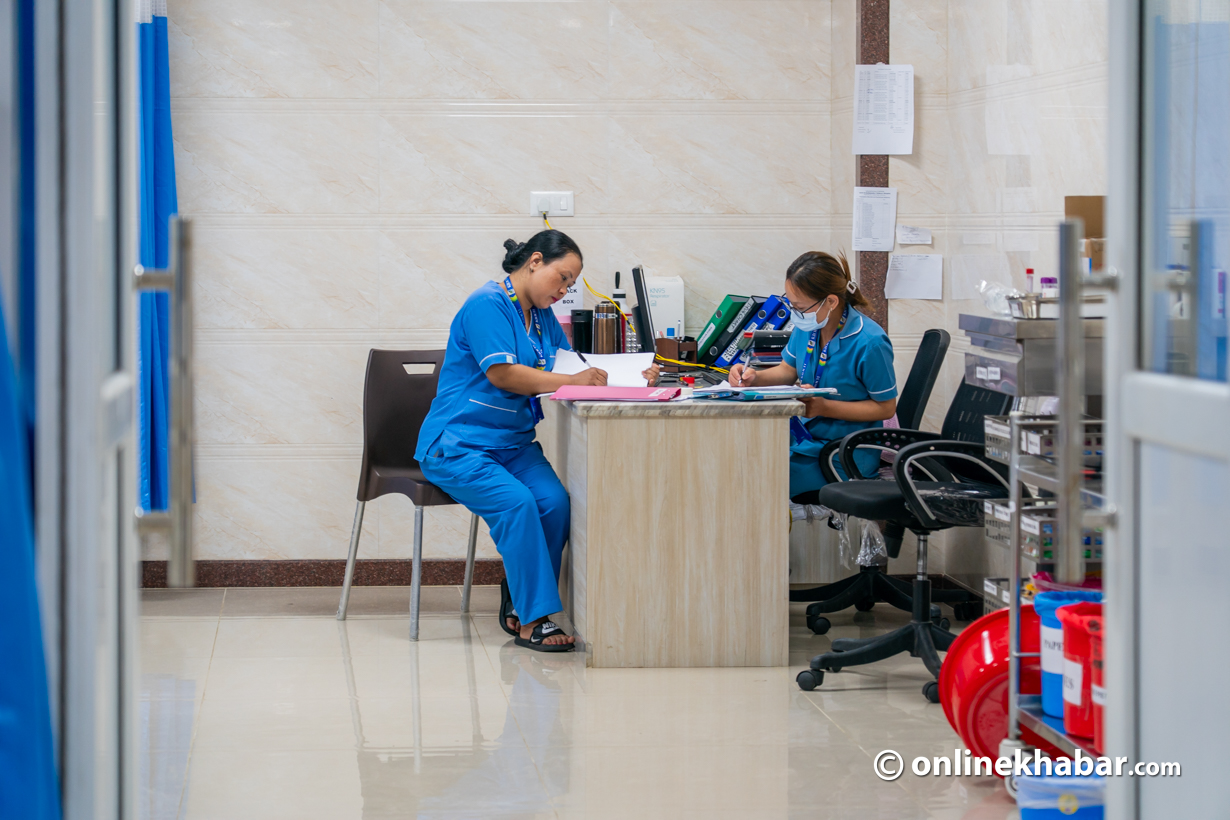
On the fifth floor, neonatal and pediatric intensive care units (NICU and PICU) are operational. The PICU plans to expand to 25 beds, implementing strict infection prevention protocols. Separate wards exist for infected and non-infected patients, with one nurse assigned per ventilated child for close monitoring.
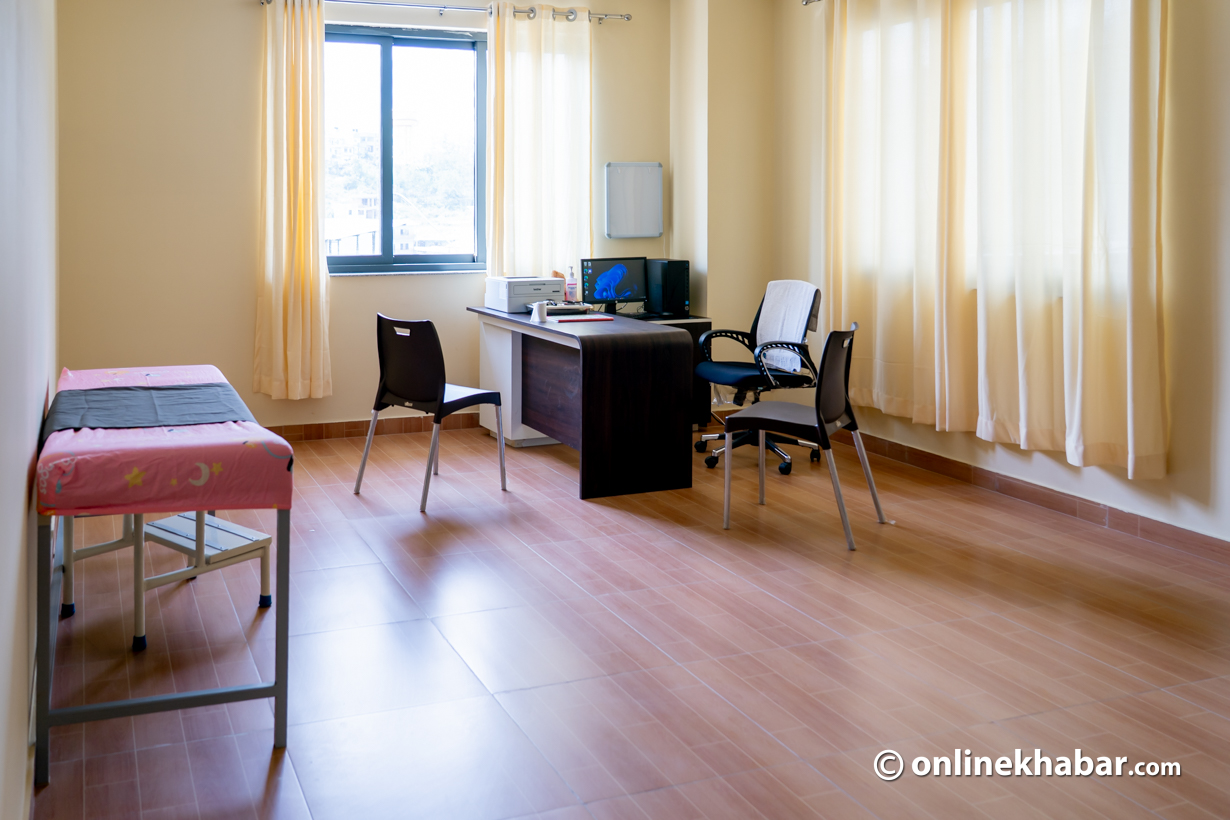
The sixth floor houses 35 general beds, including single, double, and suite rooms with three-bed cabins. The seventh floor contains a conference hall and administrative offices. Despite modern facilities, service fees are maintained at government hospital levels.
OPD tickets are priced at 100 rupees, emergency tickets at 500 rupees, and general ward beds at 300 rupees. Emergency cabins cost 1,000 rupees. NICU care is 3,000 rupees per day, and ventilator use is 6,000 rupees daily.
“If anyone cannot pay, all services will be provided free of charge,” assures Dr. Shrestha. “Whether in a general bed or cabin, service quality remains consistent.”
Currently, over 150 healthcare professionals work at the hospital, including approximately 30 full-time pediatric specialists.
Born from Personal Experience
The establishment of the children’s hospital is deeply inspired by Dr. Koirala’s personal and professional journey.
Since 1993, he aspired to work in child healthcare. Having performed over half of his heart surgeries on children, he gained international experience by treating pediatric heart patients in the U.S. and completing a fellowship at a world-leading pediatric heart hospital in Toronto. This deepened his passion for pediatric health.
His time abroad offered him a close view of the structure and services in children’s hospitals in developed countries.
Back in Nepal, Dr. Koirala has saved thousands of children’s lives through heart surgeries, inspiring many to lead healthy, productive lives.
“Early and proper treatment of childhood illnesses saves lives and enables them to contribute to society for 70 to 80 years,” he emphasizes.
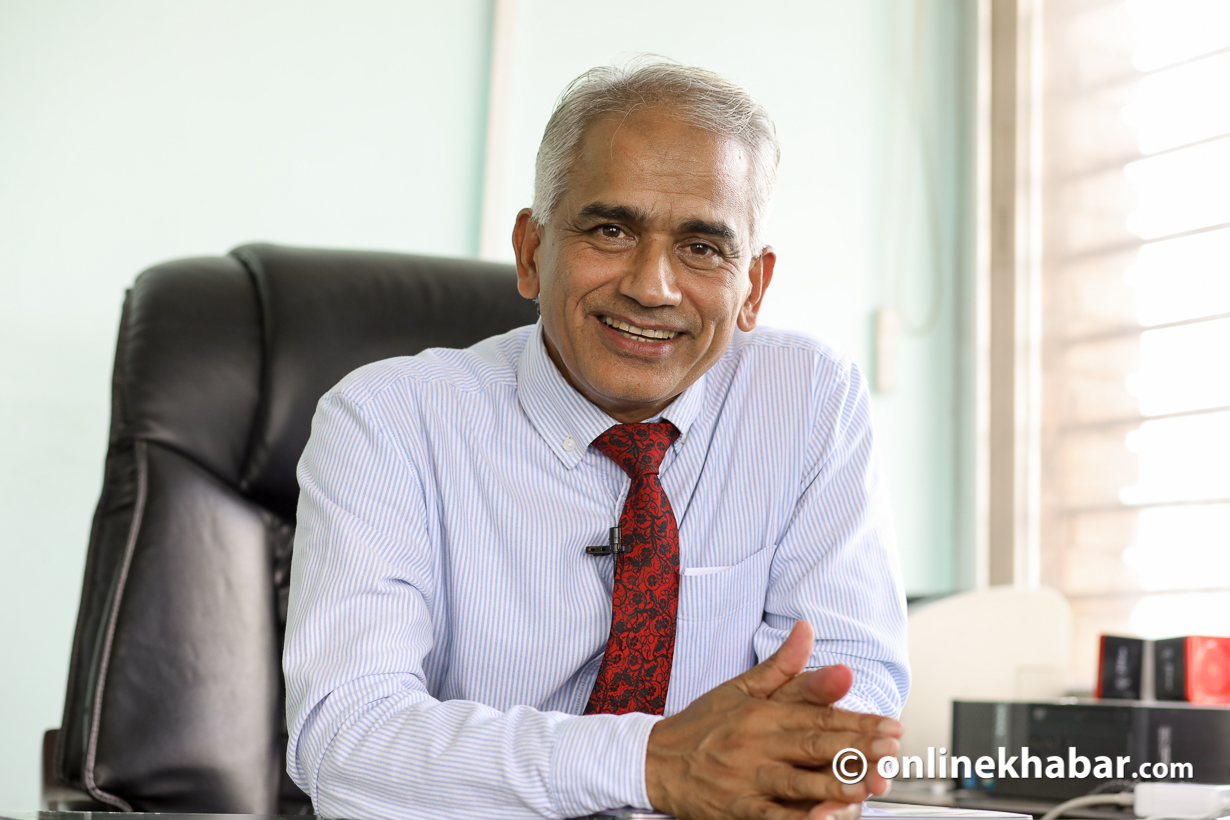
Dr. Koirala views his work as an investment in society. He asserts, “Pediatric care demands a dedicated team, not just the methods used for general youth care.”
Annually, around 500,000 to 700,000 children are born in Nepal, with 3 percent presenting congenital problems such as heart disease, organ malformations, or neurological issues. Diseases like pediatric asthma, cancer, neurodevelopmental disorders, and autism are on the rise.
“In previous decades, infectious diseases were the leading cause of child mortality,” Dr. Koirala explains, “but now, complex and non-communicable diseases are more common, and primary prevention alone is not enough.”
Comprehensive Care Under One Roof, Free Services for the Needy
Kathmandu Children’s Hospital’s core concept is “Integrated services under one roof.” The hospital hosts pediatric specialists in cardiology, neurology, nephrology, oncology, surgery, and critical care.
This approach fosters collaborative decision-making among specialists, which Dr. Koirala believes enhances treatment quality.
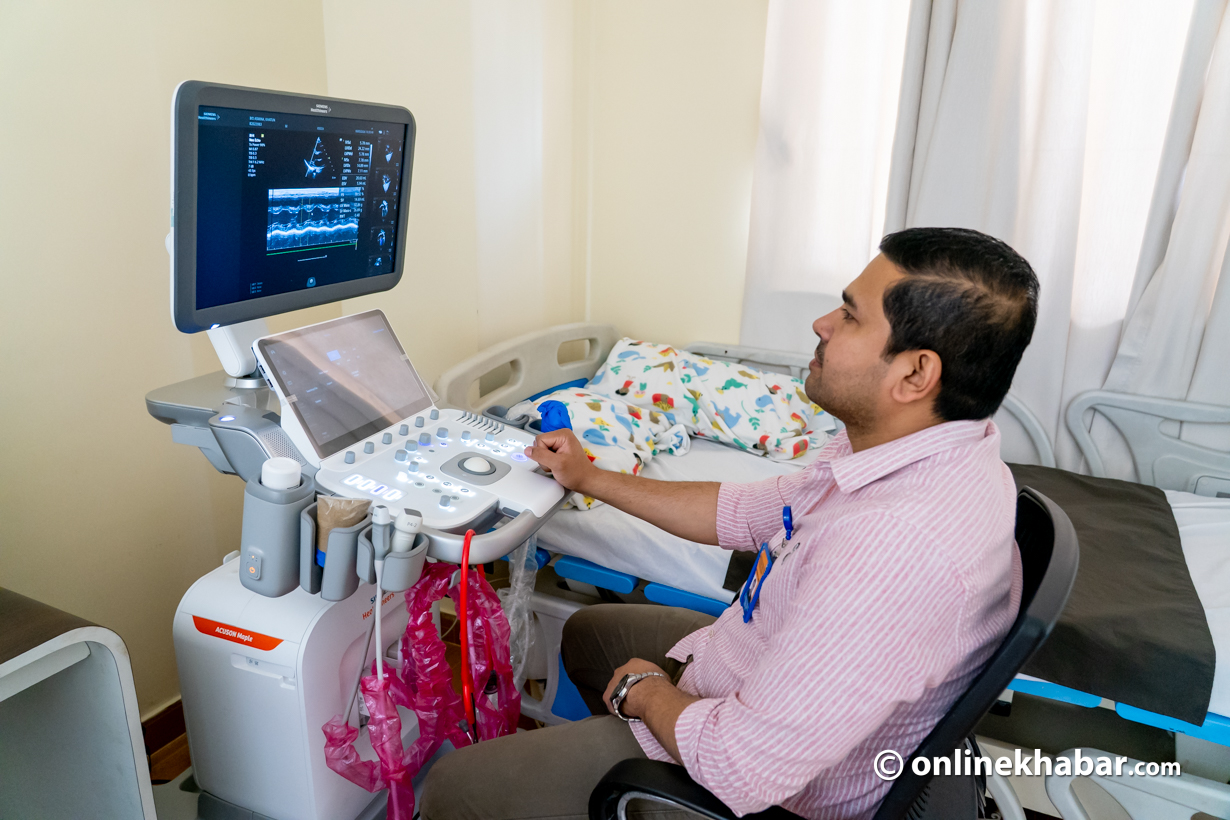
Dr. Koirala states, “When all treatments are consolidated under one roof, the quality of care strengthens, saving many children.”
Commitment to Accessible Healthcare
The hospital operates as a nonprofit institution, focusing on public service rather than profit.
The governing committee is voluntary and does not take remuneration; only staff and doctors receive salaries based on their services. The fee structure matches government hospital levels, and free services are provided to those unable to pay.

Dr. Koirala emphasizes, “No child should be denied treatment due to lack of funds. Free services will be provided to the poor.”
Government-Level Fees
The hospital currently serves patients with over 100 beds in its first building, operating with about 50 beds initially. Within nine months, the goal is to expand to 200 beds.
KIoCH has a long-term vision to extend pediatric health services beyond Kathmandu, establishing access points throughout all seven provinces.
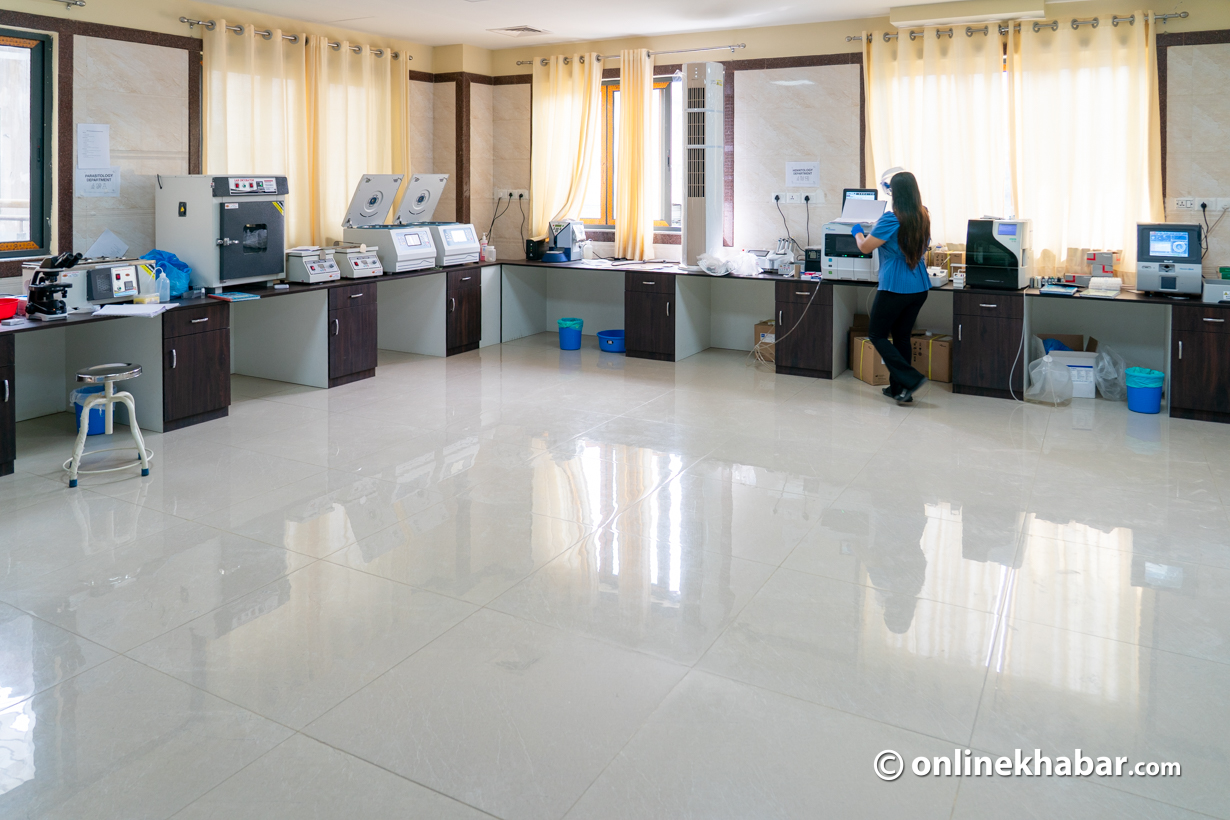
Dr. Koirala remarks, “We have initiated training programs here not only for Kathmandu but for preparing skilled human resources nationwide.” He also mentioned plans to establish a hospital in Karnali Province next.
The fee structure follows government hospital standards, with services fully free for those unable to pay. Common pediatric cases will be managed locally, with complex cases referred to Kathmandu.
Construction costs for the children’s hospital building are estimated at around NPR 119 crore. When including equipment, infrastructure, and management, total expenses approach NPR 200 crore, mostly raised domestically. Approximately 15 percent of funding remains to be secured.
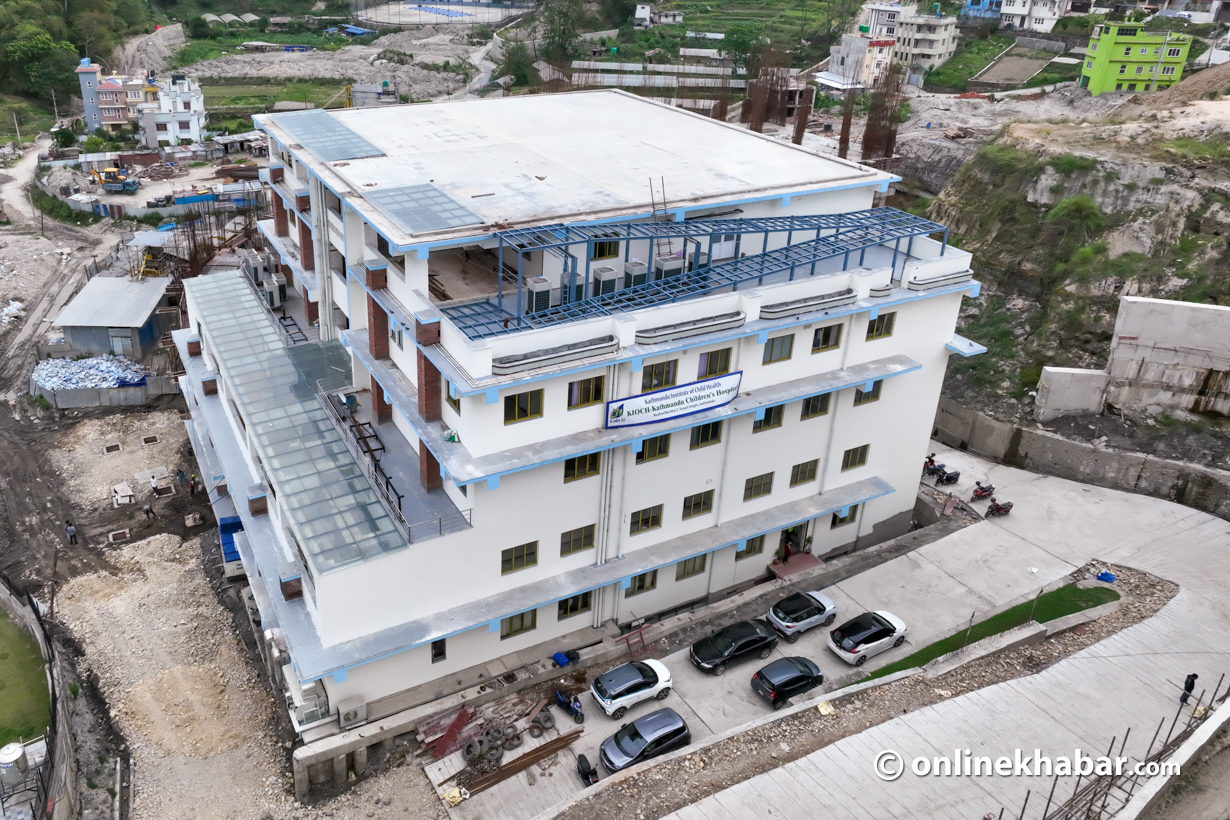
Dr. Koirala emphasizes that the children’s hospital will not be personal property but a vital asset of Nepal’s public health system.
“This is not a competitive institution; its objective is to support government hospitals and elevate pediatric healthcare standards,” he affirms. Kathmandu Children’s Hospital aims to become a model of excellence in Nepal’s child health services.


