




News Summary
Reviewed by Journalists.
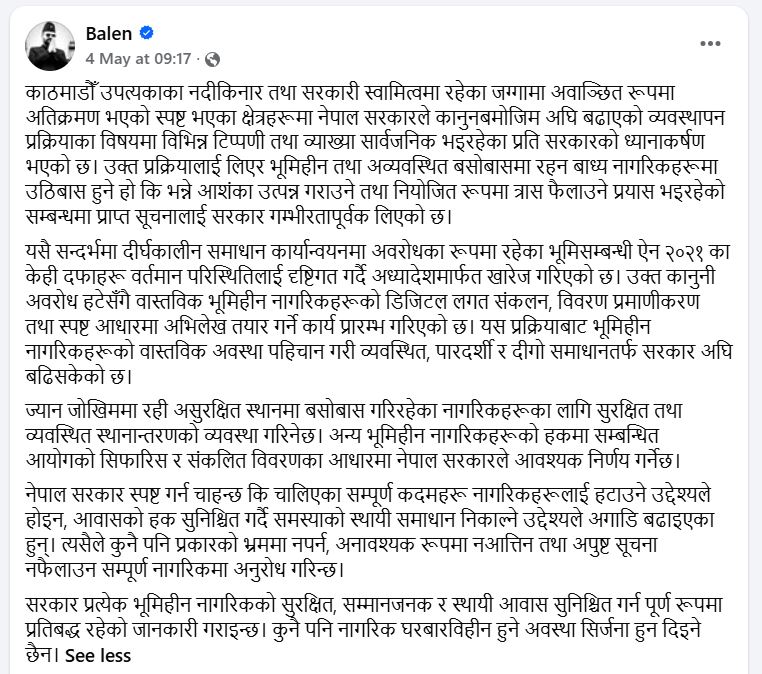
- Kathmandu administration committed on April 23 to provide proper housing arrangements for squatters within 15 days.
- Squatter Geeta Thapa complained of an uncertain future and loss of livelihood at the Kirtipur holding center.
- The government is preparing to screen squatters and provide a monthly rent of NPR 15,000 until land ownership documents are distributed.
April 31, Kathmandu – “Within the next 10 to 15 days, preparations are underway to provide appropriate housing arrangements for verified landless people. We request your cooperation in this effort,” said the District Administration Office, Kathmandu, on April 23.
This assurance came before the administration planned to deploy bulldozers to the settlements along the river banks where squatters resided. On April 25 at 6 a.m., the administration notified residents about demolitions and warned of strict actions against any obstructions.
Moreover, the administration promised, “All individuals and families relocated from this area will be provided with minimum basic amenities at government-designated resettlement sites.”
Thus, the administration’s notice, with its specified deadlines, kindled hope among the squatters. The Prime Minister’s Facebook post further raised expectations: “We are in government. We will distinguish between encroachers and squatters,” wrote Prime Minister Balen. “We will expedite the land distribution process to genuine squatters across the country. This government will bring a permanent solution to this decades-old problem.”
However, after 19 days, Geeta Lama remains unsettled. Currently residing in the Kirtipur holding center, she has access to adequate food but remains deeply worried about an uncertain future. Her daughter has passed the SEE exams but has limited opportunities for further education. Additionally, medical treatment for her disabled husband is causing stress. A doctor prescribed surgery costing NPR 700,000, so her husband is currently confined at home due to a neck vein ailment.
Three days ago, her grandson developed a fever and had to be taken to Bir Hospital with government assistance. That night, the child showed symptoms of jaundice, reflecting the health challenges faced by the family, Geeta shared.
Geeta Thapa was formerly a squatter living in Thapathali East. She supported her family through daily wage labor. After relocating to Kirtipur, she found no such work. “Money is more important than entertainment now. The government allowance is helpful but insufficient for daily laborers like us,” she lamented.
Despite the assurances to provide proper arrangements within 15 days and her loss of livelihood at the Kirtipur holding center, Geeta remains anxious as no concrete plans have emerged even after 19 days.
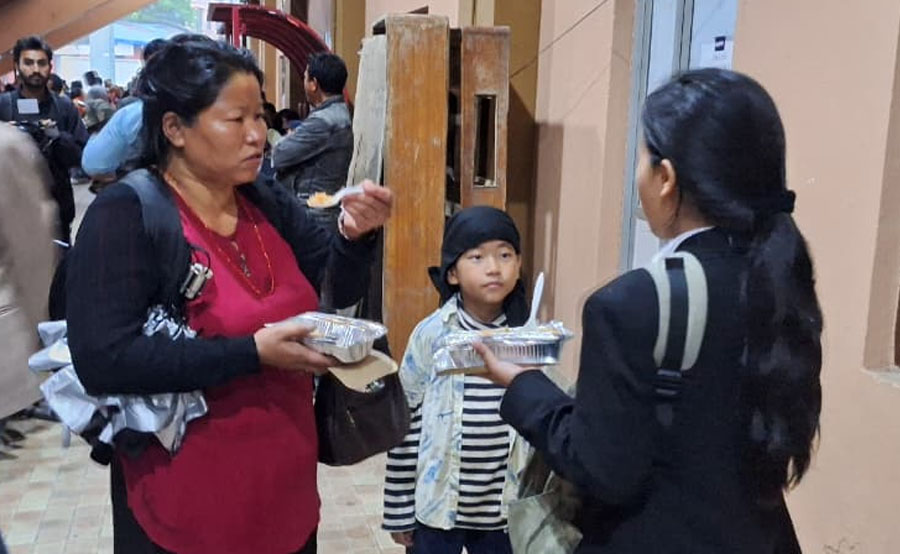
She said, “We were told we would be relocated and arrangements made within 15 days, but 19 days have passed with no information. In the meantime, some have already been moved to the holding center in Banepa.”
Currently, 172 squatters live in the Kirtipur holding center managed by the Kathmandu Metropolitan City. Others have been moved to holding centers in Banepa, Balaju Guest House, Kharipati in Bhaktapur, and the Urban Development Building in Chandragiri.
“Discussion Underway to Provide Three Months’ Rent to Enable Return Home”
According to sources from the Ministry, discussions are ongoing on various options to manage the squatters brought from the settlements into holding centers. A verification team has been formed, and subsequent plans to accommodate individuals and families are under review.
Initially, the government is considering providing squatters with funds equivalent to three months’ rent to facilitate their temporary return to their respective locations. Plans to develop other forms of management after this period are also being discussed.
“Discussions are ongoing to provide three months of rent so squatters can prepare to return to their destinations,” said a ministry source. “Keeping many people in holding centers tends to cause disputes, so alternative options are being explored.”
However, no final decision has been made yet regarding those who lack temporary addresses. The ministry is actively working on solutions.
Despite the government’s promise to manage the situation within 15 days through screening, the delay beyond 19 days has increased uncertainty for those at the holding centers. The source also mentioned ongoing discussions about allocating land in respective districts to resettle those without options.
“Given limited alternatives, discussions include the possibility of settling displaced people by providing land in their home districts. However, no conclusions have been reached yet,” an official remarked.
Government Struggles with Screening Process
Although bulldozers have been deployed with a promise of immediate arrangements, after 19 days the government has yet to deliver concrete solutions. The administration is still engrossed in the screening process to discern between fake and genuine squatters.
Hari Dhakal, Chairperson of the State Affairs and Good Governance Committee, stated that screening of landless individuals in various Kathmandu holding centers is ongoing, with an aim to expedite the distribution of land ownership documents.
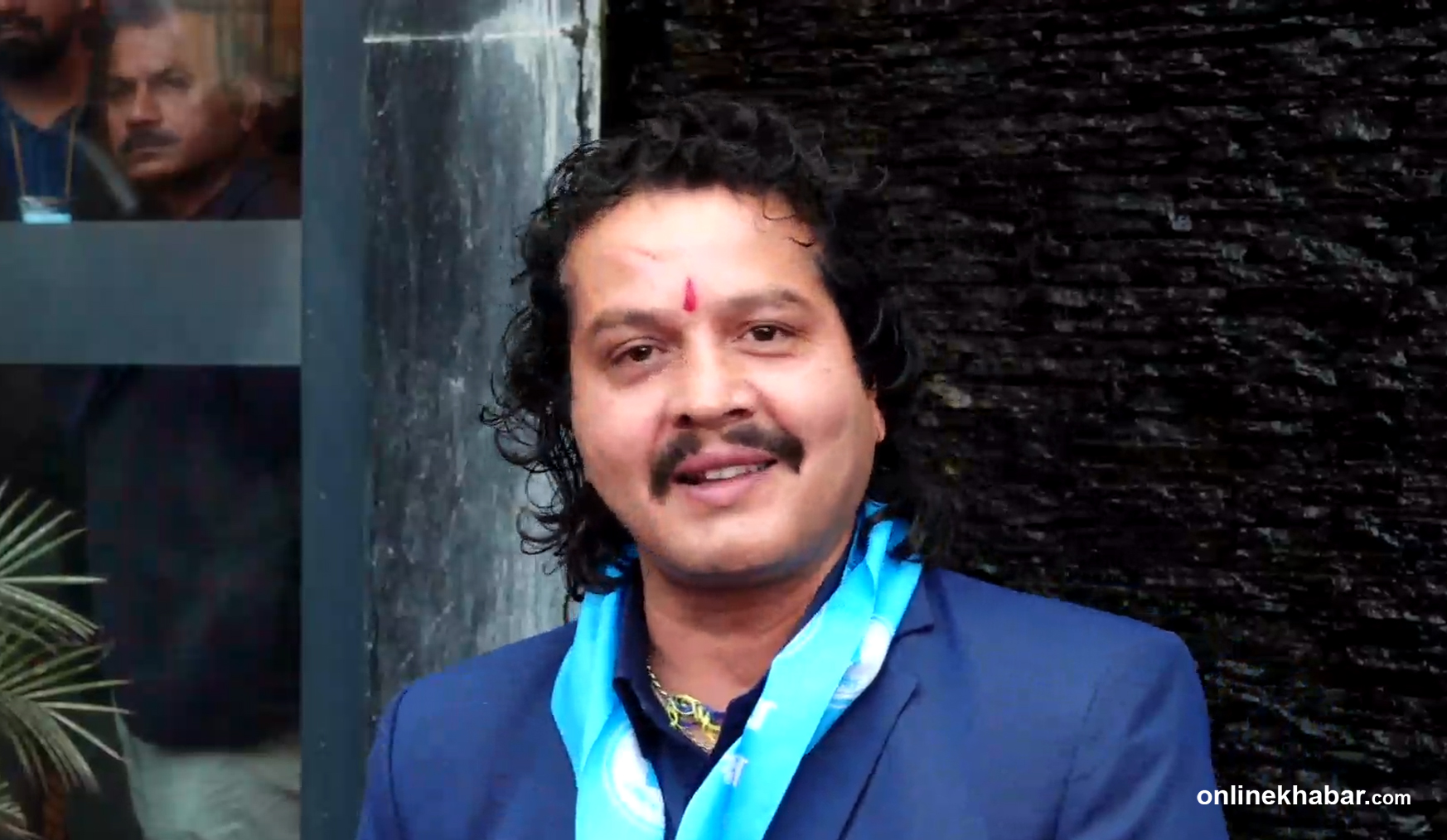
According to Dhakal, the government is preparing to provide a monthly housing allowance of NPR 15,000 to genuine squatters until land ownership certificates are issued. The Ministry of Urban Development has assured the committee regarding this plan and its funding.
In addition, arrangements have been made for school buses for children residing in the holding centers, and nutrition support for pregnant women has also been provided.
“Screening of landless people at Kathmandu holding centers is ongoing,” Dhakal said. “A monthly housing allowance of NPR 15,000 is ready for distribution until land ownership certificates are issued, and the sources have been secured.”
The parliamentary committee has also decided to conduct on-site monitoring to gain an accurate understanding of the government’s presented information and progress.


