




News Summary
Editorial review completed.
- Hospitals across the country face medicine shortages affecting cancer treatment, particularly the essential drugs Carboplatin and Cisplatin.
- Medicine importers cite government price control policies and rising raw material costs as causes of the supply issues.
- The Ministry of Health is currently discussing these shortages and is working to adjust prices to resolve the problem, according to officials.
April 21, Kathmandu — The shortage of life-saving medicines essential for cancer treatment is impacting healthcare services in hospitals nationwide. Doctors report that the lack of chemotherapy drugs Carboplatin and Cisplatin is causing severe difficulties for patients.
Dr. Sandha Chapagain, a cancer specialist at Bir Hospital, stated that the scarcity of these medicines has put cancer patients’ lives in jeopardy.
Cisplatin and Carboplatin are indispensable chemotherapy drugs used for most types of cancer. Since these medicines are not manufactured in Nepal, they are entirely imported from abroad.
Dr. Chapagain explained, ‘These drugs are necessary for all cancer treatments, and no alternatives are available. They are life-saving components of cancer therapy.’
At Bir Hospital alone, around 45 patients daily require these medicines. However, irregular availability raises the risk of rapid progression of cancer, doctors warn.
Dr. Chapagain added, ‘This issue affects cancer patients throughout the country, not just at Bir Hospital. Without timely chemotherapy, cancer spreads swiftly.’
Dr. Arun Shahi, a cancer specialist at Patan Hospital, also noted that the supply problems for these heavily used chemotherapy drugs are complicating patient conditions.
Dr. Shahi said, ‘More than 60 percent of cancer patients require these medicines. Our hospital has faced a shortage of Carboplatin and Cisplatin for two weeks.’
He emphasized that platinum-based drugs like these are critical for treating various cancers including lung, ovarian, stomach, breast, and colon cancers.
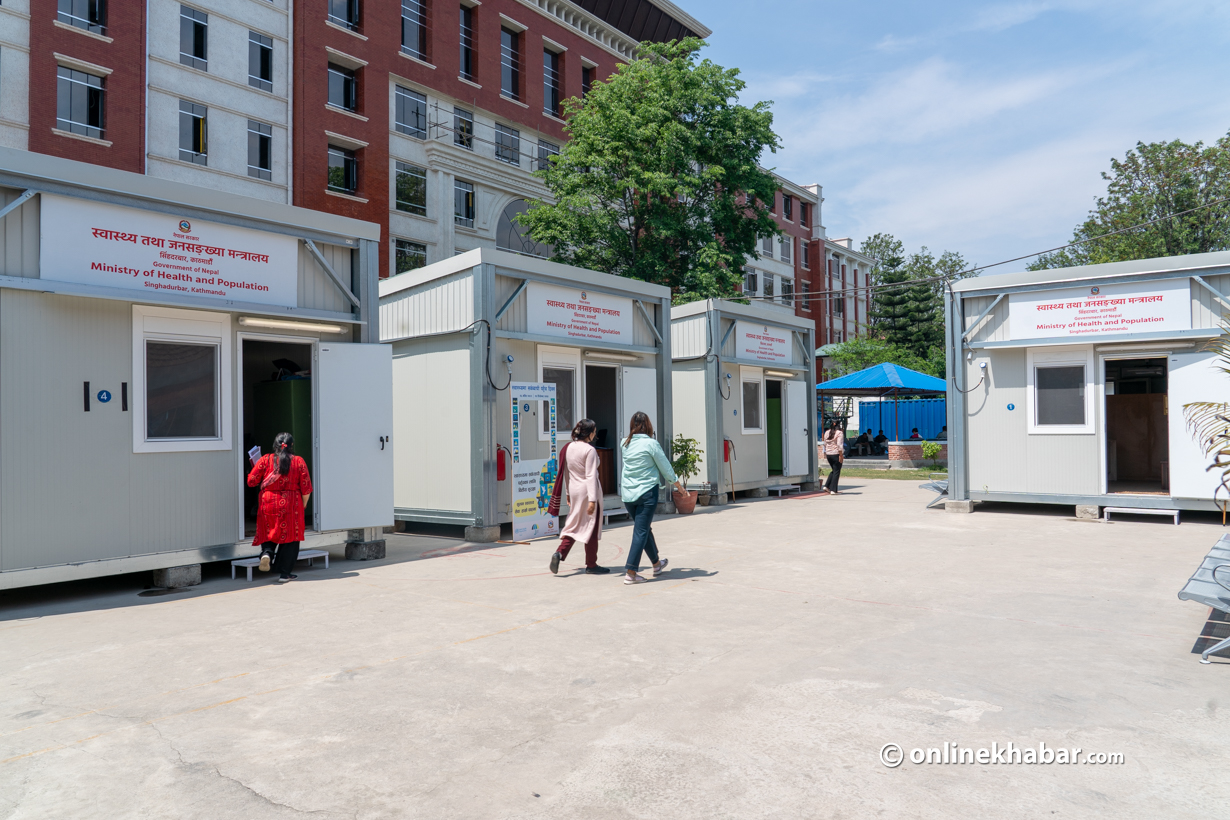
Physicians warn that even short-term unavailability of these drugs can lead to disease progression and threaten patients’ lives. Dr. Shahi mentioned that due to shortages, doctors have been forced to rely on alternative medications.
‘We are combining other drugs according to the cancer type, but the effectiveness is uncertain,’ he said. ‘This is a situation where doing something is better than doing nothing.’
Dr. Ramila Shilpakar Dangol, a cancer specialist at Bir Hospital, issued a warning on social media stating, ‘The shortage of Carboplatin and Cisplatin in Nepal has created a severe public health crisis. Patients who could recover are being deprived of treatment. This is not just a supply problem but a matter of life and death.’
According to Dr. Ujjwal Chalise, director of Bhaktapur Cancer Hospital, these medicines have been in use for decades and remain among the most effective yet affordable options.
‘Cancer chemotherapy is not possible with just one drug; a combination of two to three drugs is necessary. Platinum-based medicines are essential in many treatments. Without these, cancer therapy is incomplete,’ he said.
Dr. Chalise noted that Cisplatin and Carboplatin have been in use for nearly five decades. Being based on older technology, these drugs are relatively inexpensive.
On average, 80 patients receive chemotherapy services daily at Bhaktapur Cancer Hospital, of whom 50 require platinum-based drugs.
He stressed that the shortage will directly impact treatment. ‘Without these medicines, treatment halts, black market activities, unauthorized imports, and fraud risks increase. Patients’ families must desperately seek the medicines,’ he added.
Doctors point out that these medicines are priced considerably lower than other cancer drugs. Dr. Chalise stated, ‘Depending on the dose, Cisplatin costs between a few hundred to 1,500 Nepalese rupees, while Carboplatin ranges from 2,000 to 4,000 rupees.’
‘Although inexpensive, their efficacy is high; thus, the shortage significantly threatens cancer treatment systems.’
Why Has Imports Halted?
Importers attribute supply disruptions to conflicts in the Gulf region and increased raw material prices that have raised production costs. The international price surge for platinum has led manufacturers to seek price adjustments.
In India, rising raw material costs have caused some producers to cease manufacturing these drugs, a situation affecting Nepal as well. However, importers claim that Nepal’s medicine price control policy, effective since 2015 (2072 BS), has prevented price increases, impacting imports and supply.
The Medicine Importers Association identifies government price control policies as the primary cause of this issue.
Association Chairman Pawan Acharya acknowledged import problems for platinum-group medicines including Carboplatin and Cisplatin and stated that because prices have not been adjusted since 2015, importers face significant pressures.
He explained that the government adjusted prices for 96 medicines in 2015 but has not done so since, despite rising raw material costs inflating production expenses.
‘Raw materials like silver, used in producing platinum-group drugs, have seen their international market price quadruple since 2015,’ Acharya said.
He noted that Nepal’s drug pricing is based on Indian prices, but while India adjusts prices annually, Nepal has not, causing importers to face challenges.
‘Nepal is pressured to sell at lower prices than India, where manufacturers regularly update prices. Nepal’s government has failed to implement similar adjustments for 11 years.’
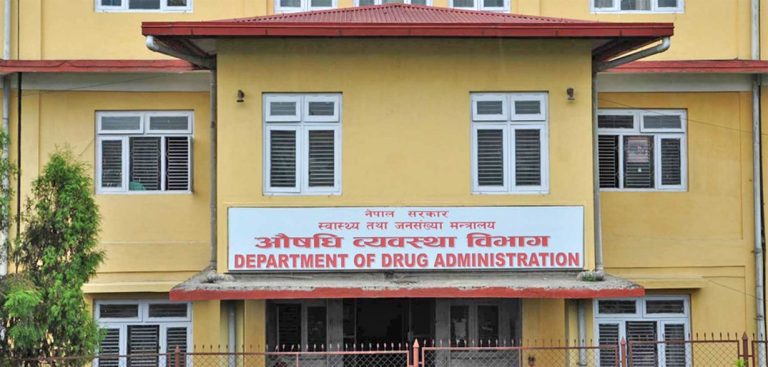
Acharya also accused government agencies of hesitating to make price adjustment decisions out of fear of criticism.
‘Authorities worry about criticism for raising prices rather than focusing on medicine availability, which has worsened the situation.’
As medicine shortages rise nationwide, a discussion was held at the Ministry of Health on Friday.
Kiran Sundar Bajracharya, Information Officer at the Department of Drug Administration, acknowledged complaints about medicine shortages and said efforts are underway to find solutions.
According to Bajracharya, because international medicine prices have risen, importers cannot bring medicines into Nepal without official price adjustments.
‘Prices published in Nepal’s gazette are outdated while global prices have increased. As a result, importers are unable to supply medicines. The department is coordinating with the Ministry of Health regarding price revisions.’


