Prime Minister Walendra Must Address Lipulekh Issue; Nepal Is Not a Mere Buffer State





Summary
- Dr. Shankar Sharma emphasized that the Nepal-India border dispute and the EPIG report need to be resolved politically.
- He stressed that Nepal should not view itself merely as a buffer state between two major neighbors but focus on economic diplomacy and tourism development.
- Dr. Sharma advised that key ambassadorial positions in the Indian Embassy should not be left vacant and economic diplomacy must be advanced.
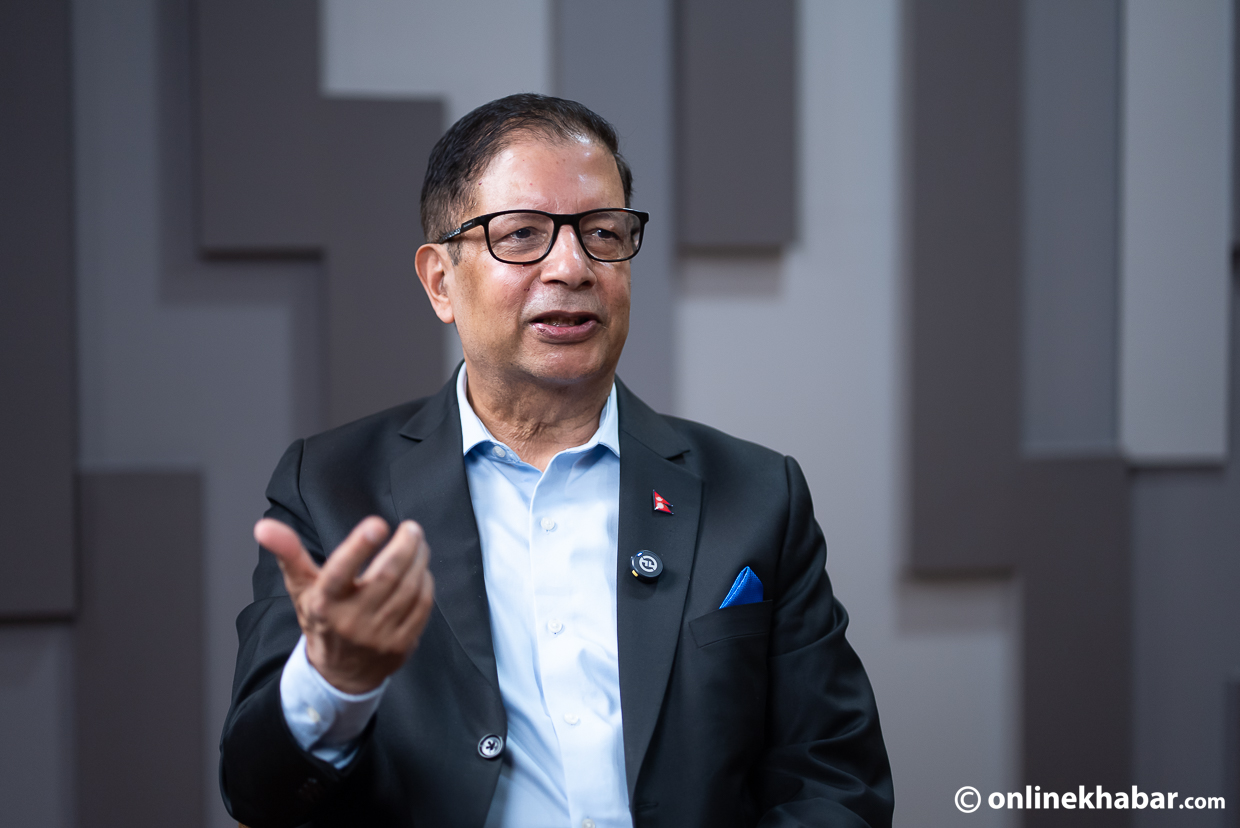
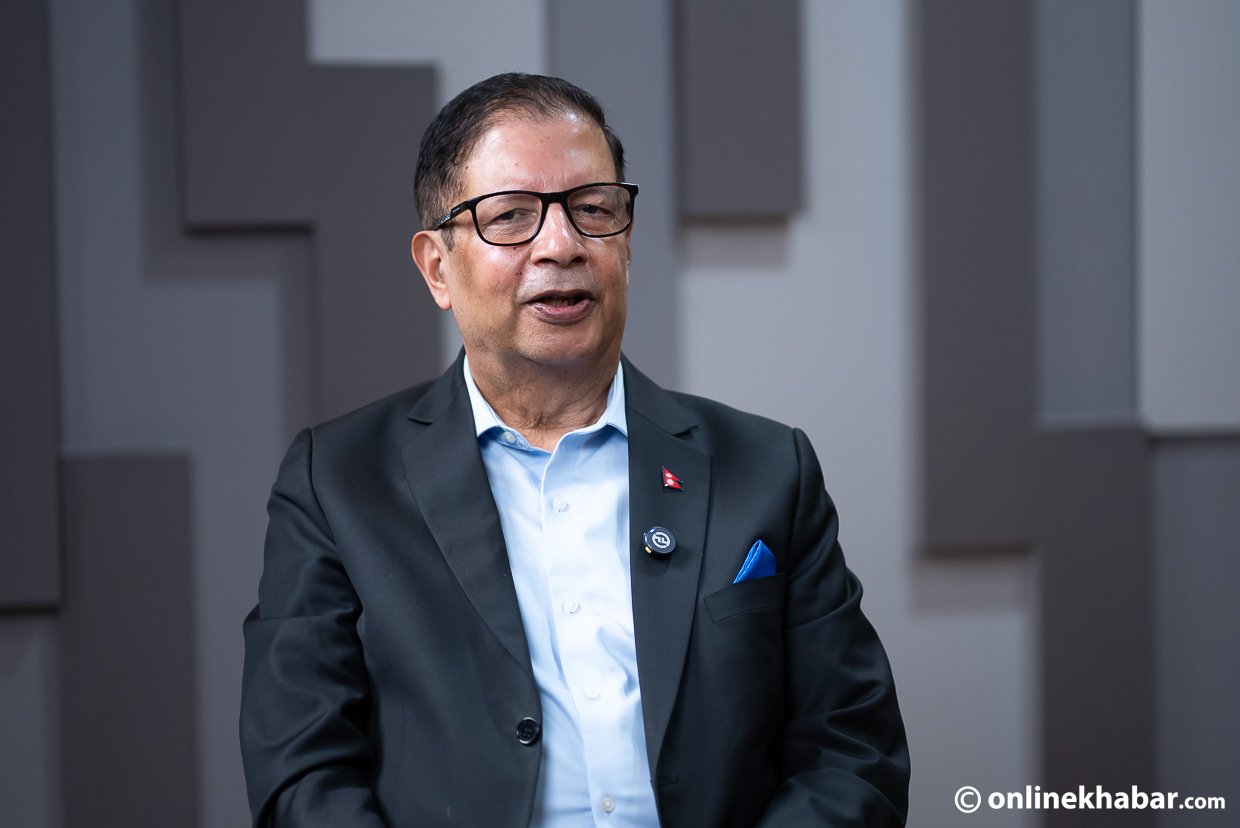
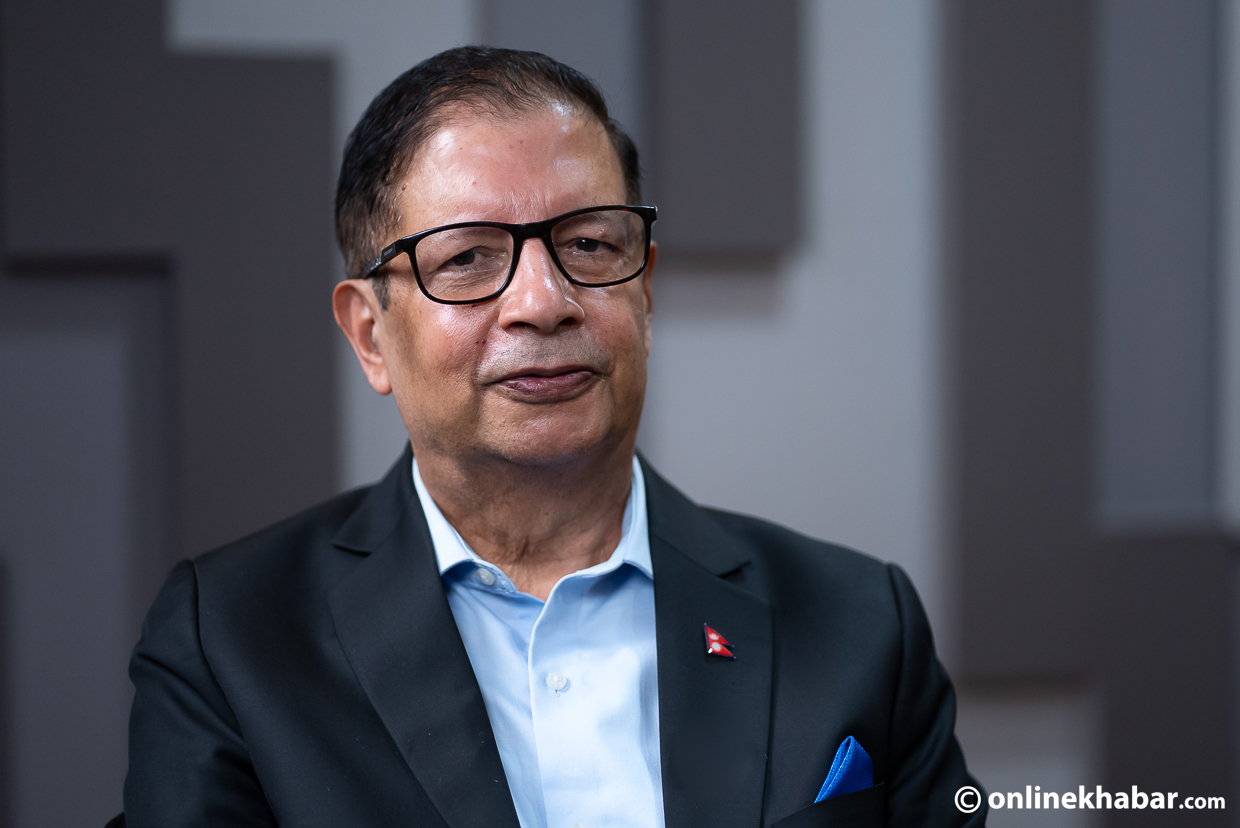
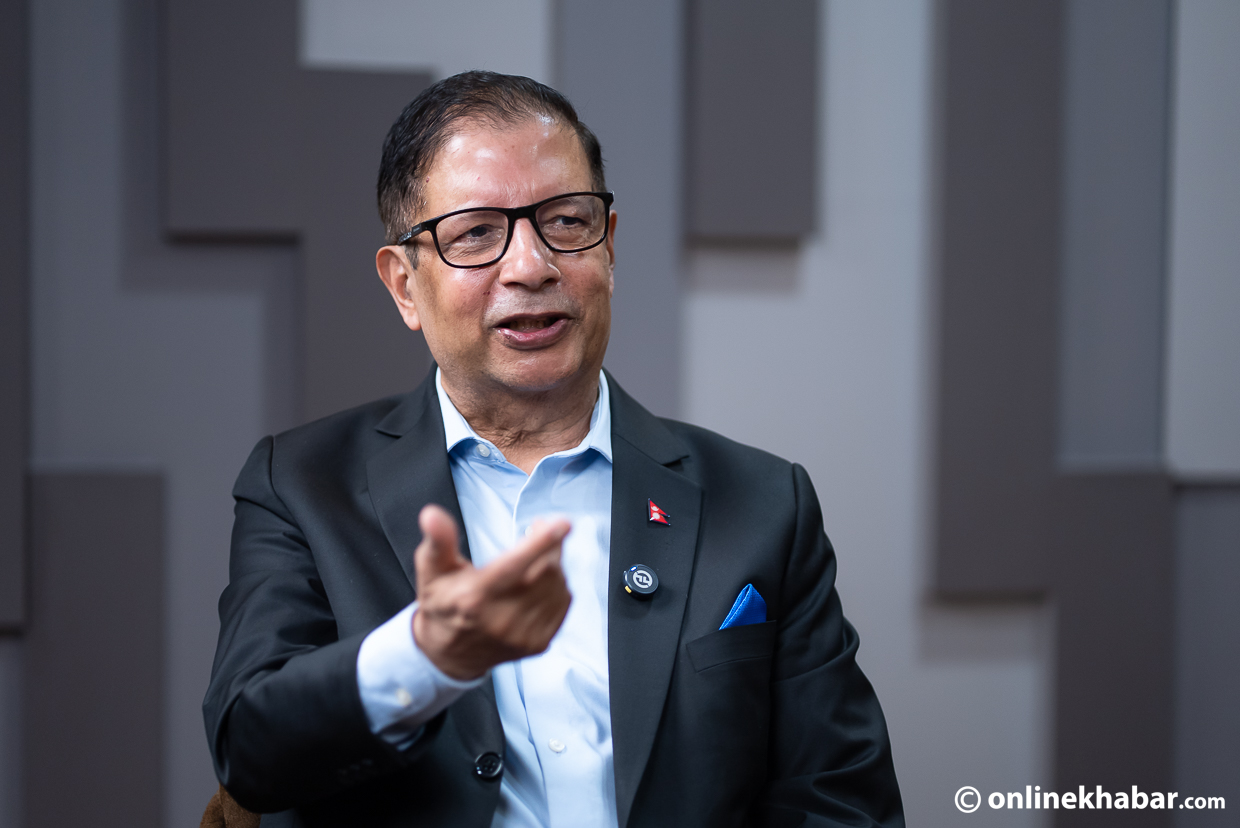
Dr. Shankar Sharma, one of the retired ambassadors recalled by the government last Chaitra (March-April), recently returned from New Delhi to Kathmandu. He previously served as Nepal’s ambassador to the United States and possesses extensive experience in diplomacy and economic affairs. He is also a former vice-chairman of the National Planning Commission.
Amid ongoing debates concerning Nepal-India relations, border disputes, the EPIG report, and new ambassadorial appointments, Dr. Sharma asserts that Nepal should no longer perceive itself merely as a ‘buffer state’ caught between two powerful neighbors. Border disputes and water resource issues must be resolved politically. During this detailed interview, discussions also touched on economic diplomacy, tourism development, and the geopolitical landscape.
You were in India when the people’s movement took place. How was it perceived there?
Many were surprised as the movement seemed unpredictable and sudden. It emerged quickly and was resolved within a few days in Nepal itself. The Indian community was also astonished by this change.
There were some conspiracy theories during the movement. Did you observe any government involvement?
I was at the National Defence College then. Although certain leaders and NGOs were named, their backgrounds were unclear. I understood that even the involved parties did not fully comprehend the situation.
In Chaitra last year, the government recalled six ambassadors and then sent diplomatic notes to India and China regarding the use of Lipulekh. Where were you at that time and how did you learn about it?
This issue had been emerging for some time. About six months prior, we had already sent notes and directed local administration. Although concerns were raised then, I was involved only later. Nepal has been active on this issue for a long time. It is inappropriate to leave ambassadorial posts in sensitive countries like India and China vacant.
Where was the Lipulekh issue most prominently discussed?
In 2015, the prime ministers of India and China agreed in Beijing on pilgrimage and trade routes via Lipulekh. Subsequently, India constructed a road through the Darchula route, inaugurated by the Indian Defence Minister, which bypassed Nepal and caused problems.
People-to-people relations between Nepal and India are strong and may mitigate the impact of border disputes. It is prudent to avoid escalating disputes quickly as they cause hardship for locals. Unresolved areas need swift settlement.
When India issued the new political map in 2019, you were serving as ambassador there. How did India respond?
The border dispute existed before. India responded firmly against Nepal’s protest. Although dialogue was attempted, communication remained limited without a permanent solution. This issue must be raised politically.
Why do you think the Prime Minister has not fully understood the EPIG report?
The EPIG report presents two viewpoints but is outdated, having been prepared in 2018 and may not be fully relevant now. It touches upon agreements like the 1950 Treaty, which affects public-level relations.
What do you think about the perception of Nepal as a buffer state?
Although foreign scholars still view Nepal as a buffer state, Nepal must move beyond this perception, adopting a modern outlook with special attention to economic diplomacy, tourism, and diverse sectors.
What was your diplomatic experience as ambassador to India and the United States?
Ambassadors provide analysis, but policy-making is the government’s responsibility. Relations with these two countries differ in popularity, partnership, and geopolitical perspectives. The relationship with the US generally remains stable and active.
What are your views on the MCC?
The MCC project will benefit electricity transmission and road construction and will help with energy exports. There are diverse opinions in Parliament, but progress is ongoing.
Your opinion on Prime Minister Walendra Shah’s leadership?
I understand Nepal’s institutional weaknesses and governance challenges well. The working style so far appears positive and needs to be sustained. The Prime Minister’s efforts send a good message.
What suggestions do you have for economic diplomacy and foreign investment?
Previously, economic diplomacy focused largely on aid. Now, priority should shift to attracting investment, developing industry, information technology, artificial intelligence, and agriculture.
How can tourism be expanded and developed?
Tourists should be encouraged to stay longer to maximize economic benefits. Initiatives like Greater Lumbini Development can increase religious tourism, alongside establishing five or six Himalayan tourist regions from east to west to attract visitors.
What kind of diplomatic approach should Nepal pursue?
Economic diplomacy should be responsible yet cautious. Nepal must determine its own priorities and view cooperation as partnership. This is not just a matter of re-establishing sovereignty but addressing multiple sectors.
What should be the strategy for ambassadorial appointments?
Selecting qualified candidates through competition is ideal; however, politically skilled individuals can also be appointed to appropriate posts. Ambassadors must understand their roles clearly and present effectively.
What preparations are underway for the Prime Minister’s visit to India?
Prime Minister Modi has extended an invitation; the visit will be confirmed. Scheduling and preparations will take some time.
Your balanced perspective on foreign policy?
A balanced policy is essential. Relationships must be maintained according to time and circumstances. Dialogue should continue even without formal agreements when necessary.
Finally, your views on the current situation and the government’s long-term outlook?
Nepal must no longer limit itself solely to being a buffer state but focus on economic development and partnerships. The government has the opportunity to work steadily for five years. The people are hopeful and the future looks promising.
Photos / Video: Kamal Prasain


