Is Rastriya Swatantra Party Chairman Ravi Lamichhane Planning a Trip to India as an Alternative Prime Minister?





News Summary
- Rastriya Swatantra Party Chairman Ravi Lamichhane is preparing for a three-day visit to India starting May 31, 2026.
- Prime Minister Balendra Shah has adopted a strict stance on foreign affairs, deciding not to undertake any overseas visits for at least one year.
- Government spokesperson Sasmit Pokharel stated that Chairman Lamichhane’s India trip is personal and party-related and is not connected to the government.
May 16, Kathmandu – While there has been no progress regarding Prime Minister Balendra Shah’s foreign visits, Rastriya Swatantra Party (Raswapa) Chairman Ravi Lamichhane is preparing to travel to India this week.
Though Prime Minister Shah is not a party chairperson, Chairman Lamichhane is set to visit India before him, prompting questions about the political implications of this trip.
Political and international relations experts note that such visits by party leaders before government leaders are natural. Dr. Sanjiv Humagain explained that these trips are neither new practices nor departures from protocol but form part of diplomatic tradition.
“It’s best not to interpret this as an indication of government instability. Though conspiracy theories have circulated in the past, such visits should be seen as routine,” Humagain said.
While the chairman’s trip is being viewed as routine, the government does not appear to be paying close attention to the potential broader implications of the visit.
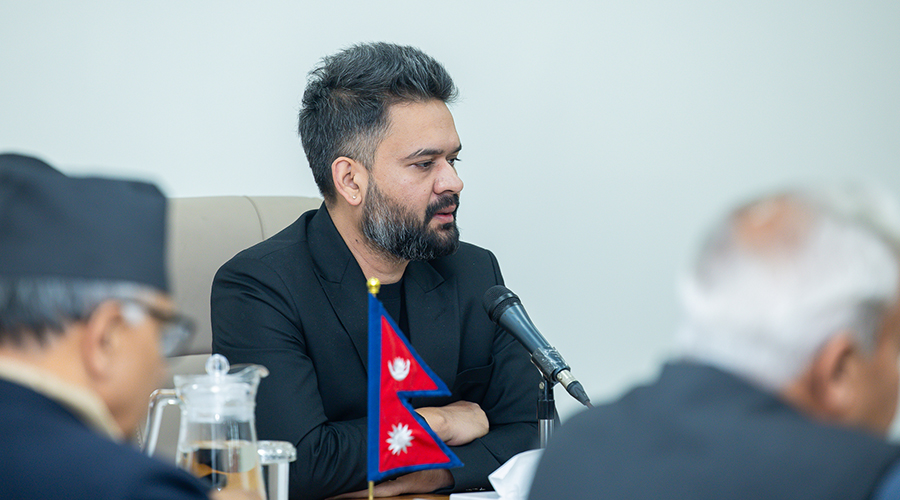
Humagain added that although the prime minister himself is not visiting India, if Chairman Lamichhane were representing the government with a diplomatic delegation, it would elevate the visit’s significance.
“If it were not a party-level visit but an official Nepal government delegation including the foreign minister, it would be a higher-level diplomatic engagement,” he said.
There are precedents where leaders of ruling or main political parties have visited India before the official prime ministerial visits.
For instance, in February 2010, then UML Chairman KP Sharma Oli traveled to New Delhi to discuss peace processes, political stability, and cross-party agreements with Indian officials during Madhav Kumar Nepal’s prime ministership. Oli held talks with then Indian Foreign Minister S.M. Krishna and other senior officials.
Government spokesperson and Education Minister Sasmit Pokharel clarified that Chairman Lamichhane’s India trip is personal and party-related, not governmental. After a cabinet meeting, Pokharel emphasized that this visit is unrelated to the prime minister or government.
“The prime minister is not traveling abroad now due to a very busy schedule. For this reason, the chairman is making the visit independently,” he stated.
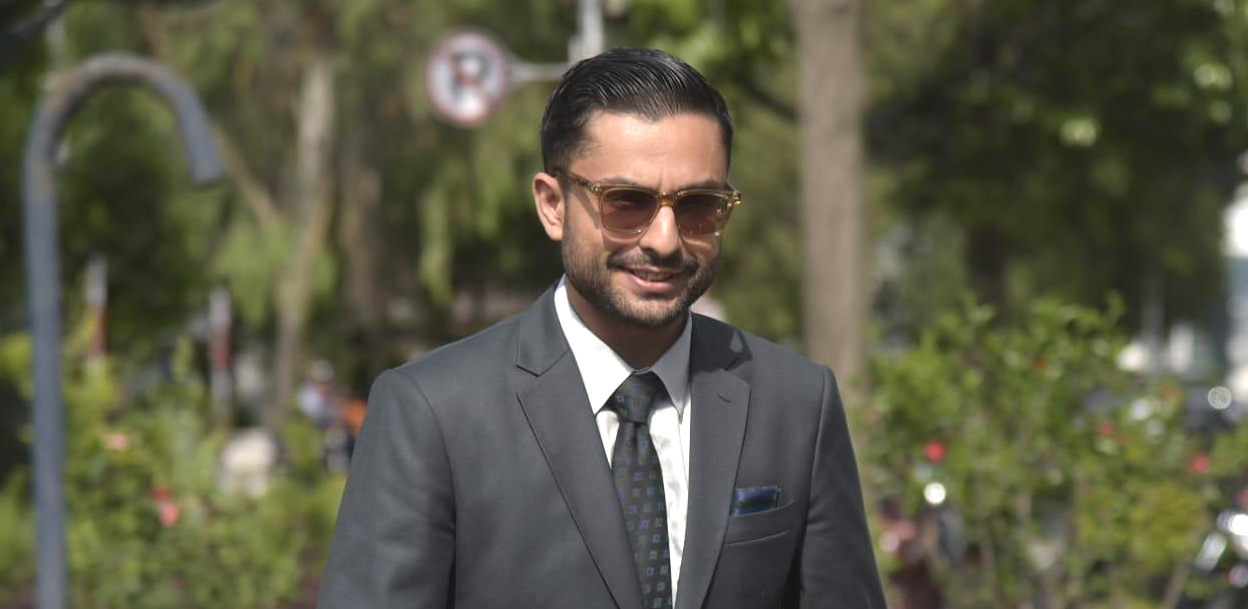
Former ambassador to India, Lok Raj Baral, advised viewing such visits as normal and natural.
“This should be seen as usual. Previously, party leaders have traveled before prime ministers as well,” he said.
According to Baral, such visits are valuable in establishing relationships with neighboring countries and their political parties.
“Every country is eager to develop good ties with ruling parties of neighboring nations. I had similar experiences as ambassador to India,” Baral added.
Opportunity for Chairman as Prime Minister Delays His Visit
Since the elections held on February 21, where Raswapa gained nearly a two-thirds majority, this will be Chairman Lamichhane’s first foreign trip.
According to Foreign Ministry sources, Lamichhane is scheduled to depart for India on May 31 and return on June 2. Formal announcements from both sides regarding the visit have yet to be made public.
During the visit, he is expected to meet with Indian Prime Minister Narendra Modi, Foreign Minister S. Jaishankar, National Security Advisor Ajit Doval, Union Minister for Road Transport and Highways Nitin Gadkari, Foreign Secretary Vikram Misri, and Bharatiya Janata Party President Nitin Naveen.
Earlier, Prime Minister Modi had extended an invitation to Balendra Shah to visit India, congratulating him with a message. However, Shah’s visit to India remains unconfirmed.
Modi congratulated Shah after he assumed office on March 27, 2026, also inviting him for an official visit.
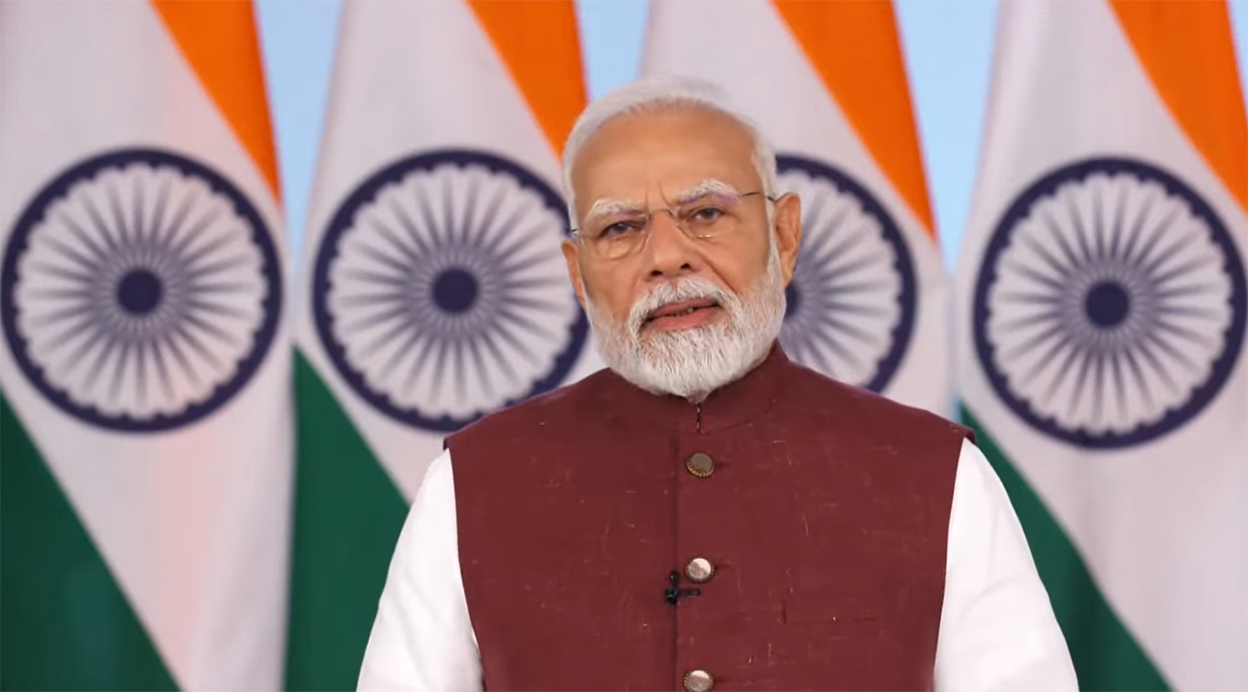
However, Raswapa quickly issued a statement confirming that the prime minister would not be traveling abroad for at least a year, explaining the lack of confirmed dates for foreign visits including India.
Within two months of government formation, Prime Minister Shah has taken a firm stance on diplomatic matters.
Indian Ambassador to Kathmandu, Naveen Srivastava, intended to personally congratulate the new prime minister, following tradition, but Shah broke with protocol by meeting foreign ambassadors collectively rather than individually. Observers view this as a disruption of the special diplomatic custom traditionally accorded to India.
After India announced the operation of the Lipulekh route for Kailash Mansarovar pilgrimage, the Nepal Foreign Ministry issued a formal statement on May 3, 2026, reaffirming that Limpiyadhura, Lipulekh, and Kalapani east of the Mahakali River are integral parts of Nepal. The government sent diplomatic notes of protest to both India and China.
Amid this array of events, the planned two-day visit of Indian Foreign Secretary Vikram Misri to Nepal on May 11, 2026, was postponed. This visit was confirmed following talks between Shishir Khanal and S. Jaishankar held in Mauritius at the end of March.
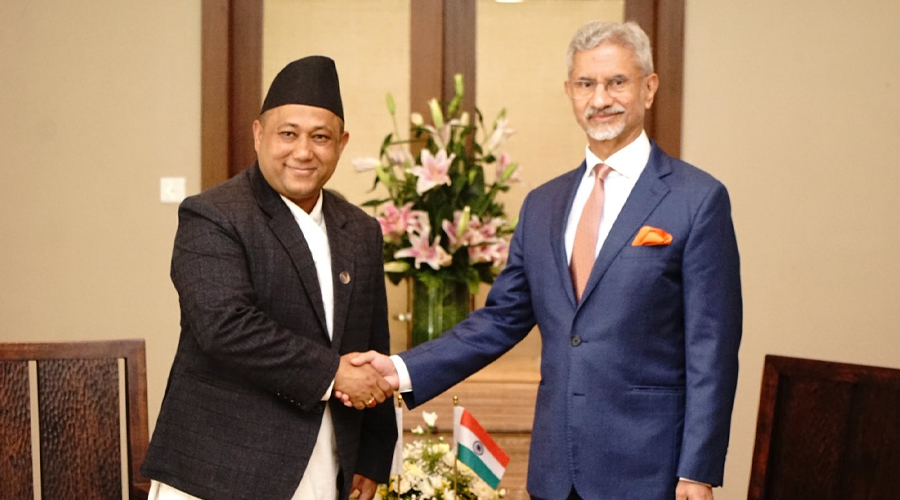
The visit aimed to formally invite Prime Minister Shah to India and discuss bilateral relations. However, sources say the trip was cancelled after Shah declined to meet with Misri.
Prime Minister Shah’s firm diplomatic posture extends beyond India. In April 2026, Sergio de la Peña, Special Representative for South and Central Asia under US President Donald Trump and former US Ambassador to India, visited Nepal but was also refused an audience by Shah.
Similarly, news circulated that US Assistant Secretary of State Sameer P. Kapoor was unable to meet Shah. The Prime Minister’s Secretariat attributed these refusals to his busy schedule and characterized them as part of new diplomatic protocols.
With Shah’s visit undecided, Foreign Minister Shishir Khanal’s planned trip to India on May 31 was also cancelled. This cancellation followed India’s postponement of the International Big Cat Alliance conference, originally scheduled for June 1, which was to coincide with the fourth India-Africa Forum Summit.


