




News Summary
Collected and editorially reviewed.
- Finance Minister Dr. Swarnim Wagle announced various traditional and intangible programs for the tourism sector in the upcoming fiscal year 2083/84 budget.
- The government declared through the budget that it will finalize the construction framework for the strategically important Nijgadh International Airport within the next six months.
- The budget includes a new program aimed at preserving at least two dozen historic Buddhist monasteries, over 200 years old, located in Manang and Mustang.
18 Jestha, Kathmandu – The upcoming fiscal year 2083/84 budget shows the government continuing to prioritize intangible and traditional announcements over delivering substantive transformation in the tourism sector.
Finance Minister Dr. Swarnim Wagle’s presentation to Parliament contained many declarations made without prior preparation, portrayed as appealing programs.
The government proposed an integrated development plan for Shaligram Path, linking Trivenidham, Devghat, Ruru region, Kagbeni, Muktinath, and Damodar Kund, though the concept remains ambiguous. The budget also mentions plans to promote the Nirvana Path next year, based on the Lumbini–Muktinath religious and cultural corridor.
This route is expected to include elements such as meditation, spiritual practice, yoga, Buddhist-Vedic philosophy, and the Himalayan cultural experiences of Manang, Mustang, and Myagdi. Additionally, the plan aims to connect environmental and commercial hubs like Olangchungola, Kimathanka, Tatopani, Rasuwa Gadhi, Korala, and Hills with the Mid-Hill Highway, but the ministry does not appear to have conducted a thorough study on this.
The budget also incorporates plans to develop specific tourist regions in the Far-Western region, including Ramaroshan, Khaptad, Badimalika, Shaileshwari, Ugratara, and Mallikarjun. The government has introduced a program to promote regional tourism corridors such as Khaptad–Badimalika–Shuklaphanta, Kankrevihar–Panchkoshi–Rara, Thakurdwara–Swargadwari–Ruru, Devghat–Muktinath–Tilicho, Kalinchok–Jugal–Gosaikunda, Sakhada–Dhanushadham–Gadhimai, and Halesi–Chatara–Pathibhara.
The trend of including intangible programs in the tourism sector is well-established, which has led local parliamentarians to pursue small-scale programs for their constituencies, a practice the government continues to uphold.
‘Visit Nepal Year 2085’ to be Celebrated
The government announced ‘Visit Nepal 2085’ in this year’s policy and program, which the budget continues to support. Additionally, the year ‘Nepal Health Year 2027’ was declared, under which a 10-year health tourism strategy has been formulated and is being implemented.
Repeat Calls to Remove Nepal from EU Blacklist and Split the Authority
Since 2013, Nepal has been on the European Union’s blacklist, barring aircraft registered in Nepal from flying in EU airspace. To remove Nepal from this list, past budgets have announced plans to separate the Civil Aviation Authority’s service providers and regulatory bodies.
Two related bills have been submitted in Parliament, but vested interests have obstructed implementation. International regulators insist the management and regulation should be distinct.
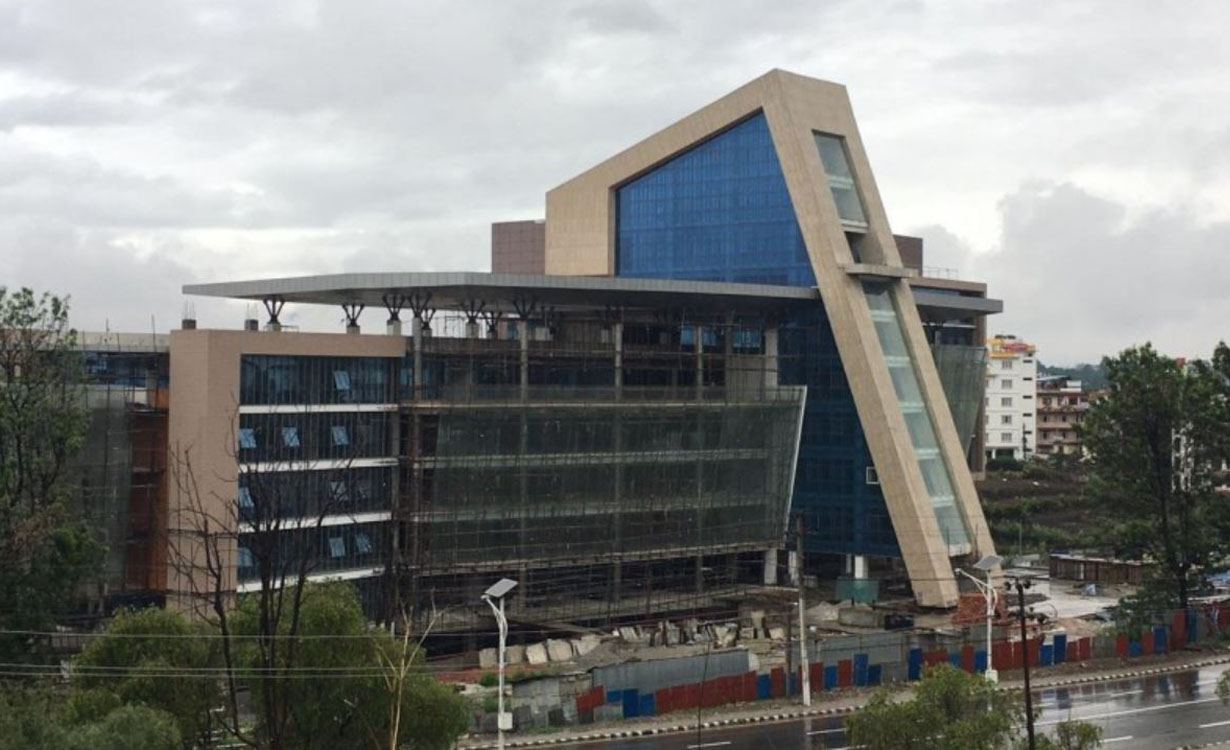
Senior officials have impeded restructuring efforts, using staff from the authority to block the separation process.
Efforts to Corporatize Nepal Airlines Corporation
Efforts to convert Nepal Airlines Corporation into a company have been ongoing for years, with nearly a dozen committees formed to drive reforms.
The cycle of forming new committees to study reports and delaying their submission persists. Implementation of any breakthroughs hinges on government resolve.
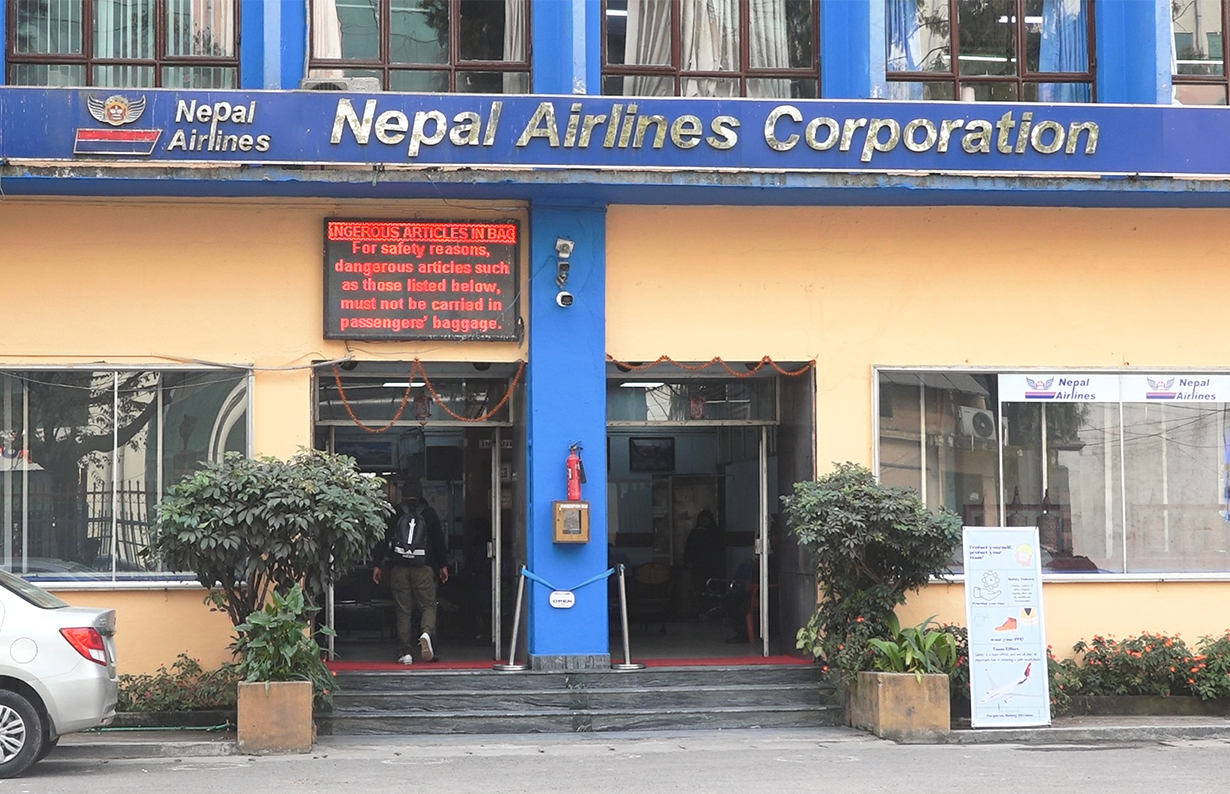
This year, the government again aims to corporatize Nepal Airlines to identify appropriate management improvements and strategic partnerships.
Continuation of Past Announcements
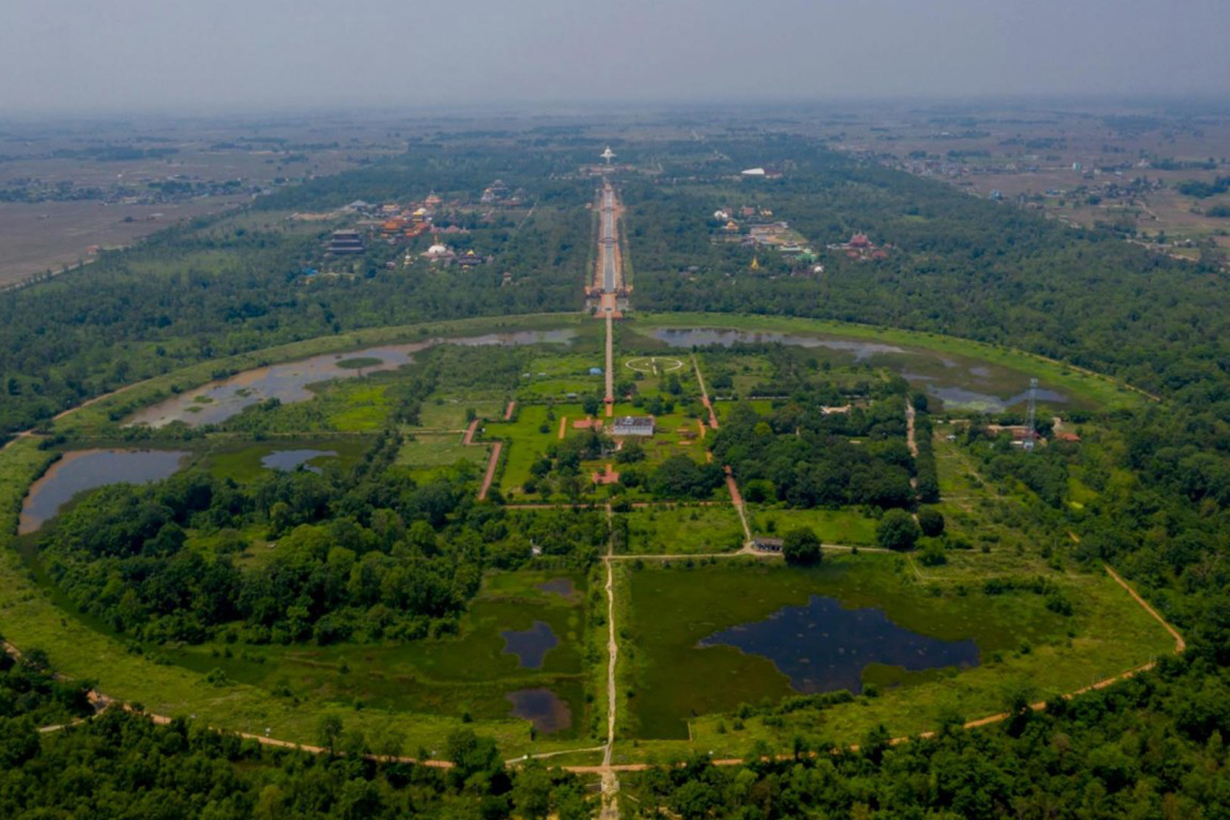
The government highlighted extensive infrastructure development in historical sites such as Tilaurakot, Devdah, Kapilvastu, and Ramgram, allocating NPR 830 million for Greater Lumbini development.
Projects started without concrete plans have yet to produce tangible results. The government also repeated last year’s plan to promote Janakpur as a wedding destination, allocating budget for road upgrades such as the Ram Janaki Path and pilgrimage circuit.
Hill station development programs have been featured in budgets for a long time, and this year’s budget again emphasizes infrastructure development for hill stations in mountainous regions.
The budget reiterates commitments to ensuring safety and emergency rescue systems for mountaineers and trekkers, along with continuing the Great Himalayan Trail.
Monastery Preservation Program
This time, the government specified preserving more than two dozen important Buddhist monasteries over 200 years old, primarily in Manang and Mustang.
Additionally, plans to include Kapilvastu’s Tilaurakot, Dhanusha’s Janakpur Dham, and Gokarneshwor in Kathmandu in the UNESCO World Heritage list are part of the budget.
New trekking route expansions have also been announced, including development of high-hill tourist routes connecting Khaptad–Ramaroshan–Badimalika and Budhinanda–Rara–Swargadwari–Muktinath. The budget also promises trails to Api Himal, Dordi Himal, Sikles–Kahpuche–Manang, and Timjure–Pathibhara.
For cycling trails, pilot projects are planned in the mid-hills of Gandaki Province, such as Kaski’s Lipeini–Thumsekot–Bhachok–Lamtri route (passing through the Prince Charles Route up to Karap), and the Byas–Chhabdi Barahi–Bandipur–Chimkeswari–Labdi–Levághat route.
The government also announced plans to expand the museum in Kirtipur and operate model homestays in concentrated Dalit settlements.
Regular Budgeting for Kathmandu Airport Expansion
Capacity enhancement works at Tribhuvan International Airport have been ongoing for a long time, with NPR 153 crore allocated for the next fiscal year. Plans to operate Gautam Buddha and Pokhara regional international airports in partnership with the private sector are also included.
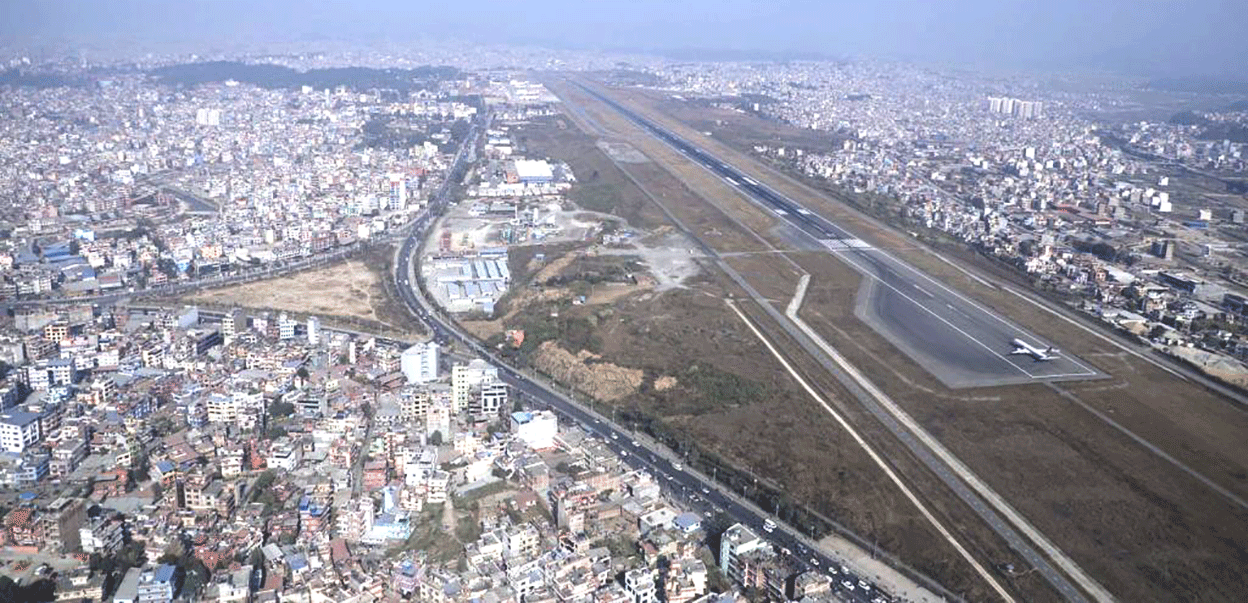
Plans to expand Bharatpur Airport and enable night flight operations are in the budget. There are also initiatives to upgrade Surkhet Airport in cooperation with the provincial government and improve airports in Talcha of Mugu and Tarigaon of Dang.
Budget Removes Ambiguity on Nijgadh Airport
Previously uncertain due to its omission in prior policies, the budget now clarifies the schedule for the strategically vital Nijgadh International Airport, mandating the finalization of the construction modality within six months of the fiscal year.
Stakeholders’ Perspectives
Hotel Association Nepal (HAN) has expressed satisfaction with the upcoming fiscal year 2083/84 budget and urged focused implementation of its programs.
HAN regards the novel concepts and activities in the budget, such as Visit Nepal Year 2085, Health Year 2027 branding, sustainable development of tourism destinations including Nirvana Path and Koshi Corridor, development of peripheral tourist regions, new tourist circuits like Danfe, Shaligram, and Mid-Hill areas, hill station infrastructure enhancement, Great Himalayan Trail, and conservation of Buddhist monasteries in Manang and Mustang as significant for increasing tourist numbers, extending stays, and boosting expenditure.
The association also appreciates the initiatives to develop Janakpur as a wedding destination, introduce new tourist sites and activities, advance Greater Lumbini development, and promote mountain biking and mountain markets in Gandaki.


