




News Summary
- US President Donald Trump warned Israeli Prime Minister Benjamin Netanyahu over the phone to halt plans for bombings in Beirut.
- At the UN Security Council emergency meeting, diplomats urged Israel to withdraw troops from southern Lebanon and stop attacks.
- The Israeli army seized the strategic ‘Beaufort’ fortress in southern Lebanon, marking its deepest military intervention in 25 years.
June 1, Kathmandu – Despite high-level diplomatic efforts between the US and Iran to establish peace and a ceasefire in the Middle East, Israel continues its military assaults on Lebanon and Hezbollah.
Since April, there has been a divergence in understanding between the US and Iran regarding the ceasefire. Iran insists that any agreement with the US must also include Lebanon and Hezbollah.
However, Israel and the US want the agreement to focus solely on the Iran-US conflict, ensuring the Strait of Hormuz remains open and addressing Iran’s nuclear issues.
A statement from Iran’s mission to the United Nations articulated, ‘We are clear in talks with the US: any comprehensive and lasting peace agreement must include Israel’s ongoing assaults against Lebanon and Hezbollah. Excluding Lebanon renders any agreement unacceptable to Iran.’
US officials, however, maintain that the talks are bilateral and security-focused rather than regional.
Amidst this diplomatic contention, on Sunday, Israeli forces advanced deep into southern Lebanon, capturing the historic ‘Beaufort’ fortress.
This fort served as Israel’s military headquarters during its occupation of Lebanon from 1982 to 2000. The Israeli blue and white flag is now flying over it.
The Israeli army’s penetration into southern Lebanon’s interior has sown fear of military occupation. With threats against Beirut’s southern suburbs, thousands of residents have fled their homes, spreading panic among civilians.
In this context, the UN Security Council convened an emergency session on Monday, at the request of France, to address the escalating unrest in Lebanon.
Diplomats at the meeting called on Israel to withdraw troops from southern Lebanon and to halt further attacks. The United States was the only exception to this call.
France, the United Kingdom, Russia, and China delivered the strongest criticisms of Israel’s actions during the session. Meanwhile, the US statement focused on blaming Iran and Hezbollah. Representatives from Bahrain, the Democratic Republic of Congo, Pakistan, Denmark, Colombia, among others, urged immediate de-escalation by Israel.
Martha Ama Akyaa Pobee, a senior UN official, stated, ‘Israel’s presence north of the Blue Line clearly violates Lebanon’s sovereignty and territorial integrity. This has exacerbated tensions in the entire region.’
The ‘Blue Line’ serves as the demarcation between Israel, Lebanon, and the Golan Heights.
Lebanese Ambassador Ahmed Arafa criticized Israel for repeatedly failing to halt its attacks, accusing the Security Council of leniency that encourages offenders to repeat crimes.
During a highly charged phone conversation on Monday, US President Donald Trump used aggressive and undiplomatic language against Israeli Prime Minister Netanyahu. As peace talks with Iran faced increasing risks, Trump issued a stern warning to Netanyahu.
Trump accused Netanyahu of ingratitude and called him ‘crazy.’ He claimed he had saved Netanyahu from jail by supporting him against corruption allegations.
Trump stated, ‘You are completely crazy. If I weren’t here, you’d be in jail now. I protected you, but after this step, everyone is starting to hate you and Israel.’
He ordered Netanyahu to immediately halt bombing plans in Beirut, warning that failure to comply would isolate Israel. According to international reports, Israel suspended any further assaults on Lebanon following Trump’s directive.
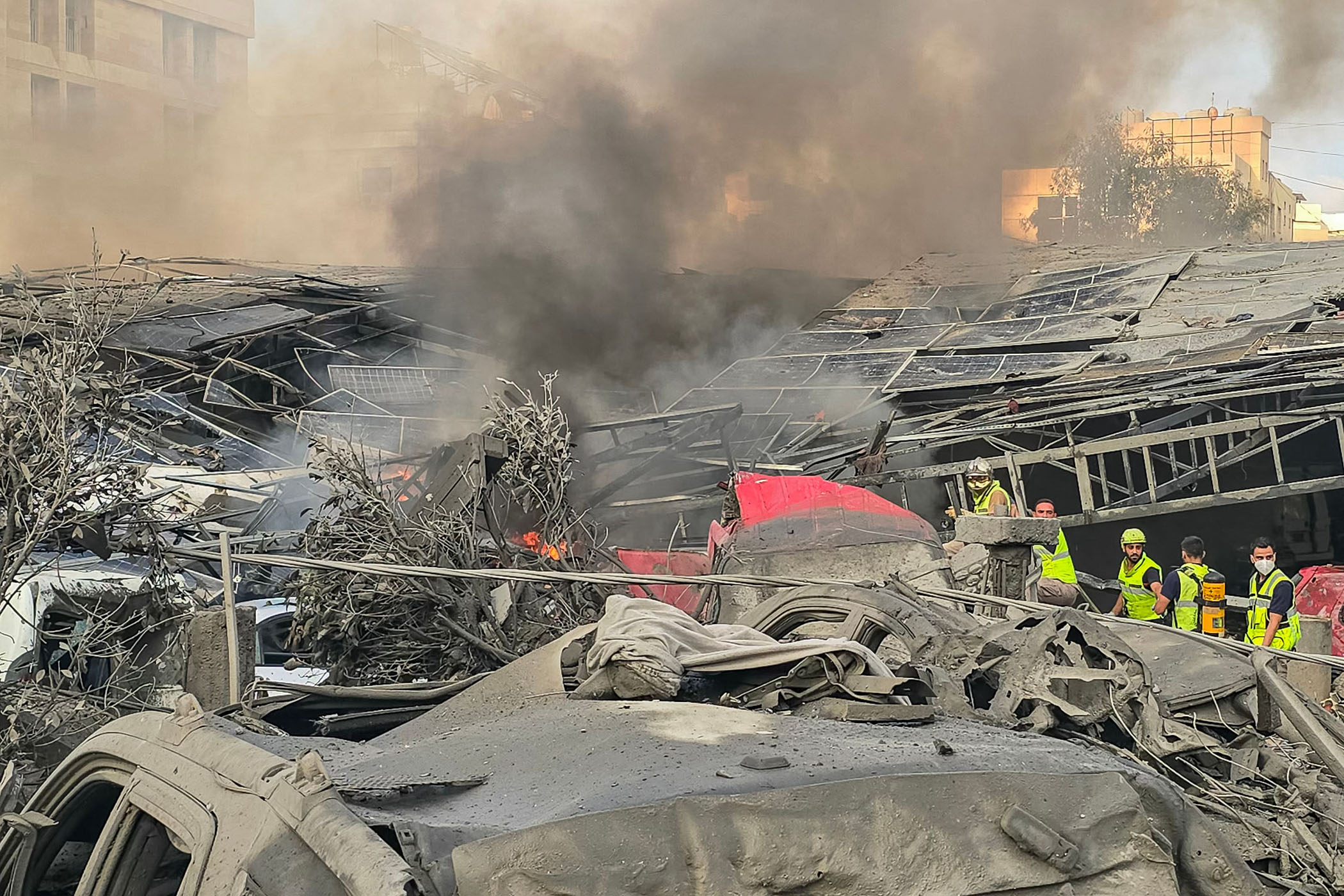
Following the phone call with Netanyahu, Trump shared via social media that the Israeli army would not enter Beirut and had already withdrawn. He claimed Hezbollah had agreed to cease all attacks.
Netanyahu acknowledged the call but responded more with warnings than concessions. He stated that if Hezbollah does not stop its attacks, Israel would target locations in Beirut.
Meanwhile, the Israeli army confirmed it would continue military operations in southern Lebanon. Hezbollah has yet to respond immediately.
Lebanese officials reported that Hezbollah agreed to US Secretary of State Marco Rubio’s proposed arrangement.
The proposal includes commitments by Israel not to attack Beirut’s southern suburbs and by Hezbollah not to target northern Israel.
However, shortly after Trump urged restraint from both parties, Israel detected missile launches from Lebanon and warned northern Israeli residents to seek shelter.
Trump’s statement came when the Israeli government had ordered attacks on Beirut’s southern suburbs and Hezbollah was firing rockets into northern Israel.
A ceasefire has been in effect between the two sides since April, but Israel’s recent military actions prompted Hezbollah to resume counterattacks. Israel maintains these steps are for self-defense.
This conflict further complicates the peace agreement process between Iran and the US, as Tehran insists on including Lebanon in the talks.
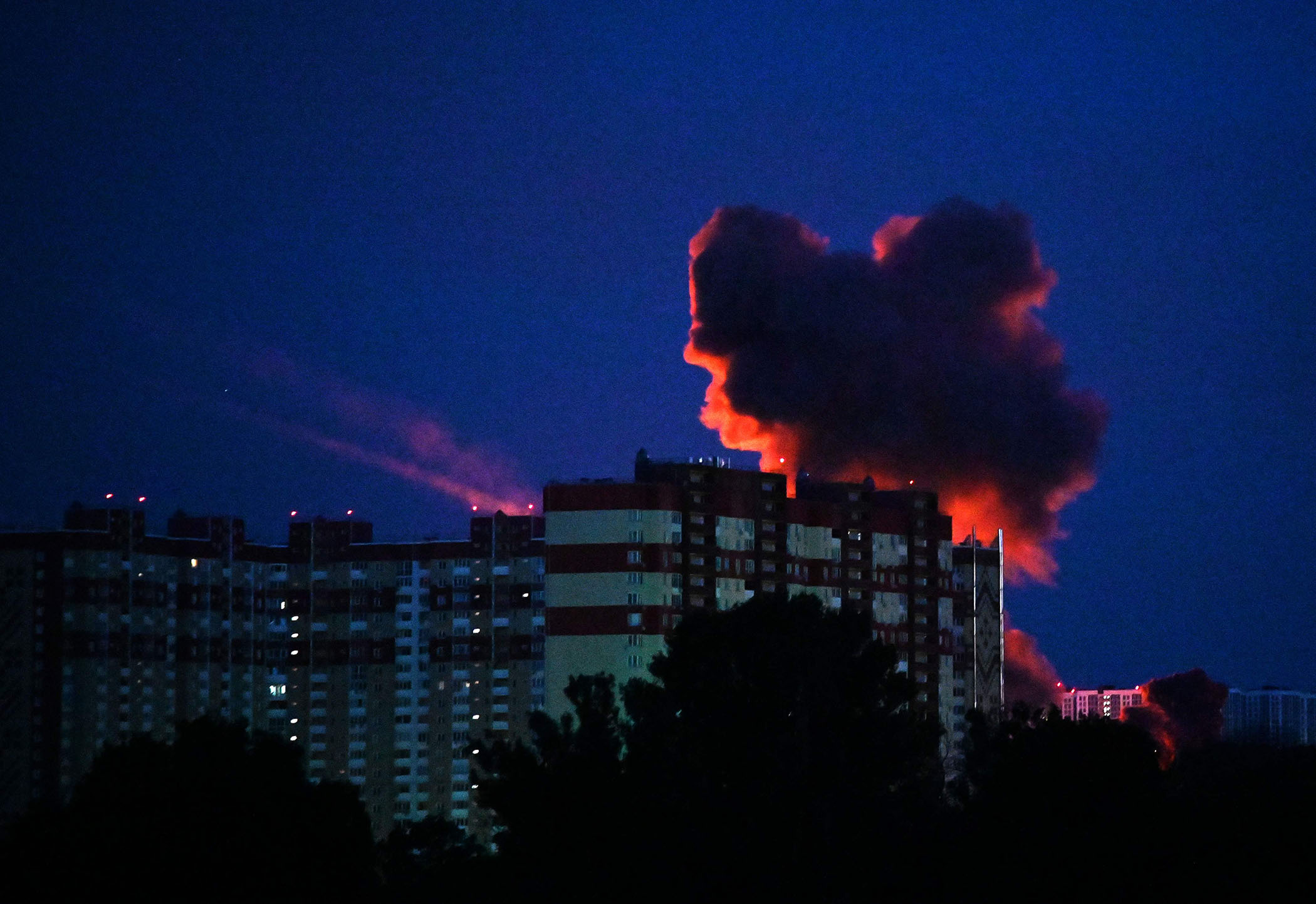
Separately, Israel has paused direct talks with Iran and has engaged in direct dialogue with Lebanon, demanding full disarmament of Hezbollah and strict enforcement of UN Security Council Resolution 1701.
This resolution aims to halt Hezbollah’s armed presence in southern Lebanon. Israeli Prime Minister Netanyahu remains resolute on this issue.
Recently, Israeli forces have launched their deepest military incursion into southern Lebanon in 25 years, capturing strategic locations including the Beaufort fortress. Security analysts interpret this as Israel’s attempt to strengthen its geopolitical position ahead of any potential agreement.
Lebanese negotiators pursuing a comprehensive ceasefire expressed hope that upcoming talks in Washington with Israel would expand the demilitarized zones to prevent further attacks.


