Pokhara Land Dispute: Palace Built Through Manipulation Being Cleared After Identified as Public Land




June 25, Pokhara — Near the Parvati Temple in former Shishuwa VDC-3, Kaski, there were large Khayar trees surrounding paddy fields. The forestry office had designated the area with the Khayar trees as a demonstration site.
Local resident Shobhakar Nepali explains that before 1976 BS (circa 1919 AD), some people started settling there and building houses. Initially, the Shrestha and Tazhya families arrived, followed by people from other major castes.
Over many years, houses were constructed, but the land was never officially registered, according to local youth Devendra Bhattarai.
Later, the land became a subject of dispute, but houses and structures continued to be built. Recently, as the land has been identified as public property, eviction processes have begun.
For years, individuals claimed ownership of over 24 ropani of land near Khayarkhor, Pokhara-30, adjacent to Parvati Temple. Now, as the land has been declared public, the clearance procedures are underway.
The land was claimed to have been surveyed and released in 1976 BS, but upon investigation, it was confirmed as public land, prompting authorities to start removing structures. Manipulation during the dispute period led to the construction of large buildings on the contested land.
Despite ongoing legal conflicts, constructions and daily use continued, with some residents reportedly enjoying political protection.
Spread across four plots in former Shishuwa VDC-3, the 24 ropani land hosts one Darshan building and several other structures. Complaints reached from the district to the metropolitan office and the Commission for the Investigation of Abuse of Authority (CIAA).
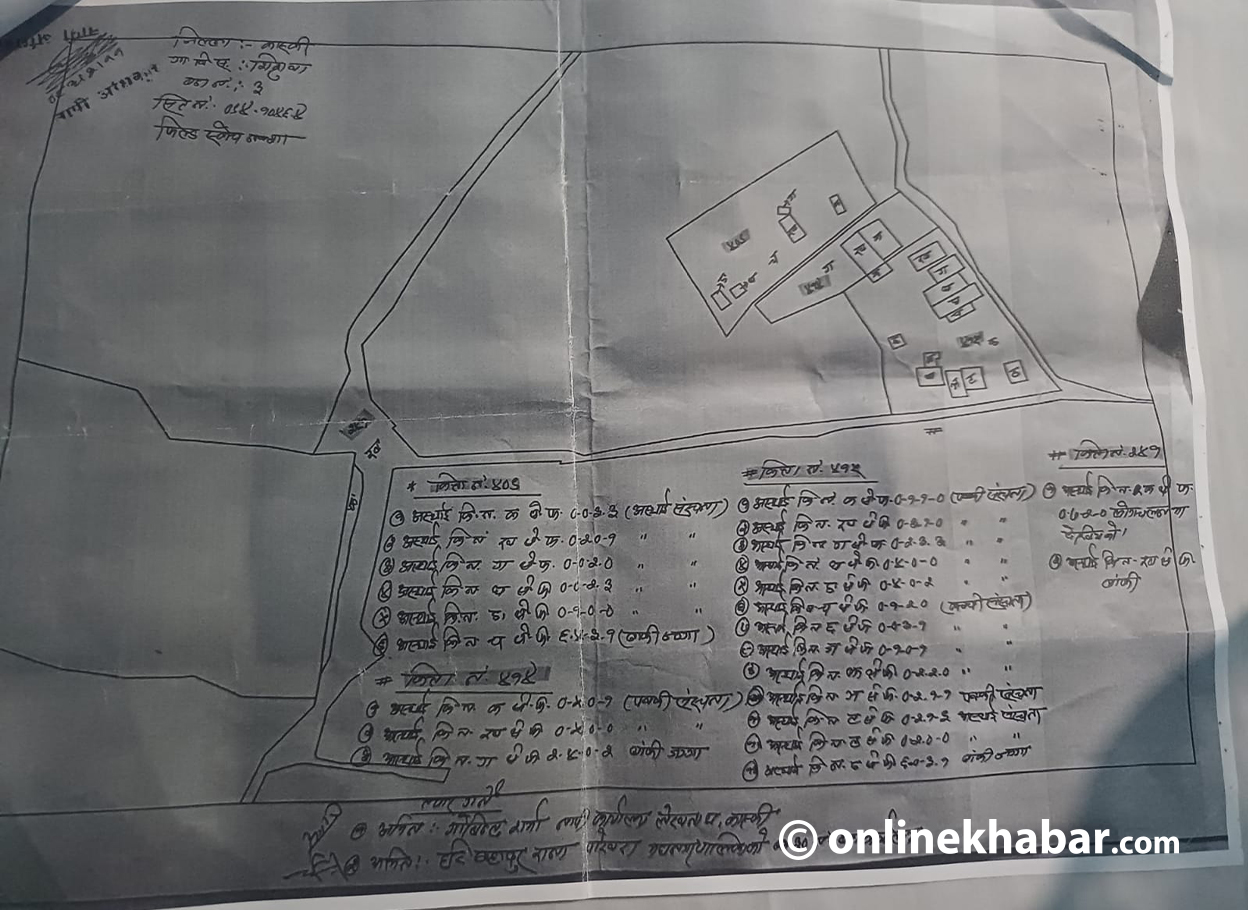
The Land Administration Office of Lekhnath, Kaski conducted a joint field investigation with local representatives and officials, submitting a report to the Kaski District Administration. According to the report, no individual has registered ownership near Parvati Temple, and it confirmed that all residential structures on the land are vacant.
Although some individuals attempted to register the land claiming ownership, the land was officially declared public; thus, eviction requests were repeatedly submitted to the metropolitan office. Mayor Dhanraj Acharya and his team conducted an on-site study and pledged to protect any remaining public land.
Since the land was disputed and unregistered, it is liable to be vacated at any time, but some have intervened to build large structures.
The Pannalal Shrestha family, who have lived there partially for decades, had claimed the land. Pannalal is deceased, and currently, his daughter and son-in-law live there.
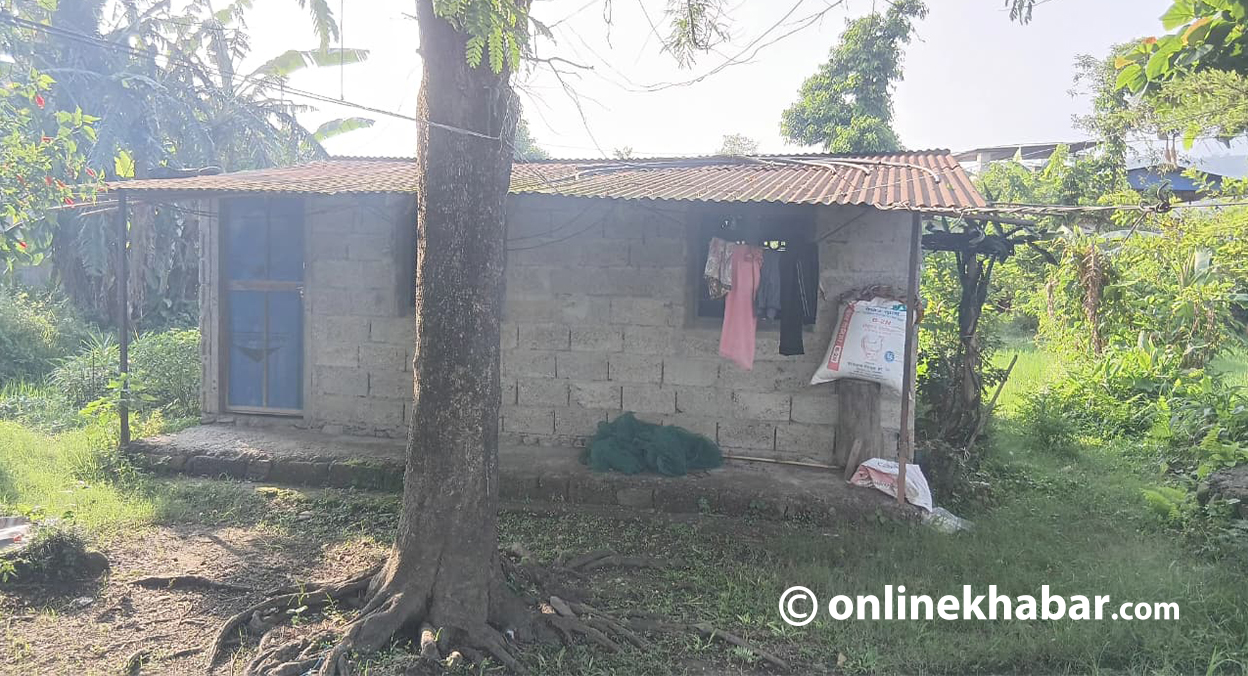
Local leaders report that some individuals defrauded Pannalal to transfer the land title and constructed a large building. Meanwhile, Pannalal’s daughter and son-in-law have built and live in a smaller house. Currently, there are seven permanent and ten temporary/semi-permanent structures there.
The metropolitan office has instructed occupants to vacate all unauthorized structures on the unregistered, public land within seven days at their own expense. According to the survey office’s report, 24 ropani 14 aana of land around Sisuwa Khorkhar/Parvati Temple is registered under the Nepalese government in several plots.
Specifically, plots numbered 241 M total 6 ropani 15 aana; 409 has 6 ropani 11 aana; 414 has 2 ropani 15 aana; and 415 has 7 ropani 13 aana. The metropolitan office confirmed this land as public and illegally encroached upon.
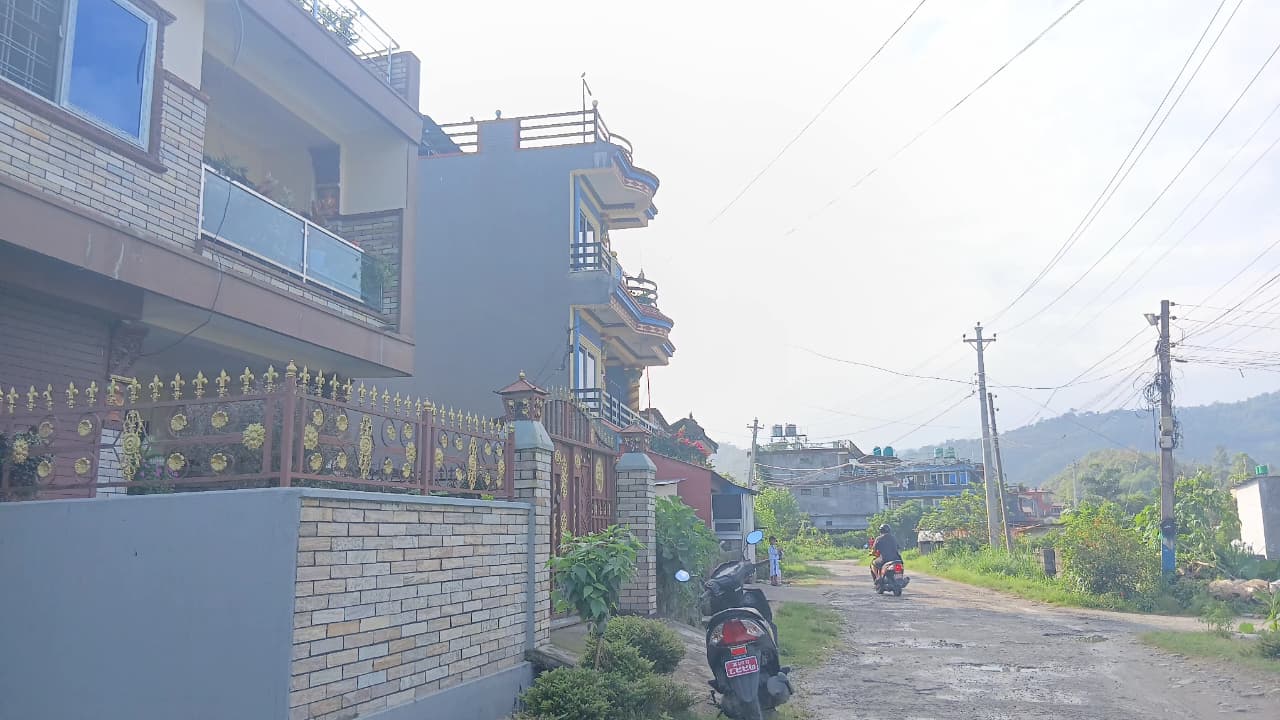
The metropolitan office’s notice demands all occupants remove their temporary and permanent structures at their own cost within seven days from the date of notification. Failure to comply will result in enforced removal by the metropolitan authority, with all costs recovered from the encroachers.
Complaints have reached from the metropolitan office to the CIAA, district administration, and even the Prime Minister’s Office, alleging encroachment and construction of settlements on public land. The Prime Minister’s Office registered a complaint on July 7, 2026 BS, and, following an investigation, legal proceedings have been initiated.
Previously, the district administration issued a directive to the metropolitan office to clear the encroached land, forming the basis for the current eviction order within seven days.
After Pannalal’s death, his daughter and son-in-law, who continue to reside there, claim long-term residence. Ishwarkumar Shrestha, the son-in-law, said the 1976 BS survey failed due to disputes.
Pannalal’s small house remains, while individuals allegedly manipulated the land to build a large building. Following the metropolitan notice, unrest has grown within the Parvati neighborhood settlement.
The registration process began in 2011 BS after a directive from former Land Minister Bhim Prasad Gautam, with evidence of notification issued by the land revenue office. Although a 35-day claim period was set, local opposition halted progress.
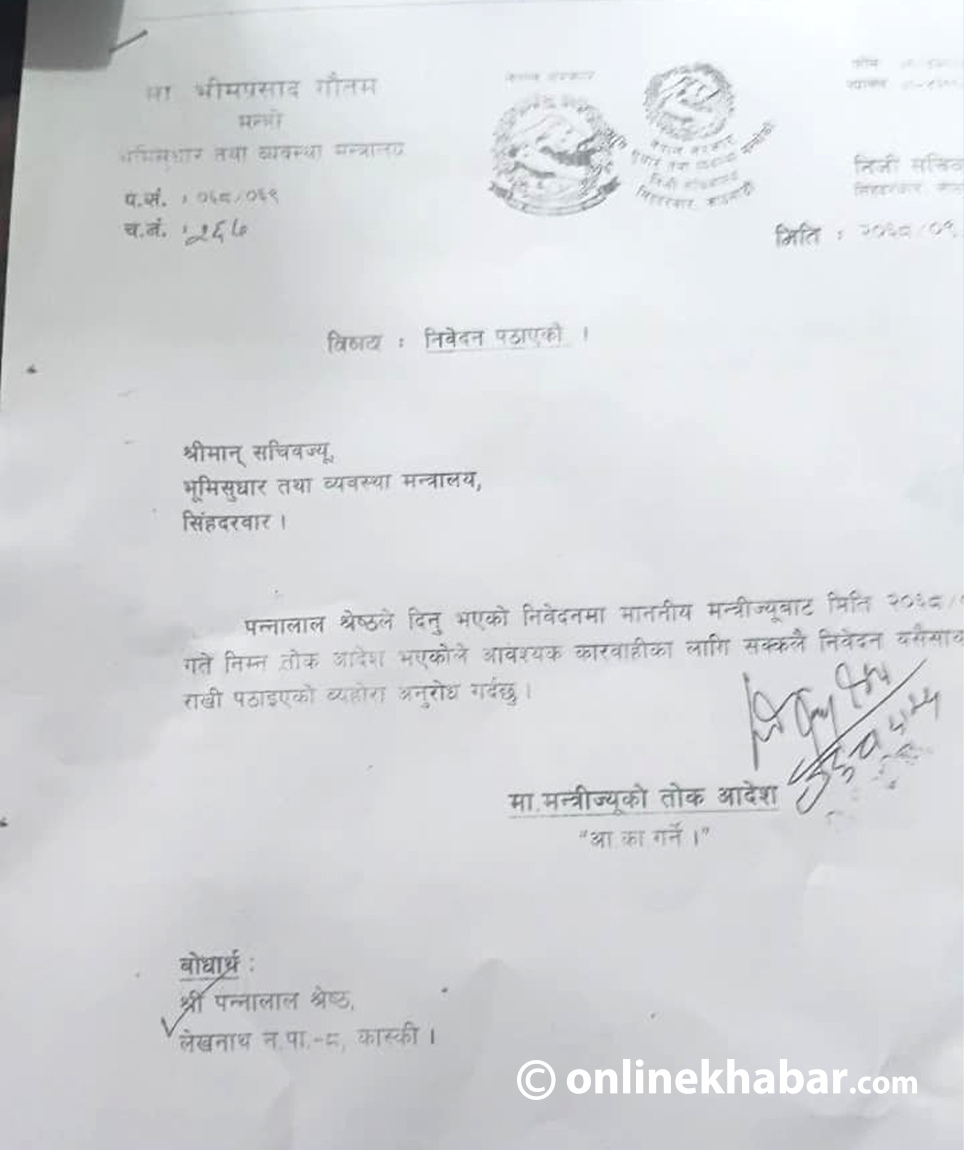
Initial claimants such as Pannalal, Somlal Tazhya, and Harklal Tazhya sought to register the land for recreational purposes, which triggered disputes. There is also a claim that a sister of Bharat Nyaupane resides there; all involved parties are now deceased.
According to local Nyaupane residents, the public land was encroached upon early on, leading to disputes, with the Pannalal family reportedly dividing the land.
Nyaupane’s sister currently lives in a three-story house on the land and claims squatter status. Other locals challenge this and accuse attempts to suppress their claims by highlighting the Pannalal family’s assertions.
Nyaupane states that the registration process was halted due to disputes, and the land remains unregistered rather than public. Recently, the Pannalal family and local Congress leader Niralal Tazhya have attempted to protect the property.
The area has structures like a mother’s group, Shishuwa Newah Khala, and a community forest project, all supported by government investment.
Ishwarkumar Shrestha, son-in-law of Pannalal, said, “We should be provided with alternative housing. We lived in the forest for 20 years. We tried to register the land and filed a lawsuit. It hurts that no one has documented our struggles.”
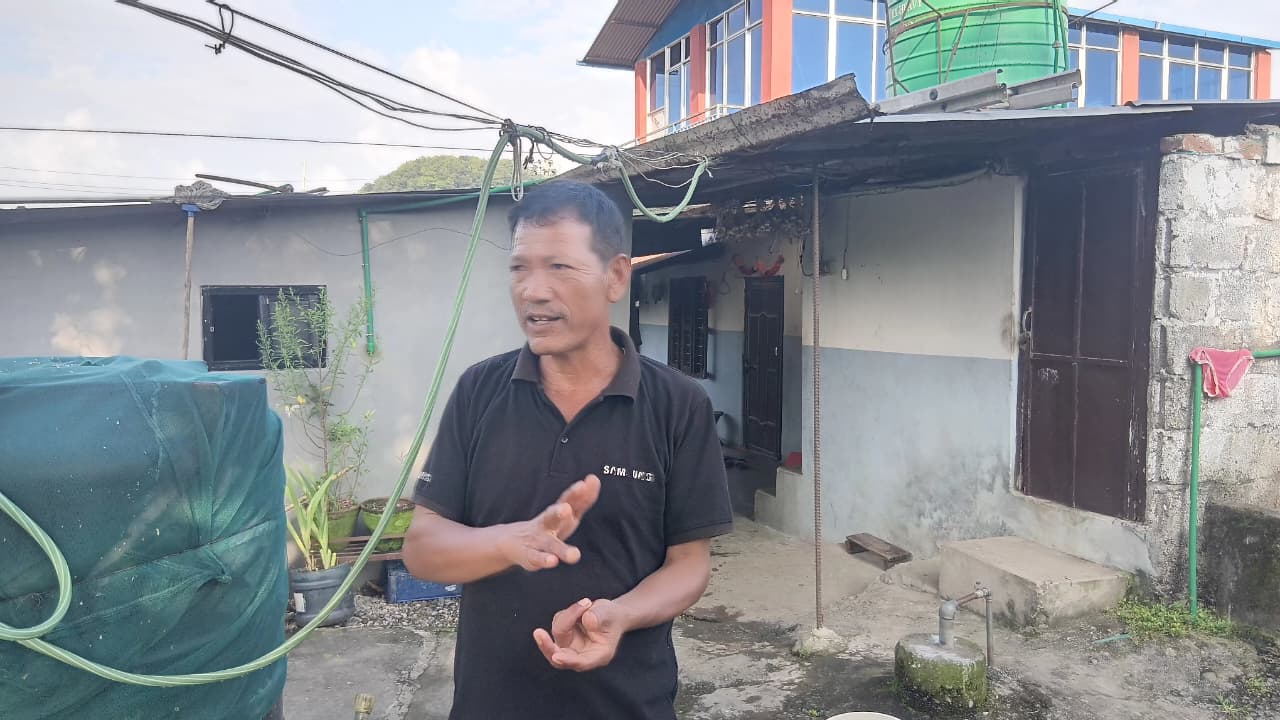
He added, “The legal battles were costly. I hear the land is now declared public.”
His clear demand is, “If the land belongs to the government, let it remain so, but don’t destroy our homes.” Meanwhile, locals insist that others should not exploit the situation. Krishna Kumar Shrestha, a current resident, said, “We failed to register, so now it’s government land. We have lived here for years. We just want housing; if not possible, then hand it over to the government.”
Durga Suvedi, Chairperson of Ward No. 30 in 2021 BS, said there are some houses and communities in Khayar Khor, so management and protection of the land is necessary. “Protecting public land is our responsibility, and we fulfill it,” she stated, denying any political affiliations or favoritism.
Locals demand that individuals who have lived there for years without alternative housing should be managed and other encroachments cleared. Elder residents recounted political involvement and commission-fueled manipulation in this land dispute.


