




News Summary
- With the construction of the Tamor Corridor bringing road access to remote villages of Dhankuta, displaced locals have started returning to their native villages.
- The road has assured markets for agricultural products, encouraging farmers like Mahendra Nyaupane from the Phalmetar area to increase investment in commercial fruit cultivation.
- According to Rajkumar Chemjong, Chairperson of Chaubise Rural Municipality, the expansion of electricity and communication services alongside road development has contributed to families returning to their villages.
4 July, Dhankuta – It used to take four to five hours trekking uphill and downhill to reach Phalmetar. In case of illness, patients had to be carried on bamboo stretchers to the hospital. Although fruits grew in the village, they often rotted before reaching the market due to lack of access. For these reasons, many left their ancestral villages, moving to district headquarters or cities.
However, the same village is now showing signs of revival, largely driven by one fundamental change – the arrival of road infrastructure.
Following the construction of the Tamor Corridor, road access has reached the remote mountainous settlements of Dhankuta, prompting families displaced years ago to return to their roots. The road has not only reduced physical distance but also opened new opportunities within the villages.
Mahendra Nyaupane of Phalmetar, Ward 4 of Chaubise Rural Municipality, stands as a vibrant example of this transformation. About two decades ago, after returning from foreign employment, he dreamed of establishing himself in his village but was forced to relocate to Dhankuta headquarters due to lack of roads, markets, and basic services.
Despite fruit cultivation in the village, there were no means to bring produce to market. Fruits would often go to waste after sharing among family and relatives. Access to hospital care was also a significant challenge. These difficulties compelled him to move away.
However, the advent of the Tamor Corridor changed his outlook.
Today, he spends half his time in the village and half in the district headquarters. Since returning, he has expanded commercial fruit farming on approximately 30 ropani (about 1.5 hectares) of land, cultivating mango, avocado, areca nut, sapindus, and diverse fruits.
“Earlier, there was no way to sell fruit,” he stated. “Now traders come directly to the orchard. Whether to the headquarters or to Dharan-Itahari, selling is easier. Procuring fertilizer, seeds, and other inputs is no longer a problem.”
His experience clearly highlights the changes brought by the road to local agriculture.
Previously, Phalmetar was considered one of Dhankuta’s most isolated villages, almost cut off from the outside world during the monsoon season. Today, alongside the road, electricity, drinking water, communication, and transport services have expanded, making it easier to bring local products to market and to access daily necessities locally.
This transformation has also brought families like that of Smriti Limbu back to the village.
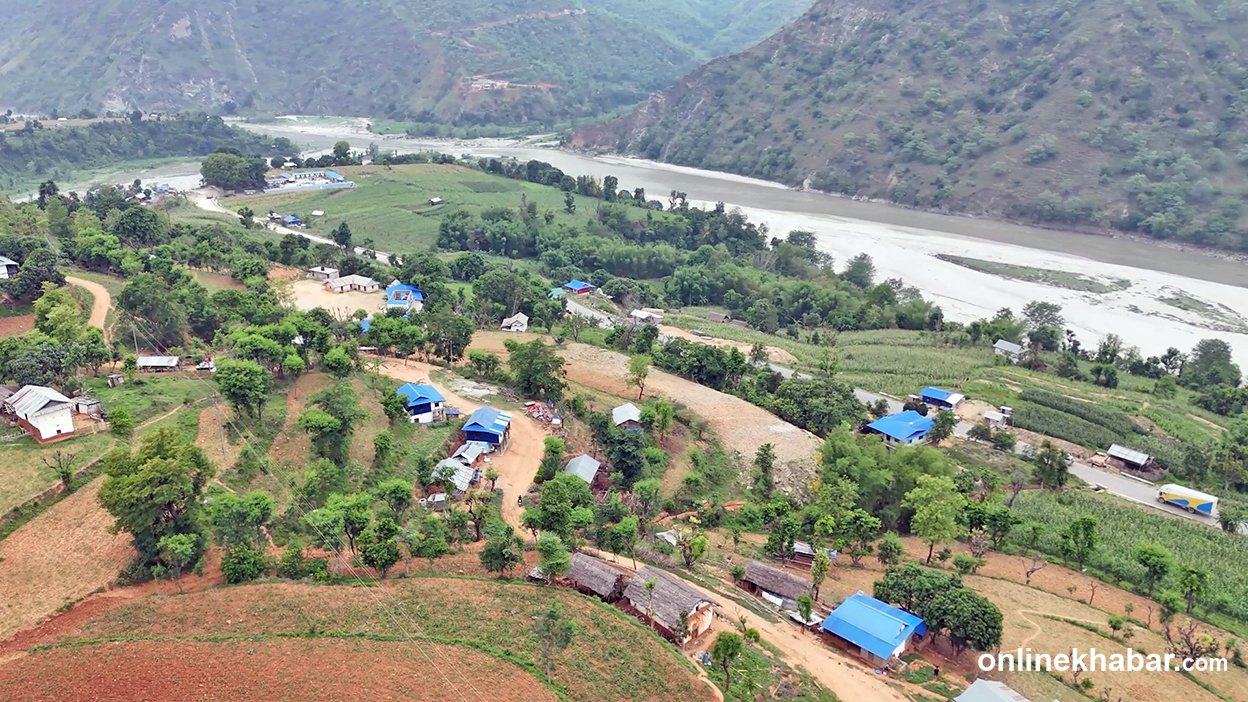
Her family had left the village in 2021 due to a lack of facilities but has now returned and is engaged in business locally.
“There were too many difficulties before; illness was a bigger problem,” Limbu explained. “Now the road makes delivery of goods easier. Education, health, and trade have all improved. That’s why we came back.”
Similar returns are occurring not only in Phalmetar but also in areas like Sadamtar, Hansmorong, and Bhaiseetar within the Tamor Corridor.
According to local resident Binod Bhandari, families are returning not only from Phalmetar but also from other nearby villages.
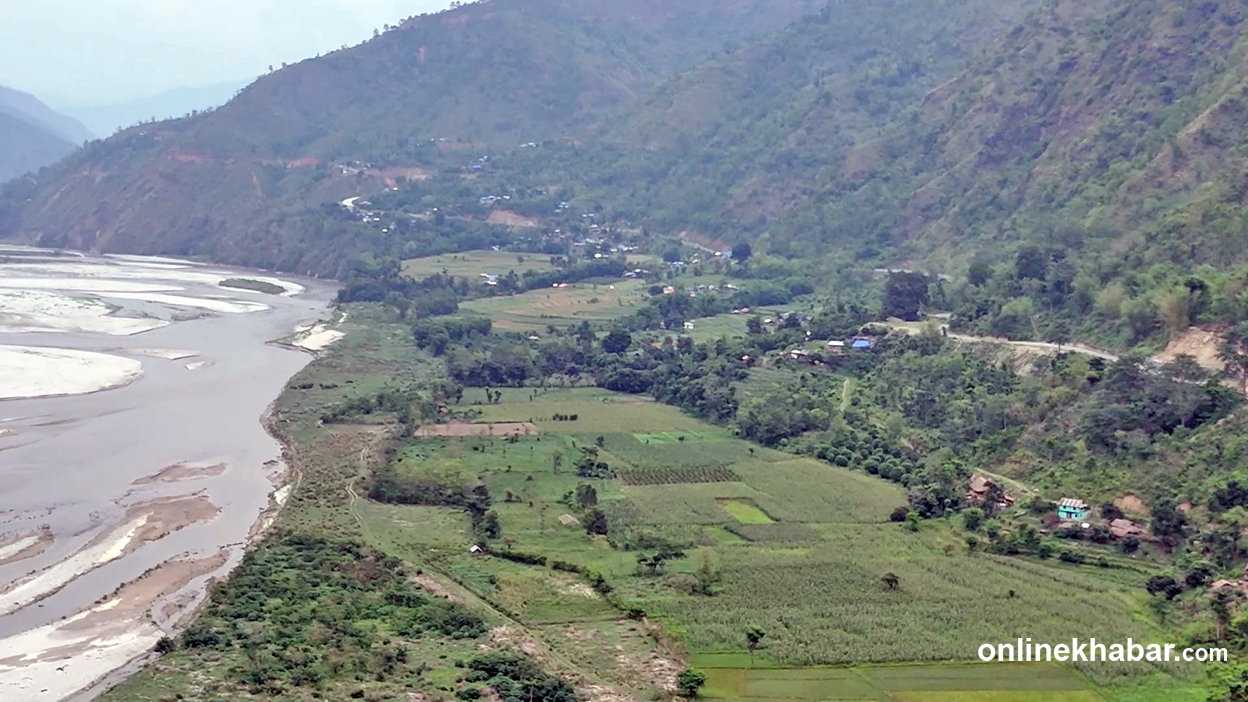
Among those who returned, some have resumed agriculture, others have opened hotels and shops, and some have repaired old homes to settle permanently.
“Previously it took four to five hours just to reach the nearest road,” Bhandari recalls. “We couldn’t sell produce. Now vehicles come directly to the village and goods arrive straight here. Life is much easier.”
With the arrival of roads, once barren farmland is turning green again. Farmers are increasingly willing to invest capital in agriculture, confident that their products will reach the market.
Rajkumar Chemjong, Chairperson of Chaubise Rural Municipality, states that in recent years the expansion of the road network has led to an increasing trend of village returns across all seven local levels in Dhankuta.
He adds that the combined expansion of electricity, drinking water, internet, and telephone services to every village creates opportunities for quality education, health services, agricultural markets, and local employment. These improvements, he believes, will effectively reduce migration.
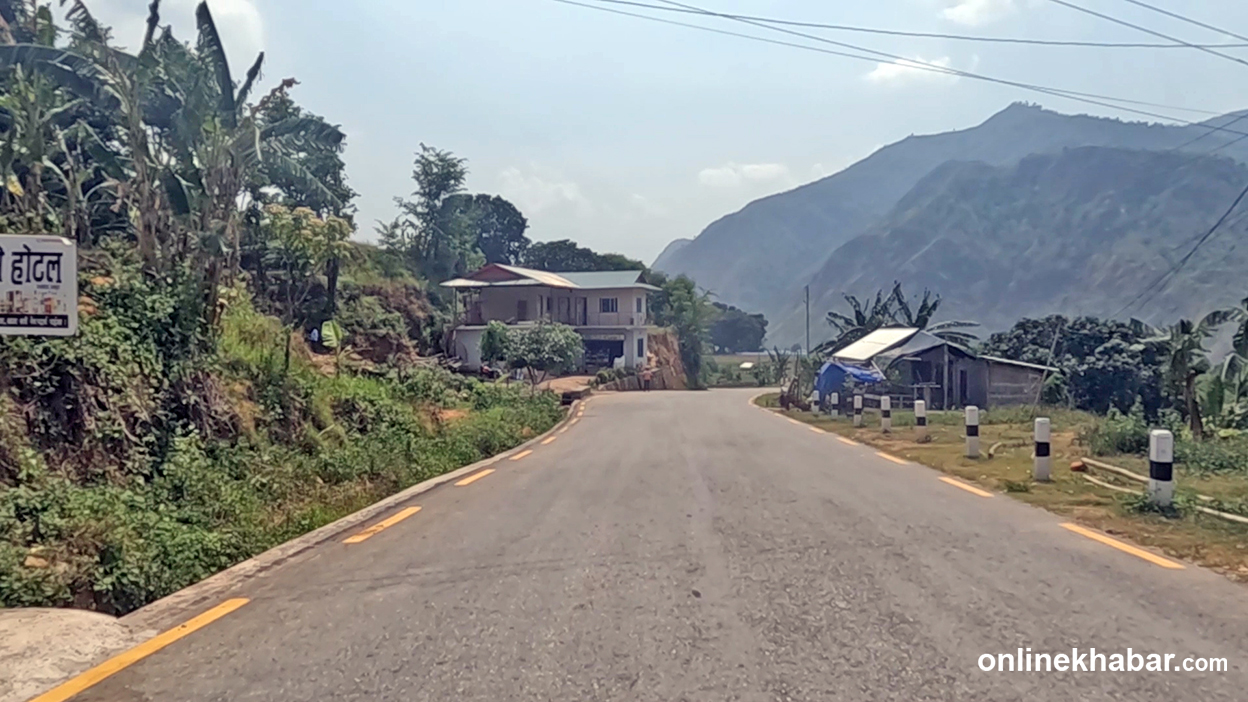
In Dhankuta’s hilly region, the road has not only improved transportation but also restored residents’ confidence and connection with their homeland.
Villages that once became deserted now echo with the laughter of children. Fields are blossoming green, and locals are increasingly choosing to seek their futures in their own villages rather than migrating to cities.
This transformation demonstrates that sometimes, a single road can reconnect not just two places but a cut-off relationship as well.


