Bhote Koshi Floods Disrupt Supply Chain: What Is the Availability of Essential Goods in the Valley?





News Summary
- Following the Bhote Koshi floods in Rasuwa Gadhi, the road at Krishnabir has collapsed, completely blocking the Kathmandu-Muglin highway.
- Due to the road closure, supply of vegetables, fruits, and fish to Kalimati market on Sunday dropped sharply from 795,241 kilograms to 151,912 kilograms.
- Oil Corporation is preparing to supply fuel and gas via alternative routes through Hetauda and Amlekhganj, while the government has warned of strict action against black marketeers and those creating artificial shortages.
September 14, Kathmandu – The recent floods in the Bhote Koshi river have caused extensive damage at Nepal’s major trade gateway with China, Rasuwa Gadhi. The devastating flash floods on September 10 inflicted irreparable losses to lives, property, and national infrastructure.
Thousands remain missing and preliminary estimates put damages in the billions of Nepalese rupees. Government agencies are actively involved in rescue and relief operations.
The districts of Rasuwa, Nuwakot, and Dhading were among the hardest hit. This disaster, however, is no longer limited to these areas but has begun to impact the capital region, Kathmandu Valley.
Road Collapse at Krishnabir
The Prithvi Highway, the main route connecting Kathmandu with other parts of the country and external markets (Kathmandu-Muglin section), is completely blocked.
The road collapsed at Krishnabir, under Benighat Rorang Rural Municipality in Dhading district, after the Trishuli River eroded the riverbank. The protective walls constructed along the riverbank were also damaged, resulting in severe road destruction that halted all transport through this route.
Earlier, water had blocked the road near Galchi, and although that obstruction was cleared, just two days later, the road at Krishnabir collapsed again, shutting down the highway.
According to Dr. Vijay Jaisi, Director General of the Department of Roads, a technical team is currently assessing the situation at the landslide site in Krishnabir. He stated, “This is a geologically complex area with the river eroding from below, so decisions will be made only after risk assessments.”
This means an immediate reopening of the highway is unlikely. The road blockage has raised concerns about price hikes and shortages of goods in Kathmandu Valley.
This obstruction has also affected supplies to Kalimati fruit and vegetable market.
Current State of Vegetable Supply
According to data from the Kalimati Vegetable Market Development Committee, supply of vegetables, fruits, and fish declined significantly on Sunday. While Saturday saw 795,241 kilograms of goods supplied, this dropped sharply to just 151,912 kilograms on Sunday.
Information Officer Vinay Shrestha noted that supply of potatoes, onions, and fruits from India and the Terai plains has not been heavily affected yet. He said, “Goods typically arrive between midnight and 6 a.m. With the road blocked, quantities will gradually diminish.”
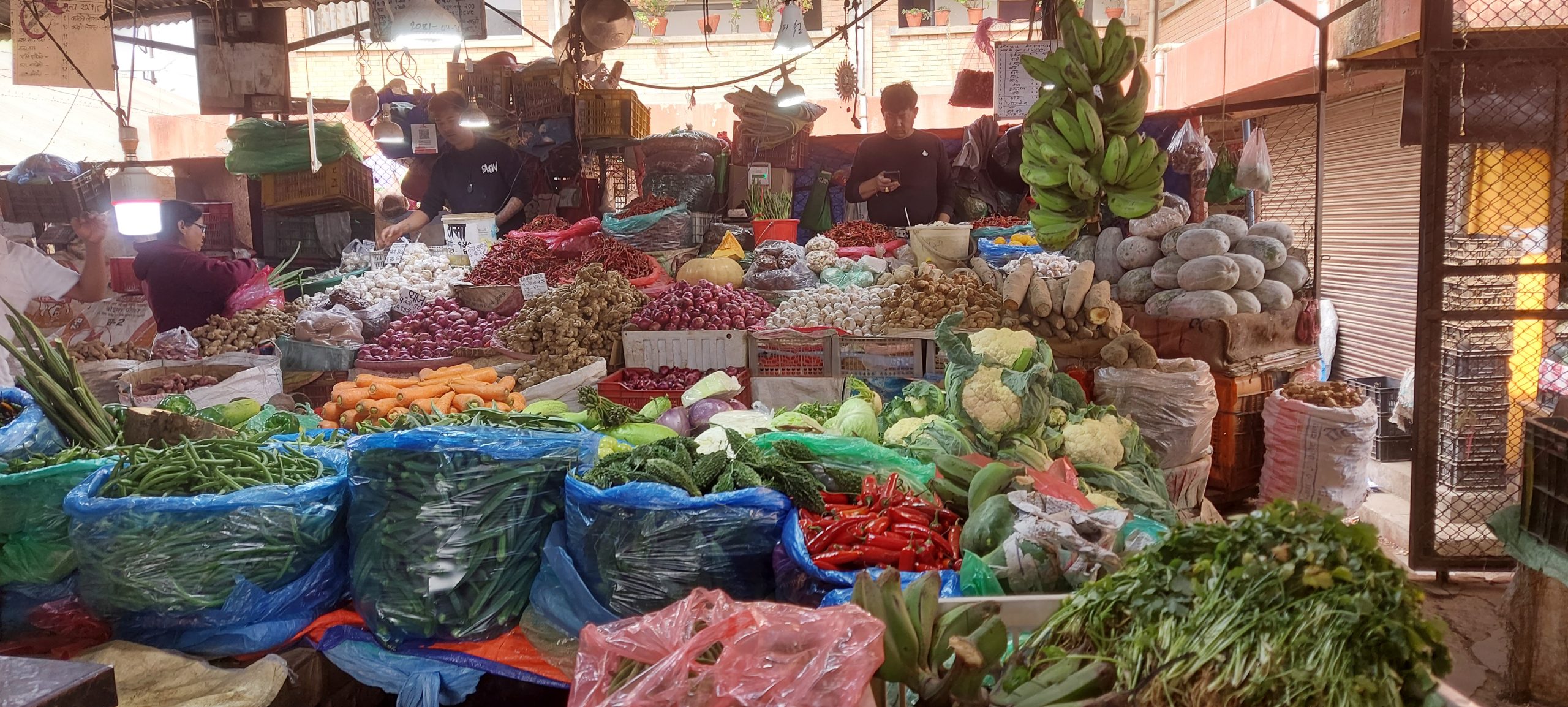
Since vegetables from nearby areas such as Palung in Dhading, Kavre, Nuwakot, and places inside the valley are still being supplied, short-distance deliveries remain stable. However, if the road remains closed for an extended period, vegetables destined for Kathmandu may need to be rerouted through Pokhara, Butwal, or Narayangadh, which could jeopardize the overall supply chain.
Food Cargo Vehicles Stranded on Highway, Rice Stock Sufficient for Three Months
The supply chain for essential food items has also been disrupted. Hundreds of trucks carrying rice, lentils, cooking oil, and other key materials from India and the Terai plains are stuck on the highway. Nevertheless, business operators have assured there is no immediate shortage of food items in Kathmandu.
Vibhor Agrawal, a member of the Nepal Rice, Oil, and Pulses Industry Association, confirmed adequate stockpiles in Kathmandu warehouses.
He said that there is no problem with rice supply and storage is sufficient for the next two to three months.
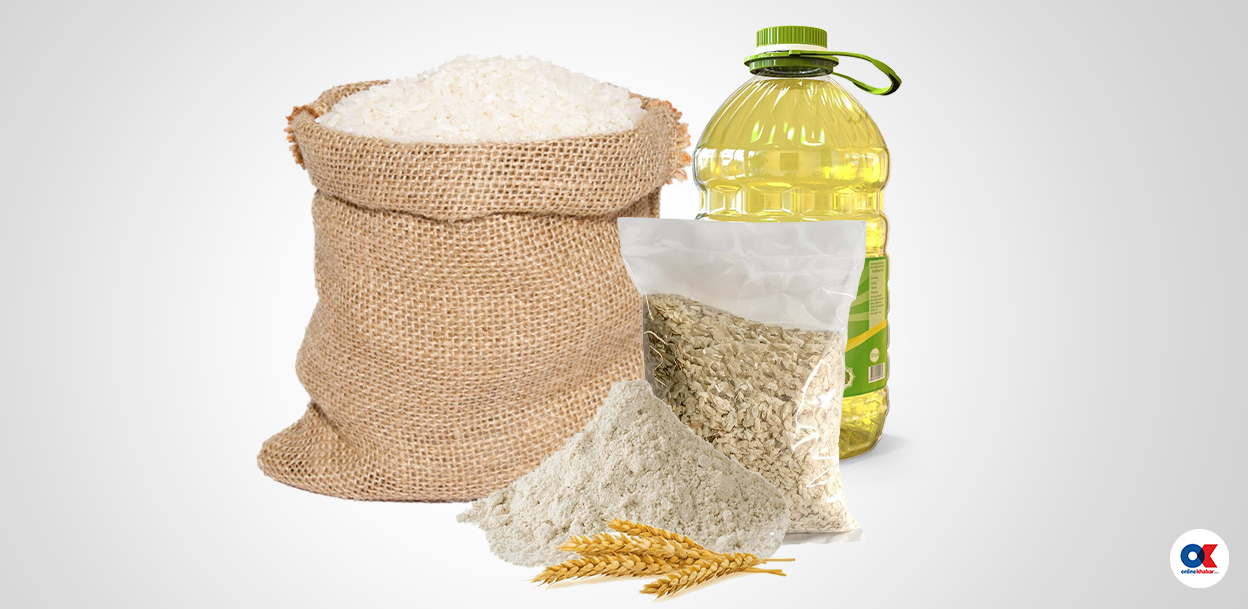
Other food industry representatives stated stocks sufficient to last 15 days to a month, so a road closure of 7–10 days is unlikely to severely impact the market.
However, longer closures would directly affect daily wage earners, prompting calls for the government to urgently reopen the roads.
Oil Corporation Prepares to Supply Petroleum and Gas via Alternative Routes
With the main highway into the capital closed, Nepal Oil Corporation has adopted heightened vigilance to supply fuel and cooking gas through alternate routes.
Preparations are underway to transport fuel via alternative routes from Amlekhganj and Hetauda.
NOC Executive Director Nagendra Sah informed that fuel and gas are being brought using alternative routes from Makwanpur (Hetauda).
He explained that the Amlekhganj depot receives fuel directly from India through a pipeline, ensuring no shortage of fuel in Kathmandu.
He further stated that after consulting with gas industry stakeholders, alternative arrangements have been made for gas dealers in Kathmandu and surrounding districts to coordinate with other regionally located gas producers to maintain steady supply.
“Gas cylinders are being refilled and brought into Kathmandu using alternative routes,” he confirmed.
Strict Action to Be Taken Against Black Marketeering and Artificial Shortages
During this sensitive disaster period, the government has urged industries and traders to refrain from black marketing and creating artificial shortages, warning of firm actions against violators.
The Department of Commerce has prioritized food and medicine supply and requested warehouses to relocate from risk-prone areas.
The Ministry of Industry, Commerce, and Supplies has held discussions on alternate supply measures and assigned responsibilities to relevant bodies.
According to the ministry, arrangements have been made to deliver food and essential items via small vehicles through alternative routes.
“Government Must Be Vigilant Against Artificial Scarcity and Black Marketeering”
Consumer rights activist Madhav Timalsina emphasized the government must remain alert to prevent artificial shortages and black market activities.
He noted that road closures have sparked consumer fears of shortages and price hikes, and urged the government to ensure an efficient supply system.
He called for the government to regularly update stock levels with organizations such as Salt Trading Corporation, Food Management Company, and trade associations to avoid public panic.
“Salt Trading Corporation alone has six months’ worth of salt, and the government must reassure citizens regarding other food items as well,” he stated.
He also stressed the need for government initiatives to ease supply by adopting alternative routes despite the highway closure.
In such extraordinary circumstances, responsibility must be shared among all stakeholders, and businesses must act with integrity, he added.
“Consumers should also avoid hoarding beyond their needs, and the state apparatus must intensify efforts to manage supply,” he advised.
The disaster has posed challenges not only in technically restoring roads but also in managing the daily lives of millions and economic recovery.
The government carries the responsibility to reopen the obstructed highway and curb elements exploiting the disaster by creating irregularities in the market.
It is hoped that with government vigilance, business honesty, and consumer prudence, this crisis can be managed effectively.


