Tourism Crisis in Nepal’s Key High-Spending Tourist Corridor Sparks Nationwide Concern





News Summary
Reviewed and prepared.
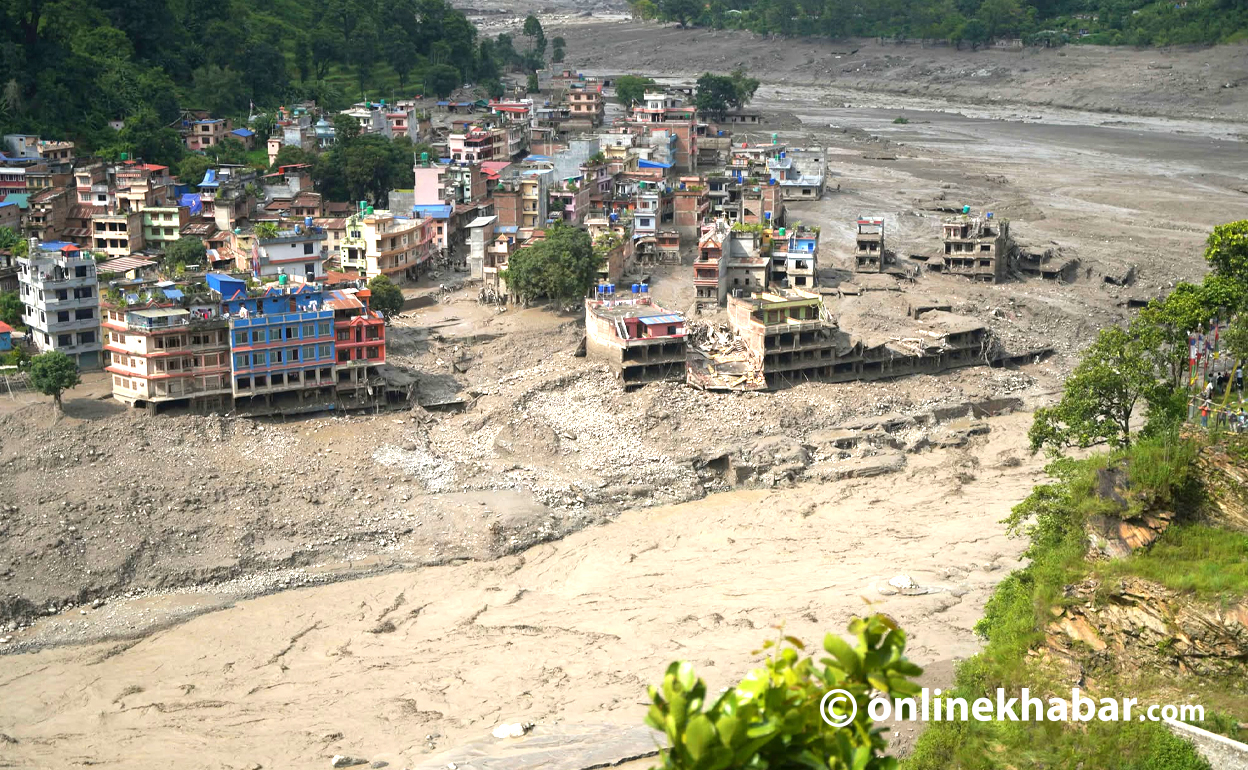
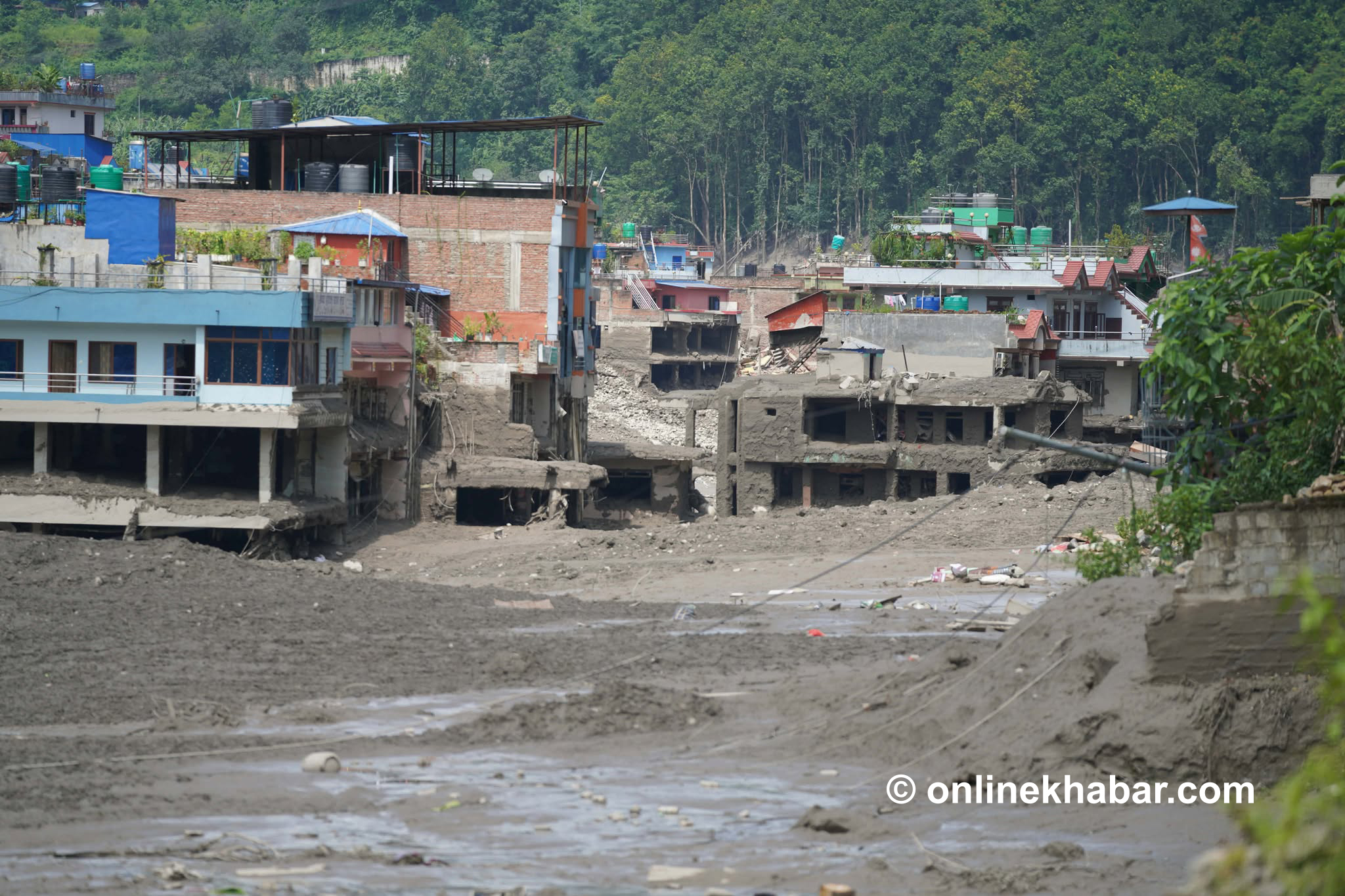
- The flood in the Bhote Koshi/Trishuli corridor has caused approximately NPR 5 billion in damage to the tourism sector, including destruction of 142 hotels, 57 restaurants, and 141 vehicles.
- The flood impacted hundreds of tourists on the Mansarovar and Gosainkunda journeys, with tourism businesses reporting around 995 foreign tourists missing.
- The Bhote Koshi flood has affected Nepal’s tourism image; only 85,444 international tourists arrived in August, marking a 3.6% decrease compared to the previous year.
September 2 (Bhadra 17), Kathmandu – Nepal’s key corridor for attracting high-spending international tourists, the Bhote Koshi/Trishuli corridor, is facing a severe crisis that has negatively impacted the country’s tourism sector.
Hundreds of Nepali and foreign tourists on the Mansarovar and Gosainkunda pilgrimages lost their lives in the devastating flood on August 26 (Bhadra 10), and many remain missing. According to the government’s latest estimates, the tourism sector has sustained damages amounting to approximately NPR 5 billion.
Culture, Tourism and Civil Aviation Minister Khadkaraj Paudel estimated that around 142 hotels in this river corridor have been washed away.
During a presentation to the House of Representatives’ Tourism Committee, Minister Paudel disclosed that 57 restaurants and 141 tourism vehicles were damaged. The flood also harmed 27 heritage sites across Nepal. Key trekking routes at popular destinations like Gosainkunda and Langtang, which attract thousands of weekly visitors, suffered significant damage. Some trails have been completely eroded and require reconstruction.
Former Nepal Tourism Board CEO Deepkaraj Joshi stated that the Bhote Koshi disaster has had a multifaceted impact on the tourism industry.
He noted that the Kailash Mansarovar pilgrimage is an important package attracting high-spending tourists during Nepal’s monsoon season. Many Indian pilgrims spend generously while journeying through Nepal, contributing significantly to the local tourism economy.
Recently, a large number of Indian and Non-Resident Indian tourists have been undertaking the Kailash Mansarovar journey from Nepal. Joshi emphasized that these tourists contribute considerably to employment creation and Nepal’s economic vitality.
The corridor also supports the popular trekking regions of Langtang and Gosainkunda. According to Langtang National Park, over 50,000 tourists visit these trekking routes annually, making them highly popular domestic and international destinations.
Gosainkunda attracts many religious tourists every year, contributing significantly to both local and national tourism industries, Joshi explained.
Tourism professionals and workers also lost
The flood caused thousands of human casualties, including skilled personnel across various sectors. The tourism industry has lost business owners, investors, and hardworking laborers.
Joshi emphasized that the industry will need years of effort to recover from these damages. He said, “Human loss cannot be compared, but in addition, business operators and workers who have made invaluable contributions to tourism have been lost to the flood.”
Tourism organizations report that many tour and trekking guides have also lost their lives in this disaster.
Persistent concerns about the tourism image
Following the Bhote Koshi flood, countries such as the United States have issued travel advisories cautioning their citizens about visiting Nepal, which has spread negative publicity and positioned Nepal as a ‘red zone’ destination globally.
However, the reality is that the problem is localized to this river corridor and the Trishuli riverbank, where road networks are affected.
Nevertheless, the widespread portrayal of Nepal as a dangerous destination could have long-term detrimental effects on tourism, Joshi cautions.
Joshi stated, “Nepal is a natural destination that tourists worldwide love to return to repeatedly. Our natural assets attract tourists, but ongoing messages of risk and insecurity regarding these assets will not serve Nepal’s long-term interests.”
He further stressed the need for the government to immediately collaborate with relevant agencies to remove this negative image. “Physical infrastructure can be rebuilt, but once tourism reputation is lost, regaining it is very difficult,” he added.
Decline in tourist arrivals confirmed by statistics
The destructive flood in the Bhote Koshi/Trishuli river corridor has clearly affected tourist arrivals. In August 2023, Nepal recorded 85,444 international tourists, which is 3,336 fewer than the same month last year. August 2022 had seen 88,680 arrivals, reflecting a 3.6% decrease.
On August 26, floodwaters entering through the Rasuwagadhi border severely affected Rasuwa, Nuwakot, Dhading, and surrounding river systems, causing major human and physical damage.
The flood also impacted local and foreign tourists undertaking the Kailash Mansarovar and Gosainkunda pilgrimages. Following the flood, various countries, including the United States, issued travel advisories warning their citizens about travel to Nepal.
According to the Nepal Tourism Board, India was the top source of tourists in August, with 26,373 arrivals, accounting for 30.87% of the total. China followed with 10,304 tourists, an increase of 7,533 from August last year (36.78% growth).
Sri Lanka accounted for 8,710 tourists, a 46.24% rise compared to last year. The United States sent 6,293 tourists, Bangladesh 4,487, and the United Kingdom 3,476.
Stakeholders’ perspectives
Acting CEO of the Tourism Board Hikmat Singh Air shared that joint communication efforts have been ongoing during the crisis. At a discussion held by the parliamentary tourism committee, he mentioned proposals to enhance the “Calling Nepal” campaign, including offers of discounts or free services on airfare and hotels if necessary.
Vinayak Shah, Chairman of the Hotel Association Nepal (HAN), described the current crisis as unprecedented. He called for Nepali embassies and missions abroad to actively communicate that Nepal remains safe for visitors.
Shah affirmed the government’s commitment to collaborating with the private sector to strengthen campaigns conveying “Nepal is open,” aiming to revitalize the tourism industry.
Sagar Pandey, President of the Trekking Agencies Association of Nepal (TAAN), reported that around 995 foreign tourists and Indian nationals remain missing from the affected areas. He also reported significant damages to tourism infrastructure.
Pandey urged that through international media present in Nepal, clear messages regarding rescue and restoration efforts as well as Nepal’s readiness for tourists should be broadcast.
Bharat Jung Pandey, President of Nepal Association of Tour and Travel Agents (NATTA), stressed that relief and restoration decisions should be based on humanitarian grounds.
He recommended that to regain international market trust, the government should offer free visas, hotel discounts, and easier travel access to tourists until conditions improve.
Furgelje Sherpa, President of the Nepal Mountaineering Association (NMA), emphasized that search and rescue are the top priorities post-flood. NMA’s specialized teams have been deployed to affected areas since day one, possessing about 12,600 rescue-capable experts, ready for immediate mobilization upon government instructions.
Sherpa also highlighted that helicopters are ready for rescue missions and stressed maximizing available resources.
Rishi Bhandari, General Secretary of the Expedition Operators Association Nepal, called for long-term arrangements to ensure social security for tourism workers.
He added that priority must be given to diplomatic coordination and movement related to Hot Springs and Kerung border crossings. Legal procedures, including identification and death certificates for deceased persons, must be simplified.
Measures by the government
On Tuesday, Culture, Tourism and Civil Aviation Minister Khadkaraj Paudel released a video message inviting tourists worldwide to visit Nepal. The Prime Minister conveyed that visiting Nepal currently is not only a travel experience but also a way to support flood victims.
He acknowledged that while some areas suffered from flooding, other destinations remain secure, and efforts are underway to communicate that Nepal is safe for tourists. The same day, he convened a meeting with relevant stakeholders.
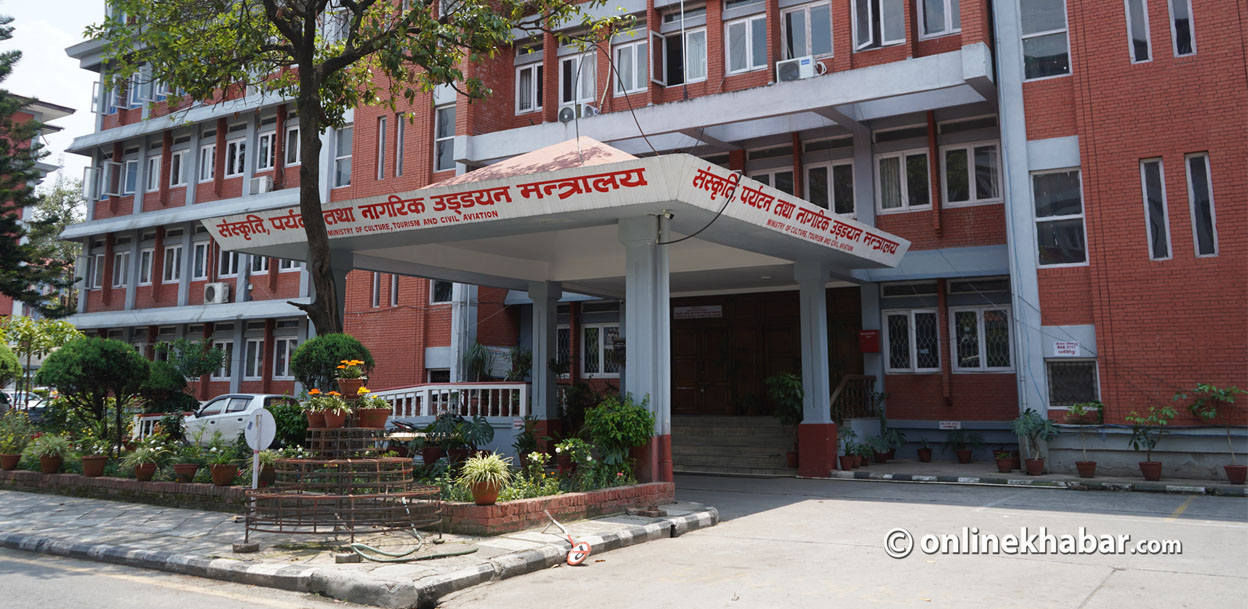
The meeting decided to regularly monitor and manage affected tourists through rapid response teams including the Tourism Board and sectoral organizations.
Authorities have been instructed to reschedule flights for foreign tourists unable to return home in a timely manner due to the disaster.
Efforts are ongoing to provide accurate information to families of disaster-affected, deceased, or uncontactable foreign tourists. Coordination with relevant entities continues to facilitate easier entry for families wishing to come to Nepal and to smooth the travel of tourists and pilgrims through northern border points.
The ministry, in coordination with provincial governments, local bodies, the private sector, and tourism organizations, aims to reduce the impact of the disaster, revive tourism activities, protect business operators and workers, and restore sector functions, said Spokesperson Shobhakar Regmi.


