




News Summary
With editorial review.
- Following a flood in the Trishuli River that caused a landslide at Krishnabhir, blocking the Prithvi Highway, 14 industries in the Terai region have been filling gas cylinders around the clock and sending them to Kathmandu.
- Sahara Gas Industry supplies over 8,000 cylinders daily to Kathmandu, while Manoj, Ambar, Leo, and Super Gas have also increased their deliveries.
- Although the government has arranged alternative routes and transportation via small and large trucks, shortages persist within Kathmandu Valley.
September 13 (Bhadra 28), Bara – To ensure smooth cooking gas (LPG) supply in the Kathmandu Valley, gas industries in the Terai region have been operating 24/7 to refill cylinders.
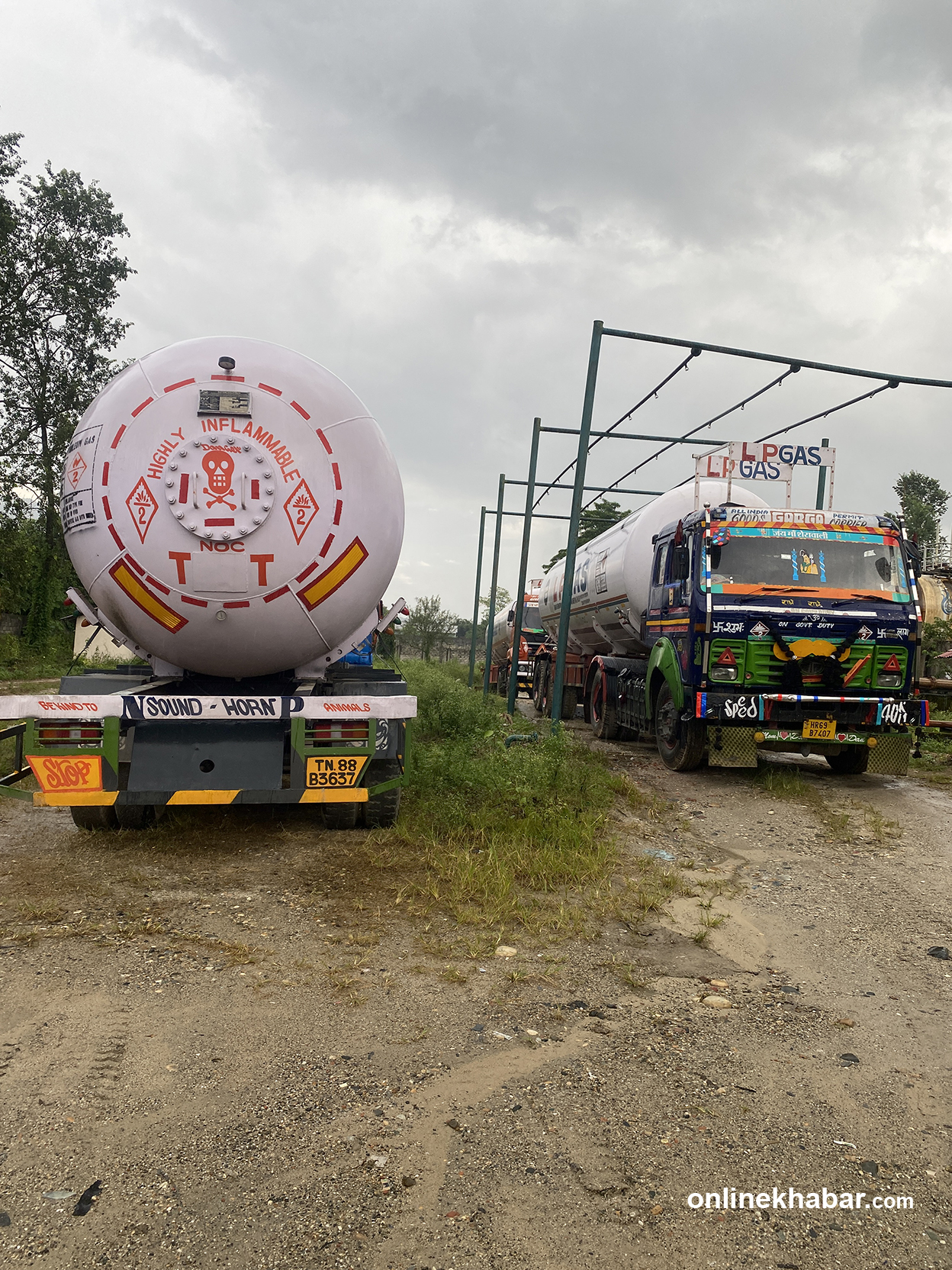
On September 1 (Bhadra 14), flooding in the Trishuli River caused a landslide at Krishnabhir on the Prithvi Highway, blocking the route. With no alternative road for gas-laden bullet trucks, LPG shipments from India to Kathmandu Valley have been delayed at its outskirts.
Due to blocked access, the government has initiated transportation of gas cylinders via small and large trucks on alternative routes.
Despite these efforts, supply remains insufficient in Kathmandu Valley. Fourteen industries based in Makwanpur, Bara, Parsa, Chitwan, Mahottari, Dhanusha, and Nawalparasi continue refilling cylinders for Kathmandu.
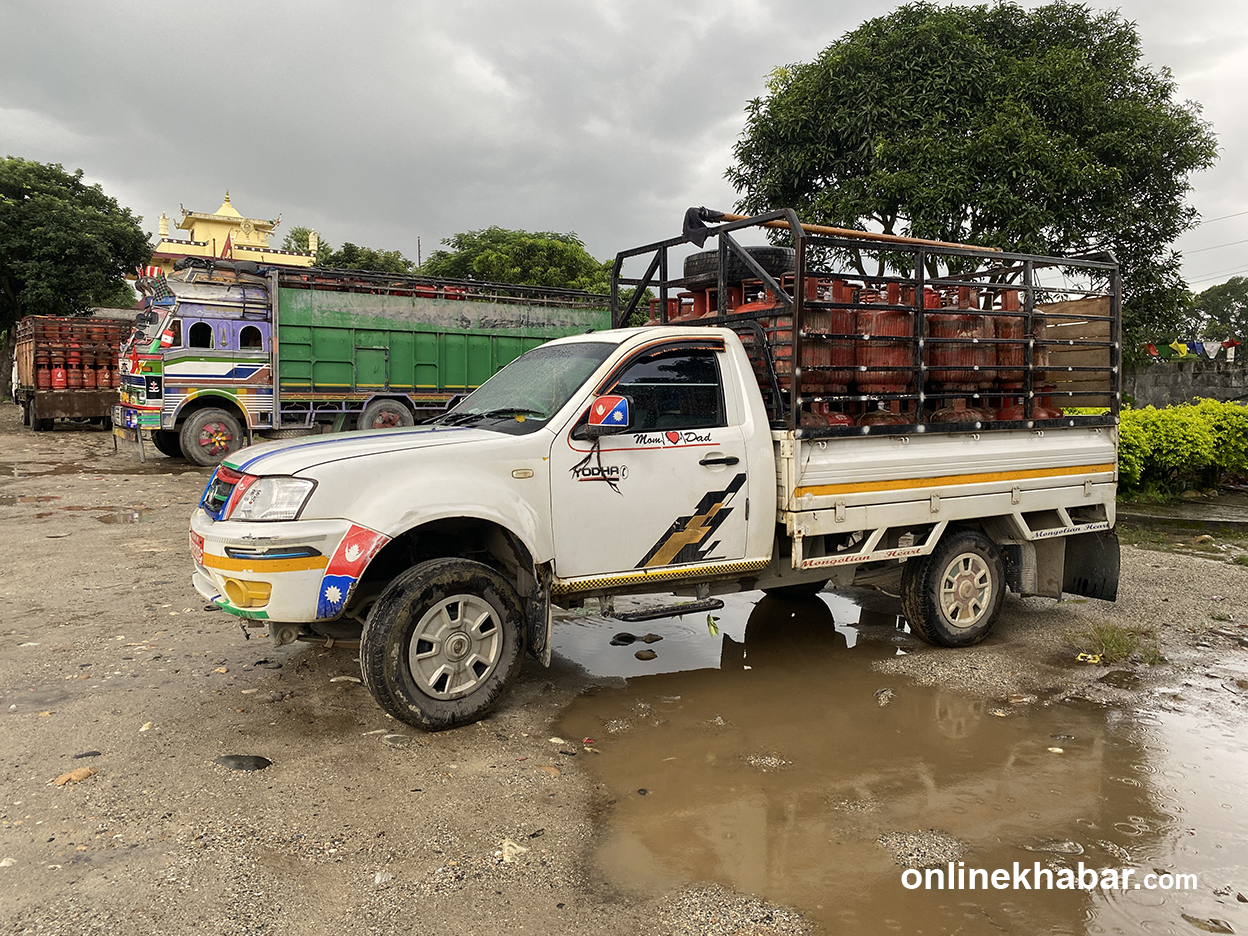
Among 26 industries commercializing gas in Kathmandu, cylinders are being refilled at Terai-based factories and transported by trucks along Tribhuvan Rajpath to the capital.
These Terai industries are filling from 1,000 to up to 8,000 cylinders daily per brand destined for Kathmandu.
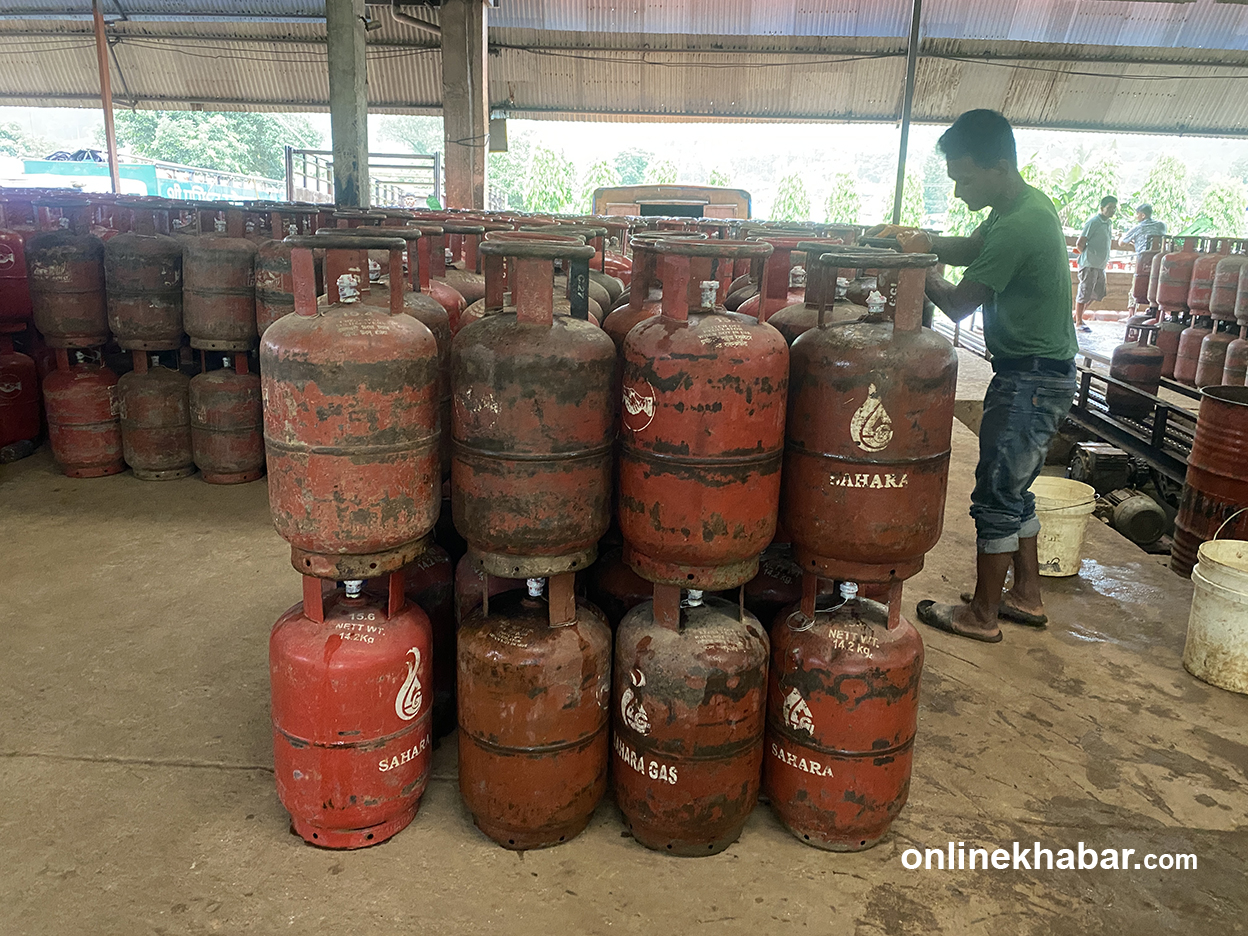
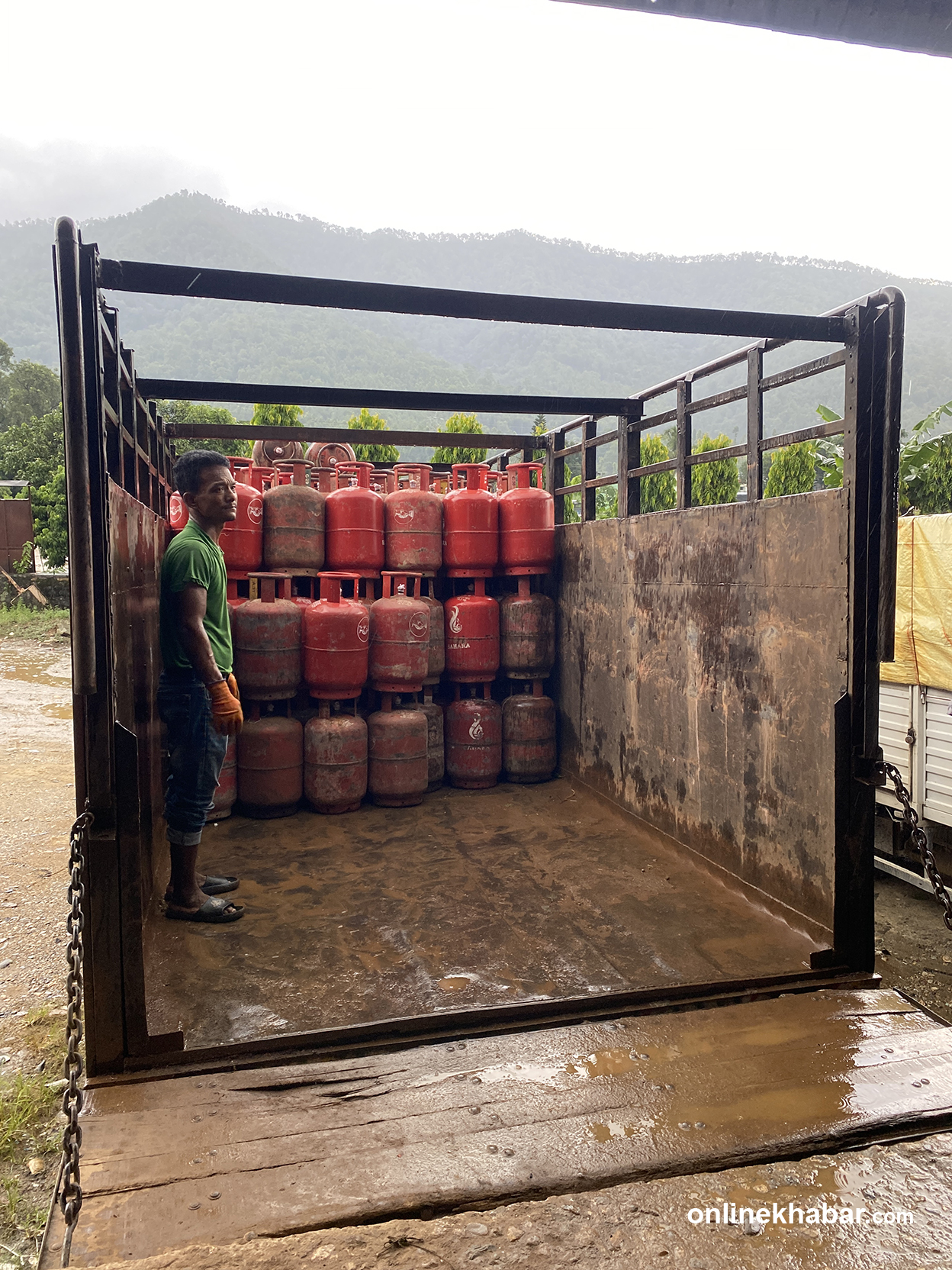
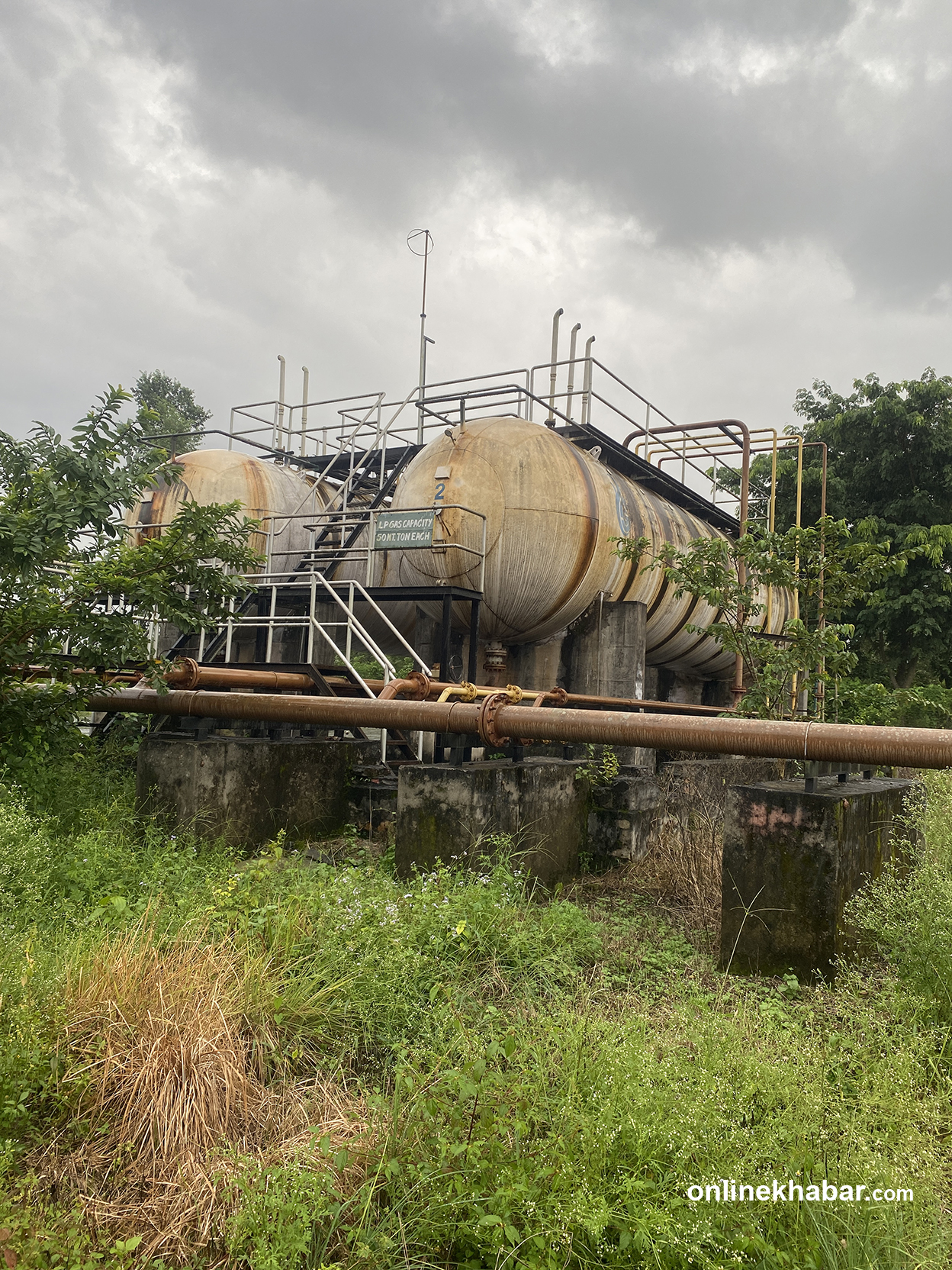
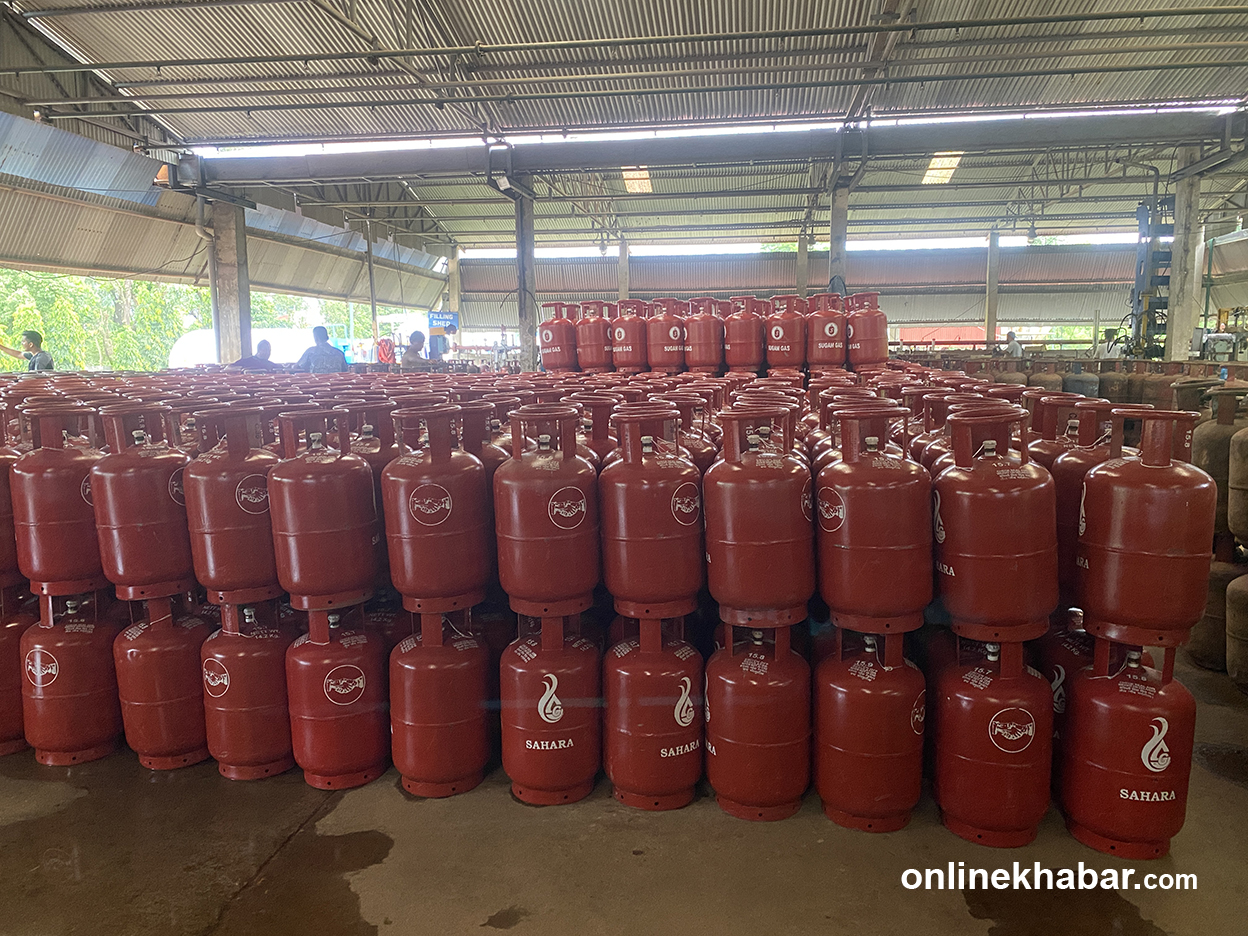
Sahara Gas Industry in Hetauda reports supplying gas to Kathmandu. It refills 4,000 cylinders for Everest Gas and 4,000 for Sugam Gas daily, operating around the clock in three shifts.
Khaga Thapa, manager of Sahara Gas, indicated that despite challenges during this crisis, the factory has increased production to meet Kathmandu’s demand.
“We refill between 8,000 to 12,000 cylinders daily; about 2,500 are sold locally under Sahara’s brand, while over 8,000 cylinders are sent to Kathmandu,” Thapa said.
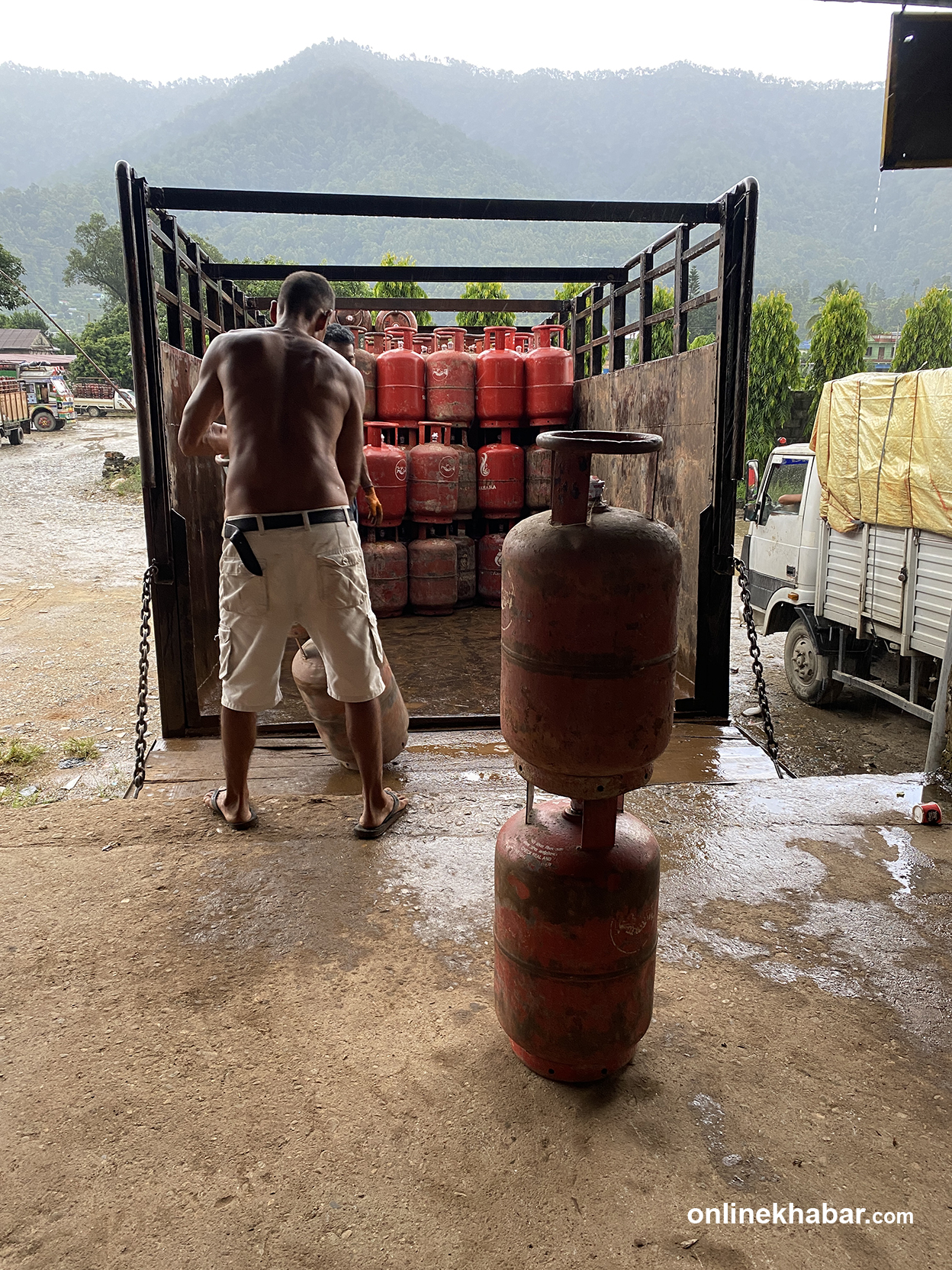
He added that trucks use the Palung route to send gas to Kathmandu. Around five to seven small trucks and vehicles from Kathmandu’s parties and dealers supply approximately 8,500 cylinders daily.
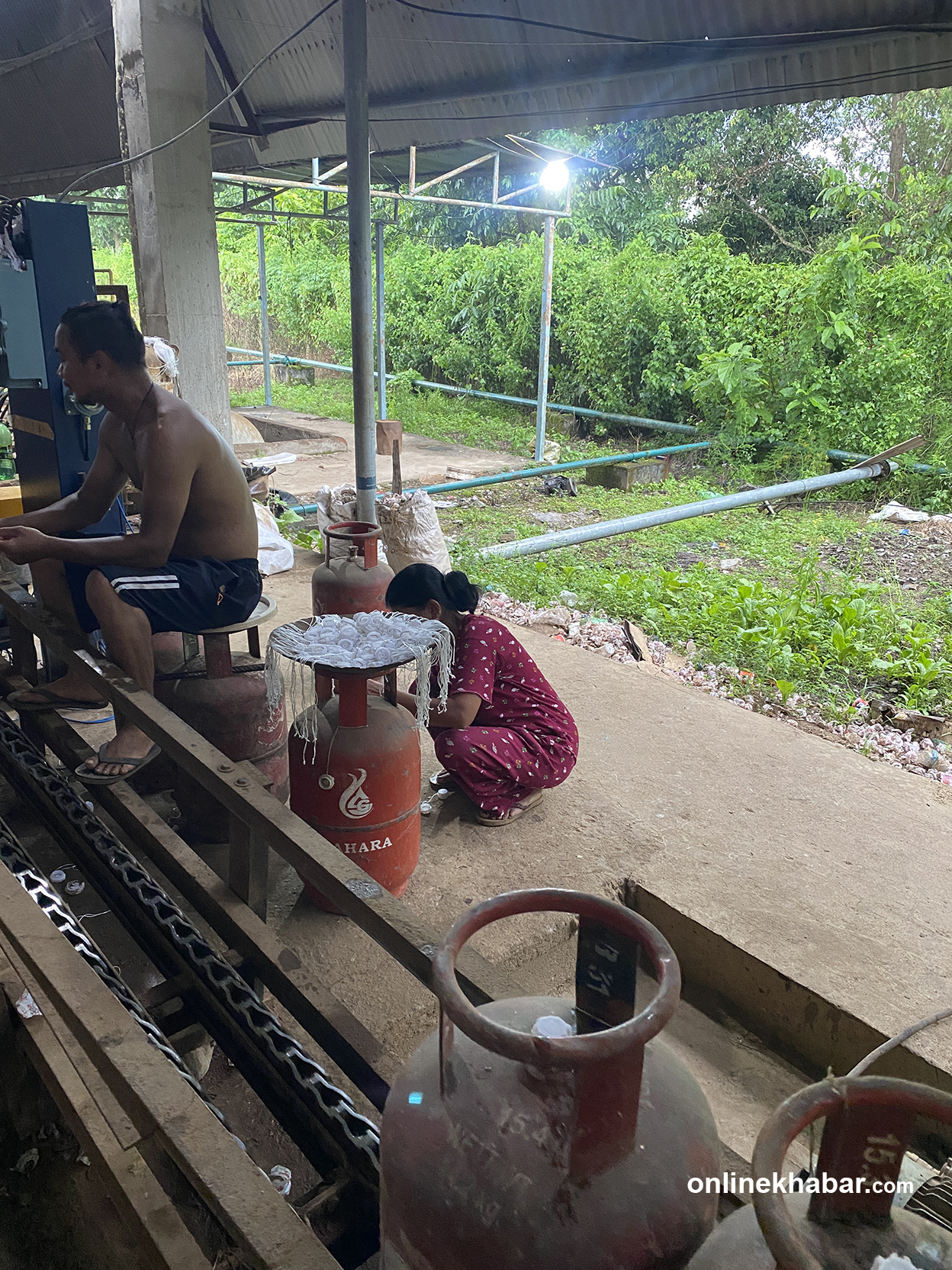
Due to the volume, employees work long hours. “It’s very challenging; we work shifts of 18 to 20 hours. Loading trucks takes time as many wait in line,” Thapa explained.
When the highway opens or closes, managing the rush of vehicles coming to the factory is difficult, the manager added.
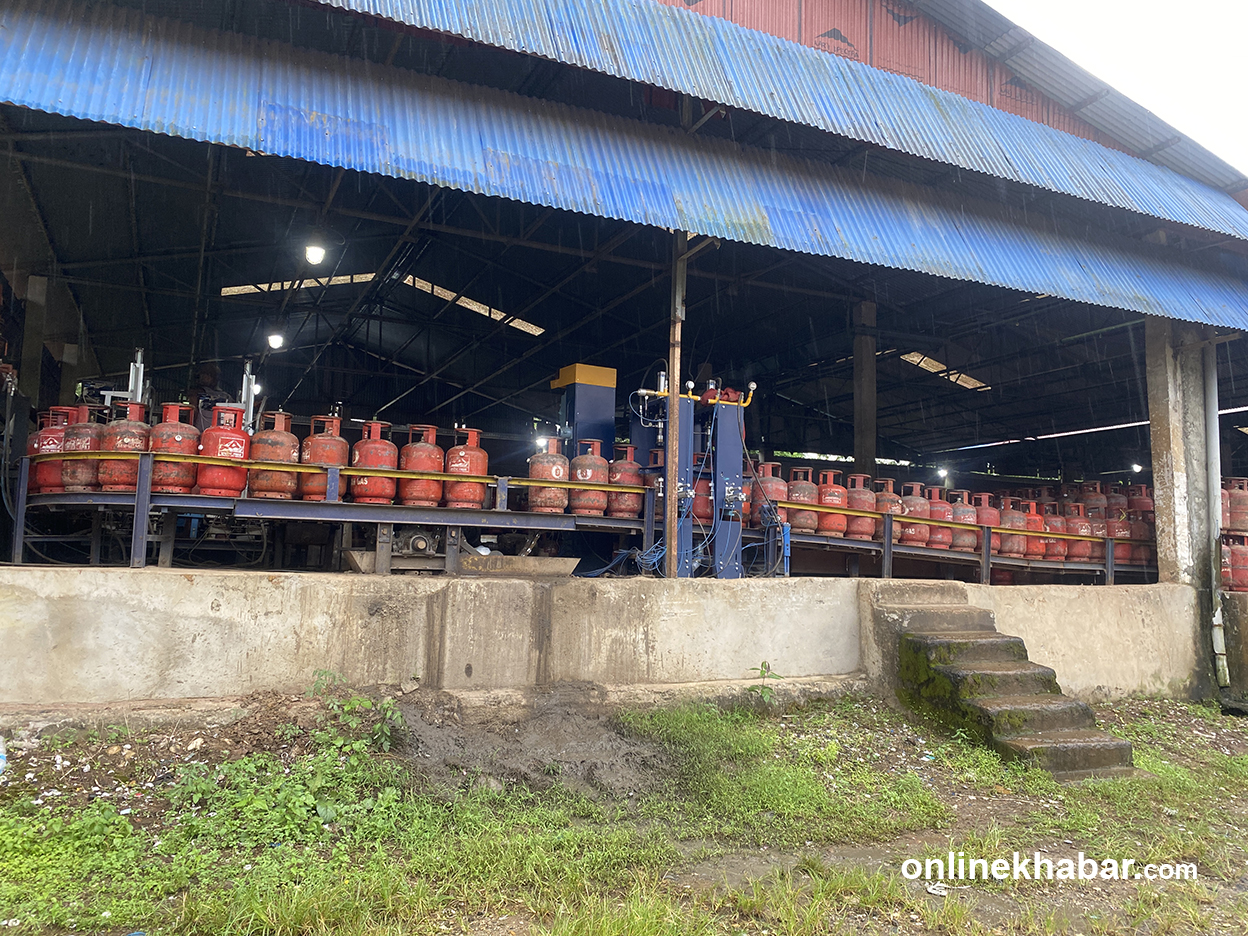
Manoj Gas fills 1,800 cylinders daily
Manoj Gas Industry Pvt. Ltd., based in Parwanipur, Parsa, refills cylinders for Kathmandu. It refills its own brand and two other gas brands for the capital.
Employee Sanjay Kumar Mishra stated that the industry currently fills ‘STC’ cylinders of Salt Trading Corporation and ‘Lokpriyaa’ cylinders from another company.
“We fill about 1,600 to 1,800 cylinders daily for these brands, sending them to Kathmandu,” Mishra said.
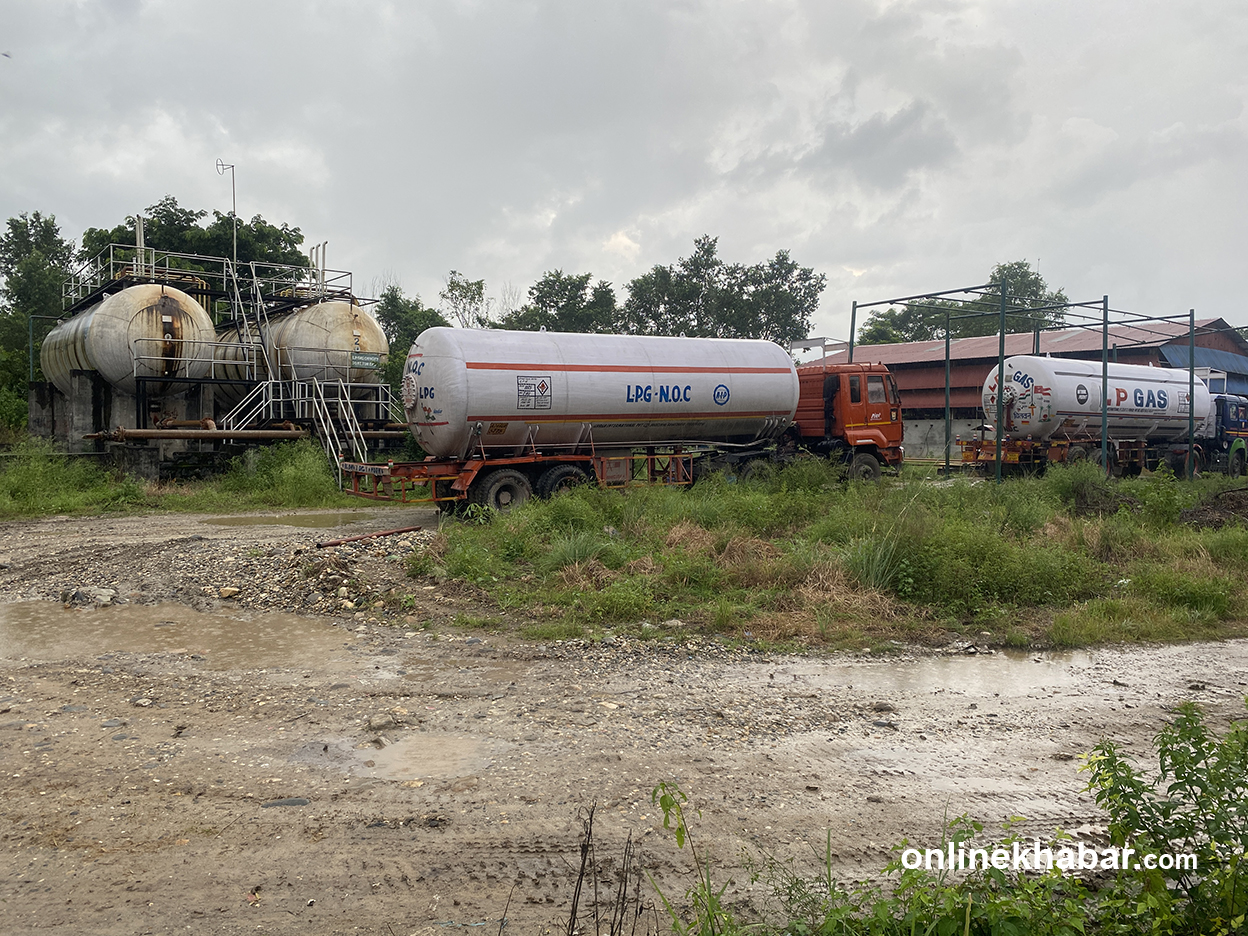
The factory manages time by filling its own gas cylinders from morning till evening and switching to filling Kathmandu’s cylinders during night hours.
“We fill Manoj Gas cylinders from 9 AM to 5 PM, and then refill STC and Lokpriyaa cylinders till midnight or 1 AM based on demand,” he explained.
Ambar Gas Industry in Bara has also been filling cylinders for Siddhartha and STC gas. Company staff Pannalal Sah reported filling about 1,200 cylinders daily for both companies.
Leo Gas Industry Pvt. Ltd., also in Bara, refills cylinders for Lokpriyaa and Shrimaya brands, according to businessman Nirmal Khatri.
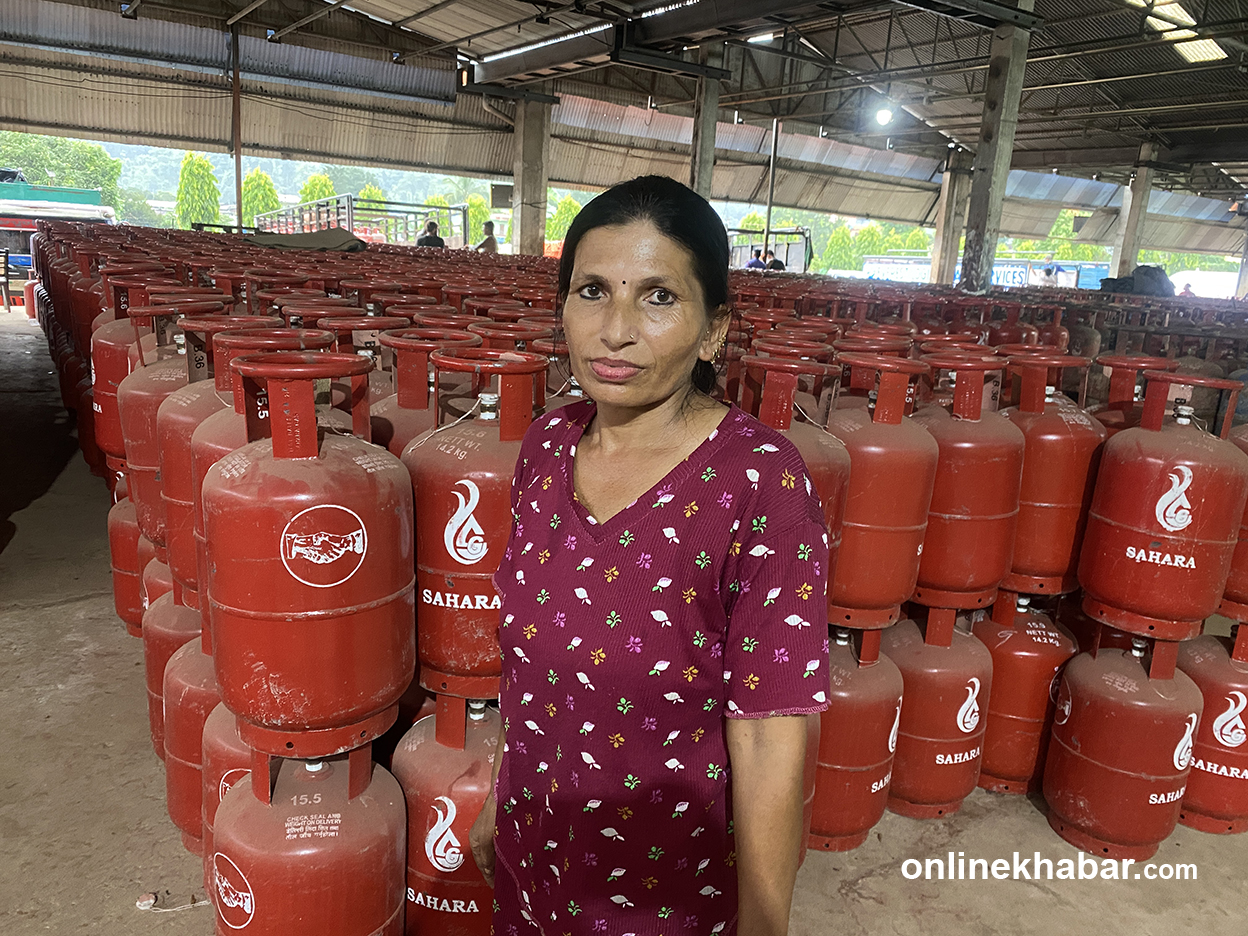
Leo Gas Industry treasurer and LPG Industry Association official Khatri said the increased supply is driven by a sense of responsibility to citizens during this crisis.
He noted that there have been no restrictions on gas availability from India, with half a dozen gas bullet trucks arriving daily at their plant.
“During this critical time, we feel a responsibility as citizens more than industrialists. Our workers and team have been very cooperative,” Khatri said. “We operate in two shifts, from 7 AM to 3 PM and 3 PM to 11 PM.”
Leo Gas supplies about 5,000 cylinders daily, roughly 2,000 to 2,500 are for local markets and the rest are sent to Kathmandu.
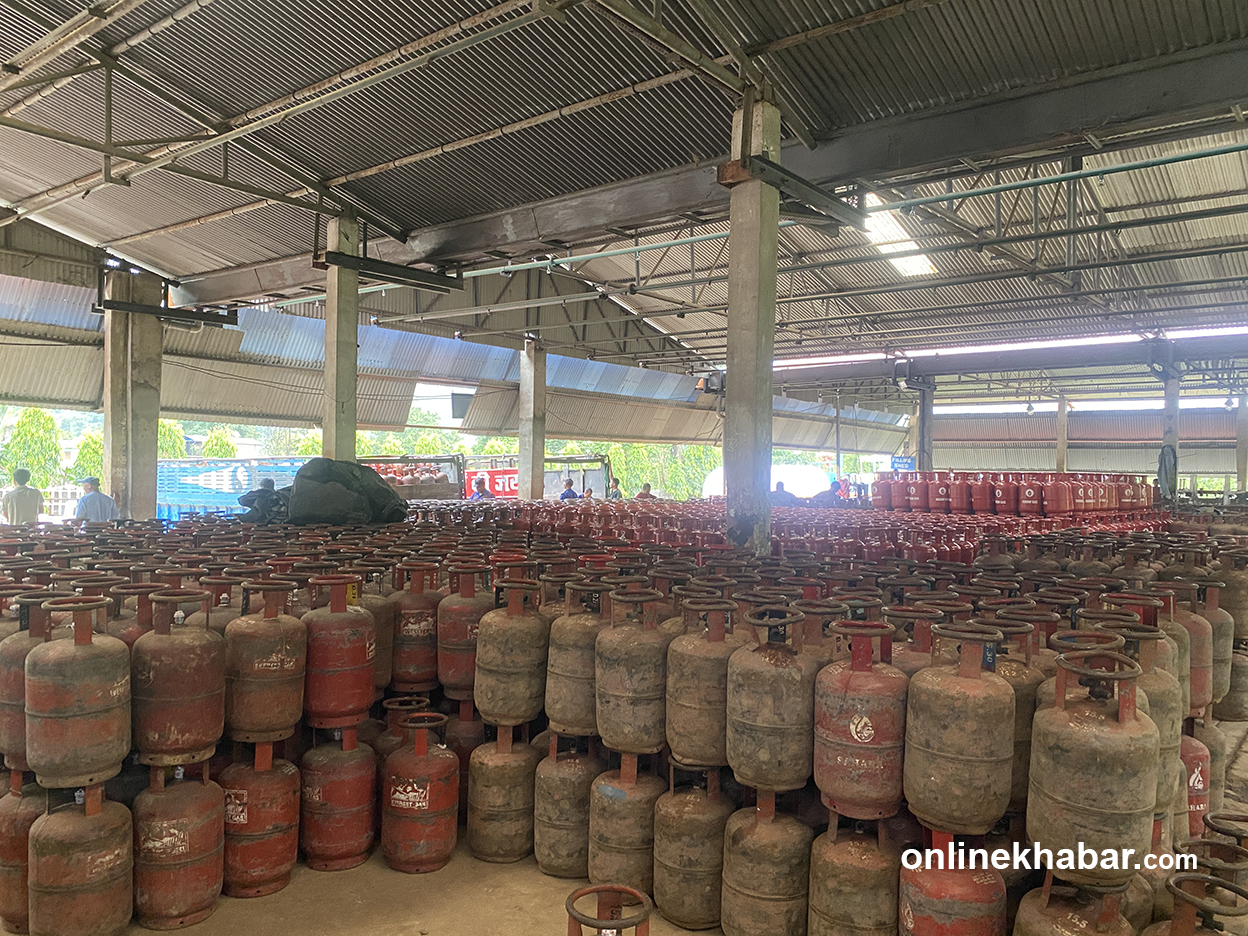
Khatri stated that thanks to workers’ cooperation and industry efforts, they have been able to avoid gas shortages for Kathmandu consumers.
Similarly, Super Gas Industry in Parsa fills cylinders for Kathmandu’s Himal brand.
Until the Prithvi Highway reopens fully, Terai industries will continue transporting LPG to Kathmandu via alternative routes coordinated by Nepal Oil Corporation.
Although some shortages remain in Kathmandu Valley and other districts, Nepal Oil Corporation releases data showing LPG supply from India exceeds market demands.
Photos: Ritu Kafle


