




News Summary
- The conflict between the Saudi-led coalition and Houthi rebels in Yemen has intensified again, leaving approximately 22.3 million people in need of humanitarian assistance.
- According to the United Nations, since early 2026, at least 125,000 people have been newly displaced, and between August 6 and September 14, 2,883 individuals were killed or injured.
- The ceasefire between Saudi Arabia and the Houthis weakened after the Houthis claimed missile and drone attacks on Riyadh and Saudi oil facilities on September 19.
The longstanding conflict between the Saudi-led coalition and Houthi rebels in Yemen has reached a critical state once again by mid-September 2026, showing broader and intensified clashes than ever before.
After several years of relative calm, the frontlines between Saudi Arabia and the Houthis have become tense once more, marked by missile strikes, drone attacks, air raids, and maritime blockades.
The civilian population bears the heaviest toll of this continuous conflict, enduring extreme food insecurity, displacement, inadequate healthcare, unemployment, and deteriorating infrastructure.
Data from the United Nations Office for the Coordination of Humanitarian Affairs reveals that in 2026, around 22.3 million Yemenis require humanitarian aid and protection services, including 5.2 million internally displaced persons.
Since the start of 2026, at least 125,000 people have been newly displaced. The World Health Organization reported that from August 6 to September 14, there were at least 2,883 casualties—including deaths and injuries.
The International Organization for Migration also noted 93,864 new displacements during September. Approximately 18.3 million are suffering from acute food insecurity.
Although the Houthis claim to govern the territories under their control, they face accusations of human rights violations, political repression, and persecution of journalists and critics.
Meanwhile, military operations against the Houthis have resulted in civilian casualties, destruction of infrastructure, and increased displacement. Recent campaigns have uprooted thousands and further weakened civilian life.
The Rise and Early Phase of the Houthi Movement
The Houthi movement, officially named Ansar Allah, originated from the Zaidi Shia community in Yemen’s northern Saada province.
Emerging in the 1980s in northwestern Yemen, this movement began as opposition to corruption and foreign influence. The Zaidi Shia represent roughly one-third of Yemen’s population and once ruled under an imamate regime, which ended with the abolition of the monarchy in 1962, reducing their political power.
Throughout the 1980s and 1990s, religious and social activism grew, giving birth to the Believing Youth movement, named after its founder, Hussein Badreddin al-Houthi’s family.
Hussein al-Houthi, who criticized U.S. and Israeli policies, led an armed rebellion in 2004. The conflict continued even after his death, involving six rounds of fighting known as the Saada Wars.
During this period, the organization consolidated its presence, using local geography and sectarian-political networks to expand.
The 2011 Arab Uprising and the Fall of Sana’a
In 2011, Yemen experienced its own uprising as part of the broader Arab Spring. Massive protests against President Ali Abdullah Saleh led to his resignation, and Vice President Abdrabbuh Mansur Hadi became transitional president. During this time, the Houthis, under the name Ansar Allah, gained popular support.
However, the transition failed to resolve the country’s crises — economic collapse, military fragmentation, separatist movements in the south, al-Qaeda activity, and weak governance persisted, allowing the Houthis to increase their influence.
In 2014, amid constitutional disputes, the Houthis seized the capital, Sana’a, leveraging Yemen’s political and military turmoil to control the city and other regions.
Their alliance with former President Saleh was instrumental, granting access to military structures and weapon stockpiles.
In January 2015, the Houthis took over the presidential palace, forcing President Hadi into exile. After tensions with Saleh culminated in his assassination in 2017, the Houthis strengthened their grip. Today, they control over 70% of Yemen’s population centers on land.
Saudi Intervention and Arms Supply
Following the Houthi takeover, Yemen’s crisis became a cross-border security concern for Saudi Arabia, which viewed the conflict as an expansion of Iranian influence. In 2015, with U.S. backing, Saudi Arabia launched a military coalition against the Houthis.
The Houthis have enhanced their military capabilities through captured government weaponry, seized warehouses, and Iranian support. Relations with Iran began in the 1990s and intensified after 2009.
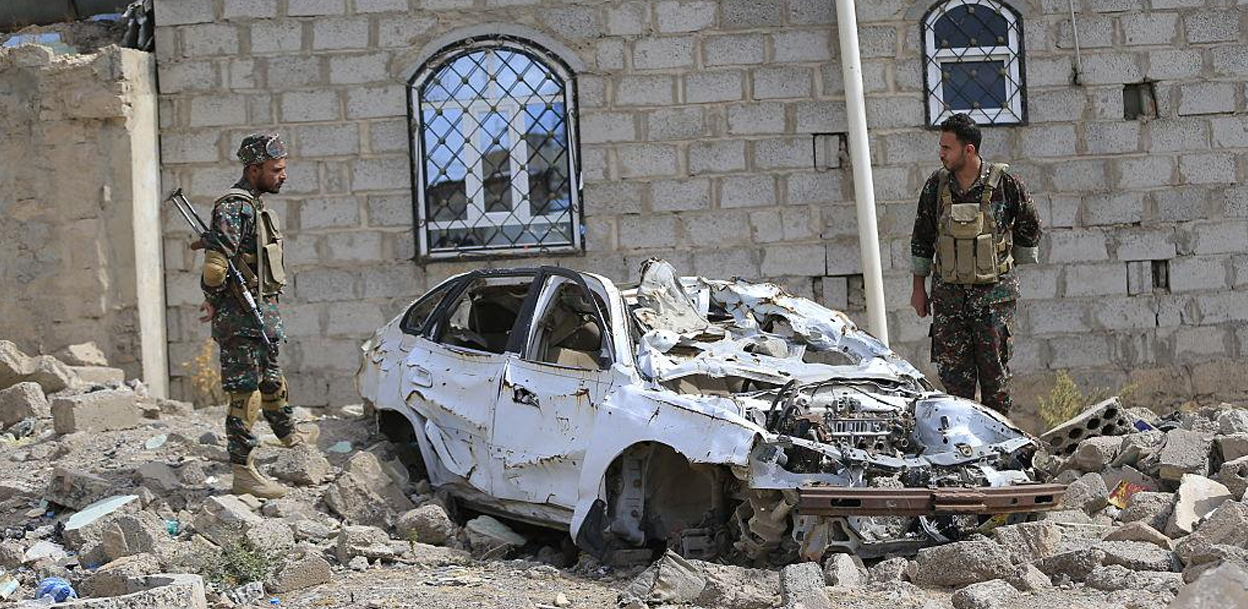
Iran reportedly provides the Houthis with intelligence, weapons, logistics, diplomatic support, training, and fuel. Iranian Revolutionary Guard Corps and Hezbollah advisors have been sent as trainers and consultants, developing complex smuggling networks to deliver missile and drone systems into Yemen.
According to U.N. experts, foreign assistance has been vital for the Houthis’ military strength, with reports indicating a global procurement network despite U.S. sanctions.
However, Houthi supporters assert they are not mere Iranian puppets; their power derives from local military capacity, Iranian aid, international networks, and organizational skills.
Eight Years of War and the 2022 Ceasefire
The war that began in 2015 saw Saudi Arabia employing advanced aircraft and aerial defense while the Houthis utilized cost-effective drones, missiles, and terrain advantages in asymmetric warfare.
This conflict devastated Yemen’s infrastructure and culminated in the 2018 Stockholm Agreement brokered by the United Nations.
In 2019 and 2020, the Houthis attacked Saudi oil facilities, demonstrating their military reach. A United Nations-mediated ceasefire was achieved in 2022, yet full peace remained elusive as the Houthis demanded the lifting of Saudi blockades.
Political fragmentation continues with various regional and local factions maintaining influence.
The Gaza War and the Houthis’ Regional Role
Following the outbreak of the Israel-Hamas conflict in October 2023, the Houthis positioned themselves as a regional ‘axis of resistance,’ launching missile and drone attacks towards Israel and striking ships in the Red Sea.
They framed these operations as solidarity with Gaza and the Palestinian people. Though a 2025 ceasefire with the U.S. paused attacks temporarily, no lasting peace was achieved.
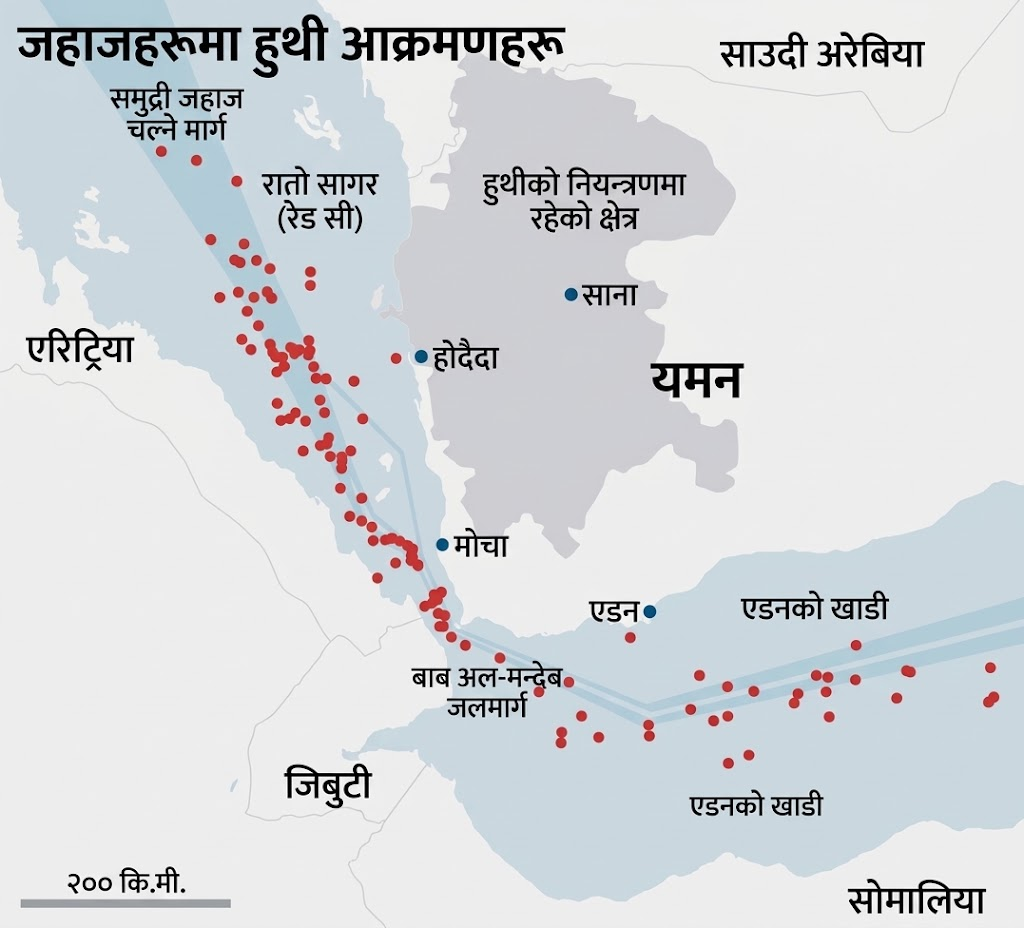
The Bab al-Mandeb strait, a critical maritime route that connects the Red Sea to the Gulf of Aden and the Indian Ocean, has become a hotspot due to Houthi attacks forcing many international vessels to alter their course. The U.S. and the U.K. have conducted airstrikes on Houthi military targets.
This dynamic has transformed the Houthis from a domestic political force to a regional military actor.
The conflict between the U.S., Israel, and Iran that erupted in February 2026 increased tensions, leading Iran to activate its proxy Houthis more aggressively.
In July 2026, the Houthis announced a maritime blockade against Saudi Arabia in the Red Sea, escalating attacks and effectively ending the 2022 ceasefire.
This dispute partially stemmed from an incident involving a plane attempting to fly from Tehran to Sana’a. The coalition responded with airstrikes after the Houthis challenged the Saudi blockade, escalating the war.
On September 8, the Houthis launched a major offensive in southern Saudi Arabia. According to coalition spokespeople, civilian and commercial areas were damaged and more than 37 were injured.
Attacks also targeted oil facilities and the air force; the Houthi military spokesman described these as a strong response to Saudi aggression.
Previously, the Houthis accused Saudi forces of killing seven people, including children, in prison. These clashes have displaced at least 125,000 people.
Civilian Casualties and Eroding Security in Mecca and Riyadh
By mid-September, intense fighting had resulted in at least 14 civilian casualties, including two children. The first Saudi death on their soil was reported in the Taiz province, resulting from Houthi drone interception.
The Houthis report that a civilian was killed and another injured when Saudi fighter jets struck a telecommunications tower in Taiz.
Houthi leader Abdel-Malik al-Houthi claims their forces are conducting defensive operations only. Meanwhile, the head of the Saudi-backed Presidential Council claims the Houthis inflict significant damage across multiple fronts.
On September 15, the Saudi coalition vowed a strong response to attacks in Khamis Mushait, Abha, and Taiz, where 13 civilians were injured and structures damaged.
The Houthis claimed conducting 54 air raids within 24 hours and reported increasing losses on the 18th.
Saudi Arabia said attempts to send drones towards Mecca were stopped, calling subsequent attempts persistent, though the Houthis deny these claims.
On September 19, the Houthis claimed ballistic missile and drone attacks on Riyadh and oil facilities. The coalition said their air defense systems had successfully intercepted these strikes.
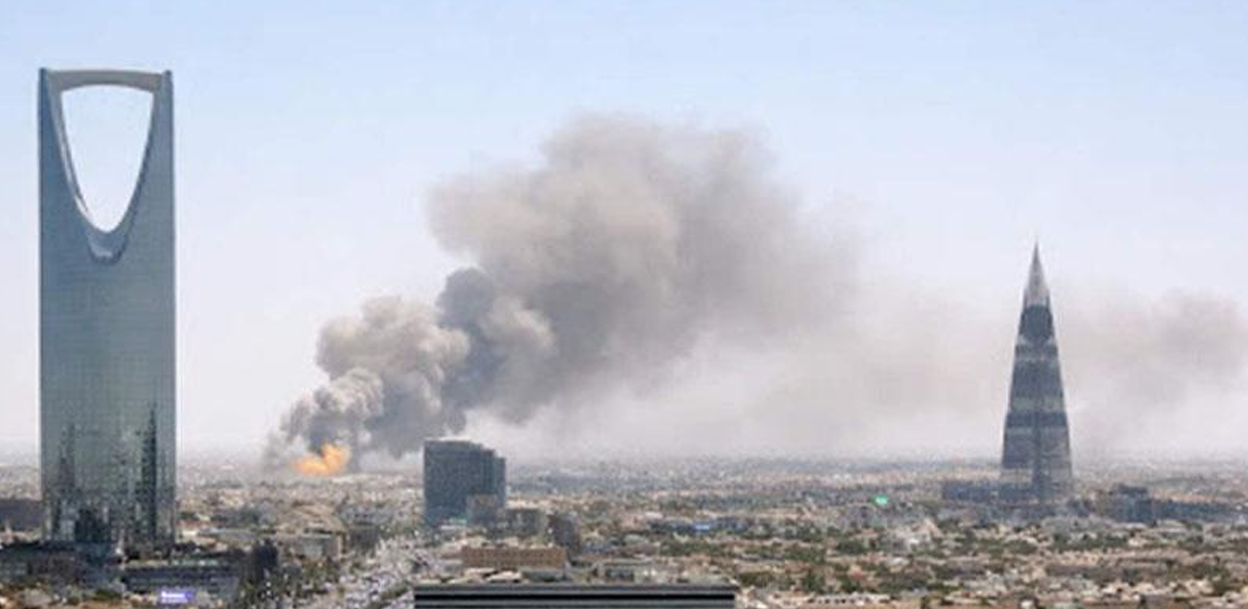
Explosions and smoke were seen in Riyadh and other locations. The Houthi military spokesman revealed they targeted sensitive areas in the capital.
Impact on Oil Infrastructure and Regional Reactions
The conflict has affected Saudi oil consumption. Attacks on the East-West pipeline have added complexity to the crisis.
Iran’s blockade of the Strait of Hormuz has forced Saudi Arabia to increase its reliance on Red Sea exports. From March to mid-July, Saudi crude oil exports rose eightfold.
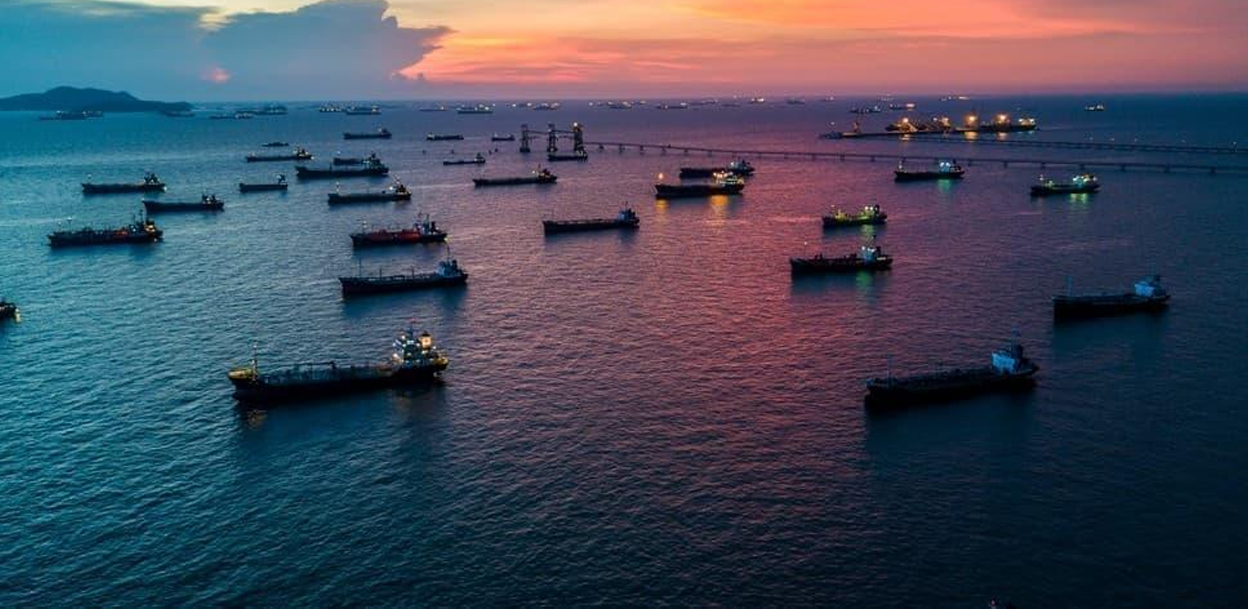
About 30 oil tankers operate near Yanbu, within the range of Houthi attacks. The Houthis control the western coast through Bab al-Mandeb and some southern islands. The United Nations reports this area has become highly unstable.
Within Yemen, jihadist groups such as Al-Qaeda in the Arabian Peninsula, southern separatists, and other local forces oppose the Houthis. This conflict complicates diplomatic dialogue between the U.S. and Iran.
Iran asserts it does not seek full-scale war with Saudi Arabia but aims to pressure the Houthis. Following Chinese mediation, Tehran is attempting to maintain a balance with Riyadh.
China and Pakistan have urged efforts to control the Houthis using their ties with Iran, while Turkey is prepared to contribute to a tripartite defense agreement, considering Saudi military needs.
In August, a joint defense agreement was signed in Mecca between Saudi Crown Prince Mohammed bin Salman, Turkish President Erdogan, and Pakistani Prime Minister Shehbaz Sharif—dubbed by some as a ‘Sunni NATO.’ However, delays in parliamentary approval pose implementation challenges.


