




News Summary
- The government led by senior leader Balendra Shah of the Rastriya Swatantra Party has committed to creating a national commitment document within its first month, incorporating the electoral manifestos of all parties.
- The government has decided to ensure that 10 percent of hospital beds in both public and private hospitals are allocated free of charge to the impoverished and destitute patients, with strict implementation.
- The government has decided to remove squatter settlements and has committed to certifying landless individuals and providing land, though the process remains controversial.
April 13, Kathmandu. The government formed under the leadership of senior leader Balendra Shah of the Rastriya Swatantra Party (RSP) has shown some positive signs within its first month in office. A prime example is its commitment to integrate positive aspects of all political parties’ manifestos into a unified national commitment.
On the day the government was formed, March 27, the cabinet approved a 100-point governance reform plan, with the third point emphasizing preparation of a ‘national commitment’ by incorporating electoral manifestos, pledges, and commitments from all participating parties, establishing government ownership of the document.
The government has drafted the ‘national commitment’; whether it gains momentum will become clear with time. However, this represents a promising start. As the ancient Greek philosopher Aristotle said, a good beginning is half the work done.
Despite the tendency in coalition governments for coalition partners to criticize good policies and programs introduced by others due to ideological differences, the Balendra-led government’s approach deserves praise for setting an example.
This decision signals a move away from opposition purely for opposition’s sake. This change in mindset is significant and could foster a culture where future governments acknowledge the positive aspects of opposition parties.
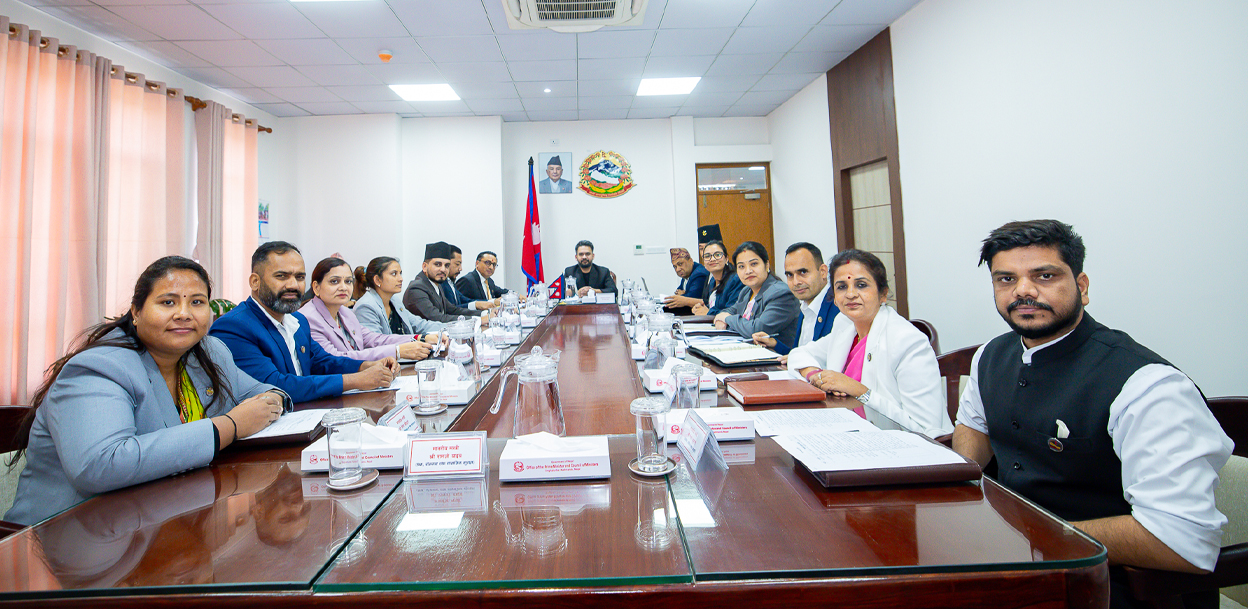
Former secretary Sharad Prasad Trital remarks that the initial signs from RSP, which secured almost two-thirds of the votes, are positive. He says, “The work done by this government within its first month is different compared to previous ones. While past governments were preoccupied with meetings and unnecessary expenses, this government has given a message of hope.”
Experts note that the government’s commitments to administrative reform, good governance, and improved service delivery are starting to show results. Prime Minister Shah has been operating governance from the Singha Durbar office and has kept the Council of Ministers office active rather than the traditional Baluwatar residence.
Other cabinet members have reduced unnecessary meetings and inaugurations common in previous administrations. Service recipients have begun to see improvements.
Prime Minister Shah’s collective discussions with heads of foreign embassies have been viewed positively. Foreign Minister Shishir Khanal clearly stated that although the government has changed, foreign policy will remain consistent.
However, the government’s buffer state issues mentioned in the manifesto have faced criticism. Having made education scholarships transparent as mayor, Shah has made a similar decision in the health sector. The decision to provide free treatment for 10 percent of beds for impoverished, helpless, and abandoned patients in both public and private hospitals has received widespread praise.
Experts say that this arrangement is necessary due to lack of ease of access to health services in Nepal.
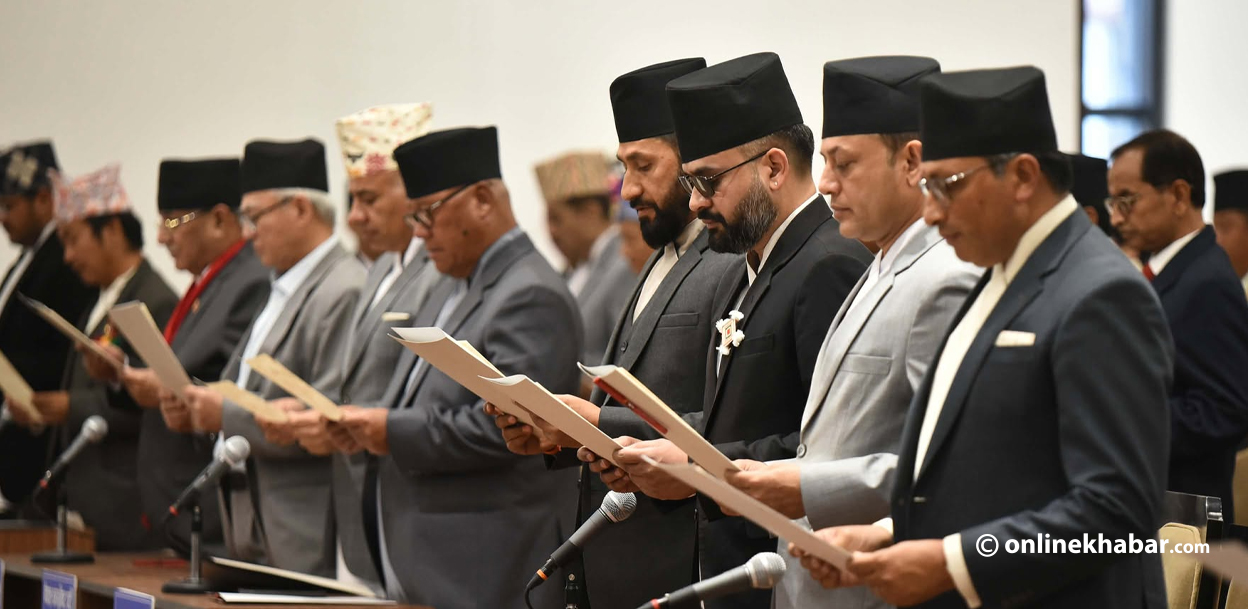
Public health expert Dr. Rita Thapa suggests making the 10 percent free beds in private hospitals more transparent and ensuring fully free treatment for the impoverished in public hospitals. She also advocates for more effective implementation of health insurance.
According to an Oxfam International report, the richest one percent of Nepal’s population has 519 times more wealth than the poorest 50 percent.
The government has formed an Asset Investigation Commission to collect and scrutinize asset details from senior political officials and high-ranking discharged employees holding public positions. If the commission conducts impartial and effective investigation, it could become a major milestone for good governance.
Efforts to eliminate intermediaries and streamline services in agencies frequently crowded with service seekers like Land Revenue, Passport Department, and District Administration Offices appear positive, though only time will tell if these changes are sustained.
The RSP has also shown efforts to end party factionalism and syndicates, challenging citizens not to become mere party members.
The decision to disband employee unions and student organizations has received mixed reactions. The decision to remove squatter settlements is also controversial. While criticized from human rights and constitutional perspectives, it has been welcomed legally and executive-wise.
Senior advocate Rajuprasad Chapagain expresses dissatisfaction with the investigation and certification process carried out during the settlement removals, stating, “Eviction followed by certification is like a penal procedure.”
The problem of squatter settlements is not new and can be resolved according to constitutional and legal frameworks. There is legal clarity on providing land to landless Dalits and squatters.

However, landless people complain about the lack of humane treatment from the government. Pawan Gurung, vice-chairman of the United National Squatters’ Front, calls the eviction process incomplete and flawed. He accuses police of initiating action without any prior negotiation, calling it inhumane.
Gurung says, “Squatters should have been relocated to proper places only after certification. Had that been done, this step would have been welcomed.”
As a guardian of all, the government’s actions must have legitimacy and recognition. According to British Chief Justice Lord Hewart, justice must not only be done but also seen to be done.
Yet hasty government decisions are raising questions about legality and acceptance.
Political analyst Ramchandra Shrestha described the government as active but unclear about its direction. Based in Butwal, he comments, “The government is action-oriented, but the lack of dialogue and parliamentary consensus leads to confusion about its path.”
Constitutional expert Dr. Bipin Adhikari noted the government’s good start on squatter issues. While acknowledging some problems, he believes the government is undertaking necessary work.
The government had committed to collecting costs and certifying within two months and providing land within 1000 days under its 100-point governance reform initiative. Progress is evident in this regard.
Nonetheless, some activities appear rushed and incomplete, Dr. Adhikari says, pointing out that legal procedures were not fully observed in the arrests of former Prime Minister KP Sharma Oli and ex-Home Minister Ramesh Lekhak.
In his main report, he stated, “The arrests of the former prime minister and ex-home minister were unlawful.”

While the government’s intent may not be misguided, stakeholders caution that constitutional and legal compliance is lacking. The federal government issuing directives that challenge the constitutional rights of provinces and local governments has been controversial.
The constitution’s Schedule 8 vests the authority for basic and secondary education with local governments. When the federal government unilaterally decided when and how long schools should remain open, schools’ associations and the National Rural Municipalities Federation opposed the move.
Although the government planned to open schools after April 21, most schools have already resumed operations.
The government’s immaturity became evident during the parliamentary session convocation. The session began on April 9 following the president’s recommendation on April 8, but the government recommended postponement the very next day.
Experts describe this as not only immaturity but a repeat of the old practice of bypassing parliament and resorting to ordinances, unexpected given the two-thirds majority.
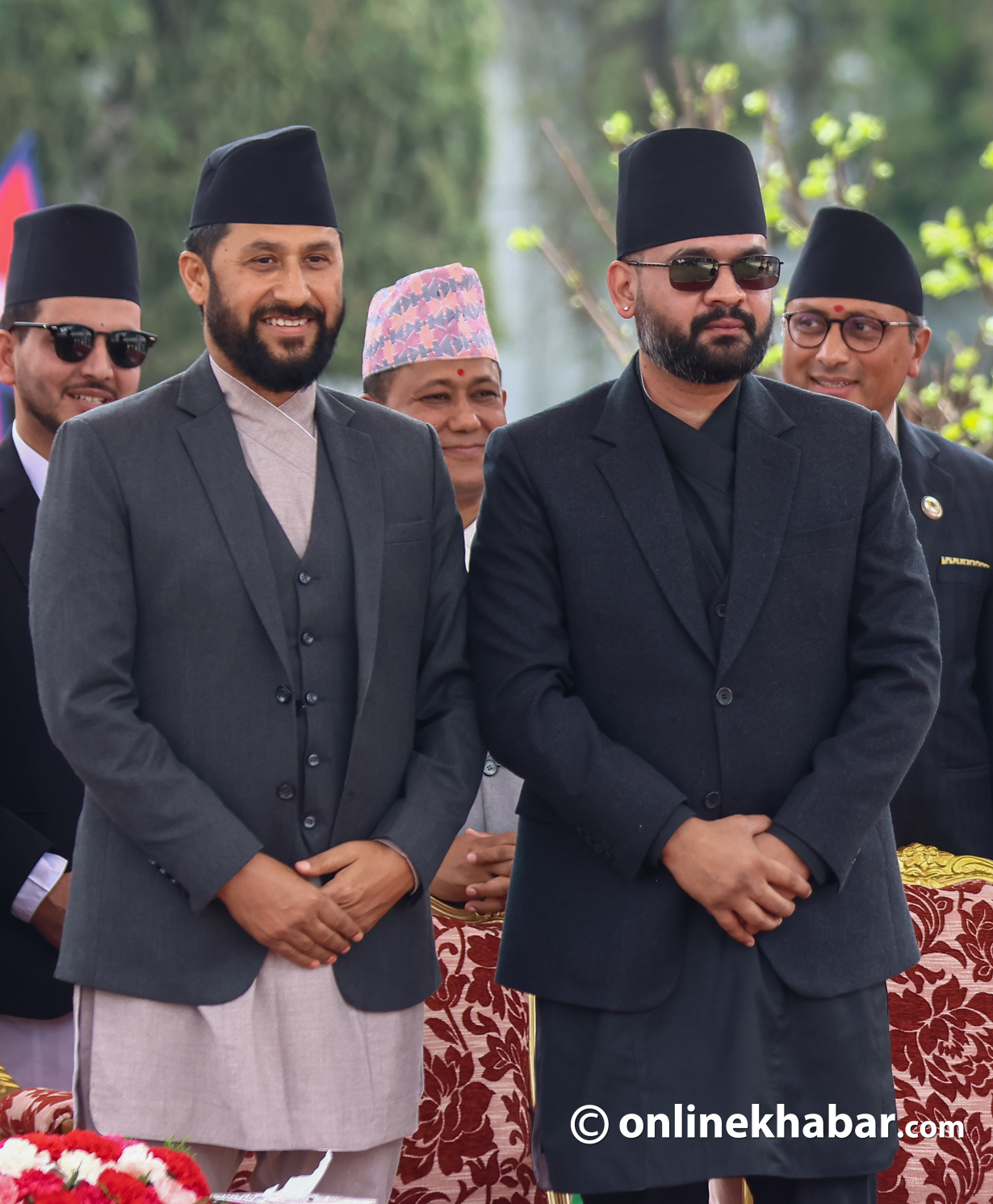
Less than a month into office, two ministers resigned: Home Minister Sudhan Gurung and Labor Minister Deepak Sah, exposing the government’s weak tolerance. This is considered a mistake in personnel selection.
A task force has been formed for the constitutional amendment white paper. Previously constitutional commissions were led by prominent elders, but this time the administrative approach has drawn criticism.
Constitutional expert Dr. Bipin Adhikari urges a positive perspective towards the task force’s initial draft.
Sociologist Ajay Yadav states that the government amid political instability has earned substantial hope and trust from the public. Teaching at Ram Swarup Ramsagar Multipurpose Campus in Janakpur, Yadav remarks, “People voted with hope, pinning their expectations on one individual due to past disappointments. Hence, aspirations are high, and current work looks promising. The enthusiasm exceeds caution; balance is needed.”


