The Challenge of Judicial Balance Under Nepal’s Newly Appointed Chief Justice Manoj Kumar Sharma





Summary
- Dr. Manoj Kumar Sharma has been appointed as Nepal’s 33rd Chief Justice with unanimous approval from the parliamentary hearing committee.
- Sharma has clearly stated that any interference in the judiciary’s independence and justice delivery will be rejected.
- The newly appointed Chief Justice Sharma has acknowledged the challenge of maintaining judicial independence and impartiality through his legal perspectives and judgments.
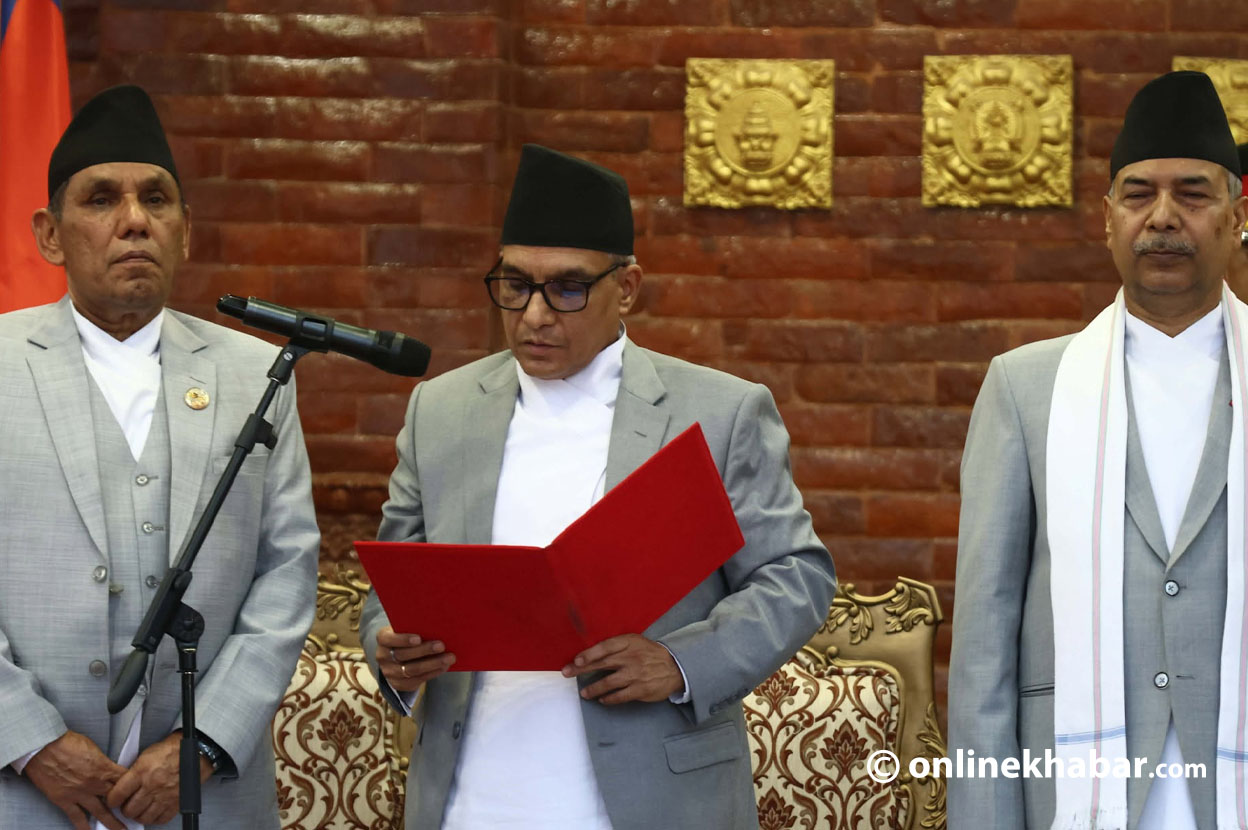
Kathmandu, May 19 – After receiving unanimous approval from the parliamentary hearing committee, Dr. Manoj Kumar Sharma has been appointed as the 33rd Chief Justice of Nepal.
Immediately after receiving his appointment letter from President Ram Chandra Paudel, he took the oath of office. According to Article 129(4) of the Constitution of Nepal, Dr. Sharma will serve until May 18, 2033, as the Chief Justice, with the term fixed at six years under this provision.
Dr. Sharma’s appointment marks a departure from many traditional practices; except for the appointments of Bhagwati Prasad Singh in 1964 and Nayan Bahadur Khatri in 1976, Sharma will become the longest-serving leader of the judiciary in Nepal.
Ranked fourth in Chief Justice seniority, he was appointed following unanimous parliamentary consent.
Following his assumption of office, Chief Justice Sharma spoke with journalists at the Supreme Court, affirming his commitment to maintaining judicial independence without compromise. He emphasized that the judiciary must remain independent and impartial, that judicial professionalism will be upheld, and that no interference in justice delivery will be tolerated.
He reassured the media saying, “There will be no room for anyone to doubt this matter. I want to fully assure that any such suspicion will be eliminated.”
Stable Tenure and the Challenge of Judicial Balance
Stable leadership tends to provide consistent direction to state bodies rather than excessively frequent changes. However, while stable leadership may risk authoritarianism, it remains essential that different branches of the state maintain checks and balances.
Considering the present context, a similar situation last occurred in 2017 (Nepali year 2074) when the then Nepal Communist Party held a majority. At that time, Prime Minister KP Sharma Oli led a powerful government with a two-thirds majority.
During the same period, the judiciary got a Chief Justice with a lengthy tenure. Following the failure to approve the proposed Chief Justice Deepak Raj Joshi, Cholendra Shamsher Jabara was appointed as Chief Justice.
However, an unnatural clash and agreement between Prime Minister Oli and Chief Justice Jabara led the executive towards authoritarianism and embroiled the judiciary in controversy.
Following protests by legal professionals and an impeachment movement, Chief Justice Jabara was suspended and retired; his pension remains unsettled to this day.
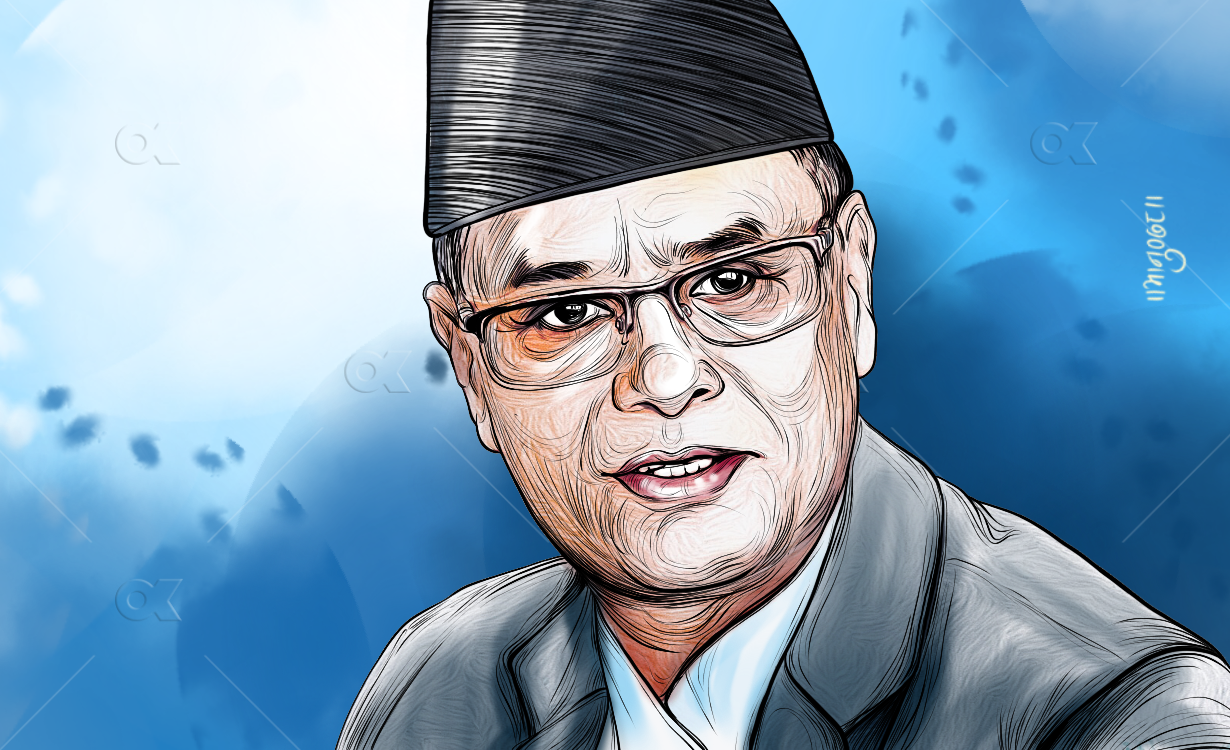
Today, with Balendra Shah also serving as Prime Minister with a two-thirds majority, Dr. Manoj Kumar Sharma is a judge known for regular judicial work but less vocal on judicial opinions. Despite this, he has been appointed Chief Justice in a somewhat unusual manner.
Concerns have arisen as to whether Chief Justice Sharma will allow judicial independence and justice delivery to be suppressed under a powerful executive and its decisions.
During the parliamentary hearing, lawmaker Aryal raised the question, “Will the judiciary be able to challenge wrongful decisions by the executive now?”
The Nepal Bar Association also expressed opposition and raised questions regarding the appointment process.
Constitutional expert Kashiraj Dahal highlighted the longstanding issues of political factionalism in the judiciary and its effects, urging the new leadership to avoid such allegations.
Dahal emphasized that judicial officials must uphold impartiality to foster public trust in decisions. He stated, “Stable chief bodies of the state must maintain balanced functioning in both directions.”
There is a possibility that critics may doubt any orders or decisions made by the newly appointed Chief Justice Sharma. Reassuring the judiciary’s independence through judicial perspectives remains a formidable challenge.
Dahal added, “The judiciary must advance constitutional supremacy and play a critical role in ensuring the rule of law. Additionally, courts must act as guardians for protecting fundamental rights. Achieving balance in these areas will enhance public confidence in the judiciary.”
The Challenge of Gaining Colleagues’ Trust
Historically, tenure of a Chief Justice has seen divisions among judges on several occasions. However, immediately after the Constitutional Council’s recommendation, the Supreme Court judges initially appeared united.
Within about two weeks of Dr. Sharma’s appointment, however, judges in the Supreme Court began to divide into two groups, showing differences in judicial perspectives.
In some instances, acting Chief Justice Sapana Pradhan Malla had to issue administrative orders regarding the case filing process, which led to protests from the Nepal Bar Association.
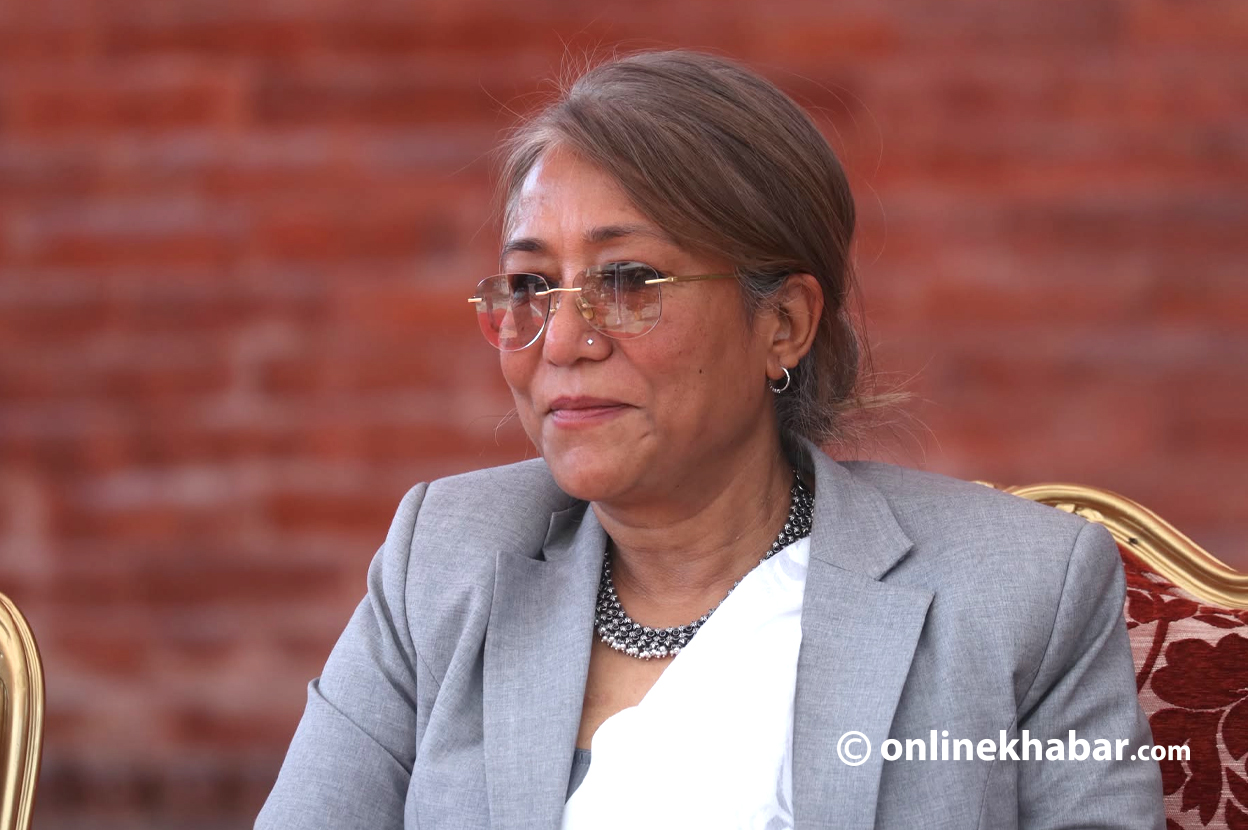
After becoming Chief Justice, Dr. Sharma faces the challenge of leading the country’s judiciary and managing how the senior judges who preceded him accept his leadership. He must maintain balanced relationships in constitutional benches formation and administrative tasks.
He needs to treat even those judges who question him without discrimination, sending a message of unity.
Supreme Court Bar Association Secretary Raman Karn sees the trust crisis among judges as a personal matter.
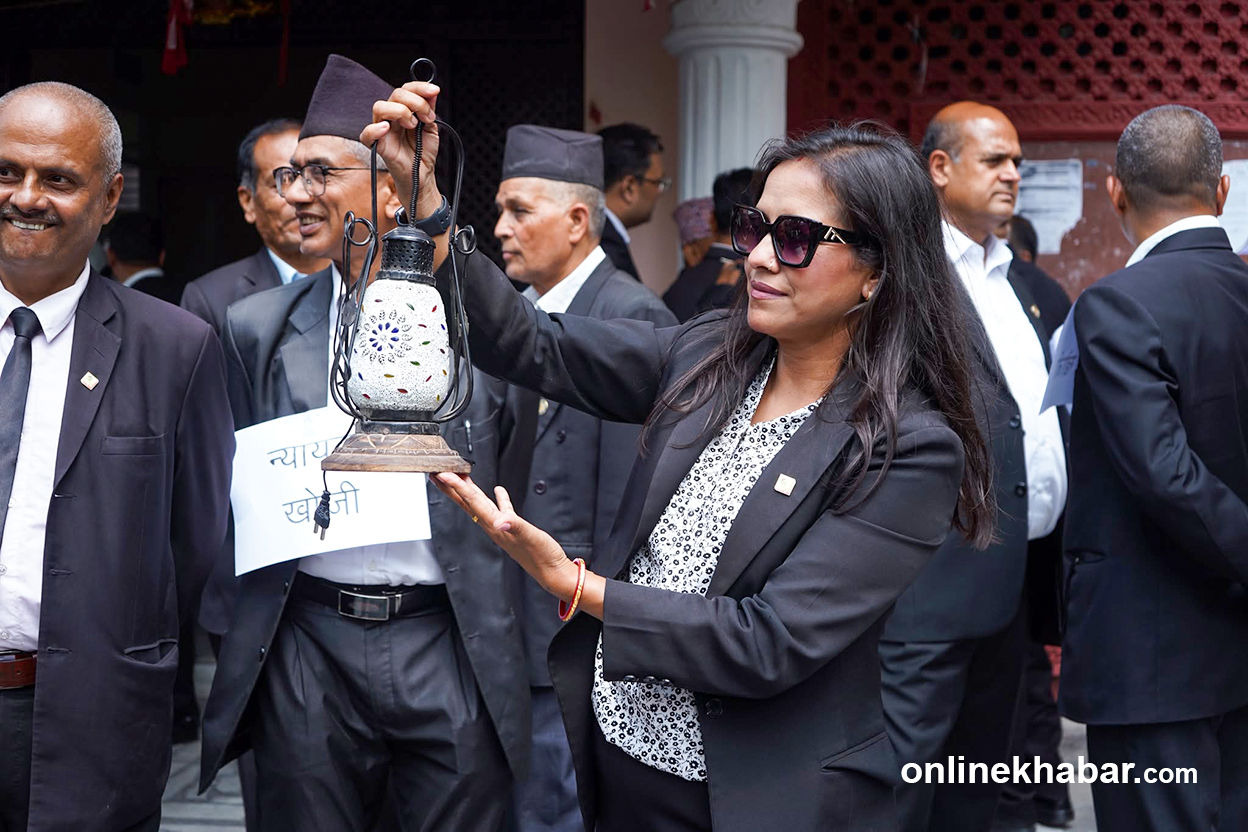
In his view, judges’ personal ambitions and egos should be secondary to justice delivery.
“All judges function on an equal footing in justice delivery. The opinions of the Chief Justice and other judges carry the same weight,” Karn said. “Expressing differing views can create the perception of injustice among litigants. Therefore, judicial officers must now send a message of unity.”
Balancing and securing the confidence of divided and discontent judges by utilizing their skills effectively will be a key challenge for the Chief Justice.
Constitutionalist Kashiraj Dahal pointed out, “It is not just about establishing relationships with colleagues — the Bar itself is divided and lawyers have differing opinions. The Chief Justice must demonstrate integrity and foster good relations with the legal community.”
During Tuesday’s parliamentary hearing, lawmakers urged the proposed Chief Justice to prioritize speedy justice delivery. In response, Dr. Sharma committed to expediting justice through regional reforms and improved use of information technology.
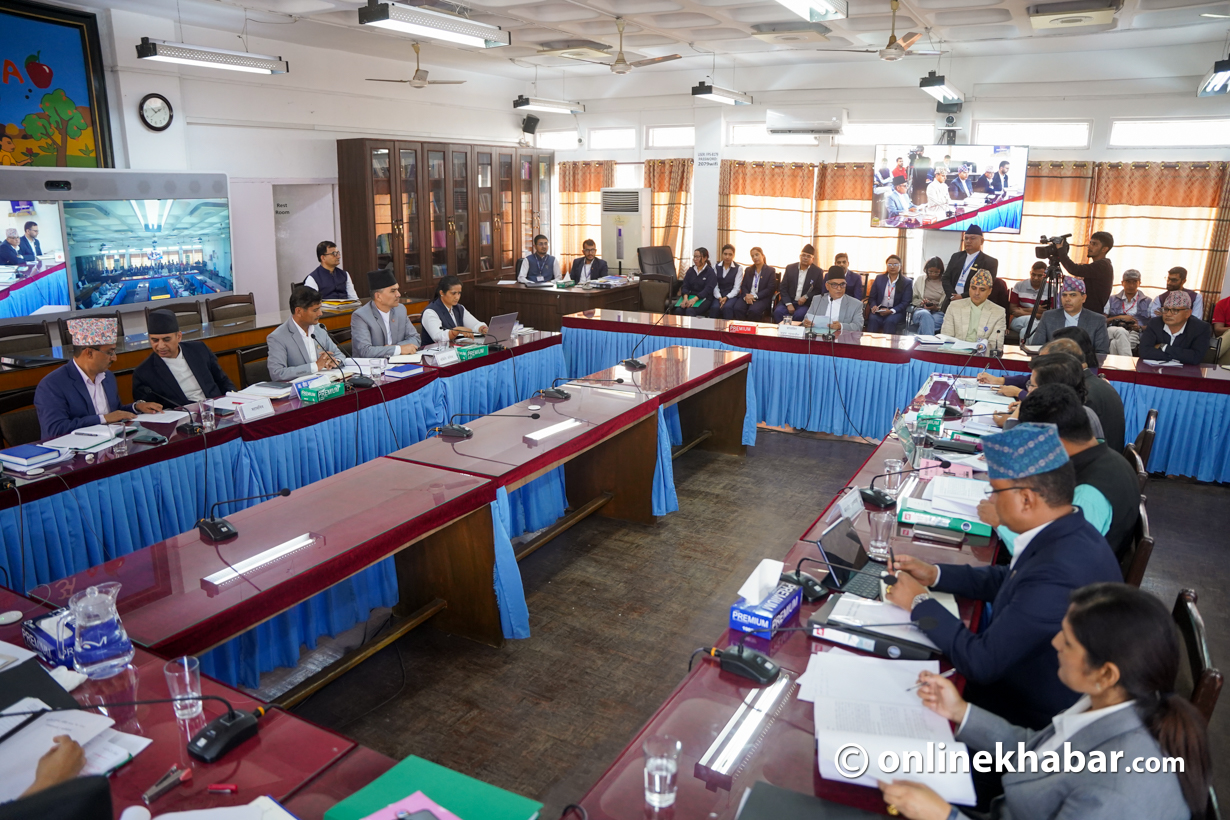
Delivering quality justice to justify his appointment will be the most significant challenge for Chief Justice Sharma.
Previously, he had criticized the publication committee’s selection process for publishing judicial decisions only selectively. Now, as Chief Justice, he will lead not only the constitutional benches but also others.
Because the Chief Justice role encompasses judicial leadership alongside administrative responsibilities, he must proactively guide judicial opinion formation.
Even after his commitments, institutional reforms and expeditious justice delivery face challenges. Currently, there are three vacant judge positions in the Supreme Court and many vacancies in High Courts haven’t been filled in time.
Among approximately 7,000 judiciary staff nationwide, there remains a 10% manpower shortfall. The increase in cases makes it challenging to deliver quick justice and dispose of old cases.
Nepal Bar Association Vice President Tej Bahadur Rawal stressed the need to reduce case backlogs and accelerate justice delivery with the new judicial leadership.
“Delivering speedy justice amid limited resources and eliminating corruption and other distortions within courts will be his toughest tasks,” Rawal said.
Dr. Manoj Kumar Sharma, a relative of former Chief Justice Damodar Prasad Sharma, faced questions during the parliamentary hearing about ‘nepotism’ allegations. He had been an additional judge in the appellate court and lacked tenure stability after the new constitution was promulgated. He became a Supreme Court judge during Cholendra Shamsher Jabara’s tenure.
Due to his background, affiliations, and other reasons, questions about his integrity and dedication have been raised.
Although silent on transaction allegations initially during hearings, on the second questioning, he rejected the allegations stating, “These accusations are completely false, and claims related to my PhD are also baseless.”
Due to the controversial tenure of Cholendra Shamsher Jabara and deals with the executive, Jabara was suspended and subsequently retired. Though recent Chief Justices showed weaknesses in work, no questions were raised regarding their integrity and honesty, setting a standard.
According to Supreme Court judges, “Maintaining an integrity level at least comparable to the three preceding Chief Justices will be a significant challenge for him. To sustain public trust in the judiciary, integrity and honesty are paramount.”
After the Jana Andolan II movement, morale among the judiciary and legal professionals has weakened. Some courts still operate from damaged buildings with charred and partially destroyed documents. Recovering such materials and advancing justice delivery under these conditions remains challenging.
Dahal, a longtime participant in judicial administration and former secretary of the Judicial Council, noted that inconsistencies exist among judges in justice delivery and litigants often predict possible decisions just by the publication of bench and hearing lists.
He added, “While judges do not always have to share identical viewpoints, at a minimum unified standards must be upheld.”
Political parties previously criticized appointments for political favoritism; these parties are now in power, and their representatives serve as senior members of the Judicial Council. The new Chief Justice is expected to select qualified individuals by earning the trust of the senior-most judges.
“The Chief Justice must now select qualified judges based on merit rather than the ruling party’s interests or other political manipulations,” Dahal said. “Failing to select capable judicial officers will hinder judicial reform.”


