




News Summary
Editorially Reviewed.
- Lawmakers from the Labour Culture Party entered the House of Representatives carrying placards demanding that the Prime Minister be accountable to Parliament.
- Prime Minister Balendra Shah has not explained his absence from parliamentary sessions, drawing criticism for neglecting parliamentary traditions.
- Experts have described the Prime Minister’s boycott of Parliament as an unacceptable attitude, emphasizing the need to respect parliamentary decorum.
May 19, Kathmandu – On Monday, members of parliament from the Labour Culture Party (Shrsampa) entered the House of Representatives holding a written petition. The petition, carried by Shrsampa chairman Harkraj Sampang, prominently stated – the Prime Minister must be accountable to Parliament.
Addressing the session, Sampang elaborated on the issue, saying, ‘You may all be curious about the placard I am holding. I want to ask whether the Parliament is sovereign or the Government is sovereign. This is an attempt to make the government accountable to the sovereign Parliament.’
Several have forgotten the Government’s budget policy and program for fiscal year 2083/084, which was passed by the House of Representatives. However, once the policy and program reached Parliament, debates about the role of the head of government have persisted.
This ongoing situation seems to have triggered the Labour Culture Party’s opposition.
Despite the passage of the policy and program weeks ago, Prime Minister Balendra (Balen) Shah has not disclosed any reason for his absence from parliamentary sessions. Neither in Parliament nor publicly has he spoken on this matter.
Given that the Parliament, which elected him and has near two-thirds majority support from his own party, why does the Prime Minister exhibit such disinterest or aversion towards attending?
‘He is very negative about politics overall, possibly even towards the President,’ says Professor Krishna Khanal. ‘I have yet to understand the Prime Minister’s perspective on the Constitution and the political system.’
At a recent event on Sunday, Professor Khanal said, ‘Based on all his conduct, it seems the Prime Minister does not want to serve as a parliamentary system leader.’
When reviewing many of Prime Minister Shah’s past actions, there is little reason to disagree with Professor Khanal’s assessment. Consider this example:
Date: Mangsir 4, 2079 (November 20, 2022)
Context: House of Representatives and Provincial Assembly Election
Location: Annapurna polling center, Gairigaun, Kathmandu
At that time, Shah, the then mayor of Kathmandu Metropolitan, arrived at the polling station. After casting votes for the direct and proportional representation categories for the House of Representatives, he attempted to leave.
As he tried to exit, security personnel pointed to the Provincial Assembly ballot box, saying, ‘The rest are over here, sir!’
With one hand raised to stop them, Shah left the polling area.
This incident caused critics to question Shah’s understanding of federalism.
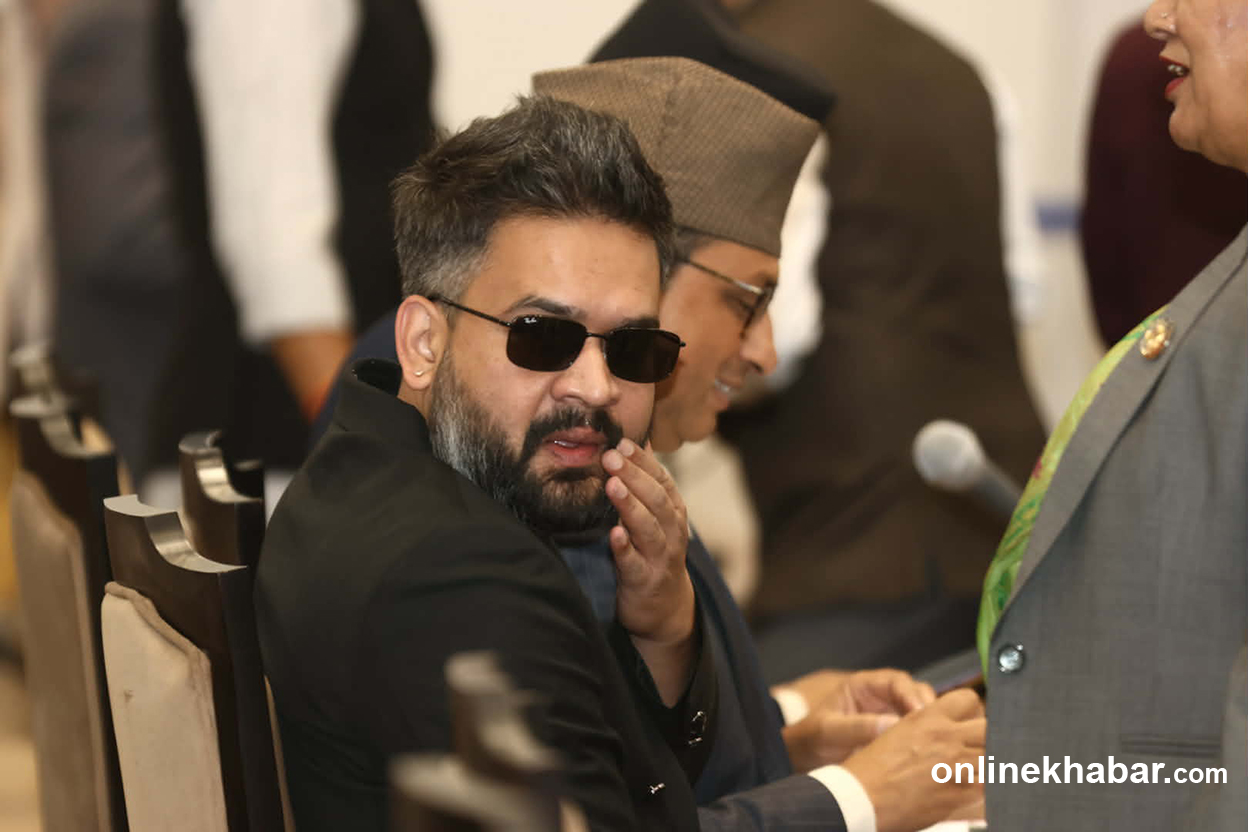
While voters have the freedom to choose whether to vote, some argued that those holding public office must strictly adhere to constitutional provisions, leading to widespread criticism of Shah.
Having been independently elected as mayor, Shah joined the Rastriya Swatantra Party (Raswapa) as a senior leader on the eve of the February 21 elections.
After hearing his electoral speech in Janakpur, many interpreted that Shah’s understanding of government structure had evolved.
Addressing the audience in the Maithili language, he stated Kathmandu should be visited only for leisure or to see Pashupatinath Temple, not solely for work purposes.
Running from Jhapa-5 constituency, Shah refuted the belief that paying salaries to employees weakens the economy, responding to critics who say federalism is costly.
Prior to joining Raswapa, he had met with various leaders including Raswapa Chairman Ravi Lamichhane, Kulman Ghising, and Janajati activists, where he reportedly expressed support for federalism and remarked, ‘This constitution is waste.’
On September 9, during the Janajati (JENJI) movement, videos circulated on Shah’s social media showing him urging protesters to return home and suggesting dialogue with the Chief of Army Staff amid burning of significant structures.
Following the fall of the UML-Congress government, Shah called for the dissolution of the House of Representatives, expressing views when many were unaware of President Ramchandra Paudel’s whereabouts.
After mid-September, debates about the directly elected executive gained prominence, which some say focused chiefly on Shah himself, according to a Janajati activist.
The true core of that debate—whether it reflected rejection of the parliamentary system or Shah’s ambition to become a directly elected president by popular appeal—remains unclear.
Even as mayor, Shah made statements defying court orders and threatening to set fire to the Singha Durbar (government complex). He has frequently missed meetings, including party parliamentary orientation and parliamentary party gatherings at Hotel Tulip.
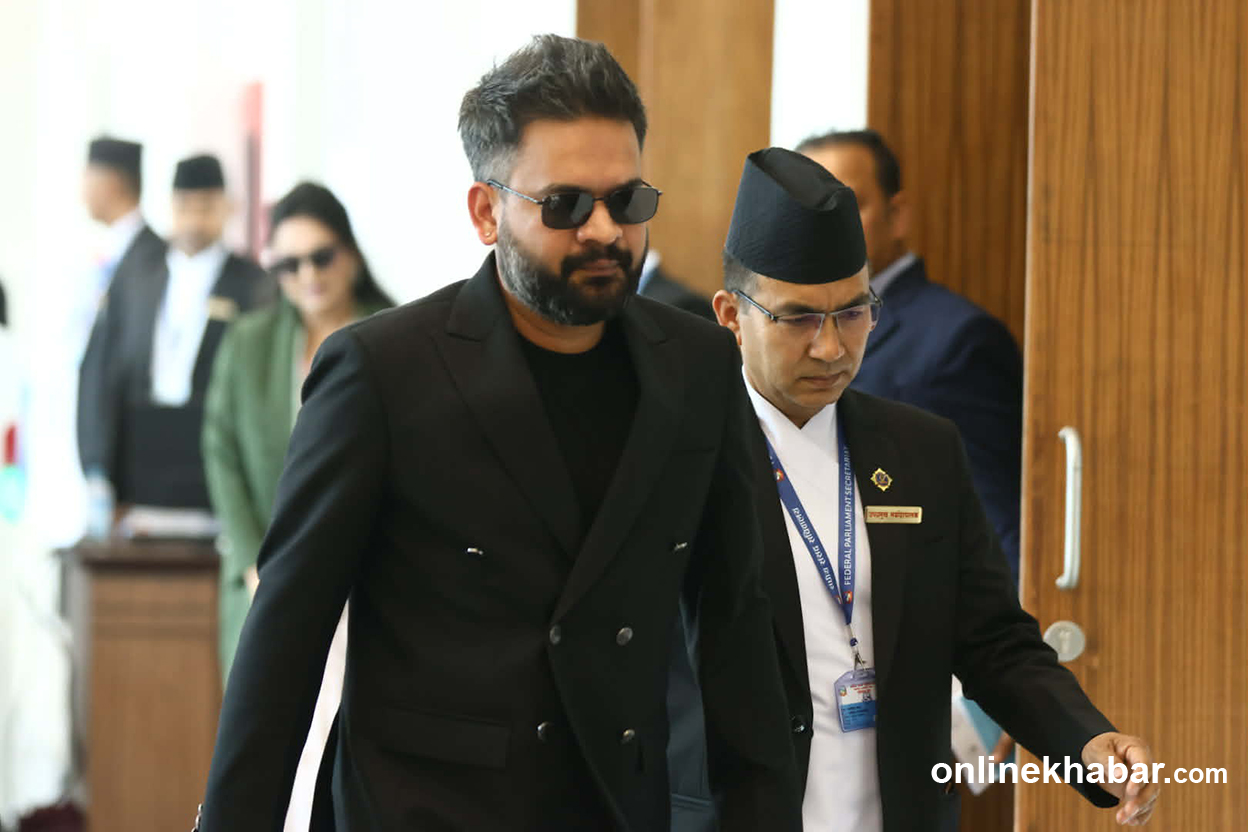
Some argue Shah’s absences stem from his personality traits, but for a Prime Minister, parliamentary sessions are critical and not just routine meetings or informal discussions.
Moreover, he has even refused to attend parliamentary committee meetings, leading to postponement of mini parliamentary sessions.
Experts in parliamentary affairs and constitutional law emphasize that a Prime Minister’s boycott of the very legislature that elected him is far from ordinary. They see his behavior less as a lack of awareness and more an unacceptable attitude.
Furthermore, despite enjoying a large majority in parliament, the government has circumvented elected bodies by amending a dozen laws through ordinances. Past governments have also used ordinances, but they were generally accepted as aligned with constitutional democratic values.
Let us look at how some mature democracies value their parliaments.
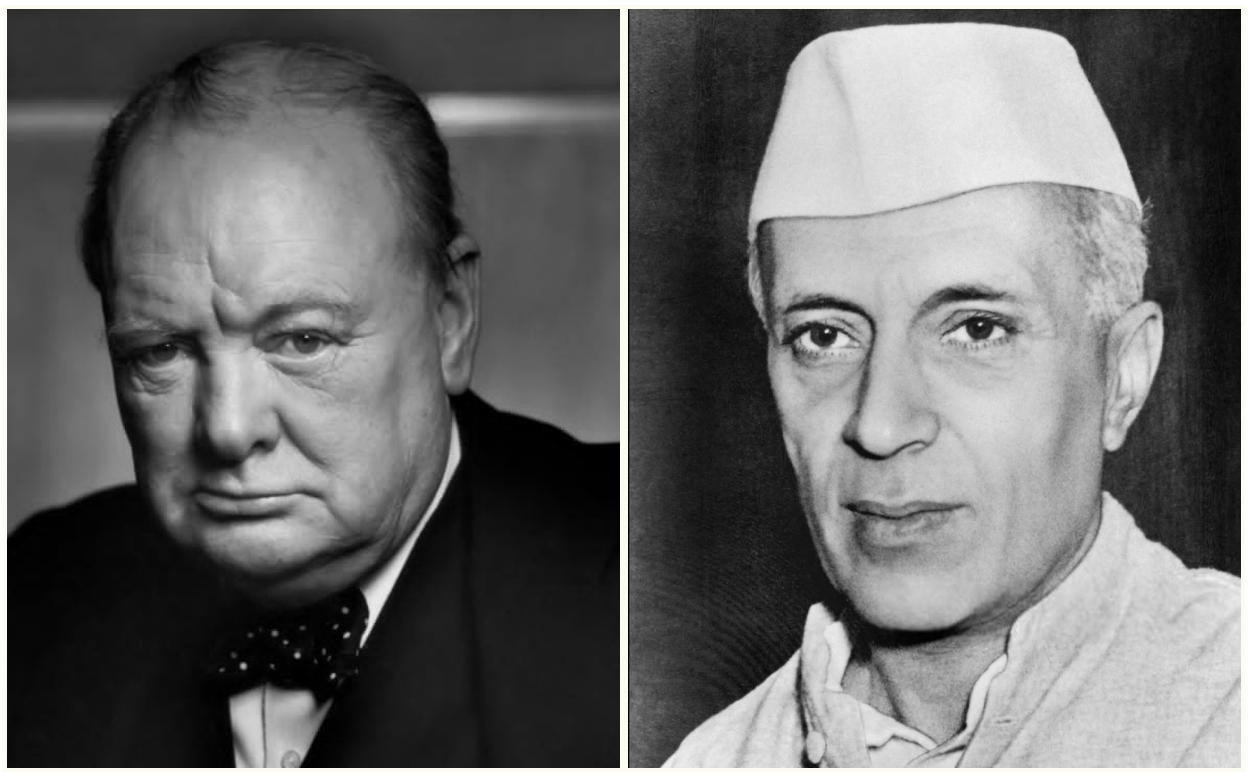
During World War II, British Prime Minister Winston Churchill ensured Parliament continued to function despite bombings and national crises. He regularly attended sessions and gave responses, sending a strong message that parliamentary roles must not be diminished, even in times of war.
India’s first Prime Minister after independence, Jawaharlal Nehru, placed great importance on Parliament, as noted by former President Pranab Mukherjee in his book ‘Nehru and Parliamentary Democracy.’
The book records Nehru patiently enduring long, and at times dull, debates and never skipping parliamentary sessions, even when ill.
During the 1961-62 India-China war, Nehru did not bypass Parliament and made sure he attended sessions despite other engagements, as historic accounts indicate.
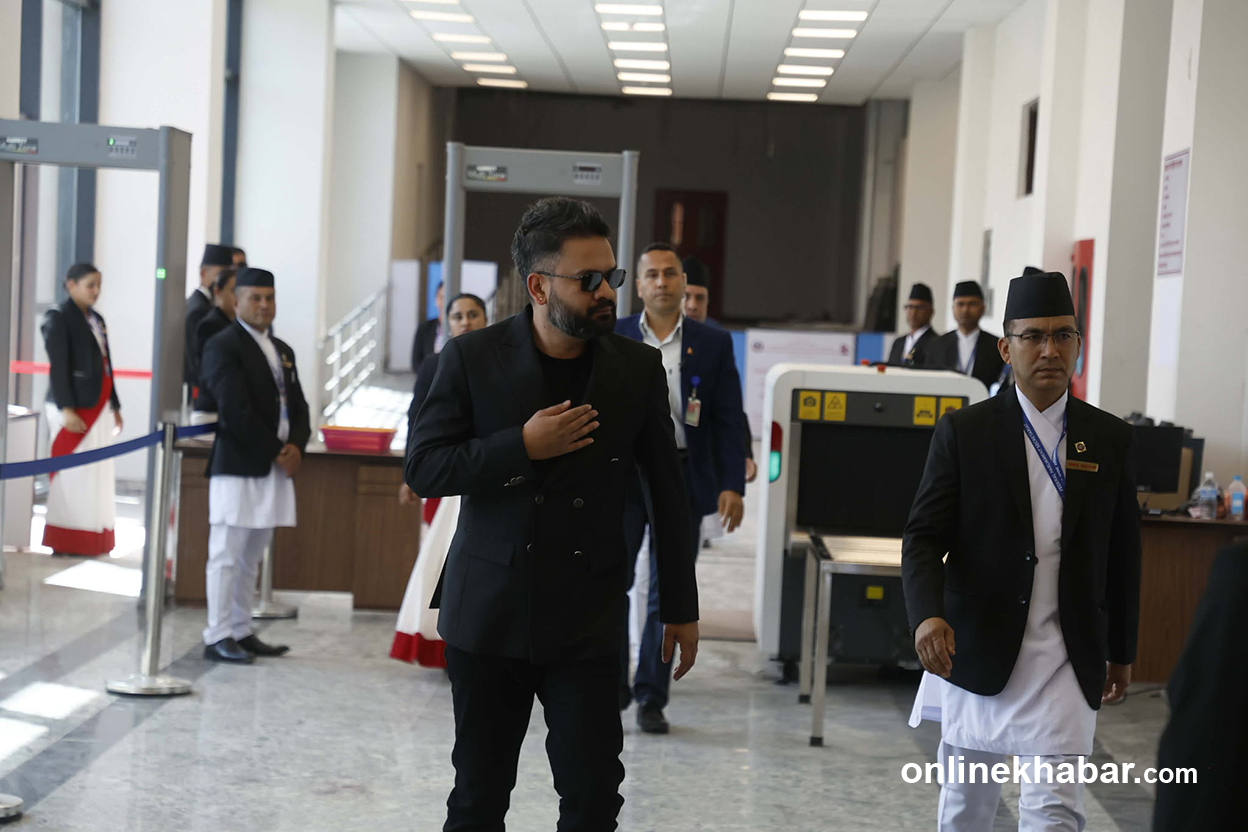
Our former Prime Ministers—K.P. Sharma Oli, Sher Bahadur Deuba, Pushpa Kamal Dahal ‘Prachanda’—also had less than satisfactory parliamentary attendance records, though none were as heavily criticized as the current Prime Minister Shah.
Leader of the Nepali Congress parliamentary party, Bhishma Raj Aangdambe Purana, observes that while previous leaders were not exemplary, current leaders should at least uphold parliamentary dignity and decorum.
He states, ‘Those who view the policy and program as merely rituals or irrelevant cannot expect a bright future for the country under their leadership.’


