Experts Warn of Increased Risk of Death Among Burn Patients Due to Shortage of Water and Specialist Care





Summary
Presented after review.
- In Nepal, the lack of initial treatment and specialist healthcare professionals for burn patients has increased mortality and disability rates.
- The government has planned to establish burn treatment centers in seven provincial hospitals, but staff shortages have hindered service effectiveness.
- Kirtipur Hospital, as the main treatment center for burn patients nationwide, faces challenges due to poor infection control and infrastructure deficiencies.
Kathmandu, Ashadh 35 – Nine-year-old Shishir Ashant remains restless in the burns treatment department at Kirtipur Hospital. His left hand is completely burned, and he suffers pain below his right knee.
Shishir, originally from Ghorahi, Dang, was playing with friends near a site where garbage was being burned when an accidental fire incident occurred on the evening of Baishakh 1.
His mother said, “He got burned after falling into fire near the garbage burning site while playing. His condition was serious initially, but there has been slight improvement now.” After treatment at Rapti Health Science Academy failed to heal his wounds, the family brought him to Kathmandu after a week.
Doctors have stated that due to lack of timely specialist treatment, infection spread and the recovery will take a long time.
Similarly, 24-year-old Renu Pariyar from Ganeshman Charnath Municipality-4, Dhanusha, continues to suffer. On Ashwin 27, 2079 BS, she was cooking when she fainted and was scalded by boiling water on her face and left hand, which led to amputation of her left hand.
Though initially treated at Janakpur Provincial Hospital, her condition worsened and she was transferred to Kirtipur Hospital. Treatment delays resulted in the necessity to amputate her hand.
Her treatment cost approximately NPR 900,000. Delays in treatment and financial hardship further complicated the situation.
The government has allocated a budget to establish burn treatment centers and expand services at BP Koirala Institute of Health Sciences, Narayani Hospital, Bir Hospital, Pokhara Health Science Academy, Bheri Hospital, Karnali Health Science Academy, and Seti Provincial Hospital. However, shortages in staff have impeded effective service delivery.
Due to financial constraints and limited hospital capacity, many patients have failed to receive adequate treatment and have faced fatal outcomes.
Kirtipur Hospital is a principal center for burn patients from across the country, but most patients come from districts outside Kathmandu, leading to delays in treatment.
The mortality rate for burn patients in Nepal remains high. In developing countries, shortages of specialists and necessary infrastructure contribute to increased deaths among burn victims.
The lack of water and saline solutions for primary treatment disrupts the healing process, adversely affecting vital organs and increasing complications.
According to Senior Plastic Surgeon Dr. Shankaram Rai of Kirtipur Hospital, many patients die en route to the hospital or during childbirth because they do not receive adequate initial care. Insufficient fluids impair blood circulation, raising mortality rates.
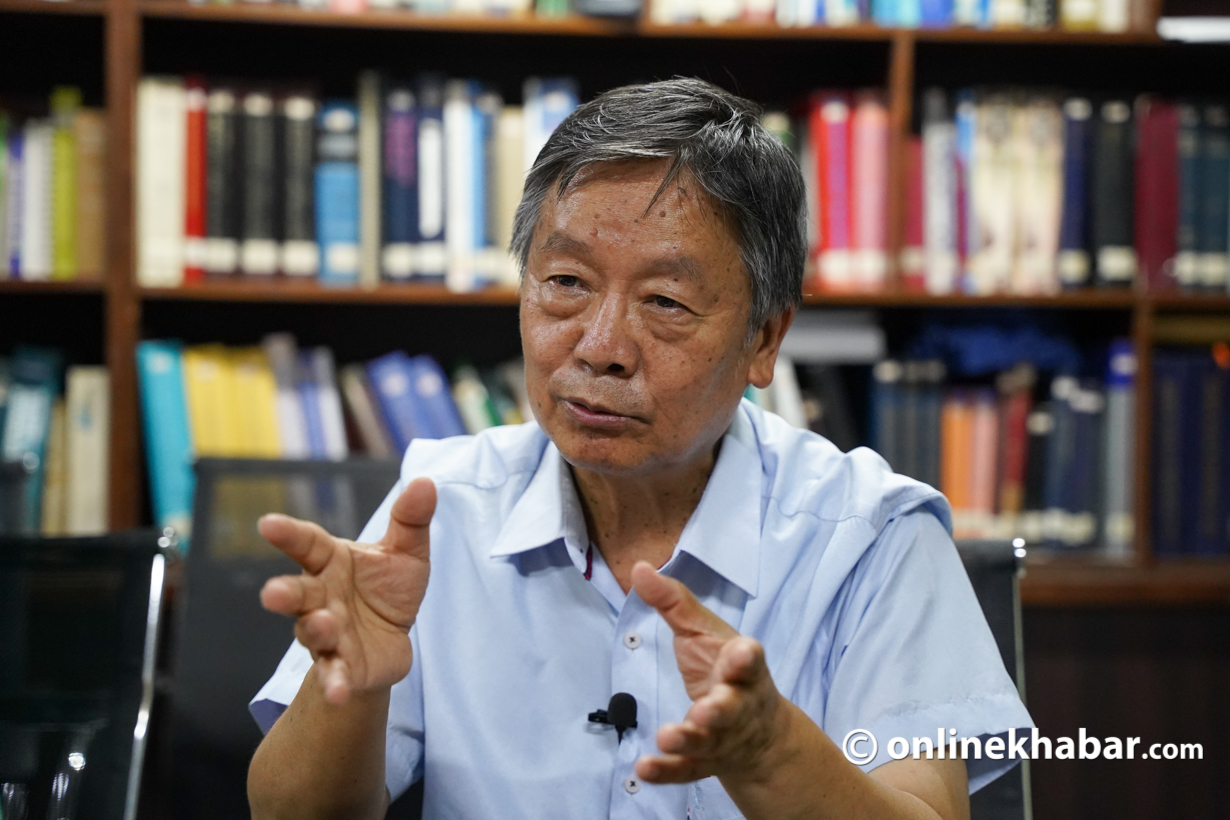
Dr. Rai explained, “A patient weighing 60 kilograms with a 50% burn needs at least 12 liters of fluid within the first 24 hours.” However, many patients do not receive that volume of fluids.
The lack of primary treatment causes many patients to die before receiving proper care or during delayed treatment.
Modern burn treatment centers require not only plastic surgeons but also infectious disease specialists, trained nursing staff, and sanitation workers. Yet, shortages of these professionals have obstructed service delivery.
Doctors have also pointed out that inadequate infection control has resulted in many patients dying from severe infections.
Nepal has very few plastic surgeons, most concentrated in Kathmandu. Efforts to train general surgeons in burn care continue, but shortage of skilled personnel remains unresolved.
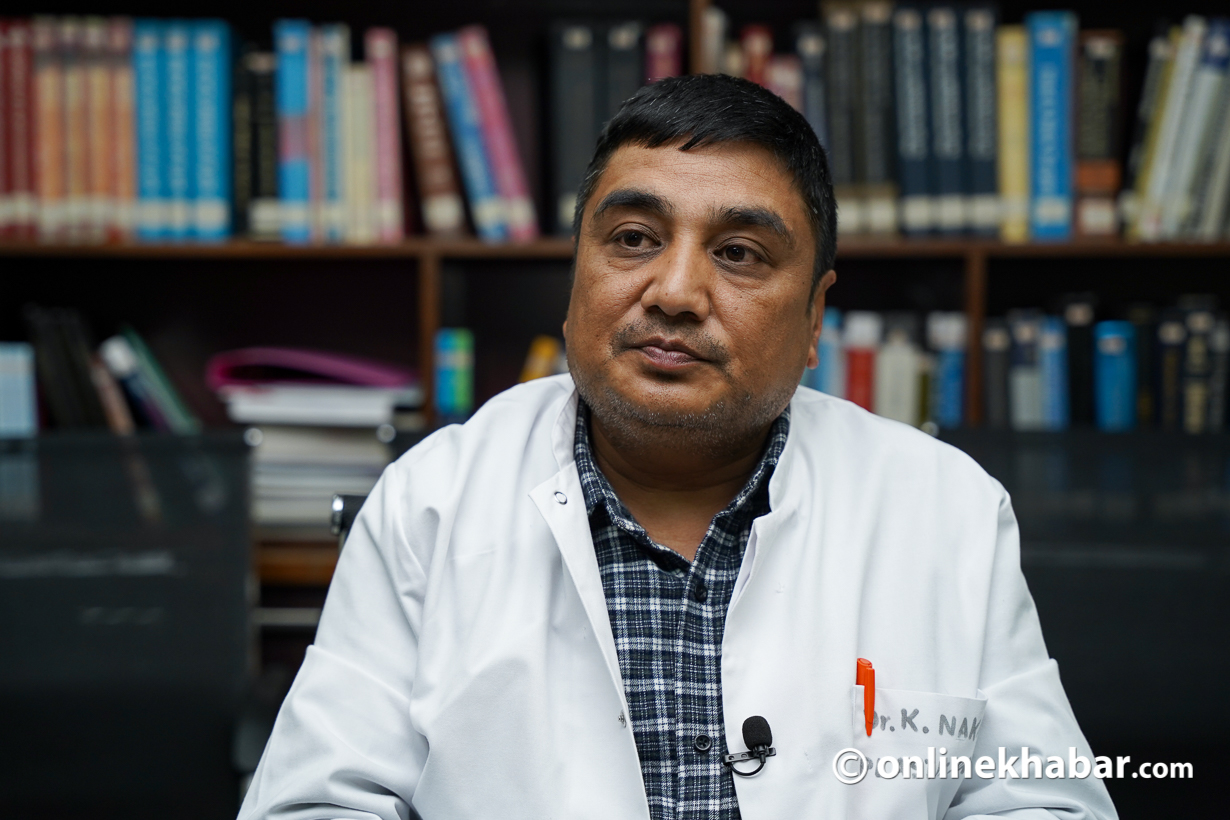
Dr. Piyush Dahal noted that while some training programs have begun to address the weakness in primary treatment, comprehensive implementation remains limited. He also stated that the practice of referring patients immediately to tertiary hospitals post-initial treatment has complicated care further.
Specialists emphasize the need to sustainably operate such services at the provincial level and establish internationally recognized burn treatment centers.
Kirtipur Hospital began burn treatment services in 2014, and patient numbers have risen significantly. However, doctors report that existing infrastructure and staffing struggle to meet the increasing demand.
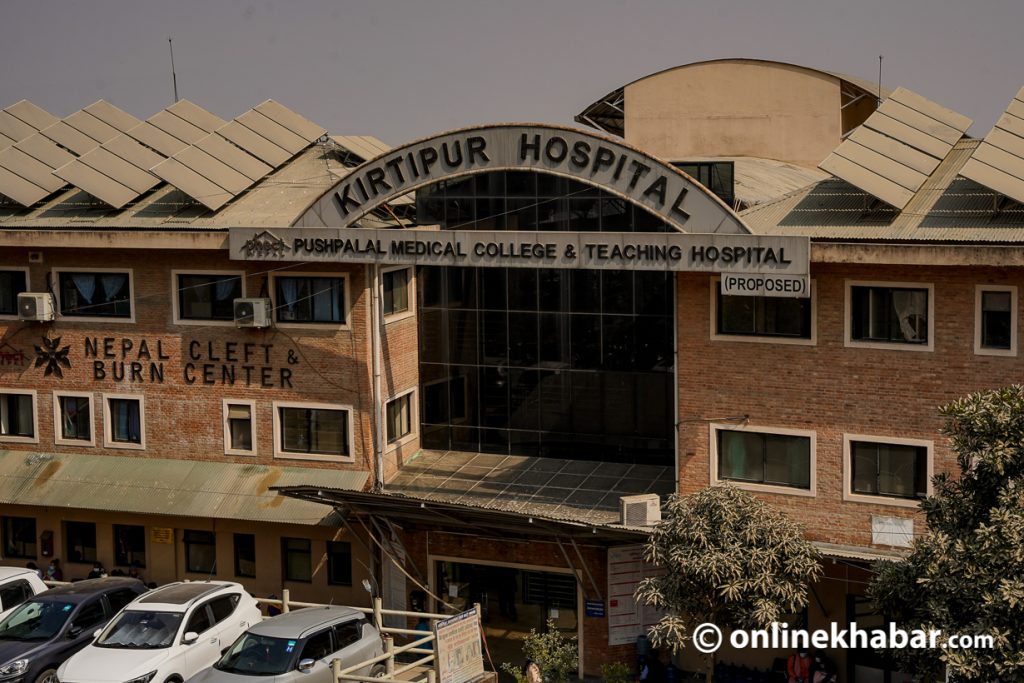
Due to the need to accommodate both burn and other patients within the same emergency ward in Kirtipur, the risk of infection has increased, worsening patient conditions.
Dr. Rai said that the lack of adequate physical infrastructure prevents isolating patients, raising the threat of infection spread.
Insufficient infrastructure, shortage of specialist staff, inadequate infection control coordination, and ineffective primary care contribute to persistently high mortality among burn patients. Although the government is working to improve the situation, significant challenges remain.


