Which Government Bodies Will Be Dissolved, Integrated, Transferred, and Restructured?





News Summary
- The government plans to dissolve, integrate, transfer, and restructure 55 burdensome and ineffective federal government bodies.
- The cabinet has approved the implementation of the report submitted by the task force led by Kiran Sharma.
- Finance Minister Dr. Swarnim Wagle estimates that this initiative will save the government about 2 billion Nepalese rupees.
May 3 (Jestha 20), Kathmandu – The government is preparing to dissolve, integrate, transfer, and restructure 55 burdensome and ineffective government bodies at the federal level.
According to the study task force report, 25 agencies will be dissolved, 6 agencies integrated, and 6 agencies transferred to provincial governments. Additionally, preparations are underway to restructure 18 organizations as outlined in the report submitted to the Prime Minister and the Council of Ministers.
The government’s ongoing 100-point agenda includes provisions to form a committee to evaluate ineffective, redundant, and financially burdensome boards, committees, plans, and structures. At the federal level, structures deemed unnecessary will be classified for dissolution, integration, transfer, or restructuring.
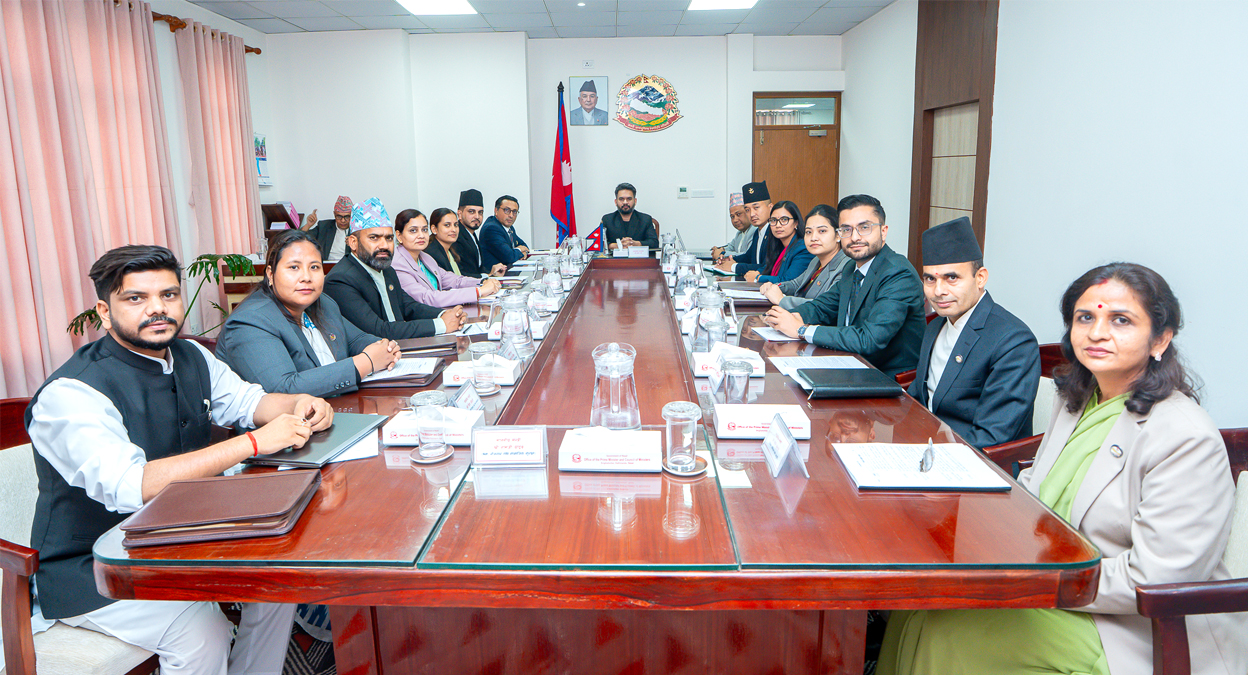
Accordingly, a task force led by Kiran Sharma, Secretary at the Prime Minister’s Office, was formed to study these needs and submit a report to the government.
Some recommendations of the task force have already been implemented, while others are in progress.
At the joint session of the Federal Parliament last Friday, Finance Minister Dr. Swarnim Wagle highlighted the task force report and announced plans to simplify these burdensome government structures.
He stated that 31 bodies will be dissolved, 6 integrated, and 6 transferred to provincial and local levels, estimating savings of approximately 2 billion Nepali rupees from this initiative.
Prime Minister’s Office spokesperson Hemraj Aryal confirmed that the cabinet has authorized the implementation of the study task force report.
“The report has already been submitted to the cabinet, and a decision has been made to implement it,” Aryal said. “Relevant ministries will implement the report within their respective agencies.”
Agencies to Be Dissolved
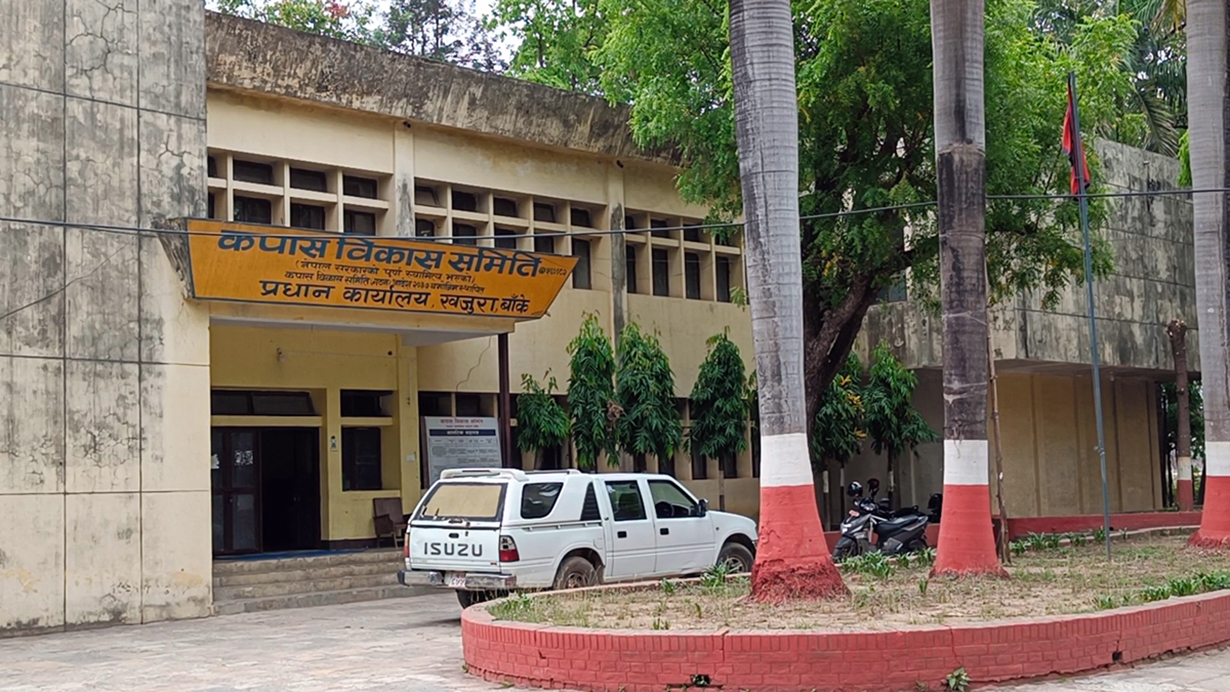
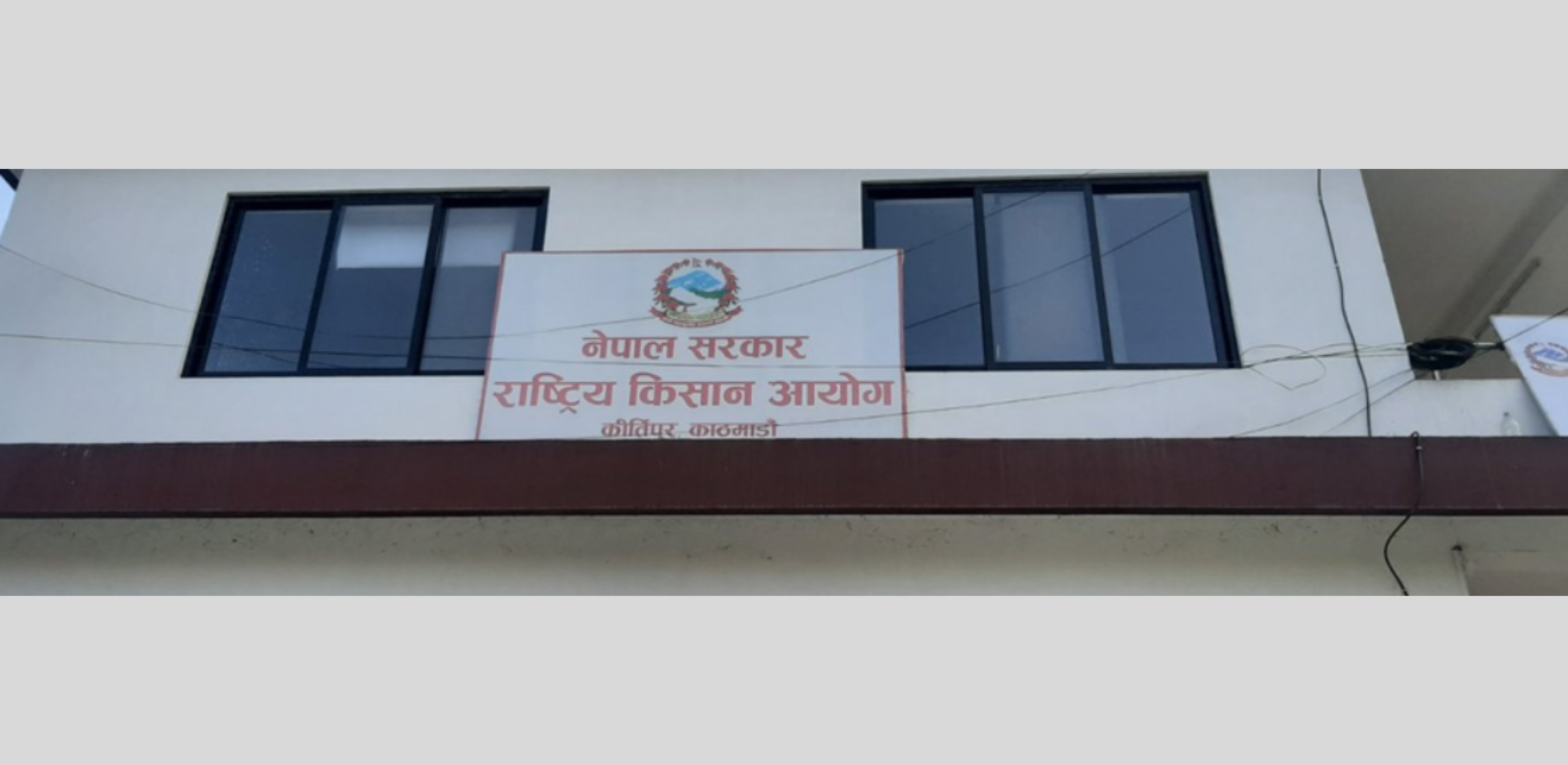
The government plans to dissolve the Cotton Development Committee, established by order of the Development Committee. Similarly, the Livestock Development Farm Operations Fund and the National Farmers Commission will also be dissolved.
The Minimum Wage Determination Committee, formed to establish a permanent structure for journalists’ remuneration, is also slated for dissolution. Related provisions of the Labor Journalist Act will be amended accordingly.
The Central Project Unit, responsible for educational structures and established two years ago after the earthquake’s tenth anniversary—with an extended mandate until Baishakh 25 (April 8)—will also be dissolved.
The government plans to dissolve infrastructure development committees for Bardibas Medical College, and the infrastructure projects of Butwal and Surkhet Medical Colleges.
The Infrastructure Development Unit and the Kaligandaki-Tinau Multi-purpose Diversion Project will also be dissolved. Although the project intended to divert water from the Kaligandaki to the Tinau River to generate electricity, it will be discontinued.
The Dangerous Landslide Management Project, Livestock and Integrated Crop Management Program, and Water Resource Conservation Project will also be dissolved.
The Local Development Training Institute is also included in the dissolution list.
The task force recommended dissolving the Minority Community Upliftment Development Committee, the Marginalized, Backward, and Dalit Class Upliftment Development Committee, and the Backward Communities Upliftment Development Committee.
The units implementing Chure Conservation Plans and Programs will also be dissolved, as these temporary structures were established for seven years and have exceeded their designated timeframes.
The Central Law Library Development Committee under the ministry and the waterways projects under the Ministry of Physical Infrastructure will also be dissolved. The Land Development Recycling Fund and Municipal Development Committees under the Ministry of Urban Development will be dissolved as well.
The Social Welfare Council and National Child Rights Council are on the dissolution list, along with the International Cricket Ground and Sports Village Infrastructure Development Committee under the Youth Minister in Dhangadhi, Kailali.
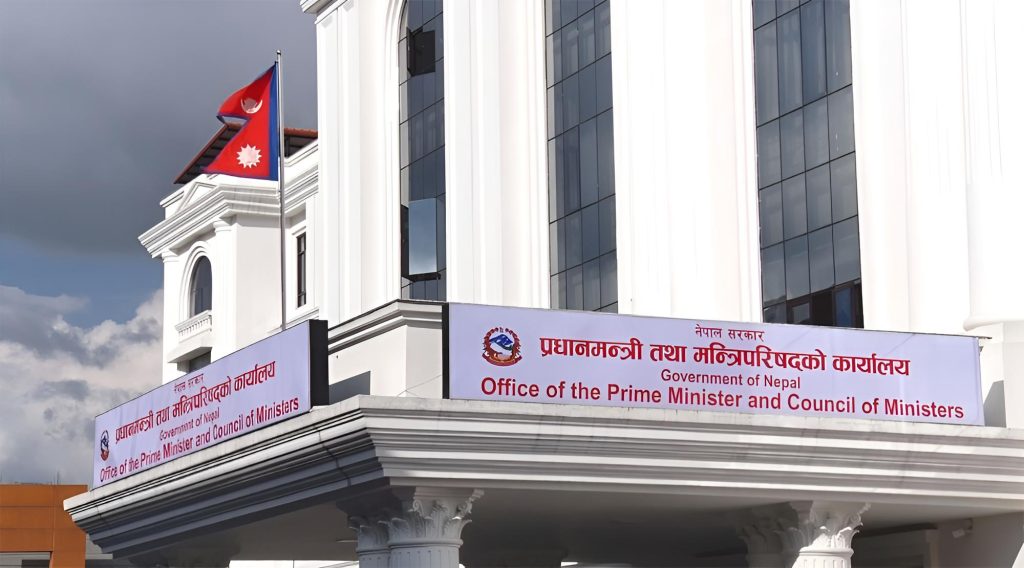
According to spokesperson Aryal, the ministries concerned will manage the assets, liabilities, and staff of the dissolved agencies. Ministries will also facilitate the adjustment of two or more agencies as needed.
Many Bodies to Be Integrated
The government is preparing to integrate several dozen government bodies. The decision to integrate the Nepal Mountain Training Academy and Nepal Tourism and Hotel Management Academy was made on Baishakh 11 (April 24).
The Nepal Intermodal Transport Development Committee and Nepal Transport and Warehouse Limited will also be integrated. Some agencies under the Kathmandu Valley Development Authority will also be merged. Funds such as the Women’s Self-Reliance Fund are included in this plan.
Three agencies managing Kathmandu’s water supply will be consolidated.
The Kathmandu Valley Drinking Water Management Board, Kathmandu Valley Drinking Water Limited, the central office of the Water Supply Department, and the Water Tariff Determination Commission will be integrated.
The task force report states, “A Kathmandu Valley Drinking Water Authority will be formed to manage the overall water supply of the valley.”
The Youth and Small Entrepreneur Self-Employment Fund and Industrial Business Development Institution will also be integrated.
Agencies to Be Transferred
The Terai Madhesh Prosperity Program will be transferred to Madhesh Province. The Koshi Regional Hospital Development Committee, Sagarmatha Regional Hospital Development Committee, and Narayani Regional Hospital Development Committee will also be transferred.
Various road projects will be handed over. Federal-level provincial road projects will be transferred to provincial governments.
Roads such as Butwal Link Road, Lele–Chandanpur–Thuladurlung Road, Damak Gauradah Gauriganj Link Road, and Dadeldhura Link Road will be transferred.
Offices related to water supply and sewerage management will also be transferred. More than half a dozen water supply schemes have already come under provincial governments.
Approximately Fifteen Agencies to Be Restructured
The government plans to restructure nearly fifteen agencies, including the Kalimati Fruit and Vegetable Market Development Committee, National Tea and Coffee Development Board, National Dairy Development Board, and National Agricultural Modernization Program.
The Large Janakpur Area Development Council and Buddhist Philosophy Promotion and Monastery Development Committee are also on this list.
Several projects, programs, and offices under the Ministry of Energy will be restructured.
The Sunbinayak National Zoological Park under the Ministry of Forests and Environment and Bhanubhakta Zoological Park in Tanahun will also undergo restructuring. The task force has recommended restructuring projects of the Forest Product Development Committee.
About six medical education development institutions are also planned to be restructured.
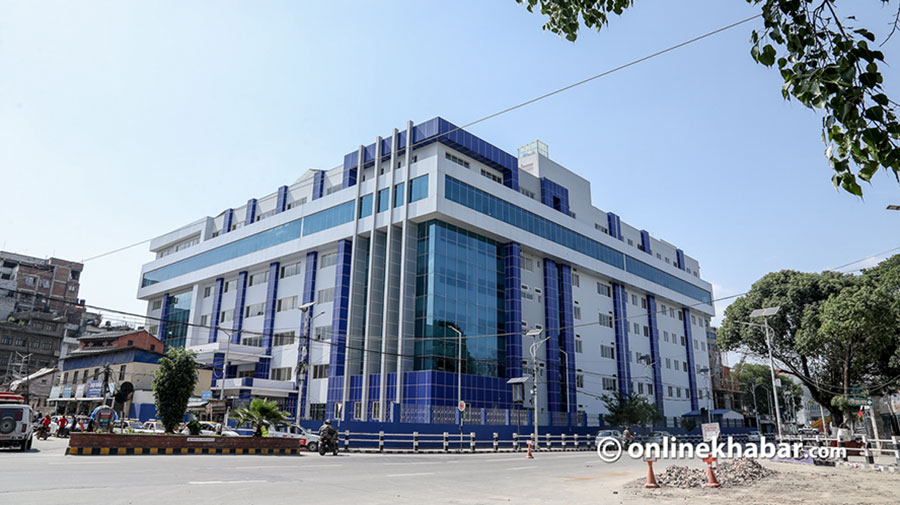
The Medical Science National Institute operated by Bir Hospital, B.P. Koirala Health Science Institute, Patan Health Science Institute, Karnali Health Science Institute, Pokhara Health Science Institute, and Rapti Health Science Institute will be restructured.
The Insect-borne Disease Research and Training Center Development Committee is also planned for restructuring. Under the Ministry of Industry, the Trade and Export Promotion Center; under the Ministry of Labor, the Foreign Employment Board; under the Ministry of Law, the Law Library Management Committee; under the Ministry of Physical Infrastructure, the Rail Board; and under the Ministry of Federal Affairs, the National Indigenous Upliftment Institute are also slated for restructuring.
Two months ago, the government announced its 100-point roadmap, which included a comprehensive evaluation of existing boards, committees, plans, and institutional structures to dissolve, integrate, or restructure as needed.
The task force led by Secretary Sharma included members from the Ministries of Finance, Industry, Commerce, and Federal Affairs.
According to Prime Minister’s Office spokesperson Hemraj Aryal, during implementation, the relevant ministries will handle legal amendments, human resource management, and property management. In some cases, if ministries cannot decide, further cabinet approval may be required.


