Nepal’s Budget 2083/84: What Kind of ‘Receipt’ Do You Get When Paying VAT and What Are the Benefits?





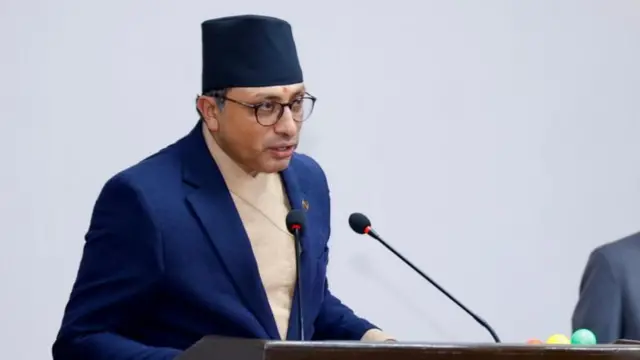
Photo source: RSS
The government is preparing procedural guidelines to implement a new lottery system, announced in the latest budget, to encourage consumers to obtain VAT bills. This system is set to be launched from the upcoming month of Shrawan, according to officials.
Finance Minister Swarnim Wagle provided details about this lottery plan during his budget speech on Jestha 15 for the fiscal year 2083/84.
To implement the plan, the Internal Revenue Department’s Director, Shiva Sharma, is drafting guidelines focusing on which types of purchases and services will be included, how results will be determined, and how to incorporate remittance senders into the scheme.
Officials say the government’s initiative will improve transaction transparency and promote consumer awareness, which is expected to lead to a significant annual increase in government revenue.
However, a former senior director of the department expressed concerns that despite the plan’s benefits, implementation may face challenges.
In previous years, consumers rarely demanded VAT bills when purchasing goods or services, and sellers were often reluctant to provide them, the Ministry of Finance explained as the motivation behind introducing this plan.
Officials expect a rise in the habit of obtaining VAT bills and an expansion of the tax base once the plan is implemented.
Why a Lottery?
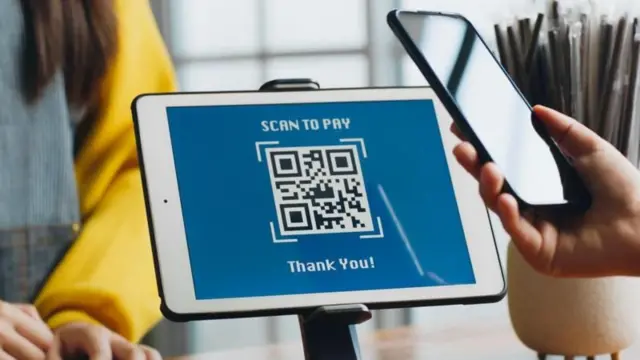
Photo source: Getty Images
Although VAT bills are required by law when purchasing goods and services in Nepal, their implementation has not been adequately enforced in practice.
In such cases, when customers make an effort to ask for VAT bills and businesses comply, transactions become more transparent, which will introduce greater accountability in financial records, said Amrit Lamsal, spokesperson for the Ministry of Finance.
“The goal of this plan is to cultivate a culture that encourages people to collect VAT bills,” Lamsal explained.
“Additionally, remittances sent from abroad must be routed through formal channels and will be rewarded under the scheme, which should reduce informal and unofficial practices like hawala.”
He noted that the government is also preparing to include remittance senders in this lottery plan, just like those who obtain VAT bills.
Procedure

Photo source: Getty Images
The Internal Revenue Department has announced that initially, the lottery system will include transactions conducted through online platforms starting from the next fiscal year.
“By encouraging online transactions and the habit of collecting bills, the system will automatically convert entries into a lottery system, awarding one person NPR 100,000 daily,” Director Sharma explained.
“We are developing detailed procedural guidelines after addressing additional technical aspects.”
The department aims to start this system with online payments for easier management and adjustment of transactions.
“Those making payments online will be automatically included in the lottery system. This is a fully paperless concept,” Director Sharma added.
“Currently, there is also a policy where consumers receive 10% of the VAT they pay back when paying online, and this will be integrated within the rules. This enables tracking of consumers within the lottery plan.”
The plan includes collecting the transaction list within approximately 24 hours and publishing lottery results online at a set time, the director stated.
One major issue affecting Nepal’s revenue collection is the prevalence of transactions without bills.
Because fewer customers ask for bills while purchasing goods or services, business owners often hide their sales, officials added.
According to the government plan, once receipts are provided, consumers themselves will compete to ask for bills, which will support revenue collection efforts, officials said.
Past Experience
In 2008 (2065 BS), the Internal Revenue Department also ran a special program to raise consumer awareness and promoted a VAT bill campaign.
Teams were deployed across various markets to monitor whether consumers asked for bills.
However, officials noted that due to the campaign’s limited duration, maintaining implementation was challenging.
“The government’s plan is excellent, but the key point is that sellers must be mandated to provide VAT bills,” said former director Tankamani Sharma of the department.
“Once bills are made mandatory internally, there will be a substantial automatic increase in revenue.”
The Internal Revenue Department said that due to technological advancements, this time the plan will be more user-friendly and effective.
The Nepali service is also available on YouTube. To watch our videos and subscribe to our channel, click here. You can also follow us on Facebook, Instagram and Twitter. The Nepali service airs Monday to Friday at 8:45 PM on radio.


