




News Summary
Prepared after editorial review.
- Bird flu has spread to 10 districts in Nepal, leading to the culling of 479,156 poultry birds so far.
- The outbreak has caused over 5 billion NPR in economic losses, with the government preparing around 4 billion NPR in relief for farmers.
- Director General Dr. Umesh Dahal stated, “There is no effective treatment or vaccine; therefore, culling infected birds remains the primary method.”
May 5, Kathmandu – Bird flu infections have been reported across various regions of the country for nearly two months. Originating in Koshi Province during the first week of Chaitra, the bird flu has affected 55 commercial farms across 10 districts so far.
According to the Department of Livestock Services, bird flu has been detected in Sunsari, Morang, Kathmandu, Jhapa, Chitwan, Lalitpur, Bara, Bhaktapur, West Nawalparasi, and Mahottari districts.
The first confirmed cases were on March 17 in Sundarharaicha-4 and Urlabari-8 of Morang district in Koshi Province. Initially concentrated in Koshi, the outbreak has gradually spread to other parts of the country.
As per data until May 1, infections in Koshi have somewhat come under control; however, the situation in Kathmandu Valley has become more challenging.
Confirmed infections have been reported in commercial layer farms and local poultry within Kirtipur, Chandragiri, Gokarneshwor, Godawari, and Suryabinayak areas of the valley.
On May 3, sudden deaths of poultry in Wards 1 and 9 of Changunarayan Municipality, Bhaktapur, led to sample collection and testing at the Central Veterinary Disease Investigation Laboratory in Tripureshwor, where bird flu was confirmed.
So far, 479,156 poultry birds, 694,193 eggs, and 182,775 kilograms of feed have been destroyed in infected areas.
The greatest losses occurred in Sunsari, where 285,564 birds and 427,580 eggs were culled. In Morang, 101,860 birds and in Kathmandu, 39,481 have been destroyed.
In Jhapa, four farms lost 20,090 birds, 97,450 eggs, and 10,465 kilograms of feed, while one farm in Chitwan culled 18,863 birds.
In Lalitpur, three farms destroyed 9,730 birds, 3,150 eggs, and 3,700 kilograms of feed. One farm in Bara culled 2,865 birds, 4,127 eggs, and 3,125 kilograms of feed.
Less affected districts include two farms in Bhaktapur with 417 birds culled, one farm in West Nawalparasi with 208 birds and 100 kilograms of feed destroyed, and one farm in Mahottari with 78 birds destroyed.
Heightened vigilance, regular monitoring, and disinfection efforts are ongoing in these areas to prevent further spread.
Department Director General Dr. Umesh Dahal confirmed that while infections outside the valley have been somewhat contained, cases continue to rise in local and commercial farms within Kathmandu Valley.
“The infection is continuously spreading in parts of Kirtipur, Chandragiri, Gokarneshwor, Godawari, Suryabinayak, and some areas of Bhaktapur,” he said.
Dr. Dahal added, “Recently, infections have increased in local and semi-commercial poultry farms within the Kathmandu Valley. We are deploying teams to contain the outbreak.”
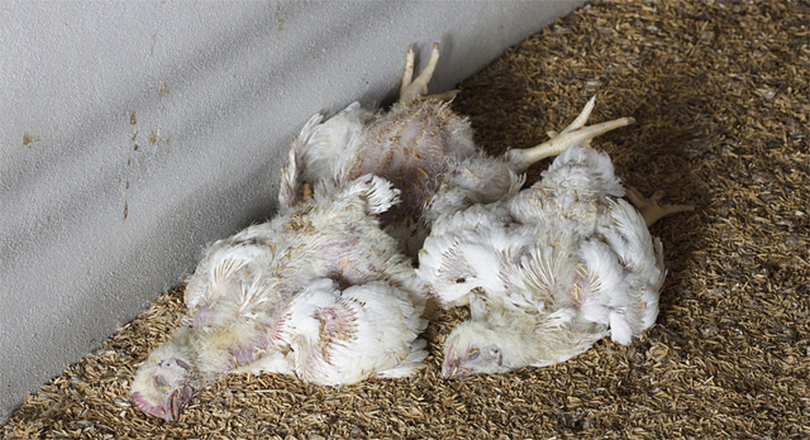
Losses Exceed 5 Billion NPR; Relief Prepared for Farmers
According to Dr. Dahal, the direct economic loss due to bird flu has totaled approximately 5 to 6 billion NPR. The government is planning to provide relief amounting to approximately 4 billion NPR—75% of the cost price—to affected farmers as per the 2078 Relief Standard. In addition to the large losses in commercial farms, indirect economic impacts have reached billions more.
“Bird flu has caused significant damage to the poultry sector, so the government is preparing relief packages for affected farmers,” Dr. Dahal affirmed.
“The direct losses are estimated at over 5 billion NPR, and we have planned to compensate 75% of the cost price, around 4 billion NPR,” he added.
Containment Without Treatment or Vaccine Remains Priority
Since no effective vaccine or treatment is currently available, the department holds that culling infected poultry is the most effective control measure.
Rapid deployment of response teams is underway to destroy infected birds and other poultry materials in affected zones. Farmers have been urged to strictly adhere to biosecurity measures.
Dr. Dahal emphasized, “Due to the absence of treatment and suitable vaccines, infected birds must be promptly culled to prevent virus spread. Our teams are deployed at any time as needed.”
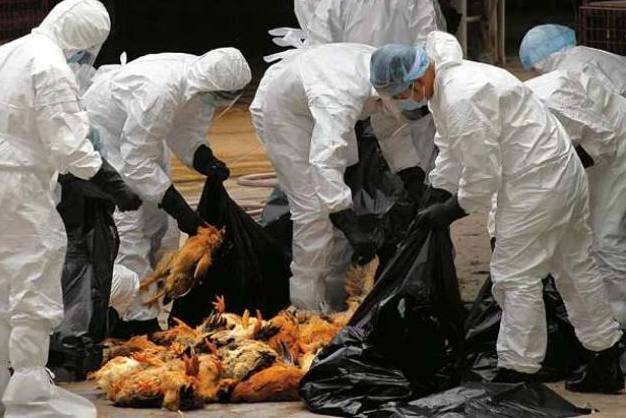
The department has identified reuse of egg crates without disinfection and poor farm hygiene as key contributors to the infection’s spread, urging farmers to strictly follow biosecurity protocols.
Proximity to large trees inhabited by wild birds, wetland areas near farms, and lapses in biosecurity are considered significant risk factors.
Furthermore, the department concluded that the failure to disinfect reused egg crates and inadequately protected field staff have exacerbated the transmission.


