



Google has officially launched its latest mobile operating system, Android 17, along with the final version of Wear OS 7 designed for smartwatches.
As usual, the new software update is first available on Google’s own Pixel smartphones. In the June 2026 “Pixel Drop” update, Google has prioritized integrating its new artificial intelligence models directly into the phones.
These AI models include music creation tool Lyria 3, the multimedia-capable Gemini Omni, and AudioLM technology.
This update highlights Google’s AI-focused strategy. While Apple is preparing to upgrade Siri with iOS 27 in September, Google has already delivered advanced AI features for creativity and communication through Android 17.
Under the new Pixel Drop, the ‘Quick Share’ feature in Android has been enhanced on older Pixel 8a and 9a models to offer functionality similar to Apple’s AirDrop. Users can leverage the Lyria 3 assistant within the Gemini app to effortlessly create songs or music by voice commands or uploading photos.
With Gemini Omni, users can edit videos while chatting. Moreover, real-time speech-to-speech translation on Pixel 10a devices has become more efficient.
Numerous new features have been added to Android 17 for daily use and entertainment. Social media users and content creators will find the ‘Screen Reaction’ feature particularly useful, as it allows the front selfie camera to record the user’s face and reactions while screen recording is in progress.
This technology will significantly aid video creation on platforms like TikTok, YouTube, and Instagram. To enhance multitasking, a new ‘Bubble Bar’ has been introduced at the bottom of the screen, displaying recently used apps as small bubbles, allowing users to operate multiple apps seamlessly.
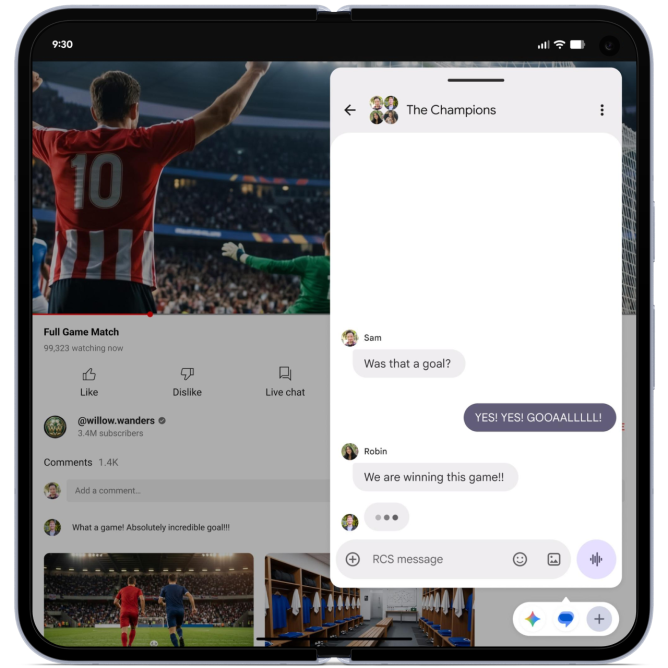
A new gaming mode has been introduced for foldable phones that splits the screen into two, dedicating one half to gameplay and the other half to a dynamic gamepad. Additionally, Google has globally rolled out the “Take a Message” feature, allowing callers to leave outgoing audio messages in their own voice if the recipient does not answer.
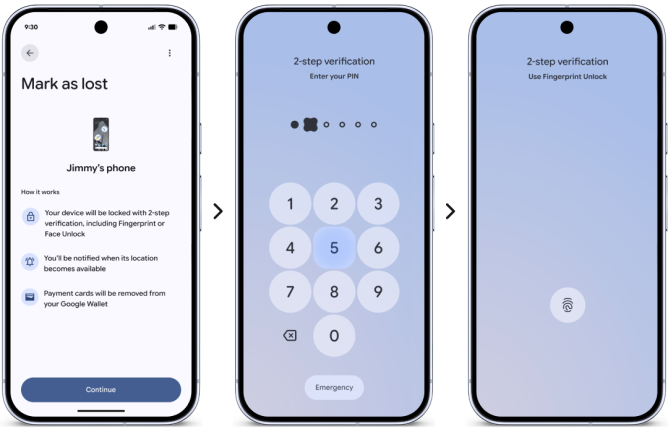
Android 17 also brings significant enhancements in security and parental controls. Google’s Find Hub now includes a “Mark and Lost” feature that prevents anyone from unlocking a lost phone without biometric authentication. The new “Live Threat Detection” automatically blocks suspicious apps and scam calls. Moreover, parents can set up screen time limits and content filters on their children’s phones using a PIN code, without linking Google accounts.
Similarly, Wear OS 7, unveiled for smartwatches, transforms the Pixel Watch into a life-saving device. If the watch detects car accidents, serious falls, or an absence of the user’s heartbeat, it immediately contacts emergency services and designated close contacts.
Later this year, Wear OS 7 will also integrate Gemini’s “Personal Intelligence” feature, which creates new widgets on the watch screen based on user demands, acting as a personalized assistant drawing from Google apps and chat history.
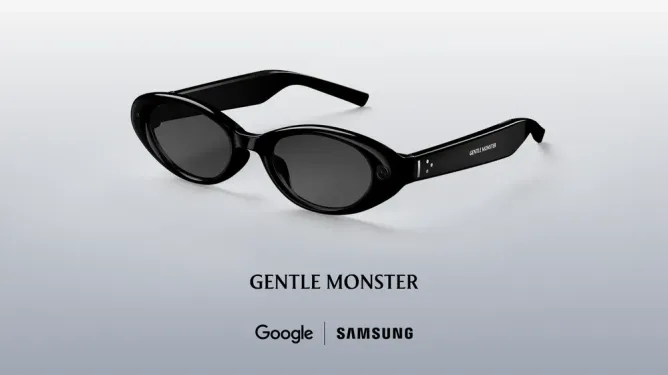
According to Google, the new Wear OS will improve the watch’s battery life by 10% and enable live updates from the phone to be displayed directly on the watch screen.


