



Even after two decades since the Comprehensive Peace Accord, transitional justice in Nepal remains incomplete. Much has changed: the Bagmati River has flowed endlessly, political upheavals have come and gone, yet the state has failed to address the most sensitive issue—the justice for survivors of wartime sexual violence. Out of around 80,000 conflict-related complaints, more than 4,000 pertain to sexual violence, with stories that can deeply affect anyone’s mental well-being.
For over 20 years, many survivors have not even been officially recognized, and they continue to confront the double stigma of society while battling severe health issues like cancer, uterine prolapse, and depression. Some have lost their lives in the hope of justice and treatment, while many others are still waiting.
Against this delicate background, a special discussion took place on the “International Day for the Elimination of Sexual Violence in Conflict” (June 19). The conversation focused on how to expedite justice, provide immediate medical care, and improve the functioning of the commission. Parliament Hearing Committee Chair Bodhnarayan Shrestha, Truth and Reconciliation Commission Secretary Nirmala Adhikari Bhattarai, and survivor Devi Khadka shared their insights.
Let’s begin with Devi Khadka. What is the status of survivors like you in a democratic state? How does the government recognize you?
Devi Khadka: Since 2015, marking this day has inspired survivors to regain their self-esteem. Sexual violence is an ugly reality within human societies, and everyone should work toward a society free from it. However, even after 20 years in Nepal, survivors have yet to receive a clear and official recognition.
Has there really been no recognition or justice for 20 years?
Devi: Yes, the state has not only ignored us, but societal stigma has inflicted even greater pain. Recognition itself is a form of justice, but society blames us, accusing us of ‘ruined character.’ The stigma causes more suffering than the incident itself. That is why we demand acknowledgment and identification from the state.
Where has the state failed in providing recognition for 20 years?
Nirmala Adhikari Bhattarai: Sexual violence is a violation of human rights, but a suitable environment to address it within transitional justice has not been created. Amendments made last year brought slight improvements, allowing survivors to register complaints with the commission. Nonetheless, many challenges remain.
Was this issue not included in previous laws?
Nirmala: It was included legally, but there was no environment where women could speak out with confidence. That’s why many remained silent. The situation is changing now, leading to more complaints being filed.
How have survivors become empowered to demand justice?
Nirmala: Many survivors came together at the village level to collect complaints, and a collective voice builds trust. The state amended the law and the collective demand resulted in some improvements now.
What progress has been made when clear recognition is still lacking?
Nirmala: The commission must be given full authority to function properly. Work at the staff level alone won’t suffice. We are preparing an upcoming action plan.
Why does this issue continue to be entangled in political manoeuvring?
Nirmala: Among nearly 80,000 conflict-era complaints, many survivors hope for justice. Due to low political sensitivity, the controversy has prolonged. Some matters have also fallen prey to political transactions. Survivors are under added pressure due to the double conflict they have endured—both war and societal rejection.
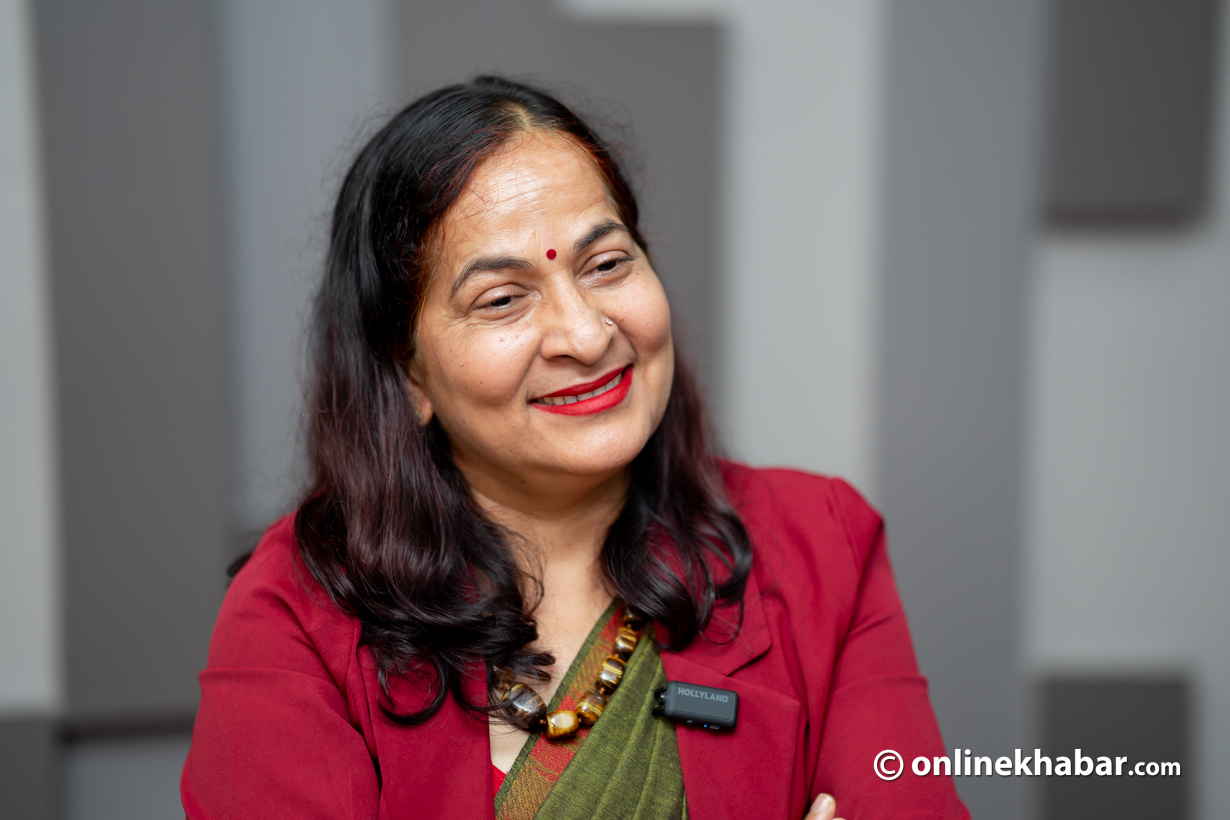
The short tenure and weak functioning of the commissions are also prime reasons. Strong leadership in the commission is essential.
What is your perception of the government’s readiness to introduce survivor-friendly laws and officials?
Bodhnarayan Shrestha: The government is moving forward with zero tolerance for sexual violence. Results will be believed only after they materialize. As the Chair of the Parliamentary Hearing Committee and a parliamentarian, I will remain fully active on this issue.
How does ongoing political instability affect survivors’ mental health?
Devi Khadka: There have been many political changes in five years, and survivors are deeply concerned. Many still hope, “If this leader comes, then the issue will be resolved.” But I want to make it clear—we are not affiliated with any party. Survivors need not politics but justice and recognition.
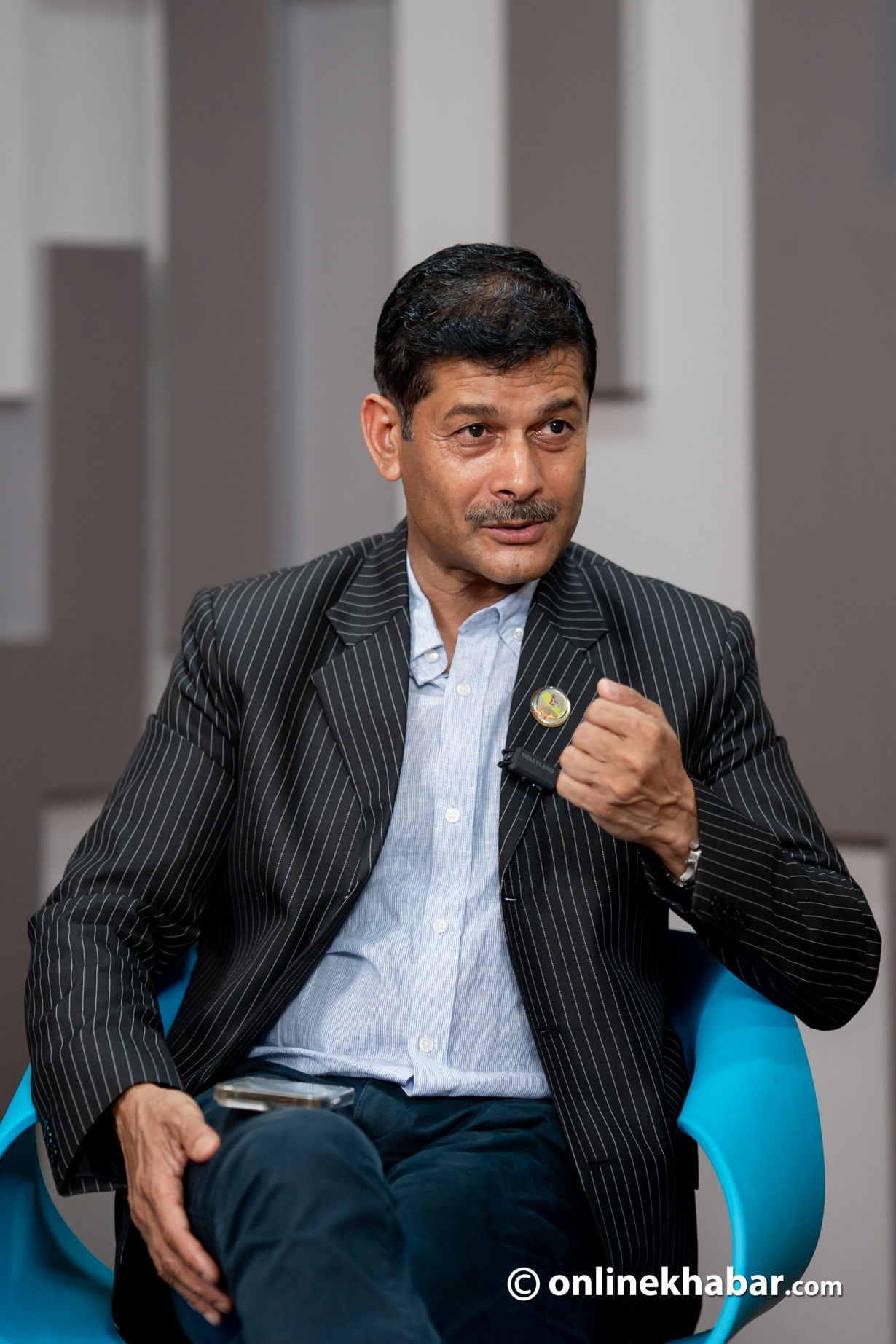
They hope that political change and leadership will finally honor their humanity.
What response have you received when engaging with the new government?
Devi: This is the first formal conversation with the parliamentary speaker, and it was positive. The government is new, and we remain hopeful.
What have you learned about the TRC issue through interactions?
Bodhnarayan Shrestha: Devi has strengthened the social voice. The party has committed to the cause. I am monitoring closely and will address the issue through parliamentary functions.
What initiatives has the government undertaken recently to treat survivors suffering severe health complications?
Nirmala Adhikari Bhattarai: The Ministry of Law is sensitive to this matter and preparing to establish two commissions. We are investigating data and identifying survivors’ health conditions.
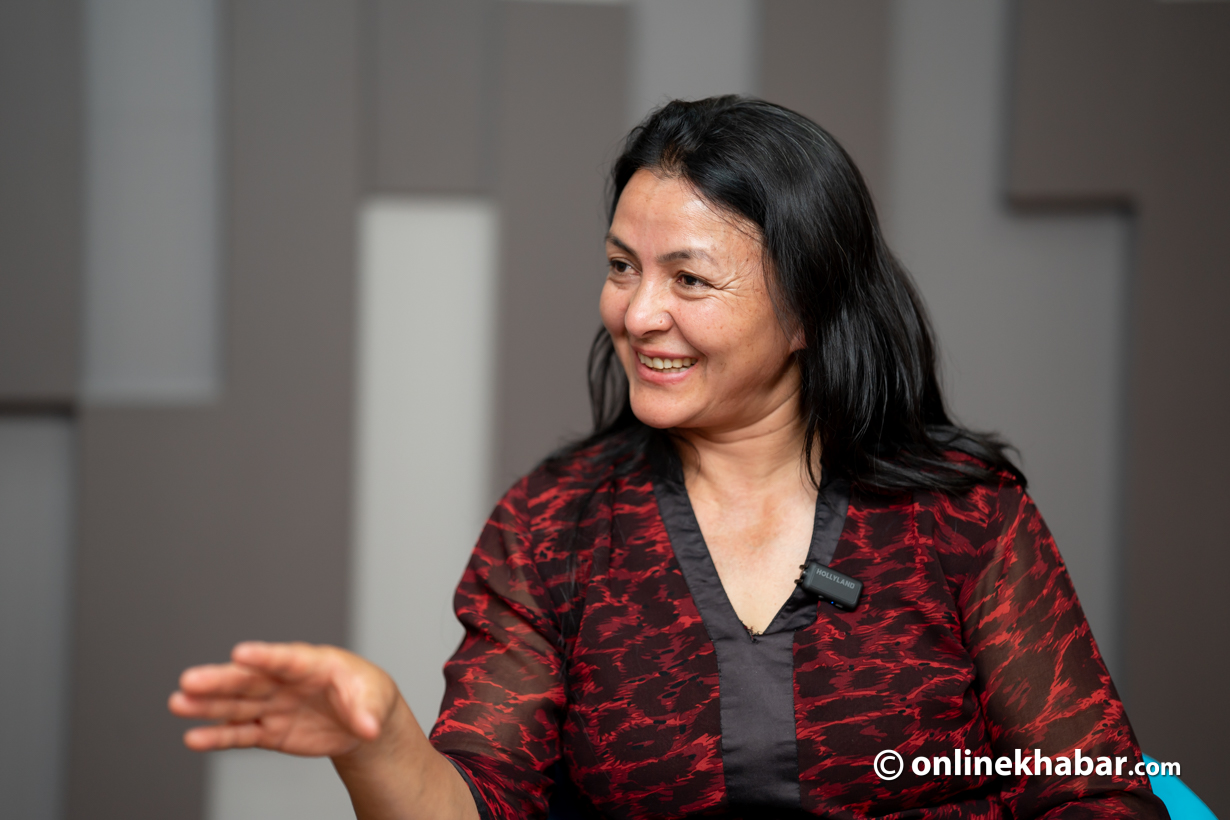
Special guidelines for relief and treatment are being developed in coordination with survivors’ families.
Has the current government continued treatment programs initiated by the previous administration?
Devi Khadka: Some efforts have stalled. The previous government had started treatment through specific channels, but now progress is somewhat obstructed. Due to inaccessibility of care, some survivors have died.
How many survivors have lost their lives due to lack of treatment?
Devi: According to our data, among approximately 4,200 survivors, it is estimated that around 50 have died. Mental health issues are also prevalent.
What has been your experience working with the commission and other mechanisms?
Devi: Initially, commission procedures were very challenging, but understanding among staff has improved. However, many legal complexities remain.
Does the political and social environment still present significant challenges?
Bodhnarayan Shrestha: Much work remains. I am conducting necessary discussions and meetings. The situation calls for mission-mode operations.
Will the justice process cause further trauma for survivors?
Nirmala Adhikari: After collecting accurate data and clustering cases, responses must be tailored to the victims’ situations. Many survivors have complained about re-traumatization owing to repeated involvement in justice procedures.
The condition of survivors is deeply tragic. How can processes become faster and more effective?
Nirmala: Data collection is complete. The foremost need is to establish medical treatment arrangements. Pilot projects will run as needed, and facilitators’ roles will be crucial.
What is the strategy for prompt improvements in lives and justice?
Bodhnarayan Shrestha: I aim to achieve resolutions in transitional justice without lengthy delays. We will review data and proceed based on prioritized needs.
Finally, what messages would you like to share?
Devi Khadka: We remain hopeful to work in new ways in the current context. However, the state needs to align resources and roadmaps accordingly. We hope the new commission will improve procedures through fast-tracking.
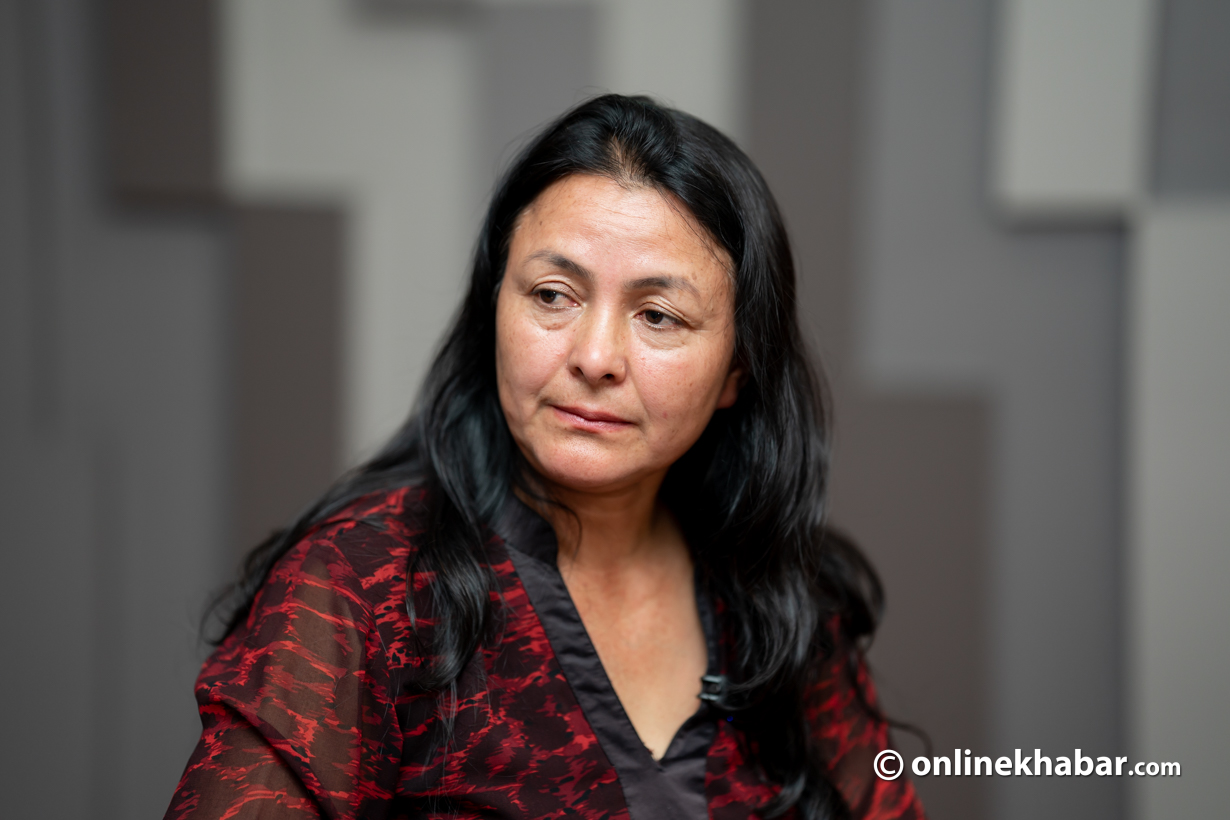
Bodhnarayan Shrestha: Priority must be given to survivor protection and confidentiality. Relevant personnel need to approach the issue with emotional sensitivity.


