‘I Don’t Know How to Read the Constitution, But It Guarantees Everyone the Right to Housing’




Last April, the government demolished informal settlements along the riverbanks in Kathmandu, forcibly evicting the residents who were then relocated to holding centers. Although the government arranged for a payment of NPR 25,000 and three months’ rent, evictions have continued relentlessly. The displaced residents have expressed grievances, stating that the government carried out the actions without proper prior planning. In this interview, Sant Gaha Magar speaks with Pawan Gurung, Vice President of the Joint National Squatter’s Front, about the problems faced in the holding centers and potential solutions.
How old are you?
I am 69 years old now.
Where were you born?
I was born in Kathmandu, around Bhimsengola.
Did you have a home there?
I never had my own home there. We lived as tenants in a landlord’s building. That’s where I grew up.
Your house was in Shankhamul before the April eviction, right?
Yes, I had a house there.
How long have you lived in Shankhamul?
I’ve been living there since 1973 (2030 BS). I moved there with my mother. At that time, we couldn’t pay rent and were forced to leave the previous place. During the Panchayat era, the ward chairman told me there was a large plot of land in Shankhamul, so I settled there.
Was it the ward chairman of the village council who told you this?
Yes, the chairman of Ward No. 10. At that time, Wards 31 and 10 were combined; later they were separated. I currently vote in Ward 10. I had official recommendations to live there.
Were there others living there before you and your mother arrived?
Previously, a woman who worked in the ward chairman’s house was there. She told us to come and live happily alongside her. We moved there in September 1973. Soon, nearly 50 to 60 families built huts and settled. Since plastic was unavailable, we constructed shelters using sacks and wooden frames.
Have you considered that land your own for so many years?
Whatever we built, we considered our own. We even made bricks from sacks, then built mud houses, and later in 2015 BS (1957 AD) I had a cement house constructed. However, on April 30, 2026 BS (1969 AD), the government demolished my house. It was destroyed.
The 2015 earthquake also damaged your house?
Yes, the mud house collapsed in the earthquake. After that, I rebuilt a cement house.
How much did it cost to build your house?
I took loans and saved money to build the 5-7 room house. I also tried to get relief assistance but could not due to the lack of land ownership certificate.
When my house was demolished, I felt immense pain and cried. It was not just my house but also social relationships and relatives who lived there. During Dashain and Tihar festivals, many used to visit, but now no one comes.
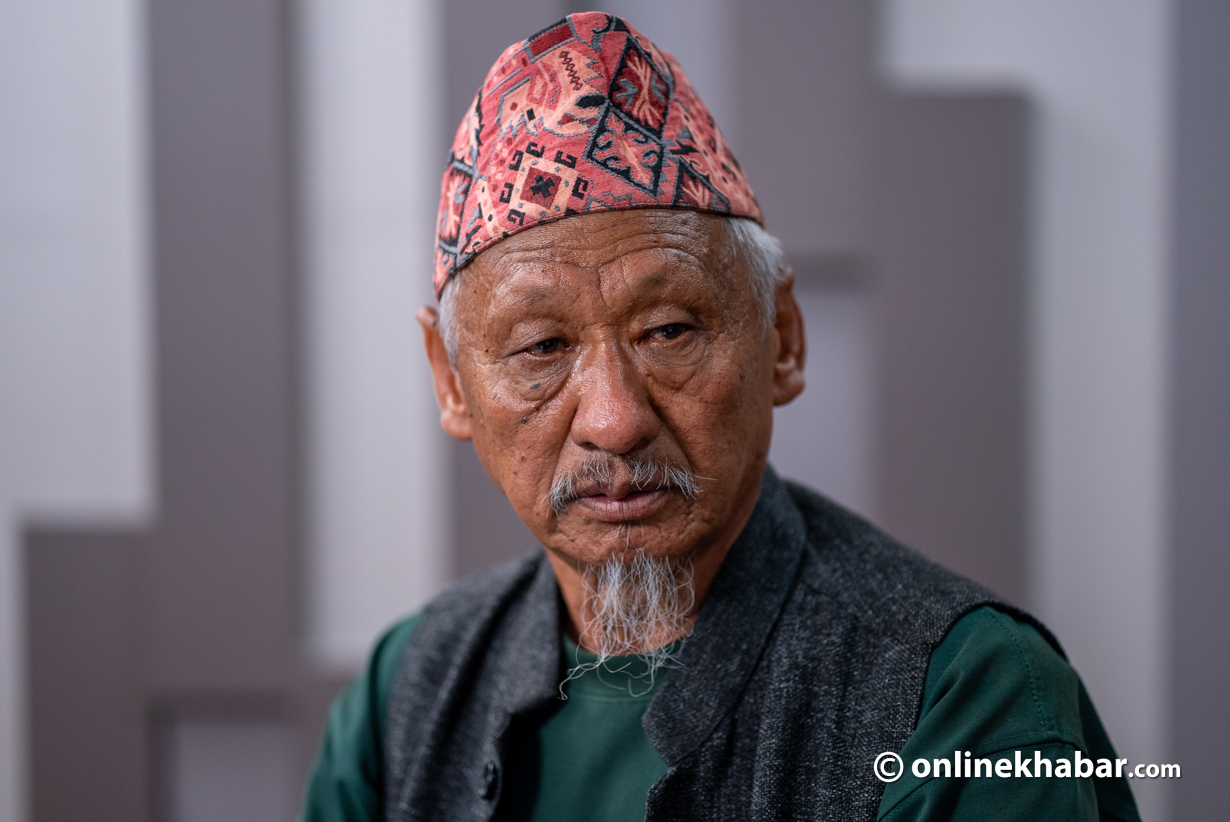
You have even cursed those who demolished your loan-financed house. The government claims these settlements were illegal. As Vice President of the Squatters’ Front, what is your perspective?
Even though I’m not a political leader, I am an activist working on squatters’ issues. Our houses were demolished accusing us of illegal residence, but we had official recommendations. Although we lacked land ownership certificates, our maps were approved and we had legal permissions.
We have had to endure the accusations the government made.
If the local government had coordinated, you could have lived there, right?
Yes, we had recommendations from the local government. Surveying was completed in 1987 and 1989 (2044 and 2046 BS), and land and houses were demarcated, although our names are not on the fieldbook.
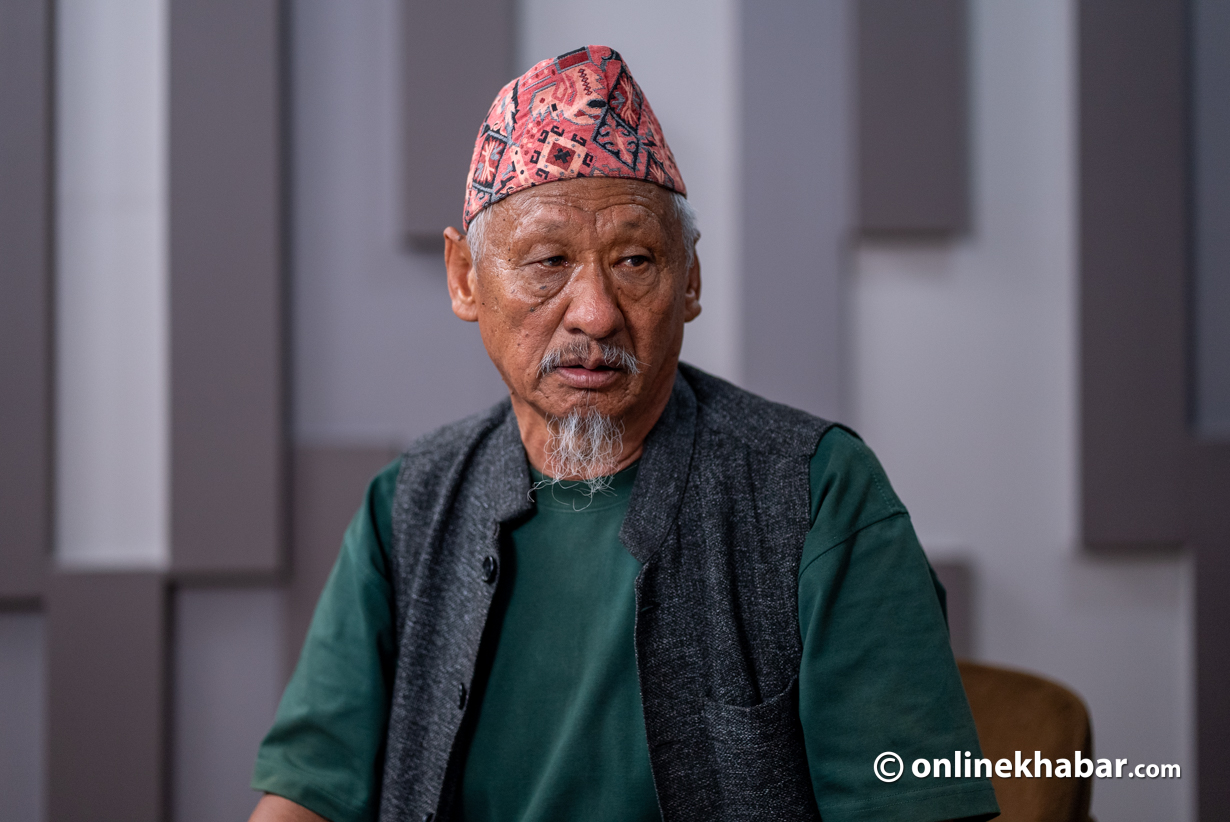
Your home was in Buddha Tol. Now, should it not be called a proper settlement?
Yes, I lived there for 53 years. However, now the house no longer exists.
On April 25, areas like Thapathali and Manohara were cleared, and on the 31st, Shankhamul and others. Were you forced to leave from there as well?
I never imagined this would happen. I don’t read the constitution, but it states that everyone has the right to housing. The 2019 Land Act amendment also provided land for residents who had lived there for over 10 years. We were confident we wouldn’t be evicted.
But on the 31st, bulldozers came and rapidly demolished houses. I cried when I left; I still tear up thinking about it.
The Land Act offers land free to landless and squatters, but the government says the settlements were removed for being risky. What’s your take?
The area was not that risky. The place we lived was never flooded. There was greenery, a road, and walkway below us. Occasionally, water levels rose, but never reached the houses.
I don’t know why the government acted this way. Even now, we are told to stay in holding centers, but the details about where and how remain unclear.
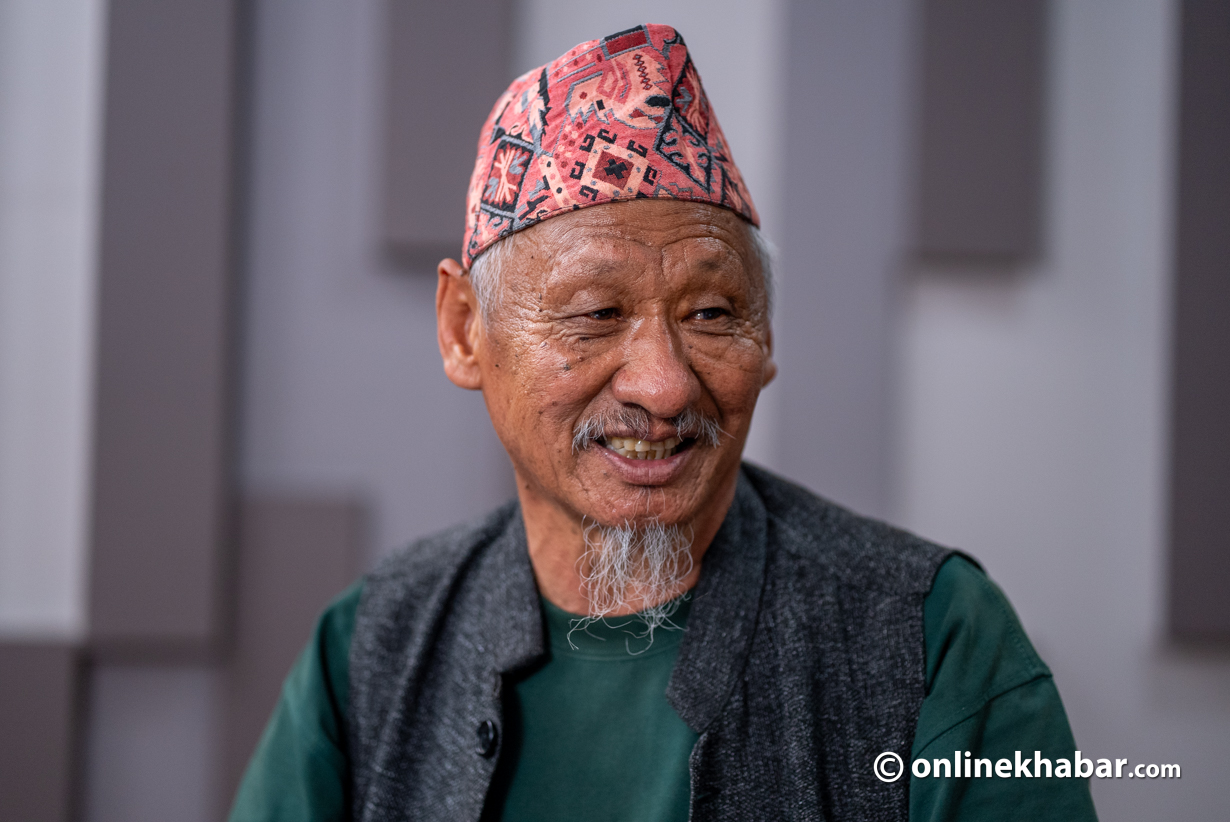
How did you reach the holding center?
When going to the Rangashala, I asked whether I should arrange my own accommodation or if the government would provide one. I replied, ‘After my house was demolished, where should I go? Where can I live? You can wash me away in the river or drop me from the cliff at Thankot.’
Did you stay at the Charipati holding center in Bhaktapur afterward?
Yes, I stayed there. When I couldn’t find a room, I spent nights in Kathmandu. Now I have arrived at the center.
The government initially promised NPR 25,000 and three months’ rent of NPR 15,000. But some reports say no food has been provided?
The initial NPR 25,000 was deposited into my account. They said they would provide monthly rent of NPR 15,000, but it’s still unclear who will pay. I’m hopeful though. The Bagmati Civilization Committee has said it will hold a meeting and make some decisions.
How long do residents stay at the holding centers?
Currently, there are no restrictions on staying, but it is difficult to remain there too. Even there, we have to cook our own food.
What can be done to resolve the problems faced in the holding centers?
The government should provide land so that people can be properly resettled in the holding centers. This kind of arrangement should have been made before demolishing houses.
What do you think is the solution going forward?
Shelter must be arranged until people find permanent rooms. Some residents are elderly and disabled, and their needs require government attention. Our community faces stigma. People hurt us for living near the river, and that pain is hard to bear.
What should be done for a long-term resolution?
The constitution guarantees everyone’s right to housing. Land Minister Balendra Shah has promised land, and I thank him for that. But when will this happen? We are told within 500 days. How are we supposed to survive now? I am old and ill, worried about where and how I will live. I urge for swift action.
In 2015, a calamity struck; now I say the government has come as the calamity. The government won’t be able to say anything later. When we raise our voices, police arrest us.
We even fear raising demands. What would happen if an old man is imprisoned? I have never been to jail but thinking about it scares me. Please make arrangements quickly; this is a heartfelt request.
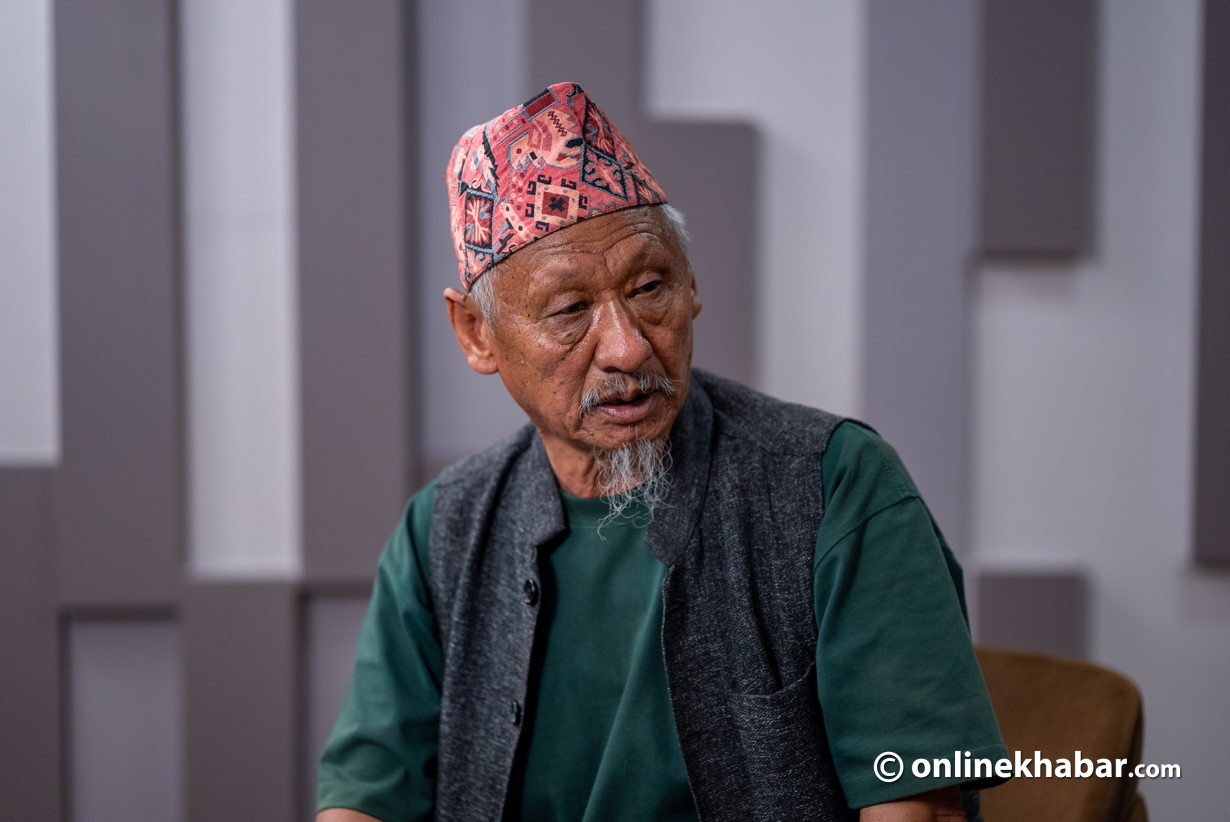
Finding space within the city may not be possible; the government needs to find alternatives. What will you do then?
We want to be allowed to live in our own wards or neighboring wards, anywhere within Kathmandu district or the valley.
For this, the government should consult with the squatter community. If the government negotiates and offers suitable locations, we will accept, but we must also approve given that we do not have land or homes.
Photo/Video: Shankar Giri


