Author: space4knews

Nepal Begins Triangular Series with Victory Over UAE in ICC World Cup League 2

Nepal and UAE cricket

Photo Credit, CAN

Nepal defeated the United Arab Emirates (UAE) by 37 runs in the opening match of the triangular series of the ICC World Cup League 2, held in Kathmandu starting Saturday.

Nepal is scheduled to face Oman in their next match on Monday.

Having lost the toss, Nepal batted first and posted a modest total of 200 runs before being all out in 48.2 overs. In response, UAE was also bowled out in 48.2 overs, scoring 163 runs.

The UAE appeared headed for an easy win at one stage while chasing Nepal’s target, but Nepal turned the game around to secure the victory.

This win adds 14 points to Nepal’s tally in the league table, while UAE remains at 10 points at the bottom. Had UAE won the match on Saturday, they would have been able to equal Nepal’s points.

‘लालीबजार’ का लागि प्रकाश सपुतले तयार पारे ‘मै राम्री छु त नि’

Prakash Saput Composes ‘Mai Ramri Chu Ta Ni’ for Film ‘Lalibazar’

A short excerpt of the third song, ‘Mai Ramri Chu Ta Ni,’ from the film ‘Lalibazar’ was released on April 30. The vocals are by Deepika Bayambu Magar, while the lyrics and music were composed by Prakash Saput. The film focuses on the story of a mother and daughter and portrays the harmful traditional practice of Nathiya prevalent in the Badi community.

Kathmandu – A brief segment of ‘Mai Ramri Chu Ta Ni,’ the third song from the film ‘Lalibazar,’ which is set to release on April 30, was made available through the producer company Shatkona Arts’ YouTube channel. The song features lead vocals by Deepika Bayambu Magar, with chorus vocals from Ranjita Bishwakarma, Bindu Bishi, Sunita Sunar, Manoj Bik, and Govinda Anek. The lyrics and music are crafted by Prakash Saput.

The song includes appearances by actors Swastima Khadka, Rabindrasingh Baniya, Mukund Shrestha, and Janaki Kadayat, among others. Choreography was directed by Pradeep Lama. The song celebrates female beauty and has gained popularity across platforms such as TikTok, Reels, and YouTube Shorts. The full version of the song will be available exclusively in theaters.

The previously released trailer has received positive feedback from audiences. Social media users and celebrities alike have praised both the trailer and the film’s storyline. Centered on the mother-daughter relationship, the film depicts the socially oppressive Nathiya practice common in the Badi community. It highlights a mother’s courageous struggle to protect her daughter. Swastima Khadka portrays the mother’s role. The production team includes producer Max Dipesh Khatri, actor Rabindrasingh Baniya, and director Pradeep Bhattarai under the banner Shatkona Arts, known for successful films like ‘Jatra,’ ‘Jatrai Jatra,’ ‘Mahapurush,’ and ‘Mahajatra.’ The film is directed by Yam Thapa.

Lack of Consensus Among Parties Delays Speaker Selection in Bagmati Provincial Assembly

April 25, Hetauda – The process of selecting the Speaker of the Bagmati Provincial Assembly remains uncertain due to the absence of consensus among ruling parties. The vacant Speaker position has drawn claims from the ruling Nepali Congress and CPN (UML), with no agreement reached between them. The post has been vacant since Speaker Bhuvankumar Pathak resigned on Ashoj 1 (September 17, 2022) following the Janajati Andolan movement. Constitutional provisions require the Speaker to be elected within 15 days of a Provincial Assembly meeting.

Although preparations were underway to advance the Speaker selection process on April 21, delays have occurred due to disagreements among parties, according to Pukar Maharjan, spokesperson of the Nepali Congress parliamentary party in Bagmati Province. Both the ruling and opposition parties have put forward separate claims for the vacant Speaker post. Maharjan, representing the largest party in the provincial assembly, asserted that the Speaker position should be given to the Nepali Congress. “The UML is also staking a claim, but we want to proceed with mutual agreement between both ruling parties,” he said. “As the largest party, Congress should be allotted the Speaker position.”

Maharjan emphasized moving forward by establishing consensus among the ruling parties. On the other hand, the UML claims the Speaker post for itself, arguing that because the Chief Minister is from the Nepali Congress, the Speaker should come from their party. Ekalal Shrestha, chief whip of the UML parliamentary party, stated that since the Chief Minister is from Congress, their party’s claim to the Speaker post remains uncontested. He noted that some delay had occurred while parties sought to select the Speaker with consensus across all parties.

Leader Shalikram Jamkattel of the Communist Party of Nepal stated that as the major opposition, their party deserves the Speaker to maintain balance between the government and the assembly. While asserting his party’s claim for the Speaker, he confirmed that in the absence of agreement among the ruling parties, his party will field a candidate. “We are telling the ruling parties: You handle the government, give us the leadership of the assembly,” Jamkattel said. “The opposition’s claim is natural for power balance and sends a positive message. If the ruling parties reach an agreement, that’s good; if not, we will present our nomination.” The Rastriya Swatantra Party (RSP) has also claimed the Speaker post. RSP parliamentary leader Uddhav Thapa stated that after Speaker Pathak resigned, who was from their party, the Speaker position rightfully belongs to the RSP again.

The Bagmati Provincial Assembly has 104 members: Nepali Congress with 35, CPN-UML with 25, Communist Party of Nepal with 26, Rastriya Swatantra Party with 13, Nepal Workers Peasants Party with 3, and Hamro Nepali Party with 2 members.

Beijing Voices Concerns Over India-South Korea Defense Partnership

April 25, Kathmandu — India and South Korea have expanded their historic strategic partnership to elevate their defense and economic relations to new heights. During South Korean President Lee Jae-myung’s recent three-day visit to India, high-level talks with Prime Minister Narendra Modi further strengthened ties between the two countries. The visit resulted in agreements to enhance cooperation in future-critical sectors such as shipbuilding, defense manufacturing, and artificial intelligence.

President Lee expressed full support for India’s ‘Atmanirbhar Bharat’ initiative, pledging active South Korean collaboration in the production, operation, and technological development of Indian defense equipment.

The most successful and robust example of defense cooperation between the two nations is the ‘K-9 Vajra’ 155mm self-propelled howitzer. Based on South Korea’s K-9 Thunder design, this artillery piece is produced domestically in India through technology transfer from the South Korean company Hanwha Aerospace. Currently, the Indian Army operates nearly 100 of these advanced howitzers, with another 100 procurement contracts nearing completion. These howitzers have been specially modified for the Indian Army’s needs, optimized for deployment in high-altitude desert and Ladakh regions, significantly enhancing India’s military capabilities.

Analysts suggest that China views the expanding collaboration, particularly in artillery and anti-aircraft artillery, as highly sensitive. Given the long-standing territorial disputes along the Himalayan border, Beijing perceives the equipping of the Indian Army with South Korea’s cutting-edge military technology as a strategic challenge. India’s growing defense self-reliance combined with support from a technologically advanced partner like South Korea is shifting regional power dynamics, prompting China to regard these developments with skepticism.

नागार्जुनमा यसरी तयार पारिँदैछ सुकुमवासीका लागि पाँच तले भवन (तस्वीरहरू)

Five-Story Building Under Construction in Nagarjun for Homeless Residents (Photos)

News Summary

AI-generated and editorially reviewed.

  • Cleaning and painting work has begun in a government building at Nagarjun Municipality-1 to accommodate homeless residents.
  • The building has a total of 42 rooms, with each floor arranged to house one family in three small rooms along with a restroom.
  • Currently, there is no water supply in the five-story building, which also includes the office of the Ranivan Nasidho Drinking Water Consumers Committee.

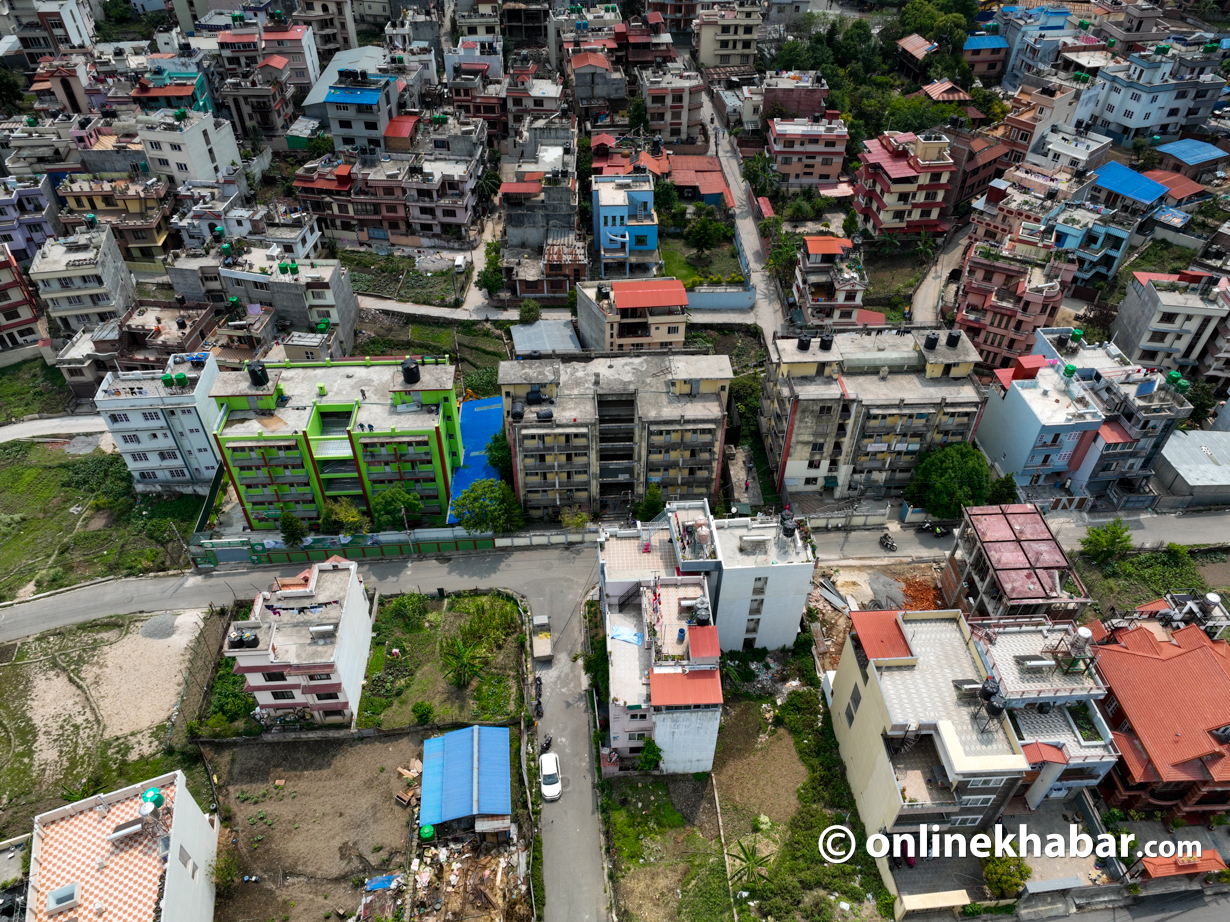
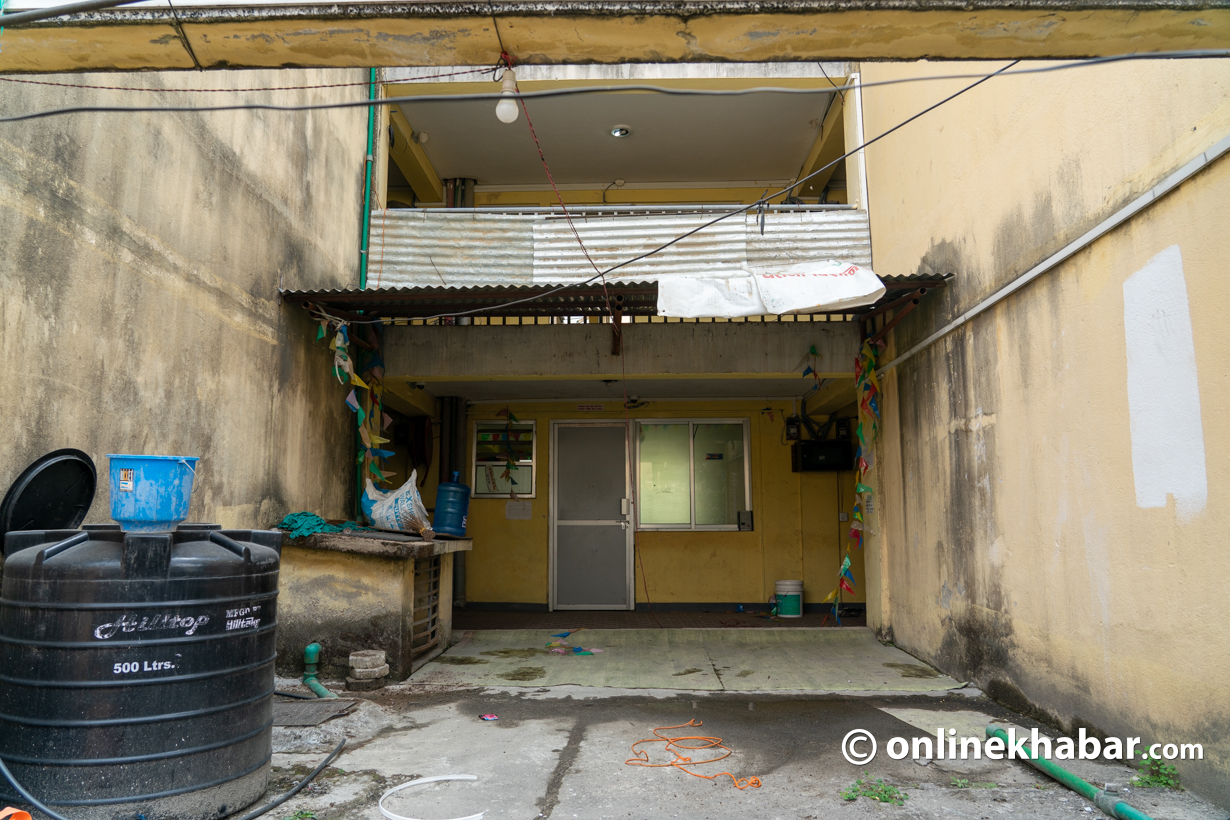
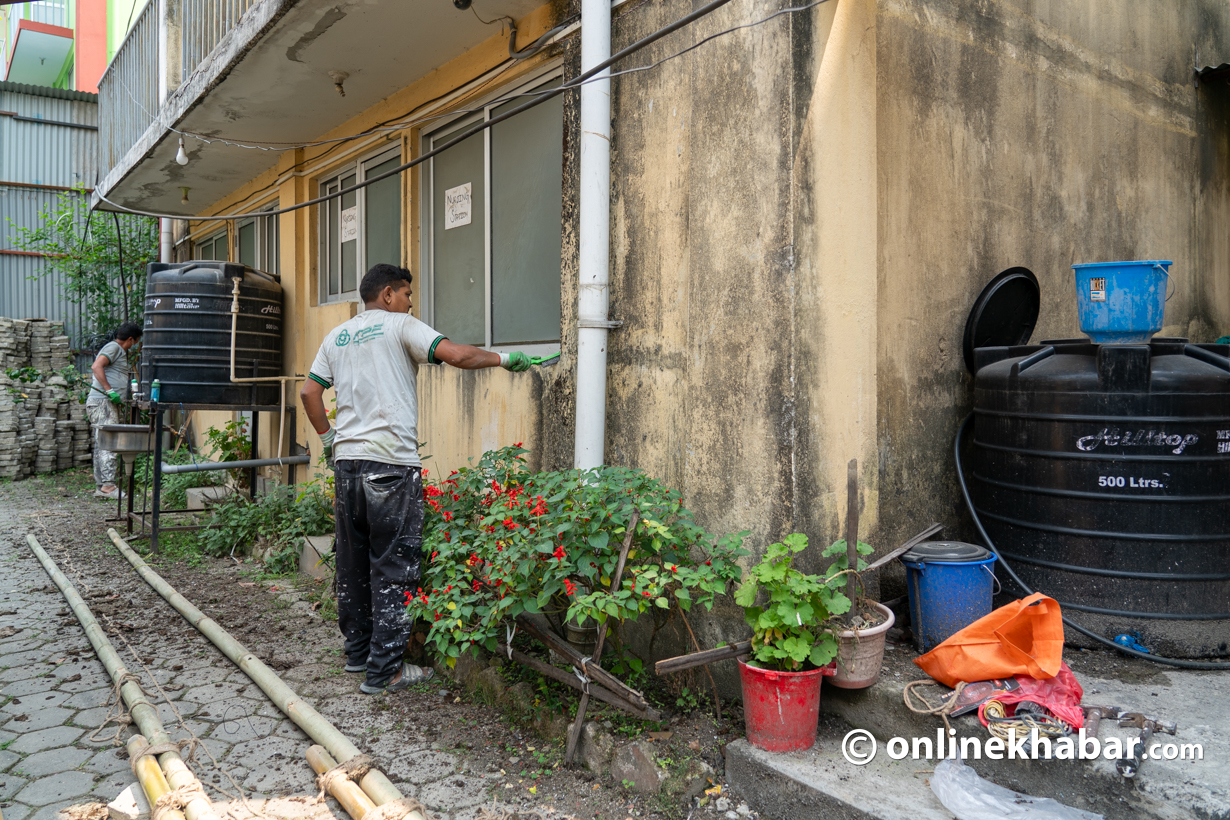
April 25, Kathmandu – Cleaning work has started on a government building in Nagarjun Municipality-1 to provide temporary housing for homeless residents.

This building is one of three constructed under the initiative of former Prime Minister Dr. Baburam Bhattarai for homeless people, and preparations for its use are currently underway.

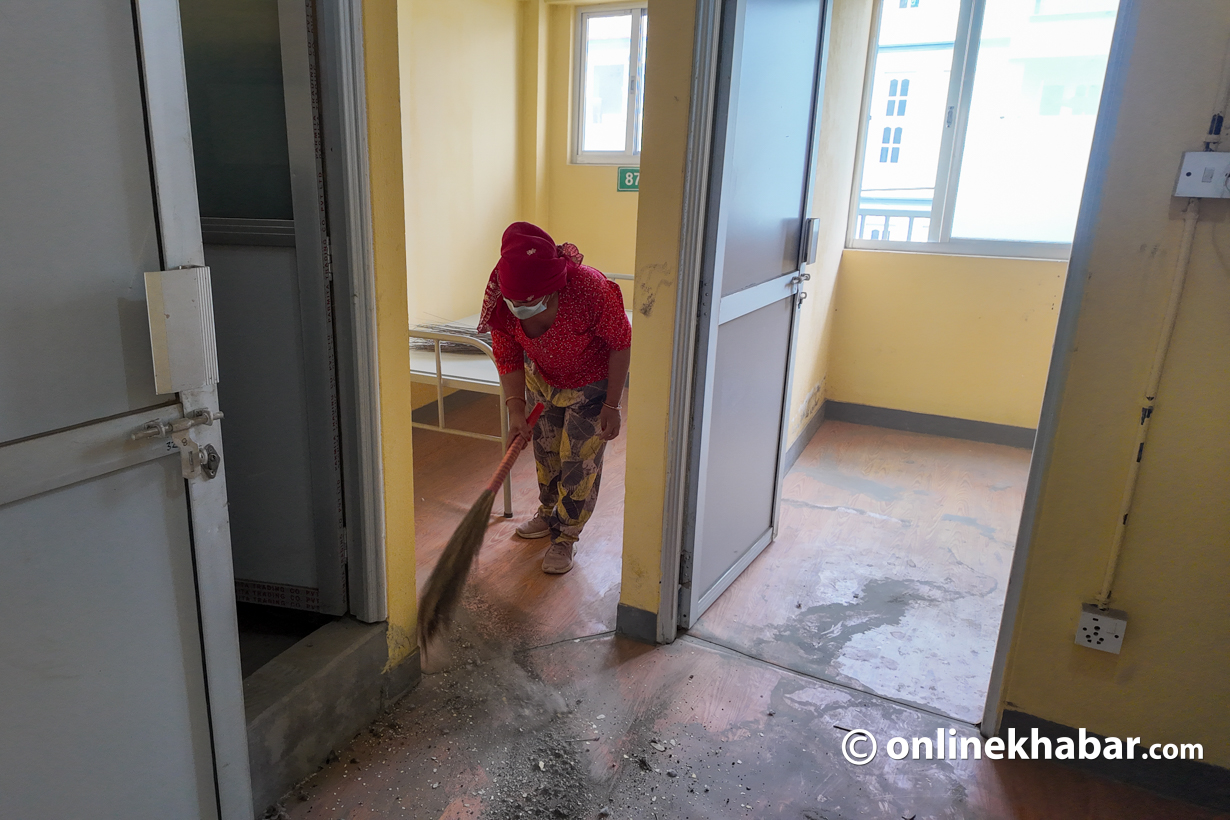
Since Saturday morning, 14 workers have been engaged in cleaning and painting activities.

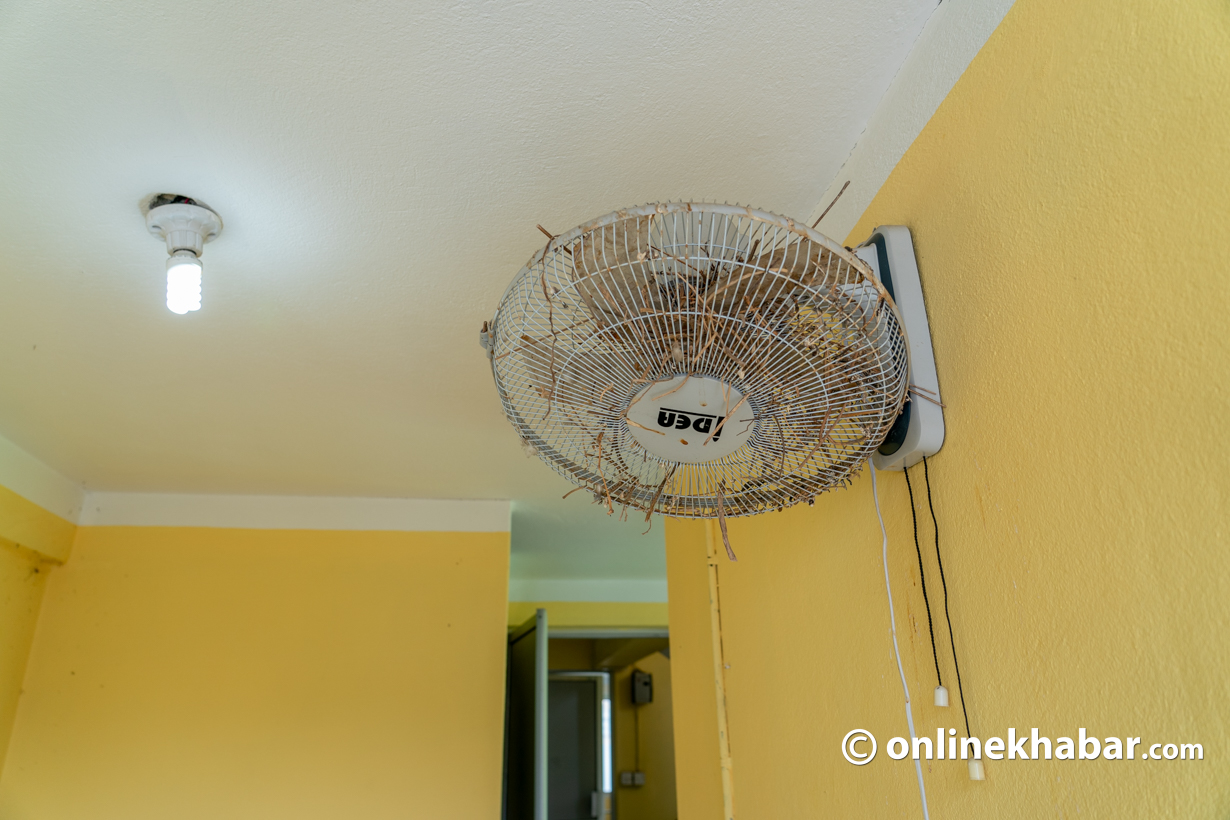
Electrical repairs and installation of lights are ongoing in rooms where electricity had been unavailable. Each floor is arranged to accommodate one family with three small rooms and a restroom.

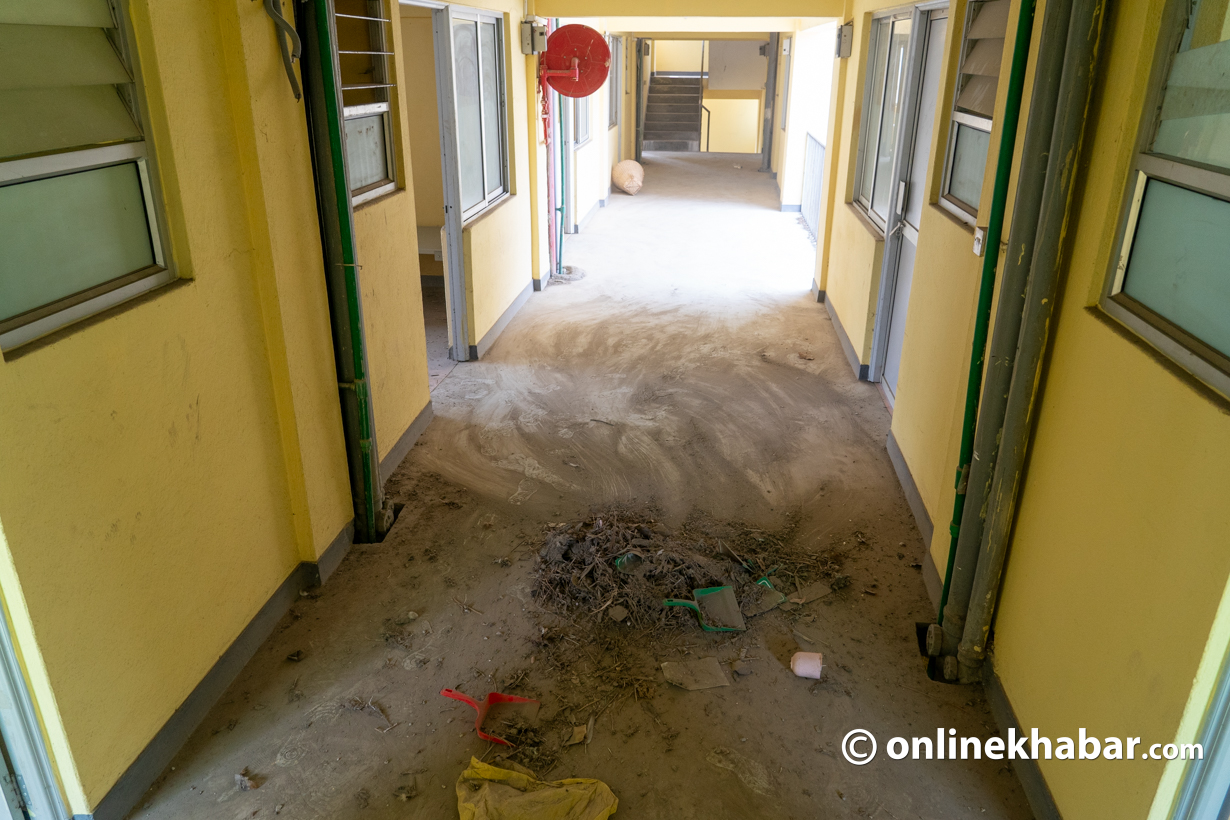
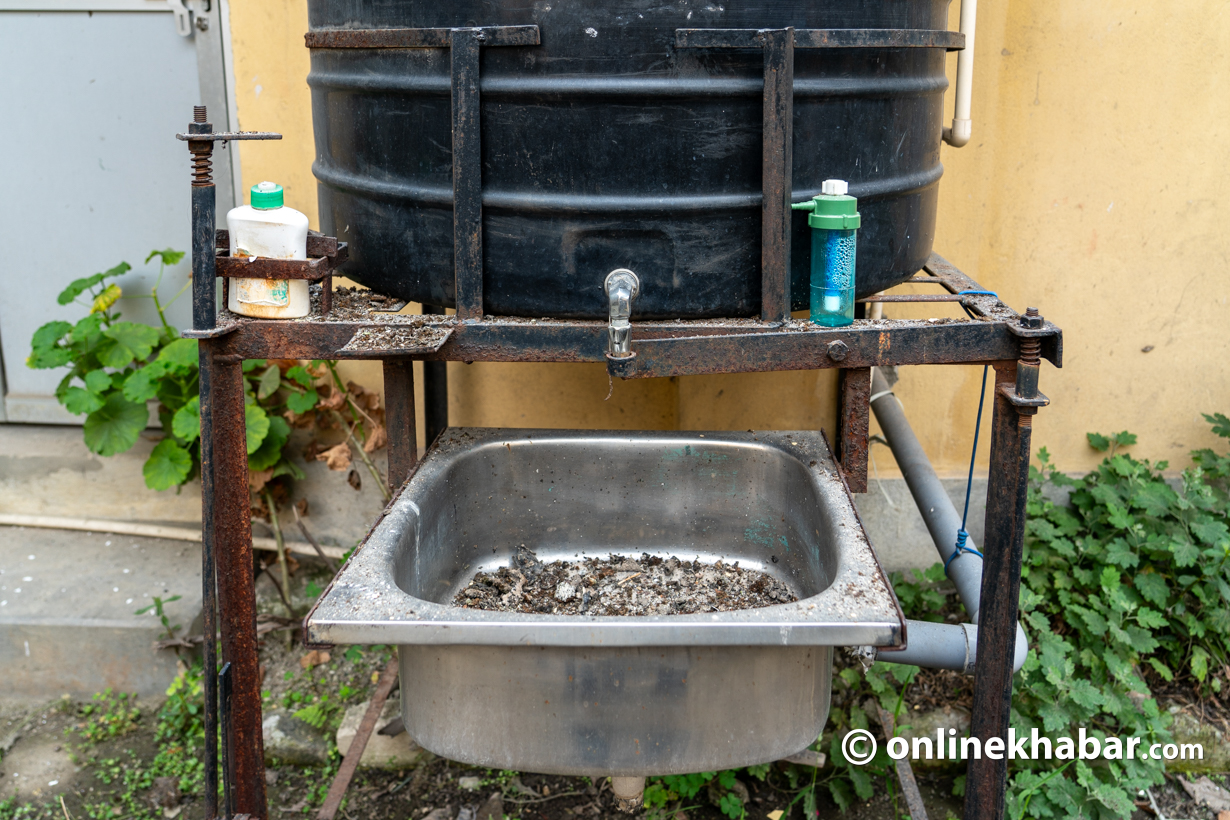
At present, there is no water supply in the building. The beds placed in the rooms are in limited usable condition, and some restrooms require repairs to become functional.

This building is managed under the Department of Construction and was previously used as shelter for earthquake victims following the 2015 earthquake (2072 BS). Since then, it has remained vacant.

The five-story building has a total of 42 rooms intended for housing homeless residents. Additionally, there are three rooms inside allocated for the Ranivan Nasidho Drinking Water and Sanitation Users Committee office.

Lal Kumar Lama, the chairman of the committee, stated that they have not received any notice to vacate the office. Although yoga classes are currently taking place on the ground floor, no instructions have been given to vacate that area.


Jiri Paves a New Path for Literature Focused on Nature and Sustainability

We have read and written extensively about nature in literature, but literary discourse that places nature itself at the center and prioritizes environmental crises has often remained marginal. This time, an effort has been made to bring the achievements and challenges observed in nature to the forefront of literary discussion.

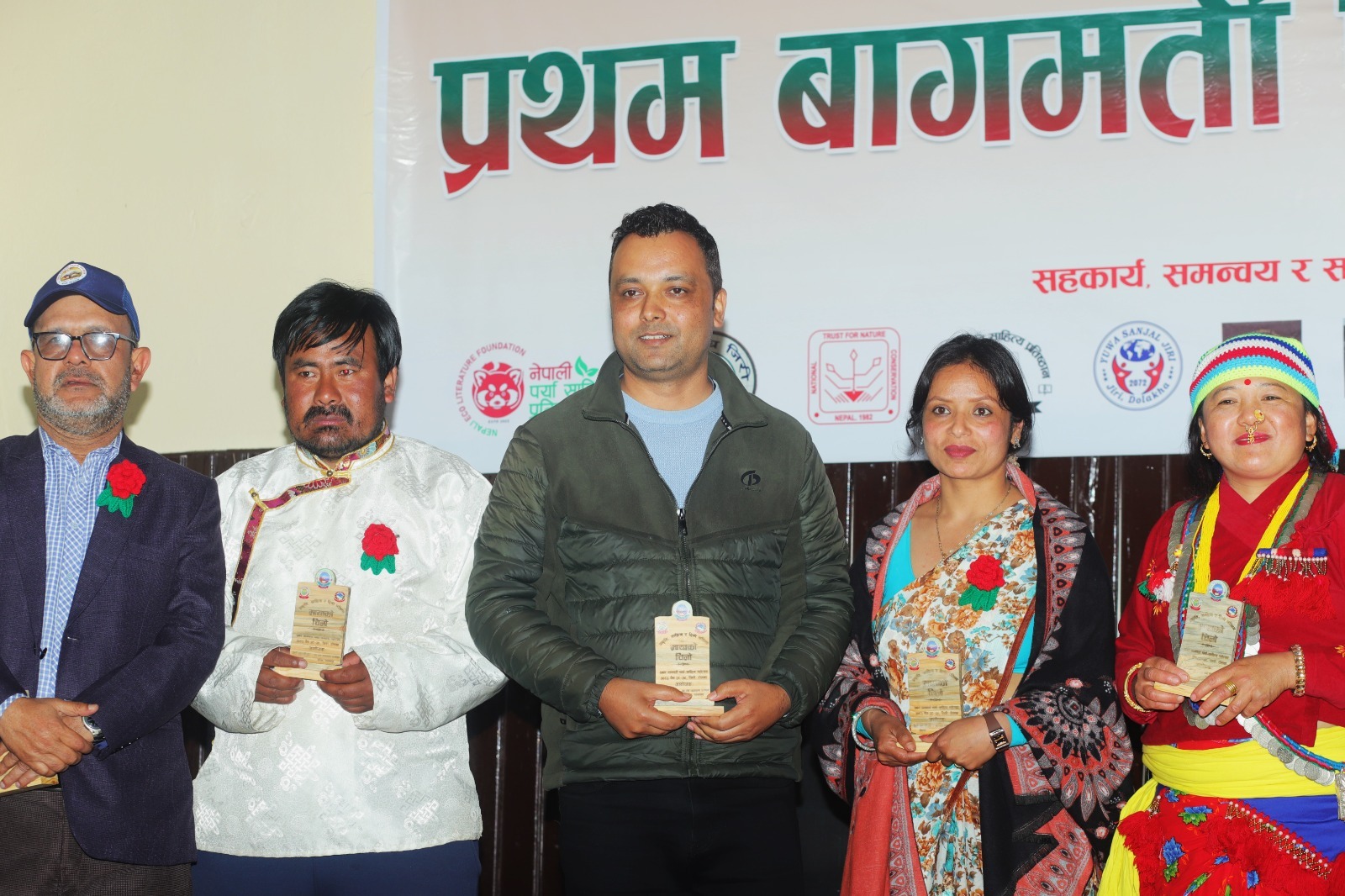
The inaugural Bagmati Environmental Literature Festival 2082, held under the theme ‘Nature, Literature, and a Sustainable Future,’ signals a broadening of the traditional framework of Nepali literature. This festival was organized collaboratively by the Ministry of Forests and Environment of Bagmati Province, Jiri Municipality, various literary organizations, and institutions active in forestry and environmental fields.

Taking place from Chaitra 27 to 29, the festival gathered literary creators focused on environmental themes from all 13 districts of Bagmati Province. On the morning of Chaitra 30, which was the final day of the Nepali year 2082, guests were bid farewell from Jiri.

Located approximately 190 kilometers from the federal capital in the Himalayan valley of Jiri, attending the festival did not feel like merely participating in a single event. Rather, it felt like standing at the birthplace of a new dialogue. Jiri’s natural surroundings moved from background to the forefront of literature, demonstrating that literature must not only express beauty but also serve as a means to address the pressing issues of our time.

The festival highlighted not only environmental crises but also openly celebrated the various efforts and achievements made towards environmental balance. Attempts were made to incorporate successes in community forestry and watershed management within literary works.

A Celebratory Festival

On Chaitra 28 before the official opening, creators from all 13 districts gathered near Jiri’s Gorans Park. Amidst blooming white rhododendron gardens surrounding a pond and meadow, participants enjoyed their time; some sang songs, others danced, while some engaged in dialogue. They then proceeded to Hatdanda, where the local community’s enthusiastic participation was evident, and guests were welcomed with tableaux reflecting ethnic and local cultural life.

With the procession including the tableau and local community, a rally was held on foot from Hatdanda to Linking Bazaar, culminating in an inauguration ceremony held on a stage prepared at the bus park. The tableau dance captivated all attendees.

The event was chaired by Jiri Municipality Chief, Mitra Jirel, and inaugurated by Bagmati Province Minister for Forests and Environment, Bharat KC. The program also saw notable participation from provincial legislator Urmila Sunuwar, Ministry Secretary Dr. Kedar Baral, representatives from various political parties, local government representatives, journalists, civic leaders, and members of the general public.

This helped establish the festival not only as a literary event but also as a shared platform for social and policy dialogue.

Keynote: A Profound Intellectual Foundation

One of the most impactful elements of the festival was the keynote presentation. Prof. Dr. Sanjiv Upreti explained that environmental literature should not be seen as just a trendy term, but as an intellectual intervention demanded by the era., He clarified that literature in the time of climate crisis cannot remain neutral; it must raise questions, spread awareness, and hold society accountable.

Similarly, author and environmentalist Ramesh Bhusal from Chhalpatha presented under the title ‘Red Earth, Hot Earth.’ He likened humans to ‘greedy demons’ and offered a strong critique of the destructive acts committed against the environment. His message emphasized that literature’s impact remains limited if it fails to connect deeply with life, thus steering environmental literature toward a practical foundation.

Festival events took place in a newly constructed recreation building, which by fortunate coincidence was handed over by the provincial government to the Jiri Municipality on the festival’s final day. The program included nearly four dozen poetry readings, an evening dedicated to eight ghazals, and a cultural night featuring local traditions, all of which were engaging. Renowned poet Kumar Nagarkoti’s poetry reading was a particular highlight for the audience.

There were presentations from ghazal writers, poets, dialogue facilitators, authors, journalists, and activists. The ghazals by Jit Karki from Dolakha were notably rhythmic. Participation from Pratik Dhakal, Bhawani Khatiwada, Bhupin Khadka, Dadhi Sapkota, Archana Thapa, Archana Rai, Dr. Ashok Thapa, Dr. Naveenbandhu Pahadi, and Deepak Sapkota was also significant.

Six panel discussions were held over two days. Among them, the dialogues titled ‘Voices of Earth People‘ and ‘Yesterday, Today, and Tomorrow of Jiri‘ were especially impactful. These dialogues sought to connect local experiences, struggles, and possibilities with literature.

Additionally, poetry readings and discussions held against the backdrop of a pond inscribed with ‘I Love Jiri’ in an open field near the town added vibrancy and memorability to the program. This combination of natural beauty and literary expression deepened the festival’s emotional resonance.

Jiri itself proved highly relevant in this context. A dialogue-centric literary debate in this naturally beautiful region seemed not just coincidental but necessary. This festival signals that Jiri can be established not only as a tourist destination but also as a center for ideas, debate, dialogue, and creativity.

A New Journey Marked by Questions

Nonetheless, some questions have emerged and continue to arise — why hasn’t such an important dialogue expanded nationwide? Why could greater participation from creators not be ensured? One notable aspect is that this was an initiative at the Bagmati Province level and a first-time effort. It might have had many shortcomings, but there is room for rapid improvement and advancement.

Bagmati Province Chief Minister Indra Banija conveyed a written message of good wishes, pledging to make environmental literature festivals a regular occurrence. Participants were not only delighted to hear about the continuity but also urged governments at all levels to include environmental literary activities. He announced intentions to establish regular coordination with institutions and individuals interested in environmental literature. Suggestions were also made to incorporate environmental literature topics into school curricula.

To expand a subject like environmental literature, greater coordination between the state, academic institutions, and the literary community is essential. In the future, making such programs more inclusive and multidimensional and extending them to international levels could deepen their impact substantially.

Amid these questions, one thing is clear—the effort initiated in Jiri is no small feat. It is a sign, a possibility, and perhaps the beginning of a new literary movement. This opens the door for literature to be viewed from a new perspective.

Ultimately, the voice raised in Jiri should not remain limited there. It needs to expand, deepen dialogue, and advance as a campaign reconnecting literature with nature. If achieved, environmental literature may evolve from merely a term into a new direction for Nepali literature. This journey began in Jiri.

Wishing everyone a Happy New Year!

Is America Still Democratic?

April 24, Kathmandu — On April 8, 2026, on the social platform Truth Social, US President Donald Trump expressed a grim view threatening the future of approximately 93 million people in West Asia. He warned, “An entire civilization will die tonight, never to return.”

A young teacher from Tehran read this message and was instantly terrified. The harsh words of the President confronted her with a chilling reality. She told an international media outlet, “If we lose access to the internet, electricity, water, and gas, we will truly revert to the Stone Age.”

Trump publicly unveiled a devastating blueprint of his plan. All bridges in Iran would be destroyed, and every power plant would be demolished beyond repair. This declaration indicated the crippling of essential infrastructure—temperature control systems, water treatment facilities, hospitals, and food supply chains—affecting millions of civilians dependent on these lifelines. Such destruction was certain to plunge an entire civilization into darkness.

In response, several Democratic senators unanimously condemned President Trump’s threat to obliterate an entire civilization. They argued that deliberately destroying critical infrastructure supporting millions of civilians would constitute a blatant violation of the Geneva Conventions and an unforgivable war crime.

Not only Democratic leaders but even Marjorie Taylor Greene, once a staunch supporter of Trump, denounced the post as “evil and madness” and called for invoking the Twenty-Fifth Amendment over the president’s incompetence.

Pope Francis criticized this as the “illusion of omnipotence,” fiercely questioning Trump’s moral decline and violation of human dignity. He emphasized that the ultimate right to decide whose life has value should not rest solely with America, as such a belief contradicts America’s own values and trust.

On February 28, 2026, the US and Israel launched coordinated military operations named “Operation Epic Fury” and “Roaring Lion.” Just two days earlier, mediators from Oman had characterized the February 26 talks as “diplomatic progress,” but within 48 hours, Trump claimed a direct threat from Iran to US national security and ordered the attacks.

During the brutal conflict from February 28 to April 8, Israel carried out hundreds of airstrikes and dropped thousands of bombs. According to sources, the US targeted over 2,000 sites within 100 hours, including Iran’s nuclear facilities, ballistic missile infrastructure, air defense systems, and top military leaders. This destruction propelled the entire region into a vortex of war.

This raises a fundamental question: Does such a “sudden attack” align with democratic values and principles? Basic tenets like transparency, accountability, and respect for international law were mercilessly undermined by Trump’s unilateral decision.

Although the US Constitution grants Congress the power to declare war, Trump disregarded this constitutional process, constituting a severe abuse of power.

Realpolitik of Power: America Through John Mearsheimer’s Lens

Distinguished political scientist John Mearsheimer of the University of Chicago has long argued that states are guided not by morality or ideals but by the harsh logic of power.

His theory of “offensive realism,” fully elaborated in his 2001 book “The Tragedy of Great Power Politics,” asserts that amid international anarchy, states are never satisfied with security alone and continuously seek maximum power.

According to Mearsheimer, the United States is the sole regional hegemon in the Western Hemisphere in modern history. Nations in this position actively work to prevent the rise of competitors.

While interventions in West Asia, military presence in East Asia, and roles through NATO in Europe claim to spread democracy or protect human rights, their true driving force remains calculations of state interests.

The Trump administration exemplified this reality. White House advisor Stephen Miller remarked, “We live in a world ruled by power and force,” and the 2025 National Security Strategy introduced a “flexible realism” concept, reviving the notion ‘might makes right’ in a modern form.

However, Mearsheimer notes that the idea of maximum power equating to ultimate security has never been conclusively proven, as no state has achieved total dominance without opposition from others.

During the war against Iran, disruptions to oil supply through the Strait of Hormuz caused significant global market volatility, pressing the international economy.

Still, Mearsheimer’s theory has limitations. Critics caution that assuming all great powers behave identically regardless of regime type risks downplaying differences between democratic and authoritarian states. History demonstrates that states with institutional accountability tend to make less unilateral and less destructive war decisions. Thus, while aiding in analyzing US behavior, Mearsheimer’s framework offers no moral justification.

Jeffrey Sachs and the Underlying Contradictions of ‘America First’

Jeffrey Sachs, formerly a senior architect of World Bank and IMF economic programs and later a fierce critic, identifies a fundamental contradiction as a core flaw in US foreign policy.

He argues that America’s underlying foreign policy goal is to maintain a world order controlled by the US, where it dictates trade and financial rules, controls technology, maintains military supremacy, and restrains competitors.

If this policy refuses to accept a multipolar world reality, it risks provoking increasingly destructive wars and potentially leading to a Third World War.

This contradiction is evident in the United Nations Charter, which committed all member states to a global order based on shared institutions without any single nation’s supremacy.

Sachs sharply critiques the US-led “rule-based international order,” noting that while most countries accept rules developed multilaterally, the US and some allies impose rules designed solely by themselves. This creates a fundamental gap between the proclaimed “rule-based order” and the actual US-defined system.

In an April 2025 article, Sachs recalled Antonio Gramsci’s famous observation: “The crisis is that the old is dying and the new cannot be born; in this interregnum, many morbid symptoms appear.”

According to him, the end of the US-led old order is evident, yet a true multipolar world is yet to emerge. One of the most visible unhealthy symptoms of this transitional phase is Trump’s destructive threat against Persian civilization.

Historically, Asia accounted for 65% of global production in 1500, which declined to 19% by 1950 due to European colonialism.

Sachs observes this cycle is now reversing, with G7 nations’ combined output falling below that of the BRICS countries. This is not merely an economic statistic but signals a historic shift in power and legitimacy.

His hope is for US foreign policy to pivot from military might and “chosen wars” toward shared sustainable development goals. He views the quest for superiority as leading America into reckless and unwinnable wars. His poignant conclusion: “America still deludes itself into thinking it controls the world. But it no longer holds the economic, military, or technological capacity, nor the legal and moral foundations required, to dominate 96% of the world’s population.”

The End of Western Liberalism: Dugin and the Multipolar Future

Russian philosopher Alexander Dugin—often called Putin’s brain and who tragically lost his daughter Darya Dugin in a car bomb attack—explains the end of Western dominance from philosophical and civilizational perspectives.

His “Fourth Political Theory” critiques the three pillars of modernity—liberalism, communism, and fascism—as insufficient, envisioning a new multipolar global order.

Dugin argues that liberalism’s global hegemony is historically ending and the world must accept emerging power centers based on distinct civilizations.

He categorizes nations accordingly: countries like China, Russia, Iran, and India reject dependence on US domination and seek autonomous identities, while avoiding outright confrontation.

Conversely, nations including Iran, Venezuela, and North Korea directly challenge Western values and American supremacy.

In a 2025 speech in Moscow, Dugin described three uncertainties in the current international system: the transition between unipolarity and multipolarity, vague theoretical formulations of multipolarity, and Trump’s unpredictable international expression.

His main argument is that sovereignty felt by smaller nations is illusory since real power is militarily and politically concentrated in ‘civilizational centers.’

In debates with French intellectual Bernard-Henri Lévy, he warned that if US decline is not halted, it would mark the beginning of an age of many civilizational empires, weakening the nation-state concept and empowering large regional powers.

Dugin’s philosophy remains controversial. Many Western scholars regard him as an advocate of authoritarian imperialism, especially given his philosophical justification for Russia’s invasion of Ukraine.

Latin American critics point out his denunciation of US imperialism comes with enthusiastic support for Russian imperialism, seeing it as merely another colonial form. Nonetheless, his prediction—that the global dominance of liberal democracy is waning while alternative power centers rise—continues to find daily validation in world politics.

Institutional Failures: NATO and the United Nations’ Weakness

Who can check American hegemony and unilateral behavior? Institutions like NATO and the United Nations were theoretically created to maintain power balances and prevent conflicts, but in practice, these bodies reveal clear structural limitations.

NATO’s internal structure is deeply rooted in American dominance, which has led to a loss of independent operational capacity.

During Trump’s tenure, US contributions to NATO’s joint budget were halved, dropping to 16% by mid-2025, reflecting Washington’s transactional rather than protective view of the alliance.

Maintaining strategic unity within NATO is challenging due to significant differences in security perceptions and priorities among members. Though European countries increased defense budgets, many benefits primarily went to American arms manufacturers.

Consequently, rather than gaining autonomy, Europe’s dependence on US defense systems has increased.

When Trump labeled NATO a “paper tiger” and Defense Secretary Hegseth declared America’s priority was not just European security, NATO found itself at an awkward crossroads. The US-led organization has increasingly been treated by Washington as a burden.

The United Nations’ situation is even more precarious. The veto power granted to the five permanent members of the Security Council has prevented the adoption of any significant proposals, with veto use increasing dramatically, undermining the council’s effectiveness and impartiality.

Jeffrey Sachs notes that the current Security Council reflects the 1945 world order and fails to represent the 2026 realities. Latin America and Africa lack permanent representation, and Asia has only one permanent seat.

Furthermore, the US alone funds about 22% of the UN’s total budget and roughly 27% of its peacekeeping forces, casting persistent doubt on the institution’s neutrality.

Why Can No One Stop This?

It is difficult to immediately halt American hegemony and unilateralism for three primary reasons: financial dominance of the dollar, global military presence, and selective application of international law.

Dollar supremacy underpins American power most profoundly. It penetrates not just military realms but every nation’s economic life worldwide.

In 1974, Henry Kissinger’s agreement with Saudi Arabia established the petrodollar framework: Saudi Arabia agreed to sell oil only in dollars, and the US guaranteed military protection and modern weaponry to the Saudi regime.

This created a cycle in which every country needed dollars to purchase oil, and oil-exporting states invested those dollars back into US financial markets.

History shows that those challenging this economic structure have paid a high geopolitical price. Analysts do not regard Venezuela’s crisis following its decision to sell oil in Chinese yuan as accidental.

Now, Iran is testing a risky new approach. It demands halting US-Israeli military actions supporting Hormuz Strait transit and insists that oil transactions be conducted in yuan rather than dollars.
Analysts at Deutsche Bank view this as a potential phase in the weakening of petrodollar dominance and the emergence of a “petroyuan.” By 2025, the dollar’s share in global reserves fell to 57.8%, signaling its historical absolute dominance is diminishing.

Militarily, the US maintains an unparalleled global presence. It deploys 80,000 troops in Europe and operates hundreds of military bases from the Indo-Pacific to the Middle East.

By 2025, America alone accounts for 44% of NATO’s total military capability, keeping US diplomacy firmly at the forefront.

However, the selective application of international law remains the most contentious aspect of this power. The US adopts policies of adherence to or disregard for laws based on its interests.

When criticizing Trump’s plan to destroy civilian infrastructure in Iran as a war crime, he paradoxically labeled nuclear weapons as the greater crime. The US has placed itself above the law by bypassing Senate approval.

According to the Brookings Institution, Trump’s 2025 security strategy signaled a departure from the ‘rule-based order’ toward ‘rules by powerful nations,’ steering international politics toward a new paradigm.

Defending Unipolar Dominance

Former ambassador and political science professor Lokraj Baral states that America’s recent actions are driven not by concern for humanity but by self-interest in preserving its power and unipolar dominance. He said, “America’s aim is to prevent any other power from rising. The effort to contain China is clear.”

The US argument that Iran’s development of nuclear weapons threatens Middle Eastern countries serves primarily as a pretext to preserve American leadership, he contends.

History shows that vast empires decline quickly when they overextend. The US refuses to accept a multipolar world because emerging powers like China, Russia, India, and Europe weaken unipolar dominance.

Even after the International Court declared the Israeli Prime Minister a war criminal, no effective action was taken, underscoring the impotence of the present world order.

The belief that regimes in countries like Iraq and Libya can be changed effortlessly has proved false in Iran. Citing failures in Vietnam and Afghanistan, Baral noted, “Being a great power does not always guarantee victory.”

Trump has distanced himself from allied nations and NATO over Iran; calling NATO a “paper tiger” and belittling India among others reveals his desperation and agitation. “No clear objectives or exit plans were laid before striking Iran. Now they are seriously entangled,” Baral added.

Baral concludes that initiating war without secure exit strategies has cost the US dearly in international politics.

Former UN ambassador Jayaraj Acharya remarks that America has not abandoned its democratic processes. Leadership and policy issues within a democracy are natural and can be corrected over time.

He said, “While practically these issues are hard to address, media and citizens are raising their voices against state injustice, indicating that democracy still persists.”

एकातिर डोजर, अर्कातिर प्याकिङ (तस्वीर/भिडियो) – Online Khabar

Bulldozer Operations and Eviction of Squatters from Riverbank Settlements (Photos/Videos)

Bulldozers have been deployed since Saturday morning to demolish unauthorized settlements along Kathmandu’s main riverbanks. A joint task force comprising Nepal Police, Armed Police, and Municipal Police has intensified efforts to clear these squatter communities. The government has also established a holding center at Dashrath Rangashala to identify and process affected squatters. Kathmandu, 12 Baishakh.

Since early Saturday, bulldozer activity continues around Kathmandu’s principal riverbank areas. Following a prior government notification, residents were instructed to vacate their settlements by 7 PM Friday. In line with this directive, the combined security forces are actively clearing the settlements. Several makeshift structures in the Thapathali area have already been demolished, while bulldozers have operated in Sinamangal and Gairigaun during the afternoon hours.

Scenes from the squatter areas undergoing demolition have been emotionally charged. Notably, an image circulated widely on social media shows a mother in Thapathali placing her child on the roadside, putting him to sleep amidst the chaos, which has sparked calls for better management and care. In Gairigaun, residents hurriedly moved their belongings as bulldozers operated nearby, with security agencies providing additional assistance. The sounds of the bulldozers are accompanied by scenes of people loading belongings onto vehicles and dispersing. Meanwhile, the government’s efforts to verify genuine squatters continue at the Dashrath Rangashala holding center.

Government Takes Custody of Six Families from Sukumbasi Settlement in Thapathali

The government has demolished the structures of the Sukumbasi settlement located along the Bagmati River in Thapathali. Six families have been taken to Dashrath Rangashala in Tripureshwor for screening and arrangements for their accommodation have been made. Police have reported that only 12 to 13 people have come forward as homeless and have been contacted.

April 24, Kathmandu – The government has removed the structures of the Sukumbasi settlement situated by the Bagmati River in Thapathali. According to the Secretariat of government spokesperson Sasmita Pokharel, the settlement has been completely vacated. Among those living in the Thapathali area, only six families have contacted authorities claiming to be homeless. These family members have been relocated to Dashrath Rangashala in Tripureshwor, where the government plans to conduct screening and facilitate arrangements for their resettlement.

The government began removing the settlement’s huts early Saturday morning. Prior to that, those willing to relocate voluntarily were helped to reach their destinations under police coordination. According to police, only 12 to 13 individuals have come forward as homeless and have been taken into contact at the Rangashala.

Iranian Foreign Minister Holds Talks with Pakistan Army Chief

April 25, Kathmandu – Iranian Foreign Minister Abbas Araghchi, currently visiting Pakistan, is engaged in discussions with Pakistan’s army chief, Field Marshal Asim Munir. Araghchi arrived in Pakistan on Friday night to discuss ceasefire and peace agreements related to Iran’s relations with the United States and Israel. Pakistani Army Chief Munir is known for playing a proactive role in facilitating ceasefire and peace talks between the US and Iran.

कूटनीतिक आचारण प्रधानमन्त्रीदेखि सार्वजनिक व्यक्ति सबैलाई लाग्छ : परराष्ट्रमन्त्री खनाल

Foreign Minister Khanal Emphasizes Diplomatic Code of Conduct Applies to Everyone from Prime Minister to Public Figures

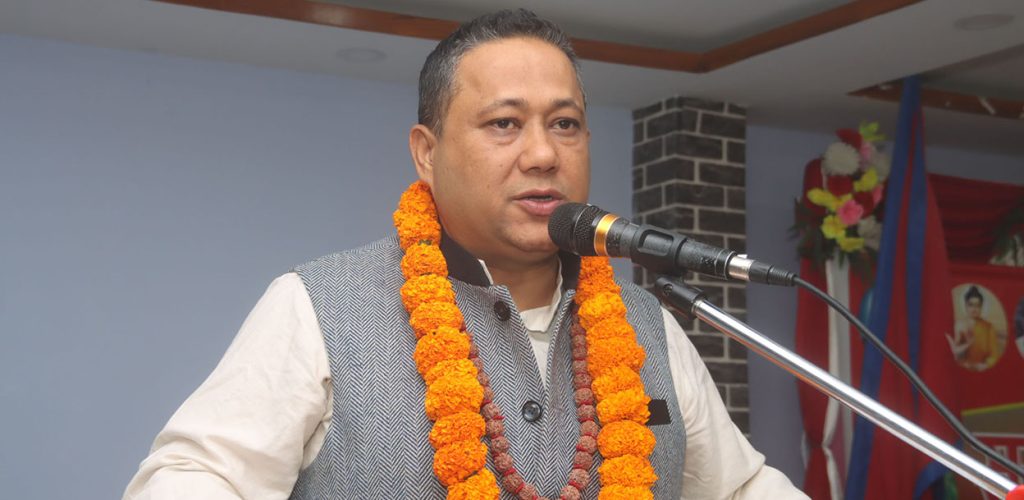
“We have organized training programs to ensure that the diplomatic conduct is applied equally to everyone, including the Prime Minister and ministers,” said Foreign Minister Khanal. He emphasized the importance of the diplomatic code of conduct and stated that making it mandatory for all is essential.

Khanal also shared that the training sessions are conducted to raise awareness among those who do not comply with diplomatic behavior. He expressed confidence that this initiative will lead to improved conduct among government officials and public figures.

Foreign Minister Khanal Announces Uniform Diplomatic Code of Conduct for Prime Minister and Ministers

News Summary

  • Foreign Minister Shisir Khanal emphasized adherence to the diplomatic code of conduct and announced training programs to apply it equally to all public officials.
  • Khanal highlighted the government’s commitment to good governance and economic prosperity, along with zero tolerance for corruption.
  • At a National Independent Party event in Tarkeshwor Municipality-10, he stressed the importance of everyone following diplomatic rules.

April 25, Kathmandu – Foreign Minister Shisir Khanal underscored the importance of complying with the diplomatic code of conduct and stated that the government is actively working to regulate foreign relations and diplomatic behavior.

Speaking at an event organized by the National Independent Party in Tarkeshwor Municipality-10 held today in Manmaiju, he informed that efforts are underway to ensure that diplomatic conduct is applied equally to the Prime Minister, ministers, and all public office holders.

“We have arranged training programs to implement the diplomatic code of conduct uniformly for the Prime Minister, ministers, and all others,” Minister Khanal emphasized, reiterating that everyone must abide by diplomatic rules.

On another note, he mentioned that the government is working towards promoting good governance and economic prosperity.

He added that, consistent with the National Independent Party’s pledges, the government is committed to achieving good governance and prosperity.

Minister Khanal also stated that the government is advancing with a zero-tolerance policy against corruption.


How did this news make you feel?
Happy

Happy

Sad

Sad

Surprised

Surprised

Excited

Excited

Angry

Angry

Comments

Newest Oldest Popular

Comments

Hot Properties

Banana Farmers Say: ‘We Sold at Last Year’s Prices, So Why Are Market Prices Higher?’

Despite reports of consumers paying exorbitant prices for bananas, farmers insist they have been supplying bananas to the market at prices consistent with previous years. Ghannath Mahato, a banana farmer from Chitwan, stated, “We have been selling the G9 variety of bananas at NPR 5 to 6 per kilogram and Malbhog bananas at NPR 7 per kilogram.” He explained that although demand for bananas might be higher this season, farmers have not sold them at prices exceeding their value. Mahato expressed surprise at hearing that consumers are buying bananas at much higher prices than what farmers received, urging the government to investigate and take action against those charging excessive amounts.

Laxman Subedi, a commercial banana farmer from Chitwan, also confirmed selling G9 bananas at NPR 60 per dozen and Malbhog bananas at NPR 85 per dozen. “Last year, bananas were sold at the same price, and the prices have not changed this year,” he said. Subedi accuses a few select traders of artificially inflating prices. Due to current restrictions preventing businessmen from importing bananas from India, he believes some traders have artificially raised prices to increase banana costs in the market.

Farmers sell bananas to wholesale traders in Kathmandu, Pokhara, Butwal, and Chitwan. The wholesalers then distribute them to retail sellers, passing through three levels before bananas reach the general consumers. The government has halted banana imports from India due to the threat of the Tropical Race 4 (TR4) variant of Panama disease, which rapidly spreads and can destroy entire banana plantations.

Vishnu Hari Pant, chairman of the Nepal Banana Producers Federation Ad Hoc Committee, says the stark difference between the low prices at which farmers sell and the high prices consumers pay indicates heavy intervention by intermediaries in the market. Hari Mainali, a wholesale businessman in Kathmandu, stated that bananas imported from Nepali farmers are sold at prices between NPR 130 and 140 after adding transportation costs. “There has been no clear identification of who is smuggling bananas from India and where they are selling them,” he added.

Vinod Prasad Gupta, a fruit businessman from Narayangadh, Chitwan, reported selling Malbhog bananas at NPR 150 per dozen and other banana varieties between NPR 180 and 200 per dozen. He mentioned that Malbhog bananas are locally grown, while other types are imported from India. However, Vishnu Hari Pant noted that wholesale traders are inflating prices by selling Nepali bananas at higher prices than what they paid to farmers, sometimes passing them off as Indian bananas.

According to banana industry sources, banana cultivation in Nepal spans approximately 15,500 hectares and involves 7,633 farmers. Nepal requires around 900,000 metric tons of bananas annually, but domestic production amounts to only 700,000 metric tons. Consequently, about 200,000 metric tons of bananas must be imported each year to meet demand.

दीपेन्द्रको संयमित ब्याटिङमा नेपालको मध्यम योगफल

Nepal Posts Moderate Total of 200 with Steady Batting by Dipendra in ICC Cricket World Cup League 2

N epal has set a target of 201 runs for UAE in the ICC Cricket World Cup League 2 match. Batting first after losing the toss, Nepal scored 200 runs in 48.2 overs, with vice-captain Dipendra Singh Airey making a crucial 75 runs. Ajay Kumar and Juneck Siddiqui from UAE took three wickets each. Kathmandu, 12 Baisakh.

In the ICC Cricket World Cup League 2 encounter, Nepal put UAE under pressure by setting a target of 201 runs. After losing the toss at the Tribhuvan University Cricket Ground, Nepal batted first but were restricted to 200 runs in 48.2 overs. Nepali batsmen lost wickets steadily, but vice-captain Dipendra Singh Airey displayed a composed and powerful innings, scoring 75 runs off 90 balls before being the last wicket to fall.

Opener Kushal Bhurtel scored 24, Asif Sheikh made 7, Bhim Sarki scored 10, Captain Rohit Paudel managed 2, Basir Ahmad scored 20, Arif Sheikh added 15, Sompal Kami made 15, and Karan KC scored 22 before being dismissed. Lalit Rajbanshi remained not out on 0. On the bowling front, UAE’s Ajay Kumar and Juneck Siddiqui were incisive, each taking three wickets. Additionally, Tanveer claimed two wickets, while Haider Ali and Mohammad Shahdad took one wicket each.

Street Food and Beverage Festival Kicks Off for the First Time in Nepalgunj

April 25, Nepalgunj – The first-ever ‘Street Food and Beverage Festival’ has commenced in Nepalgunj. The festival is being held within Nepalgunj’s Water Park area from 6 PM to 11 PM daily, aiming to promote local tourist sites, identify and highlight traditional cuisines, and boost the hotel industry in Nepalgunj and Banke district.

The festival is organized by the Hotel Entrepreneurs Association Banke and Hotel Association Nepal Banke, with the goal of attracting domestic tourists from western Nepal as well as visitors from neighboring India, thereby promoting tourism in the Nepalgunj region.

The event features a diverse range of food offerings—from street fare to dishes from five-star hotels—all available at one venue. Delicious local foods, traditional and modern dishes, and beverages are complemented by local art, cultural displays, and entertainment programs, according to Bhim Kandel, Chairman of the Hotel Entrepreneurs Association Banke. A total of 40 stalls participate in the festival, representing hotel businesses and various commercial establishments.

The cultural lineup includes traditional dances by local artists and live performances by bands such as Ferante, The Jappers, Rockheads, and The Black Hole. Renowned singer Ram Krishna Dhakal, comedian and actor Vijay Baral, actress Varsha Raut, comedian Maksam Goudel, among other artists, will provide live music. Additionally, dance performances by local and Russian artists are scheduled. Visitors can enjoy a variety of food stalls, live music, cultural presentations, and special offers throughout the festival. This initiative is expected to encourage local producers and businesses and establish Nepalgunj as a popular food destination.

According to Divakar Khanal, Chairman of Hotel Association Banke, locals weary from the intense heat are flocking to enjoy the festival’s culinary delights and live music every evening from 6 PM to 11 PM.