Author: space4knews

Nepal Defeated by Vanuatu by 22 Runs in ICC Women’s Challenge Trophy

In the ongoing ICC Women’s Challenge Trophy in Rwanda, Nepal was defeated by Vanuatu by 22 runs. Chasing a target of 98 runs, Nepal was bowled out for 75 runs in 15.3 overs. This marks Nepal’s second loss in the tournament after playing four matches. April 24, Kathmandu.

During their fourth match of the ICC Women’s Challenge Trophy 2026 held in Rwanda, Nepal was beaten by Vanuatu by 22 runs. Setting a target of 98 runs, Vanuatu restricted Nepal, who were chasing, to 75 all out in 15.3 overs. This defeat represents Nepal’s second loss in the tournament. Previously, Nepal had lost to the United States but secured wins against Italy and Rwanda.

For Nepal, opener Samjhana Khadka top-scored with 24 runs, captain Indu Burma contributed 13, and Kavita Kunwar added 10 runs. Other players failed to reach double digits. Despite a decent start, Nepal struggled with the bat and were unable to complete their innings, losing wickets regularly. After losing three wickets at 45 runs, the team managed to add only another 30 runs before losing the remaining six wickets.

For Vanuatu, Nassimana Nabekale and Vanessa Vira took three wickets each, while Selina Solman claimed two wickets. Rachef Andre took one wicket. Vanuatu won the toss and batted first at the Gahanga International Cricket Stadium in Kigali, scoring 97 runs for the loss of five wickets in the allotted 20 overs. Valenta Langiet was the top scorer for Vanuatu with 42 runs. For Nepal, Riya Sharma took two wickets, while Manisha Upadhyay, Kavita Kunwar, and Rachana Upadhyay shared one wicket each.

पुरुषतर्फ पुलिस र आर्मी विजयी, रुकुमसँग हार्‍यो एपीएफ – Online Khabar

Police and Army Secure Wins in Men’s Category; APF Defeated by Rukum

On the second day of the Red Bull 10th PM Cup NVBA Women’s and Men’s Volleyball League 2083, the performances of departmental teams were mixed. In the men’s category, Nepal Police Club and Tribhuvan Army Club secured victories, while Nepal APF Club was defeated. The league features 8 men’s teams and 6 women’s teams competing over 9 days with a total of 45 matches. Kathmandu, 11 Baishakh.

On Friday, at the Dashrath Rangashala Covered Hall in Tripureshwor, in the first men’s match, Police defeated Koshi Province Volleyball Club 3–1 in sets. Police won the first set 25–23, but Koshi leveled the match by taking the second set 25–22. Police then won the next two sets 25–20 and 25–22 to clinch the match.

Similarly, in the third men’s match of the day, Army defeated Budhanilkantha 3–1 in sets. Army claimed the win by scores of 25–19, 20–25, 25–14, and 25–15, marking their second victory. Rukum Paschim Volleyball Club defeated APF in straight sets, winning 25–14, 25–21, and 25–15.

On the women’s side on Friday, APF was also defeated by Butwal’s Everest Volleyball Club. In the NVBA league, three men’s matches and two women’s matches are scheduled for Saturday. In the women’s category, the matches will start at 9 a.m. with Nepal Police Club versus Sudurpaschim, followed by New Diamond against Everest Volleyball Club at 11 a.m.

Smuggling Persists as Customs Authorities Continue Harassing Citizens Under Revenue Collection Pretext

The Armed Police Force has imposed strict regulations at border checkpoints, requiring customs duties on household items exceeding a value of 100 rupees. Residents living near the border have expressed their opposition to the new customs policy, showing frustration on social media. Former Minister Mahanta Thakur has warned of rebellion in parliament against the government and demanded revisions to the policy.

The Armed Police forcibly snatch bags from women wearing burqas. These bags contain household consumables. One woman, angered by the enforcement, throws several packets of instant noodles and snacks on the ground, stating that the items were intended for her child. An elderly man, agitated by the inspection, crushes several bunches of bananas he had carried on his motorcycle and throws the bananas into a trash bin. These scenes reflect the public outcry following stricter enforcement of the customs regulation that mandates citizens pay customs duties if goods procured from India exceed 100 rupees in value at border points.

Such dissatisfaction with the revised customs and security policies under the new government has gone viral on social media platforms. Though posts may not be widespread on Facebook, TikTok, or Reels, outrage among border communities has intensified. The Armed Police’s strict imposition of customs on even household-use items has fueled growing protests. Ramkala Devi, encountered at Jatahi checkpoint in Dhanusha on Friday, said, “People across the border are relatives; where will we find money to pay duties on small household items that are normally given free?”

Former Minister Hridayesh Tripathi commented, “Those based in Kathmandu who are unaware of the border community’s conditions are again possessed by the ‘ghost’ of increased revenue collection. This phantom has appeared periodically in the past.” He considers the policy to charge customs on goods over 100 rupees as disrespectful to border residents. “Vegetables for cooking can cost 100 rupees; toothpaste does not reach that price,” Tripathi stated, “This government has failed to understand the impracticality of such a policy.”

Ministry of Foreign Affairs Reports on the Willingness of Nepalis in Iran to Return Home

April 24, Kathmandu – The Ministry of Foreign Affairs has stated that Nepalis currently in Iran are not immediately willing to return to Nepal. According to the ministry, during the attacks by Israel and the United States in Iran, the government took initiatives to facilitate the return of Nepalis from the region. However, the spokesperson of the Ministry, Lok Bahadur Paudel Kshetri, informed that most of them have expressed reluctance to return at this time.

He said that out of the 10 Nepalis residing there, 8 have decided not to return to Nepal, while 2 are presently in the process of returning, according to spokesperson Kshetri. Despite repeated appeals from the government to return home, these individuals have cited personal reasons that prevent their immediate departure.

“They have been repeatedly requested to come back. Initially, they were willing to return, but since yesterday evening, we have received news that they are unable to come back,” said the spokesperson. “Their decision not to return is not due to security concerns or other safety reasons, but rather because of their current circumstances such as employment opportunities.” He also noted that all Nepalis in the area remain in continuous contact with the Nepali Embassy in Qatar. Furthermore, the Ministry of Foreign Affairs has confirmed that efforts for rescue and repatriation are being coordinated through the Nepali Embassy in New Delhi.

1,500-Year-Old Mass Burial Sheds Light on Justinian Plague Mystery

Researchers from the University of South Florida have discovered a mass burial site where hundreds of people died approximately 1,500 years ago due to the ‘Justinian Plague’ pandemic. The study, published in the Journal of Archaeological Science, confirms the earliest recorded outbreak of bubonic plague in the Mediterranean region. The research also reveals how the pandemic brought nomadic communities together in a single location, highlighting its social implications.

Kathmandu, April 24 – The mass grave found in the ancient city of Jerash, Jordan, demonstrates that pandemics not only spread disease but also redefine social structures and societal collapse. According to the University of South Florida team, the Justinian Plague claimed hundreds of lives in a single event roughly 1,500 years ago.

The study, published in the Journal of Archaeological Science, confirms this as the first recorded bubonic plague pandemic in the Mediterranean. Lead researcher Reze H.Y. Jiang explained that this was not an ordinary burial site; it was a special event where hundreds of people were buried together within a few days. The study sheds light on the lifestyle of people during the pandemic and the conditions within urban centers during times of crisis.

Archaeological evidence and genetic testing establish this mass burial as the earliest known linked to the plague. The research uncovered the notable fact that, whereas nomadic community members usually lived scattered across different regions, during the pandemic, they congregated in one place. This reflects how migration and human movement allowed the disease to reach even the remotest parts of the city. Conducted in collaboration with experts from the University of Sydney, Australia, and Florida Atlantic University, under the leadership of the University of South Florida, the study concludes that pandemics are not just biological events but also social phenomena exposing vulnerabilities within societies. The research team warned that in today’s era of densely populated cities and increased travel, the risks of such pandemics continue to persist.

Nepal Wins 17 Medals at the 22nd IKF World Kempo Championship

The Nepalese Kempo team delivered an outstanding performance by winning 17 medals at the 22nd IKF World Kempo Championship 2026 held in Antalya, Turkey. Pavel Shah, President of the Nepal Kempo Federation, confirmed that the team secured medals across five categories. In total, 16 athletes and officials represented Nepal at the event. Kathmandu, 11 Baishakh.

The Nepal Kempo team excelled at the championship in Turkey, securing a total of 17 medals at the prestigious global martial arts competition held in Antalya. This impressive achievement highlights Nepal’s growing presence in international Kempo sports.

Pavel Shah, President of the Nepal Kempo Federation, reported that Nepal won 17 medals across five different disciplines at the World Kempo Championship. In the Junior Kata category, Monalisa Dhami earned the gold medal. In the same category, Kridix Bikram Kunwar and Dilman Lama each won bronze medals. In the Junior Weapons Kata, Monalisa secured a silver medal, while Sulabh Shrestha and Kridix also earned bronze medals.

In the over-18 Kata category, Yaman Pandey claimed a bronze medal. The team kata duo of Monalisa and Ira Gautam also secured a bronze medal. In Self-Defense, the team comprising Suresh Parajuli, Yaman Pandey, Monalisa, and Shivahari Rai won a bronze medal. The Mixed Self-Defense event (men and women) saw Anjana Shahi, Yaman Pandey, Monalisa, and Shivahari earn silver medals. Additionally, Anjana Shahi and Monalisa achieved bronze medals in the Self-Defense category.

On the second day, in the Submission category for juniors, Kridix Bikram earned a silver medal, while Monalisa, Sulabh Shrestha, and Ira Gautam each received bronze medals. Federation President Shah expressed optimism about winning more medals as the competition continues until April 26. A total of 16 Nepalese players and officials participated in this championship. Team coach Anjana Shahi congratulated all medal winners and participants for successfully raising Nepal’s flag on the international stage.

कर्मचारीको उमेरहद ६० वर्ष प्रस्तावित, अन्य के छ नयाँ व्यवस्था ?

Proposal to Raise Civil Servants’ Retirement Age to 60 and Other Key Reforms

April 23, Kathmandu – The Ministry of Federal Affairs and General Administration has drafted a Federal Civil Service Bill that proposes to increase the retirement age of civil servants to 60 years. The ministry’s team is preparing to release the draft bill for public feedback. Minister Pratibha Rawal informed that the bill has been prepared with the aim of extending the retirement age for civil servants to 60 years. According to her, once the bill is passed by the federal parliament, the retirement age will be raised to 59 years in the first year and then to 60 years from the second year onward. ‘We have held detailed discussions with ministry employees and experts about the bill; however, rumors and misinformation circulating on social media are not part of the bill,’ she said. ‘Our focus has been on creating a digital service-oriented framework that promotes incentives based on employee capacity and skills.’

Regarding age limits and service duration, the bill maintains the retirement age for civil servants at 60 years, with implementation carried out in two phases. It proposes reducing the term of office for the chief secretary (14th level) from three years to two years, while the secretary (13th level) will serve a fixed two-year term with a provision for the government to extend it by one additional year if necessary. Contrary to social media rumors suggesting different maximum service durations and separate age limits for undersecretaries, there will be no changes to their service tenure or retirement age. Undersecretaries will be allowed to serve up to 60 years unless promoted to secretary, after which retirement will align with the prescribed term for secretaries. The service terms and age limits for lower-level employees will remain unchanged.

The bill also proposes changes to the maximum entry age and cooling-off period. Under the new proposal, men must join the civil service by age 32, women by 35, and persons with disabilities by 39. Previously, the limits were 35 for men and 40 for women. Additionally, the bill stipulates that retired civil servants must wait at least two years before accepting any government appointment. During this cooling-off period, they are prohibited from filing candidacy or holding elected office. Although the Constitutional Committee previously debated the cooling-off period, no consensus was reached.

The bill introduces the concept of executive positions equivalent to secretaries, allowing qualified individuals from various sectors to be directly appointed through tests or competitive selection. Their tenure in these posts will be two years, similar to the terms of secretaries and top-tier civil servants, with the option to extend by one year.

Provisions addressing conflicts of interest are also included. Civil servants will be required to declare any personal interests and maintain relevant records, with a prohibition on making decisions involving those interests. Employees found violating this rule will face departmental action. The Ministry of Law had prepared two draft proposals on this matter in 2022, but they were not implemented. Furthermore, the bill recommends excluding current civil servants from preparatory classes and examinations for entry into the civil service.

Long-discussed arrangements for chief administrative officers at the local level are also addressed. The bill proposes deploying chief administrative officers directly from the federal level to the offices of provincial chief ministers. Currently appointed officers will be assigned to local governments through the chief minister’s office. The tenure for these officers will be five years once the act is enacted. A separate quota will be set at the provincial level for the transfer of certain employees from the federal level. Employee transfers may occur between two local governments with mutual consent, but the receiving local government will assume full responsibility for the transferred staff. Similar management provisions will apply to provincial service employees as well.

22 Electric Scooters Seized in Customs Smuggling Operation

April 24, Birgunj – The Armed Police Force Nepal in Parsa has confiscated 22 electric scooters that were smuggled into the country from India without paying customs duties. Mohan Niraula, Deputy Superintendent of the Armed Police Force Nepal, No. 13 Battalion Headquarters in Parsa, announced on Thursday that the scooters, valued at approximately NPR 1.73 million, were seized from multiple locations across Parsa.
According to him, the scooters were seized as follows: 14 at the main customs checkpoint in Birgunj Metropolitan-16, 7 at Sirsiya checkpoint, and 1 at Prasaunibhatta in Bindabasini Rural Municipality-5, totaling 22 electric scooters. – Rastriya Samachar Samiti

Iranian Foreign Minister Abbas Araqchi to Visit Pakistan Tonight

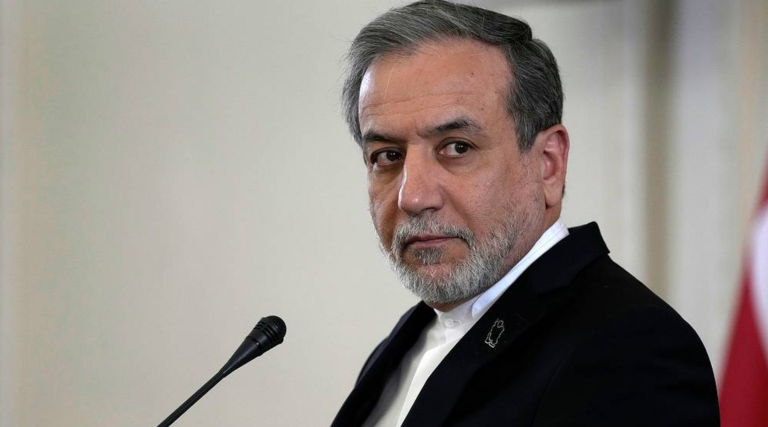
April 24, Kathmandu – Iranian Foreign Minister Abbas Araqchi is scheduled to arrive in Pakistan’s capital, Islamabad, tonight, Friday. According to the Iranian official news agency IRNA, he plans to travel from Iran to Islamabad, Oman’s capital Muscat, and Russia’s capital Moscow today.

Earlier, based on sources from the Pakistani government, it was reported that Araqchi would reach Islamabad tonight. The purpose of his visit is to engage in bilateral discussions and consult on the ceasefire situation with the United States and Israel.

An American security team is also present in Islamabad, preparing for the next phase of ceasefire talks. Pakistan has been maintaining continuous communication with both parties.

Following the failure of the first phase of ceasefire negotiations between the United States and Iran, Pakistan is making efforts to facilitate a new phase of discussions.


How did this news make you feel?
Happy

Happy

Sad

Sad

Surprised

Surprised

Excited

Excited

Angry

Angry

Comments

Newest Oldest Popular

Comments

Hot Properties

Applications Open for 6 Positions Including Manager of Nepal National Men’s Cricket Team

The Cricket Association of Nepal (CAN) has announced openings for six different positions, including the manager of the National Men’s Cricket Team. The deadline to submit applications is set for May 10. CAN has specified that candidates for the manager position must possess in-depth knowledge of modern cricket structures and rules and must not have any prior disciplinary actions.

On Friday, CAN initiated the application process for the six vacancies. The available positions include Front Desk Officer, Inventory Officer, Procurement Officer, Junior Officer (Finance), Women’s Cricket Development Officer, and Manager of the National Men’s Cricket Team. Interested candidates can apply until May 10.

For the National Team Manager role, CAN emphasized the need for strong experience with both modern cricket frameworks and traditional practices. Applicants must not currently hold any active coaching position within the electoral domain. Additionally, candidates should have no conflicts of interest or disciplinary issues in the last five years. The ability to travel domestically if required is also mandatory. Priority will be given to individuals with experience in talent identification, performance analysis, and on selection committees.

अमृत झाको रिहाइबारे परराष्ट्र मन्त्रालयले फेरि भन्यो- प्रक्रियामै छ

Ministry of Foreign Affairs Confirms Ongoing Release Process of Amrit Jha Detained in Iran

April 24, Kathmandu – The government has confirmed that the release process of Nepali citizen Amrit Jha, who was detained by Iranian authorities in the Strait of Hormuz, is still underway. Speaking at a press conference on Friday, Ministry of Foreign Affairs spokesperson Lok Bahadur Paudel Kshetri provided an update on Jha’s case, emphasizing that the procedure remains active.

Earlier, Foreign Minister Shashir Khanal had announced on social media that Jha had been released. However, widespread criticism followed when it was discovered that Jha was still incarcerated in an Iranian prison.

“The local court in Bandar Abbas, Iran, has already delivered a verdict on the case related to the ship associated with Amrit Jha, who was detained before the conflict started. Out of the seven individuals involved, four have already been released. The release procedures for the remaining detainees, including Jha, are ongoing,” explained spokesperson Kshetri. He added that due to the complex current situation in Iran and its judicial system, some legal procedures remain pending and will take a few more days to complete.

The spokesperson also noted that the government continues to make persistent efforts at various levels to secure Jha’s release. While the entire release process is in progress, the Ministry has clarified and defended itself regarding Minister Khanal’s earlier statement about Jha’s release.

Government’s Decision to Remove Sukumbasi Settlement Sparks Fear Among Locals

After the government issued an ultimatum to remove the Sukumbasi settlement in Thapathali, Kathmandu, locals have begun moving their belongings. They expressed concerns over the lack of clear information regarding the eviction decision. Prime Minister Shah stated that the government will distinguish between genuine Sukumbasi residents and encroachers and proceed with distributing land to the rightful residents. April 24, Kathmandu.

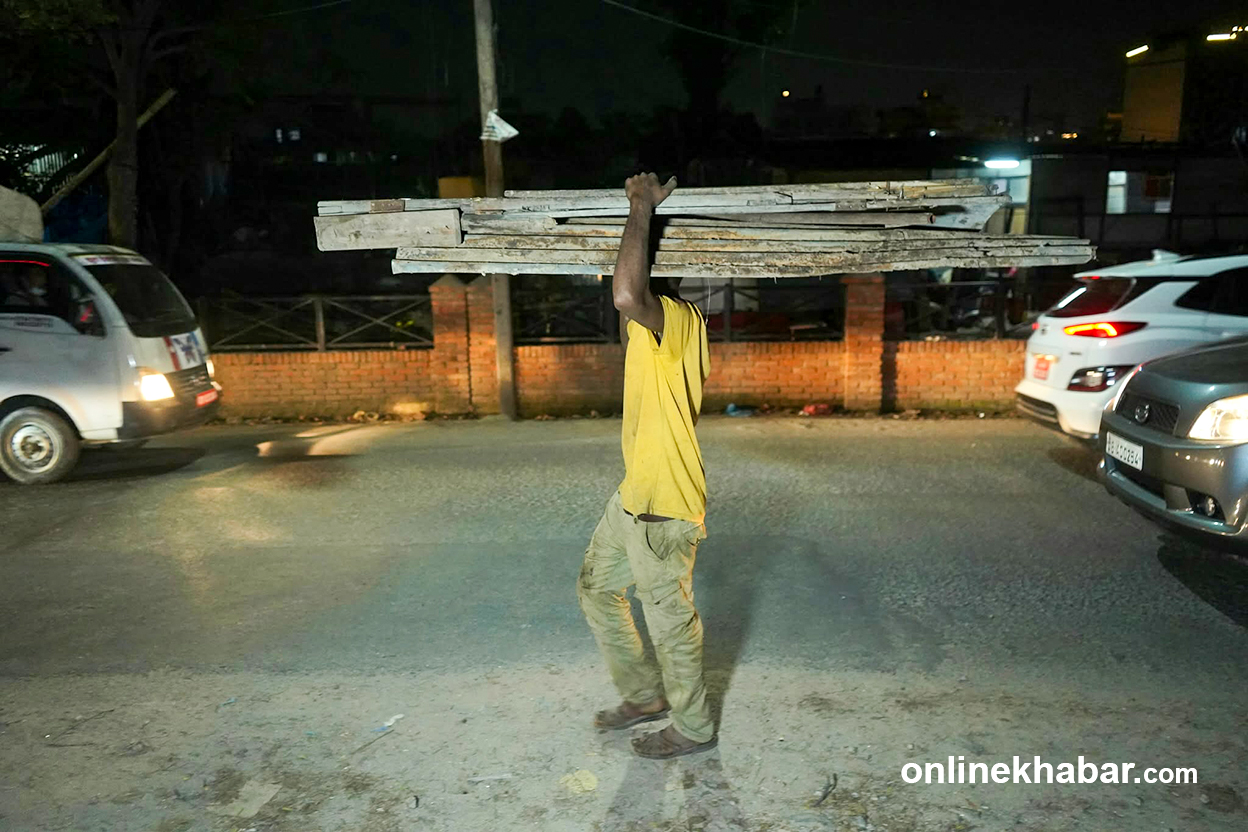
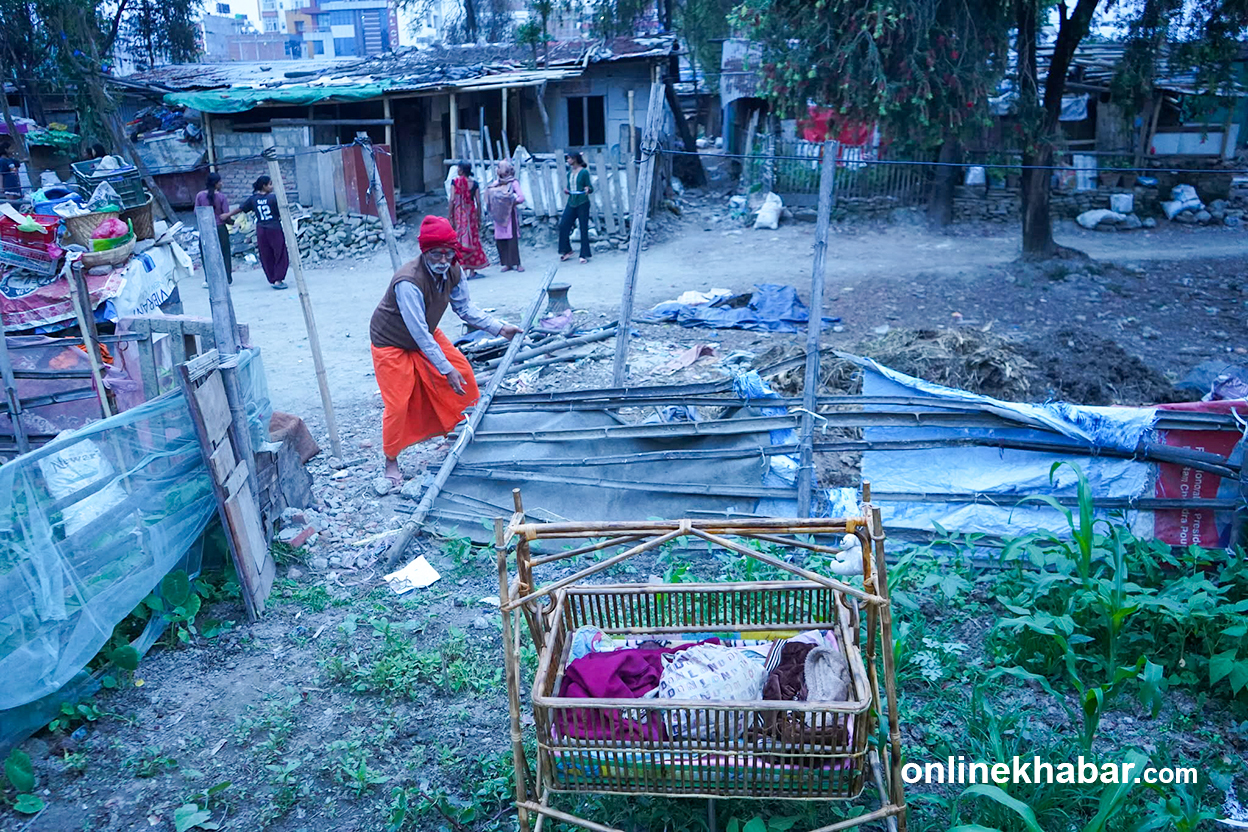
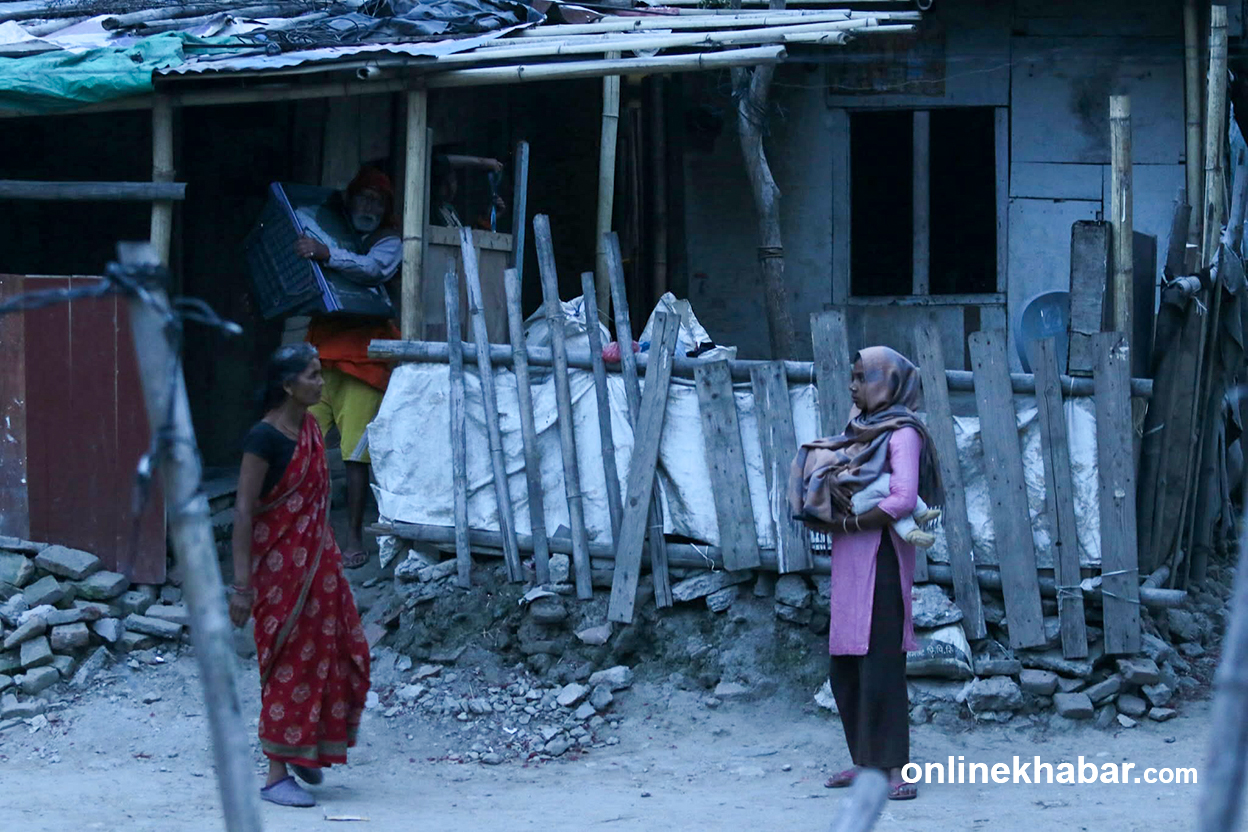
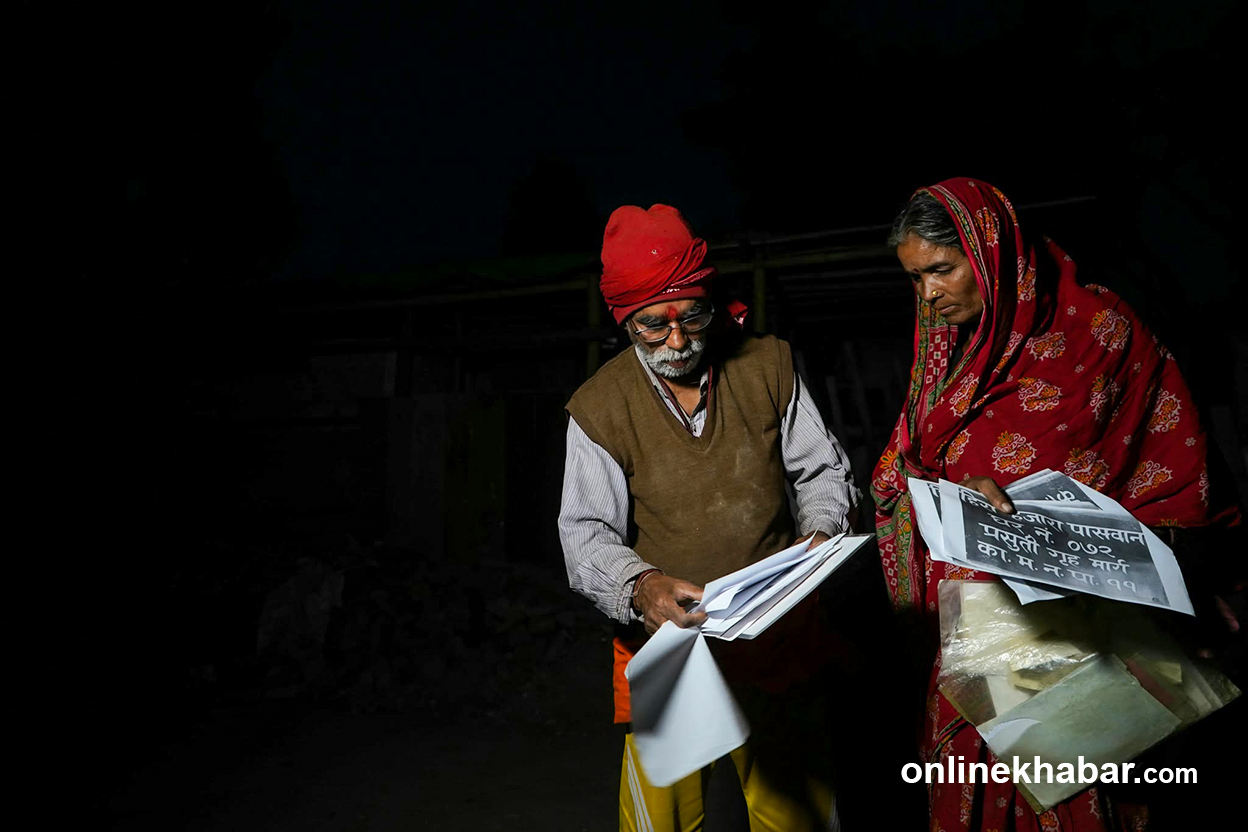
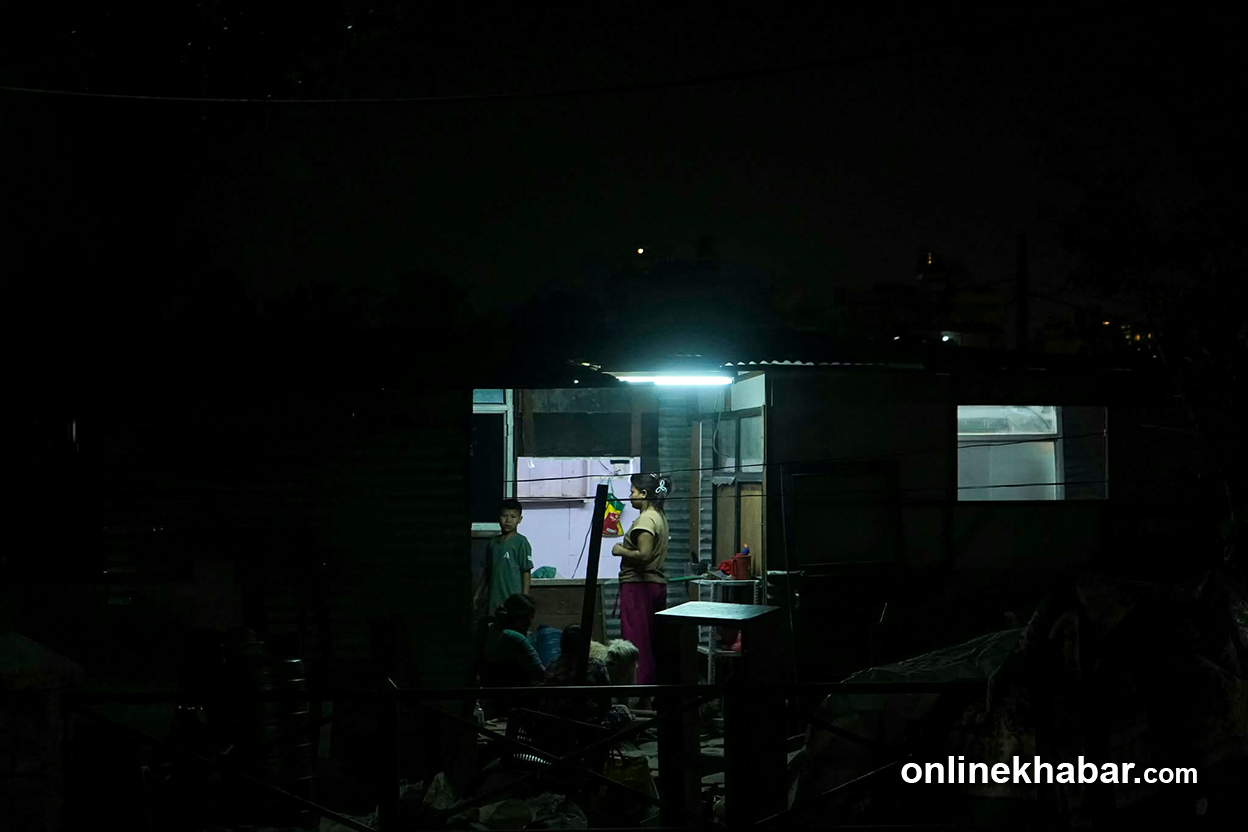
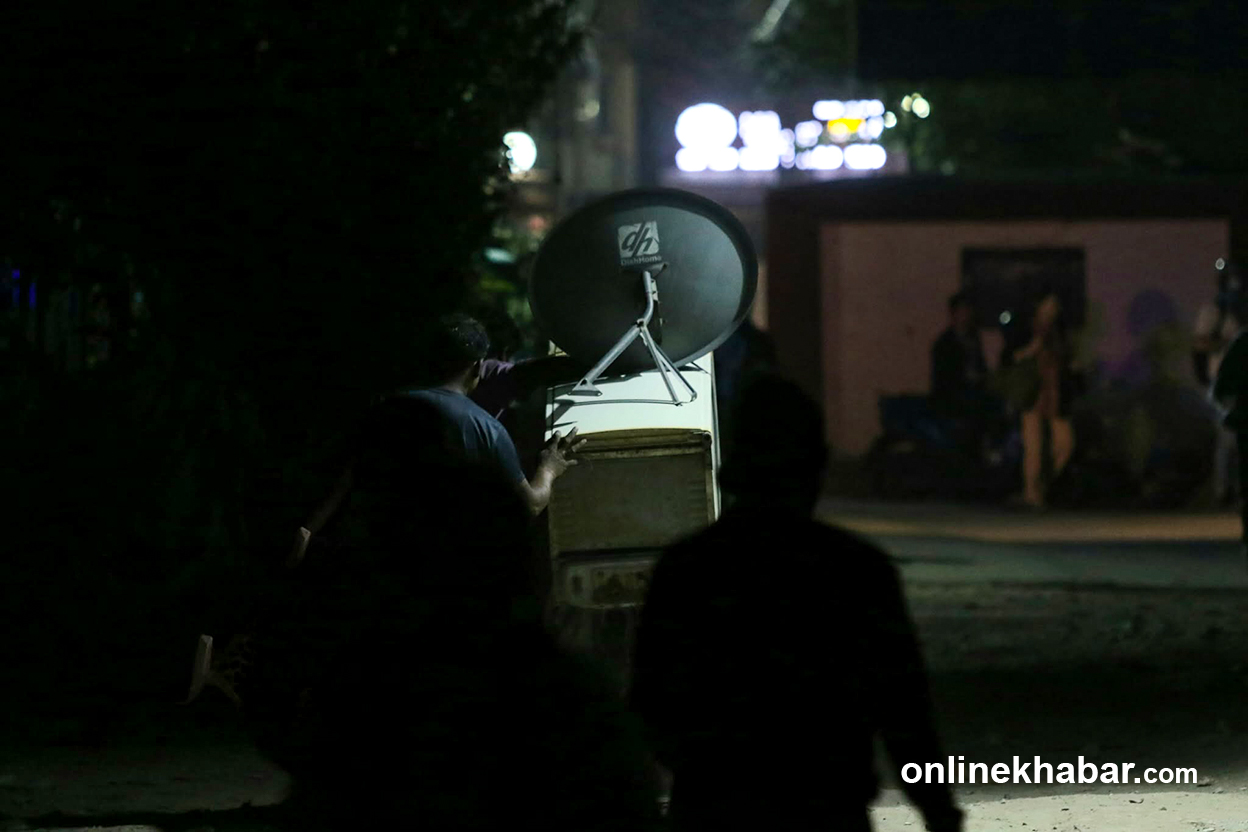
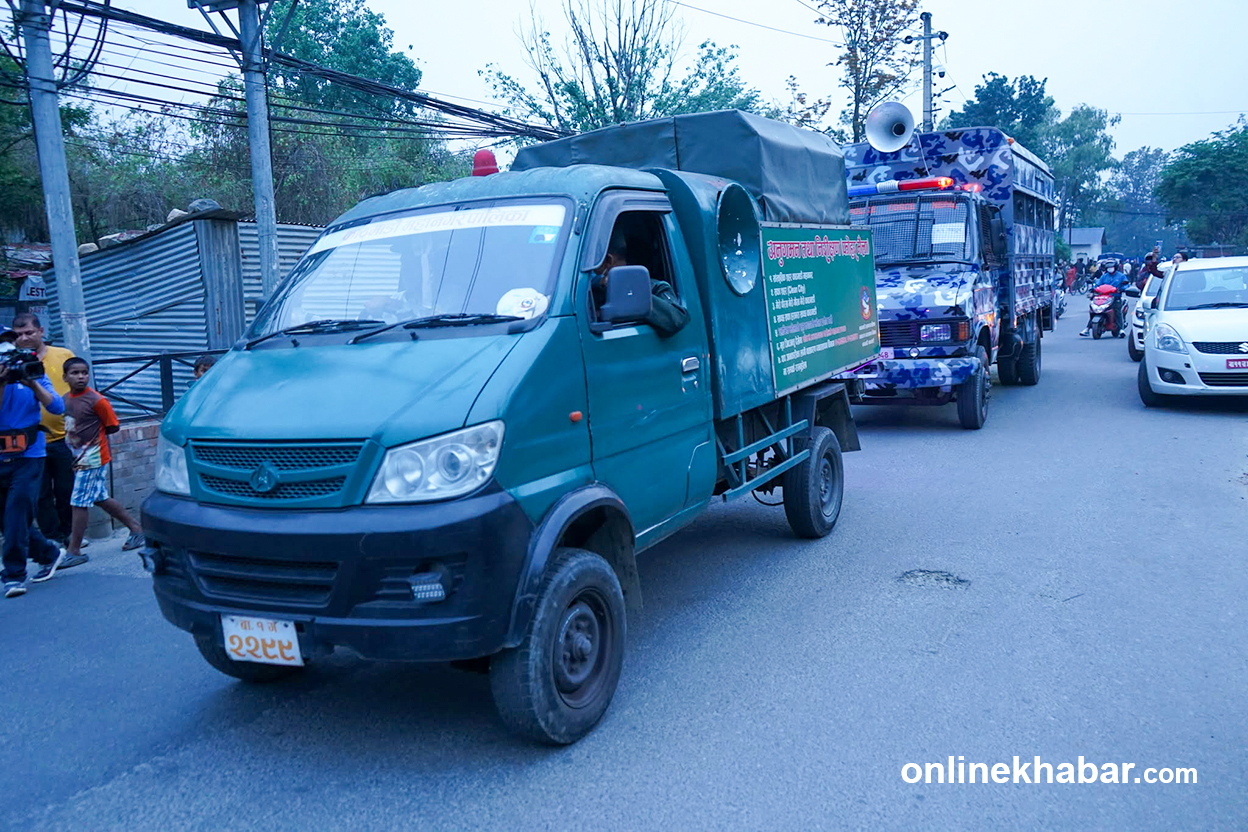
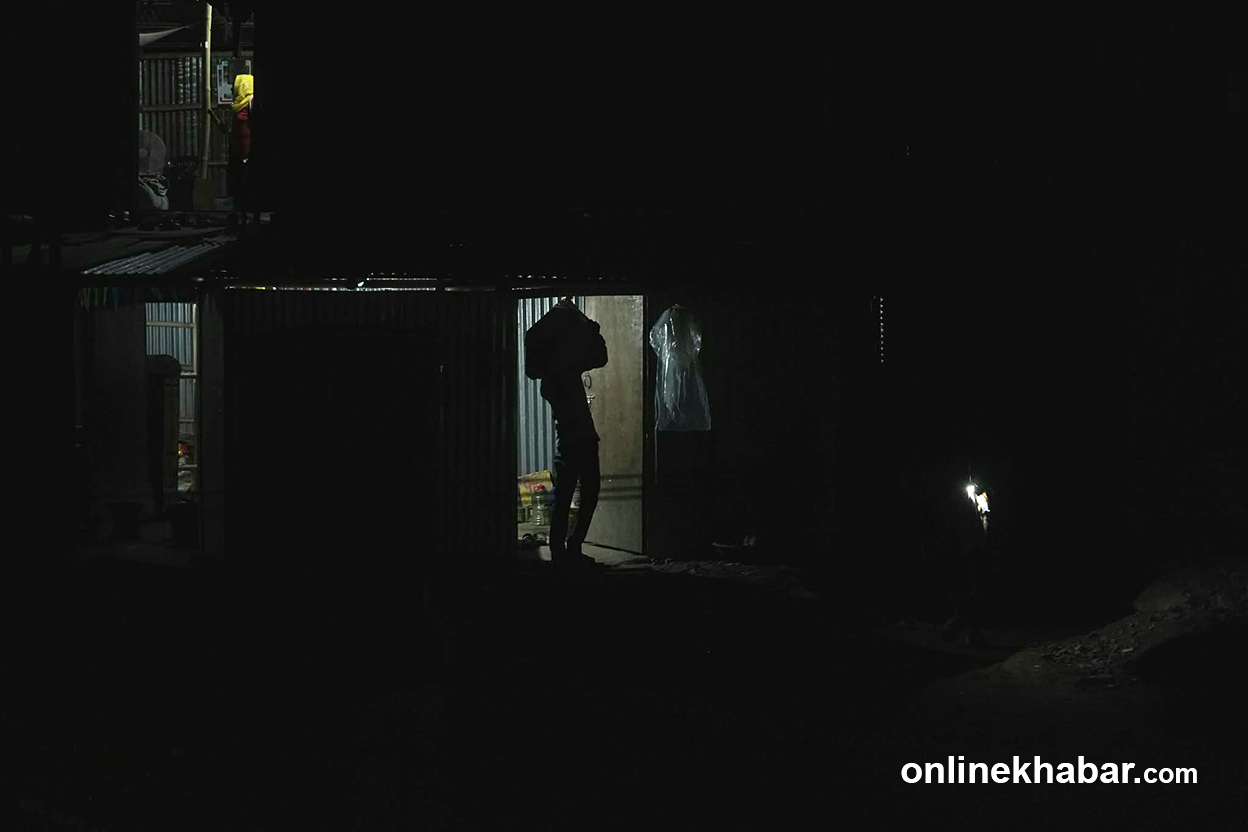
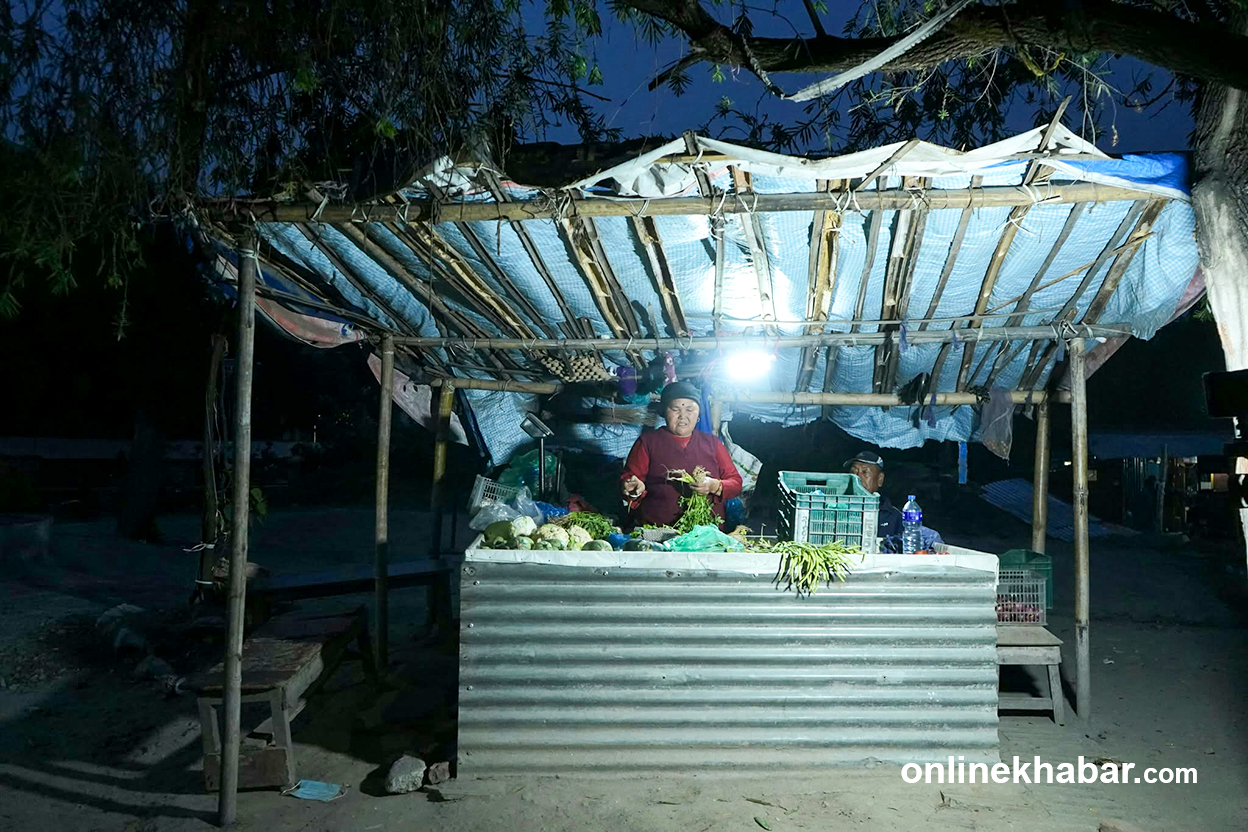
Some were packing their belongings into bags, others loading goods onto Bolero vehicles, and some were carrying their possessions by themselves. When visiting the Sukumbasi settlement in Thapathali on Friday morning, many residents appeared confused and anxious. Ever since the government issued instructions to clear the settlement, the community has been unsettled. On Thursday evening, security personnel used loudspeakers to urge residents to vacate the area. The previous night, police raided the settlement, and the following day, authorities set a deadline of 7 pm Friday for residents to remove their belongings.

Residents trying to move their possessions were reluctant to engage with others. Protecting their belongings was their paramount concern. “Tomorrow, even these possessions will be destroyed. Earlier, when the Metropolitan Police came, the Nepal Police used to intervene. Now, they themselves carry out the operations,” said Geeta Lama, who was packing her items, expressing her worries. “No one cares anymore. This seems to be our fate.” The anger among the Sukumbasi community stemmed from the government’s sudden escalation of the eviction process without clear communication.

Chants echoed throughout the settlement. During a protest before the government took office, Rashtriya Swatantra Party president Ravi Lamichhane famously declared that if dozers were used on the Sukumbasi settlement, he would confront the authorities boldly. Residents even called on Lamichhane to come to the settlement to ‘confront’ the demolition efforts. As slogans rang out near the settlement gate, more people gathered. Locals remarked, “Various self-interested groups will come now. They engage in politics, but ultimately, we are the ones who suffer.”

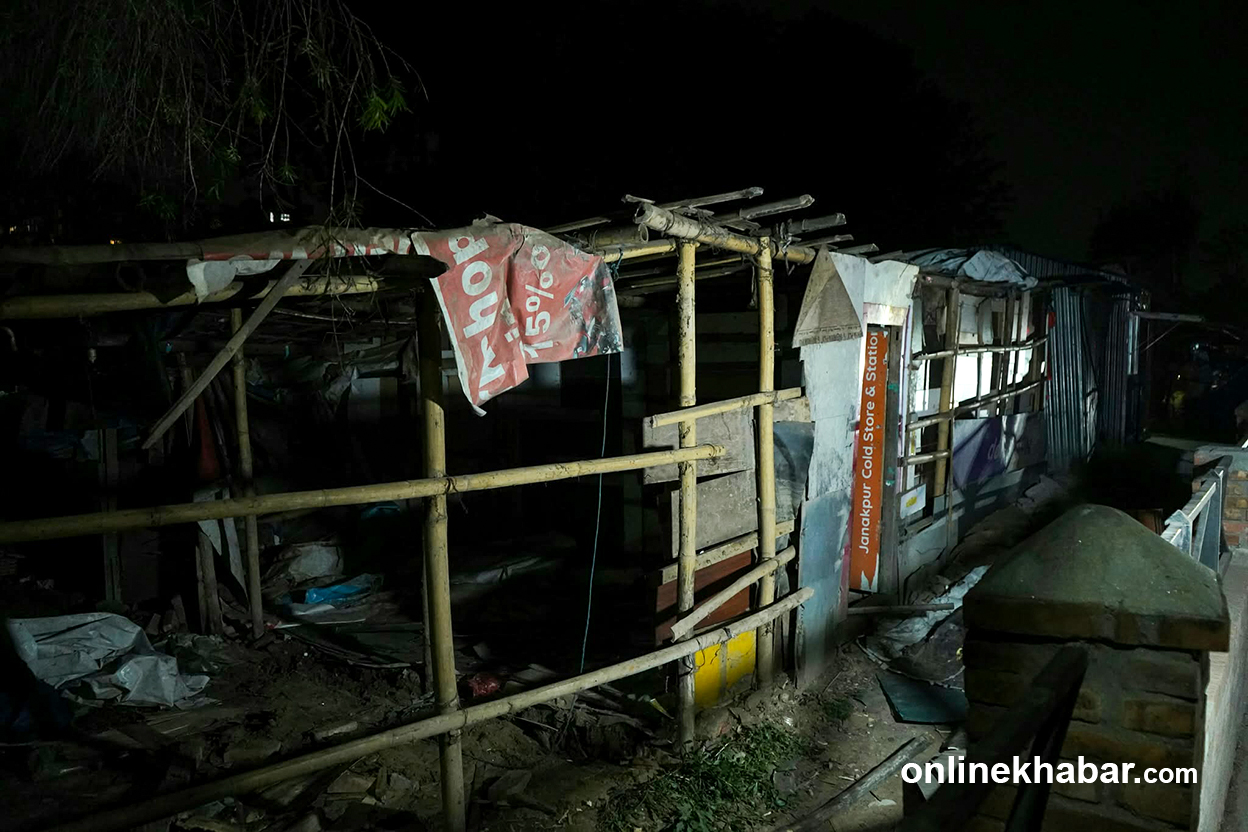
As the Sukumbasi residents remained uncertain, police activity on Friday afternoon heightened their fears. Authorities began installing CCTV cameras along the roadside near the Sukumbasi settlement in Thapathali, increasing local suspicions. Prime Minister Shah stated, “We are in government and will distinguish between encroachers and genuine Sukumbasi residents. We will complete the process nationwide and distribute land to rightful Sukumbasi families as soon as possible.”

Ward Member Dies After Being Hit by Shrapnel from His Own Gun

April 24, Baitadi – Dan Bahadur Airi, a 45-year-old ward member of Surnaya Rural Municipality Ward No. 2, has died after being injured by shrapnel from a locally made gun explosion in Baitadi. Airi sustained shrapnel wounds to his neck when the gun, which he had loaded himself, discharged on Wednesday evening. After receiving initial treatment at Baitadi District Hospital, he was referred to Dhangadhi. Following treatment at Maya Metro Hospital in Dhangadhi, he passed away around 3 p.m. on Friday while returning home, according to Inspector Baldev Bardu, spokesperson of Baitadi District Police Office. The deceased’s body has been kept at Baitadi District Hospital for post-mortem examination, authorities said.

Scientists Uncover the Secret of ‘SuperAgers’

Scientists at Northwestern University have confirmed that a group known as SuperAgers, individuals over 80 years old, possess brains as sharp as those aged between 50 and 60. The cortex layer of SuperAgers’ brains is as thick as that of younger individuals, and in some areas like the anterior cingulate cortex, it is even denser than in younger adults. These brains show resilience, with either an absence of or tolerance to Alzheimer’s-causing proteins without impact on memory. Additionally, SuperAgers lead active social lives. Kathmandu, April 24. Memory decline is generally considered a natural consequence of aging, but researchers have identified a special group of people over 80 who maintain cognitive abilities comparable to those 30 years younger. For 25 years, investigators from Northwestern University have been studying this group, referring to them as ‘SuperAgers’. A recent report published in the journal Alzheimer’s & Dementia challenges the traditional beliefs about age-related cognitive decline, revealing that these individuals perform equally well on memory tests involving word recall as someone three decades younger.

The unique biological structure of their brains is what fascinates scientists the most. While aging typically leads to thinning of the brain’s outer layer—the cortex—SuperAgers maintain a cortex as robust as that in younger adults. Even more remarkable, the anterior cingulate cortex, responsible for decision-making and emotions, is sometimes denser than in younger individuals. Furthermore, these individuals display a high number of healthy neurons related to social behavior and memory functions (such as von Economo and entorhinal neurons).

Postmortem analyses of brains from 77 SuperAgers have highlighted two key mechanisms. First is ‘resistance,’ where some brains show a complete absence of the harmful protein plaques and tangles that cause Alzheimer’s disease. Second is ‘resilience,’ where despite the presence of these harmful proteins, there is no observable memory impairment. This suggests that SuperAgers’ brains have developed special capabilities either to withstand or combat such diseases.

Aside from biology, the lifestyle of SuperAgers is also noteworthy. They tend to be social, friendly, and enjoy engaging with others. While they may vary in exercise and diet routines, strong social relationships and active involvement appear critical in maintaining brain health. According to Dr. Sandra Ventresca, these findings could significantly contribute to developing new treatments and strategies aimed at preventing or delaying dementia and Alzheimer’s disease.

धमाधम बस्ती खाली गराउँदैछन् सुकुमवासी (तस्वीरहरू)

Mass Evictions Begin in Densely Populated Squatter Areas of Kathmandu Valley (Photos)

News Summary

Prepared by AI, with editorial review.

  • The government is set to begin clearing major squatter settlements in Kathmandu Valley starting tomorrow morning.
  • Security agencies are actively carrying out the evictions under the direction of Prime Minister Balendra Shah.
  • Prime Minister Shah has expressed the current government’s commitment to resolving the squatter housing issue and providing appropriate resettlement for genuine squatters.

April 24, Kathmandu – The government is preparing to initiate eviction operations tomorrow (Saturday) morning in key squatter settlements within Kathmandu Valley.

Under the guidance of Prime Minister Balendra Shah, security forces have intensified efforts to carry out the clearances.

Residents have been notified to vacate their homes by 7 PM today and many began relocating their belongings starting Friday morning.

On Friday evening, residents in the Thapathali area were actively moving their household goods.

Meanwhile, Prime Minister Shah reaffirmed the government’s dedication to resolving the squatter settlement issues and pledged to provide necessary support for the resettlement of genuine squatters.

Photos: