Author: space4knews

Understanding the Nasal Cycle and How to Care for It for Better Health

A woman wearing green and pink clothes

Image source, Getty Images

Image caption, Did you know that only one nostril breathes at a time?

Throughout the day, our nostrils alternate in inhaling and exhaling without us being aware of it.

This phenomenon is called the ‘nasal cycle’ and plays a significant role in maintaining nasal health.

When we have a cold or allergies, nasal congestion makes breathing difficult.

However, even when there is no such condition, during a deep breath, only one nostril allows air intake at a time.

This is not a cause for concern; what you are experiencing is a natural physiological process.

लागुऔषधसहित एक भारतीयसहित पाँच जना पक्राउ – Online Khabar

Five Individuals Including an Indian National Arrested with Illegal Drugs


March 20, Kathmandu – The Narcotics Control Bureau of the Nepal Police has arrested five individuals in connection with several cases involving brown heroin and cannabis. According to the bureau, these arrests were made across two separate incidents.

Durga Raj Regmi, spokesperson for the bureau, stated that in the first case, following information that drugs were being sold to students in schools and colleges in Kathmandu, a woman was apprehended in Lalitpur.

The arrested individual is Kalpana Tamang, a 38-year-old woman originally from Thaha Municipality-11 in Makwanpur district. Authorities confiscated 2 kilograms and 300 grams of cannabis and a digital scale from her possession, according to the bureau.

In another incident, after receiving intelligence about the smuggling and sale of brown heroin brought from India in Kathmandu, a task force arrested three men from Factory Chowk, Kathmandu Metropolitan City-15. The arrested individuals are 31-year-old Vishal Shrestha from Sindhupalchok Sunkoshi-5, 39-year-old Arjun Thapa from Chautara-7, and 30-year-old Sagar Tamang from Kavre Temal-8. The police recovered 37 grams and 400 milligrams of brown heroin and a digital scale from them.

Further investigation linked these suspects to Vipul Barma, a 25-year-old from Forbesganj, Araria, Bihar, India, who was arrested by the bureau for supplying the brown heroin. Authorities seized 100 grams of brown heroin from his possession.

Nepal Election 2082: The Rising Momentum in Madhesh and Two Contrasting Analyses

Balen Shah receiving certificate after election

Image Source, RSS

Image Caption, Rastriya Swatantra Party presented Balen Shah as a prime ministerial candidate

Two distinct perspectives have emerged regarding Madhesh and its related issues following the election.

The first group of analysts claims that Madhesh-based parties have been completely defeated in this election and that their agendas appear to have disappeared.

The other group interprets that Madhesh has secured an important place in national dialogue with this election, and both new and established powers have accepted Madhesh’s fundamental agendas.

Rastriya Swatantra Party’s Popularity

In the election results, out of 32 seats in the Madhesh Province, the Rastriya Swatantra Party won 30 seats. Among the remaining two, Firdaus Alam of Nepali Congress secured one from Rautahat 2, and Matrika Yadav of the Communist Party of Nepal won from Dhanusha 1.

Interestingly, out of the 30 seats won by the Rastriya Swatantra Party, 25 candidates were of Madheshi origin.

Trump Considers Halting Military Action in Iran Amid Conflicting Statements

Trump

Image source, Getty Images

Reading time: 3 minutes

President Donald Trump has stated that he is considering halting U.S. military operations in Iran.

Expressing his views on social media, Trump mentioned that the U.S. is very close to achieving its objectives. However, during an interaction with journalists, he made it clear that he did not desire a ceasefire.

“When you’re completely destroying the other side, there is no ceasefire,” Trump said.

These mixed messages from Trump come as U.S. military officials have reportedly been preparing extensively for a possible deployment of ground troops in Iran. These details are being reported by U.S. partner CBS News.

According to CBS, based on information from multiple sources, the U.S. is also discussing how to handle the custody of Iranian soldiers if captured.

Leopard Found Dead in Malunga, Syangja


March 20, Syangja – A dead leopard was discovered in Malunga Basindanda, Ward No. 1 of Galyang Municipality, Syangja. The incident came to light after locals spotted the animal and informed the police and forest office.

According to the Kaligandaki Sub-Division Forest Office in Galyang, the leopard, estimated to be about one year old, was found on Friday afternoon. Forest officer Suman KC noted that the leopard may have died a few days prior to being found.

The forest office reported that initial inspection revealed no visible external injuries or signs of an attack on the leopard’s body. “It does not appear to have died from an attack by humans or other animals; other causes are possible,” said Officer KC.

A formal report was filed at the site in the presence of local representatives, police, and residents, and the leopard’s body was managed accordingly. The forest office has stated that further investigation will be conducted to determine the cause of death.

US Temporarily Lifts Sanctions on Iranian Oil


March 20, Kathmandu – The US Department of the Treasury has temporarily lifted the sanctions imposed on Iranian oil.

The oil, which is currently at sea, is now permitted to be sold to as many countries as possible.

This action has been taken by the US to stabilize global oil prices, according to reports.

US Treasury Secretary Janet Yellen stated via X that this short-term authorization could release approximately 140 million barrels of oil into the global market.

Yellen emphasized that she is confident Iran will derive no financial benefit from these sales.

“This authorization is strictly limited to oil that is already en route. It does not apply to new purchases or production,” she said. “We will use these barrels of Iranian oil to counteract price increases and keep global oil prices down.”

Following the outbreak of conflict and subsequent Iranian attacks on Middle East energy infrastructure, oil and gas prices surged sharply.

Currently, Brent crude oil prices have reached nearly $112 per barrel, marking a 3% increase on Friday and a 53% rise over the past year.

कास्मिरी मस्जिदमा ईद उल फित्रको उल्लास (तस्वीरहरू)

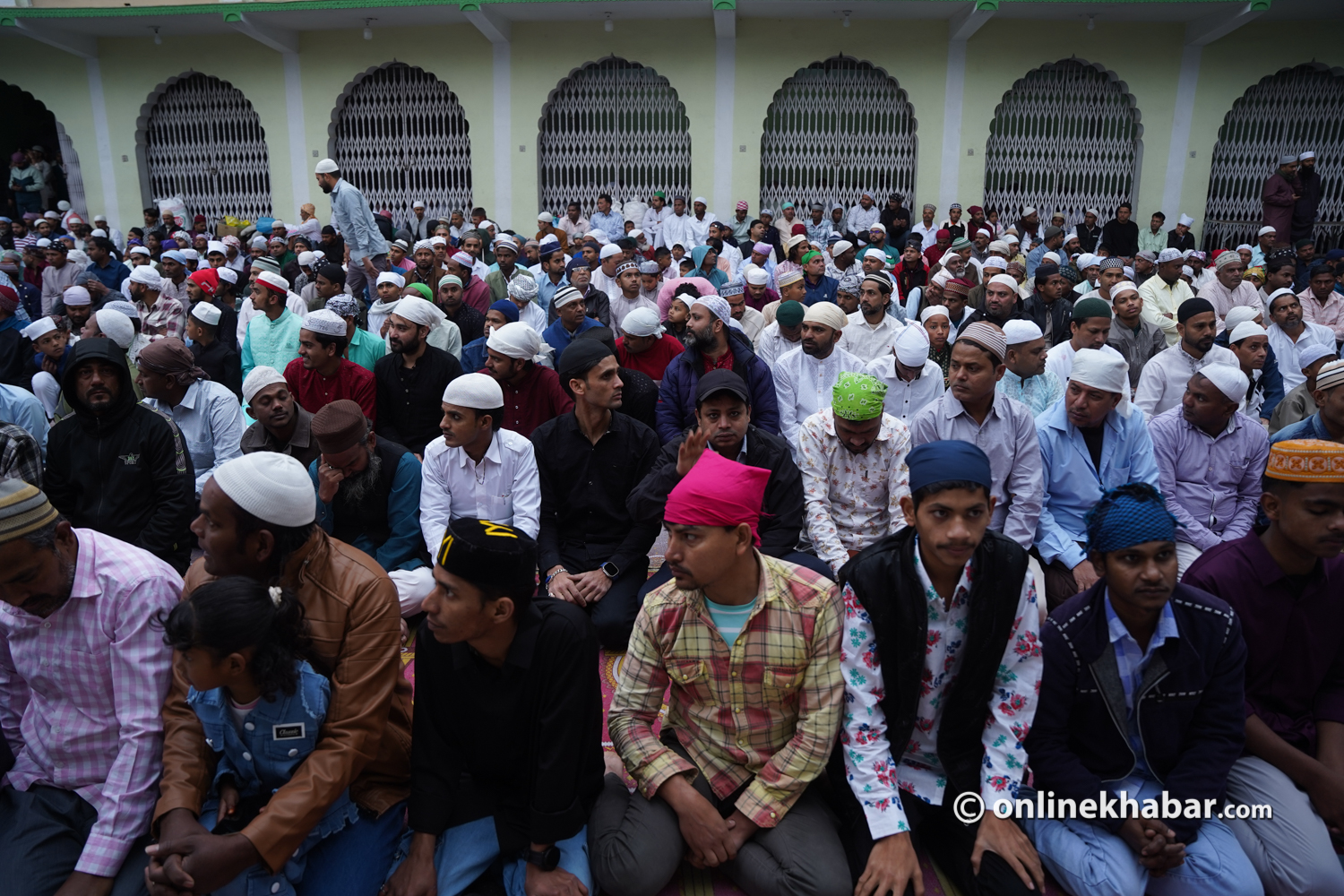
Eid ul-Fitr Celebrations at Kashmiri Mosque in Kathmandu (Photos)


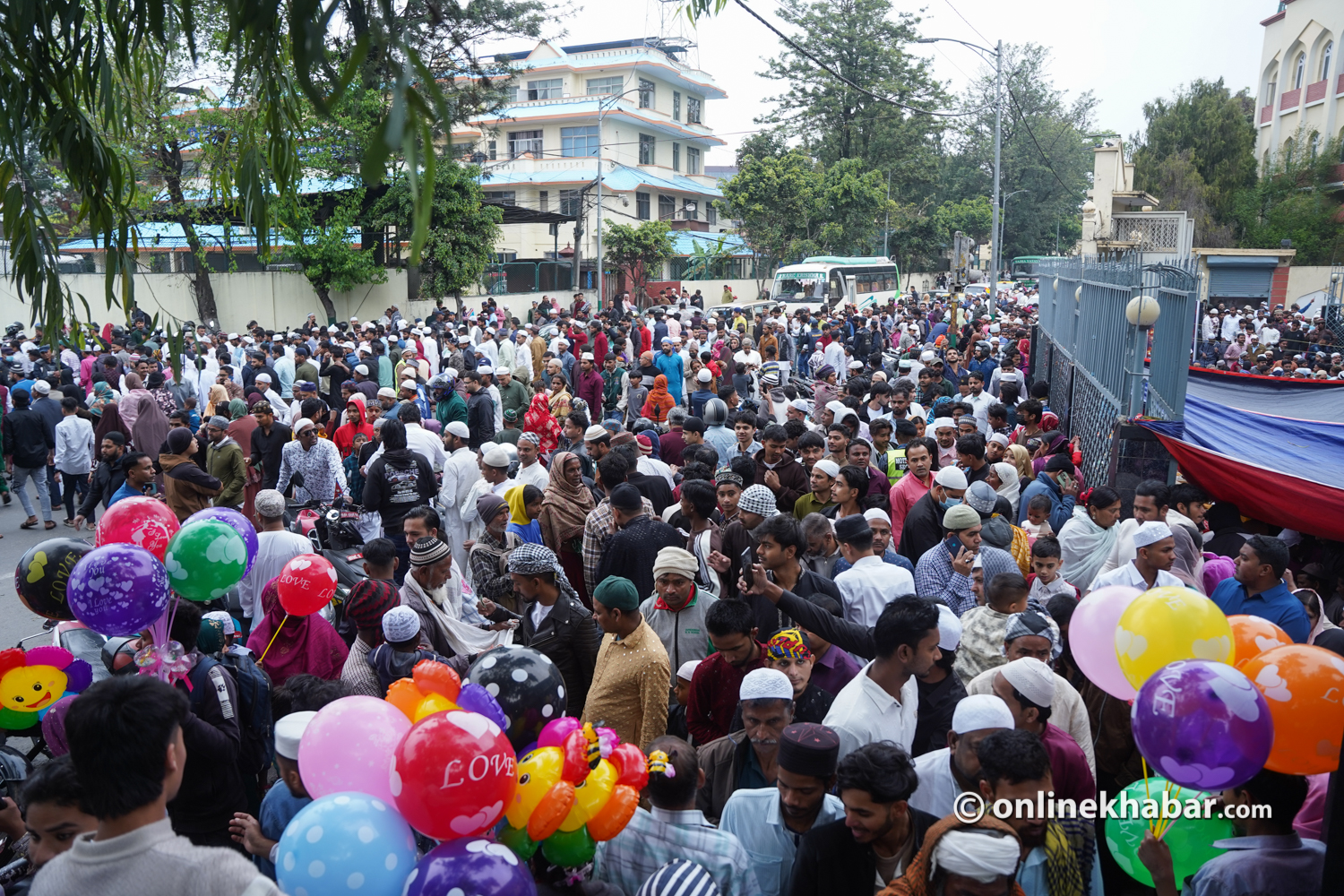
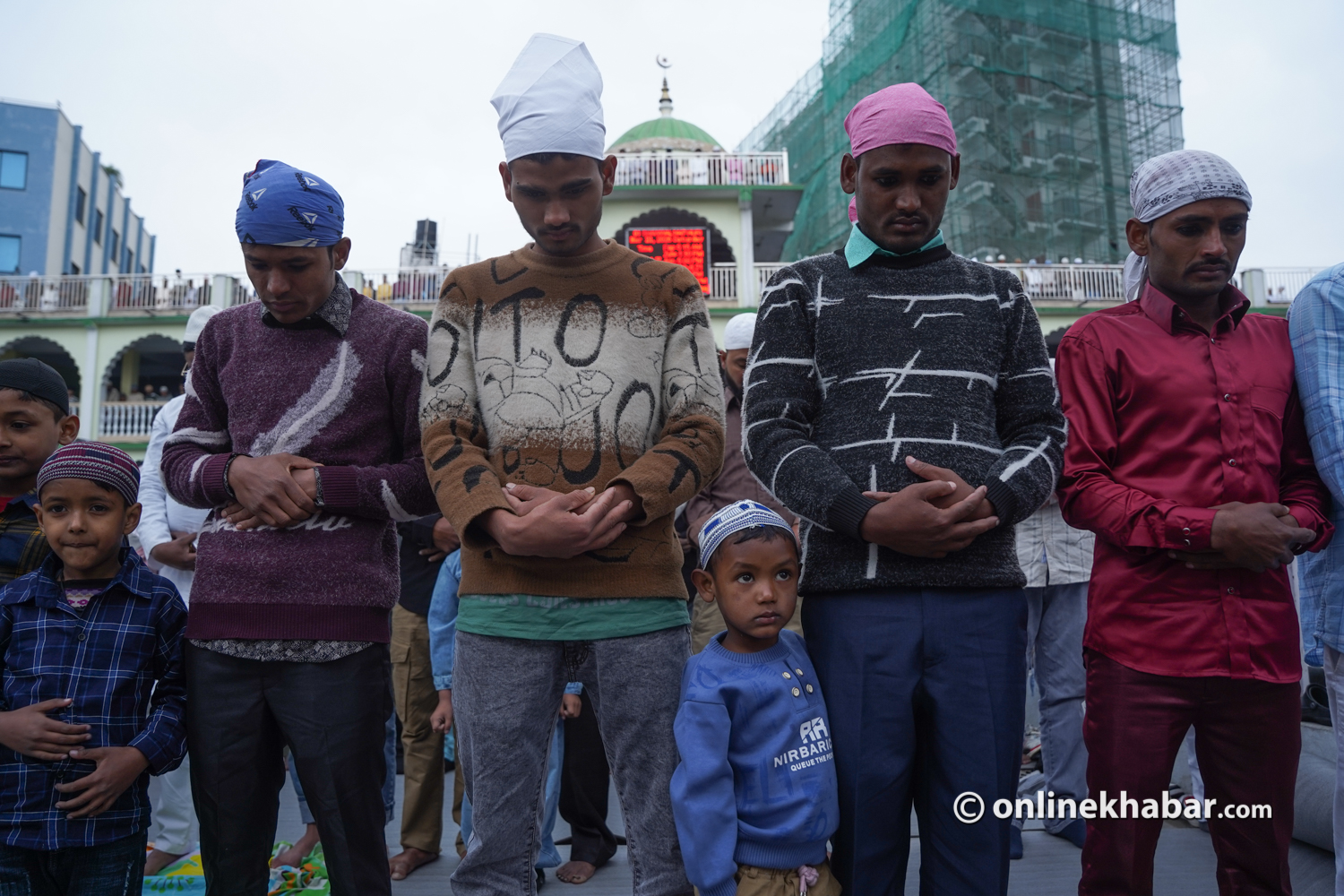
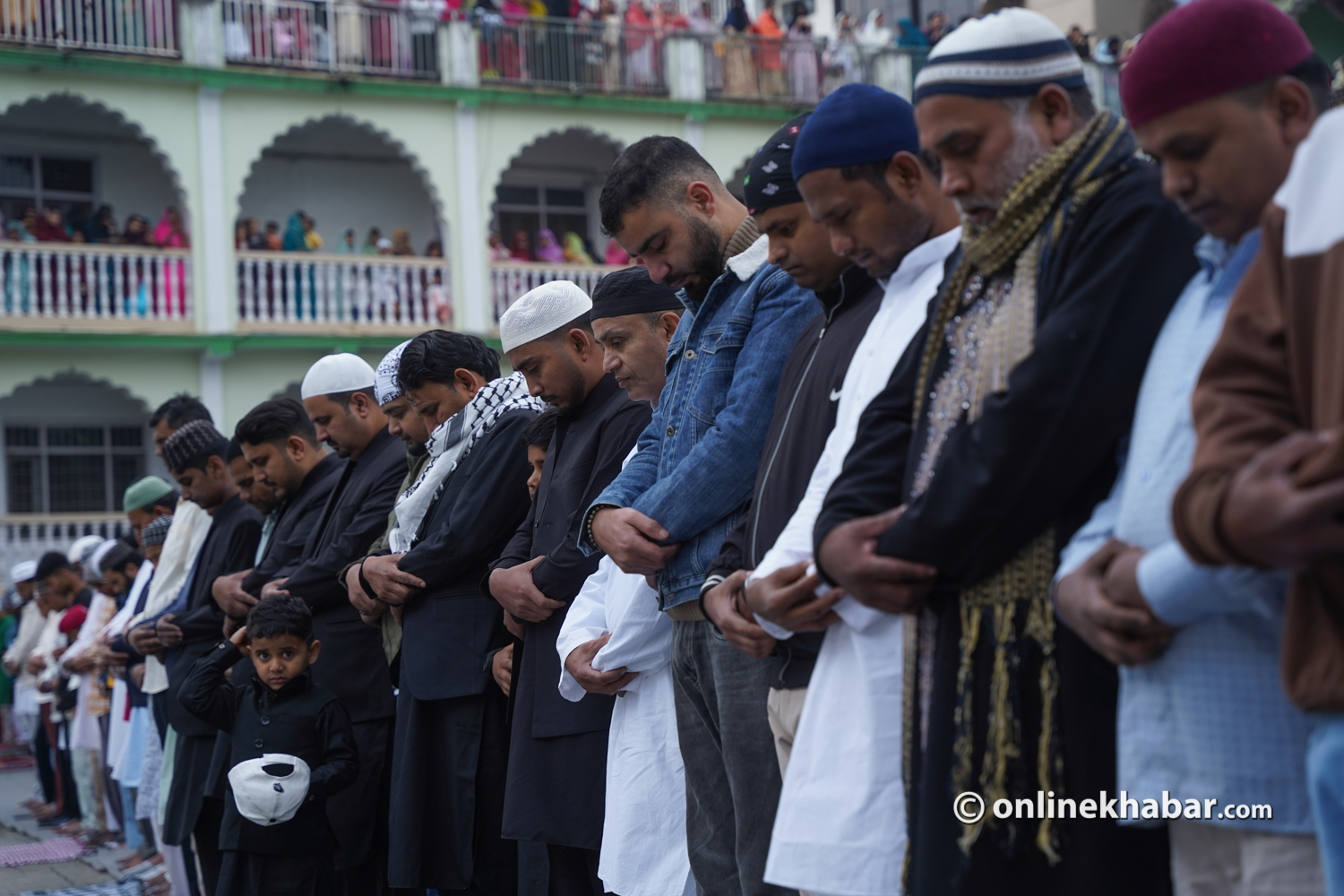
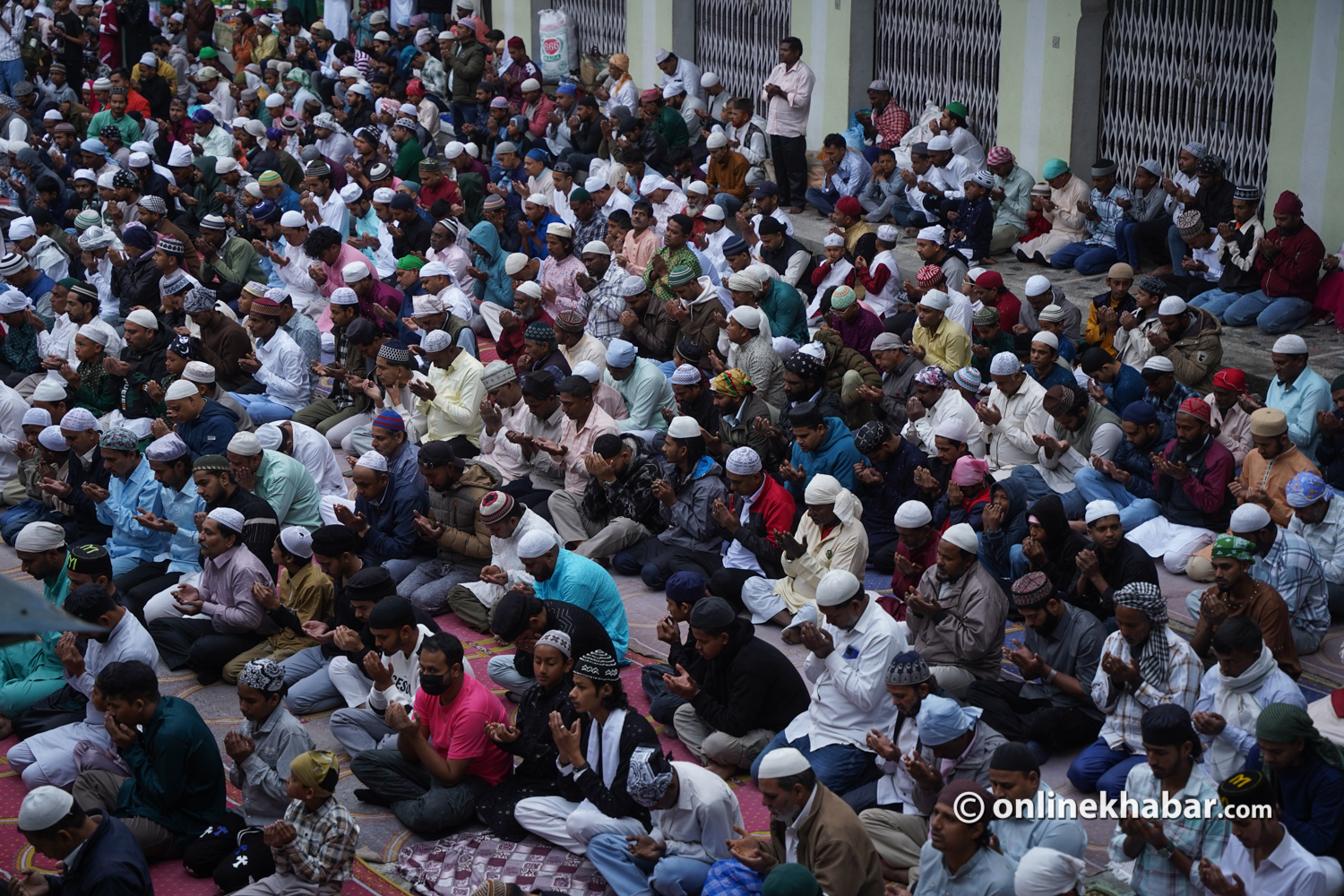
March 20, Kathmandu – Today, the Muslim community is celebrating the festival of Eid ul-Fitr. According to the Arabic Hijri calendar, Muslims who observe fasting during the ninth month offer special prayers and seek blessings from their elders to mark the occasion.

Following the special prayers, there is a tradition of visiting elders over the next three days to receive their blessings. It is also customary to bless younger members during this festival. Relatives who come to seek blessings are typically offered sweet dishes such as sevai and dates.

At the Kashmiri Mosque near Ghantaghar in Kathmandu, a large number of Muslim devotees gathered for prayers today. Special prayers were also held at the Jama Masjid in Ghantaghar this morning. It is a common practice to visit elders to receive blessings after the prayer session.

The festival is aptly called Eid ul-Fitr, representing the joy of giving alms and sharing with the needy and poor. Abdul Sattar, a central member of the Nepali Congress and a Muslim community leader, shared that the festival is determined based on the sighting of the crescent moon at the end of the ninth month in the Arabic calendar.

An important aspect of this occasion is the act of charity towards the destitute and underprivileged.


Middle East Conflict: Assessing the Impact of the Iran War on Nepal’s Pharmaceutical Market

A pharmaceutical factory in Andhra Pradesh, India.

Image source, Getty Images

The ongoing conflict in the Middle East has disrupted supply chains, raising concerns among Nepalese pharmaceutical businesses about potential impacts on domestic production and imports. A government official confirmed plans to assess these effects and develop appropriate strategies.

According to the Drug Administration Department’s website, Nepal hosts around 130 pharmaceutical companies, with over 80 currently operational, as reported by the Nepal Pharmaceutical Entrepreneurs Association.

The association’s president warned that disruptions in petroleum supplies have caused shortages of raw materials critical for medicine manufacturing, potentially leading to serious problems if the war persists.

The Director-General of the Drug Administration Department noted that by-products from petroleum refining are essential for pharmaceutical production; global supply issues would inevitably affect Nepal as well.

Reports of shortages of raw materials needed for saline solutions have already emerged, prompting plans for a comprehensive impact analysis.

BP Highway Blocked After Roshi River Washes Away Diversion Route

March 21, Kavrepalanchok – The BP Highway has been blocked due to continuous rainfall. The blockage occurred after the Roshi River washed away the temporarily established diversion route.

According to Superintendent of Police Komal Shah, Chief of the District Police Office, Kavrepalanchok, the temporary diversions in the areas of Charsaybeshi, Gimdi, Daunne, and Kaladhunga under Roshi Rural Municipality along the Kavrepalanchok section of the BP Highway were washed away by the Roshi River.

“Since construction work is ongoing, much of the BP Highway runs alongside the Roshi River. With the river’s increased flow, water has entered the highway, causing a complete obstruction,” SP Shah explained.

He added that efforts to reopen the highway are underway in coordination with the Department of Roads and local authorities, and travelers are urged to understand the current conditions before planning their journeys.

Vehicles traveling through Kavrepalanchok are currently being halted in Bhakunde and Katunje areas. Similarly, following the highway blockage, vehicles coming through Sindhuli are being stopped at police checkpoints in Dumja and at the District Police Office, as reported by SP Lal Dhwaj Suvedi, Chief of the District Police Office, Sindhuli.

After incessant rains in 2081 and 2082 BS, the Roshi River washed away the BP Highway. Currently, the Bhakunde–Nepalthok section remains under construction. During this work, traffic has been managed via diversion on the river’s gravel bed.

‘प्रधानमन्त्रीले चाहे ७० प्रतिशत भ्रष्टाचार रोक्न सक्छन्’

‘The Prime Minister Can Curb 70 Percent of Corruption if Determined’

Summary of Key Points

  • The Prime Minister’s Office is the central hub of the country’s governance system, responsible for implementing and monitoring Cabinet decisions.
  • Interference in the transfer, promotion, and appointment of personnel within the Prime Minister’s Office is occurring, and this must be stopped, says Sharad Prasad Trital.
  • To control corruption, Trital emphasizes the need to establish a powerful commission to investigate the assets of former officials and the necessity of a Land Misuse Investigation Commission.

Sharad Prasad Trital, former Secretary known for his investigation into land in the Baluwatar Prime Minister’s official residence that was registered in the names of private individuals by land mafias, led the study committee on the Lalita Niwas case. Trital also has experience in reforming the Prime Minister’s Office.

Having worked as Section Officer, Under Secretary, and Joint Secretary at the Prime Minister’s Office since 1997 (2054 BS), Trital has closely witnessed governmental transformation efforts. As the new government under Balendra Shah takes shape, we present edited excerpts from a conversation with former Secretary Trital on making the Prime Minister’s Office more people-centric:

Where should Prime Minister Balendra Shah start reforms when taking over governance from Singha Durbar?

In our governance system, the Prime Minister is the most responsible official. All mechanisms operate under the direction and leadership of the Prime Minister. The Prime Minister’s Office and Cabinet Secretariat assist the Prime Minister’s work; this office is the major hub for the country’s administrative system.

Previously, Prime Ministers also centralized power at Baluwatar. However, the real model of good governance is represented by Singha Durbar or the Prime Minister and Cabinet Secretariat. This office is responsible for implementing Cabinet decisions.

This body sends decisions to other agencies, monitors their implementation, and conducts policy analysis. It investigates and evaluates ministry proposals, assessing suitability. The Prime Minister’s Office and Cabinet Secretariat serve as the primary location for law-making processes.

Only after decisions here are made, are bills presented to Parliament. Policies are likewise determined from this office. It also monitors whether parliamentary laws are properly enforced.

The Prime Minister’s Office must be an information hub. All information necessary for development and good governance should be available there for the Prime Minister to effectively utilize.

Reform must begin from the highest level. To achieve change and fulfill government objectives, the Prime Minister’s Office must be strong and capable. When this institution is effective, other agencies become more impactful.

Where should reforms in the Prime Minister’s Office begin? With human resource management or other areas?

Generally, honest employees are sidelined in the Prime Minister’s Office. Reforms could have been possible with their help, but interference in transfers and promotions demoralizes staff. Terms like “being sidelined” or “pulled back” are common.

In other democratic countries, the most capable and honest personnel are placed in policy preparation and analysis. For example, in India, the best employees aspire to work in the Prime Minister’s Secretariat. Unfortunately, this mindset is lacking in our country.

What should be the core function of the Prime Minister’s Office: monitoring, coordination, or policy deliberation?

The Prime Minister’s Office should be investigative and innovative. A coordinating style is also needed. Currently, there is interference in personnel transfers, procurements, promotions and appointments, which must stop.

Intervention is necessary in policy, implementation, and results — efforts should be expanded where work is efficient and intensified where improvements are needed.

Are the priorities of the Prime Minister as an individual and the office different or aligned?

The Cabinet formalizes the Prime Minister’s intentions. The PM alone cannot make all decisions; plans are implemented based on Cabinet decisions. In this system, the Prime Minister’s Office acts as the implementing mechanism. The Prime Minister’s Office and the Cabinet are central institutions and their priorities do not differ.

The Prime Minister spends time on political party matters. Is that a conflict?

That is a distinct matter, but the Prime Minister should not be a party spokesperson. They are the leader of all parties and members of Parliament, above party interests. The government must separate itself from party labels.

The government must demonstrate its commitment to controlling corruption. A Land Misuse Investigation and Asset Verification Commission should be formed. The government must become strong enough to prevent petty bribery.

What roles do civil service leadership such as the Chief Secretary and Secretariat play within the Prime Minister’s Office?

The Prime Minister’s Office includes advisers and experts, but these individuals have started creating their own offices, using government resources and exerting control over staff — a problematic trend. Expert teams should remain within Baluwatar and provide advice during routine work.

Experts must coordinate with employees; otherwise, staff face pressure and productivity decreases. Honest employees currently find it difficult to work, which must be addressed.

Should the Prime Minister be allowed to form their own team?

The Prime Minister may form a team but discussions should occur collectively at Baluwatar. Expert teams need to be accustomed to group dialogue to avoid pressuring staff.

Media criticizes the PM for ruling from Baluwatar rather than Singha Durbar. Is this justified?

The Prime Minister should work from Singha Durbar. Experts must not interfere in the administrative system.

How should government programs incorporate manifesto promises from an elected Prime Minister? What role should politics play?

A party with two-thirds majority must strive to implement declared promises, but implementation requires Cabinet decisions or laws. The Prime Minister cannot forcibly implement policies alone.

Bringing personal party advisers into government increasing party influence is problematic. Political advisers should demonstrate expertise; otherwise, their suggestions are disregarded.

What kind of coordination should exist between federal ministries, provincial, and local governments?

Mechanisms for coordination at different levels must operate effectively. The perspective of viewing provinces and local levels as subordinate needs change. The existing constitutional and legal mechanisms should be implemented regularly. Meetings should be held to promptly resolve issues.

The Prime Minister’s Office reform started in 1997 (2054 BS). What improvements have occurred since?

We recommended transitioning to a desk system after studying the constitution, laws, and India’s model. Previously, PM Office and Cabinet Secretariat were separate, complicating management. Merging them improved efficiency, but major improvements are still lacking.

Information technology has accelerated work. Secretariat and unit management have improved but employees still feel undervalued.

Challenges emerged collecting information while working in coalition governments and with ministers from various parties. The Prime Minister’s Office feels less effective.

This office also monitors subordinate institutions but is often limited to gathering paper reports. Political advisers and experts have created pressure that obstructs primary tasks.

How does our Prime Minister’s Office compare internationally?

Planning is good but work that citizens feel is still insufficient. The administrative system isn’t poor but implementation faces difficulties.

Previous governments lost control over ministers and the family allegedly dominated the Secretariat. Why was reform not achieved?

People close to the Prime Minister carried out illegal activities in the office. Revenue Investigation and Asset Purification departments should have been involved but no changes occurred. Controversial figures were appointed and politically protected.

Incidents like gold smuggling and fake Bhutanese refugee cases are economic crimes linked to the office, resulting in misuse of power.

However, if power is properly used, reforms will be immediately visible.

Institutions around the Prime Minister’s Office such as the National Vigilance Center, Public Procurement Monitoring Office, and Nepal Trust remain inactive. Is this static or changing?

The Prime Minister protects university chancellorships but cannot devote time to them. The National Vigilance Center can control corruption. According to my study, if the Prime Minister wishes, 70 percent of corruption can be stopped.

In countries with good governance, anti-corruption systems fall under the Prime Minister’s authority. Our country has similar institutions, but they have become places where employees are sidelined. There is a lack of rules, resources, and expert staff.

The Prime Minister can empower these institutions by enabling information collection and forwarding to the Anti-Corruption Commission. Consistent leadership is vital to strengthen them.

What priorities should the new generation of Prime Ministers have?

The new government emerging from the Gen Z movement must focus on controlling corruption, establishing good governance, and meeting development and employment demands. Corruption is the country’s major problem.

From the outset, the government must send a clear message on its commitment against corruption. Ethical norms should be developed and the National Vigilance Center strengthened for enforcement. Creating a strong commission to investigate former officials’ assets is necessary.

Where should asset investigations begin?

I am clear that investigations should start backward from the government immediately preceding the Gen Z movement. Some insist tracing back to 1990 (2046 BS) is needed. Corruption from the Panchayat era is also investigable.

The commission should submit phased reports for implementation. It is possible to investigate assets of the Prime Minister, ministers, parliament members, senior officials, and political appointees.

Can corruption from the Panchayat era be uncovered today?

Particularly land misuse can be found. During the monarchy, it was common to allocate government land as personal rights — a form of corruption. Land distributed under fake squatters’ names must be investigated through a judicial commission.

Land misuse is widespread nationwide and requires an investigative commission and action. Petty bribery should be controlled so the public does not face hassles in ordinary matters, while major corruption must be prosecuted.

Video/Photos: Kamal Prasai

Hair Extensions: Could Synthetic Hair Contain Chemicals Linked to Breast Cancer?

Woman in a salon attaching fake hair to another woman’s natural hair

Image source, Getty Images

Caption, Researchers indicate that harmful chemicals from synthetic hair worn for weeks can enter our bodies.

A comprehensive study reveals that synthetic hair extensions used by millions of women worldwide could be linked to breast cancer, hormone-related issues, and reproductive problems.

Scientists report finding nearly 50 harmful chemicals in various types of synthetic hair extensions.

Published in the American Chemical Society journal, the study calls for strict regulations on the multi-billion-dollar synthetic hair industry and emphasizes the need for consumers to be better informed.

Lead author Alicia Franklin stated, “Synthetic hair is worn for weeks or even longer, and because it is in contact with the scalp, it can pose long-term health risks.”

Franklin added, “The hair stays on your scalp for weeks or months. Prolonged use can lead to chronic health issues.”

President Emphasizes Unity Amidst Cultural Diversity to Strengthen National Identity


March 20, Kathmandu – President Ram Chandra Paudel stated that unity amidst social and cultural diversity will strengthen and solidify Nepal’s national identity.

On the occasion of the Islamic festival of Eid (Eid-ul-Fitr), he issued a message of greetings today, expressing his belief that Eid will contribute to the preservation, prosperity, and development of the Muslim community’s unique culture and traditions.

The message reads, “I wish that this festival promotes mutual understanding among all Nepalis, sustainable peace, brotherhood, and a greater sense of national unity.”

Eid (Eid-ul-Fitr) is celebrated by the Muslim community by letting go of anger, resentment, and hostility, exchanging greetings with joy, and creating a festive atmosphere. It involves special prayers where blessings are given and received. The tradition of sharing and enjoying sweet delicacies is also widely practiced during this occasion.

बैतडीमा ट्रक दुर्घटना, आमा-छोरासहित ४ जना घाइते – Online Khabar

Truck Accident in Baitadi Injures Four Including Mother and Sons


March 21, Baitadi – Four individuals were injured in a truck accident that occurred in Baitadi.

The accident happened at around 2 a.m. today in Jyaafu, Ward No. 8 of Patan Municipality on the Jayapuri Highway. The truck with registration number Supra Pa 01 001 Kh 2809, traveling from Nepalgunj to Bajhang, met with the accident.

Among the injured are 25-year-old Nirmala Bisht from Patan Municipality-8 and her two sons, 7-year-old Abhishek and 4-year-old Prince Bisht. The truck driver, Krishna Bisht, 36, also from Patan-8, was among those injured, according to Suraj Singh, Police Inspector at the District Police Office, Baitadi.

All the injured were transported to Dhangadhi for medical treatment, police reported. The truck, which was carrying cement, lost control and crashed, falling approximately 25 meters down.

Can AI Save India’s Outsourcing Industry?

Indian IT company workers

Image source, Bloomberg via Getty Images

Image caption, Indian IT companies have provided millions of jobs over the past 30 years

Concerns that artificial intelligence (AI) could disrupt India’s $300 billion traditional outsourcing industry have caused an unprecedented drop in the shares of Indian technology companies in recent weeks.

The recent market volatility partly reflects a global “correction” in traditional software and IT shares amid geopolitical uncertainties, which are particularly significant for India.

Over the past three and a half decades, India’s software industry has employed millions, fostering a new middle class driven by high ambitions and strong purchasing power.

This growth has spurred increased demand for apartments, cars, and restaurants in cities like Bengaluru, Hyderabad, and Gurugram over the past 30 years.

Fear

India’s top 10 software companies, represented by the ‘Nifty IT Index,’ have seen around a 20% decline this year, resulting in billions of dollars lost by investors.

नेतन्याहूले दिए युद्ध अन्त्यको आश्वासन, कच्चा तेलको मूल्यमा गिरावट

Netanyahu Assures War Will End Soon, Leading to Drop in Crude Oil Prices

News Summary

Reviewed from an editorial perspective.

  • Israeli Prime Minister Benjamin Netanyahu has assured that the war with Iran will end sooner than many expect.
  • Netanyahu stated, ‘The Islamic Republic lacks the capability to enrich uranium or produce ballistic missiles.’
  • U.S. President Donald Trump expressed preference that Israeli forces avoid targeting Tehran’s energy infrastructure.

March 21, Kathmandu – Israeli Prime Minister Benjamin Netanyahu has expressed confidence that the ongoing war against Iran will conclude earlier than most anticipate. Following Netanyahu’s remarks, crude oil prices fell on Friday.

Traders have also welcomed statements from U.S. President Donald Trump. After attacks on Qatar’s main gas field in the Gulf on Wednesday, Iran warned of retaliatory strikes against fuel processing facilities in the Gulf region. Subsequently, President Trump indicated that Israeli forces would not target Tehran’s energy infrastructure.

As the conflict enters its fourth week, investors are showing concern regarding the energy market, and interest from new investors in Gulf energy centers has declined. Although oil prices have stabilized around $100 per barrel, the effective blockade of the Strait of Hormuz—a critical route for global supply—has caused gas prices to surge significantly.

Claiming victory over Iran, Israeli and U.S. officials have said the Islamic Republic lacks the capability to enrich uranium or manufacture ballistic missiles, Netanyahu declared, “This war is ending much faster than people think,” without providing a precise timeline. He added, “Israel will assist the United States in securing the Strait of Hormuz, where one-fifth of the world’s oil and gas flow through.”

This statement contrasts with Washington’s position, which has not set any firm timeline for ending the war that began on February 28.

Before Netanyahu’s comments, crude oil prices had surged to $119 per barrel following Iran’s retaliation against Israeli attacks in its South Pars region and strikes on various energy sites across the Gulf.

When asked if he had discussed the gas field attack with the Prime Minister, President Trump responded, “I have talked to them. I asked Israeli officials not to target fuel production and processing sites, and they have agreed not to.”

He had already warned Iran: “If Tehran does not stop attacking Qatar, U.S. forces will conduct extensive strikes in South Pars.”

Meanwhile, French President Emmanuel Macron announced plans for his country to establish a framework with the permanent members of the United Nations Security Council.

As the Gulf nations endure ongoing conflict without an immediate prospect for peace, Israel initiated a wave of attacks on Tehran on Friday, while Iran targeted neighboring countries by conducting drone strikes on oil processing centers in Kuwait.

Stephen Innes of SPI Asset Management commented, “Netanyahu’s remarks have added a reassuring balm to tensions, reinforcing the belief that the conflict will soon end through assurances of Strait security and neutralizing Iran’s nuclear and missile capabilities.”

– From RASAS