Advertisement1200×100-inside-1

Tag: featured

Protests Erupt Against Ukrainian President Zelensky Following Defence Minister Fedorov’s Dismissal

After Ukrainian President Volodymyr Zelensky removed Defence Minister Mykhailo Fedorov from his position, civil society members and lawmakers have expressed strong opposition. Protesters in the capital Kyiv chanted slogans such as ‘Keep Away From Fedorov’ and ‘Stop Obstructing Victory!’

President Zelensky has proposed appointing Major General Yevheni Khmar as acting Defence Minister. On July 17, in Kathmandu, news emerged that Zelensky had abruptly dismissed Fedorov, prompting intense backlash from civil society and parliamentarians.

On Thursday morning, young people gathered in Kyiv and other cities to demonstrate. Protesters carried placards bearing slogans like ‘Keep Away From Fedorov’ and ‘Stop Obstructing Victory!’ They also chanted ‘Have Some Shame!’ during the rallies.

President Zelensky defended Khmar, currently the acting head of the Security Service of Ukraine (SBU), stating that he has gained extensive and unprecedented experience in technical military operations across numerous areas.

FIFA World Cup 2026 Winner to Receive Prize Exceeding 700 Crore NPR

The champion of the FIFA World Cup 2026 will be awarded 50 million US dollars, approximately 770 crore 7 million Nepali rupees. The FIFA Council has set a total prize pool of 655 million US dollars for the 2026 World Cup, marking a 50 percent increase compared to the previous Qatar World Cup. Each participating nation will receive 1.5 million US dollars as preparation expenses, with an additional 10 million US dollars awarded to teams qualifying for the tournament.

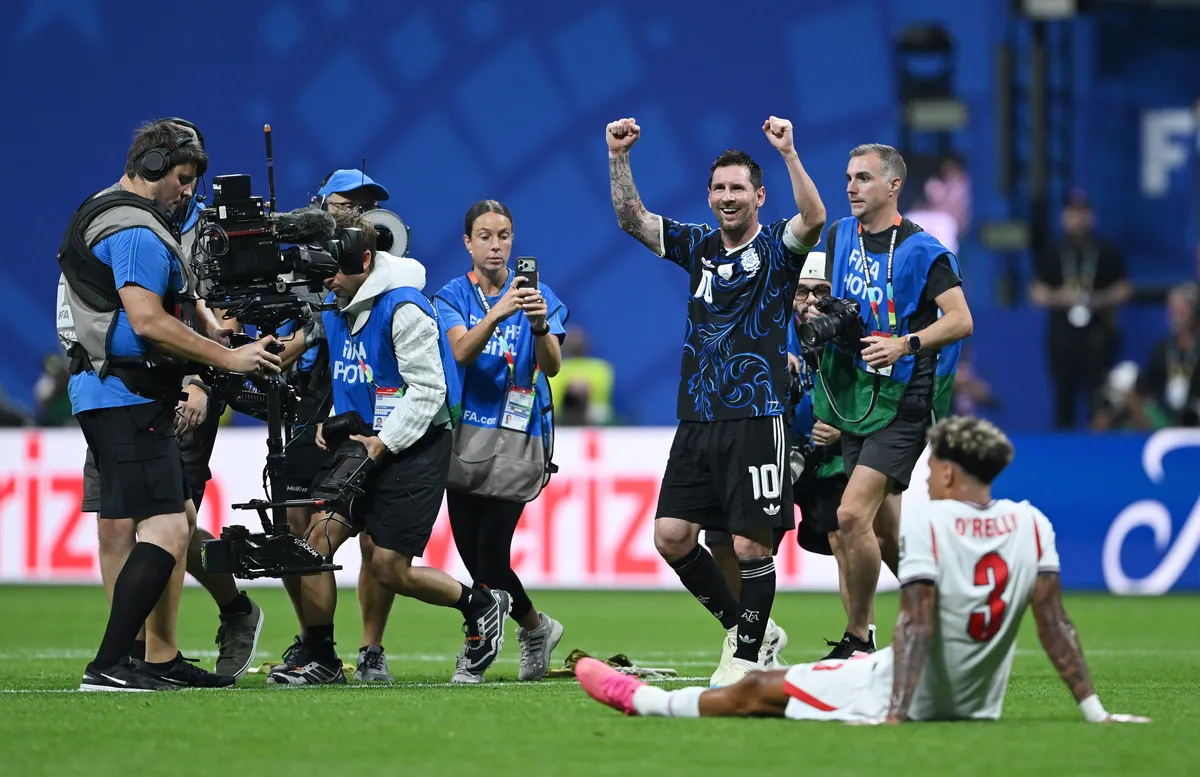
Defending champions Argentina and European champions Spain are set to contest the final of the FIFA World Cup 2026. Both teams are close to lifting the World Cup trophy. The winner of the 23rd edition will be announced on Monday morning. Along with the trophy, the champion team will earn millions in prize money, denominated in US dollars, which converts to billions of Nepali rupees.

With the tournament expanding to 48 teams, there has been a significant increase in prize money and payouts to participating teams. The FIFA Council has approved a record prize fund of 655 million (65 crore 50 lakh) US dollars for the 2026 World Cup. The winners will receive 50 million (5 crore) US dollars, which at Thursday’s exchange rate of 154.14 NPR amounts to approximately 770 crore 7 million Nepali rupees.

When Argentina won the Qatar World Cup, they received 42 million US dollars in prize money. The runner-up took home 33 million (3 crore 30 lakh), third place earned 29 million (2 crore 90 lakh), and fourth place received 27 million (2 crore 70 lakh) US dollars. Not only winners but all participating teams in the World Cup receive prize money. All 48 teams will get cash awards.

Quarterfinal exit teams will earn 19 million (1 crore 90 lakh), round of 16 exit teams will get 15 million (1 crore 50 lakh), and round of 32 exit teams will be awarded 11 million (1 crore 10 lakh) US dollars. Even teams eliminated in the group stage will receive 9 million (90 lakh) US dollars. In addition to prize money, teams qualifying and playing in the tournament are provided additional funds. Every qualified nation gets 1.5 million (15 lakh) US dollars for preparation costs and an additional 10 million (1 crore) US dollars upon qualification for the competition.

Trump Accuses China of Stealing Data of 220 Million American Voters Amid 2020 Election Fraud Claims

Former U.S. President Donald Trump has made serious allegations claiming that China stole data of 220 million American voters, asserting fraud in the 2020 presidential election. Trump accused U.S. intelligence and security agencies of concealing the truth about the election and has directed the FBI and CIA to conduct a thorough investigation into the matter. However, American media outlets and previous investigations have stated that Trump’s claims remain unsubstantiated and there is no clear evidence of tampering in the election results.

On Friday, Trump reiterated his long-standing claim of fraud during a national address focused on election security. He leveled aggressive accusations against U.S. intelligence agencies and publicly released certain confidential documents related to election security from the White House. Trump alleged that China had hacked the 2020 election by stealing personal data of 220 million American voters. He also cited data from the U.S. Department of Homeland Security (DHS), alleging that approximately 278,000 non-citizens were registered as voters.

Highlighting vulnerabilities in voting machines to cyberattacks, Trump named Russia, China, Iran, and North Korea as potential threats. He directed the National Intelligence Director, FBI, CIA, and Department of Justice to conduct the most comprehensive investigation regarding the exposure of election security data and to pursue criminal charges against those responsible. Trump also sharply criticized major American media outlets, condemning NBC and ABC for not broadcasting his speech live.

Accusing China of data theft and targeting intelligence agencies, Trump claimed that China obtained sensitive information including names, addresses, phone numbers, and political party affiliations related to voters in 18 U.S. states. He described this as the largest cyberattack in American electoral history. Nonetheless, American media and prior investigations have noted that these allegations have not been conclusively verified.

Trump Administration Implements Stricter Visa Policies for International Students in the US

The Trump administration in the United States has announced new stringent rules for international students. Under the new regulations, foreign students will not be allowed to stay in the US for more than four years without federal government approval. Additionally, there will be stricter restrictions on changes related to academic programs and transfers from one university to another. Currently, US higher education institutions have the authority to extend students’ visa periods.

These new regulations will take effect starting September. The Department of Homeland Security stated that the policy aims to “prevent visa abuse and strengthen national security through regular monitoring.” However, the Association of International Educators has criticized the new rules as “unnecessary and misguided directives.” Previously, F-1 and J-1 exchange visa holders were granted visas until they completed their degrees, but the new rules impose definite time limits within that period.

Homeland Security Secretary Marsha L. Malin stated, “For decades, international students were allowed to stay in the US indefinitely, resulting in thousands abusing our immigration system by enrolling continuously in various courses and remaining in the US indefinitely.”

According to the new policy, international students will have only 30 days to either return to their home countries or obtain another type of visa after graduation, compared to the previous 60-day grace period. The Association of International Educators (naFSA), a nonprofit organization that advises US educational institutions, has strongly criticized this change. Its CEO, Fanta Awale, commented, “The new policy has introduced uncertainty, staffing challenges, and fear into a system that has long operated effectively. This approach creates problems rather than resolving them.”

Balen Shah: Questions Arise Following the Commitment to Brand Nepal as a Wedding Destination

The private sector has indicated that several policy challenges need to be addressed to attract Indian tourists to Nepal as a ‘wedding destination,’ while the government has pledged to facilitate this process. Earlier this week, representatives from the Hotel Association sought the simplification of procedures for Indian couples to bring ceremonial items during a meeting with Prime Minister Balendra Shah, popularly known as ‘Balen.’

During his election campaign, Prime Minister Shah promised to brand Janakpur as a wedding destination, a commitment also reflected in a dedicated provision in the upcoming fiscal year’s budget.

Local entrepreneurs have criticized the government for insufficient efforts to promote wedding-related tourism in Janakpur, although officials have shared that promotional programs are underway across various locations in Nepal and India, with intentions to continue these initiatives throughout the year. In previous years, stories circulated about foreigners exchanging rings at multiple tourist centers as part of wedding ceremonies. Officials further noted that in recent years, such celebrations have been taking place in tourist hotspots like Kathmandu, Sauraha, and Pokhara, as well as in Nepali towns bordering India’s West Bengal, Bihar, and Uttar Pradesh.

Speaking in Janakpur, Prime Minister Balendra Shah observed that Nepalese typically travel to Jaipur in India or Bali in Indonesia for destination weddings. This week’s budget speech by Finance Minister Swarnim Wagle also outlined plans to brand Janakpur as a wedding destination. However, representatives from the private sector argue that policy ambiguities remain, and the government needs to take further steps to develop Nepal as a wedding tourism hub.

Hotel Association Nepal Vice President Dinesh Tuladhar stated, “Indian visitors show significant interest in Nepalese wedding venues. We have already informed the Prime Minister about legal complexities.” Meanwhile, Surendra Kumar Bhandari, Chair of the Janakpur Industry and Commerce Association, noted, “The Prime Minister has made the commitment, but practically, less than one percent of work has been completed.” He emphasized that progress toward establishing Janakpur as a center for wedding tourism remains minimal.

New Mediation Efforts Underway to Resolve South China Sea Dispute

Tensions in the South China Sea continue to rise as implementation of the historic 2016 arbitration ruling remains unfulfilled even after a decade. In 2016, the Permanent Court of Arbitration in The Hague dismissed China’s expansive maritime claims, affirming the Philippines’ sovereign rights. While China has rejected the ruling, 14 countries including the United States recognize it as legally binding and final.

The dispute over the South China Sea has persisted for decades. It dates back to 1947 when China’s then-nationalist government first published a map showing eleven dashed lines. This evolved into the so-called “Nine-Dash Line,” which is not a continuous border but connects nine separate dashes, encompassing roughly 3.5 million square kilometers—about 90% of the South China Sea.

According to Philippine Solicitor General Darlin Marie Berberabe, the 2016 ruling legally affirmed the Philippines’ fishing rights in its coastal areas. This has heightened tensions and led to increased clashes between Philippine and Chinese vessels. On July 12, 2026, marking the tenth anniversary of the arbitration ruling, the Philippines, along with 14 countries including the United States, issued a joint statement reaffirming the ruling’s legal binding nature and finality.

In response, China’s Ministry of Foreign Affairs strongly criticized these commemorations by certain countries, accusing the ruling of violating international law and exacerbating tensions rather than resolving the dispute. Chen Xiangmiao, a researcher at the National Institute for South China Sea Studies, supported by China’s Ministry of Home Affairs, emphasized that goodwill and cooperation are necessary for a resolution to the dispute.

Governor States: Loan Expansion Without Financial Policy Support Only Increases Asset Prices

Professor Dr. Bishwanath Poudel, Governor of Nepal Rastra Bank, has stated that expanding loans through monetary policy leads to an increase in asset prices. He emphasized that effective results from loan investment expansion through monetary policy can only be achieved with a definite basis in financial policy. Governor Poudel stated, “The primary mandate of monetary policy is economic stability,” and noted that the government is striving to control inflation. Kathmandu, 32 Asar.

Governor Poudel highlighted that attempting to manage liquidity by expanding loans through monetary policy alone only drives up asset prices. He asserted that loan investment expansion must be based on well-defined financial policies, which will facilitate better management. He also stressed that issues related to the stock market and real estate should not be overlooked without adequate discussion of monetary policy.

Speaking at a program organized by Former Planning Forum Nepal on Thursday, Governor Poudel presented data showing significant differences between the budget and monetary policy. He stated, “Inflation arises from international factors and cannot be completely controlled, but efforts can be made.” According to him, structural changes in the upcoming fiscal year’s monetary policy have resolved the problem of manipulation in the stock market.

Governor Poudel explained that the main focus of monetary policy is on policy interest rates and that liquidity management is achieved through this, but it must rely on financial policy. He added, “When credit facilitation is done solely through monetary policy, it only increases asset prices.” He further informed that there is currently sufficient liquidity available in the financial system.

Employer Council Formation Process Completed Under Nepal Chamber of Commerce and Industry

The formation process of the Employer Council under the Nepal Chamber of Commerce and Industry has been successfully completed. Federation President Anjan Shrestha emphasized that the council should advocate policy improvements in the labor sector. The meeting unanimously nominated Babukaji Karki as the Vice Chairperson of the Employer Council. Kathmandu, 32 Asar.

The main institutional body representing private sector policies related to labor and employment, social dialogue, and employer interests, the Employer Council formation process under the Nepal Chamber of Commerce and Industry, is now complete. At the first meeting of the Employer Council held today at the Federation Secretariat in Teku, President Anjan Shrestha handed over the nomination certificates to members formed under the chairmanship of Council Chair Prabal Jung Pandey.

President Shrestha highlighted the Employer Council’s crucial role in improving, strengthening, and establishing industry-friendly labor relations in the labor and employment sector. He informed that discussions are underway at the ministerial level regarding determining minimum wages by sector. Council members stressed the need to prepare a unified private sector stance to effectively advocate for policy improvements.

The meeting, in accordance with Article 43.1 of the Federation’s 2049 B.S. (7th Amendment) statute, which provides for the nomination of one elected associate member as Vice Chairperson, unanimously approved Babukaji Karki for this role. The Council expressed its commitment to playing a leading role in creating an industry-friendly labor environment, promoting investment and entrepreneurship, increasing productivity and competitiveness, and developing labor relations with social justice.

Increased Tourist Activity at Timbung Pond Adorned with Kenzo Flowers

Tourist activity has been increasing at Timbung Pond, located on the border of Panchthar and Taplejung districts, coinciding with the blooming of pyramid-shaped Kenzo flowers. Situated at an altitude of 3,335 meters above sea level, this area is becoming known for its natural beauty and religious significance. According to local tourism entrepreneur Amir Rai, homestays are becoming busier with the influx of visitors, and the area is emerging as an excellent destination for trekking enthusiasts. (July 17, Panchthar)

Timbung Pond has again become a major attraction for tourists. With the onset of the rainy season, the blooming of pyramid-shaped Kenzo flowers has given this Himalayan destination a fresh identity. Adorned with lush hills, cool breezes, open meadows, and a Himalayan lifestyle, the area is now recognized as a unique spot for nature lovers. Visitors are warmly welcomed by the natural surroundings, including verdant hills stretching in all directions, views partially veiled and revealed by mist, expansive meadow pastures, and a serene pond at the center that enlivens the atmosphere.

Another prominent attraction in the Timbung area is the Kenzo flower. These pyramid-shaped flowers color the hillsides vibrantly. The flowering season also marks the peak tourist season for visiting Timbung. According to local tourism entrepreneur Amir Rai, tourists continue to arrive not only from across various districts of Nepal but also from Sikkim, India. The popularity of Timbung is steadily growing, with new visitors arriving every year. Beyond its natural beauty, Timbung is also a center of religious faith and tradition. The local community continues to uphold the tradition of worship and rituals at the pond to this day.

NSSSF र HISAN बीच पाँच वर्षको सम्झौतापत्रमा वार्षिक विद्यालय स्तरका खेलकुद प्रतियोगिताहरूको आयोजना गर्ने सहमति

नेपाल विद्यालय खेलकुद महासंघ (NSSSF) ले यस सम्झौतापत्रको मुख्य उद्देश्य उच्च माध्यमिक विद्यालय र HISAN सँग सम्बन्धित कलेजहरूमा संस्थागत विद्यालय खेलकुदको प्रणालीगत विकास, प्रवर्द्धन र समन्वय गर्नु रहेको जनाएको छ। NSSSF र उच्च संस्थान र माध्यमिक विद्यालय संघ नेपाल (HISAN) बीच पाँच वर्षको सम्झौतापत्रमा हस्ताक्षर गरिएको छ, जसले विद्यालय स्तरका खेलकुदको विकास, प्रवर्द्धन र समन्वय गर्नेछ। सम्झौताअनुसार, दुवै संस्थाले संयुक्त रूपमा क्षेत्रीय र राष्ट्रिय खेलकुद प्रतियोगिताहरू आयोजना गर्नेछन् र पूर्वाधार विकास र खेल विज्ञानमा सहकार्य गर्नेछन्।

छात्र-खिलाडीहरू जसले HISAN सँग सम्बन्धित छन्, NSSSF मार्फत अन्तर्राष्ट्रिय विद्यालय खेलकुद महासंघद्वारा आयोजित प्रतिष्ठित अन्तर्राष्ट्रिय प्रतियोगिताहरूमा भाग लिनको लागि अवसर पाउनेछन्। काठमाडौंमा जुन १४ मा NSSSF र HISAN बीच पाँच वर्षको सम्झौतापत्रमा हस्ताक्षर गरिएको हो। NSSSF का केन्द्रीय अध्यक्ष विनोद श्रेष्ठ र HISAN का केन्द्रीय अध्यक्ष युवराज शर्मा ले सम्झौतापत्रमा हस्ताक्षर गरे। NSSSF का उपाध्यक्ष मोहन कुमार कार्की, अन्तर्राष्ट्रिय विद्यालय खेलकुद महासंघका कार्यकारी समिति सदस्य राजकुमार कार्की, HISAN का महासचिव रामहरी सिलवाल, र NSSSF का बोर्ड सदस्यहरू CFO सोविनराज रेग्मी, खड्ग बहादुर थापा, र पदम राना पनि हस्ताक्षर समारोहमा उपस्थित थिए।

सम्झौताअनुसार, दुवै संस्थाले क्षेत्रीय, प्रादेशिक, र राष्ट्रिय स्तरमा संरचित खेलकुद प्रतियोगिताहरूको आयोजना र सञ्चालन गर्नेछन्। यसका साथै, वार्षिक प्रमुख प्रतियोगिताहरूलाई राष्ट्रिय खेलकुद परिषद (रखाप) द्वारा आधिकारिक रूपमा मान्यता दिइनेछ। सम्झौतामा उल्लेखित प्रतियोगिताहरूमा U-19 बास्केटबल 3-मा-3 च्याम्पियनशिप, NSSSF HISAN कप, NSSSF HISAN कम्ब्याट खेल, र विद्यालय प्रिमियर लिग समावेश छन्। सम्झौताले दुवै पक्षलाई खेल पूर्वाधारको सुधार र खेल विज्ञानमा सहकार्य गर्न प्रतिबद्ध बनाउँछ। विशेष रूपमा, यस साझेदारीले स्थानीय खेल सुविधाहरूको सुधार, सम्बन्धित विद्यालयहरूलाई आधुनिक खेल उपकरणको provision, र NSSSF र ISF एकेडेमी द्वारा समन्वय गरिएका खेल विज्ञान कार्यक्रम, कार्यशाला, र शारीरिक शिक्षा पाठ्यक्रमको कार्यान्वयनको माग गर्दछ।

यो साझेदारी पाँच वर्षसम्म रहनेछ र नेपाली छात्र-खिलाडीहरूका लागि महत्वपूर्ण अन्तर्राष्ट्रिय खेल प्लेटफर्महरू खोल्ने लक्ष्य राख्दछ, NSSSF ले जनाएको छ। यसका साथै, NSSSF ले HISAN-सँग सम्बन्धित खेलाडीहरूलाई अन्तर्राष्ट्रिय विद्यालय खेलकुद महासंघ द्वारा आयोजित प्रतिष्ठित विश्व प्रतियोगिताहरूमा नेपाललाई प्रतिनिधित्व गर्न आधिकारिक रूपमा सहयोग गर्ने वचन दिएको छ। यी समग्र पहलकदमीहरू कार्यान्वयन गर्न, दुवै संस्थाले संयुक्त रूपमा संस्थागत प्रायोजन, निजी क्षेत्रको समर्थन, र सरकारी अनुदानहरू सुरक्षित गर्न प्रतिबद्धता जनाएका छन्। NSSSF ले थप जानकारी दिएको छ कि परियोजना प्रगति र परिणामहरूको मूल्यांकन गर्न NSSSF र HISAN का नेतृत्वबाट बनेको “संयुक्त अनुगमन समिति” तुरुन्तै गठन गरिनेछ।

नयाँ अध्ययनले लामो समयसम्म बस्ने वा सुत्ने बानीले क्यान्सरको जोखिम बढाउँछ

जुन २२, काठमाडौँ – एक नयाँ अध्ययनले दैनिक लामो समयसम्म बस्ने वा सुत्ने जीवनशैलीले क्यान्सर र क्यान्सरसँग सम्बन्धित मृत्युको जोखिम बढाउन सक्ने कुरा प्रकट गरेको छ। लामो समयसम्म जागृत रहँदा स्थिर रहनु sedentary lifestyle मानिन्छ। यस्ता बानीहरूलाई लामो समयदेखि मोटोपना, प्रकार २ मधुमेह, केही प्रकारका क्यान्सर, र पूर्वकालिक मृत्यु जस्ता स्वास्थ्य समस्यासँग जोडिएको छ। तर, अधिकांश स्वास्थ्य दिशानिर्देशहरूले मुख्य रूपमा निष्क्रियताको कुल अवधिमा ध्यान केन्द्रित गर्छन्, छोटो अन्तरालमा टुटेको समयको सट्टा निरन्तर रहनुमा। गिलास्गो विश्वविद्यालयका शोधकर्ताहरूले आफ्नो अध्ययनमा भनेका छन्, “सदनता को स्वास्थ्य प्रभाव केवल कुल निष्क्रिय समयमा निर्भर गर्दैन, तर यो समय निरन्तर हो कि शारीरिक गतिविधिले टुटेको हो भन्ने कुरामा पनि निर्भर गर्दछ। प्रयोगात्मक अध्ययनहरूले निरन्तर बस्नको तुलनामा अन्तरालमा हिँड्न वा शारीरिक गतिविधि गर्नाले मेटाबोलिज्ममा सुधार ल्याउँछ।”

अध्ययनले ९१,२९२ सहभागीहरूको डेटा विश्लेषण गरेको छ जसले सात दिनसम्म गतिविधि मोनिटर लगाएका थिए र लगभग १२ वर्षसम्म अनुगमन गरिएका थिए। सहभागीहरूको गतिविधि तीन समूहमा वर्गीकृत गरिएको थियो: ‘लामो समयको निष्क्रियता’: ३० मिनेटको समयावधिमा ९०% निष्क्रिय वा स्थिर रहनु। ‘टुटेको निष्क्रिय व्यवहार’: ३० मिनेटको अवधिमा १०% भन्दा बढी हिँडाइ वा शारीरिक गतिविधि समावेश गर्ने। ‘विभिन्न स्तरका शारीरिक गतिविधि’। निष्कर्षहरूले देखाउँछन् कि लामो समयसम्म निरन्तर निष्क्रिय रहने व्यक्तिहरूको क्यान्सरबाट मृत्युको जोखिम ९% बढी हुन्छ। थप रूपमा, उनीहरूलाई मोटोपनासँग सम्बन्धित क्यान्सर (जस्तै, इसोफेगल, जिगर, मृगौला, प्यान्क्रियास, कोलोरेक्टल, स्तन, ओभेरियन, र थाइराइड क्यान्सर) र प्रकार २ मधुमेहसँग सम्बन्धित क्यान्सरको जोखिम पनि बढ्छ। यसको विपरीत, जो व्यक्तिहरू निष्क्रिय अवधिमा हल्का शारीरिक गतिविधि समावेश गर्छन्, उनीहरूको क्यान्सर र प्रकार २ मधुमेहको जोखिम कम हुन्छ। निरन्तर निष्क्रियताको एक घण्टा मात्र हिँडेर वा हल्का गतिविधिमा संलग्न भएर क्यान्सरको मृत्युको जोखिम १२% ले घटेको छ। यूकेको राष्ट्रिय स्वास्थ्य सेवा (NHS) अनुसार, वयस्कहरूले दैनिक रूपमा केही शारीरिक गतिविधिमा संलग्न हुनुपर्छ र हप्तामा दुई पटक व्यायाम गर्नुपर्छ, जसमा बलियो प्रशिक्षण, दौड, हिँडाइ, पौडी खेल्न, वा बगैंचामा काम गर्न समावेश छ। NHS ले निरन्तर बस्नको लामो अवधिहरूबाट टाढा रहन र नियमित गतिविधिको सिफारिश गर्दछ। “वर्तमान स्वास्थ्य दिशानिर्देशहरूले मध्यमदेखि तीव्र व्यायाममा जोड दिन्छन्, तर हाम्रो अध्ययनले हल्का गतिविधि र हिँडाइको महत्त्वलाई पनि उजागर गर्दछ,” शोधकर्ताहरूले भने। “भविष्यका क्लिनिकल परीक्षणहरूले निष्क्रिय समयलाई व्यवस्थापन गर्न र यसको हानिकारक प्रभावलाई कम गर्नका लागि व्यक्तिगत रणनीतिहरू विकास गर्न मद्दत गर्नेछन्।

Bhaichung Bhutia: ‘Watching Nepali Players Inspired Me in Football’

We had hoped that Indian football would advance significantly. However, over the last decade, instead of progressing, it seems we have taken a step backward.

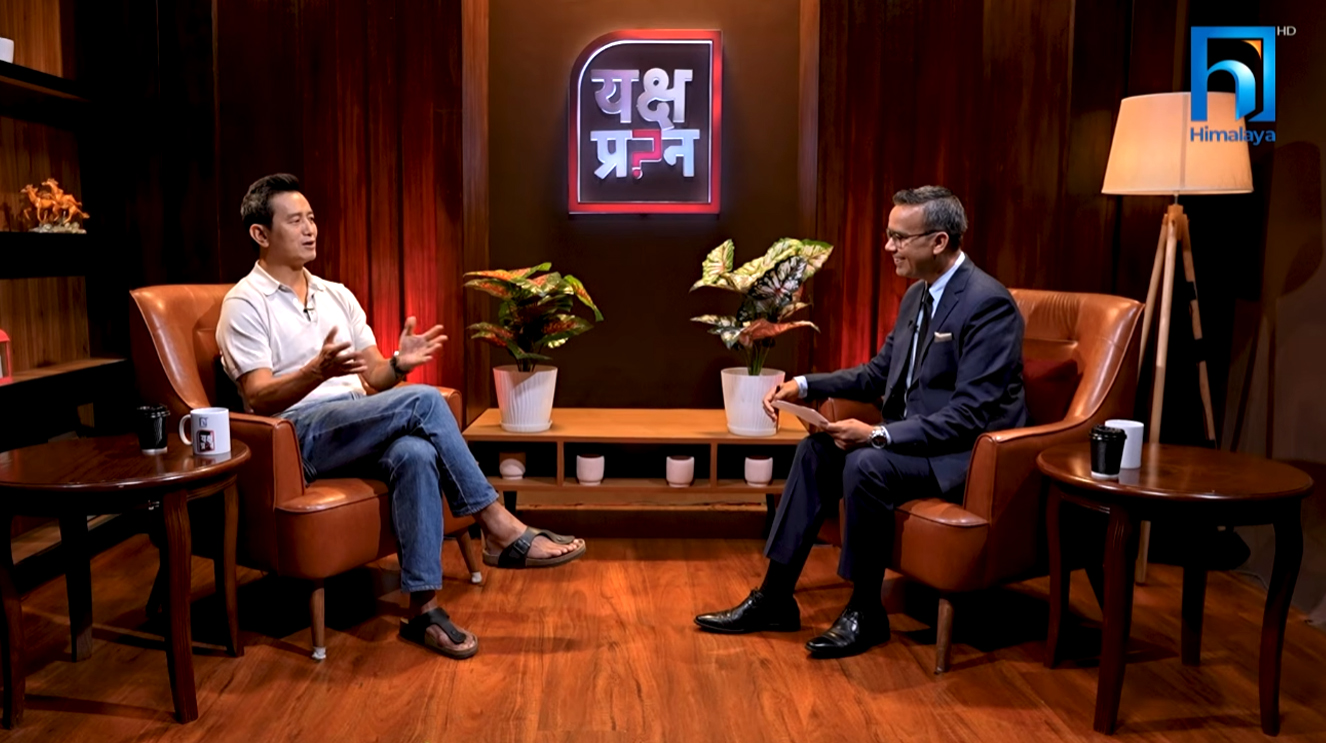
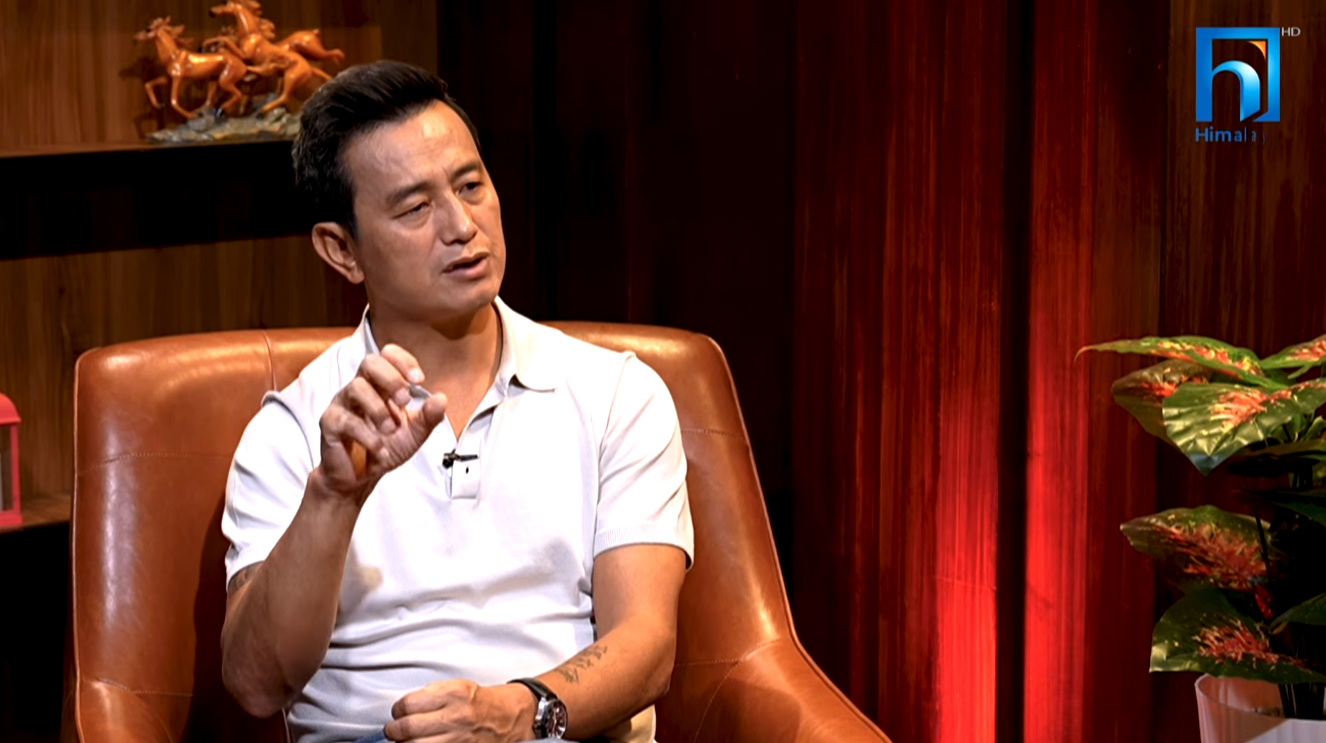
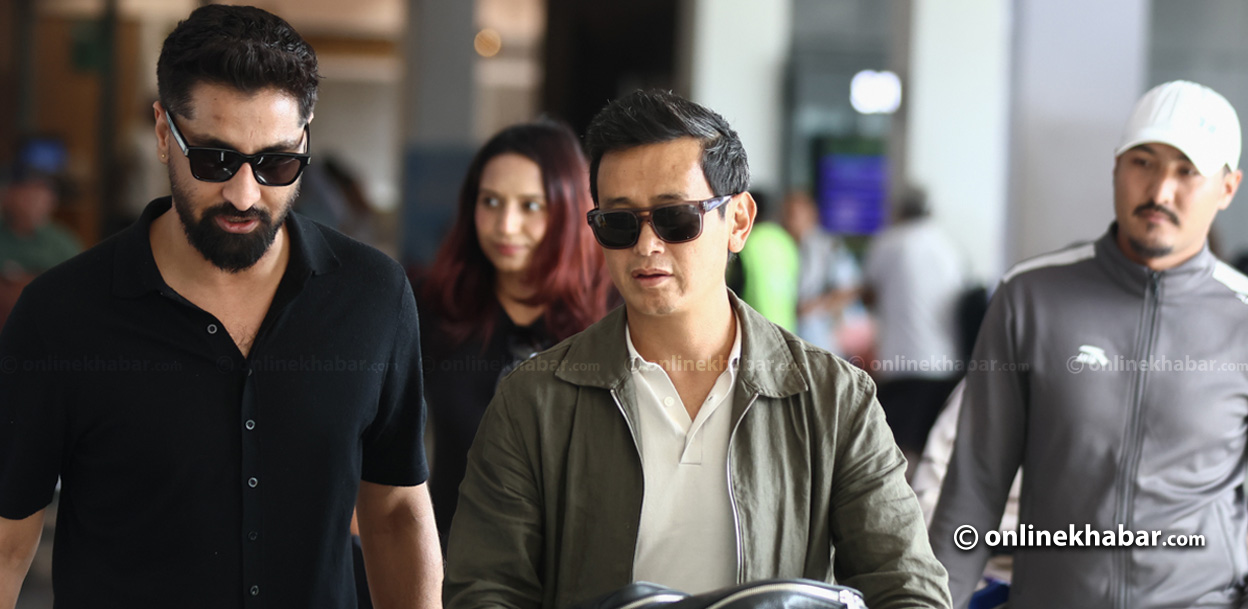
Former captain of the Indian football team and a South Asian football legend, Bhaichung Bhutia, visited Nepal last week. In an interview with Himalaya TV analyzing the World Cup, he shared his serious insights on the evolving nature of the World Cup, the role of technology in the game, and the current state of South Asian football.

Rising from a remote village in Sikkim, Bhutia shared his experience of putting Indian football on the international map, discussed his challenging childhood, his emotional bond with Nepal, and ongoing efforts to modernize football. He also openly addressed weaknesses in the football administrative systems of both Nepal and India, the ANFA suspension, and emphasized the importance of grassroots development in football.

This content covers a wide spectrum from the personal life of this renowned player to essential strategies and guidance needed for football reforms in Nepal and India. These are edited excerpts from the Himalaya TV program “Yaksha Prashna” featuring host Nimesh Banjade.

How was your experience coming to Nepal?

I feel very happy. I have visited Nepal many times since childhood for football. Throughout my football career, I have had strong relations with many Nepali players and senior athletes. When we were young, Nepali players used to come to Sikkim’s ‘Governors Gold Cup’ tournament and were star players. Nepal won that competition many times. Watching special players like Mani Shah Dai, Raju Dai, and the long-popular Rajesh Dai greatly inspired me.

Even today, there are senior Nepali players like Ganesh Thapa, who played alongside me at East Bengal Club and in India. Friends like Hari Khadka and coach Balgopal Maharjan are here as well. I am close to many friends and family here. When I was studying in Gangtok, many students from Nepal came, deepening my connection with Nepal. Coming to Nepal is always a pleasure.

What do you like most about Nepal?

I see many positive changes in Nepal. The best thing is the family and friends — meeting them brings joy. No matter where I go, meeting friends and their families makes me happy.

How do you find commentating for Himalaya Sports for Nepali audiences; what do you think of this World Cup?

First, I want to thank Himalaya Sports. Coming to Nepal is a great opportunity for me. Initially, I had an agreement with an Indian sports channel, but after Himalaya Sports offered me the chance, I was motivated and decided to take a five-six day break to come here. The commentary experience has been excellent. After finishing this, I will return to India.

How does this World Cup compare to previous ones?

This World Cup is very colorful with many countries participating. In a world where wars and conflicts exist, this World Cup conveys a message of unity and peace. Being co-hosted by the United States, fans have come from diverse parts of the world. War is created by leaders, but people want peace, which the World Cup clearly demonstrates.

How effective are the new rules and technologies in this World Cup?

The new rules have made the game more active — for example, players must leave the field within 10 seconds when substituted and stay off for one minute if injured. Technologies like referee cameras, touchline technology, and Video Assistant Referee (VAR) have reduced offsides and goal controversies.

Is VAR fair or does it increase controversies?

VAR has both advantages and disadvantages. It makes decisions fairer but can interrupt the flow of the game, which sometimes frustrates viewers. Still, it helps direct decisions in the right direction.

What has changed the most in modern football — strategy, fitness, or technology?

The biggest change is in strategy. Every team now plays by thoroughly analyzing the opponents and studying statistics. The game has become a structured process. When everything is managed, football sometimes feels like a computer game, which wasn’t the case before.

How do you compare the old stars and new young players in this World Cup?

In my time, the Brazilian Ronaldo and Romário era was dominant, later Messi and Cristiano Ronaldo took over world football dominance. This may be their last World Cup. Messi is performing excellently with five goals, while Ronaldo scored two in the last match. Upcoming players like Mbappé, Spain’s Lamine Yamal, and Norway’s Erling Haaland will lead football in the coming decade.

Which is the strongest team?
This World Cup is highly competitive; not five or six, but seven to eight teams are contenders. Twenty to thirty years ago, Brazil was naturally the main favorite, but now I wouldn’t place Brazil even in the top eight. They are ‘dark horses’; strong but hard to consider top five.

Football culture in Nepal is larger than in India because the cultural environment plays an important role in football development. France, Argentina, Spain, England, and Portugal all have strong teams. Ronaldo’s individual performance will be supported by the team for success.

Has Ronaldo’s performance declined?

Ronaldo is among the greatest players worldwide. Naturally, age brings a decline in speed. Messi’s playing style is different; he creates plays and dribbles. Portugal has excellent players, so good team support increases their chances of success.

Which teams do you think will reach the final? Also, your thoughts on Messi and Ronaldo’s possible last final experience?

FIFA World Cups often produce surprising results. However, France, England, Spain, and Argentina are the main contenders. Teams like Cape Verde playing their first World Cup have performed well. Ronaldo is not among the top four now, but future matches will reveal more.

How are Asian teams performing?

Japan is the strongest Asian team. Some key players are injured; if they recover, Japan has a chance to reach the finals. Australia and Iran have also performed well. Asian football’s development is hopeful, led by Japan.

If you had a chance to play in the World Cup, which country would you prefer to face?

(Laughing) I would like to play against the weakest teams. Playing lower-ranked teams offers a good experience. But seriously, playing against Messi and Cristiano Ronaldo would be a fantastic opportunity.

How was your childhood? Please share about your family and upbringing.

I was born and raised in Tinkitam village in Sikkim. My parents were farmers. My father was in the village council and enjoyed organizing football competitions. My elder brother Pema Chiring Raptan was a good player. I consider myself lucky to have received a football scholarship at that time.

When did you receive the scholarship?
In 1986-87, at the age of 11, I was granted a football scholarship. The Indian government had started the ‘NSTC’ program which awarded scholarships to talented children under 11. I was the first batch footballer under this scheme.

Afterwards, I had opportunities to play in national school competitions. Being declared the best player, I was selected for India’s under-16 team. I am fortunate to have played for the national team at every age group.

I left Sikkim after class 10 in 1993 and started full-time professional football in 1994. In 1995, I got the chance to play for the Indian national team.

Did you also play against Nepal in 1997?

Yes, I played for India in the 1997 South Asian Football Federation (SAFF) Cup held in Kathmandu. We defeated Maldives in the final to win the title. Nepal was the host.

Who inspired you during childhood?

The scholarship helped me focus on football. There was no TV and limited information then. We grew inspired by local players. Sikkim’s ‘Governors Gold Cup’ was very popular and Nepali players had a strong impact. Mani Shah Dai was often called ‘Maradona’.

What are your greatest achievements?

I hold the record for longest captaincy of the Indian national team from 1999 to 2011. I was the first Indian to play 100 international matches. I am also the first Indian to play football professionally in Europe. Personal honors include the Arjuna Award, Padma Shri, and induction into the Asian Football Hall of Fame. As a team, we won the AFC Challenge Cup and qualified India for the Asia Cup after 24 years.

What have victories and losses taught you?

Both teach valuable lessons. Defeat shows weaknesses and motivates improvement, while victory teaches humility. Consistent practice and hard work are keys to success.

How have you contributed to grassroots football post-retirement?

I retired in 2010 and since then have been active in grassroots football. I established the ‘Bhaichung Bhutia Football Schools.’ In partnership with a football school in Portugal, we run India’s largest grassroots program training around 1,500 children.

What is ‘United Sikkim FC’?

It is my own club, founded in 2006. Within two years of going professional, it reached India’s top league. Due to financial difficulties, the club became semi-professional but remains active.

How did you enter politics?

I had not planned on politics. It came after football. I spent two years with TMC in West Bengal and later retired to form the ‘Our Sikkim Party’. My goal is to contribute to Sikkim’s development.

I want to take steps to make Sikkim capable and self-reliant. Football took me to 55 countries, and I want to use that experience for Sikkim’s progress.

What challenges do you face in politics?

Success in sports depends on hard work, but in politics, it depends on gaining people’s trust. It’s challenging to compete with leaders who have political experience.

The toughest part is winning people’s hearts.

After quitting politics, I have found mental peace. The future is uncertain.

What businesses do you pursue beyond football?

I remain connected to football and also work in hospitality. I run a large restaurant named ‘GOT’ in Siliguri and operate premium homestays in Sikkim. I am establishing and expanding a football academy in Bagdogra.

What differences do you notice between Indian football during your playing days and today?

There is about 19-20% difference in playing level, but overall, it’s similar. Indian football has not progressed as expected. The Indian Super League started with investments in clubs, but the team’s FIFA ranking has dropped. The main challenges are lack of long-term planning and insufficient attention to grassroots football.

Why hasn’t Indian football succeeded despite such investment?

Success is impossible without appointing the right people. Leadership has been consistent for a long time but changes have been minimal. Recently, with a Supreme Court case, former players were given voting rights.

Is there a lack of talent?

India has abundant talent but they need proper training and opportunities.

How much does politics influence football administration?

Politics has a big impact. Leadership is chosen from state associations. Football is a grassroots game, but state associations have not run effective grassroots programs.

When leaders prioritize convenience over work, football development stalls. We are fighting for change.

Why has football not gained the popularity cricket has?

Cricket involves more financial investment and is played by fewer countries, hence higher popularity. Cricket has had consistent success, football has not, so support stays with successful teams.

Reaching the World Cup from Asia is very difficult. Nepal has a stronger football culture than India. Small countries often perform better in football.

What should Nepal do to excel in world football?

Nepal needs to build many small futsal courts. Before Spain developed its tiki-taka style, they had millions of small futsal courts where children played, which fostered football development.

Player and coach training must include teaching positive interaction and encouragement toward children. Foreign coaches should be brought in to train Nepali coaches.

For small countries, small pitches and local competitions should be a priority. Money doesn’t make great players — natural talent and a nurturing playing environment do.
What common issues do the football administrative systems of Nepal and India share?

Both show arrogance, self-interest, and greed. Football is for the country and society, not for private companies. Leadership should rotate regularly, with fixed term limits.

Why do leaders cling to their positions?

It’s not only about money but also the perks and opportunities, such as attending World Cups and enjoying the privileges of their positions.

The leadership system needs reform. The most important thing is football development.

What impact does the FIFA suspension have on Nepal?

Suspension would prevent the national team from playing international matches, affect club tournaments, and possibly cause football to decline. The government, ANFA, players, and clubs must collaborate to find a resolution. The old constitution needs amendment.

A message for disappointed Nepali football fans and players?

I have a deep bond with Nepal. The SAFF competition introduced many Nepali players. I always see Nepal and India as close. Nepal has a strong football culture, and with the right direction, it can progress significantly.

All stakeholders must work together to advance football. The future should create an environment where any team from the SAFF region can reach the World Cup.

How are Nepali players currently?

I don’t personally know many players because I haven’t watched many Nepali games lately. However, I have met some players through Himalaya Sports.

Messi or Ronaldo?

Brazilian Ronaldo. Both Messi and Ronaldo are great, but our generation watched Brazilian Ronaldo play.

Who was the toughest defender you faced?

Nepali Rajesh Dai. He was 6 feet tall, tied his hair while playing, and was a formidable defender. His style inspired us.

Most memorable goal?

Diego Maradona’s goal against England in the 1986 World Cup. Watching that goal in childhood inspired me.

Favorite stadium?

Salt Lake Stadium in Kolkata.

Favorite coach?

Bob Houghton.

Most emotional match?

The AFC Challenge Cup final when India qualified for the Asia Cup after 24 years.

If you could play again, which tournament would you choose?

The Asia Cup. We qualified after 24 years, but I couldn’t play many games due to injury.

Describe Nepali football in one word.

Immense potential.

Describe Indian football in one sentence.

Great potential yet to be fully realized.

Who will win this World Cup?

It’s tough to say. I think either France or England will win.

युद्धमा प्रयोग गरिएका ड्रोनका तारहरूबाट चरा घोंसला बनाउँछ

युद्ध प्रायः विनाशसँग सम्बन्धित हुन्छ: आकाश धुवाँले ढाकिएको, भूमिमा बमका चिहानहरू, गाउँहरू सुनसान, र अनिश्चित भविष्य। जहाँ जहाँ युद्ध हुन्छ, त्यहाँ जीवनको सम्भावना क्रमशः घट्दै जान्छ। तर, यो धारणा एक सानो जीवले चुनौती दिएको छ। केही दिनअघि युक्रेनको डोनबास क्षेत्रमा भेटिएको एक चरा घोंसला अहिले विश्वव्यापी छलफलको विषय बनेको छ। पहिलो दृष्टिमा, घोंसला सामान्य जस्तो देखिन्छ। तर नजिकबाट हेर्दा, हरियो घाँस र सुक्खा पातहरूको साथै, यसमा चम्किला, पातला फाइबर-अप्टिक तारहरू पनि बुनेका छन्। यी तारहरू कुनै दूरसञ्चार कम्पनीका होइनन्, न त घरका विद्युतीय लाइनका। यी युद्धमा प्रयोग गरिएका FPV ड्रोनका फाइबर-अप्टिक केबलहरू हुन्। अर्को शब्दमा, एक चरा मानवले एक अर्कालाई मार्नका लागि विकास गरेका प्रविधिका अवशेषहरूलाई आफ्नो सन्तानको पालन गर्न घोंसला बनाउन प्रयोग गरेको छ। यो केवल एक घोंसला मात्र होइन; यो युद्ध र जीवन बीचको गहिरो संवादको प्रतिनिधित्व गर्दछ।

जुन २३, २०२६ मा, युक्रेनी भ्रष्टाचार विरोधी कार्यकर्ता ओलेना ट्रेहुबले सामाजिक सञ्जालमा चरा घोंसला को तस्वीर पोस्ट गरिन्। प्रारम्भमा, धेरैले यो चित्रलाई सामान्य मान्नुभयो। तर नजिकबाट हेर्दा, सबैको ध्यान घोंसला भित्रको घाँससँग मिलेको फाइबर-अप्टिक तारहरूमा केन्द्रित भयो। यी तारहरू सजावटका लागि थिएनन्; बरु, तिनीहरू संघर्षमा प्रयोग गरिएका ड्रोनका केबलहरू थिए। ट्रेहुबले लेखिन्, “युद्धले सबै कुरा नष्ट गर्न खोज्छ, तर जीवन त्यही विनाशबाट नयाँ सुरुवात गर्छ।” इजरायलको द जेरुसलेम पोस्टका अनुसार, उनको पोस्ट केही घण्टामा हजारौं पटक साझा गरियो। धेरैले यस सन्देशलाई “जीवनले एक तरिका फेला पार्छ” भनेर व्याख्या गरे, जुन हलीवुडको फिल्म जुरासिक पार्कमा लोकप्रिय भएको वाक्यांश हो। डोनबासको यो सानो घोंसला यस अवधारणाको जीवित प्रमाणको रूपमा कार्य गर्दछ।

यस घोंसला फेला पार्ने व्यक्ति युक्रेनी अनुसन्धानकर्ता र सैनिक ओलेह माल्चेनको हुन्। उनी डोनबासको मोर्चामा तैनात थिए। हालैको रूसी ग्लाइड बमको आक्रमणपछि, ठूलो रुख ढलेको थियो। घटनाको जाँच गर्दा, माल्चेनले ढलेको रुखको एक शाखामा सानो घोंसला देखे। प्रारम्भमा, यो सामान्य घोंसला जस्तो लाग्यो, तर नजिकबाट हेर्दा, उनले चकित भए। घोंसला घाँस, सुक्खा पात, काठका तन्तुहरू, र चम्किला फाइबर-अप्टिक केबलहरू मिलाएर बनाइएको थियो। युद्धका लागि मानवद्वारा डिजाइन गरिएका केबलहरू चरा द्वारा जीवनको लागि घर बनाउन पुनः प्रयोग गरिएका थिए। माल्चेनले घोंसला सावधानीपूर्वक क्यामेरामा रेकर्ड गरे। पछि उनले भने, “हामी यहाँ हरेक दिन मृत्युको साक्षी बनिरहेका छौं। तर यस ठाउँमा, एक चरा देखाउँदैछ कि प्रकृति अझै जीवित छ।”

वेनिश मोड के हो? कहिले र किन प्रयोग गरिन्छ?

समाचार संक्षेपमा समीक्षा पछि तयार गरिएको। मेटाले सामाजिक मिडिया प्लेटफर्महरूमा गोपनीयता कायम राख्न वेनिश मोडको परिचय गराएको छ। इन्टरनेटमा भएका प्रत्येक डिजिटल गतिविधि वा क्रियाकलाप कुनै न कुनै तरिकामा रेकर्ड गरिन्छ। साथीहरूसँगको सामान्य कुराकानी वा मध्यरातमा लामो च्याटहरू वर्षौंसम्म च्याट इतिहासमा सुरक्षित रहन सक्छन्। तर, के सबै कुरा “रेकर्ड” राख्नु आवश्यक छ? पक्कै होइन। केही कुरा हावाको जस्तै हुनुपर्छ — आउँछ, छुँछ, र हराउँछ। इन्टरनेटका स्थायी प्रवृत्तिहरूको बीचमा, वेनिश मोडले अस्थायी र गोप्य कुराकानीको लागि एक विशेषता प्रदान गर्दछ।

वेनिश मोड के हो? सरल भाषामा, वेनिश मोड मेटाका सामाजिक मिडिया प्लेटफर्महरूमा उपलब्ध एक अस्थायी च्याटिङ विशेषता हो। जब तपाईं यो मोड सक्रिय गर्नुहुन्छ र कसैसँग च्याट गर्नुहुन्छ, तपाईंले पठाएको पाठ, फोटो, भिडियो, वा भ्वाइस नोटहरू स्वचालित रूपमा मेटिन्छन् जब अर्को व्यक्तिले तिनीहरूलाई देख्छ र च्याट विन्डो बन्द हुन्छ। विशेष कुरा के हो भने, यदि कसैले वेनिश मोडको कुराकानीको क्रममा स्क्रिनशट लिन वा स्क्रिन रेकर्ड गर्न प्रयास गर्छ भने, अर्को प्रयोगकर्तालाई तुरुन्तै सूचनाको रूपमा जानकारी गराइन्छ, जसले गोपनीयता सुरक्षा थप गर्दछ।

यो विशेषता कहिले प्रस्तुत गरियो? मेटाले यस विशेषतालाई आफ्नो मेसेंजर र इन्स्टाग्राम प्लेटफर्महरूमा नोभेम्बर 2020 मा आधिकारिक रूपमा प्रस्तुत गर्यो। यद्यपि, डिजिटल क्षेत्रमा आत्म-नष्ट हुने सन्देशहरूको अवधारणा नयाँ छैन। यसको प्रमुख श्रेय स्न्यापच्याटलाई जान्छ, जसले 2011 मा ‘गायब हुने सन्देशहरू’ प्रस्तुत गर्यो। युवा दर्शकहरूमा यसको लोकप्रियता र आकर्षणलाई पहिचान गर्दै, मेटाले वेनिश मोडलाई आफ्नो प्रणालीमा समावेश गर्यो। हाल, यो विशेषता इन्स्टाग्राम, मेसेंजर (फेसबुकको इन-बिल्ट मेसेजिङ एपमा भने छैन), र स्न्यापच्याटमा उपलब्ध छ। तर, टिकटकले भने यो विशेषता लागू गरेको छैन।

WhatsApp ले फोन नम्बर बिना च्याट गर्नका लागि प्रयोगकर्ता नामको सुविधा ल्यायो

WhatsApp ले प्रयोगकर्ताहरूलाई फोन नम्बरको सट्टा प्रयोगकर्ता नामको माध्यमबाट संचार गर्न सक्ने नयाँ सुविधा सुरु गर्दैछ, जसले गोपनीयता बढाउँछ। यो सुविधा लागू भएपछि, प्रयोगकर्ताहरूले अनजान व्यक्तिहरूसँग प्रयोगकर्ता नाममार्फत च्याट गर्न सक्नेछन्, जसले उनीहरूको फोन नम्बरलाई उजागर नगर्नेछ। कम्पनीले यो सुविधा वर्षको अन्त्यसम्म पूर्ण रूपमा लागू गरिने बताएको छ, जसले व्यक्तिगत सुरक्षा थप सुदृढ पार्नेछ।

जुन ३०, काठमाडौं – WhatsApp ले च्याट गर्नका लागि फोन नम्बरको अनिवार्य प्रयोग हटाउने नयाँ विकल्प प्रस्तुत गर्दैछ। चाँडै, प्रयोगकर्ताहरूले एक प्रयोगकर्ता नाम दर्ता गर्न र यसलाई संचार गर्न चाहने व्यक्तिहरूसँग साझा गर्न सक्नेछन्। यद्यपि एपमा साइन अप गर्नका लागि फोन नम्बर आवश्यक हुनेछ, प्रयोगकर्ताहरूले नयाँ च्याट सुरु गर्दा आफ्नो फोन नम्बर साझा गर्नुपर्ने छैन। कम्पनीले यो परिवर्तन साइबर सुरक्षा र गोपनीयता संरक्षणमा सुधारको महत्त्वपूर्ण कदम भएको बताएको छ, किनकि फोन नम्बर संवेदनशील व्यक्तिगत जानकारी हो जसको सुरक्षा गर्न आवश्यक छ।

उदाहरणका लागि, नयाँ व्यक्तिहरूसँग भेट्दा वा समूहमा सामेल हुँदा, प्रयोगकर्ताहरूलाई आफ्नो फोन नम्बर उजागर गर्न बाध्य पारिने छैन, जसले प्रयोगकर्ता नाममार्फत सहज र सुरक्षित संवाद गर्न अनुमति दिनेछ। WhatsApp ले स्पष्ट पारेको छ कि यी प्रयोगकर्ता नामहरू फेसबुक वा इन्स्टाग्राम जस्ता प्लेटफर्महरूमा ह्यान्डलको रूपमा सार्वजनिक हुने छैन; कुनै सार्वजनिक डाइरेक्टरी वा खोजी कार्यक्षमता प्रदान गरिने छैन। यसबाहेक, प्रणालीले नयाँ सम्पर्कहरू सुझाव दिनेछैन र प्रयोगकर्ता नामहरूलाई सामाजिक मिडिया प्रोफाइलको रूपमा व्यवहार गर्ने छैन।

तर, यो सुविधाको कार्यप्रणाली अन्य एपहरू जस्तै हुनेछ: प्रयोगकर्ताहरूले एक प्रयोगकर्ता नाम सुरक्षित गर्न र नयाँ व्यक्तिहरूसँग त्यस नाममार्फत संवाद सुरु गर्न सक्नेछन्। यो सुविधा पूर्ण रूपमा सक्रिय भएपछि नयाँ च्याटहरूको लागि डिफल्ट विधि हुनेछ। यसैले, सबै नयाँ संवादहरू फोन नम्बरको सट्टा प्रयोगकर्ता नामको माध्यमबाट सुरु हुनेछ, र फोन नम्बर स्क्रिनमा प्रदर्शित हुने छैन। प्रयोगकर्ताहरूले नयाँ WhatsApp संस्करणमा अपडेट गरेपछि तुरुन्तै आफ्नो प्रयोगकर्ता नाम दर्ता गर्न सक्नेछन्, सेटिङ्समा खाता खण्डमा जान र प्रयोगकर्ता नाम विकल्प चयन गरेर। यो सुविधा वर्षको अन्त्यसम्म पूर्ण रूपमा उपलब्ध हुनेछ। प्रयोगकर्ताहरूलाई यो सेवा सुरु भएपछि एपमा सूचनाहरू प्राप्त हुनेछ। WhatsApp ले प्रयोगकर्ताहरूलाई आफ्नो प्रयोगकर्ता नाम यसरी सेट गर्न सल्लाह दिएको छ कि केवल उनीहरूलाई संचार गर्न चाहने व्यक्तिहरूले मात्र देख्न सकून्। यदि प्रयोगकर्ताहरूलाई उपयुक्त प्रयोगकर्ता नाम चयन गर्न कठिनाइ भएमा, एपले सहयोग गर्नका लागि प्रयोगकर्ता नाम उत्पन्न गर्ने उपकरण प्रदान गर्नेछ। यसका साथै, कम्पनीले डिजिटल सिर्जनाकर्ताहरू, साना व्यवसायहरू, र विभिन्न संस्थाहरूलाई आफ्नो फेसबुक वा इन्स्टाग्राम खाताबाट WhatsApp मा प्रयोग गर्नका लागि प्रयोगकर्ता नाम दावी गर्न अनुमति दिनेछ। यसले सबै प्लेटफर्महरूमा एक सुसंगत पहिचान कायम राख्न सजिलो बनाउनेछ।