Iran has intensified pressure by attacking energy centers in Gulf countries in retaliation for Israeli assaults.
Iranian missile strikes in Israel have resulted in four deaths, including three Palestinian women and one foreign national.
Attacks in the Gulf region have caused natural gas prices in Europe to surge by 35%.
March 19, Kathmandu – In response to Israeli attacks, Iran has escalated tensions by targeting energy centers across several Gulf countries following an incident at its South Pars gas field.
The attacks on energy facilities on the 20th day of the conflict between the United States, Israel, and Iran have further destabilized global affairs.
Both sides have intensified their offensives. According to international news agencies, Iranian missile strikes in Israel have killed four people, including three Palestinian women and one foreign citizen.
Reports indicate the incident occurred Wednesday night when missile debris fell on a beauty parlor.
In central Israel, a Thai citizen also lost his life when an Iranian missile debris landed in the Sharon region, killing the 20-year-old agricultural worker who was laboring in the fields.
Meanwhile, Oman’s Foreign Minister Badr Al Busaidi criticized the United States for mishandling its foreign policy.
He stated that the situation worsened after Israel and the U.S. launched attacks just as a potential agreement between the U.S. and Iran was underway.
Although he said Iran’s counterattacks were wrong, he noted that such a response was predictable under the circumstances.
He added that America made a significant mistake by involving itself in this conflict, emphasizing, “This was not America’s war, and it gains no benefit from it.”
Natural Gas Prices Rise by 35%
Following intense assaults on energy centers in the Gulf, natural gas prices in Europe surged by 35% today. According to Reuters, gas prices in Europe have already risen by more than 60% since February 28.
The global benchmark Brent crude oil price reached $112 per barrel. Since the war began, crude oil prices have increased by over 48%, sustaining above $100 since March 13.
The escalating conflict in the Middle East is increasing uncertainty over energy supplies.
Qatar reported significant damage to its major gas facility, Ras Laffan, due to the Iranian missile attacks. Kuwait confirmed drone attacks on two of its oil refineries.
The energy centers attacked on the 20th day of conflict are:
1. Ras Laffan Industrial City, Qatar
On Thursday morning, Qatar announced that its main gas hub, Ras Laffan Industrial City, suffered severe damage caused by Iranian missiles.
2. Mina Al-Ahmadi Refinery, Kuwait
Kuwait Petroleum Corporation stated that a drone crashed into the Mina Al-Ahmadi refinery located about 50 kilometers south of Kuwait City, causing a fire. No casualties have been reported.
3. Mina Abdullah Refinery, Kuwait
They also confirmed a drone attack caused a fire at the Mina Abdullah refinery in the southern part of the country.
4. Habshan Gas Plant and Bab Oilfield, UAE
UAE officials said that missile debris falling in the Habshan gas plant and Bab oilfield areas caused disruptions, and they are conducting retaliatory measures. No human casualties have been reported so far.
5. Samref Refinery, Saudi Arabia
The Saudi Ministry of Defense reported a drone crash at the Saudi Aramco Samref Refinery located in the Yanbu port area, with an assessment of damages underway.
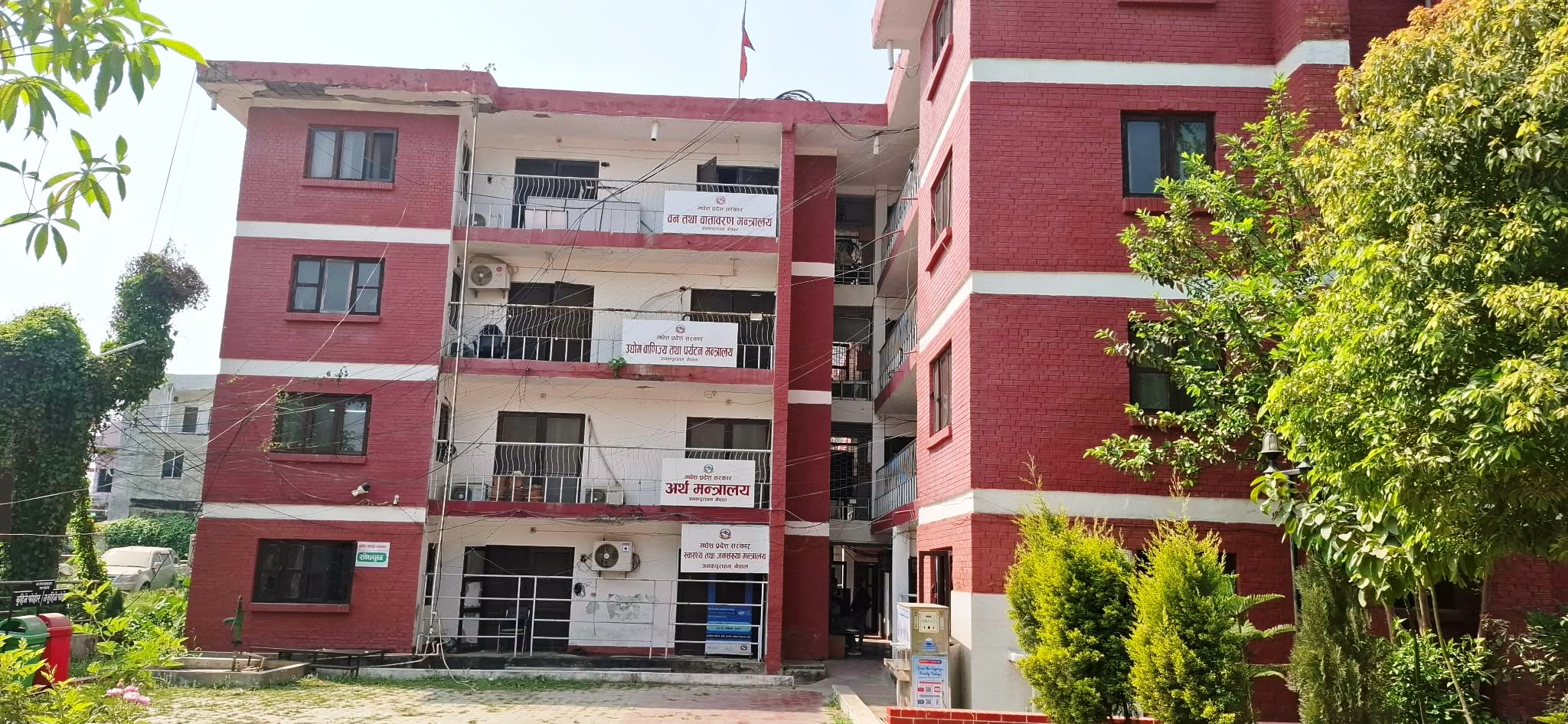
The Madhesh Province government is planning to implement projects valued up to NPR 2.5 million through consumer committees.
The Ministry of Physical Infrastructure has given verbal instructions to its subordinate offices to carry out work through consumer committees.
The government has committed to implementing projects according to the Public Procurement Act to prevent corrupt practices such as fake letter trading seen in the past.
March 19, Janakpurdham – In Madhesh Province, the practice of implementing projects through consumer committees has long been infamous. Due to widespread complaints about the trading of fake letters to secure projects, the previous provincial government had decided not to use consumer committees for execution this year.
However, the current coalition government is preparing to revive this discredited system. The Nepali Congress-led coalition, facing time constraints in project implementation, is planning to revert to the discredited consumer committee method.
The Ministry of Physical Infrastructure Development, which holds the highest number of projects in Madhesh, has approximately 2,500 projects, each worth up to NPR 2.5 million.
This ministry has verbally instructed its subordinate physical infrastructure offices to carry out work through consumer committees. Acting Secretary Sanjay Kumar Sah confirmed that verbal orders were given to implement projects worth up to NPR 2.5 million via consumer committees.
“No official correspondence has been issued, but verbal instructions were given to subordinate bodies to implement projects up to NPR 2.5 million,” he stated.
Apart from the Physical Infrastructure Ministry, projects valued up to NPR 2.5 million are also under the ministries of Energy, Irrigation and Drinking Water, Industry and Tourism, Land Management and Agriculture Cooperatives, Education and Culture, Sports and Social Welfare, and Health and Population. In these ministries and their subordinate bodies, parliamentarians, brokers, and close affiliates have already begun contesting for fake letters to obtain consumer committee-managed projects.
Currently, coalition partners including the Janata Samajwadi Party (JSP) Nepal and the Nepal Communist Party aim to continue the old practice by executing projects through consumer committees.
During the fiscal year 2081/82 BS (2024/25 CE), the then Satish Kumar Singh-led Janamat Party government had expressed intent in the budget speech to implement projects via open competition while banning work through consumer committees. However, under pressure from parties such as UML and Congress, they withdrew the ban and passed a resolution allowing project implementation through consumer committees for amounts up to NPR 5 million.
The consumer committees’ system became notorious due to the widespread issue of fake letter distribution and trading. Major opposition parties JSP Nepal and the Maoist Centre opposed this. Following prolonged pressure, an investigative committee was formed in the provincial assembly on June 5, 2024 (Jestha 22, 2081 BS), but its report has yet to be made public.
Despite past controversies, the current coalition, including JSP Nepal and the Communist Party, intends to revive the consumer committee system.
JSP parliamentary leader and former Chief Minister Saroj Kumar Yadav justifies the preparation, citing time constraints to implement projects effectively.
“There is limited time, so it’s not feasible to carry out all projects through a tender process,” he said. “Implementing through consumer committees is not wrong; what’s wrong is the fake letter trading. Previously, more than 10,000 projects were implemented through consumer committees. Many complaints were filed with the Commission for the Investigation of Abuse of Authority, but no faults were found. Meanwhile, many lawsuits arose from the tendering process.”
Physical Infrastructure Minister Rajkumar Gupta stated that discussions among parties are ongoing regarding executing projects through consumer committees.
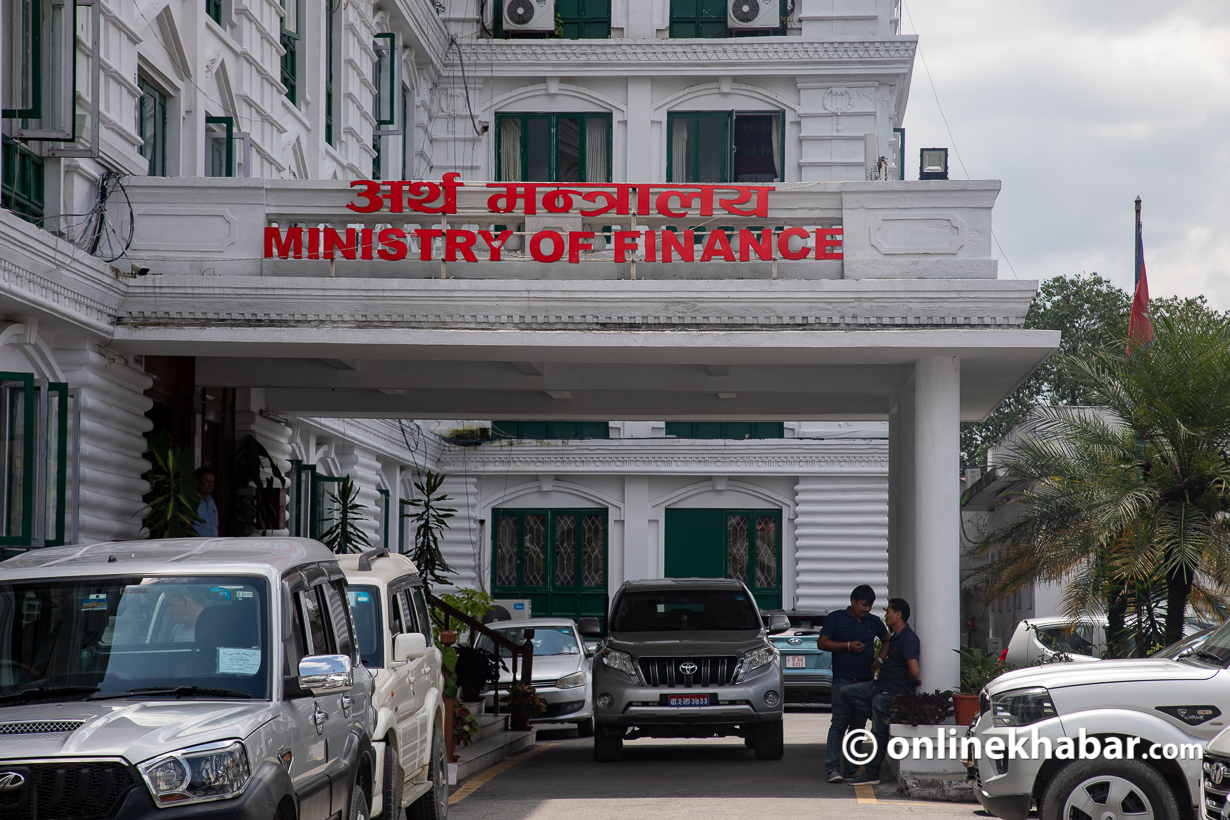
According to Mahesh Prasad Yadav, parliamentary leader of Janamat and also Finance Minister, there is a cross-party consensus to implement projects up to NPR 2.5 million via consumer committees.
“Coalition and multi-party meetings have taken place. The Chief Minister was initially opposed to the consumer committee approach, but all sides acknowledged time constraints and potential issues with projects getting divided and disrupted by following competitive procurement by secretaries,” he said.
Minister Yadav added that there is a verbal agreement in the multi-party meeting to implement projects following the Public Procurement Act to avoid repeating past corrupt practices.
“This initiative aims to move forward systematically through multi-party consensus to avoid weak implementation caused by time constraints and fragmented projects,” he said. “If corrupt activities like fake letter trading recur, the responsible ministers and parties will be held accountable.”
However, Yubaraj Bhattarai, parliamentary leader of the Maoist Centre (now Nepal Communist Party), claims there have been no discussions or consensus about executing projects up to NPR 2.5 million via consumer committees.
Historically, in Madhesh, consumer committees have rarely been used as intended.
“Within the coalition, there is no agreement on work through consumer committees,” he declared.
The Sushila Karki-led government issued a directive last October that all provincial governments and local bodies must implement projects above NPR 1 million via open competition.
The directive stated in point 14: “Projects funded or transferred financially by the Government of Nepal with amounts exceeding NPR 1 million shall not be implemented through consumer committees, nor should projects be divided to be executed through consumer committees.”
However, instead of promoting good governance and reducing malpractice, the Madhesh government appears to be endorsing the previously discredited consumer committee system.
Why Did Consumer Committees Become Discredited in Madhesh?
The Public Procurement Act allows consumer committees to implement projects up to NPR 10 million. However, proper procedures have not been followed in Madhesh.
Consumer committees should be formed through open public meetings at various levels. Instead, secret lists are compiled by ministers’ secretariats and sent to offices. Individuals on those lists negotiate with parliamentarians and brokers to covertly finalize processes to establish committees. Subsequently, contractors are hired on petty contracts, leading to the deterioration of the consumer committees’ reputation.
The previous controversial decision by then Chief Minister and UML parliamentary leader Saroj Kumar Yadav to disallow projects above NPR 2.5 million from going through consumer committees had provided some relief. He had mandated competitive procurement for projects above that threshold. Although his staff transfers were reversed after the Congress-led government was formed, this decision remains intact. This forms the basis for the current Madhesh government’s plan to implement projects up to NPR 2.5 million through consumer committees.
Gagan Thapa, President of Nepali Congress, has submitted his resignation to party Vice President Bishwaprakash Sharma, confirmed by Nepali Congress Co-General Secretary Prakash Rasaily Snehi on Wednesday.
“The party’s central committee has received the resignation letter of the president. It is now within the central committee’s jurisdiction to accept or reject this resignation,” Rasaily stated.
Thapa was elected president at the special general convention held in the last week of Poush (mid-January). However, reports had surfaced that he was considering resigning after his defeat contesting the Sarlahi-4 constituency during candidate distribution and the election.
Many inside and outside the party believe that he should take moral responsibility for the Nepali Congress’s heavy defeat in the general election.
Under his leadership, the Congress became the second-largest party following the Rastriya Swatantra Party (Raswapa) in the election.
Party leaders and workers have debated on social media whether Thapa should resign, with varying opinions. The general public and experts are also divided on this matter.
Some within the Congress argue that the party’s weakening cannot be attributed to just one individual.
In the previous election, Congress was the largest party but currently holds only 38 seats in the House of Representatives, creating a gap of 144 seats with Raswapa.
Following this election, the traditional main parties have become significantly weaker, and Thapa is the first party leader to step down.
Authority of the Central Committee
Photo source, Nepal Photo Library
Party spokesperson Devaraj Chalise said that they can provide clear information about the resignation only if it is proposed as a formal agenda in the party’s central committee meeting.
“According to party rules, if a president needs to resign, the resignation must be submitted to the vice president, and the central working committee has the power to approve or reject it,” he explained.
“I am not aware if a resignation has been officially registered. If it has been submitted to the vice president, a formal decision will be made at Friday’s meeting.”
Acting party General Secretary Krishna Prasad Dulal also stated that he has no formal or informal information regarding the resignation.
“On Wednesday afternoon, there was a lengthy discussion with the president regarding preparations for the central committee meeting, but neither then nor until now have I received any information about the resignation,” he said.
Process
Photo source, Getty Images
If the central president wishes to resign, his resignation must be submitted to the central working committee through the vice president.
Once the central working committee accepts the resignation, the vice president will assume the role of acting president. The party’s constitution mandates calling a special central general convention within six months to elect a new president.
Regarding the special general convention, the Election Commission had granted official authority to Gagan Thapa’s faction.
However, the Sher Bahadur Deuba faction has taken this decision to the Supreme Court, and the verdict is still pending while Thapa has submitted his resignation.
The news is also available on the Nepali BBC News YouTube channel. To watch and subscribe, click here. Our content is also accessible on Facebook Facebook, Instagram, and Twitter. Additionally, BBC Nepali Service programming can be heard on the radio at 8:45 PM from Monday to Friday.
Snowfall has been reported in various high-altitude areas of Namkha Rural Municipality, Humla, while rainfall occurred in southern regions.
Paljor Tamang, chairperson of Ward No. 6 in Namkha Rural Municipality, informed that snow has started to accumulate and temperatures have dropped.
Both snowfall and rainfall have brought relief to farmers in Humla, although regular flights from Nepalgunj have been disrupted.
Chaitra 6 (March 19), Humla – Snowfall has been reported in several locations within northern Namkha Rural Municipality in Humla.
In the southern region, rainfall occurred in areas including Sarkegad, Chankheli, Adanchuli, and Tanjakot.
Snowfall has been observed in high-altitude locations of Namkha Rural Municipality such as Chala, Yari, Yalbang, Muchu, Hilsa, Limika Til, Jang, Halji, Kermi, Hepka, and Tangin. Snow has also fallen in higher elevations of the district headquarters, Simikot.
Paljor Tamang, ward chairperson of the Limki area in Namkha Rural Municipality, reported that snow started early this morning, with accumulation and a significant drop in temperature.
In the southern areas, rainfall continues, as informed by Kesh Bahadur Rokaya from Maspur, Ward No. 3, Tanjakot Rural Municipality.
Rokaya noted that the snowfall and rainfall have brought much-needed relief to the farmers of Humla.
However, these weather conditions have caused disruptions to the regular flights operating from Nepalgunj.
The Taliban ruled Afghanistan from 1996 to 2001 and recaptured constitutional power in 2021, currently governing based on Sharia law.
Pakistan’s accelerated efforts to expel over 1.7 million Afghan refugees and tighten border sieges have intensified the conflict between the two sides.
The ongoing conflict between Taliban-ruled Afghanistan and Pakistan poses a serious threat to peace and stability in South and Central Asia.
Kathmandu – The skies over Afghanistan thunder with Pakistani fighter jets, while the ground echoes with Taliban artillery fire, disrupting peace in South Asia. Taliban fighters in the eastern provinces of Nangarhar, Paktika, and Khost have launched intense attacks on Pakistani military bases.
After Pakistan officially declared an ‘open war,’ the border regions have turned into battlefields. According to the United Nations, over 6,600 Afghan civilians were displaced in the last week of February 2026 alone.
Geopolitical analysts identify the ‘Taliban’ at the center of this devastating conflict. This is the very group that Pakistan once fostered as a powerful instrument to maintain its ‘strategic depth.’ However, this power has now become Pakistan’s biggest challenge.
This report documents the historical and political journey from the Soviet invasion through the American withdrawal, the rise of Tehrik-e-Taliban Pakistan (TTP), to the ongoing war today.
How Did the Taliban Rise?
The term ‘Taliban’ derives from the Pashto word ‘Talib,’ meaning ‘student.’ It is a radical Islamic militant organization that ruled Afghanistan from 1996 to 2001 and retook power in August 2021. Their ideology is rooted in a strict Deobandi interpretation of Islam combined with Pashtun tribal traditions (Pashtunwali).
The seeds of the Taliban were sown in 1979 during the Soviet invasion. When the Soviet Union deployed troops to support Afghanistan’s communist government, ‘Mujahideen’ (religious fighters) initiated resistance. Former Pakistani President Zia-ul-Haq and U.S. intelligence agencies provided the Mujahideen with billions of dollars in weapons and training during this period.
That force, cultivated by Pakistan as a strategic weapon, now stands opposed to Pakistan itself.
Pakistan’s intelligence agency ISI monitored and controlled all this support. After the Soviet withdrawal in 1989, factional fighting among Mujahideen groups erupted into civil war, leading to widespread chaos and crime.
Amid this turmoil, in 1994, Mullah Mohammad Omar, a former Soviet-era fighter from Kandahar, founded the Taliban. He organized Pashtun refugee students he encountered at Pakistani madrasas, giving the group its name.
Promising security, the Taliban captured Kabul in 1996 and declared Afghanistan the ‘Islamic Emirate.’ However, after harboring Al-Qaeda leader Osama bin Laden, the U.S. launched an invasion in 2001, toppling the Taliban. Over the next 20 years, they regrouped in Pakistan and regained power in 2021.
Internal Politics: Sharia Rule and Women’s Rights Crisis
After 2021, the Taliban reinstated the ‘Islamic Emirate of Afghanistan.’ Supreme leadership rests with Hibatullah Akhundzada, who issues orders from Kandahar and governs the regime. The parliament and constitution have been abolished, and the judiciary operates entirely under Sharia law.
The situation for women has drastically deteriorated. A new criminal law announced in January 2026 imposes severe restrictions on women’s freedom, banning secondary and higher education for women, barring them from government jobs, and prohibiting their voices in public spaces.
The international community assesses these as acts of gender discrimination. Economically, the country is in crisis; foreign aid has been halted, and $7 billion in bank reserves are frozen, forcing the Taliban government to rely heavily on opium trade and mineral exports.
Global and Geopolitical Dynamics
The Taliban’s international image is currently at a turning point. In 1996, only Pakistan, Saudi Arabia, and the UAE recognized their regime. By July 3, 2025, Russia formally recognized them, and China has also accepted their ambassador.
Geopolitically, Afghanistan remains the center of the ‘Great Game.’ China has increased attraction to Afghanistan’s lithium and copper mines under its Belt and Road Initiative (BRI), while Russia expands cooperation with the Taliban for its security and trade routes.
Meanwhile, the 1893 ‘Durand Line’ border dispute established by the British continues to fuel tension between Afghanistan and Pakistan.
Pakistan’s Major Challenge: The Blowback Effect
The power Pakistan created as a strategic asset has now turned against it. In 2007, the Tehrik-e-Taliban Pakistan (TTP) was formed, declaring war on the Pakistani government.
TTP shares religious and ethnic ties with the Taliban. After the Taliban regained Kabul in 2021, TTP intensified attacks within Pakistan. Islamabad pressured the Taliban to restrain TTP, but the Taliban continue providing sanctuary under the banner of ‘Pashtun brotherhood.’
As a result, Pakistan has accelerated the expulsion of 1.7 million Afghan refugees and increased border containment, escalating conflict into open warfare between the two nations.
The Open War of 2026 and the Taliban’s Role
In October 2025, Pakistan targeted TTP leader Noor Wali Mehsud with airstrikes in Kabul, further escalating tensions. Following renewed attacks in Nangarhar and Khost in February 2026, the Taliban declared a large-scale war.
On February 26, Taliban fighters claimed to have attacked Pakistani border posts, killing 110 soldiers and capturing 27 outposts. In response, Pakistan launched Operation Ghazab Lil Haq, conducting heavy bombardments on Kabul and Kandahar. In this conflict, the Taliban have mobilized not only TTP militants but also displaced Afghan civilians to fight against Pakistan.
History shows that this organization, born from external powers and strategic interests, ultimately opposes its own creators. Pakistan’s dream of ‘strategic depth’ has now been gravely wounded.
This war threatens not only the two countries but peace and stability across South and Central Asia. Unless the Durand Line dispute and the TTP insurgency are resolved, regional peace appears unlikely to be restored.
The National Independent Party is set to form a single-party majority government with nearly two-thirds of the mandate for the first time following the generation-zero uprising, according to Article 76, Clause 1 of the constitution.
Balen Shah is preparing to implement the good governance agenda through ministerial appointments and ministry distribution, a move that will shape the direction of his tenure.
The new government plans to limit the number of ministries to 18. Although past administrative reform commissions have recommended reducing ministries, these suggestions have not been implemented.
Following the Generation Zero uprising led by young activists against governmental insensitivity, the National Independent Party has received an unprecedented nearly two-thirds popular mandate. This overwhelming public trust is not merely for a change in leadership or political face, but to uproot long-standing misgovernance and usher in good governance.
Good governance must be evident not just in eloquent speeches but in results-driven actions. To truly initiate change, it is essential first to carefully understand the current state apparatus’s weaknesses and functioning. Shedding light on these institutional dysfunctions, this news series — Mandate to Good Governance — aims to chart a roadmap for genuine reform.
March 19, Kathmandu. Following the publication of the final election results, the composition and dynamics of the upcoming parliament have been determined. This parliamentary configuration is markedly different from previous ones.
For the first time since the promulgation of the new constitution in 2015 (2072 BS), a single party has secured an almost two-thirds majority. Accordingly, under Article 76 Clause 1 of the constitution, a single-party majority government is set to be formed. Balen Shah is confirmed as the future Prime Minister as per electoral commitments.
However, political and administrative circles are keenly observing: whom will Balen Shah appoint as ministers? Which individuals will lead which ministries?
The party, established more than three years ago, will enter the Singha Durbar with 182 lawmakers representing this significant popular mandate. The main reason behind this electoral triumph is the good governance agenda championed by the National Independent Party.
The cornerstone of implementing good governance begins with the choice of ministers and the distribution of ministries.
Although Shah has not yet disclosed how he will form the cabinet, if he wishes to advance the good governance agenda, the selection of ministers and allocation of ministries will serve as the fundamental basis. This will reveal the probable direction his administration will take.
Historically, every government formed in the democratic era has suffered distortions primarily due to repeated conflicts and divisions over ministerial appointments and ministry reshuffles. Experts suggest that if these patterns recur, the future will not differ from the past.
Former Secretary Govinda Kusum stated, ‘In the past, coalition governments were mandatory due to the absence of single-party majorities in parliament. The new Prime Minister faces no such compulsion; therefore, past mistakes must not be repeated.’
With the election results released via the National Independent Party, parliamentarians aspiring to become ministers have started expressing their ambitions openly and unhindered.
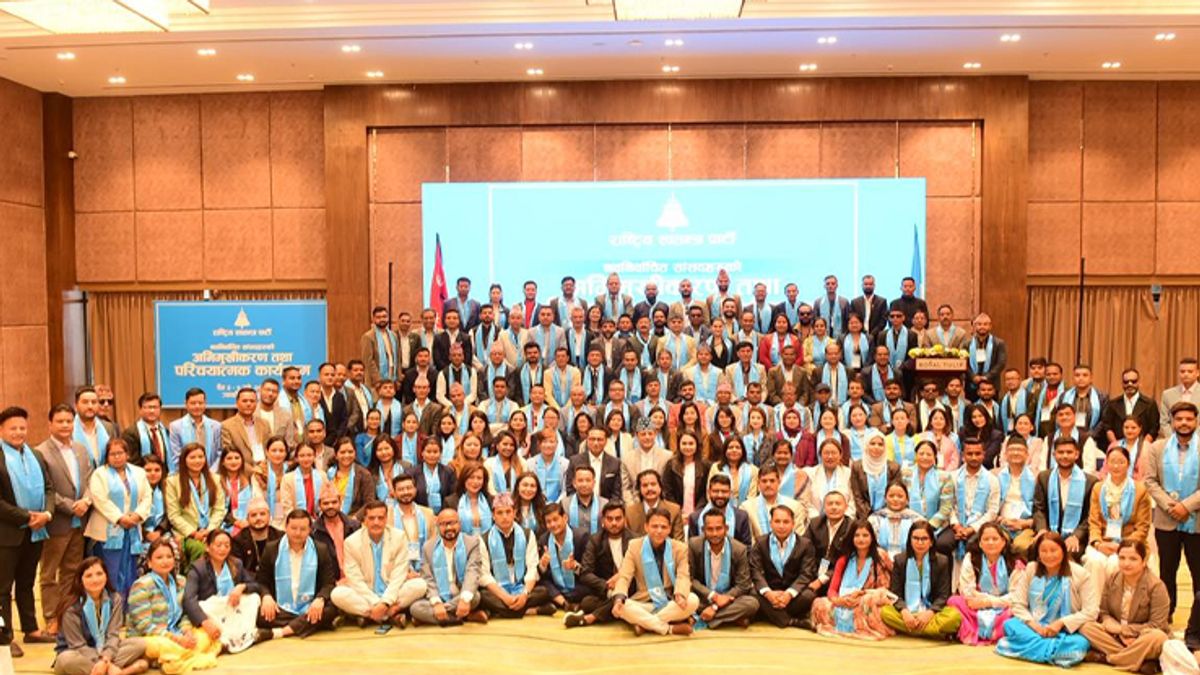
Understanding this mindset, Chairperson Ravi Lamichhane instructed parliamentarians during Wednesday’s training materials not to come forward requesting ministerial positions, urging lawmakers to focus primarily on their legislative responsibilities.
How many ministries are necessary?
The National Independent Party’s electoral manifesto states, under point 176, a plan to limit the number of federal ministries to 18 and establish a new standard for staffing led by expert ministers and specialized professionals.
It also proposes transforming the Prime Minister’s Office into not just an administrative body but a ‘results center’ responsible for inter-ministry coordination, climate change management, and direct supervision of large projects. The direction of its implementation remains a key issue.
The manifesto notes that these targets regarding ministry numbers are based on reports from various administrative reform commissions formed over different periods.
However, in the past, such recommendations have largely remained unimplemented promises.
Administrative expert Kashiraj Dahal
According to administrative expert Kashiraj Dahal, these recommendations can be implemented from the outset to initiate reforms.
‘Repeated studies have suggested reducing the number of ministries and departments to improve the quality of work,’ Dahal explained.
In 2022, a special committee formed by the National Assembly to study and monitor federalism implementation instructed the Prime Minister and Council of Ministers’ Office to limit federal ministries to 15 and provincial ministries to a maximum of 11.
The committee concluded fewer ministries at the central level would be beneficial following devolution of powers to provinces and local governments.
Led by Dr. Khimalal Devkota, the committee also recommended reducing the number of federal ministries and departments.
Nonetheless, political leadership has not shown readiness to adopt these recommendations.
Since 1950, nearly a dozen commissions and committees have been formed to reform public administration, each offering significant suggestions.
Despite political changes over about eight decades, substantial improvements in public administration remain elusive.
In 2009, the Administrative Restructuring Committee led by Mahesh Nilantha Buch from India recommended reducing ministries to 11.
In 2018, the Public Expenditure Review Commission chaired by Dr. Dilliraj Khanal also advised reducing the number of ministries and offices.
The primary rationale behind reducing ministries is to address functional duplication, which complicates decision-making processes.
Currently, having different ministries or departments handling similar functions increases management challenges.
Opening new ministries or offices usually results in more ministers, secretaries, advisors, security personnel, vehicles, residences, and other state-funded facilities, leading to higher expenses.
Multiple levels and agencies cause files to circulate between offices, causing delays in work.
Studies have concluded that fewer ministries and offices facilitate easier coordination and policy uniformity.
‘With a three-tier government system established by the constitution, significant powers have been delegated to local and provincial levels, necessitating a smaller, more agile, and policy-focused central government,’ Dahal explained.
However, in practice, the central government, including the Prime Minister’s Office, still comprises 22 ministries, with many functions continuing to be handled at the federal level.
During the election campaign, National Independent Party leader Balen Shah also pointed out the lack of power transferred to provinces, saying, ‘Now there is no need to seek authority in Kathmandu, one should come there only for religious visits.’
Balen at the Janakpur rally
To implement this, the central government must become more agile while empowering lower levels of government.
A ministry is not only an administrative unit but also a permanent expenditure structure, including ministers, state ministers, secretariats, advisors, security, vehicles, accommodation, and other facilities provided by the state.
The bureaucracy, led by secretaries, consists of undersecretaries, assistant secretaries, section officers, account officers, administrative and technical staff.
A review of Nepal’s government budget and financial reports shows that a significant portion of administrative expenditures goes to ministries. The Ministry of Finance allocates sufficient budget for salaries, allowances, operating expenses, vehicles, fuel, and maintenance.
Financial reports from the Office of the Auditor General detail wide-ranging administrative operating costs.
Although a minister’s salary is relatively low, the total annual expense rises substantially when including all facilities, security, and leadership costs.
Salaries, allowances, pensions, training, and travel expenses of secretaries and senior staff amount to millions of rupees.
Office operating expenses include electricity, water, internet, cleaning, maintenance, stationery, and communication costs.
Some ministries rent departments and offices, incurring significant costs in rent and upkeep.
Thus, various commissions have repeatedly recommended reducing ministries to not only cut costs but also strengthen governance.
Ministries as centers of power
If ministries truly serve the people, all would be equally important. However, historically, ministries have been a major source of disputes during government formation due to allocation of power and resources.
Politicians have also used ministries as platforms for managing party workers. It was common practice to staff secretariats with numerous personnel and contract employees.
Former Secretary Kusum remarked, ‘Disputes over ministry selection emerged from attempts to gain parliamentary power or advantage; such conflicts must end. If anyone creates disputes over ministry allocation, that indicates a problem.’
Ambitions to manage ministerial shares and become ministers led in the past to unqualified individuals being appointed, a distortion experts say must be halted now.
Key ministries such as Home, Finance, Physical Infrastructure, Urban Development, and Communications are traditionally the top choices for aspirants, intensifying competition.
Former Secretary Kusum stated, ‘The practice of grabbing ministries for political influence must change now.’
The National Independent Party plans to adopt a policy of selecting ministers based on merit and expertise, and how this is implemented will determine the government’s future direction.
Administrative expert Dahal said, ‘With this government emerging from the powerful mandate of the Generation Zero uprising, any manipulative interests must be halted. Politics has previously been a platform for managing the unemployed; ministries should no longer serve merely as party worker hubs.’
The responsibility to end these distortions lies with the Prime Minister, who should regard ministers as subordinates and collaborators.
Unlike past coalition governments, where controlling ministers was difficult, the single-party government eliminates such constraints.
‘Only by selecting qualified individuals will beneficial outcomes follow; undue pressure must be resisted,’ emphasized former Secretary Kusum.
The top intelligence official of the United States has stated that Iran’s regime remains intact but is significantly weakened.
During a congressional hearing, National Intelligence Director Tulsi Gabbard, along with other senior officials from the Trump administration, presented testimony outlining the risks facing the United States globally. The hearing took place Wednesday.
This marked the first time since the onset of the war at the end of last month that U.S. officials have publicly shared intelligence assessments. Prior to the hearing, the head of counterterrorism resigned after stating that there was no immediate threat from Iran to the United States.
According to Gabbard, the U.S. had anticipated potential issues in the Strait of Hormuz. She oversees American intelligence operations.
“The intelligence community believes that while the Iranian regime remains in place, its leadership and military capabilities have deteriorated, rendering the regime quite weak,” she stated.
She appeared before the hearing alongside heads of the CIA, FBI, National Security Agency, and Defense Intelligence Agency.
Democratic Senator Jon Ossoff repeatedly questioned Gabbard on whether she currently considers Iran a threat to the United States. She declined to answer directly.
“The sole person to make that determination is the President,” she responded.
Since the beginning of the conflict, lawmakers and analysts from both the Republican and Democratic parties have questioned why the U.S. initiated the attacks and whether the Trump administration had accurately anticipated potential problems in the Strait of Hormuz.
Former U.S. presidents have previously argued that Iran’s development of nuclear weapons posed a threat to both the U.S. and Israel.
Assessing the Threat from Iran
At the time of his resignation on Tuesday, the Director of the National Counterterrorism Center, Joe Kent, claimed that the Trump administration’s decision to launch the war was driven by pressure from influential Israeli and American lobby groups.
Kent had also stated on social media platform X that there was no immediate threat from Iran to the United States.
At Wednesday’s hearing, CIA Director John Ratcliffe expressed disagreement with Kent’s assessment.
“In my view, Iran has long posed a persistent threat to the United States and continues to do so today,” Ratcliffe said.
Gabbard highlighted that Iran’s military capabilities were notably weakened following U.S. and Israeli attacks.
According to intelligence findings, during the 12-day conflict, Iran tried to protect itself from extensive damage to its nuclear infrastructure and reportedly refused to assume responsibility for the nuclear program.
The attacks carried out by the United States and Israel in June 2025 caused damage to potential nuclear capabilities in Iran over a period of 12 days.
Areas of Contradiction?
In her prepared written statement for the hearing, Gabbard noted that Iran’s nuclear program was devastated by the attacks and that Iran had not attempted to rebuild it, although she did not read this section aloud during her testimony.
When questioned by Democratic Senator Mark Warner, Gabbard explained she had to condense parts of the comprehensive statement due to time constraints.
“In other words, you removed some contradictory parts regarding the president’s position,” Warner inquired, particularly the justification given by Trump that Iran’s nuclear weapons development warranted military action.
Legislators also questioned the extent of intelligence officials’ involvement in Trump’s decision to attack Iran. Independent Senator Angus King asked if intelligence officials were present during the president’s final decision-making sessions.
Ratcliffe responded that although he attended dozens of meetings with the president, he was not aware of any single moment when the decision was made.
King further queried whether intelligence officials had warned Trump about a potential Iranian attack on the Strait of Hormuz.
Since the start of the conflict, Iran has continually targeted this narrow waterway, disrupting oil exports.
“The president receives ongoing intelligence updates,” Ratcliffe said, adding that due to the threat Iran poses to key U.S. energy centers in the region, the Department of Defense has implemented protective measures.
Gabbard noted that intelligence agencies had forecast Iran’s attempts to gain control over the Strait of Hormuz, prompting the U.S. Department of Defense to advance contingency plans in advance.
We are also on YouTube. To subscribe to our channel and watch our videos, click here. Additionally, you can find our content on FacebookandInstagram andTwitter. Our radio program airs Monday through Friday at 8:45 PM.
March 19, Kathmandu – Ashika Tamang, elected representative from Dhading-1 under the National Independent Party (RASWAPA), has responded by stating that local autonomy does not grant a license for natural resource exploitation. She issued these remarks in response to a joint statement released by 13 local governments of Dhading on Friday, which she addressed through Facebook.
“The joint statement recently issued by the heads of 13 local governments in Dhading has seriously caught my attention,” she wrote. “The statement references Article 232(1) of the Constitution, discussing cooperation and coordination. However, ironically, under the guise of coordination, established laws and respected Supreme Court orders have been blatantly challenged.”
Ashika then outlined her position in four points based on the Constitution, tax systems, court orders, and environmental justice. In her first point, she noted the absence of a setting for ‘coordination’ and explained Article 232’s intent: “Any exploitation that violates federal law, ignores environmental standards, and extracts the core of rivers must never be condoned.”
“Local autonomy does not mean an independent state; it is merely the right to serve the people within the bounds of the Constitution,” she emphasized.
In her second point, she addressed tax-related matters, and in the third, she referred to Supreme Court orders and the 2020 standards, stating, “If these standards are not met, such actions are illegal, and protecting them would amount to contempt of court.”
“Does the right to levy taxes allow one to violate the Constitution? Can we disregard the orders of the honorable Supreme Court?” she questioned. “I am glad that the 13 local government heads have united to speak and oppose me. Now, I urge you all to unite just as strongly to develop Dhading and make it corruption-free.”
March 18, Kathmandu — China has long been preparing for a potential oil shortage. However, the energy crisis sparked by the conflict in West Asia is now testing China’s resilience.
Iran’s threat to attack ships passing through the Strait of Hormuz has effectively halted energy supplies from the Middle East. This blockade was imposed by Iran in response to attacks by the United States and Israel.
The resulting disruption in global oil supply has severely impacted Asian countries dependent on Gulf states for energy.
In response, the Philippines has implemented a four-day workweek to conserve fuel, while Indonesia is actively seeking ways to avoid depleting its limited reserves too quickly.
As the world’s largest oil importer, China also feels the pressure. However, compared to its neighbors, China is in a relatively better position because it has long prepared itself through strategic policies for a potential energy crunch.
China Faces a Crucial Test
The energy crisis has introduced volatility to the global economy, with oil prices surging repeatedly to around $120 per barrel. Attacks on transportation and energy infrastructure have intensified the situation.
The crisis arose after Iran’s blockade of the Strait of Hormuz, considered one of the busiest oil transit routes worldwide. According to the U.S. Energy Information Administration (EIA), nearly 20 percent of global oil trade passes through this strait.
With supply disrupted, countries are seeking alternative crude oil suppliers outside the Gulf region and tapping into existing reserves.
Analysts estimate that China, as the world’s second-largest oil consumer after the U.S., consumes around 15 to 16 million barrels of oil per day. China’s vast transportation network, including cars, trucks, and aircraft, is heavily reliant on oil. A significant portion of its crude oil needs is imported, with Gulf countries as major suppliers. Saudi Arabia and Iran together contribute more than 10 percent of China’s total oil imports, according to EIA data.
Crude oil transported from Iran and the Middle East through the South China Sea is used predominantly as fuel in factories and transportation, especially in southern China, where consumption is higher.
Northern China mainly relies on domestically produced oil and supplies delivered via pipeline from Russia, meaning the Middle East conflict has not significantly affected oil availability in the northern regions.
Despite sanctions from the U.S. and Europe, Russia has become China’s largest oil supplier. Coal also remains a major source of electricity generation in China, with vast domestic reserves available.
China is the world’s largest coal producer, controlling more than half of global coal production.
In China’s overall energy mix, oil and natural gas comprise just over one-quarter, which reduces its dependence on these sources compared to Europe and the United States.
Preparation for Difficult Times
Ole Hansen, Head of Commodity Strategy at Saxo Bank, notes that China has taken advantage of previously low crude oil prices and ample supply from Gulf countries to build one of the world’s largest oil reserves.
According to China’s customs administration data, Beijing increased its crude oil imports by 16 percent in January and February compared to the same period last year.
Iran remains an important supplier of inexpensive crude oil to China. Reports indicate China purchases over 80 percent of Iran’s total oil exports.
Recent ship-tracking data since the onset of the recent conflict shows that some Iranian oil still reaches China. However, analysts differ on the exact size of China’s total reserves.
Trade analytics firm Kepler reports that more than 46 million barrels of Iranian oil are currently aboard tankers in the South China Sea, sufficient to meet China’s energy needs for several days.
Hansen estimates China’s strategic oil reserves at roughly 900 million barrels, equivalent to about three months of imports.
Chinese state media, citing data from Columbia University, claims China’s oil stockpiles stand around 1.4 billion barrels.
These substantial reserves act as a “strong protective shield” during any crisis. Nevertheless, Beijing has signaled caution in managing supply in the near term despite holding these stocks.
Chinese officials have instructed oil refineries to halt fuel exports to control domestic prices. The government has not provided an official comment on this measure.
Pursuit of Energy Self-Reliance
China is a global leader in clean energy and is rapidly developing wind and solar power projects nationwide.
In 2024 alone, China generated over one-third of its total electricity from wind, solar, and hydropower. This progress contributed to crude oil’s share in China’s total energy consumption dropping to 20 percent in 2024. Efforts to further expand the renewable energy grid continue.
The International Energy Agency predicts no substantial increase in oil demand from China in the future.
Energy economist Roger Fouquet says China’s ambitious shift towards renewables has helped not only in environmental protection but also in shielding its economy from global risks.
“China has been fortunate because it started investing in renewable energy 25 years ago, and it is now reaping the benefits,” he states.
Rokie Si from the University of Sydney points out that at least one-third of cars in China are electric, reducing oil dependence. He adds, “This means even if Middle East tensions push up petroleum prices, users of electric vehicles in China remain largely unaffected. These consumers are isolated from the fluctuations of the international oil market.”
However, experts warn that China’s economy is not yet fully insulated from shocks to oil supply. If the energy crisis pushes fuel prices higher, charging costs for electric vehicles could also rise, posing economic risks.
Powerful western winds have caused heavy rainfall accompanied by strong gusts in the Kathmandu Valley and western districts of Nepal.
The National Disaster Risk Reduction and Management Authority has issued special alertness instructions for Koshi Province.
Meteorologists expect the rain to continue until Saturday night, with weather improvement anticipated from Sunday onward.
6 Chaitra, Kathmandu – The Kathmandu Valley has experienced rainfall as a result of a powerful western wind system.
This system has also brought heavy rain with strong winds to western districts of Nepal, including areas in Gandaki and Bagmati provinces. The system is gradually moving eastward.
Due to this weather system, the daytime sky became darkened in several districts such as Dang, Rupandehi, and the Kathmandu Valley. Drivers had to turn on their vehicle lights during daylight, while the daily activities of people outdoors were disrupted.
Originating from the Mediterranean Sea, the system has entered Nepal through Afghanistan, Pakistan, Uttarakhand in India, and then the Far-Western region. Reports indicate significant damage in Pakistan along this path.
Currently, the Far-Western, Karnali, Lumbini, Gandaki, Bagmati, and Madhesh provinces of Nepal are experiencing heavy rain accompanied by thunderstorms and lightning. Some areas of Kathmandu have also recorded hail.
Compared to today, a stronger impact is forecast for Koshi Province tomorrow, Saturday. Thus, the National Disaster Risk Reduction and Management Authority has advised heightened vigilance there.
According to meteorologist Hariprasad Dahal from the Department of Hydrology and Meteorology, this condition is expected to persist until tomorrow. He stated, “Weather conditions will gradually improve starting Sunday.”
Weather analyst Dr. Dharmraj Upreti explained that this is a pre-monsoon phase currently underway before the official start of the monsoon. This is the third wave since 17 Falgun and is more impactful than the two previous systems.
He noted that rainfall will continue until Saturday night, with intermittent reductions but no complete cessation of precipitation.
Dr. Upreti also mentioned another weather system progressing northwards from Bihar, India, which will cause rainfall in Madhesh and Koshi provinces as well.
“Based on the current situation, an improvement in weather is expected by Saturday night or early Sunday morning,” he added.
A meteor streaked across the skies of the United States at speeds exceeding that of sound
On the morning of March 17, a meteor traveling at supersonic speeds was sighted across the skies of Pennsylvania and Ohio, generating considerable attention.
The meteor exceeded the speed of sound, producing a loud noise audible over a vast distance.
Both the National Weather Service and NASA confirmed that the meteor landed near northeastern Ohio, close to Cleveland.
Our news content is also available on YouTube. Subscribe to our channel and watch the videos published by clicking here. You can also follow our content on Facebook, Instagram, and Twitter. Additionally, our Nepali service programs air on radio Monday through Friday at 8:45 PM.
Three people were injured by lightning in Hwangdi, Malika Rural Municipality-3, Gulmi, including 64-year-old Narayan Thapa and two granddaughters.
Narayan suffered a head injury, while Asma and Ashika sustained minor injuries.
All three injured were treated and discharged from the Hwangdi Primary Health Center, according to the police.
6 Chaitra, Gulmi – Three people were injured in a lightning strike in Hwangdi, Malika Rural Municipality-3, Gulmi.
The injured include 64-year-old Narayan Thapa and his two granddaughters, three-year-old Asma Giri and six-year-old Ashika Giri.
Narayan suffered a head injury, while Asma and Ashika sustained minor injuries.
All three were immediately treated at the Hwangdi Primary Health Center and later discharged, police reported. Authorities have urged the public to remain vigilant following damages to humans and livestock due to lightning strikes.
An American F-35 fighter jet made an emergency landing at a Middle Eastern military base after conducting an attack over Iran, with the pilot reported to be in stable condition.
At least 13 US soldiers and 1,444 Iranians have died in the ongoing conflict with many others injured.
US Defense Secretary Pete Hegseth reaffirmed that the objectives of the campaign against Iran remain unchanged, with no set timeline for completion.
Kathmandu – A US F-35 fighter jet, which had been on a mission to strike Iran, carried out an emergency landing at a Middle Eastern military base. While it is suspected the aircraft came under attack from Iran, this has not been confirmed.
According to US military officials, the aircraft landed safely and the pilot’s condition is stable. Captain Tim Hawkins, spokesperson for the US Central Command, stated in a release that the fighter completed its mission over Iran before making an emergency landing at a regional base. “The aircraft landed safely, and the pilot is stable. An investigation into the incident is ongoing,” he said.
US media outlet CNN cited sources indicating that the jet, valued at approximately $100 million, may have been hit during the incident over Iran. However, the US authorities have yet to clarify the exact cause of the emergency landing.
According to Al Jazeera, although the F-35 stealth fighter has been operational in combat since 2018, this is the first confirmed incident of it being affected by an attack.
On March 1, three US F-15E Strike Eagle aircraft were accidentally shot down by Kuwaiti F/A-18 jets due to “friendly fire.” All six crew members successfully ejected and survived.
Meanwhile, Iran’s Islamic Revolutionary Guard Corps has claimed responsibility for targeting an American aircraft.
Since the conflict began on February 28, the US has reportedly lost about a dozen MQ-9 Reaper drones. Additionally, Iranian missile strikes have damaged five refueling aircraft at a base in Saudi Arabia, although these reports have not been independently verified.
So far, the conflict with Iran has resulted in at least 13 American soldier fatalities and around 200 injuries. Iranian health officials report approximately 1,444 deaths and 18,551 injuries on their side.
US Objectives Remain Unchanged
US Defense Secretary Pete Hegseth stated that the country’s goals in the conflict against Iran remain as they were from the outset.
He noted that the US has struck over 7,000 targets inside Iran to date, including more than 40 bomb-carrying aircraft and 11 submarines.
“Our objectives have remained consistent from day one — to destroy Iran’s missile launch systems, damage its defense industry infrastructure and naval capabilities, and prevent it from acquiring nuclear weapons,” he said.
Hegseth also emphasized that there is no defined timeframe for how long the campaign will continue.
The National Human Rights Commission has submitted a report to Chairman Tap Bahadur Magar regarding the investigation of the incidents on September 8 and 9.
The report concludes that the National Security Council failed to effectively implement security plans during the Zenje protests.
The report recommends action against officials involved in human rights violations, with statements from 90 individuals collected by the commission.
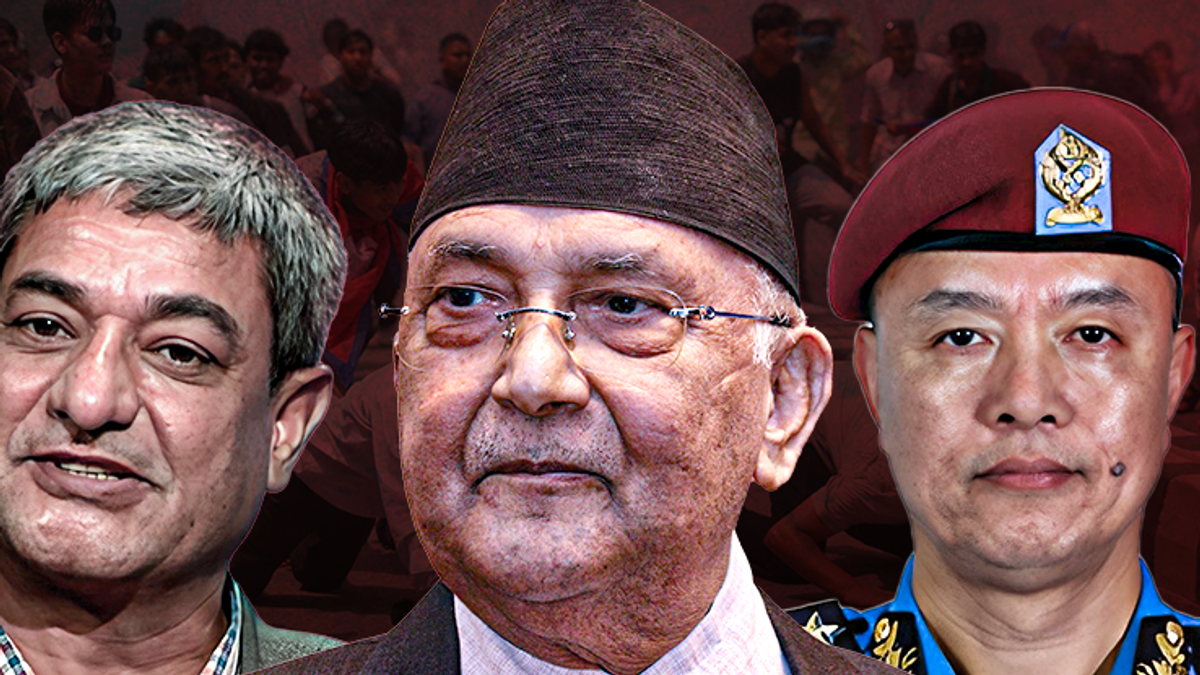
March 19, Kathmandu – A committee formed by the National Human Rights Commission to investigate the incidents of September 8 and 9 has prepared a report recommending action against former Prime Minister KP Sharma Oli, Minister of Home Affairs Ramesh Lekhak, Chief of Army Staff Ashok Raj Sigdel, as well as all officials of the National Security Council.
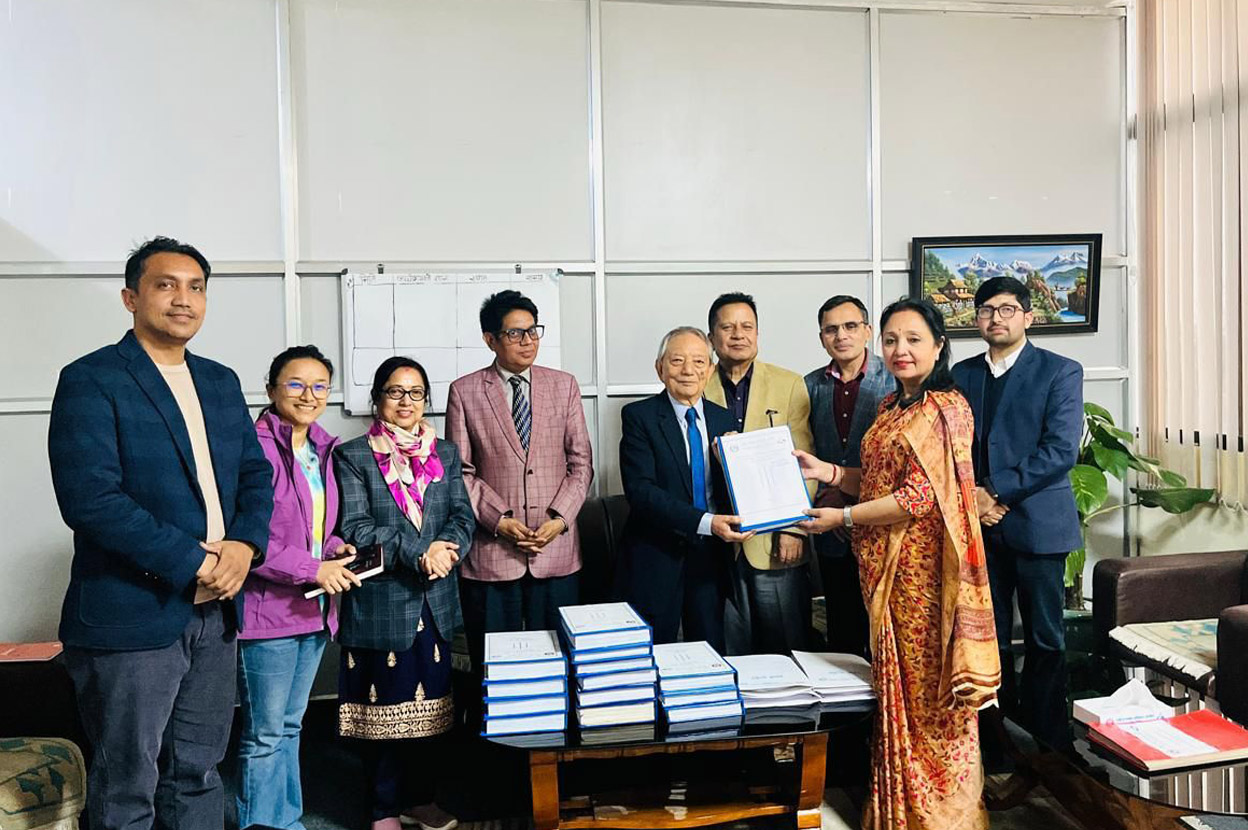
On Friday, the committee presented the report to the Commission Chairman, Tap Bahadur Magar.
The commission had established the committee, led by member Dr. Lili Thapa, to investigate human rights violations during the Zenje protests. Commission spokesperson Tikaram Pokharel stated, ’The investigation committee has submitted the report to the chairman. Now, the full commission will meet to decide on the matter.’
The investigative report concludes that the National Security Council did not effectively fulfill its role during the Zenje protests.
Although the responsibility for national security rests with the Security Council, the report highlights the lack of necessary security planning and implementation given the severity of the situation.
’The report holds the officials of the National Security Council accountable for human rights violations and recommends punitive actions,’ sources said. ’Once the commission approves the report, the recommendations will be implemented.’
The National Security Council, chaired by the Prime Minister, includes the Defense Minister, Home Minister, Foreign Minister, Finance Minister, Chief Secretary, and Chief of Army Staff. The Secretary of the Defense Ministry serves as the member secretary.
During the protests, the then Prime Minister KP Sharma Oli chaired the council. The members included Deputy Prime Minister and Finance Minister Bishnu Prasad Paudel, Home Minister Ramesh Lekhak, Foreign Minister Dr. Arju Rana Deuba, Defense Minister Manbir Rai, Chief Secretary Eknarayan Aryal, and Chief of Army Staff Ashok Sigdel.
All these Security Council officials have been recommended for action according to the Human Rights Commission Act and other laws.
The commission has taken statements from former Prime Minister Oli, Home Minister Lekhak, Communications Minister Prithvi Subba Gurung, Nepal Police Inspector General Chandrakuber Khapung, Armed Police Inspector General Raju Aryal, among others.
Statements were also collected from former Home Minister Ravi Lamichhane, Kathmandu Metropolitan Mayor Balendra Shah, artist Deepak Raj Giri, and Nischal Basnet.
Chief of Army Staff Ashok Raj Sigdel was summoned for questioning but did not appear, an internal commission source revealed.
On Friday, Investigation Committee Chair Dr. Lili Thapa hands over the report to Human Rights Commission Chairman Tap Bahadur Magar.
The committee’s report also found that no specific security plan was implemented, and instead of gradually using force to control the protests, excessive force and lethal weapons were applied simultaneously. The commission has recommended action against those involved.
The commission also conducted a detailed study concerning the roles of Zenje protest leaders and street-level organizers.
A thorough evaluation was made regarding the preparations before the September 8 protest. The commission studied messages and videos circulated on various social media platforms. Activities discovered include teaching bomb-making on Discord and sharing maps of leaders’ and businessmen’s homes and offices, sources stated.
The commission reviewed about 300 to 400 messages, videos, and audio files. Events were meticulously analyzed with forensic and ballistic reports included.
The postmortem reports obtained by the commission show that the majority of victims shot on September 8 suffered gunshot wounds above the waist.
The roles of the then Kathmandu Metropolitan Mayor and human rights concerns related to Ravi Lamichhane’s release from jail were also examined. Both Mayor Balendra Shah and Lamichhane were questioned about their roles.
The government established an investigation commission chaired by Gauribahadur Karki to probe the Zenje protests, and it recently submitted its report, which has not yet been made public.
Sources indicate that the Human Rights Commission conducted its research from a purely human rights and accountability perspective, focusing especially on the issue of excessive use of force.
The six-member committee, chaired by Dr. Lili Thapa, prepared a detailed report exceeding 600 pages. Including annexes, the full report totals approximately 10,000 pages.
The commission emphasized determining whether human rights violations occurred and whether excessive force was used during the protests.
Statements were taken from around 90 individuals during the first phase, including former Prime Minister KP Sharma Oli, Home Minister Ramesh Lekhak, and Kathmandu Metropolitan Mayor Balendra Shah. In the second phase, questioning involved 506 people.
The commission also took statements from Security Council officials, police and armed police chiefs, police commanders, and district security committee officials.
’An extensive study of the roles and responsibilities during the protests was conducted,’ a source said.
While the government report lists 77 deaths over the two days, the commission’s report records 76 fatalities. The number of injured is stated to be 249.
Interviews were conducted with families of those who died during the protests, injured individuals, event organizers, Zenje leaders, street protesters, and artists and professionals involved in the movement.
The commission’s teams and regional offices carried out on-site investigations in 45 districts and monitored all 77 districts. Hundreds of CCTV footages from the two days’ incidents were subjected to forensic analysis, the report states.
The Human Rights Commission had also prepared a report on the royalist protests held at Tinkune on March 29, but it has yet to be made public.
March 19, Kathmandu – The Nepal Students Union (NABIN), historically affiliated with the Nepali Congress, has resolved to operationally make its organization autonomous and no longer function as the party’s affiliate group. In a Senate meeting held this Friday, NABIN decided to cease being the party’s affiliate with the aim of becoming an independent organization moving forward.
NABIN spokesperson Suraj Sejuwal explained, “The autonomy we seek is operational. As an affiliate of the party, every decision had to be made under party directives, which hindered our ability to play an effective role in student movements. This constraint led us, during our empowered Senate meeting, to arrive at this decision.”
He further added, “Saying we will no longer be the Congress’ affiliate does not imply we are abandoning our faith in the party. We will not be detached from Congress; rather, we will uphold its core values and continue to follow the guiding principles established by BP Koirala.”
NABIN officials also voiced concerns about being unable to raise student movement issues and operate autonomously due to their role as the party’s affiliate organization.
Suraj Sejuwal elaborated, “Our conventions could not be held timely and automatically. Even forming committees required decisions from the party chairperson and the executive committee, which further weakened our position. To amend our constitution, we had to wait for the party’s approval. Therefore, our assessment is that NABIN was unable to be truly effective.”
He noted that NABIN also bore repercussions from Nepali Congress’s governance failures and inefficiencies, which negatively impacted the organization’s reputation. “Corruption by party leaders reflects on us as well, and we lacked opportunities to voice objections, which caused many of our commendable efforts to be overshadowed,” said Sejuwal. “Now, this decision has been taken so NABIN can boldly champion student and national issues.”
NABIN President Dujang Sherpa confirmed that lack of autonomy made it difficult to hold general conventions on schedule. He stated, “We want to build a dynamic organization, but the inability to act without party directives restricted our freedom. From an outside perspective, it appeared as though we did not want to hold conventions because submitting work schedules to the party led to refusals and constitution amendments being blocked. This is why we have decided on autonomy.”
Officials highlighted the necessity for NABIN, which carries the legacy of student politics, to operate independently at its core. “During the Panchayat regime, even when the party was banned, NABIN remained active, laying the foundation for democracy,” President Sherpa remarked. “Going forward, NABIN will advance as a movement.”