April 13, Kathmandu – The Federal Parliament Secretariat has received notices rejecting several ordinances. These notices have been submitted by opposition parties.
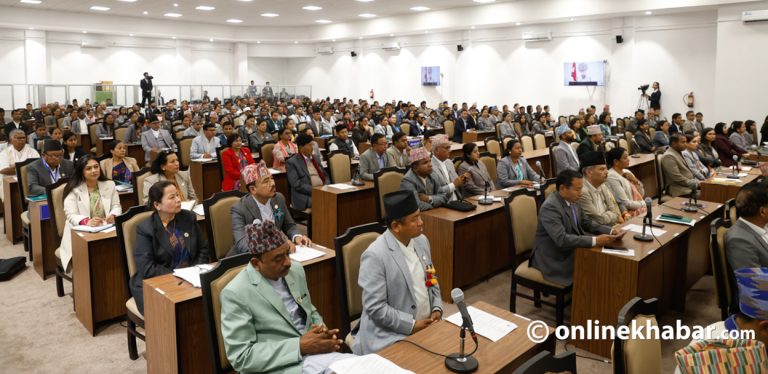
During the parliamentary recess, the government introduced eight ordinances. These ordinances have since been presented to both houses of the Federal Parliament—the House of Representatives and the National Assembly.
The ordinances presented include: the Public Procurement (Second Amendment) Ordinance, Special Provisions on Removal of Public Officials Ordinance, and the Constitutional Council (Functions, Duties, Powers, and Procedures) (First Amendment) Ordinance.
Additionally, the government submitted the following ordinances to the houses: Prevention of Money Laundering (Third Amendment) Ordinance, Cooperative (First Amendment) Ordinance, amendments to certain Nepal Acts related to the Health Science Academy, and amendments to certain Nepal Acts concerning universities.
According to Article 114 of the Constitution, the government may issue ordinances when Parliament is not in session. Such ordinances must be presented by the concerned minister at the first meeting after Parliament reconvenes. Accordingly, on April 12, these ordinances were introduced in both houses.
Following this, members of Parliament were given an opportunity to submit notices to reject the ordinances within a prescribed timeframe.
This procedure is outlined under Rule 95 of the House of Representatives’ Rules of Procedure and Rule 89 of the National Assembly’s Rules of Procedure.
Specifically, sub-rule 1 of Rule 95 of the House of Representatives mandates: ‘A member wishing to reject an ordinance must submit a notice to the Secretary-General or, in their absence, to the Secretary within two days.’
Following this provision, opposition parties have filed notices requesting the rejection of the ordinances.
In the House of Representatives, the ruling party, Rastriya Swatantra Party (RSP), holds a two-thirds majority minus two seats, which reduces the likelihood of any rejection notice passing unless the ruling party allows it.
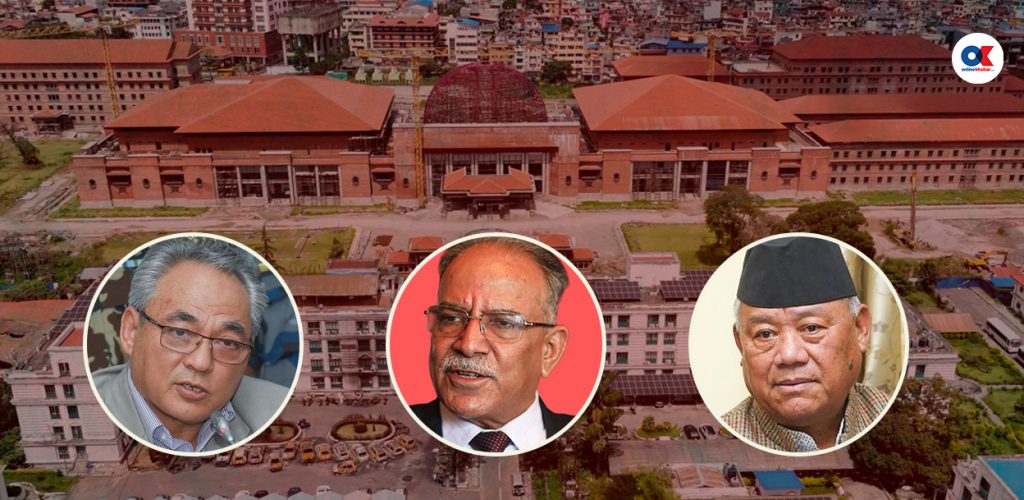
However, the RSP is not represented in the National Assembly. Major parties in the National Assembly—Nepali Congress, the Communist Party of Nepal (NCP), and CPN-UML—oppose the ordinances, and it is these parties that have submitted the rejection notices.
CPN-UML has submitted rejection notices for all eight ordinances, demanding their nullification.
The Nepali Congress has filed rejection notices for the Constitutional Council Ordinance and some amendments to Nepal Acts.
The NCP submitted notices calling for rejection of certain Nepal Acts, the Constitutional Council Ordinance, university-related ordinances, and the ordinance related to the removal of public officials.
If an ordinance is rejected by even one house, it becomes inactive.
Article 114, clause 2 of the Constitution states: ‘Each ordinance, having been presented in both houses of the Federal Parliament, shall automatically cease to have effect if not accepted by both houses.’
Hence, if the major parties in the National Assembly reach consensus, the ordinances might be rejected.
The National Assembly is composed of 59 members, including 24 from Nepali Congress, 17 from NCP, 10 from CPN-UML, 2 from Janata Samajwadi Party Nepal, 1 each from Loktantrik Samajwadi Party and Rastriya Janamorcha, 2 nominated members, and one vacant nominated seat appointed by the President.
If the ordinances are approved by both houses, the government must introduce replacement bills within 60 days to convert the ordinances into law through presidential ratification.
Ordinance Opposition Parties Federal Parliament Secretariat
How did this news make you feel?
Happy
Sad
Surprised
Excited
Angry
Comments
NewestOldestMost Popular
Login to comment
Remember me
Forgot password?
Don’t have an account? Sign up
Or login with Email/Social Media
GoogleTwitter
Forgot Password?
Back
+
Comments 4
Comments
Hot Properties
Gothatar
Office Space for Rent at Gothatar
Rs. 55 Per Sq.Feet
Shital Height
House for Sale at Shital Height
Rs. 4.35 Cr Total Amount
Lubhu
Land for Sale in Lubhu
Rs. 36 Lac Per Aana
Chasidol
House for Sale at Chasidol
Rs. 2.9 Cr Total Amount
Hattiban
2 BHK House for Rent at Hattiban
Rs. 80000 Per Month
Lubhu
House for Sale at Lubhu
Rs. 2.9 Cr Total Amount
Harisiddhi
House for Sale at Harisiddhi
Rs. 2.8 Cr Total Amount
Dahachowk
Land for Sale in Dahachowk
Rs. 28 Lac Per Aana
Bhaisepati
House for Sale at Bhaisepati
Rs. 4.25 Cr Total Amount
Pasikot
Land for Sale in Pasikot
Rs. 35 Lac Per Aana
Lubhu
Residential Land for Sale at Lubhu
Rs. 39 Lac Per Aana
Tikathali
Furnished House for Sale at Tikathali
Rs. 3.05 Cr Total Amount
Greenland Chowk
House for Sale at Greenland Chowk
Rs. 4.25 Cr Total Amount
Maharajgunj
Bungalow House for Rent at Maharajgunj
Rs. 3 Lac Per Month
Bhaisepati
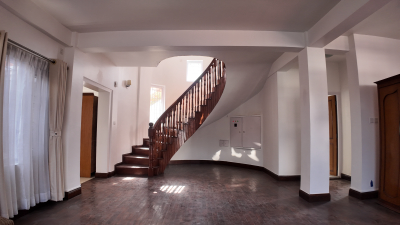
4 BHK House for Rent at Bhaisepati
Rs. 75000 Per Month
Pasikot
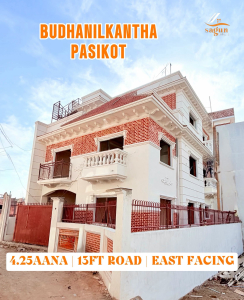
House for Sale at Pasikot
Rs. 4.25 Cr Total Amount
Basundhara
House for Sale at Basundhara
Rs. 4.8 Cr Total Amount
Suryadarshan Height
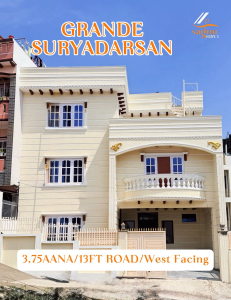
House for Sale at Suryadarshan Height
Rs. 3 Cr Total Amount
Imadol
Residential Land for Sale at Imadol
Rs. 45 Lac Per Aana
Related News
Opposition Parties Prepare to Block Ordinances in National Assembly
Ordinances Presented in Parliament
Parliament Members Can Submit Rejection Notices After Ordinances Introduced
Questions Raised Over Ordinances; Constitutional Council Decisions Indicated: Secretary Pokharel
Land Commission Abolishment
Congress on Ordinances: No Law Can Contradict Constitution and System
On Tuesday evening, Nepali Congress Vice-Chairman Bishwaprakash Sharma and Co-General Secretary Udayshamshere Rana visited Gundu to meet with CPN-UML Chairperson KP Sharma Oli. The meeting featured extensive discussions on the ordinances introduced bypassing Parliament, government policies, and the reshuffling of provincial governments. According to a seven-point agreement, the process of changing provincial government leadership between Congress and UML is underway. Kathmandu, 30 Baisakh.
Vice-Chairman Sharma and Co-General Secretary Rana initially came to inquire about Oli’s health condition, but the primary objective of the meeting was political dialogue. A leader close to Oli said, ‘They came to Gundu to get information about his health, but political discussions certainly took place after the meeting.’
According to sources, the main agenda of the talks was the changes and leadership shifts in the provincial governments. ‘Based on the seven-point agreement, power sharing between Nepali Congress and CPN-UML started in Ashad 2081 (mid-June 2024),’ said a UML leader. During Sharma and Rana’s visit, second-tier leaders from UML and Congress have held multiple consultations. However, the process of replacing chief ministers as per prior agreement appears to be complicated, which prompted Sharma and Rana’s visit to Gundu.
A Congress leader stated, ‘The issue of changing provincial governments remains under discussion between the two parties, but it has not been finalized yet.’ Following the recent special convention, the new Congress leadership appears eager to continue cooperation with UML in provincial governments. If the consensus with UML holds, Congress is expected to lead governments in Koshi, Lumbini, and Karnali provinces, while the UML would govern Bagmati, Gandaki, and Sudurpashchim provinces. However, due to indications that UML leadership may backtrack on the previous agreement, Congress leaders remain cautious and doubtful regarding this matter.
Nabil Bank and Rapti Health Science Academy conducted a free burn treatment camp in Ghorahi, Dang from April 8 to 11. At the camp, 85 patients received treatment and consultation, while 25 underwent surgery, and 12 patients were referred to Kathmandu for further care. Nabil Bank has so far provided free treatment to nearly 500 burn victims across four provinces, organizing such camps in remote areas.
April 12, Kathmandu – The free burn treatment camp hosted by Nabil Bank at Rapti Health Science Academy in Ghorahi, Dang, successfully treated and consulted 85 patients. The camp was organized by Nabil Bank in collaboration with Rapti Health Science Academy, with support from Sushma Koirala Memorial Hospital. According to the bank, 25 patients underwent surgery during the camp. Of these, 12 complicated cases were referred to Sushma Koirala Memorial Hospital in Sankhu, Kathmandu for advanced treatment.
Nabil Bank has been coordinating expert doctors based in Kathmandu to provide free treatment and consultation to burn victims in remote areas across various provinces. Immediate and specialized care is essential for all burn victims, but the absence of burn treatment centers in these regions has often resulted in delayed access to quality care. With the aim to improve the quality of life for burn victims, the bank has been organizing such camps regularly.
“Under our corporate social responsibility, we have been conducting camps targeting burn patients in remote areas of four provinces,” said Manojkumar Gyawali, CEO of Nabil Bank. Through these camps, nearly 500 patients from distant regions have received free medical services. Previously, similar camps were conducted in the Sudurpashchim, Karnali, and Madhesh provinces. Dr. Suresh Rasaily, Acting Director and Associate Professor at Rapti Health Science Academy, noted that since specialized burn care services are not available at the academy, this camp has provided significant relief to burn victims.
April 13, Jakpur Dham — Two workers died on Wednesday after falling from the roof of a house under construction in Sarlahi. The deceased have been identified as 50-year-old Chhatu Sah from Malangwa Municipality-2 and 40-year-old Rajkishor Yadav from Haripurwa Municipality-2, according to police reports.
According to the District Police Office of Sarlahi, the incident occurred while they were plastering a cement surface built to support a water tank on the roof of a four-story house owned by Ranjit Yadav from Malangwa Municipality-10. They fell along with the roof around 4:45 PM, police stated.
Both workers sustained serious injuries after the fall and were immediately taken to the Provincial Hospital in Malangwa for treatment. However, doctors declared them dead. The District Police Office of Sarlahi confirmed that further investigation is underway.
Congress President Gagan Thapa has nominated 19 central members after the Special Convention, aiming to politically weaken other groups.
Leaders of rival factions claim the nominations are insufficient for party unity and were made without consultation.
The Deuba faction is holding provincial-level meetings to prepare for the 15th Convention, emphasizing party unity.
Kathmandu, 12 May – Following the Special Convention, Congress President Gagan Thapa is advancing a strategy to politically marginalize rival factions, signaling the decline of the old leadership’s influence.
After the Supreme Court rejected a petition against the Election Commission’s recognition of the Special Convention, Thapa has further weakened parallel activities undertaken by other factions within the party.
The establishment-led effort to undermine rival groups began with the nomination of members to the Central Policy, Research, and Training Institute on 6 May.
Vice President Bishwaprakash Sharma appointed Associate Professor Govindraj Pokharel, close to Dr. Shekhar Koirala, as a member of the Institute, signaling an intent to bring other faction leaders into the party mainstream.
Shortly after, on 11 May, Thapa nominated leaders affiliated with outgoing President Sher Bahadur Deuba and Dr. Shekhar Koirala to the Central Working Committee.
When expanding the Central Committee, Thapa reportedly did not consult leaders from different factions, highlighting a unilateral approach.
The establishment views these nominations as attempts to fracture party unity and weaken opposition internally.
Close associates claim that Thapa made the nominations without consulting former Acting President Purna Bahadur Khadka or leader Dr. Shekhar Koirala.
“The nominations were made without consensus or advice. Those nominated are aligned closely with Gagan Thapa,” said a leader close to Khadka.
Dr. Koirala’s secretariat also stated that the central committee nominations were made without their knowledge. “We were not consulted at all,” said Koirala’s private secretary Dinesh Chandra Thapaliya.
Ram Hari Khatri, a leader from another faction, acknowledged the nominations as a positive gesture but emphasized they do not constitute ‘full unity.’ He stressed that excluding Khadka and Koirala makes genuine unity improbable.
“If the committee was formed by consensus, that would be good. But is unity achievable by including only members except for Purna Bahadur Khadka and Shekhar Koirala? While this is a step toward party integration, everyone must be included,” Khatri said.
Khatri insisted that the upcoming 15th Convention must be deeply unifying and that extensive dialogue among leaders should precede nominations.
“There can’t be significant discussion just between individuals at this level. A broad conversation about including 14th Convention members, maintaining active membership, forming election committees, and ensuring the 15th Convention is unifying is essential,” he stated.
After Thapa’s unilateral nominations, Dr. Koirala met on the morning of 14 May with close leaders and the nominated members.
Following discussions, Koirala stated that the nominations have harmed the broader party unity.
“The appointment of 19 members to the Central Committee on 28 April has damaged the party’s wide-ranging unity,” he wrote on Facebook.
Koirala emphasized that the 15th Convention should be completed as a unity convention, building on the renewed active membership established after the 14th Convention.
Among the 19 nominations by Thapa, seven belong to Koirala’s faction.
Leaders from the Deuba camp have also expressed that these nominations negatively affect the overall unity process.
Former Acting President Purna Bahadur Khadka remarked, “I was neither consulted nor involved in any discussions concerning the Central Committee decisions of 28 April.”
He expressed that the nominations have adversely impacted efforts toward comprehensive party unity.
Khadka voiced hope that party leaders will move forward collectively with shared sentiments and ideas.
Political Disputes Persist
Although the Supreme Court legally resolved the official status dispute, political disagreements remain within the party. Despite the petition against the Election Commission’s recognition being dismissed, the dissatisfied factions led by Deuba continue parallel activities.
After the Election Commission recognized the leadership selected at the Special Convention, Acting President Khadka approached the Supreme Court. However, the petition filed on 18 April was rejected.
Following the verdict, the Deuba faction chose a wait-and-watch approach strategically.
After the meeting ended, President Thapa visited Khadka’s residence in Gairapatan, but substantive dialogue was reportedly lacking.
Sources stated that Khadka called a meeting on 29 April to prepare further strategies, criticizing the absence of reconciliation efforts after the court’s decision.
The two-day meeting in Hotel Smart, Dhumbarahi, included former central members as well as district and regional chairs. It concluded that the current leadership chosen at the Special Convention cannot successfully organize the 15th Convention with all key party participants included.
The Deuba faction demanded a party-wide unity campaign at all levels based on the revised constitution from the 14th Convention.
The meeting also recognized the need for a shared structure. The establishment is seen attempting to resolve disputes by including dissatisfied groups.
Deuba Faction Active in Provincial Meetings
Claiming the establishment lacks the will to create a joint convention structure, the Deuba faction has initiated provincial-level meetings.
These meetings coincide with provincial programs run through the Central Policy, Research and Training Institute, while the Deuba faction organizes internal strategy sessions.
Leader Min Bishwakarma said the provincial meetings aim to keep the faction united and enhance internal discussions effectively.
According to him, the Deuba group is preparing for the 15th Convention through these provincial gatherings.
“The provincial meetings are intended to strengthen party organization, advance convention preparations, and reactivate members who have become disillusioned,” Bishwakarma explained.
Krishna Prasad Sitaula and Anand Prasad Dhungana coordinate in Koshi and Madhesh provinces respectively. Mechalal Shrestha, Prakashman Singh, and Dr. Prakashsharan Mahat oversee coordination in Gandaki and Bagmati provinces.
Former Co-General Secretary Kishor Singh Rathore was assigned to Lumbini, former Chief Minister Jeevan Bahadur Shahi to Karnali, and NP Saud to Sudurpashchim provinces.
While the establishment started provincial-level meetings in Deuba’s home province Sudurpashchim, dissatisfied factions organized their meetings in Koshi, the home province of Vice President Bishwaprakash Sharma.
The party is also conducting province and local-level meetings in all seven provinces through the Central Policy, Research and Training Institute.
A meeting chaired by Vice President Sharma on 7 May decided to hold gatherings in all seven provinces. The Sudurpashchim provincial meeting was held in Dhangadhi, Kailali on 9-10 May.
Additionally, a two-day Karnali provincial meeting started in Surkhet on 12 May. Gandaki’s is scheduled for 14-15 May in Pokhara, Bagmati’s for 16-17 May in Dhulikhel.
Madhesh Province will hold its meeting on 18-19 May in Bardibas, Mahottari; Koshi Province on 20-21 May in Laukahi, Sunsari; and Lumbini Province on 26-27 May in Tilottama, Rupandehi.
Formation of Convention Organizing Committee Unlikely
The Deuba faction has insisted on forming an organizing committee that includes all factions to ensure participation, but the establishment side argues that forming a separate committee for the Convention is not feasible.
General Secretary Pradeep Poudel stated that the dissatisfied group’s understanding of forming such a committee is inaccurate. “The Central Committee does not delegate authority to outsiders to ensure fairness,” he said.
General Secretary Ghimire also said the tradition of having a separate organizing committee does not exist within Congress, making it impossible to meet the dissatisfied group’s demand.
Party spokesperson Devaraj Chalise added that no decisions outside the constitution will be taken in the name of reconciliation. “Those who respect legal governance cannot violate laws,” he said.
Maximum Flexibility to Include Dissidents
According to establishment leaders, President Thapa is preparing a ‘roadmap’ to resolve differences and unify the party.
General Secretary Poudel mentioned plans to distribute responsibilities within constitutional boundaries to make the 15th Convention fair and free from bias.
They indicated readiness to include the dissatisfied factions within the mandate of the Special Convention.
Another General Secretary, Ghimire, noted that the party intends to incorporate dissident factions into the Central Committee and other key structures.
President Thapa has also signaled his openness to include dissatisfied groups where necessary to bring the party together.
The membership management committee, formed under General Secretary Poudel’s leadership, has left some positions vacant to ensure representation from the dissatisfied group. Committee members include Co-General Secretary Yogendra Chaudhary and Prakash Rasailee.
The establishment plans to involve dissident leaders in the Central Committee and other major party bodies.
Spokesperson Chalise confirmed that dissident factions will be included in the Discipline Committee, Election Committee, and the Membership Management Committee.
“Membership management is most critical to ensuring a fair convention, so dissidents will be involved,” he added.
Dialogue Initiated, but Agreement Remains Unclear
On 7 May, President Thapa visited former Acting President Khadka’s residence in Gairapatan for a discussion, accompanied by Vice President Sharma.
After arriving at 11 a.m., Thapa and Sharma held talks with Khadka for about an hour and a half.
A close leader of Khadka said, “We were told to bring a roadmap at the previous meeting, but nothing was presented this time.”
General Secretary Ghimire stated that President Thapa continues dialogue efforts to reconcile with the dissenting group.
While the establishment is striving to create a credible environment for full participation in the Convention, a clear path to consensus has yet to emerge.
According to Ghimire, problems must be solved within the boundaries of the constitution and through mutual agreement.
Topics Revealed by Khadka After the Meeting
a) The belief that the nation’s nationalism and history are at great risk. b) Nepal Congress is facing its most challenging period historically. c) Ongoing attacks on constitutionalism and democracy.
Khadka emphasized that without broad and comprehensive party unity, effective national politics is unattainable. He tasked Gagan Thapa and Bishwaprakash Sharma with primary responsibility for maintaining unity.
The Council for Integrative Vaidya Innovation and Collaboration (CIVIC), based in India, in partnership with the Nepal Chamber of Commerce, is set to organize the 4th International AYUSH Conclave in Kathmandu from June 12 to 14. The event will honor individuals who have made significant contributions to the AYUSH sector with various awards, and it aims to establish a ‘Legends World Record’ through the largest clinical diagnosis session.
With the goal of securing global recognition for the AYUSH system and familiarizing practitioners with future-oriented technologies, over 200 representatives from more than 20 Indian states and over 10 countries will participate. The conclave will showcase various AYUSH systems—including Ayurveda, Yoga, Naturopathy, Unani, Siddha, and Homeopathy—on a single platform. Participants will gain insights into the use of artificial intelligence and modern technology in health practices.
According to Dr. MM Quraishi, a representative of the organizing body, the event will emphasize scientific sessions, research-based presentations, and international knowledge exchange. Awards to be presented include the AYUSH Legendary Award, AYUSH Excellence Award, AYUSH Rising Award, and AYUSH Enterprise Award. As per Rashtrabhushan Chakubaji, Chair of the Trade Fair Committee of the Chamber of Commerce, similar AYUSH conclaves have been successfully conducted in Agra, Goa, and Jaipur in India. This will be the first time such a conclave is held in Nepal.
April 13, Kathmandu — Nepali Congress General Secretary Pradeep Paudel has criticized the one-and-a-half-month tenure of Prime Minister Balendra Shah (Balen), asserting that it has weakened Nepal’s parliamentary system. Paudel expressed his views on Wednesday through a Facebook post titled “The Dissolution of Sovereign Parliament: A Brutal Assault on Democracy.”
“The recent one-and-a-half-month term of the Prime Minister has further compromised parliamentary governance and democratic accountability,” Paudel wrote. “Despite having a convenient majority, bypassing the parliament through ordinances, violating fundamental laws via procedural regulations, boycotting the government’s policy speeches delivered by the honorable President, and failing to attend parliamentary sessions to answer MPs are not minor lapses.”
He described these sequential incidents as a ruthless attack on established parliamentary practices, constitutional provisions, and democracy itself. “The executive’s casual attitude towards ordinary citizens and the entire state is exceedingly irresponsible,” he added.
Paudel highlighted that when leaders elected from the nation’s supreme representative body, the parliament, fail to uphold even their minimal responsibilities, it severely weakens state accountability. “Regardless of personal disposition, individuals holding public office must adhere to the dignity and discipline mandated by the state,” he stressed. “Disregarding established laws, protocols, and codes of conduct in favor of arbitrariness represents a profound degradation of institutional dignity.”
He warned that Prime Minister Balen’s conduct increases the risk of pushing the country’s entire political sphere toward chaos. “Actions that disregard the minimum foundational values of the state and dissolve the sovereign parliament cannot be accepted within a democratic system,” Paudel concluded in his statement.
Experienced Chennai Super Kings player MS Dhoni has arranged his travel tickets with the team for the match against Lucknow Super Giants. Having missed most of the season due to a knee injury, Dhoni is now expected to appear on the field in at least one playoff match. Meanwhile, sources have confirmed that Mumbai Indians captain Hardik Pandya’s injury is not serious, and he may join the team before the game.
Kathmandu, April 13 – MS Dhoni, the seasoned player of Chennai Super Kings, who has not yet taken the field this season in the Indian Premier League (IPL), is increasingly likely to travel to Lucknow. Reports indicate that Chennai has arranged his travel tickets with the squad for the upcoming match against Lucknow Super Giants on Friday. Due to a knee injury, Dhoni has not played in any games this season but only traveled with the team for some away matches.
However, with Chennai still in the playoff race, there is growing anticipation that Dhoni could appear in at least one of the remaining three matches. This possibility has generated excitement among supporters eager for his comeback. On the other hand, clarity regarding Mumbai Indians captain Hardik Pandya’s availability is still pending. Hardik has missed the last two matches due to a back injury. The Mumbai team reached Dharamshala on Thursday for the game against Punjab Kings, but Hardik was not with the squad there. This raises doubts about his chances of playing. Nevertheless, team sources have indicated that his injury is not severe and that he could rejoin the team before the match. Given that Hardik’s individual performance has not met expectations this season, Mumbai faces additional challenges.
Tribhuvan University appears to partially allow its teaching staff to work in the private sector. Professors display approval certificates and attend university duties during required hours before heading to their private jobs. Over the past decade, 9,064 faculty members have received permission to work externally.
Kathmandu, 30 Baisakh – The Commission for the Investigation of Abuse of Authority (CIAA) issued a letter last year regarding 18 professors at Tribhuvan University’s Birendra Multiple Campus working in outside jobs. However, no further disciplinary action proceeded after the professors presented authorization letters granted by the university permitting part-time external work. Campus Head Dr. Premsagar Bhandari said, “The CIAA inquired whether permission was taken; after seeing the approval letter, no issue arose.”
According to the Tribhuvan University Monitoring Directorate Regulations 2073, such permissions are granted. The regulations state that permission is given under the authority of service rules 2050, clauses 69 and 71, provided university work is not impacted.
Rule 69 of the staff service regulations prohibits working elsewhere without prior approval from designated officials or committees. It forbids simultaneous full-time or part-time employment at Tribhuvan University and other universities. However, Rule 71 opens the possibility of external work with consent.
Faculty and staff must obtain the Vice Chancellor’s approval to establish or operate consultancy or research institutions. The regulation outlines, “This rule does not impede research, consultancy, academic, or professional work, which will follow related procedures.”
Based on rules 69 and 71, Tribhuvan University grants permission for private sector employment with assigned shifts and times. This includes a half-hour grace period between university office hours and approved private work schedules. Permissions are structured to avoid conflicts with university shifts. Nevertheless, monitoring teams report frequent non-compliance with these provisions.
While rules are sometimes disregarded, there are also regulatory provisions not found in statutes. A monitoring directorate member commented, “The university has formulated rules not reflected in the primary Act. They created regulations granting private sector work permission based on these rules. Important matters require legal provisions in the Act itself.”
Though the Tribhuvan University teacher and staff service rules are said to be framed under various sections of the Tribhuvan University Act 2049, experts indicate these rules and regulations possess unguaranteed authority not explicitly backed by the Act. Rules conflicting with the Act are naturally void.
Professors have increasingly used approval certificates as leverage to prioritize private sector teaching over their university shifts, sparking frequent complaints about failure to fulfill university teaching hours. Monitoring teams have investigated these complaints by liaising with relevant agencies. “We found fabricated routines used as a weapon of approval, with faculty absent from university teaching at designated times to work externally,” said a monitoring team member.
Tribhuvan University conducts classes in morning, afternoon, and evening sessions. If a professor teaches during the morning session, partial teaching permission is granted for either afternoon or evening shifts. Executive Director of the Monitoring Directorate, Prof. Dr. Yambahadur Gurung, stated, “Sustainable committee meetings approve permissions; if applicants are unsuitable, requests are rejected.”
Professors have begun attending university classes only once daily to accommodate private sector work. Monitoring members observed, “Since one attendance per day suffices, working in the private sector becomes easier. Some teachers conduct classes only during their university shifts and a second session within their approval scope.”
Faculty cannot obtain permission to work multiple shifts at one or more institutions within a fiscal year. However, monitoring teams claim some faculty teach at two or more private campuses simultaneously. “Many teachers attend one college’s period and then travel to another for further teaching,” members noted.
In semester systems, teachers are expected to teach nine credit hours, and 15–18 periods in annual systems, yet some fail to teach even a single period. “Faculty prioritize private sector teaching over university duties. Even university officials agree that allowing partial external work is problematic,” said outgoing Vice Chancellor Prof. Dr. Deepak Aryal. “Ultimately, faculty should not work externally regularly. Occasional guest lectures with permission are acceptable, but routine external employment requires repealing the rule.”
After recurrent complaints about unauthorized private work, the university formed an inquiry committee. Yet investigators discovered documents in private institutions were not under the professors’ names. “Some operators or principals’ names belong to others; many register relatives’ names to appear as operators,” shared a monitoring team member.
University rules prohibit full-time teachers and staff from holding positions as administrators or office-holders at private institutions. Nonetheless, some Tribhuvan faculty are private campus operators, conducting private work without permission. “Some influential individuals avoid obtaining approval, making detection difficult,” added the team member.
Complaints about unauthorized private sector work reach as many as 50 monthly, reported to the CIAA, National Vigilance Center, and the university. Director Gurung said, “Partial work permissions are granted, but many complaints allege faculty hide full-time private work.”
The Monitoring Directorate investigates and submits reports to Tribhuvan University’s Executive Council, which holds disciplinary authority but typically issues only formal warnings. Former Vice Chancellor Prof. Dr. Kesharjung Baral said he disciplined one individual during his tenure.
Former Vice Chancellor Kedarbhakta Mathema recalled that no permission was granted previously for external teaching. “During my term, it was outright denied. Working elsewhere outside university duties is an academic misconduct and this provision allowing permission should be repealed,” he stated.
The law permits dismissal or removal of faculty who work externally without or even with permission but during unauthorized hours, as per Rule 84, but no such actions have been taken. The Executive Council generally limits itself to warnings.
In 10 years, 9,064 faculty applied for private sector work permission, of which 8,977 were granted. Many currently hold jobs outside Tribhuvan University.
Currently, Tribhuvan University employs 7,966 faculty staff, with a high number of associate professors. Most faculty working privately originate from Prithvi Narayan Campus, Pokhara, but multiple campuses report external employment by their staff.
The university charges a fee of NPR 2,500 to process external work permission applications. Applications are rejected if applicants are deemed unqualified. Permissions must be renewed annually.
Outgoing Dean Prof. Dr. Khadga KC advocates abolishing this provision. “Many teachers apply for approvals, yet university academic activities suffer,” he said.
Before 2031 BS, Tribhuvan University did not allow external tuition teaching. Following nationalization and the establishment of community campuses, permission grants began. Yet former Vice Chancellor Baral insists that permitting external teaching remains inappropriate.
The Monitoring Directorate concludes that the university must retain its faculty to support study and research internally. “The university should invest and foster a sustainable work environment so that external employment becomes unnecessary,” Director Gurung recommended.
April 13, Kathmandu – Nepal Investment Mega Bank (NIMB) has issued a statement drawing attention to recent media reports about its Chief Executive Officer Jyotiprakash Pandey being taken into custody by the Central Investigation Bureau (CIB) of Nepal Police for investigation. According to the bank’s press release issued on Wednesday, the CIB has detained CEO Pandey over allegations related to the auction sale of assets belonging to debtor Smart Telecom Pvt. Ltd.
The bank stated that an investigation is ongoing regarding pending payments for leased properties and electricity charges that Smart Telecom was supposed to settle with the landlords of properties connected to various telecommunications equipment and materials being auctioned. NIMB emphasized that these proceedings are part of the regular loan recovery process and affirmed its commitment to providing all necessary documents and information promptly.
NIMB had previously announced an auction notice on September 19, 2025 (3 Ashoj 2082 BS) concerning various equipment and materials associated with the debtor Smart Telecom. From the total auction proceeds amounting to NPR 460 crore, NPR 422 crore has been utilized to repay the co-financed loan facility, while the remaining NPR 38 crore has been withheld in an ‘earnest money auction account.’ The bank also reassured stakeholders that the investigation will not adversely affect its daily operations.
Dr. Bhagwan Koirala established Kathmandu Children’s Hospital aiming to provide comprehensive pediatric healthcare services under one roof.
The hospital offers services at fees comparable to government hospitals and follows a policy of free treatment for children from economically disadvantaged backgrounds.
Specialized pediatric services for heart disease, kidney ailments, cancer, and more are centralized with plans to set up satellite centers in all seven provinces.
April 11, Kathmandu – Senior pediatric heart specialist Dr. Bhagwan Koirala dedicated over three decades to treating children’s heart conditions. He conducted countless heart surgeries, saving thousands of young lives.
Many of those operations were successful, allowing children to return home with renewed health, bringing joy to their families and fulfillment to the doctor. However, he also faced painful moments, losing children to common infections after complex heart surgeries.
Often, when other complications arose — such as abdominal issues, urinary tract infections, or neurological problems — children had to be taken to different hospitals. Due to the unavailability of timely treatment for these common ailments, innocent children lost their lives.
The cause of these child deaths was not only medical failure but also systemic shortcomings. This pain deeply troubled Dr. Koirala and sparked a profound question: Could these children be saved if all necessary services were available under one roof?
Over time, this question transformed into a determination. After his retirement from government service, Dr. Koirala set a clear goal: to make comprehensive pediatric health services available under one roof. Whether the issue is cardiac, abdominal, renal, neurological, cancer, or any other problem, a dedicated pediatric team would provide collective treatment to ensure no child dies without care.
His determination to end child deaths caused by lack of access, absence of specialist care, and economic constraints has now begun to take shape.
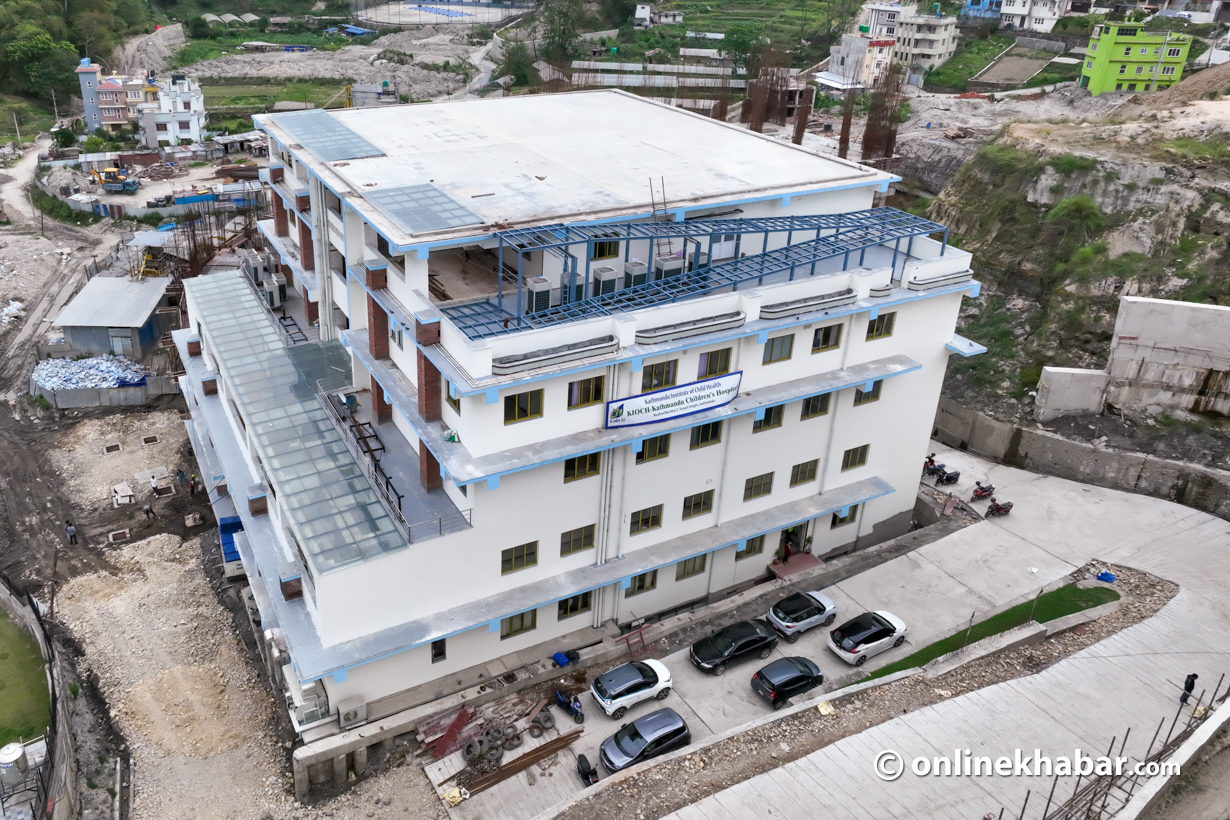
To realize this dream that began nearly half a decade ago, Kathmandu Institute of Child Health (KIoCH) has launched Kathmandu Children’s Hospital.
Run as a non-profit through a public service model, the hospital brings a new paradigm to specialized pediatric healthcare delivery, with modern infrastructure, technology, and patient-centered services.
Expert Care for Just 100 Rupees
In Nepal, the government’s main pediatric care facility is Kanti Children’s Hospital, alongside some private hospitals and medical colleges that have pediatric departments.
However, not all types of specialized pediatric services are available. In developed countries, dedicated hospitals solely for children and youth are considered essential. In Nepal, 40 percent of the population — about 12 million — are under 18 years old.
Each year, 30 out of every 1000 children under five die due to lack of treatment, yet many could be saved with proper care.
Recognizing this need, Dr. Koirala, also KIoCH’s chairman, has advanced a long-term plan to establish a central hospital in Kathmandu and satellite centers in all seven provinces to provide comprehensive pediatric healthcare under one roof.
As part of this plan, a satellite center in Damak Municipality, Koshi Province, operating from a building provided by Nepal Red Cross Society, has been offering 50 beds and service for the past three years.
Kathmandu Children’s Hospital has yet to hold a formal inauguration but has been providing essential services for around three months. Located in Budhanilkantha Municipality–7, outpatient, emergency, and surgical services are currently offered.
Services have begun in one building while two additional buildings are under construction. The hospital’s infrastructure is ultramodern and child-friendly, equipped with play materials and television for entertainment. Ample seating is available outside the OPD area.
The hospital has made efforts to keep service fees comparable to government hospitals, with a policy offering free treatment to children from disadvantaged families.
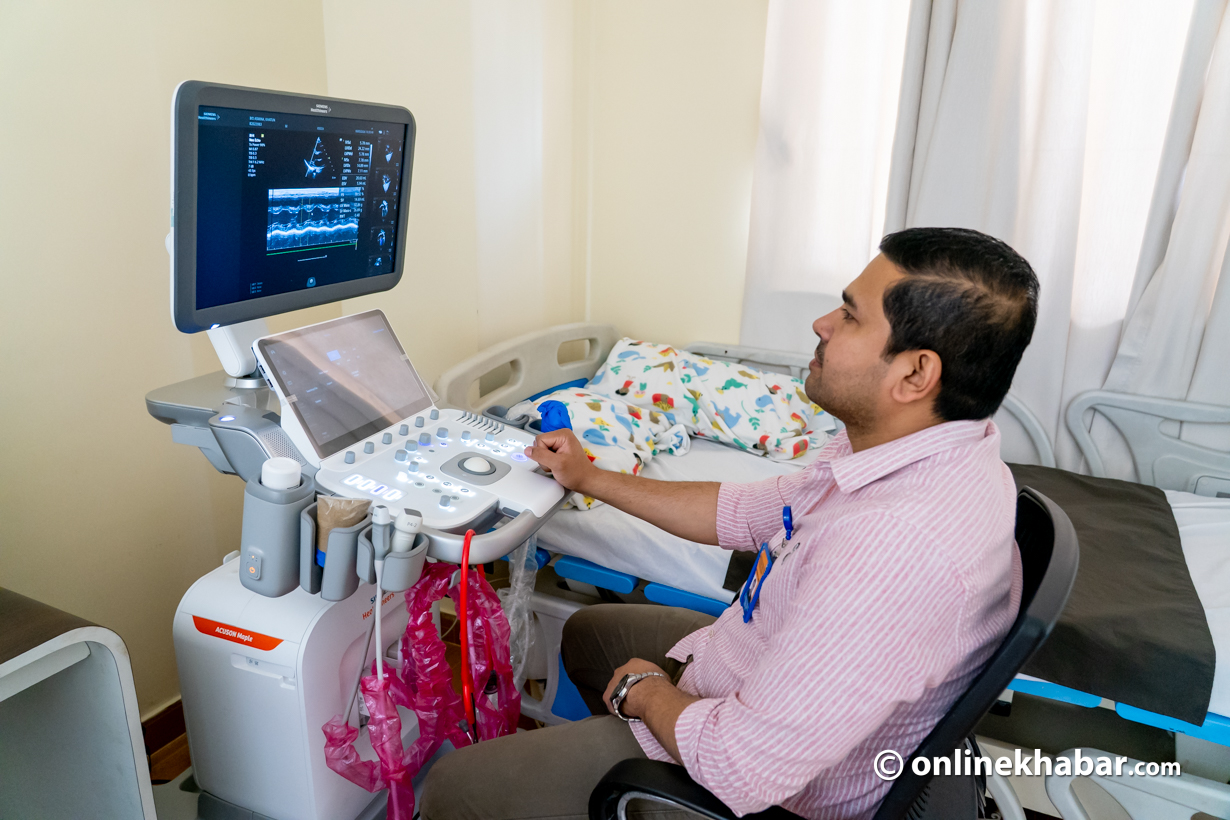
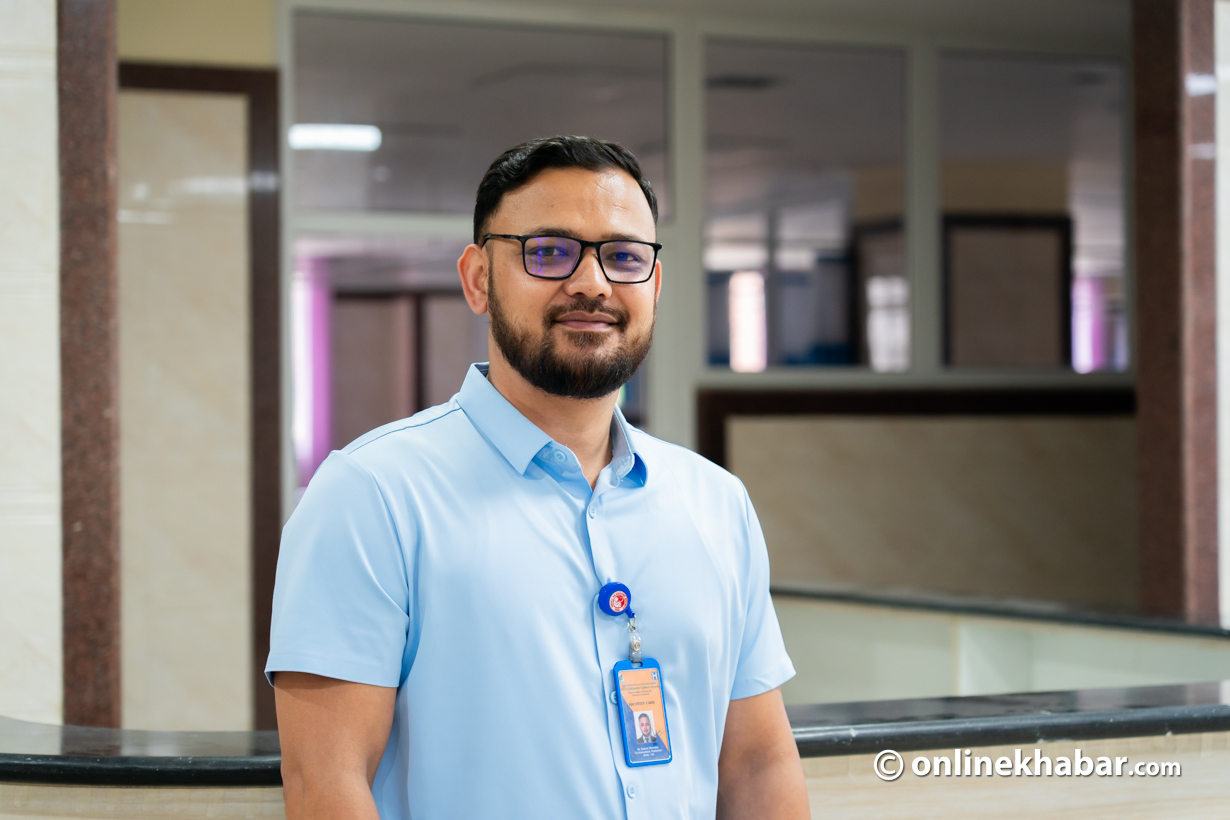
According to pediatric cardiology specialist Dr. Saurabh Shrestha, the OPD ticket costs only 100 rupees—equivalent to government hospital fees. This ticket grants access to specialists in cardiology, nephrology, pulmonology, and others without needing multiple tickets.
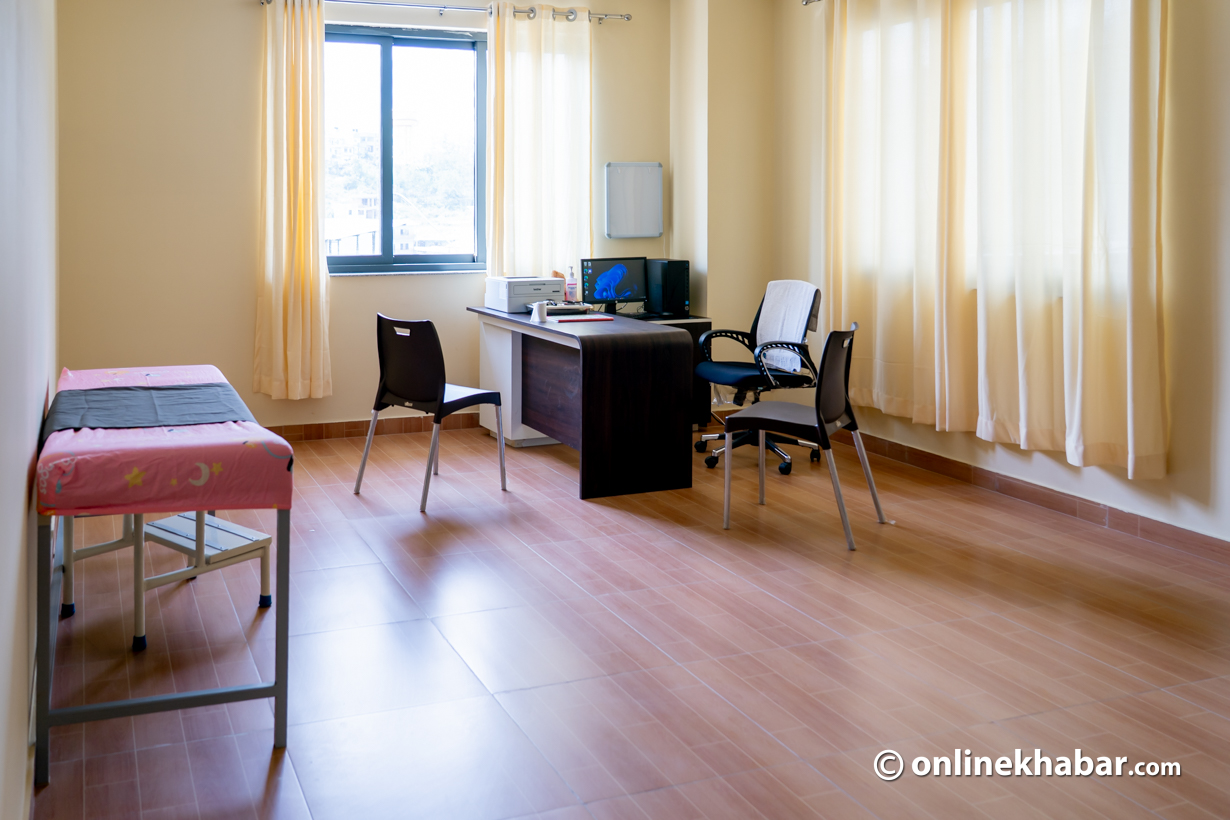
The OPD operates on the third floor with distinct sections for general medicine, nephrology, hemato-oncology, orthopedics, dental care, child psychiatry, cardiology, and cardiac surgery. A separate room is designated for routine vaccinations.
The cardiology department is equipped with advanced devices for echo, ECG, and video diagnostics of the heart. Various pediatric departments are gradually expanding within the OPD.
“Our goal is to provide all pediatric specialist services available nationwide right here,” says Dr. Shrestha. “No child should leave untreated.” The hospital also features a dedicated breastfeeding room, offering privacy for mothers to nurse their infants comfortably.
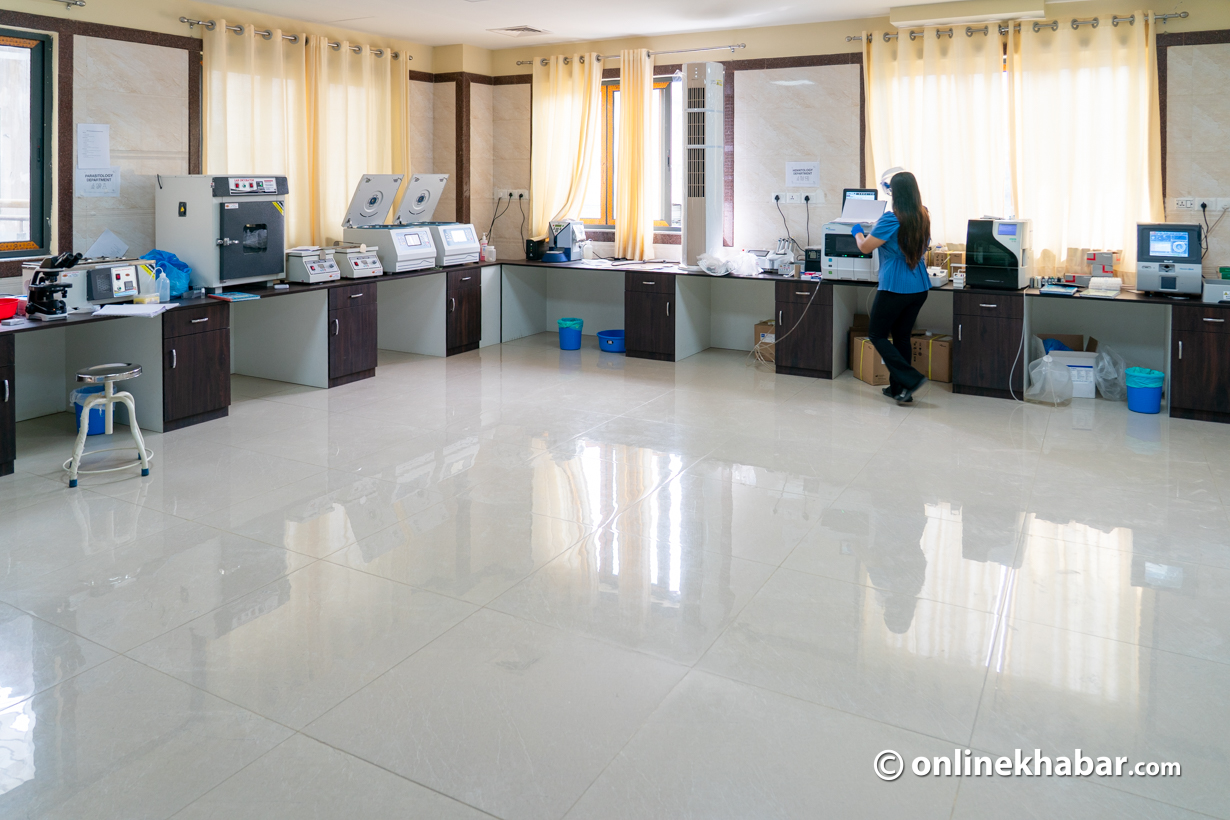
The hospital also houses a state-of-the-art pathology department aiming to conduct genetic and cancer-related tests domestically. Recently, it initiated a ‘newborn screening’ service to detect serious conditions within 48 to 72 hours after birth.
“We have the latest equipment here, eliminating the need to send samples abroad. Services will be offered at affordable rates,” Dr. Shrestha adds.
Emergency Room with Cabin Facilities
The emergency department has a separate waiting area for patients’ families. Upon arrival, children are registered and triaged according to a modern system that categorizes cases into red, yellow, and green zones.
Critically ill patients receive immediate CPR and other life-saving treatments, with four ventilated beds specifically arranged. The emergency section includes two modular operation theaters, complemented by four additional advanced theaters on the fourth floor.
The theaters are equipped with HEPA filters, suction systems, and infection control technologies, allowing surgeries to be observed live via video for educational purposes. The emergency ward has 20 beds distributed among red, yellow, and green areas. Three cabins are also available.
On the fifth floor, neonatal and pediatric intensive care units (NICU and PICU) are operational. The PICU plans to expand to 25 beds, implementing strict infection prevention protocols. Separate wards exist for infected and non-infected patients, with one nurse assigned per ventilated child for close monitoring.
The sixth floor houses 35 general beds, including single, double, and suite rooms with three-bed cabins. The seventh floor contains a conference hall and administrative offices. Despite modern facilities, service fees are maintained at government hospital levels.
OPD tickets are priced at 100 rupees, emergency tickets at 500 rupees, and general ward beds at 300 rupees. Emergency cabins cost 1,000 rupees. NICU care is 3,000 rupees per day, and ventilator use is 6,000 rupees daily.
“If anyone cannot pay, all services will be provided free of charge,” assures Dr. Shrestha. “Whether in a general bed or cabin, service quality remains consistent.”
Currently, over 150 healthcare professionals work at the hospital, including approximately 30 full-time pediatric specialists.
Born from Personal Experience
The establishment of the children’s hospital is deeply inspired by Dr. Koirala’s personal and professional journey.
Since 1993, he aspired to work in child healthcare. Having performed over half of his heart surgeries on children, he gained international experience by treating pediatric heart patients in the U.S. and completing a fellowship at a world-leading pediatric heart hospital in Toronto. This deepened his passion for pediatric health.
His time abroad offered him a close view of the structure and services in children’s hospitals in developed countries.
Back in Nepal, Dr. Koirala has saved thousands of children’s lives through heart surgeries, inspiring many to lead healthy, productive lives.
“Early and proper treatment of childhood illnesses saves lives and enables them to contribute to society for 70 to 80 years,” he emphasizes.
Dr. Koirala views his work as an investment in society. He asserts, “Pediatric care demands a dedicated team, not just the methods used for general youth care.”
Annually, around 500,000 to 700,000 children are born in Nepal, with 3 percent presenting congenital problems such as heart disease, organ malformations, or neurological issues. Diseases like pediatric asthma, cancer, neurodevelopmental disorders, and autism are on the rise.
“In previous decades, infectious diseases were the leading cause of child mortality,” Dr. Koirala explains, “but now, complex and non-communicable diseases are more common, and primary prevention alone is not enough.”
Comprehensive Care Under One Roof, Free Services for the Needy
Kathmandu Children’s Hospital’s core concept is “Integrated services under one roof.” The hospital hosts pediatric specialists in cardiology, neurology, nephrology, oncology, surgery, and critical care.
This approach fosters collaborative decision-making among specialists, which Dr. Koirala believes enhances treatment quality.
Dr. Koirala states, “When all treatments are consolidated under one roof, the quality of care strengthens, saving many children.”
Commitment to Accessible Healthcare
The hospital operates as a nonprofit institution, focusing on public service rather than profit.
The governing committee is voluntary and does not take remuneration; only staff and doctors receive salaries based on their services. The fee structure matches government hospital levels, and free services are provided to those unable to pay.
Dr. Saurabh Shrestha
Dr. Koirala emphasizes, “No child should be denied treatment due to lack of funds. Free services will be provided to the poor.”
Government-Level Fees
The hospital currently serves patients with over 100 beds in its first building, operating with about 50 beds initially. Within nine months, the goal is to expand to 200 beds.
KIoCH has a long-term vision to extend pediatric health services beyond Kathmandu, establishing access points throughout all seven provinces.
Dr. Koirala remarks, “We have initiated training programs here not only for Kathmandu but for preparing skilled human resources nationwide.” He also mentioned plans to establish a hospital in Karnali Province next.
The fee structure follows government hospital standards, with services fully free for those unable to pay. Common pediatric cases will be managed locally, with complex cases referred to Kathmandu.
Construction costs for the children’s hospital building are estimated at around NPR 119 crore. When including equipment, infrastructure, and management, total expenses approach NPR 200 crore, mostly raised domestically. Approximately 15 percent of funding remains to be secured.
Dr. Koirala emphasizes that the children’s hospital will not be personal property but a vital asset of Nepal’s public health system.
“This is not a competitive institution; its objective is to support government hospitals and elevate pediatric healthcare standards,” he affirms. Kathmandu Children’s Hospital aims to become a model of excellence in Nepal’s child health services.
US President Donald Trump has arrived in Beijing to participate in a two-day summit with Chinese President Xi Jinping. Trump was welcomed at the airport by Vice President Han Zheng, a gesture regarded by China as a special honor for the US president. The agenda is expected to cover significant topics including tariffs, technology competition, the Iran conflict, and Taiwan.
Trump arrived in Beijing on Wednesday aboard Air Force One. Han Zheng, one of China’s top leaders, was sent specifically to welcome Trump, signaling a special level of respect from China. In contrast, during Trump’s 2017 visit to China, only the junior leader and State Councilor Yang Jiechi was dispatched to greet him.
Han Zheng also participated in Trump’s inauguration ceremony in 2025. This high-level meeting between the two global powers is set to address critical issues such as tariffs, technological rivalry, the Iran conflict, and Taiwan. Trump last visited China in 2017. The summit comes amid ongoing tensions surrounding the Iran war, the global energy crisis, and US-China trade disputes.
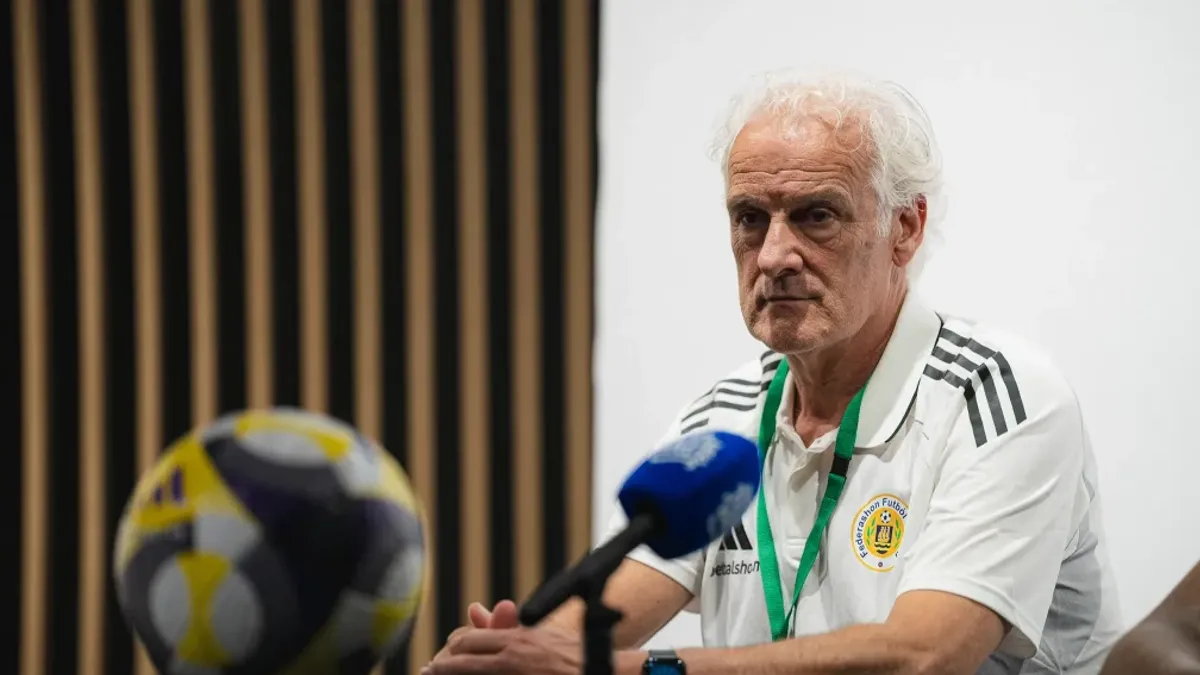
Fred Rutten, the coach of the Curaçao team making its debut appearance at the FIFA World Cup 2026, has resigned from his position. The Curaçao Football Federation announced that following discussions between Rutten and the federation’s president, the decision was made to step down in order to maintain a disciplined and positive environment. Rutten prioritized the team’s interests over personal gains, and Dutch coach Dick Advocaat is currently being considered for the head coach role.
The Curaçao Football Federation (FFK) confirmed Rutten’s decision to relinquish his responsibilities. The federation stated that this move followed an open and constructive dialogue between Rutten and the federation’s president. The decision aims to uphold the welfare of football, the players, and maintain a peaceful atmosphere around the national team.
Fred Rutten commented, “There should be no environment that harms healthy professional relationships among players and technical staff. Therefore, stepping back is the right course of action.” Following Rutten’s departure, various reports suggest that Dutch coach Dick Advocaat is expected to lead the Curaçao team at the World Cup.
Curaçao is the smallest nation by population to qualify for the World Cup and will face Ghana, Morocco, and Saudi Arabia in the group stage.
Senior Advocate Dinesh Tripathi has filed a writ petition challenging the Constitutional Council’s recommendation of Supreme Court Judge Dr. Manoj Sharma as Chief Justice. The Supreme Court administration issued a show-cause notice for the writ petition on April 7 and provided a certified copy of the order only on April 10. Advocate Tripathi claims the petition could not be properly registered following the show-cause notice, alleging judicial irregularity. (April 13, Kathmandu)
The very next day after the Constitutional Council endorsed Dr. Manoj Sharma as Chief Justice, a writ petition was submitted to the Supreme Court contesting the decision. Senior Advocate Tripathi argued that, contrary to constitutional principles, tradition, and judicial practice, instead of recommending the most senior justice, the council selected a judge ranked fourth in seniority. He filed the petition with the Supreme Court administration, which, however, rejected its registration on April 7 and only provided a certified copy of the rejection order on April 10.
In his writ petition, Advocate Tripathi stated: “The arbitrariness of a ‘pick and choose’ approach in the recommendation process weakens judicial independence and reveals a clear intent to subordinate the judiciary under the executive branch.” Registrar Man Bahadur Karki, responsible for court matters, issued the show-cause notice for the petition. While acknowledging the petition was registered as a matter of public interest, he questioned which specific fundamental rights of the petitioner had been violated.
Advocate Tripathi highlighted that the Supreme Court administration’s conduct indicates attempts to prolong the petition registration process. He emphasized, “The question raised about the Constitutional Council’s decision is legitimate, and such petitions ought to be registered and heard without delay.”
The Nepal Police have arrested Jyotiprakash Pandey, CEO of Nepal Investment Mega Bank (NIMB), allegedly unlawfully during the auctioning of collateral to recover Smart Telecom’s loan under the Bank and Financial Institutions Act. Despite Smart Telecom’s license being revoked, legal provisions allow the bank to auction collateral and recover loans, as the company is domestically invested and its assets do not come under government ownership. Both Nepal Rastra Bank and the Bankers’ Association have affirmed banks’ rights to auction collateral for loan recovery, noting that any illegal activities must be thoroughly investigated. (30 Baishakh, Kathmandu)
It has come to light that the Nepal Police arrested NIMB CEO Jyotiprakash Pandey unlawfully under the Bank and Financial Institutions Act and the Secure Transactions Act during the collateral auction. Since Smart Telecom Pvt. Ltd. had long defaulted on its loan payments, NIMB auctioned the telecom company’s towers and equipment, recovering NPR 460 crore in loans. However, following the license revocation, questions arose regarding the legal ownership of the assets and whether the bank’s auction was authorized. Both actions—the bank’s loan recovery via collateral auction and the CEO’s arrest—appear illegal.
Smart Telecom initially obtained a rural telecommunications license and secured a 10-year basic telephone service license on 2 Baishakh 2070 BS. The license was automatically revoked on 2 Baishakh 2080 because royalty payments to the government were not made on time. The Criminal Investigation Bureau (CIB) arrested CEO Pandey, accusing NIMB of auctioning Smart Telecom’s towers and equipment post-license revocation. Police claim that after license cancellation, these assets fall under Nepal Telecommunications Authority’s control and that auctioning government property is unlawful.
However, this claim is inaccurate. According to the Telecommunications Act 2073, license revocation does not automatically transfer private company assets to government ownership—this is a misinterpretation by the authorities. Section 33 of the Telecommunications Act 2053 states that only companies with over 50% foreign investment have their land, buildings, and equipment transferred to government ownership after license expiry. Since Smart Telecom is domestically invested, even after license expiration, the assets remain private, as explained by senior advocate Dr. Gandhi Pandit.
The government issued the Management Rules for Assets of Telecommunications Service Providers whose licenses have been revoked, 2079, granting Nepal Telecommunications Authority the authority to take control of such assets and infrastructure under Rule 18. Nonetheless, Dr. Pandit argues this rule contravenes the Telecommunications Act and is unconstitutional. He asserts, “A government-issued rule cannot override a law enacted by Parliament; that part of the rule is illegal.”
Therefore, Pandey’s arrest lacks legal grounds. According to Dr. Pandit, banks have the legal right to auction such assets to recover loans. Section 57 of the Bank and Financial Institutions Act 2063 empowers banks to recover loans by auctioning collateral if debtors default. Similarly, Sections 28 and 46 of the Secure Transactions Act 2063 authorize banks to sell collateral to recover loans. Nepal Rastra Bank spokesperson Guruprasad Paudel also confirmed banks have the right to auction collateral upon loan defaults.
Paudel stated, “We are not fully aware of the ongoing police investigation details, but Section 57 of the Bank and Financial Institutions Act clearly allows auctioning collateral to recover loans not repaid.” He emphasized that loans are disbursed from public deposits, so collateral auction is the bank’s primary right to reclaim funds.
However, he acknowledged that if any illegal activities occur, the state has the authority to investigate, and cooperation from all stakeholders is vital. Santosh Koirala, president of the Nepal Bankers’ Association, agreed that while banks have the right to recover loans via collateral auction, the CEO’s arrest is unwarranted. He noted, “Auctioning assets created from loans to recover debts is the bank’s primary right. Failure to recover loans risks destabilizing the banking system.”
The police maintain that even if the assets are registered under the state’s name, the bank retains auction rights. They added, “If the state claims ownership, it must also assume associated loan liabilities.” The Nepal Telecommunications Authority’s claim to Smart Telecom’s loans must consider the debt obligations. Assets collateralized before license cancellation remain recoverable by the bank. Both the Bank and Financial Institutions Act and the Secure Transactions Act prioritize banks’ rights to loan recovery. Had the government canceled the company under seizure laws, it could have recovered dues first; the current approach is illegal.
Dr. Pandit warned that denying banks the right to auction collateralized assets would endanger the entire banking system. He cited an example of the Salt Trading Corporation importing salt through banks’ letters of credit; if such loans default, banks must be allowed to auction collateral. NIMB clarified that it sold only equipment acquired to pay loan penalties without selling the license or land.
The bank specified, “Only hypothecated assets registered under the Secure Transactions Act 2063 have been auctioned; no other assets were sold.” It also stated that the auction process was initiated with a 35-day notice under the Bank and Financial Institutions Act 2073, facing no objections from any authority. Nepal Rastra Bank had issued directives related to this in fiscal year 2079/80. NIMB had announced auction details on 3 Ashoj 2082, notifying Smart Cell to clear outstanding payments regarding auctioned materials and properties. However, some landowners have yet to pay, prompting ongoing investigations by the CIB. The bank reported holding NPR 38 crore in deposits from landowners. CIB spokesperson Shiv Kumar Shrestha stated, “Although assets are claimed to be registered in the state’s name, allegations of illegal auction and fraud are under investigation.”










.jpg "Land for Sale in Lubhu")
%20-%20Copy.jpg "4 BHK House for Rent at Bhaisepati")

.jpg "Residential Land for Sale at Imadol")









Comments 4