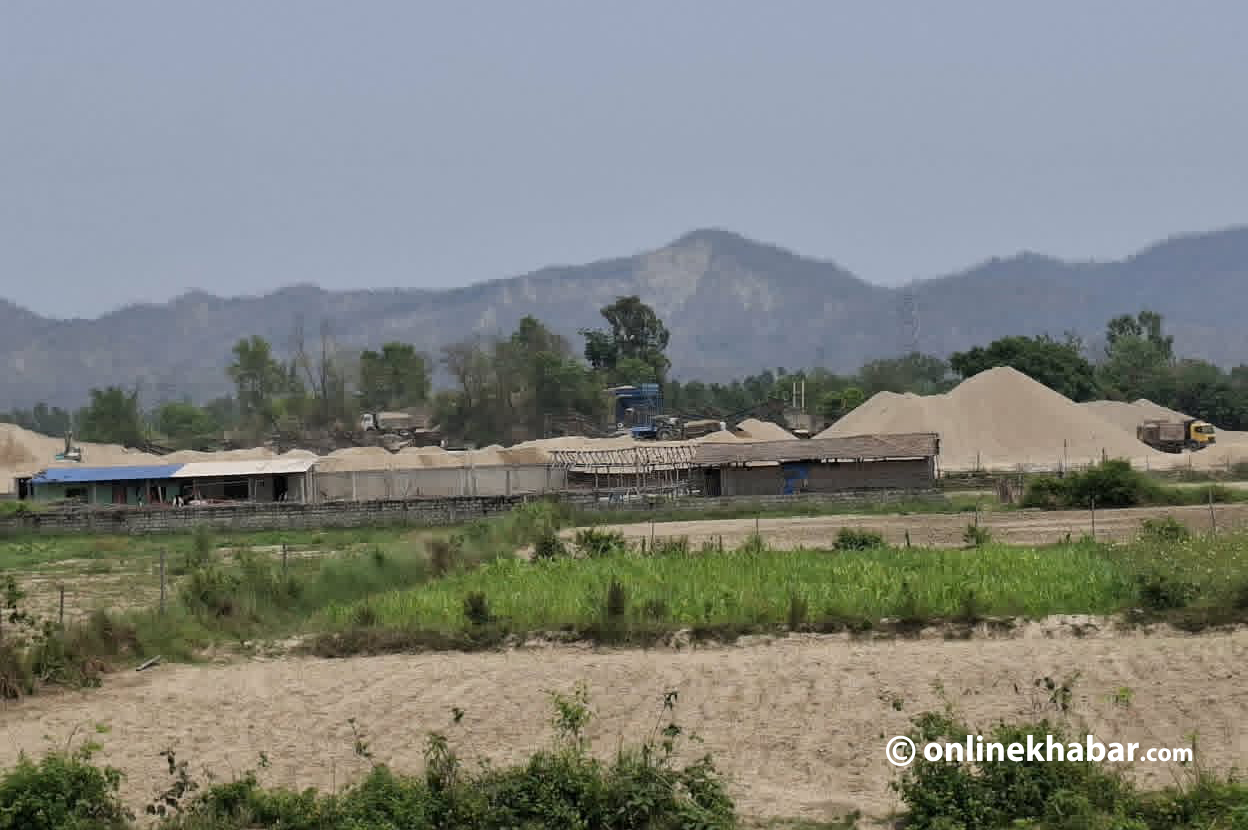
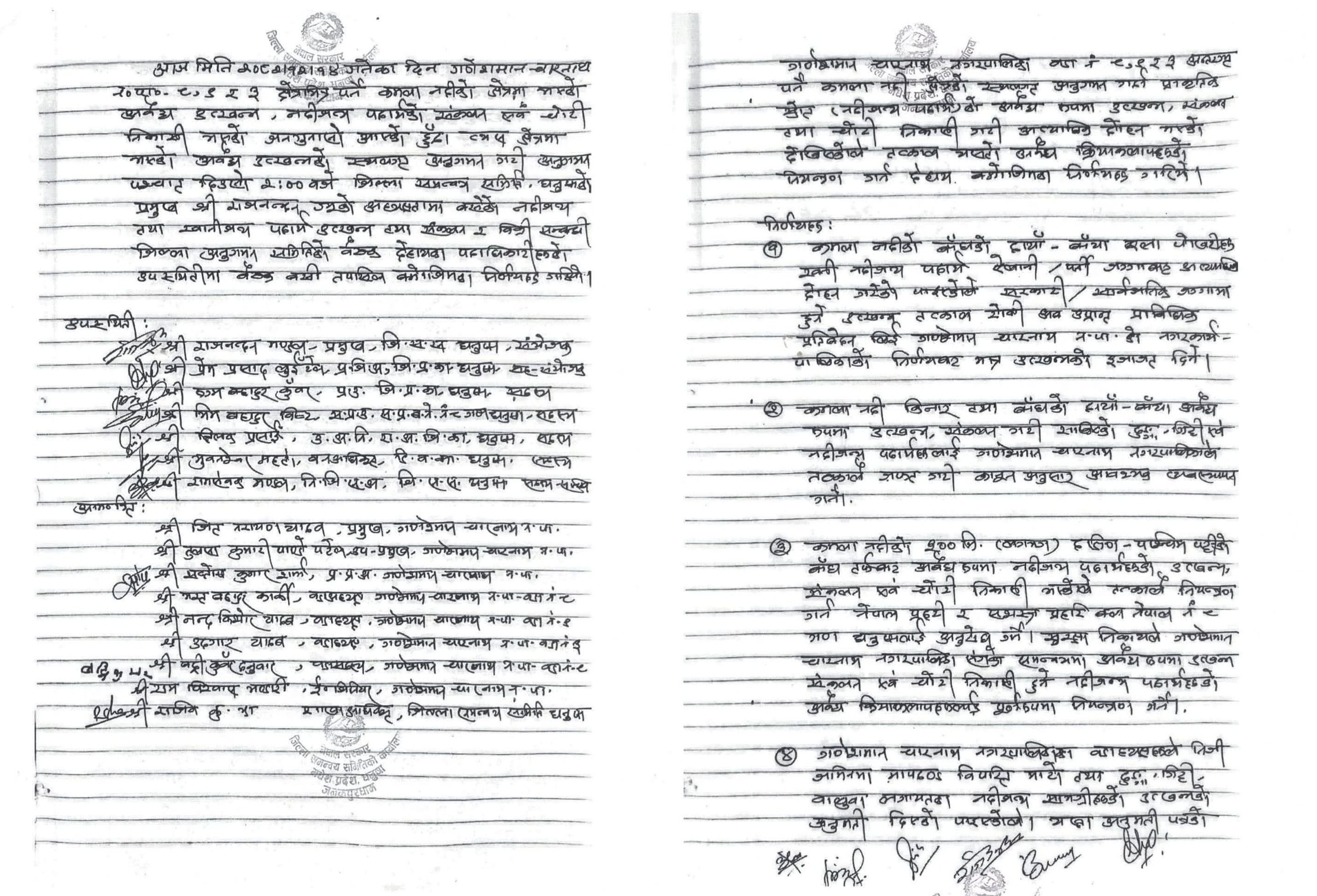
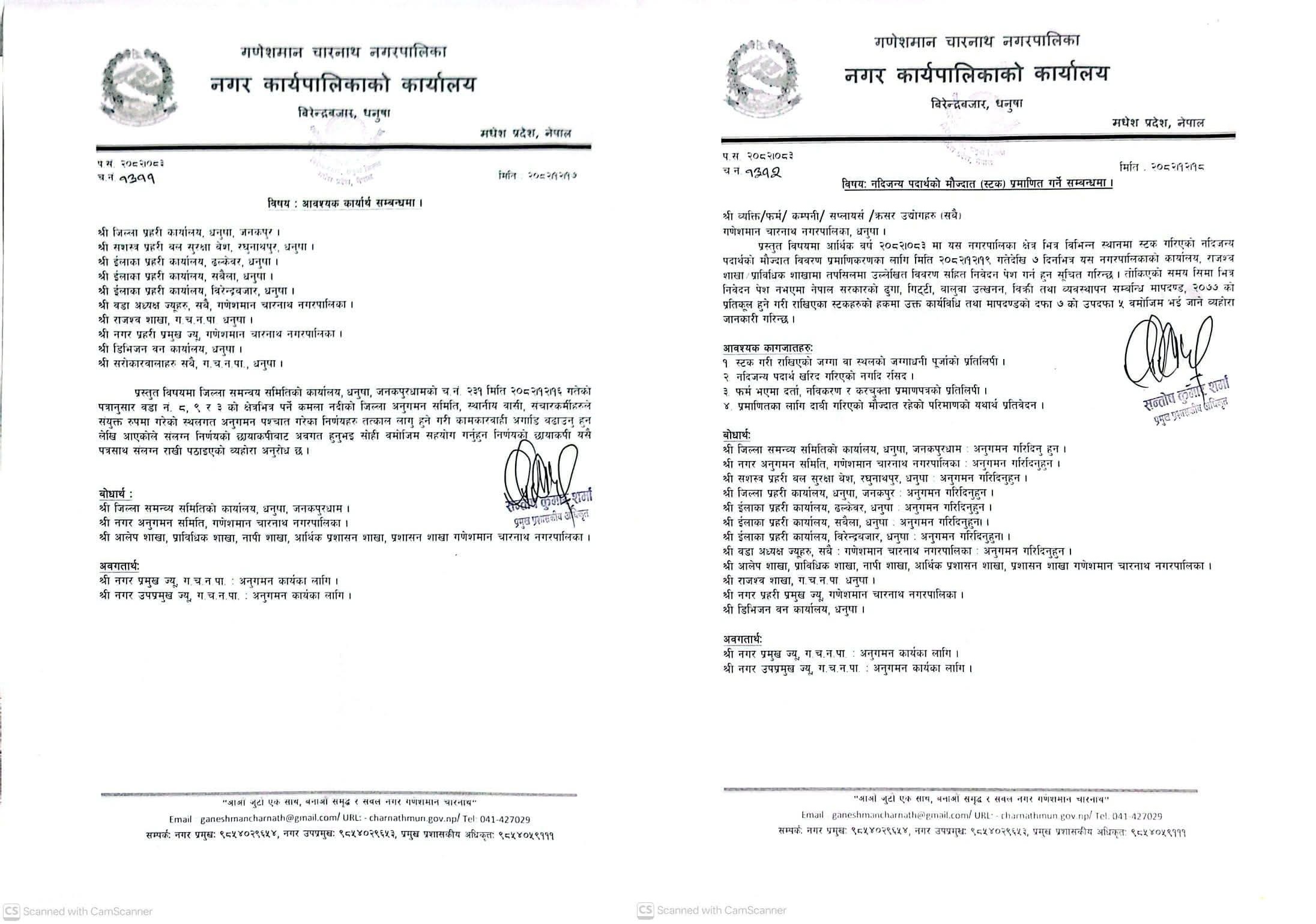
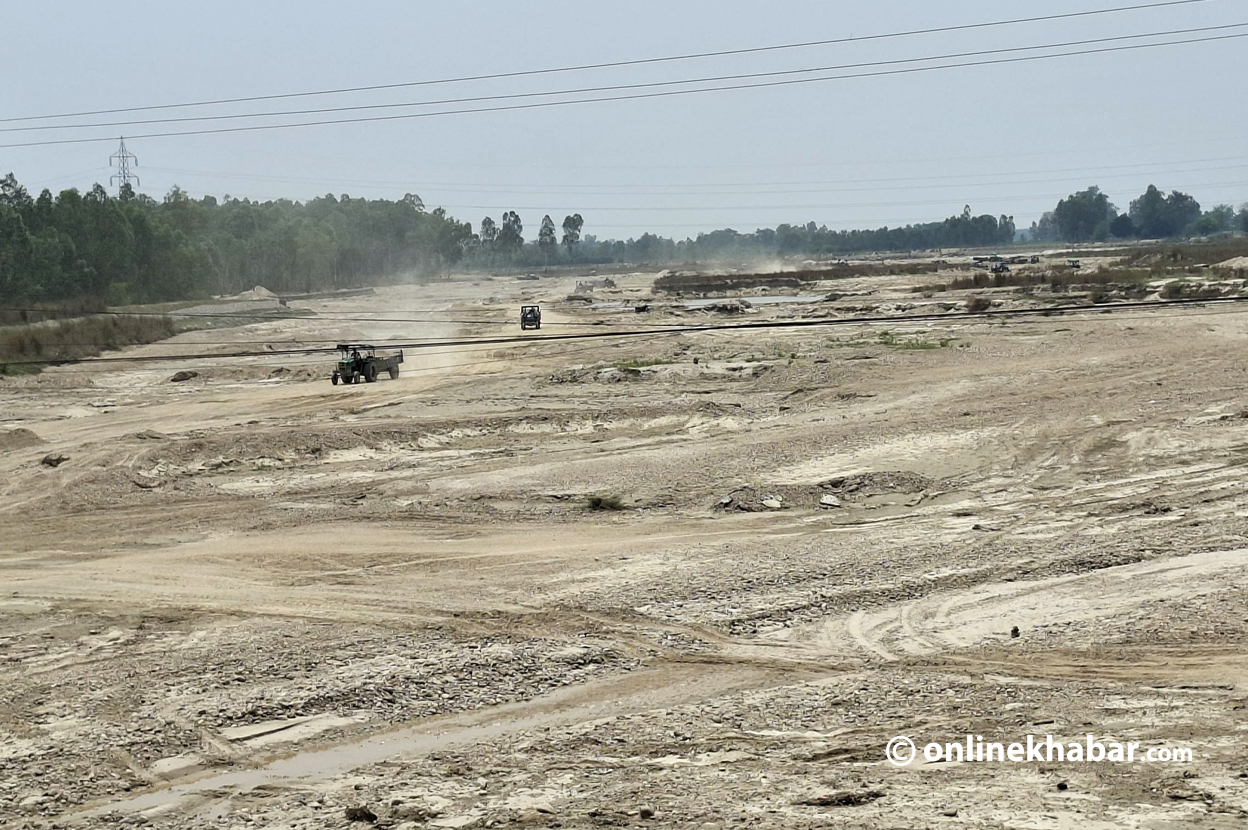
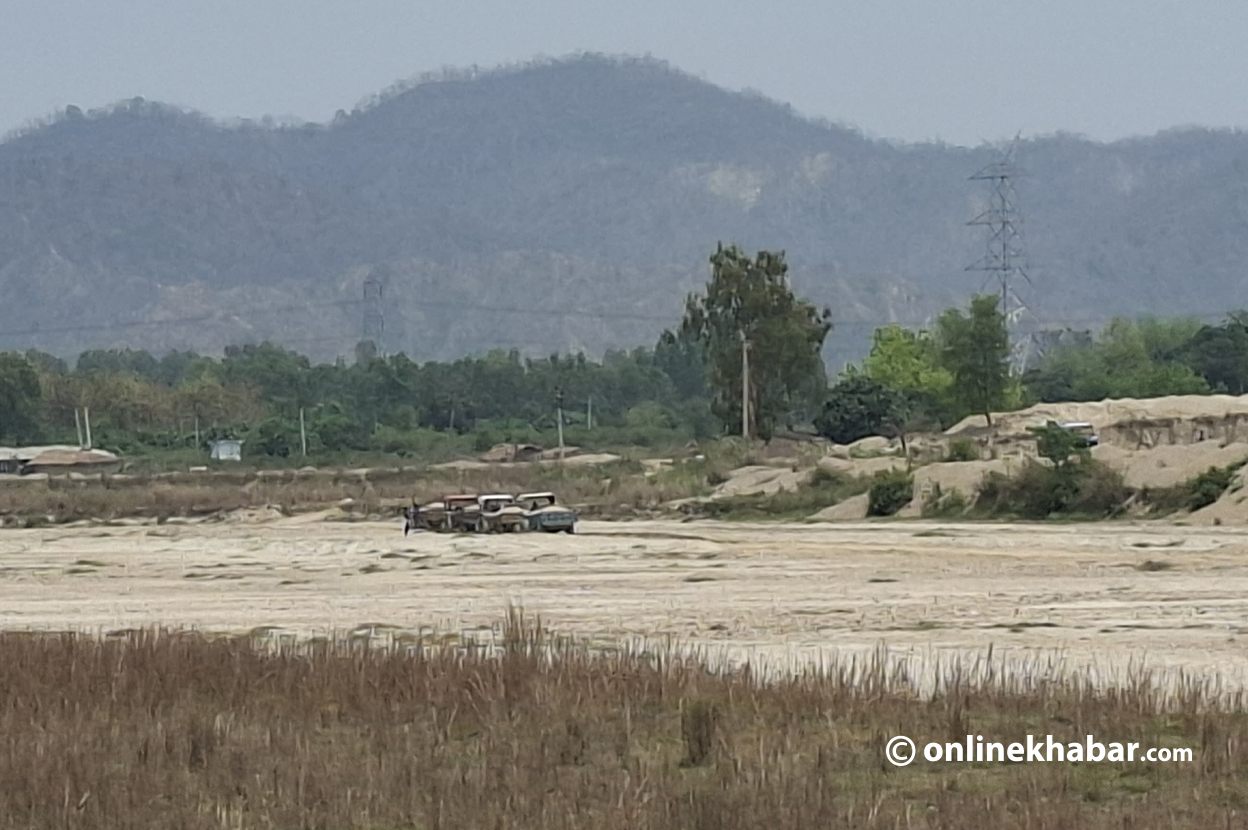
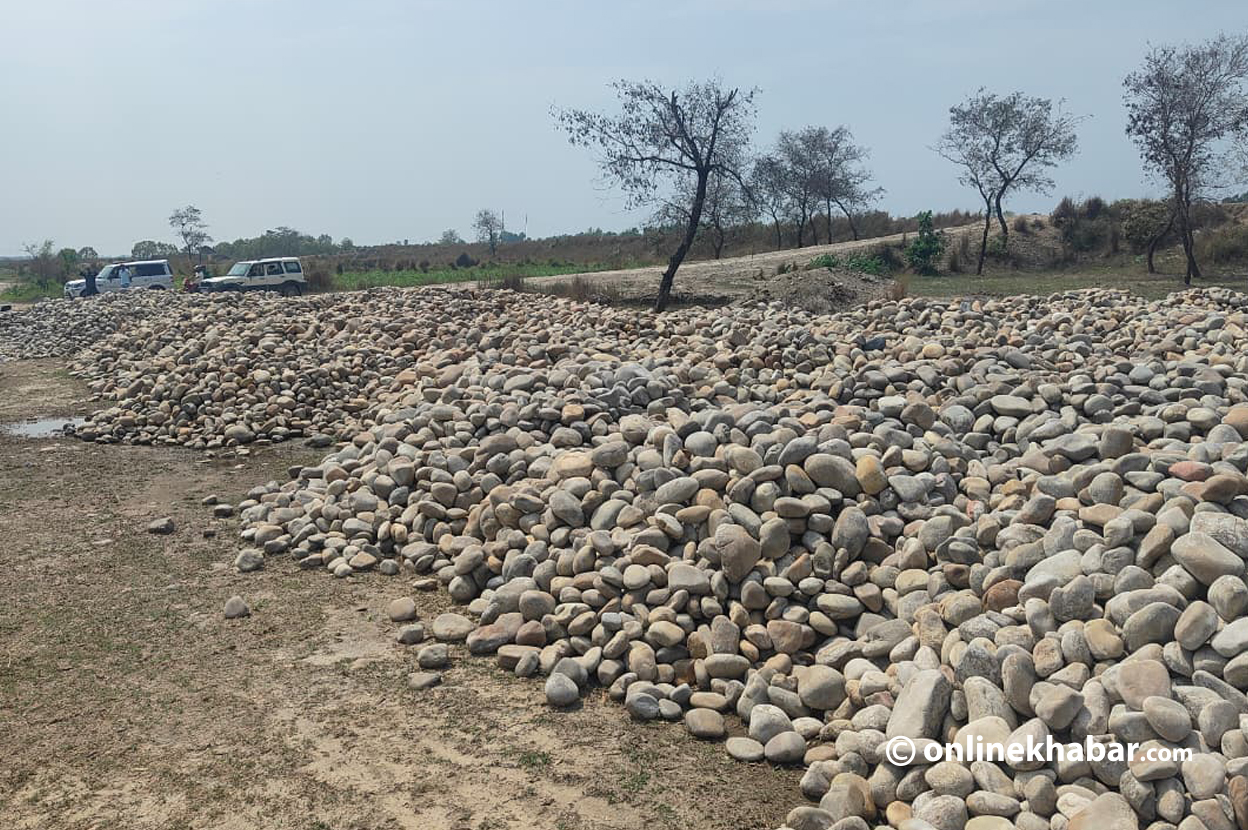
March 19, Kathmandu – Ashika Tamang, elected representative from Dhading-1 under the National Independent Party (RASWAPA), has responded by stating that local autonomy does not grant a license for natural resource exploitation. She issued these remarks in response to a joint statement released by 13 local governments of Dhading on Friday, which she addressed through Facebook.
“The joint statement recently issued by the heads of 13 local governments in Dhading has seriously caught my attention,” she wrote. “The statement references Article 232(1) of the Constitution, discussing cooperation and coordination. However, ironically, under the guise of coordination, established laws and respected Supreme Court orders have been blatantly challenged.”
Ashika then outlined her position in four points based on the Constitution, tax systems, court orders, and environmental justice. In her first point, she noted the absence of a setting for ‘coordination’ and explained Article 232’s intent: “Any exploitation that violates federal law, ignores environmental standards, and extracts the core of rivers must never be condoned.”
“Local autonomy does not mean an independent state; it is merely the right to serve the people within the bounds of the Constitution,” she emphasized.
In her second point, she addressed tax-related matters, and in the third, she referred to Supreme Court orders and the 2020 standards, stating, “If these standards are not met, such actions are illegal, and protecting them would amount to contempt of court.”
“Does the right to levy taxes allow one to violate the Constitution? Can we disregard the orders of the honorable Supreme Court?” she questioned. “I am glad that the 13 local government heads have united to speak and oppose me. Now, I urge you all to unite just as strongly to develop Dhading and make it corruption-free.”
March 18, Kathmandu — China has long been preparing for a potential oil shortage. However, the energy crisis sparked by the conflict in West Asia is now testing China’s resilience.
Iran’s threat to attack ships passing through the Strait of Hormuz has effectively halted energy supplies from the Middle East. This blockade was imposed by Iran in response to attacks by the United States and Israel.
The resulting disruption in global oil supply has severely impacted Asian countries dependent on Gulf states for energy.
In response, the Philippines has implemented a four-day workweek to conserve fuel, while Indonesia is actively seeking ways to avoid depleting its limited reserves too quickly.
As the world’s largest oil importer, China also feels the pressure. However, compared to its neighbors, China is in a relatively better position because it has long prepared itself through strategic policies for a potential energy crunch.
China Faces a Crucial Test
The energy crisis has introduced volatility to the global economy, with oil prices surging repeatedly to around $120 per barrel. Attacks on transportation and energy infrastructure have intensified the situation.
The crisis arose after Iran’s blockade of the Strait of Hormuz, considered one of the busiest oil transit routes worldwide. According to the U.S. Energy Information Administration (EIA), nearly 20 percent of global oil trade passes through this strait.
With supply disrupted, countries are seeking alternative crude oil suppliers outside the Gulf region and tapping into existing reserves.
Analysts estimate that China, as the world’s second-largest oil consumer after the U.S., consumes around 15 to 16 million barrels of oil per day. China’s vast transportation network, including cars, trucks, and aircraft, is heavily reliant on oil. A significant portion of its crude oil needs is imported, with Gulf countries as major suppliers. Saudi Arabia and Iran together contribute more than 10 percent of China’s total oil imports, according to EIA data.
Crude oil transported from Iran and the Middle East through the South China Sea is used predominantly as fuel in factories and transportation, especially in southern China, where consumption is higher.
Northern China mainly relies on domestically produced oil and supplies delivered via pipeline from Russia, meaning the Middle East conflict has not significantly affected oil availability in the northern regions.
Despite sanctions from the U.S. and Europe, Russia has become China’s largest oil supplier. Coal also remains a major source of electricity generation in China, with vast domestic reserves available.
China is the world’s largest coal producer, controlling more than half of global coal production.
In China’s overall energy mix, oil and natural gas comprise just over one-quarter, which reduces its dependence on these sources compared to Europe and the United States.
Preparation for Difficult Times
Ole Hansen, Head of Commodity Strategy at Saxo Bank, notes that China has taken advantage of previously low crude oil prices and ample supply from Gulf countries to build one of the world’s largest oil reserves.
According to China’s customs administration data, Beijing increased its crude oil imports by 16 percent in January and February compared to the same period last year.
Iran remains an important supplier of inexpensive crude oil to China. Reports indicate China purchases over 80 percent of Iran’s total oil exports.
Recent ship-tracking data since the onset of the recent conflict shows that some Iranian oil still reaches China. However, analysts differ on the exact size of China’s total reserves.
Trade analytics firm Kepler reports that more than 46 million barrels of Iranian oil are currently aboard tankers in the South China Sea, sufficient to meet China’s energy needs for several days.
Hansen estimates China’s strategic oil reserves at roughly 900 million barrels, equivalent to about three months of imports.
Chinese state media, citing data from Columbia University, claims China’s oil stockpiles stand around 1.4 billion barrels.
These substantial reserves act as a “strong protective shield” during any crisis. Nevertheless, Beijing has signaled caution in managing supply in the near term despite holding these stocks.
Chinese officials have instructed oil refineries to halt fuel exports to control domestic prices. The government has not provided an official comment on this measure.
Pursuit of Energy Self-Reliance
China is a global leader in clean energy and is rapidly developing wind and solar power projects nationwide.
In 2024 alone, China generated over one-third of its total electricity from wind, solar, and hydropower. This progress contributed to crude oil’s share in China’s total energy consumption dropping to 20 percent in 2024. Efforts to further expand the renewable energy grid continue.
The International Energy Agency predicts no substantial increase in oil demand from China in the future.
Energy economist Roger Fouquet says China’s ambitious shift towards renewables has helped not only in environmental protection but also in shielding its economy from global risks.
“China has been fortunate because it started investing in renewable energy 25 years ago, and it is now reaping the benefits,” he states.
Rokie Si from the University of Sydney points out that at least one-third of cars in China are electric, reducing oil dependence. He adds, “This means even if Middle East tensions push up petroleum prices, users of electric vehicles in China remain largely unaffected. These consumers are isolated from the fluctuations of the international oil market.”
However, experts warn that China’s economy is not yet fully insulated from shocks to oil supply. If the energy crisis pushes fuel prices higher, charging costs for electric vehicles could also rise, posing economic risks.
Powerful western winds have caused heavy rainfall accompanied by strong gusts in the Kathmandu Valley and western districts of Nepal.
The National Disaster Risk Reduction and Management Authority has issued special alertness instructions for Koshi Province.
Meteorologists expect the rain to continue until Saturday night, with weather improvement anticipated from Sunday onward.
6 Chaitra, Kathmandu – The Kathmandu Valley has experienced rainfall as a result of a powerful western wind system.
This system has also brought heavy rain with strong winds to western districts of Nepal, including areas in Gandaki and Bagmati provinces. The system is gradually moving eastward.
Due to this weather system, the daytime sky became darkened in several districts such as Dang, Rupandehi, and the Kathmandu Valley. Drivers had to turn on their vehicle lights during daylight, while the daily activities of people outdoors were disrupted.
Originating from the Mediterranean Sea, the system has entered Nepal through Afghanistan, Pakistan, Uttarakhand in India, and then the Far-Western region. Reports indicate significant damage in Pakistan along this path.
Currently, the Far-Western, Karnali, Lumbini, Gandaki, Bagmati, and Madhesh provinces of Nepal are experiencing heavy rain accompanied by thunderstorms and lightning. Some areas of Kathmandu have also recorded hail.
Compared to today, a stronger impact is forecast for Koshi Province tomorrow, Saturday. Thus, the National Disaster Risk Reduction and Management Authority has advised heightened vigilance there.
According to meteorologist Hariprasad Dahal from the Department of Hydrology and Meteorology, this condition is expected to persist until tomorrow. He stated, “Weather conditions will gradually improve starting Sunday.”
Weather analyst Dr. Dharmraj Upreti explained that this is a pre-monsoon phase currently underway before the official start of the monsoon. This is the third wave since 17 Falgun and is more impactful than the two previous systems.
He noted that rainfall will continue until Saturday night, with intermittent reductions but no complete cessation of precipitation.
Dr. Upreti also mentioned another weather system progressing northwards from Bihar, India, which will cause rainfall in Madhesh and Koshi provinces as well.
“Based on the current situation, an improvement in weather is expected by Saturday night or early Sunday morning,” he added.
A meteor streaked across the skies of the United States at speeds exceeding that of sound
On the morning of March 17, a meteor traveling at supersonic speeds was sighted across the skies of Pennsylvania and Ohio, generating considerable attention.
The meteor exceeded the speed of sound, producing a loud noise audible over a vast distance.
Both the National Weather Service and NASA confirmed that the meteor landed near northeastern Ohio, close to Cleveland.
Our news content is also available on YouTube. Subscribe to our channel and watch the videos published by clicking here. You can also follow our content on Facebook, Instagram, and Twitter. Additionally, our Nepali service programs air on radio Monday through Friday at 8:45 PM.
Three people were injured by lightning in Hwangdi, Malika Rural Municipality-3, Gulmi, including 64-year-old Narayan Thapa and two granddaughters.
Narayan suffered a head injury, while Asma and Ashika sustained minor injuries.
All three injured were treated and discharged from the Hwangdi Primary Health Center, according to the police.
6 Chaitra, Gulmi – Three people were injured in a lightning strike in Hwangdi, Malika Rural Municipality-3, Gulmi.
The injured include 64-year-old Narayan Thapa and his two granddaughters, three-year-old Asma Giri and six-year-old Ashika Giri.
Narayan suffered a head injury, while Asma and Ashika sustained minor injuries.
All three were immediately treated at the Hwangdi Primary Health Center and later discharged, police reported. Authorities have urged the public to remain vigilant following damages to humans and livestock due to lightning strikes.
An American F-35 fighter jet made an emergency landing at a Middle Eastern military base after conducting an attack over Iran, with the pilot reported to be in stable condition.
At least 13 US soldiers and 1,444 Iranians have died in the ongoing conflict with many others injured.
US Defense Secretary Pete Hegseth reaffirmed that the objectives of the campaign against Iran remain unchanged, with no set timeline for completion.
Kathmandu – A US F-35 fighter jet, which had been on a mission to strike Iran, carried out an emergency landing at a Middle Eastern military base. While it is suspected the aircraft came under attack from Iran, this has not been confirmed.
According to US military officials, the aircraft landed safely and the pilot’s condition is stable. Captain Tim Hawkins, spokesperson for the US Central Command, stated in a release that the fighter completed its mission over Iran before making an emergency landing at a regional base. “The aircraft landed safely, and the pilot is stable. An investigation into the incident is ongoing,” he said.
US media outlet CNN cited sources indicating that the jet, valued at approximately $100 million, may have been hit during the incident over Iran. However, the US authorities have yet to clarify the exact cause of the emergency landing.
According to Al Jazeera, although the F-35 stealth fighter has been operational in combat since 2018, this is the first confirmed incident of it being affected by an attack.
On March 1, three US F-15E Strike Eagle aircraft were accidentally shot down by Kuwaiti F/A-18 jets due to “friendly fire.” All six crew members successfully ejected and survived.
Meanwhile, Iran’s Islamic Revolutionary Guard Corps has claimed responsibility for targeting an American aircraft.
Since the conflict began on February 28, the US has reportedly lost about a dozen MQ-9 Reaper drones. Additionally, Iranian missile strikes have damaged five refueling aircraft at a base in Saudi Arabia, although these reports have not been independently verified.
So far, the conflict with Iran has resulted in at least 13 American soldier fatalities and around 200 injuries. Iranian health officials report approximately 1,444 deaths and 18,551 injuries on their side.
US Objectives Remain Unchanged
US Defense Secretary Pete Hegseth stated that the country’s goals in the conflict against Iran remain as they were from the outset.
He noted that the US has struck over 7,000 targets inside Iran to date, including more than 40 bomb-carrying aircraft and 11 submarines.
“Our objectives have remained consistent from day one — to destroy Iran’s missile launch systems, damage its defense industry infrastructure and naval capabilities, and prevent it from acquiring nuclear weapons,” he said.
Hegseth also emphasized that there is no defined timeframe for how long the campaign will continue.
The National Human Rights Commission has submitted a report to Chairman Tap Bahadur Magar regarding the investigation of the incidents on September 8 and 9.
The report concludes that the National Security Council failed to effectively implement security plans during the Zenje protests.
The report recommends action against officials involved in human rights violations, with statements from 90 individuals collected by the commission.
March 19, Kathmandu – A committee formed by the National Human Rights Commission to investigate the incidents of September 8 and 9 has prepared a report recommending action against former Prime Minister KP Sharma Oli, Minister of Home Affairs Ramesh Lekhak, Chief of Army Staff Ashok Raj Sigdel, as well as all officials of the National Security Council.
On Friday, the committee presented the report to the Commission Chairman, Tap Bahadur Magar.
The commission had established the committee, led by member Dr. Lili Thapa, to investigate human rights violations during the Zenje protests. Commission spokesperson Tikaram Pokharel stated, ’The investigation committee has submitted the report to the chairman. Now, the full commission will meet to decide on the matter.’
The investigative report concludes that the National Security Council did not effectively fulfill its role during the Zenje protests.
Although the responsibility for national security rests with the Security Council, the report highlights the lack of necessary security planning and implementation given the severity of the situation.
’The report holds the officials of the National Security Council accountable for human rights violations and recommends punitive actions,’ sources said. ’Once the commission approves the report, the recommendations will be implemented.’
The National Security Council, chaired by the Prime Minister, includes the Defense Minister, Home Minister, Foreign Minister, Finance Minister, Chief Secretary, and Chief of Army Staff. The Secretary of the Defense Ministry serves as the member secretary.
During the protests, the then Prime Minister KP Sharma Oli chaired the council. The members included Deputy Prime Minister and Finance Minister Bishnu Prasad Paudel, Home Minister Ramesh Lekhak, Foreign Minister Dr. Arju Rana Deuba, Defense Minister Manbir Rai, Chief Secretary Eknarayan Aryal, and Chief of Army Staff Ashok Sigdel.
All these Security Council officials have been recommended for action according to the Human Rights Commission Act and other laws.
The commission has taken statements from former Prime Minister Oli, Home Minister Lekhak, Communications Minister Prithvi Subba Gurung, Nepal Police Inspector General Chandrakuber Khapung, Armed Police Inspector General Raju Aryal, among others.
Statements were also collected from former Home Minister Ravi Lamichhane, Kathmandu Metropolitan Mayor Balendra Shah, artist Deepak Raj Giri, and Nischal Basnet.
Chief of Army Staff Ashok Raj Sigdel was summoned for questioning but did not appear, an internal commission source revealed.
On Friday, Investigation Committee Chair Dr. Lili Thapa hands over the report to Human Rights Commission Chairman Tap Bahadur Magar.
The committee’s report also found that no specific security plan was implemented, and instead of gradually using force to control the protests, excessive force and lethal weapons were applied simultaneously. The commission has recommended action against those involved.
The commission also conducted a detailed study concerning the roles of Zenje protest leaders and street-level organizers.
A thorough evaluation was made regarding the preparations before the September 8 protest. The commission studied messages and videos circulated on various social media platforms. Activities discovered include teaching bomb-making on Discord and sharing maps of leaders’ and businessmen’s homes and offices, sources stated.
The commission reviewed about 300 to 400 messages, videos, and audio files. Events were meticulously analyzed with forensic and ballistic reports included.
The postmortem reports obtained by the commission show that the majority of victims shot on September 8 suffered gunshot wounds above the waist.
The roles of the then Kathmandu Metropolitan Mayor and human rights concerns related to Ravi Lamichhane’s release from jail were also examined. Both Mayor Balendra Shah and Lamichhane were questioned about their roles.
The government established an investigation commission chaired by Gauribahadur Karki to probe the Zenje protests, and it recently submitted its report, which has not yet been made public.
Sources indicate that the Human Rights Commission conducted its research from a purely human rights and accountability perspective, focusing especially on the issue of excessive use of force.
The six-member committee, chaired by Dr. Lili Thapa, prepared a detailed report exceeding 600 pages. Including annexes, the full report totals approximately 10,000 pages.
The commission emphasized determining whether human rights violations occurred and whether excessive force was used during the protests.
Statements were taken from around 90 individuals during the first phase, including former Prime Minister KP Sharma Oli, Home Minister Ramesh Lekhak, and Kathmandu Metropolitan Mayor Balendra Shah. In the second phase, questioning involved 506 people.
The commission also took statements from Security Council officials, police and armed police chiefs, police commanders, and district security committee officials.
’An extensive study of the roles and responsibilities during the protests was conducted,’ a source said.
While the government report lists 77 deaths over the two days, the commission’s report records 76 fatalities. The number of injured is stated to be 249.
Interviews were conducted with families of those who died during the protests, injured individuals, event organizers, Zenje leaders, street protesters, and artists and professionals involved in the movement.
The commission’s teams and regional offices carried out on-site investigations in 45 districts and monitored all 77 districts. Hundreds of CCTV footages from the two days’ incidents were subjected to forensic analysis, the report states.
The Human Rights Commission had also prepared a report on the royalist protests held at Tinkune on March 29, but it has yet to be made public.
March 19, Kathmandu – The Nepal Students Union (NABIN), historically affiliated with the Nepali Congress, has resolved to operationally make its organization autonomous and no longer function as the party’s affiliate group. In a Senate meeting held this Friday, NABIN decided to cease being the party’s affiliate with the aim of becoming an independent organization moving forward.
NABIN spokesperson Suraj Sejuwal explained, “The autonomy we seek is operational. As an affiliate of the party, every decision had to be made under party directives, which hindered our ability to play an effective role in student movements. This constraint led us, during our empowered Senate meeting, to arrive at this decision.”
He further added, “Saying we will no longer be the Congress’ affiliate does not imply we are abandoning our faith in the party. We will not be detached from Congress; rather, we will uphold its core values and continue to follow the guiding principles established by BP Koirala.”
NABIN officials also voiced concerns about being unable to raise student movement issues and operate autonomously due to their role as the party’s affiliate organization.
Suraj Sejuwal elaborated, “Our conventions could not be held timely and automatically. Even forming committees required decisions from the party chairperson and the executive committee, which further weakened our position. To amend our constitution, we had to wait for the party’s approval. Therefore, our assessment is that NABIN was unable to be truly effective.”
He noted that NABIN also bore repercussions from Nepali Congress’s governance failures and inefficiencies, which negatively impacted the organization’s reputation. “Corruption by party leaders reflects on us as well, and we lacked opportunities to voice objections, which caused many of our commendable efforts to be overshadowed,” said Sejuwal. “Now, this decision has been taken so NABIN can boldly champion student and national issues.”
NABIN President Dujang Sherpa confirmed that lack of autonomy made it difficult to hold general conventions on schedule. He stated, “We want to build a dynamic organization, but the inability to act without party directives restricted our freedom. From an outside perspective, it appeared as though we did not want to hold conventions because submitting work schedules to the party led to refusals and constitution amendments being blocked. This is why we have decided on autonomy.”
Officials highlighted the necessity for NABIN, which carries the legacy of student politics, to operate independently at its core. “During the Panchayat regime, even when the party was banned, NABIN remained active, laying the foundation for democracy,” President Sherpa remarked. “Going forward, NABIN will advance as a movement.”
March 19, Kathmandu – Israeli Prime Minister Benjamin Netanyahu held a press conference to confirm that he is alive.
During the press conference held on Thursday night, Netanyahu clarified to the global community that he is very much alive.
“First and foremost, I want to say that I am alive, and you all bear witness to this,” Netanyahu stated at the beginning of the event. “I also categorically deny all fake news reports.”
The press conference was organized to dispel rumors spreading on social media about his supposed death.
He further added, “Under President Trump’s leadership, the United States and Israel are moving very strongly toward their goals.”
Previously, on March 13, a video was posted on Netanyahu’s former Twitter account in which he appeared to discuss potential attacks on Iran.
Many social media users claimed that the video was AI-generated.
Additionally, some had even asserted that Netanyahu had passed away, a claim later refuted by the Israeli Prime Minister’s office, which confirmed the news was false.
The Rastriya Swatantra Party is preparing to announce Balen Shah as Prime Minister on June 26, and according to General Secretary Kabindra Burlakoti, no amendment to party rules is necessary.
The party is planning to reduce the current 22 ministries to 18, with some ministers potentially holding dual responsibilities.
A parliamentary party leader selection meeting is scheduled for June 25, and all ministers are expected to take oath together on June 26.
Kathmandu – The Rastriya Swatantra Party (RSP) is actively preparing to form a new government. Party General Secretary Kabindra Burlakoti stated that no amendments to the party constitution are required to appoint Balen Shah as Prime Minister.
According to him, without any constitutional amendments, senior leader Balen Shah is set to take oath as Prime Minister on June 26. The party is also preparing to form a smaller-sized Cabinet on the same day. The existing 22 ministries are expected to be reduced to a maximum of 18.
Here is an exclusive conversation with RSP General Secretary Kabindra Burlakoti regarding these developments –
What is the progress on forming the smaller Cabinet? How many ministries will there be?
There is ongoing groundwork regarding how to reduce the number of ministries. Our manifesto mentions that there will be 18 ministries. Adjustments are being planned within that framework.
What are the plans regarding condensing ministries or assigning dual responsibilities?
We are evaluating which departments and functional areas should belong to which ministries. Currently there are 22-23 ministries. As we reduce them to 18, we are assessing which ministries to eliminate and how to redistribute their functions.
No final decision has been made, but the plan is approximately to limit ministries to around 18.
There has been talk about having 15 ministries. Is that true?
We are trying to downsize, but current priorities suggest 18 ministries would cover most ministers. There are also suggestions that some ministers may handle responsibilities for two ministries.
Is work ongoing on assigning dual responsibilities?
Yes, suggestions have been received and work continues. Final decisions are yet to be made.
Has the number of ministries been finalized?
No official decision has been made yet. While some personal decisions exist, formal party discussions and decisions are still pending.
Preliminary internal groundwork may be completed, but collective decisions are yet to come.
So the number of ministries is still not certain?
No formal decision has been taken through party mechanisms as yet.
Have individual responsibility assignments been decided?
No final decisions on responsibilities have been made. Since all decisions will be made collectively, distribution will be gradual. So far, only proposals are being developed.
Are all ministers scheduled to take oath together on June 26?
Yes, the plan is for all to be sworn in simultaneously. After the Prime Minister’s oath, all ministers will take their oaths on the same day.
What are the preparations for parliamentary party leader selection and central committee meetings?
A meeting has been scheduled for June 25 after MPs take their oath to select the parliamentary party leader.
Is there a plan to amend the party constitution?
Due to political consensus, no changes to the constitution appear necessary. Amendments related to party leadership positions are not required, though other matters might require changes. The consensus has already been reached and approved by the central committee. This forms the basis for moving forward with upcoming work.
Senior leader of the National Independent Party, Balendra Shah ‘Balen’, who was widely sought after for his absence even during an introductory and orientation program organized for the party’s newly elected members of parliament, is reportedly “consulting with experts,” according to a senior party official.
The Rastriya Swatantra Party (RSP), which secured a strong majority in the recent House of Representatives election, is preparing to form the government under Balen’s leadership.
“He is in greater consultation with experts and also in discussions with party leaders,” said the party’s General Secretary, Kavindra Burlakoti.
Balen was notably absent from the events organized by the party for newly elected MPs on Tuesday and Wednesday.
“The key issue is that he is recovering his health. He was in a critical condition. The current consultations focus on how to work, the main priorities, and things we should pay attention to during our work,” Burlakoti added.
Reports had emerged during the election period that he was unwell.
“We carry a huge responsibility, and it is natural for the public to expect change. Discussions are ongoing on how to move forward in new ways,” said Burlakoti.
He revealed that a meeting with the senior party leader preparing to become prime minister took place three days ago, though the list of consulted experts has not been disclosed.
Questions Raised About Balen
Image source, Nepal Photo Library
Caption, RSP organized an introductory and orientation program for its newly elected MPs on Tuesday and Wednesday
Balen’s absence from the party event has sparked criticism on social media, with some saying “arrogance should not be displayed,” while others have defended him by suggesting he might be busy with forming the government.
RSP’s IT expert and trainer, Dobhan Rai, posted a lengthy message on Facebook questioning Balen’s absence.
“It was an introductory and orientation program. Even if he could not attend the entire event, should he not have shown up at the inauguration, closing, or even for a moment to thank the continuously participating MPs over two days?”
The post also mentioned that when Balen left his mayoral post to contest in the elections, he did not give any address, thank the supporters, or even apologize.
“If he was ill or busy elsewhere, he could have at least sent well wishes to the elected MPs via social media or publicly explained his absence. That was not done, and that is problematic,” she said.
However, a newly elected MP close to Balen claimed that his absence was because he was never scheduled to attend the event.
“There was no plan for him to come,” the MP said. “Whatever is being said is about personal engagements. He is likely busy preparing to lead the government and discussing that.”
When Will the New Prime Minister Be Appointed?
Image source, Nepal Photo Library
Caption, Temporary hall set up inside Singha Durbar for MPs’ oath-taking ceremony
The Election Commission on Thursday issued certificates to the MPs elected through the proportional representation system in the February 21 elections and submitted the overall election report to President Ramchandra Paudel.
In the 275-member House of Representatives, RSP secured 182 seats from both the direct and proportional systems.
Following the submission of the report to the President, the government formation process is set to move forward.
“The report will also be sent to the Federal Parliament. We will proceed after consulting with the Secretary of Parliament,” said Riteshkumar Shakya, spokesperson for the President’s Office.
Padma Prasad Pandey, the Secretary of the Federal Parliament, confirmed receiving the Election Commission’s report and said the oath-taking ceremony is scheduled for Chaitra 12 (March 25).
“The oath-taking notice will be issued for 2pm on Chaitra 12,” he said.
Experts involved in the government formation process indicate that prime ministers are often appointed before MPs officially take their oath in Nepal.
RSP General Secretary Burlakoti said the decision on which process will be taken is yet to be finalized.
“Many factors depend on the MPs’ oath. Since the oath is fixed for Chaitra 12, it should not take long,” he said. “The key question is whether the appointment happens before or after the oath.”
It was also disclosed that party representatives recently held discussions at the Parliamentary Secretariat.
Padma Prasad Pandey said the main party wants the prime minister’s appointment only after the MPs take their oath.
Ravi and Balen in Continuous Discussion
Image source, EPA/Shutterstock
Several leaders of the RSP have said that continuous discussions are ongoing between Chairperson Ravi Lamichhane and senior leader Balen about forming the government.
General Secretary Burlakoti stated that the decision on appointing suitable ministers is still pending.
“The party’s top leaders will be given the authority to select ministers because it is not feasible for all members to vote on ministers,” he explained. “Decisions will be made after discussions at the highest level of the party, and at least the executive level will be informed.”
Burlakoti also said there appears to be no issues between Chairperson Lamichhane and Balen regarding policies and leadership.
“There is good coordination and a high level of understanding between them. We are also aligned with that understanding.”
“The policy is collective and leadership comes from the party, so there seems to be a good alignment between policy and leadership,” he clarified.
Watch our news videos on YouTube. Our content is also available on Facebook, Instagram, and Twitter. Additionally, you can listen to our program on the radio at 8:45 PM.
6 Chaitra, Kathmandu – The ‘Nepal Fiscal Dashboard’ now allows easy access to financial indicators of all three levels of government.
Developed by the World Bank Nepal, this dashboard enables users to view, analyze, and download budget, revenue, expenditure, debt, and other financial metrics of the federal, provincial, and local governments all in one place.
At an event organized by the Nepal Association of Financial Journalists (NAFIJ) on Friday, the World Bank Nepal Group presented on this initiative. Launched last month, the dashboard offers convenient access to data on income, expenditure, and debt across all three tiers of government.
The dashboard provides budget details, revenue sources, and expenditure information from federal, provincial, and local levels. It consolidates all these data on a single platform designed for visualization and in-depth analysis. The World Bank describes this dashboard as an integrated, interactive, and user-friendly tool.
The dashboard includes historical data from 2018 through 2022, with ongoing updates to incorporate new information. Data sources include budget speeches, consolidated financial statements published by the Office of the Auditor General, and statistics from the Nepal Rastra Bank and other public agencies.
Access to the dashboard requires no permission; anyone can use it freely. However, since the data originate from official government sources, proper citation of these sources is recommended. –RASS
China has imposed export restrictions on nitrogen-potassium fertilizers and certain phosphate fertilizers to safeguard its domestic market.
This ban has further tightened the global fertilizer market, restricting between half to three-quarters of the total fertilizers China exported last year.
As one of the world’s largest fertilizer exporters, China announced this restriction amid halted shipments through the strategic Strait of Hormuz.
March 20, Kathmandu — Industry sources have informed that China is cutting back on agricultural fertilizer exports to protect its domestic market. This action comes as the global fertilizer market, already strained by the ongoing conflict between the United States, Israel, and Iran, faces additional pressure.
In mid-March, Beijing imposed an export ban on a mixture of nitrogen-potassium fertilizers and certain types of phosphate fertilizers, sources told Reuters.
According to the news agency, besides existing restrictions and export quotas on urea, now only limited fertilizers, particularly ammonium sulfate, will be allowed for export from China. This means that between half to three-quarters of the total fertilizer volume exported by China last year is now restricted. Reuters estimates this amount could be as high as 40 million metric tons.
China is among the world’s largest fertilizer exporters, having shipped fertilizer worth over $13 billion last year.
This export ban was announced at a time when fertilizer shipments through the Strait of Hormuz—a critical maritime route accounting for about one-third of sea-based supplies—have been halted.
Matthew Bigen, a senior commodities analyst at BMI, told Reuters, “China always follows the pattern of restricting supplies when global shortages worsen and it feels compelled to prioritize its domestic needs rather than helping the market.”
Bigen added, “They are prioritizing food security and safeguarding their domestic market from price inflation.”
March 19, Sudurpashchim Province — Following the onset of LPG gas shortages, young Nepali laborers working across various cities in India have started returning to Nepal. Particularly, Nepali youth employed in the hotel sector have been compelled to return home as their businesses have come to a halt due to the gas scarcity.
Roshan Khadka from Doti, who was met near the Nepal-India border at Trinagar in Kailali, shared that he returned after the hotel where he worked was about to shut down because of the gas shortage. “Accommodation and meals were provided at the hotel,” said Khadka, who returned from Mumbai. “With the hotel preparing to close due to the gas crisis and the prospect of unemployment looming, I decided to come back.”
Vijay Bik, encountered near the border area, also noted that hotels were on the verge of closing, and he planned to return home in time to celebrate the upcoming ‘Visu’ festival. He explained, “We planned to celebrate Visu at the end of Chaitra, but since many hotels have started closing, I returned earlier.” He emphasized that Nepali workers in the hotel sector have been the most affected by the gas shortage in India.
Another returnee, Mahesh Bhatt, stated that the gas shortage has caused job losses. “Many Nepali workers employed in hotels are facing unemployment. Nepalis working in other sectors are also impacted, but the hotel workers are predominantly affected,” Bhatt said.
Due to ongoing conflicts in West Asia, supply disruptions of petroleum products have arisen, leading the Indian government to enforce stricter regulation on fuel and cooking gas distribution.
A significant number of Nepali laborers work in India, particularly from the Sudurpashchim region.
Image caption, Officials say that most foreign players currently active in Nepalese football lack labor permitsArticle Information
The Immigration Department issued a letter preventing foreign players on tourist visas without labor permits from participating in the men’s and women’s national football league competitions. Following this, the All Nepal Football Association (ANFA) has suspended both ongoing national leagues in Kathmandu.
ANFA released a statement indicating that the league suspension is due to technical reasons and will continue until further notice.
Among the 17 clubs participating in the men’s national league, Chitlang Football Club has reported that it has obtained labor permits for its foreign players.
Three matches were scheduled for Thursday in the men’s league. Of these, two matches—Chitlang FC vs Laligurans FC and Tribhuvan Army Club vs Satdobato Youth Club—were conducted, featuring foreign players in both games.
However, the match between Machhindranath Club and APF scheduled for the evening was halted.
In the women’s league, both matches scheduled for today were held as planned.
Letter from the Immigration Department
Image source, ANFA
Previously, complaints had been lodged with the National Sports Council and the Immigration Department regarding the use of foreign players without labor permits.
Subsequently, on Chaitra 1 (mid-March), the National Sports Council issued a letter to ANFA requesting a list of foreign players who had not obtained labor permits.
Today, Immigration Department Director Tikaram Dhakal sent a letter to ANFA stating that monitoring has begun and warning that any foreign player without a labor permit participating in any sport contrary to visa terms will face immediate action. This prompted ANFA to suspend matches.
When contacted, ANFA spokesperson Suresh Shah said the league was suspended due to technical reasons.
However, he mentioned that the National Sports Council has been requested to grant labor permits to foreign players involved in both leagues.
ANFA had corresponded with the Department of Foreign Employment on Poush 28, 2079 (early 2023) for the national league and on Falgun 28 for the ANFA Women’s League.
Challenges in Labor Permit Process
Image source, ANFA
Image caption, Chitlang Football Club, participating in the national league, has secured labor permits for its foreign players
Ram Joshi, a member of Bhagwati Club, competing in the national league, stated that despite repeated correspondence with the Department of Foreign Employment and the ministry for labor permits, delays have persisted.
He said, “We have sent multiple letters, but approvals have not been granted. The issue of players facing unemployment if football stops has come up. We invested millions of rupees to participate in the league. If the league stops, recovering that amount will be difficult. Who understands the club’s hardships?”
An ANFA official said that foreign players have been allowed to play in agreement with the government.
According to him, at that time, with the consent of the Minister of Youth and Sports Bablu Gupta, the Secretary of the Department of Foreign Employment, and the Ministry of Foreign Affairs, while efforts were underway to move the complex labor permit process to a one-door system, foreign players with visas shorter than three months were permitted to play.
“Foreign players participated in the Nepal Premier League (NPL) under this arrangement, and there were no restrictions,” he added.
Club officials have repeatedly raised concerns as the labor permit process has become very complicated, often taking one and a half months to complete.
Ram Joshi of Bhagwati Club said, “It takes a lot of time to transfer files from one department to another, and by that time, matches can be over.”
Strict Enforcement in the Past
In 2022, during the Martyrs Memorial A Division League, Threestar Club fielded a foreign player without a labor permit in a match against Jawalakhel Club. As a result, ANFA took immediate action, overturning Threestar’s victory.
Consequently, Threestar was relegated.
However, this time ANFA has not taken such a measure.
Additionally, you can access detailed news in Nepali via radio and social media platforms.