Editorial Review: Following significant damage to Sudan’s electrical infrastructure due to ongoing conflict, civilians have increasingly turned to solar energy to mitigate prolonged power outages. The conflict, which ignited in April 2023 between the Sudanese army and the Rapid Support Forces (RSF), has resulted in at least 59,000 fatalities and displaced approximately 13 million people. According to the United Nations Development Programme (UNDP), the war has inflicted damages on Sudan’s power system estimated at around $88.3 billion, with production capacity plummeting from 4,400 megawatts to just 1,100 megawatts. However, as noted by Randa Al-Mansour from Omdurman, the high costs of solar system installations remain prohibitive for many families. Additionally, power shortages in the healthcare sector have jeopardized treatments, such as insulin storage, posing serious risks to patients with chronic conditions like kidney disease.
September 6, Omdurman: As Sudan’s electrical grid faces severe strain of late due to the conflict, civilians are increasingly embracing solar energy as a viable solution to enduring blackouts. Yet, the upfront expenses of installing solar panels, batteries, and inverters continue to restrict accessibility for large segments of the population. Thirty-one-year-old housewife Randa Al-Mansour, living with her three children near the capital Khartoum in Omdurman, has been utilizing a rooftop solar system for the past year.
“We are enduring great hardship,” she says, “When there is no electricity in the morning, the children cannot attend school and have to return home. Without power at home, studying in the intense heat becomes extremely difficult for them.”
The fighting between the Sudanese Armed Forces and the paramilitary Rapid Support Forces, ongoing since April 2023, has severely exacerbated damage to the already fragile power infrastructure. At least 59,000 people have died and about 13 million displaced in this conflict, with aid organizations warning that actual casualty figures could be higher.
Major Decline in Electricity Production
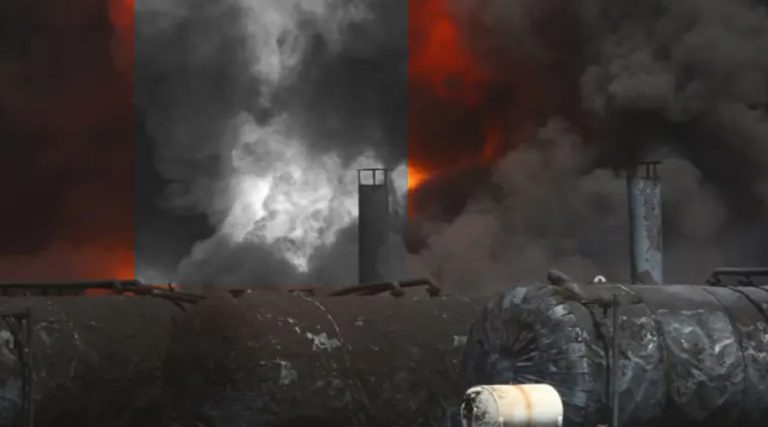
According to the UNDP, the war has caused approximately $88.3 billion in damage to Sudan’s electrical systems. Officials from the electricity department report that generation capacity has dropped sharply from around 4,400 megawatts prior to the conflict to approximately 1,100 megawatts now. Numerous power plants have suffered drone attacks by the RSF, and the conflict has also triggered a shortage of skilled technicians. Nearly half of qualified students and technicians have left the country since 2023, resulting in routine blackouts lasting up to 16 hours daily in some areas.
Increasing Demand for Solar Solutions
Amid deepening electrical shortages, advertisements and billboards for companies selling solar panels, batteries, and inverters have proliferated along streets in the capital. Mohe Edin Abu-Berk, who installs solar systems in Khartoum, observes that while installation costs impose a heavy financial burden on low-income households, solar energy has become an indispensable alternative for many.
“Installing a solar system with about 10 kilowatt capacity for an average home can cost around $5,000,” Abu-Berk explains. “This represents a significant sacrifice for families with limited income, but it is an unavoidable option. However, many families cannot afford this expense.”
Randa Al-Mansour, whose husband works in Saudi Arabia and sends remittances to cover household expenses, acknowledges that although her family chose solar energy, most Sudanese families remain unable to install such systems.
Healthcare Sector Faces Severe Electricity Crisis
The power crisis extends beyond households, severely impacting healthcare. Forty-three-year-old government employee and diabetic patient Manhel Madani requires continuous electricity to store insulin safely. Frequent outages force her to discard spoiled medication repeatedly.
“Every three to four days, due to heat and power cuts, I have to throw out my entire stock of insulin,” she shares. Living with her mother and sisters in a two-bedroom home in Omdurman, Madani struggles to cope with heat inside the house during blackouts, often sleeping in the courtyard to avoid the extreme temperatures. She notes that many pharmacies lack the solar systems essential for proper medication storage, affecting the availability of critical drugs.
The Sudan Doctors Network has warned that ongoing power interruptions threaten patients in hospitals, especially those requiring continuous treatment and specialized equipment, such as kidney patients.
Challenges to Wide Solar Adoption
According to the World Bank, at least 30 percent of Sudan’s population lacks access to electricity, with rural areas disproportionately affected. The United Nations highlights Sudan’s high solar potential, receiving over 4,000 hours of sunlight annually. Despite this, the steep initial costs of imported solar systems combined with the continuous devaluation of the local currency create significant barriers to widespread adoption of solar energy among ordinary citizens.











%20-%20Copy.jpg "House for Sale at Siddhipur")
%20-%20Copy.jpg "House for Sale at Cozy Homes, Imadol")
.jpg "Bungalow House for Sale at Bhandari Marg")
.jpg "House for Sale at Imadol")
.jpg "Bungalow House for Sale at Dholahiti")




Comments 4