Advertisement1200×100-inside-1

Tag: featured

Nepal Drops One Spot in FIFA World Rankings

October 8, Kathmandu – The Nepalese national football team has slipped one position in the latest FIFA World Rankings. According to the update released by FIFA on Thursday, Nepal now ranks 178th. The national team last played an international match on March 31, suffering a defeat against Laos. This match took place six days after ANFA was suspended by the Asian Football Confederation (AFC). Since then, Nepalese football has seen no international activity or progress. Nepal was suspended by FIFA on June 24.

In South Asia, India remains the highest-ranked team, holding the 138th position. During the recent international break, India played home friendly matches against Panama, Brazil, and Uruguay. Afghanistan ranks 168th, Maldives 173rd, Bangladesh 182nd, Sri Lanka 184th, Bhutan 192nd, and Pakistan 197th. Among Asian teams, Japan leads at 17th place, followed by Iran at 23rd and Australia at 26th position.

Clashes Between Houthi Rebels and Yemeni Forces Leave Over 270 Dead in 24 Hours

October 7, Kathmandu – More than 270 people have died in clashes between the Iran-backed Houthi rebels and Yemeni government forces in Yemen.

The fighting intensified across the country last month after the Saudi-backed Yemeni government launched counteroffensives to retake areas seized by the Houthi rebels.

According to the news agency AFP, over 270 deaths were reported on both sides within a 24-hour period.

Houthi rebels launched missile and drone attacks, resulting in the deaths of 115 government soldiers and injuring dozens more.

The epicenter of the violence is located in Yemen’s southwestern region, near the Bab al-Mandab Strait, an area considered strategically vital for global energy supply routes.

At the same time, a Houthi military source told AFP that 160 of their fighters have been killed in the last 24 hours.

According to the source, many of these casualties occurred during Saudi airstrikes in areas under Houthi control.

Congress Alternative Group Forms Three Committees Ahead of 15th General Convention

The Nepali Congress alternative faction has established three committees — Discipline, Drafting of Constitution, and Membership Management — to prepare for the 15th General Convention. Dr. Shashank Koirala appointed Padmanarayan Chaudhary as the Coordinator of the Discipline Committee, Shivprasad Humagain as Coordinator of the Drafting Committee, and Kiranraj Sharma to oversee Membership Management. These details were provided by Deepakprasad Kuikel, the Contact Office Coordination Coordinator for the group. (29 Bhadra, Kathmandu)

The alternative faction of the Nepali Congress has formed three dedicated committees as part of preparations for the party’s 15th General Convention. Dr. Shashank Koirala, the Chairperson of the convention preparation committee, announced the coordinators for the Discipline Committee, Drafting Committee of the party constitution, and Membership Management Committee. Padmanarayan Chaudhary leads the Discipline Committee, Shivprasad Humagain oversees the Drafting Committee, and Kiranraj Sharma heads Membership Management. These appointments were confirmed by Deepakprasad Kuikel, the contact office coordinator of the group led by Dr. Koirala.

Nepal Academy of Fine Arts Announces Fellowship Program for Young Artists

The Nepal Academy of Fine Arts has opened applications for the ‘NAFA Studio Fellowship 2083,’ targeting Nepali artists aged 18 to 30. The academy has announced that this fellowship program will be conducted in two phases. The primary aim of the program is to encourage the creative capacities and professional development of young artists.

According to NAFA, the first phase of the fellowship will run from Mangsir to Poush 2083 (approximately mid-November to mid-January), and the second phase will continue from Magh to Falgun (mid-January to mid-March). In each phase, three artists will be selected, totaling six fellows. Selected artists will receive two months of free studio space, art supplies, technical support, and promotional opportunities through the academy’s social media platforms.

Applicants must be Nepali citizens practicing contemporary art forms including painting, sculpture, printmaking, craft, traditional art, folk art, ceramics, mixed media, installation art, and graffiti. Interested artists should submit a copy of their citizenship certificate, CV, portfolio of works, artist statement, work plan, and a recent photograph.

6 Things That Trigger Memories for Those Raised in the 1980s

Millennials who grew up in the 1980s spent their childhoods playing with marbles, billycan tops, matchsticks, watching black-and-white TVs, and adjusting antennas. Do you recall playing football with just a few socks? Or cutting old slippers to make a toy car? Jumping up to tuck marbles into your pockets deep in your trousers? Filling your nose with snuff to enjoy Ghurra candy? If you answered “yes” or “that’s how I did it” to these, it’s certain you were raised in the 1980s.

What did you see and play back then? During black-and-white television times, children experienced a colorful childhood. You eagerly turned antennas to tune the 14-inch TV, exchanged marbles noisily with friends while the teacher taught, and raced quickly with rings made from pipes. Today, social media buzzes with nostalgic discussions, bringing the 1980s back to life. Many reminisce about their childhood because the millennials raised in the 80s truly had vibrant early years. They didn’t sit leisurely on sofas engrossed in mobiles.

They weren’t busy with video games or TikTok. Instead, they grew up running, jumping, falling, and playing in dusty yards and fields. Recalling those days excites them even now. There are special things that bring these generations back to their childhoods. Marbles once brought immense joy upon seeing colorful glass spheres. You made your own billycan top to play with.

Matchsticks were neither a game nor food, but they take you back to the 80s. Electricity was limited to only cities, so lighting matchsticks was common then. The black-and-white TV and antenna instantly invoke childhood memories when you see a 14-inch black-and-white television today. Ghurra candy, tied with thread, was both a sweet treat and a toy. This inexpensive candy brought great joy to children of the 80s. The Suttle chocolate ensured that this generation didn’t develop a junk food addiction because there were limited food options in the market at the time.

Displaced Families Return to Risky Settlement in Risang After Floods

News Summary

  • Nearly 300 displaced families from Risang, Bheri Municipality-2, Jajarkot, have returned to a hazard-prone settlement due to lack of safe housing.
  • The flood and landslide on August 15 resulted in four deaths, ten injuries, and complete destruction of homes for 14 families in Risang.
  • Although data has been collected for temporary housing for the fully damaged families, a decision on permanent resettlement has yet to be made.

September 14, Surkhet – Families displaced by the flood and landslide in Risang, Bheri Municipality-2, Jajarkot, on August 15 have been forced to return to their original settlement despite the risks, as they have not been provided with safe housing alternatives. Most displaced families, initially relocated to safer areas following damage to their homes and the village, have returned to the hazardous original location.

According to Ward Chair Bhimbahadur Karki, the disaster caused four deaths and injured ten people, with approximately 300 households at risk in Risang. Due to the slow progress in building permanent houses or carrying out resettlement, families have been compelled to move back to their vulnerable homes.

Ward Chair Karki explained, “Data has been collected for the 14 families whose houses were completely destroyed, and the process for temporary housing construction is underway. Forms will be distributed on September 16. However, the exact location for resettlement has not yet been confirmed.” With no decision on safe locations or housing, affected families remain uncertain.

He added, “Only for completely destroyed houses have the forms and letters for housing construction been issued, but where to build these houses has not yet been decided.”

Approximately 300 families remain at risk

About 300 displaced households have returned to their risk-prone homes and settlement since the disaster. Despite the landslide threat, lack of alternative safe housing has forced families to return. Ward Chair Karki stated that the displaced families’ maize fields, livestock, and household belongings remain in the risky area. Due to the need for farming and livestock raising, these families cannot stay long in safer locations.

“Families have to return to hazardous homes because their maize crops, livestock, and belongings are there,” he said.

No instructions have been received so far regarding form distribution or initiating resettlement processes for these at-risk families.

“Forms and letters for house construction have been sent only to the families whose houses were completely destroyed. There is no information yet for the other displaced families who are at risk,” he added.

Displaced families living in tents near schools

Some families forced to leave their homes after the flood remain temporarily housed in tents. According to Ward Chair Karki, five families live near Bishnu Primary School and fourteen near Risang School. Prolonged stays in tents have resulted in issues related to rain, cold, and basic necessities, especially drinking water.

“Currently, there is a problem with water supply. Also, there has been no final decision on where to build houses for the displaced,” Karki said. The tents built near maize fields in coordination with the municipality are making daily life difficult for these families.

Relief supply sufficient for three months

The Karnali government and local authorities have provided relief materials that are sufficient for about three months, according to Ward Chair Karki. “The provincial government has provided good relief support,” he noted.

However, while the immediate needs are met, permanent solutions for safe housing, drinking water, and long-term resettlement remain urgent.

Priority given only to families with total destruction

Post-disaster resettlement directives prioritize only families whose houses were completely destroyed. Accordingly, the ward office has collected data on 14 such families and is moving forward with housing construction processes. No processes have yet begun for partially damaged or still at-risk households.

This situation has further added uncertainty for the at-risk families. Even though their homes are uninhabitable, without initiated construction or plans for safe, long-term residence, they have returned to hazardous settlements.

Resettlement decisions fall under local government and administration

Senior Divisional Engineer Sushil Kumar Shrestha of the National Disaster Risk Reduction and Management Authority stated that resettlement decisions are made by the local level and Chief District Officer.

“The municipality and the Chief District Officer make these decisions. We are not involved,” he said. The local authorities should assess the affected families’ conditions and risks to decide on safe locations and resettlement, but lack of clear plans for nearly 300 at-risk families has led them to return to old, unsafe settlements.

Relief provided but safe shelters remain elusive

Though immediate relief has reached Risang’s affected families, the problem of safe housing persists. While plans to assist 14 completely destroyed families are progressing, uncertainty remains regarding resettlement for the 300 at-risk households.

With four deaths and ten injuries from the disaster, families returning to risky settlements face ongoing security challenges. Displaced resident Dhankala Bik emphasized that safe housing must be coupled with livelihood support, especially since many families cannot leave farming and livestock activities.

Though immediate relief is necessary, the primary focus must be on providing safe homes and sustainable resettlement. Many displaced families remain in tents, while at-risk families have returned to their vulnerable homes. However, questions regarding when and where safe resettlement will happen remain unanswered.

The Moonlight Reflects Mithila’s Deep Faith

Summary

Prepared after careful review.

  • This year, Teej and Chauth Chandra festivals fall on the same day. Chauth Chandra is observed on the evening of Bhadra Shukla Chaturthi in Mithila.
  • It is customary to offer water to the moon for the family’s well-being and the long life of children.

Across the country, we celebrate a variety of festivals, each possessing its own unique identity. While Teej is predominantly celebrated in the hill regions, its influence has spread to the Terai-Madhes as well. Traditionally confined to certain cultural practices, these festivals are now widely celebrated by diverse communities. Usually, Teej occurs a day before Chauth Chandra, but occasionally both festivals coincide, as they do this year.

The women of Mithila observe the Teej fast, and similarly, the Chhath festival, traditionally linked to the Terai, is no longer confined to that region alone. Such cultural exchanges illustrate the evolving nature of our society, where people from different backgrounds warm to and respect each other’s beliefs, traditions, and festivals.

Teej and Chauth Chandra each have their own stories. During Teej, devotees pray for the love of Lord Shiva and Parvati, the health of their husbands, and marital happiness. In a similar manner, during Chauth Chandra, families in Mithila offer water to the moon in their courtyards to pray for peace, prosperity, and the long life of their children.

Both festivals deeply embody women’s faith, fasting, and prayers for their families’ welfare, showcasing the cultural diversity of Nepal in distinct ways. This diversity highlights the rich tradition of Nepal’s cultural mosaic.

On the evening of Bhadra Shukla Chaturthi, as the heat of the day gradually subsides, households are meticulously cleaned. Courtyards are plastered with cow dung and prepared with decorative floor art—’Ari-pana’—made from rice flour and wild grass. Sometimes, puja items are placed on rooftops. Aromas of traditional dishes such as Tekhuwan, puri, kheer, and curd emanate from the kitchens. Women eagerly await the moonrise, anticipating blessings for their children.

When the moon appears on the horizon, family members gather with fruits, sweets, and items for worship, offering water as an arghya (ritual offering) to the moon. This luminous tradition is known as ‘Chauth Chandra’ in Mithila—an enduring cultural practice intertwined with life and family.

To Look at the Moon or Not?

In the local dialect of Mithila, Chauth Chandra is also called Chauthichand, Chauthichhan, or Chauthachandra. This festival is celebrated on the evening of Bhadra Shukla Chaturthi, coinciding with Ganesh Chaturthi. It holds significant cultural importance in Nepal’s Madhes and Koshi provinces’ Maithili-speaking areas, as well as northern Bihar in India.

There is a prevalent belief in Mithila that one should not look at the moon on Ganesh Chaturthi. The paradox is that on the very same day, people reverently perform worship and offer arghya to the moon. This contradiction adds allure to the Chauthichand festival.

During Chauth Chandra, those who offer water to the moon pray for their family’s well-being, peace, and the long life of their children. Therefore, the festival is not just about lunar worship but a celebration of family welfare.

A famous tale associated with Chauth Chandra concerns looking at the moon and the imposition of a curse. According to local belief, looking at the moon on Ganesh Chaturthi may bring misfortune. In some communities, this superstition is linked to accusations of theft or character defamation, leading some religious traditions to advise avoiding the moon on that day.

One story recounts how Lord Ganesh was once mocked by the moon in an embarrassing manner, inciting Ganesh’s anger, who then cursed anyone who looked at the moon on Bhadra Shukla Chaturthi to suffer disgrace. Later, when the moon sought forgiveness, the curse was softened. Legend says that if the moon is worshipped and offered arghya on that day, the stigma can be lifted.

The moon worship in Chauth Chandra originates from this local narrative, but the significance doesn’t end there. The festival is also linked to a story from the Srimad Bhagavat Mahapurana connected to the Syamantaka jewel, in which Lord Krishna was falsely accused of theft but later proved innocent. This tale traditionally relates to the stigma surrounding moon-gazing.

Chauth Chandra in the Courtyards of Mithila

On the day of Chauth Chandra, households are cleaned and courtyards adorned with cow dung plaster. The ‘Ari-pana’ floor art, crafted from rice flour and wild grass, is drawn—a traditional Mithila art form symbolizing religious faith, natural elements, and life forces. Items such as incense, lamps, flowers, rice grains (akshata), wild grass (singha), and other sacred offerings are placed inside these designs. Homemade delicacies like Tekhuwan, puri, khajuriya, curd, kheer, sweets, fruits, and popped grains are offered, which differ based on the region and family. In some places, curd is fermented in earthen pots. Seasonal fruits like bananas, cucumbers, and jujubes are also part of the offerings.

As evening falls and the moon rises, family members gather on rooftops or courtyards with the puja materials. Women observing the fast complete the ritual of offering water to the moon, while all family members pray for the long life, happiness, and prosperity of their children. After the worship, prasad is distributed to conclude the fast. Joy and harmony in the family shine brighter than the sweets shared.

Respect for Offerings, Nature, and Labor

The prasad of Chauth Chandra represents the relationship between natural resources and human labor. Rice comes from the fields, milk from livestock, and fruits are gifts of nature. Tekhuwan and puri are homemade in kitchens, reflecting the sweat of farmers, the efforts of herders, and the dedication of homemakers. This festival symbolizes the close bond of compassion between humans and nature.

Thus, Chauth Chandra’s offerings are not merely religious sacrifices but expressions of gratitude for food, labor, and nature. Mithila’s agricultural culture deeply connects the moon, seasons, rain, and harvest. Under the gentle moonlight, offering water expresses thankfulness for life’s sustenance.

Changing Times and Chauth Chandra

Today, many village courtyards that were once earthen are now cemented. Joint families are breaking into smaller units. Young people move to cities or abroad for work and study. Yet, the faith in Chauth Chandra remains unwavering.

In some places, lamps still burn in village courtyards; in urban areas, Ari-pana is decorated on rooftops. Daughters and daughters-in-law living abroad participate in the festival through video calls. Although traditions are evolving and forms are changing, the devotion for family well-being and cultural reverence continues to thrive.

Contract Agreements for 10 Road Projects Terminated in Baitadi

The Road Division Office in Baitadi has terminated contract agreements for 10 road projects that failed to complete work within the stipulated timeframe. The office ended contracts related to maintenance, upgrades, and road safety works on the Mahakali, Jayaprihti, Mid-Hill, and Satbanjh–Gokuleshwor–Darchula roads. According to Information Officer Kapil Prasad Pant, the concerned contractors will be recommended for blacklisting, and their security deposits and guarantees will be recovered. Reported on 29th Bhadra, Baitadi.

The Road Division Office, Baitadi, has ended contracts for 10 road projects due to delayed construction. In a statement issued Monday, the office declared that contracts were terminated for projects that had not progressed or completed work as scheduled. The terminated projects involve repair, upgrade, and road safety work on the Mahakali Highway, Jayaprihti Highway, Mid-Hill Highway, and Satbanjh–Gokuleshwor–Darchula roads. Information Officer Kapil Prasad Pant confirmed that the contractors will be recommended for blacklisting and that performance guarantees, deposits, and remaining advance payments will be recovered in accordance with applicable laws.

Is Your Child Concerned About Their Physical Appearance? Try These 5 Strategies

Parents should focus on praising their children’s abilities and skills without discussing their physical appearance, and teach them not to compare themselves with others. Many children may experience anxiety about their body shape or appearance, which can lead to low self-confidence. This does not just cause unhappiness; it can also negatively affect their studies, sports, and other activities. Parents must pay special attention to boosting their child’s confidence and helping them concentrate successfully on building their future.

In such situations, parents may feel uncertain about how to reassure their children and maintain their self-esteem. Here are some effective strategies to consider: 1. Develop a positive attitude toward the body: Avoid discussing your own or others’ appearance or skin color in front of your child. Parents are the primary role models for children; when parents display confidence in themselves, children tend to develop the same quality. 2. Focus on abilities rather than appearance: It is important to shift your child’s attention from their looks and body to praising their physical activities or accomplishments. For example, if your child excels at jumping or running, acknowledge that achievement. Emphasize that a healthy body is more important than a beautiful one.

3. Raise awareness about media influence: Along with positive conversation, inform children about the negative effects of media portrayals to protect their thinking from adverse impacts. Also, explain that everyone’s body shape is different, and comparing oneself to others is inappropriate. 4. Foster self-love and respect: Teaching young children to respect their bodies is crucial. This helps prevent feelings of inferiority in the future. Not every part of the body needs to be attractive, but being healthy and strong is wise, and this should be emphasized. 5. Address your child’s emotions with empathy: If your child feels worried, discouraged, or ashamed about their body or skin color, respond with loving and understanding support instead of anger or complaints. Open communication makes it easier for children to share their feelings with parents and reduces hesitation.

Dollar Rate Stable Today; Exchange Rates for Other Foreign Currencies Announced

News Summary

Prepared following editorial review.

  • The Nepal Rastra Bank has set today’s buying rate for the US dollar at NPR 152.59 and the selling rate at NPR 153.19.
  • The central bank has also established exchange rates for other foreign currencies including the Euro, Pound, and Yuan.
  • The central bank may adjust exchange rates as needed, and commercial banks may quote different rates.

September 14, Kathmandu – Nepal Rastra Bank has determined today’s foreign currency exchange rates. According to the central bank, the US dollar’s buying rate is set at NPR 152.59 and the selling rate at NPR 153.19.

Yesterday (Sunday), the dollar rate remained unchanged.

The European Euro is quoted at a buying rate of NPR 177.00 and a selling rate of NPR 177.70, the British Pound Sterling has a buying rate of NPR 206.29 and a selling rate of NPR 207.11, and the Swiss Franc’s buying rate is NPR 186.91 with a selling rate of NPR 187.64.

The Australian Dollar has a buying rate of NPR 109.41 and a selling rate of NPR 109.84, the Canadian Dollar is buying at NPR 110.00 and selling at NPR 110.44, and the Singapore Dollar has a buying rate of NPR 120.42 and a selling rate of NPR 120.89.

The Japanese Yen (per 10 units) is set at NPR 9.94 for buying and NPR 9.98 for selling. The Chinese Yuan’s buying and selling rates are fixed at NPR 22.75. The Saudi Riyal’s buying rate is NPR 40.63 and selling rate NPR 40.79, while the Qatari Riyal is buying at NPR 41.86 and selling at NPR 42.02.

According to the central bank, the Thai Baht’s buying rate is NPR 4.61 and selling rate NPR 4.63, the UAE Dirham is buying at NPR 41.55 and selling at NPR 41.71, the Malaysian Ringgit’s buying rate is NPR 37.49 and selling rate NPR 37.63, the South Korean Won (per 100 units) is buying at NPR 11.37 and selling at NPR 11.42, the Swedish Krona is buying at NPR 15.74 and selling at NPR 15.80, and the Danish Krone is set at buying NPR 23.68 and selling NPR 23.77.

The Hong Kong Dollar is quoted with a buying rate of NPR 19.46 and a selling rate of NPR 19.53. The Kuwaiti Dinar’s buying rate is NPR 497.60 with a selling rate of NPR 499.56, the Bahraini Dinar’s buying rate is NPR 404.72 and selling rate NPR 406.31, and the Omani Riyal’s buying rate is NPR 396.33 and selling rate NPR 397.89.

For the Indian Rupee (per 100 units), the buying rate is NPR 160.00 and the selling rate NPR 160.15. The Nepal Rastra Bank has indicated that it may revise these exchange rates as necessary. Commercial banks may quote different rates, and the latest official exchange rates are available on the central bank’s official website.

Improvement in Loan Demand Signals Increased Economic Activity

News Summary

  • Since mid-July of this fiscal year until September 4, commercial banks have increased loans by over NPR 4.3 billion.
  • According to the Bankers’ Association, festive seasons, relaxed loan policies, and new projects in the hotel and hydropower sectors have driven loan demand growth.
  • By September 4, the average loan-to-deposit ratio of banks reached 70.65 percent.

September 13, Kathmandu — Demand for loans at banks appears to be rising. As the festive season approaches this year, there has been an improvement in loan demand.

Since the start of the current fiscal year, commercial banks have disbursed NPR 41 billion in loans. Of the 20 operating commercial banks, there was a negative loan investment of NPR 200 million in July, but by September 4, loan investments increased by NPR 4.3 billion.

Banks had anticipated an increase in loan investment compared to last year from the beginning of this fiscal year. According to the Nepal Bankers’ Association, loan disbursement has been expanding. In the previous fiscal year, loan investments fell by NPR 1.1 billion in July but rose by NPR 4.3 billion in August.

From mid-2021 to early 2024, foreign exchange reserves continuously declined. During that period, the government even restricted imports of luxury goods. The COVID-19 pandemic and dwindling foreign reserves led the economy into recession. Reduced overall demand caused economic activities to drop, creating excess liquidity in the financial sector and reducing loan demand.

However, recently, Nepal Rastra Bank has relaxed lending policies and new projects have begun in the hotel and hydropower sectors, leading banks to forecast increased loan disbursements this fiscal year. Sudesh Khaling, CEO of Everest Bank, noted that loan growth in the first two months of this fiscal year has exceeded last year’s levels.

In the previous fiscal year, private sector loans from banks and financial institutions increased by NPR 359.36 billion, a 6.5 percent growth rate. The central bank had anticipated a 12 percent increase.

The central bank attributed the lower-than-target growth to a sluggish economy and reduced demand, completing only half of the loan investment targets. For this fiscal year, it has set an 11 percent expansion target for private sector lending. Nonetheless, loan investments are expected to rise compared to the previous year.

“Loan demand has particularly increased in the under-construction hydropower and hotel sectors,” Khaling said. “September and October are peak loan expansion seasons, coinciding with the festive period when imports also rise.”

Loans are also expected to increase due to the September 26 flood in Rasuwa. If the government increases capital expenditure for reconstruction in that area, loan disbursement should rise as per central bank targets.

With the government increasing capital spending, cement and steel production will also grow, necessitating expansion of production capacity and thus increasing loan demand. Khaling analyzed that rising imports will further stimulate loan disbursement. He added, “Loan growth tends to spike in the last month of each quarter, while the first month usually sees a downward trend.”

The Rasuwa flood has also helped boost both deposits and loans within the financial system. Foreign aid inflows will increase deposits further, he noted. “This time, government spending will drive higher loan demand, stimulate economic activity, and boost consumption.”

Most loans being disbursed are previously approved. Given the massive reconstruction needs after the Rasuwa flood, the central bank’s relaxed lending policies, excess liquidity, and reduced interest rates, the potential for increased loan disbursement is high.

By September 4 this fiscal year, deposits of commercial banks increased by NPR 6.4 billion, while loans rose by NPR 4.3 billion.

By that date, banks’ average loan-to-deposit ratio stood at 70.65 percent. Banks have the capacity to raise this ratio to 90 percent. To date, total bank deposits have reached NPR 7.54 trillion.

Meanwhile, loan investments have reached NPR 5.33 trillion, according to the Bankers’ Association. However, Nepal Rastra Bank reported that by September 8, total deposits of banks and financial institutions reached NPR 8.33 trillion, while loans had increased to NPR 5.998 trillion.

During this period, the average loan-to-deposit ratio of banking and financial institutions was 71.35 percent, the central bank said.

Nearly 500 Permits Issued for Mountain Climbing This Autumn Season

As of Friday, 498 individuals have obtained climbing permits for the upcoming autumn season. For Manaslu mountain climbing, 451 climbers from 38 teams have secured permits, including 120 women. This season, the government has collected 2.11 billion Nepalese Rupees in royalty fees from climbers as of Friday. (September 13, Kathmandu)

Despite the significant impact of the Rasuwa-Bhotekoshi flood on the tourism sector, adventure tourism has not experienced a major decline. The number of permits issued for mountain climbing this autumn is approaching 500. According to the Department of Tourism, 451 climbers, including 120 women, have obtained permits for Manaslu. Members of a total of 38 teams have been authorized.

Additionally, three climbers have received permits for Makalu mountain. For Dangga mountain, two groups comprising 16 climbers have permits, while for Dhaulagiri, two groups totaling 19 climbers have been authorized, according to the Department of Tourism. Furthermore, two climbers have obtained permits for Gangapurna mountain and seven for Thorong Peak. This season’s permits have been granted to climbers from 63 countries.

The largest group of climbers is from China, including 100 individuals and 29 women. Following that, 53 climbers are from Russia, 37 from the United States, and 28 from the United Kingdom. Additionally, France has issued permits to 27 climbers, while Germany and Japan each have 16 authorized climbers.

Anilkumar Sah Elected Unopposed as President of Morang Industry and Trade Association

September 14, Biratnagar – Anilkumar Sah has been unanimously elected as the president of Morang Industry and Trade Association, one of Nepal’s oldest and most prestigious business organizations. Alongside Sah’s unopposed selection as the president of the association’s 35th executive committee, Anil Sarda was chosen as senior vice president, Vikas Kumar Begwani as vice president for commerce, Sanjay Kumar Shrestha as vice president for industry, and Amit Kumar Sarada as general secretary.

The new executive committee also includes Amit Rathi and Dipesh Subedi as secretaries, Vinit Sanghaniya as treasurer, and Manish Maru as deputy treasurer. The spokesperson duties were assigned to Sushil Surana.

Committee members selected are Rajesh Kumar Agrawal, Vivek Agrawal, Anveet Ghimire, Pawan Rathi, Devashish Golcha, Bedant Jaju, Dr. Bandana Jain, Lokesh Tiwdewal, Dhiraj Mohta, and Omprakash Sharma. Invited members include Dr. Deependra Naulakha, Amit Agrawal, Shruti Sharma, Pankaj Dagad, and Vikas Agrawal. From the women entrepreneur committee, Sadhana Jha was appointed coordinator and Gina Shrestha deputy coordinator. The tenure of the new executive committee is set for two years.

Discussion on Post-Disaster Recovery, Investment Promotion, and Employment Generation

Bagmati Province Chief Minister Kiran Thapa Magar and Federation of Nepalese Chambers of Commerce and Industry (FNCCI) President Anjan Shrestha held talks in Teku focusing on post-disaster industrial and business recovery, investment environment, and employment opportunities. Shrestha expressed FNCCI’s readiness to support the establishment of a “Disaster Employment Bank,” skill-based training, and the development of new markets in affected areas. Chief Minister Thapa proposed working with the private sector under a public-private partnership (PPP) model for reconstruction, children’s education, and infrastructure development in the impacted districts. The meeting took place on 28 Bhadra in Kathmandu.

On Sunday, Chief Minister Kiran Thapa Magar and FNCCI President Anjan Shrestha met at the FNCCI Secretariat in Teku. The discussion covered damages caused by floods and landslides in Rasuwa and other districts, restoration of affected industries and businesses, enhancing the investment climate, job creation, and revitalizing economic activities in the province. Both parties committed to strengthening coordination and collaboration to identify concrete areas for advancing the province’s economic development, expanding private sector investments, and promoting entrepreneurship effectively in the coming days.

During the meeting, President Shrestha highlighted FNCCI’s active role in relief, rescue, and recovery efforts following the disaster and assured the federation’s cooperation with the provincial government to create a conducive environment for resuming operations of affected industries and businesses. He stated, “To make collaboration with the province more impactful, FNCCI is positive about expanding investment and entrepreneurship in Bagmati Province. We are also willing to work on establishing new local markets, hospitals, and rebuilding schools.”

Chief Minister Thapa acknowledged the private sector’s commendable contribution to the restoration and reconstruction of affected areas. He emphasized the need for partnership with FNCCI to support education for children affected by the disaster, job creation, and the revival of the local economy. Additionally, he proposed implementing public-private partnership (PPP) models for road and other infrastructure development projects across Bagmati Province.

Karnali Province Allocates NPR 213.5 Million for Five Major Tourist Destinations, Sets Foundation for Tourism Decade

News Summary

Reviewed.

  • The Karnali Province government has allocated NPR 213.5 million for the conservation and development of Rara, Kankrebihar, Bulbule, Kupinde, and Syarpu.
  • The province has earmarked NPR 538.6 million for tourism promotion and infrastructure development including parks, gardens, trails, and viewpoints.
  • Minister Kalyani Khadka stated that the Karnali Tourism Decade aims to create employment through conservation, infrastructure improvement, accessibility expansion, and skill development.

September 13, Surkhet – The Karnali Province government has initiated work this fiscal year with a substantial budget for the conservation, infrastructure development, and promotion of the region’s major tourist destinations.

The province plans to invest significantly in master plan implementation and in constructing tourism infrastructure such as buildings and roads at five key tourist spots.

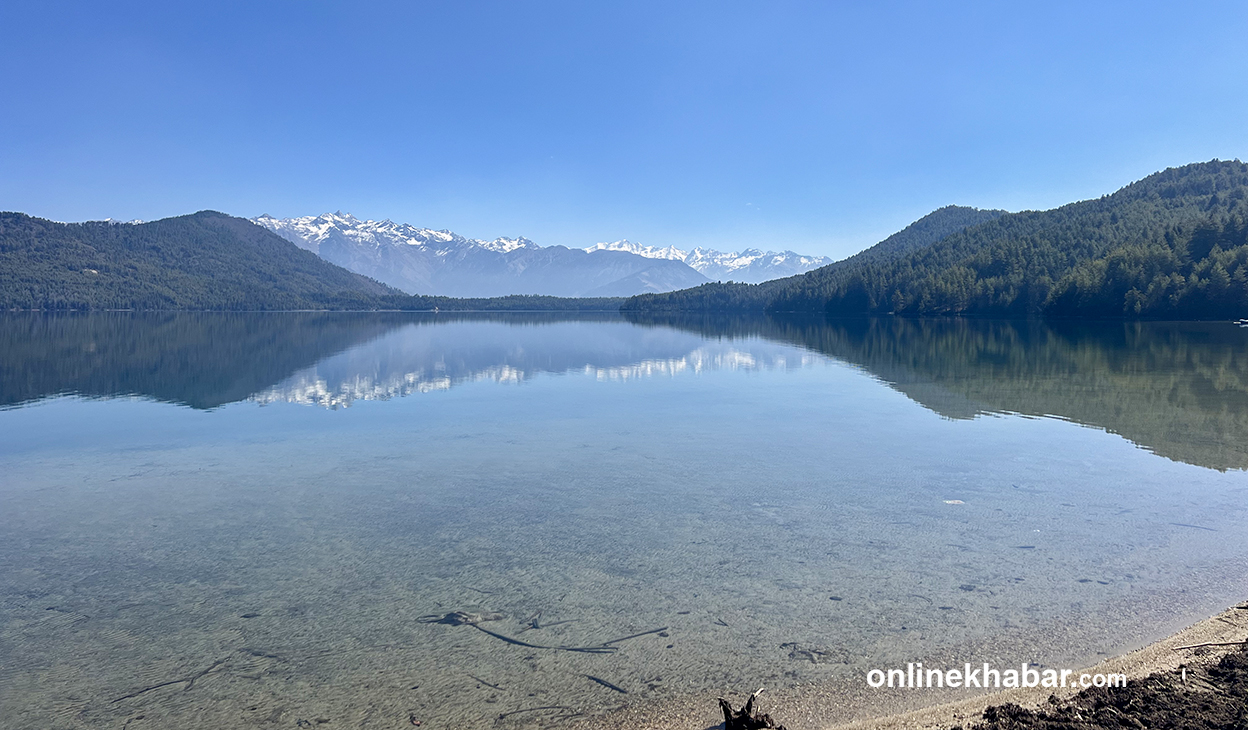
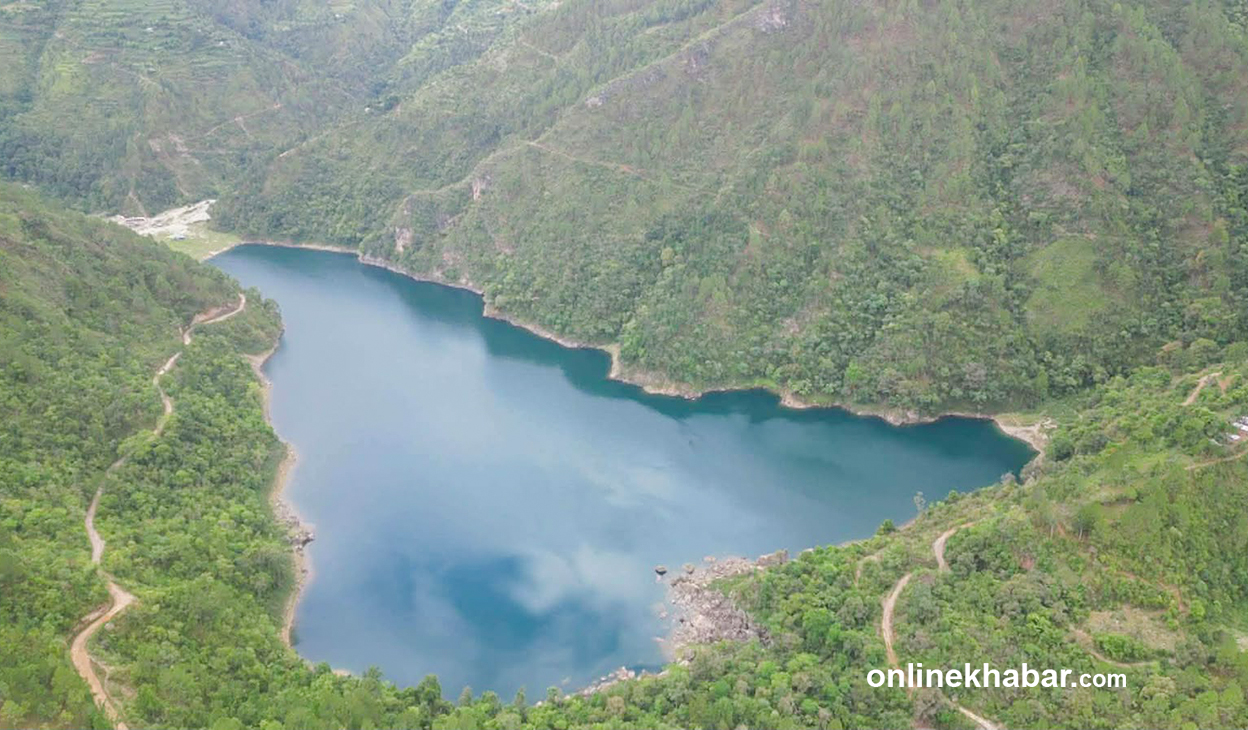
The government has allocated NPR 213.5 million for the conservation and development of Rara Lake in Mugu, Kankrebihar in Surkhet, Bulbule Garden and Chauhan Park, Kupinde Pond in Salyan, and Syarpu Lake in Western Rukum.

Budget statement point 50 for fiscal year 2083/84 emphasizes effective implementation of the master plans for these destinations.

Focus on Master Plan Implementation

Along with destination development, the government has allocated NPR 538.6 million for overall tourism infrastructure, including parks, gardens, open spaces, foot trails, and viewpoints, as well as improvements to natural, religious, and cultural infrastructure.

According to Industry, Tourism, Forest and Environment Minister Kalyani Khadka, the policy is to advance Karnali’s tourism by improving infrastructure, services, and destination management.

“The government has allocated a substantial budget for the development of auxiliary infrastructure linked to tourism,” she said. “Efforts will be made to enhance urban aesthetics through parks, gardens, trails, viewpoints, and tourism infrastructure related to natural, religious, and cultural sites.”
Prioritizing Destinations from Rara to Syarpu

The five prioritized tourist areas hold unique cultural and natural significance for Karnali. Rara Lake in Mugu is renowned for its natural beauty and is considered a premier tourist spot in the region, while Kankrebihar in Surkhet carries archaeological and historical importance.

The government has plans to integrate Bulbule Garden and Chauhan Park with urban tourism.

Kupinde Pond in Salyan and Syarpu Lake in Western Rukum are targeted for development as natural tourism destinations.

The Ministry of Industry, Tourism, Forest and Environment of the province has listed these sites as Karnali’s key tourist destinations, Minister Khadka shared.
Tourism Decade Aims to Create Employment

The provincial government is not limiting tourism to destination development but has adopted policies linking it to employment and local economic growth. In this regard, the ‘Karnali Tourism Decade’ will be launched.

This initiative will prioritize conservation, infrastructure development, improved accessibility, promotion, and service quality enhancement of major tourist destinations.

The government aims to use tourism as a foundation for economic transformation and job creation in the province.

Training programs will be implemented to develop skills related to hospitality, trekking guiding, indigenous architecture preservation, and promotion of local products. These efforts are expected to increase local participation and employment.
Challenges in Accessibility and Service Improvements

Although substantial investments have been announced for Karnali’s tourist spots, effective implementation remains a challenge. In the past, due to inadequate infrastructure, poor road access, hotel and water shortages, and lack of promotion, tourism development at Rara, Kankrebihar, Bulbule, Kupinde, and Syarpu struggled to progress as expected.
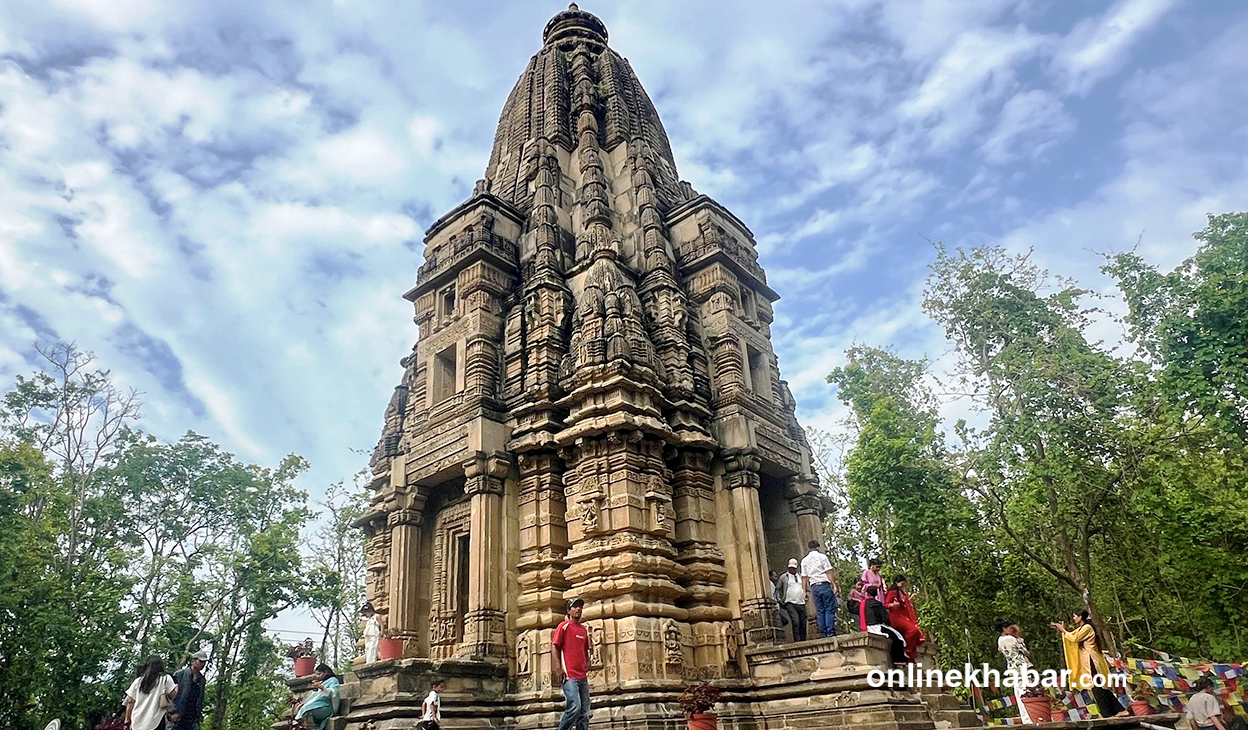
Previously, the province adopted a policy to develop tourism circuits linking Rara, She-Foksundo, Kupinde, Syarpu, Kankrebihar, Panchkoshi, and other natural, religious, and cultural heritage sites.

Now, the government is focusing not only on bringing tourists to destinations but also on creating an environment conducive to lengthening their stay. Initiatives include establishing a tourism information and archival center, informational materials, guidebooks, and safety and emergency support systems, Minister Khadka noted. Attention to other religious and tourist areas is also needed.
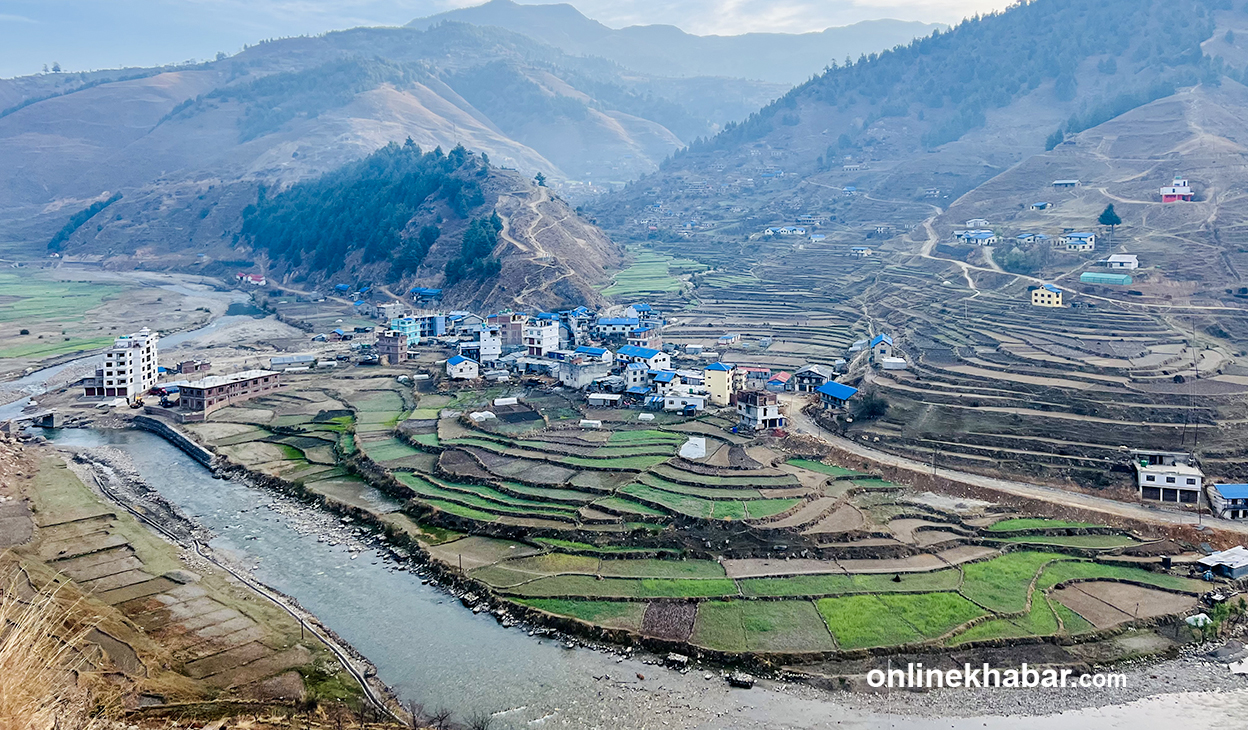
NPR 538.6 Million for Tourism Infrastructure

The government has allocated NPR 538.6 million for comprehensive tourism development, management, and promotion. The NPR 213.5 million earmarked for master plan implementation at the five key destinations forms a crucial part of this broader tourism strategy.

Karnali Province’s tourism policy emphasizes connecting tourism not only to natural beauty but also to agriculture, culture, adventure tourism, homestays, and local products. The goal is to generate income and employment at the village level by linking tourism with local cuisine, traditional architecture, culture, and lifestyle.
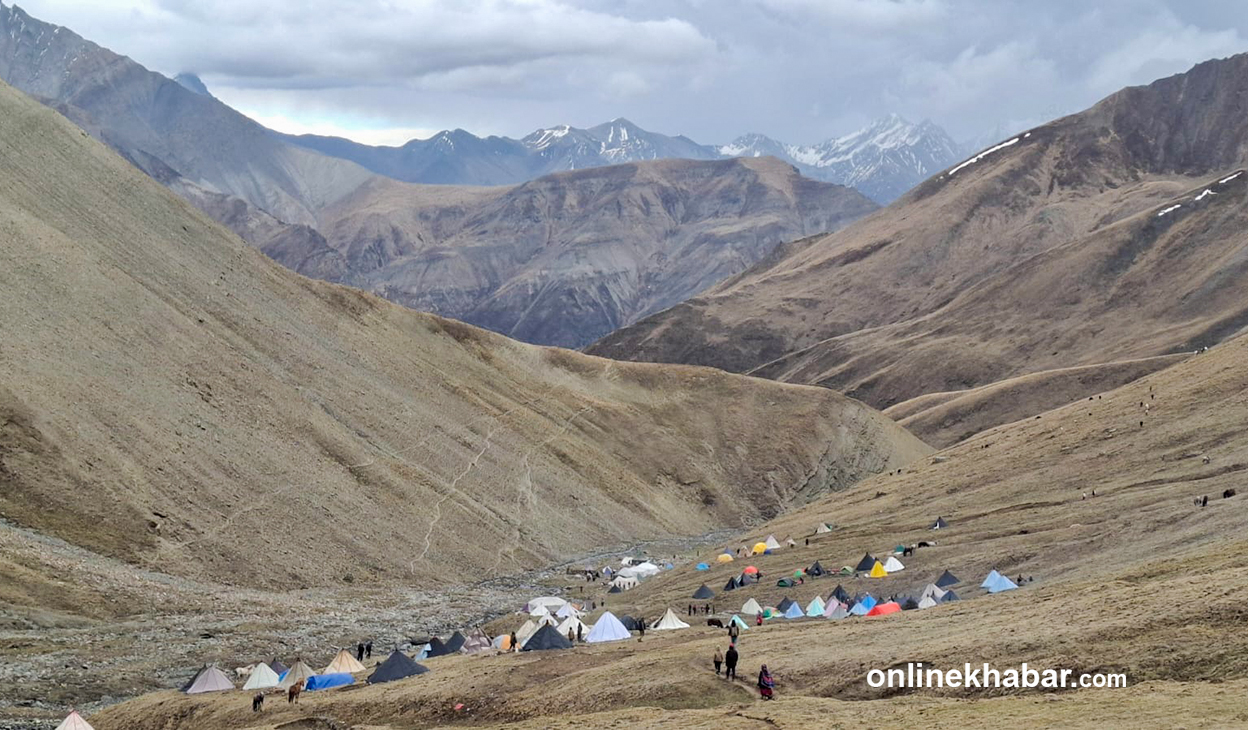
Expectations for Results from Investment

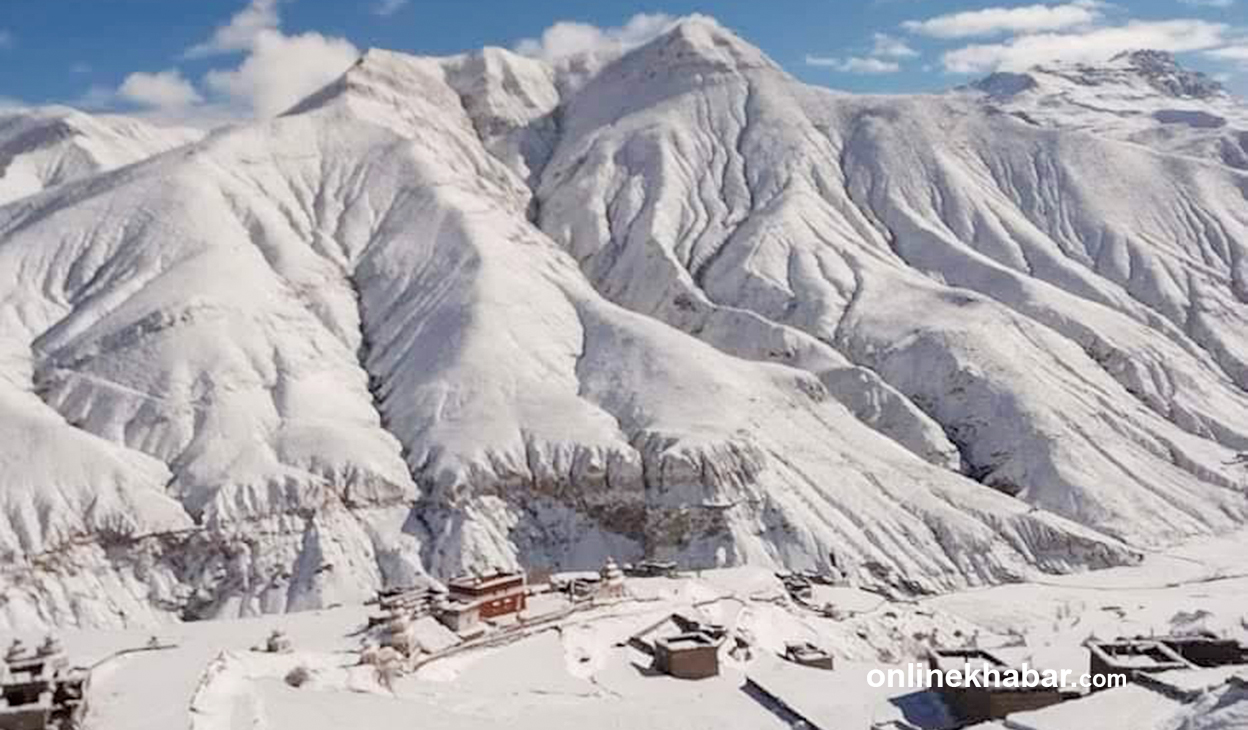
Tourism entrepreneurs and stakeholders have welcomed the budget allocation positively but emphasized the importance of effective implementation. Jitendra Jhakri, a tourism entrepreneur from Dolpa with over two decades of experience, highlighted the need for greater state investment in conserving and promoting Dolpa’s historical and religious heritage.

“Work remains to be done on preserving and promoting sites such as She Monastery and Crystal Mountain,” he said.

Karnali has numerous natural, historical, and cultural heritage sites including Rara, She-Foksundo, Syarpu, Kupinde, Kankrebihar, Panchkoshi, Sinja, and Limigau. However, business operators stress that weak road connectivity, irregular transport, accommodation shortages, inadequate water supply, communication, and information systems hinder tourist attraction growth.

Therefore, they suggest that future investment focus on destination development, accessibility, promotion, service quality, and linkages to local community income streams alongside physical infrastructure development.

If effectively implemented, the announced ‘Karnali Tourism Decade’ is expected not only to increase visitor arrivals but also to expand markets for hotels, homestays, transportation, handicrafts, agriculture, and local products. This will support using tourism as a basis for Karnali’s economic transformation.

Karnali Province is home to important natural, religious, historical, and adventure tourism areas. The prominent tourist destinations by district are as follows:
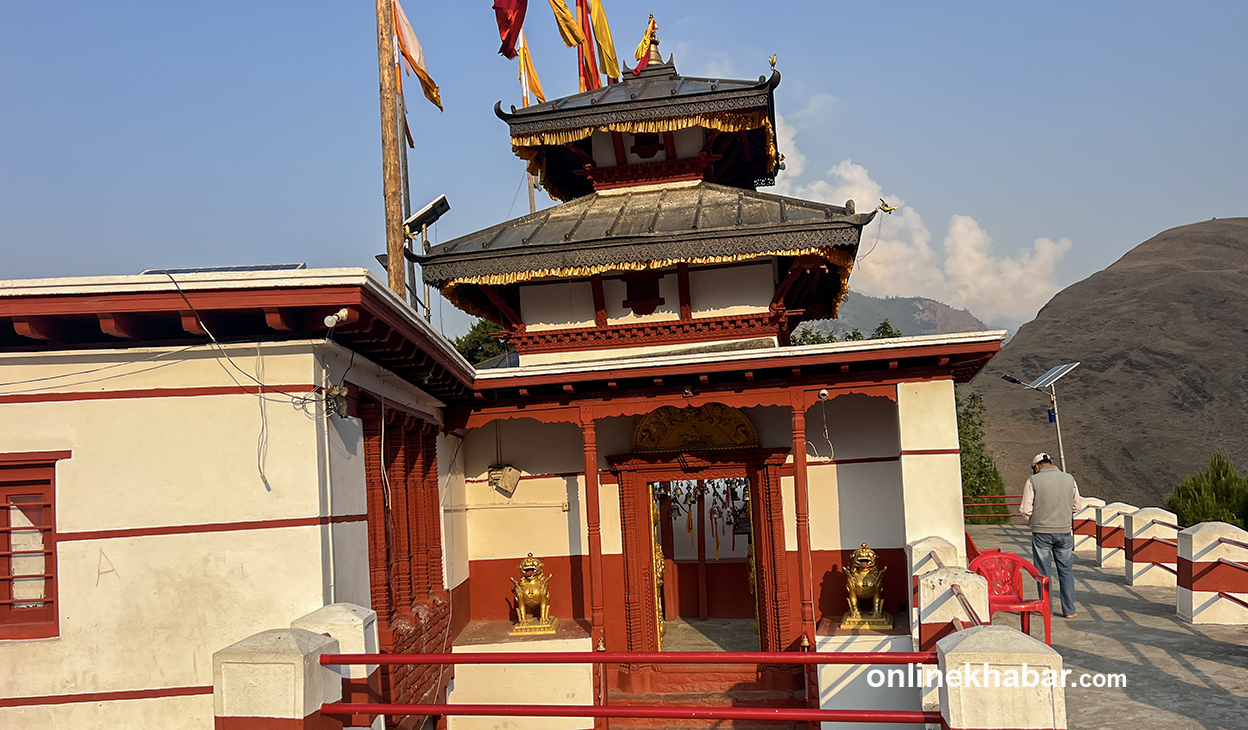
1. Surkhet

– Kankrebihar: A heritage site of historical and archaeological importance with Buddhist-Hindu significance

– Deuti Bajai Temple

– Bulbule Garden

– Siddhaila

– Tourist areas around Ganesh Chowk and Birendranagar

– Barahatal

– Chingad and Bheri River areas

2. Dailekh

– Prakash area including Shristhan, Navisthan, Paduka, and Dhuleshwor – famous Panchkoshi region

– Kotila

– Bhairavi Temple

– Historical and archaeological heritage of Dullu

– Jwala area

– Petroleum prospects and historical sites in Dailekh

3. Jajarkot

– Khalanga Palace area

– Jajarkot Palace

– Kushe area

– Bheri River and nearby natural areas

– Nalgad-Taksugad area, Barekot

– Chedagad and hilly natural landscapes

4. Western Rukum

– Syarpu Lake

– Banfikot area

– Around Chaurjahari

– Athbis Kot and Gotamkot areas

– Bheri River and hill trails

5. Salyan

– Kupinde Pond – a major tourist destination

– Khairabang Bhagwati Temple

– Chayanath and other religious and historical sites

– Natural areas around Kalimati and former Karnali-Rapti regions

6. Kalikot

– Pachal Jharna: one of Nepal’s tallest waterfalls

– Raskot region

– Mahavai area

– Tilagufa region

– Karnali River and surrounding natural landscapes

7. Jumla

– Sinja Valley: Historical origin site for Nepali language and Khas civilization

– Chandanath Temple

– Chandanath-Bhairavnath area

– Patarasi Himal

– Tila River area

– Historic and archaeological sites at Sinja

8. Mugu

– Rara Lake: Karnali’s most famous tourist destination

– Rara National Park

– Chayanath Dham

– Murmatap

– Trails and villages around Rara

9. Humla

– Limi Valley

– Ancient villages and monasteries in Limi

– Namkha area

– Simkot

– Hilsa

– Region linked to Kailash-Manasarovar pilgrimage route

– Karnali River and Himalayan trails

10. Dolpa

– Phoksundo Lake

– She-Phoksundo National Park

– Phoksundo Waterfall

– She Monastery, Bala Tripurasundari

– Ancient settlements and monasteries in Dolpa

– Phoksundo-She-Dolpa trail

– Kagmara and other Himalayan trails