Prime Minister Balendra Shah held a special discussion with industrialists regarding private sector investment in major infrastructure projects such as the Nijgadh International Airport. The Prime Minister expressed interest in how the state can facilitate investment and assured that if necessary, laws would be strictly amended to provide support. According to IME Group Chairman Chandra Dhakal, the discussion lasted almost one and a half hours, during which the Prime Minister emphasized private sector investment for large projects and job creation. (26 Bhadra, Kathmandu)
Today, Prime Minister Balendra Shah engaged in serious talks with Nepalese industrialists on ways to attract private sector investment in large and strategic infrastructure like the Nijgadh Airport. IME Group Chairman Chandra Dhakal noted that the dialogue between the Prime Minister and business leaders was very positive. The Prime Minister showed deep concern over how the state could facilitate investment and committed to amending complex laws if required to support such efforts.
Pawan Golyan, founder of Golyan Group, mentioned that the Prime Minister directly inquired about the private sector’s capability to construct the Nijgadh International Airport. He asked whether the private sector was able to realize the construction of the airport. According to Golyan, the Prime Minister listened continuously for nearly one and a half hours and actively engaged in a Q&A session during the discussion. The event was attended by industrialist Vinod Chaudhary, IME Group Chairman Chandra Dhakal, former State Minister and businessman Umesh Shrestha, and senior industrialist Pawan Golyan. MP and entrepreneur Bidushi Rana facilitated the program. Businessman Min Bahadur Gurung was also invited but could not attend due to health issues.
After the Bhotekoshi flood, 916 workers are missing from operational hydropower projects in Rasuwa, Nuwakot, and Dhading, with 13 hydropower projects and five solar plants affected.
According to an RDNA report, restoring energy and grid systems requires NPR 390.62 billion.
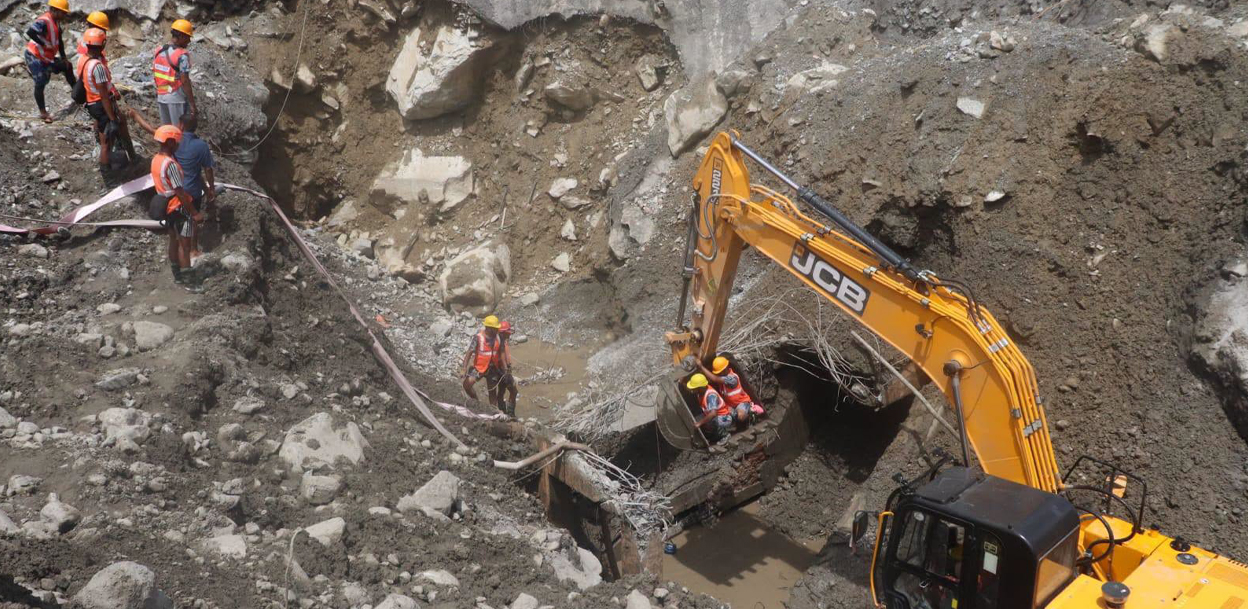
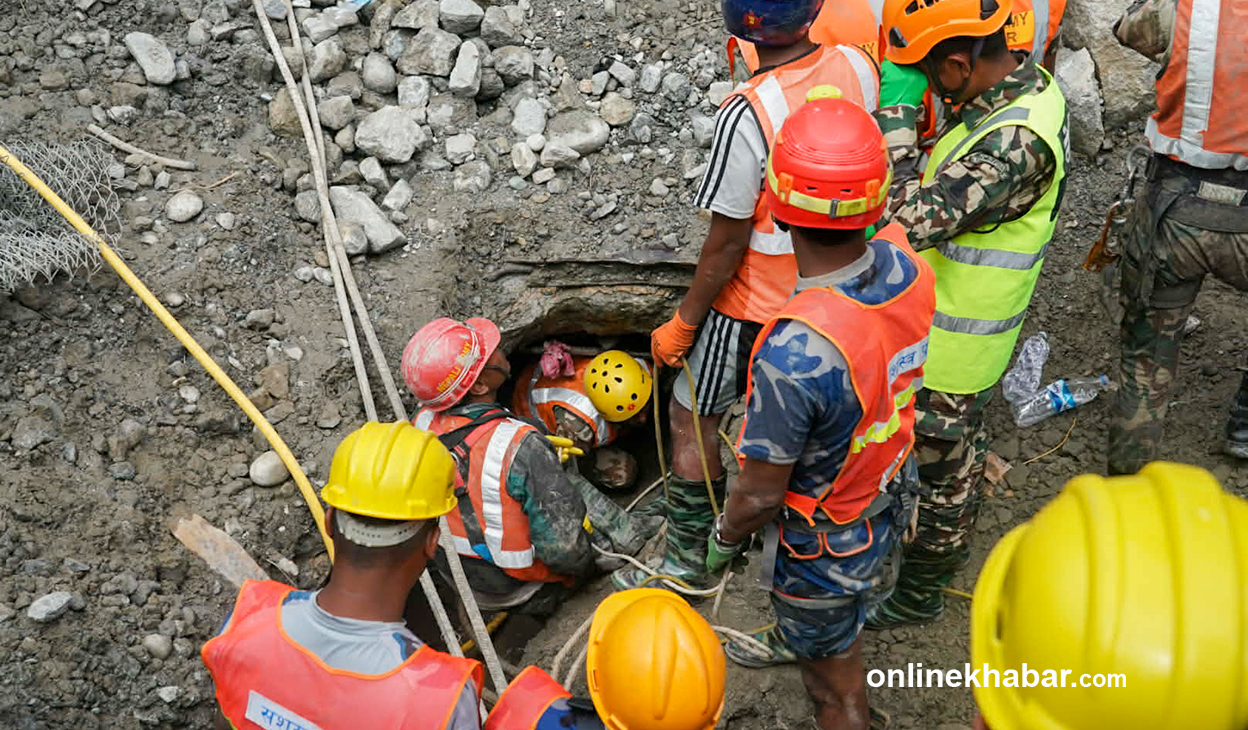
Search and rescue efforts for those trapped in tunnels and underground powerhouses involve the Nepal Army, police, project teams, and foreign technicians working jointly.
The Ministry of Energy plans to improve design guidelines and safety protocols following the Bhotekoshi incident.
September 11, Kathmandu – The devastating flood that occurred in the Bhotekoshi River on August 26 caused extensive damage to hydropower facilities in Rasuwa, Nuwakot, and Dhading districts. Beyond structural destruction, hundreds of workers remain missing and out of contact.
Data collected by the Independent Power Producers Association Nepal (IPAN) indicates that 916 workers at various hydropower projects have been unreachable since the flood. Even after 17 days, search and rescue operations for missing individuals, including those trapped inside tunnels, have not been completed.
A rapid damage and needs assessment (RDNA) report prepared by the National Planning Commission in coordination with the National Disaster Risk Reduction and Management Authority reveals significant losses in the energy sector.
The report states that 13 hydropower plants with a combined capacity of 759 MW and five solar plants totaling 24 MW have been affected. It estimates that NPR 390.62 billion is required to restore energy production and grid infrastructure.
While physical damages are extensive, the current critical concern is the search and rescue of those trapped in tunnels and underground powerhouses.
Access Issues Hampering Delivery of Equipment
Sunil Paudel, Joint Secretary at the Ministry of Energy, Water Resources, and Irrigation, said that the biggest challenge in the rescue effort has been reaching the tunnels and transporting necessary equipment to the sites.
Damage to roads and access infrastructure caused by the floods has made it difficult to bring large and complex machinery to the locations. Limited helicopter capacity has also slowed rescue operations.
Paudel said, “With no roads and helicopters unable to deliver all equipment, the rescue faces significant challenges.” Currently, efforts are ongoing to transport required machinery to the project sites. The Nepal Army leads the rescue operations, with support from the Nepal Police, Armed Police Forces, project technicians, foreign experts, and volunteers.
Technical equipment issues have also caused delays. For example, work halted for about one and a half hours when an excavator’s tooth broke but was quickly resolved.
“Because these are complex machines, some parts must be imported while others can be sourced locally. We are coordinating and managing this,” he added.
Giriraj Adhikari, director of the Upper Trishuli-1 project—where the highest number of people remain out of contact—said that heavy machinery has yet to reach the site to aid rescue. A mini excavator was only delivered recently.
He said, “The rescue is extremely difficult. Roads are completely destroyed, bridges are missing, there is no internet, and the rescue tunnel area has no electricity. The rescue teams return to the Rasuwa district headquarters at Dhunche every day.”
Conditions Inside the Tunnels Pose the Greatest Challenges
Geotechnical engineer Uday Raj Nyaupane explained that tunnel rescue cannot proceed with a single method. Conditions inside the tunnels—water, mud, rocks, wood, and other obstacles—require changing strategies repeatedly.
He shared that rescuers have had to modify plans multiple times while attempting to save two technicians trapped in the underground structure of Upper Trishuli-3 ‘A’.
“If one technical approach fails, another must be tried. Altering techniques and equipment usage is necessary whenever conditions shift,” Nyaupane said.
Having equipment alone is not sufficient; effectively combining the available technology with the actual conditions is equally critical.
The geological probing radar (GPR) technology used by foreign experts is only effective at limited depths and cannot locate structures or individuals buried more than 100 meters deep.
He noted, “Rather than lacking technology, a combination of appropriate tools, approaches, and mindset suited to the situation is crucial.”
During rescue at Upper Trishuli-3 ‘A,’ drilling had to reach 112 meters, requiring specialized equipment. A large-capacity helicopter’s availability would ease transporting heavy machinery, he added.
Current Locations of Search Operations
The Nepal Army reports ongoing search and rescue activities in different project tunnels. At the Rasuwagadhi Hydropower Project, a joint team including the Composite Quick Reaction Team and project representatives is searching the powerhouse, transformer room, and control points.
A 25-member Nepal Army team is engaged in tunnel searches at Langtang Hydro. At Chilime Hydro, a team with foreign technicians is removing debris inside the tunnel. Blasting to create access routes is underway, with about 35 meters still remaining to reach the tunnel.
Searches are also ongoing in a tunnel at Hakubenshee in Upper Trishuli-1 by the Nepal Army. A joint team is operational at the powerhouse and tunnel areas of Trishuli-3 ‘B’, with continued search efforts at Trishuli-3 ‘A’ as well.
These efforts demonstrate joint cooperation among government security forces, project authorities, and private and foreign technical experts, although challenging geography and uncertain tunnel conditions are slowing progress.
‘Trained Personnel and Practice are Essential for Rescue’
According to Uday Raj Nyaupane, Nepal’s incident underscores the need for specially trained, organized personnel for tunnel rescues. Alongside technical knowledge, mental preparedness to work in adverse conditions, teamwork, and focus are indispensable.
“Many people trained in rescue operations are necessary. Going into such places requires mental readiness,” he said. “Compassion, teamwork, and a united goal are critical.”
He warned that seeking equipment and manpower only after disasters will delay rescues. Therefore, Nepal must identify available tools, their capacities, and deployment methods in advance.
Kulman Ghising: Regular Flood Designs Cannot Address Such Catastrophes
Former Energy Minister and ex-Executive Director of the Nepal Electricity Authority, Kulman Ghising, described the Bhotekoshi flood as an extraordinary event far exceeding a typical flood.
He explained that underground powerhouses at hydropower projects are normally designed above river level, considering potential flood heights.
However, on this occasion, the floodwater reached 50 to 100 meters above the tunnel entrances in certain locations—far beyond expected levels.
“Designs meant for ordinary floods cannot accommodate this event,” Ghising said, “This was a flood exceeding normal parameters.”
He noted that water, mud, and debris entered underground structures through tunnel passages due to the unprecedented flood levels.
Are Those Trapped Inside the Tunnels Still Alive?
Ghising said, “If the tunnels are not completely filled with water and debris, some pockets may still have air and oxygen.” Therefore, concluding that trapped individuals are no longer alive before the search is finished would be premature.
“Even if the tunnel is half filled, there remains a chance for survival,” he said. However, the extent of water and mud, precise locations of people, and the amount of air remaining are key factors determining their fate.
Single Tunnel Access Closes Off Alternatives
The Bhotekoshi disaster also raised a serious question regarding underground hydropower infrastructures — how many emergency exits exist?
Ghising explained that many projects currently rely on a single main tunnel for powerhouse access. If that route becomes blocked, those inside cannot escape.
He emphasized that the design of powerhouses and access tunnels must include alternative emergency exits.
“There should be a small separate path or an alternate tunnel at upper sections for emergency exit,” he suggested.
Nyaupane also recommended identifying secure locations and alternative routes at project sites in advance. He noted that, at Upper Trishuli-3 ‘A’, although a large empty space existed above the powerhouse, reaching it was narrow, steep, and challenging.
This case underscores that project designs must consider not only machinery and production capacity but also how to ensure human safety and evacuation in extreme disaster scenarios from the outset.
Need to Revise Safety Designs of Hydropower Projects
Ghising stated that both existing and under-construction projects require risk reassessment following the Bhotekoshi event.
He highlighted the need to include factors like extreme seasonal events, glacial changes, and possible threat from high-altitude lakes due to climate change in risk evaluations.
Given multiple projects within the same river basin, assessment must cover comprehensive basin-wide risks rather than focusing on individual projects alone.
“Designs should prioritize not only the structures but also safe evacuation plans for workers in case of major disasters,” Ghising stressed.
He also proposed progressively transitioning powerhouses to remote operations allowing external monitoring and reducing the time workers spend underground.
However, since maintenance will still require personnel underground, emergency exits, oxygen supplies, communication systems, and safe zones must be integral parts of design.
Ministry Moves Toward Improvements
The Ministry of Energy has acknowledged the need to enhance rescue procedures and safety standards for hydropower projects after the Bhotekoshi disaster.
According to Joint Secretary Paudel, the ministry is preparing to revise design guidelines and safety protocols incorporating lessons learned from this tragedy.
“This is not reform but a correction,” he said.
He noted that government bodies, universities, and organizations like ICIMOD are collaborating to study the weaknesses of project designs and the shortcomings observed during the rescue, along with international researchers examining these aspects.
The purpose is not only to understand why and how the Bhotekoshi disaster occurred but also to develop scientific methods to mitigate future damages from similar events.
“Knowing what happened and how to prevent it next time allows for better preparedness,” Paudel stated.
The government has instructed the Department of Foreign Employment to investigate the decision allowing only 25 manpower companies to send workers to Malaysia. The ministry has ordered a probe into these companies’ establishment history, business operations, and the basis for their authorization to send workers to Malaysia. The department is preparing to seek explanations from an additional 250 manpower companies on why they should be included on the list, and plans to correspond with the embassy to halt prior approvals and certification processes. (Sept 12, Kathmandu)
The controversy arose after Malaysia released a list of 25 manpower companies permitted to recruit workers from Nepal. The Ministry of Youth, Labour, and Employment has directed the Foreign Employment Department to investigate the business records of these companies since their establishment and the grounds for their authorization to send workers to Malaysia. Previously, Malaysia had authorized only these 25 companies to send workers.
According to Dik Bahadur Khatri, President of the Nepal Foreign Employment Entrepreneurs Association, during enforcement actions, an additional 250 companies were designated as sub-agents under the 25 principal companies. Following the ministry’s directive, the department plans to request explanations from these 250 companies about their inclusion on the list. Department Director General Navaraj Dhakal confirmed that the enforcement procedure is underway and that all steps are being taken in accordance with Nepal’s constitution and legal frameworks.
Business representatives have voiced concerns that limiting the number of companies authorized to send workers to Malaysia could lead to syndication within the foreign employment sector. President Khatri noted that, although Nepal has nearly 1,100 registered manpower companies, granting such limited rights is inappropriate. He stated, “If such a system is implemented, 25-30% of the total workers will be fully affected.” The government, however, intends to focus its investigation on these 25 companies authorized for Malaysia.
Amid a nationwide shortage of LPG gas, Minister for Industry, Commerce and Supplies Gauri Kumari Yadav has resigned, with Deepak Kumar Sah appointed as her successor.
In the House of Representatives, MPs sharply criticized the government for its failure to address the gas shortage, demanding ‘Gas, not ministers.’
Former secretaries and experts attribute the gas shortage primarily to disorganized distribution systems, weak monitoring, and lack of storage facilities.
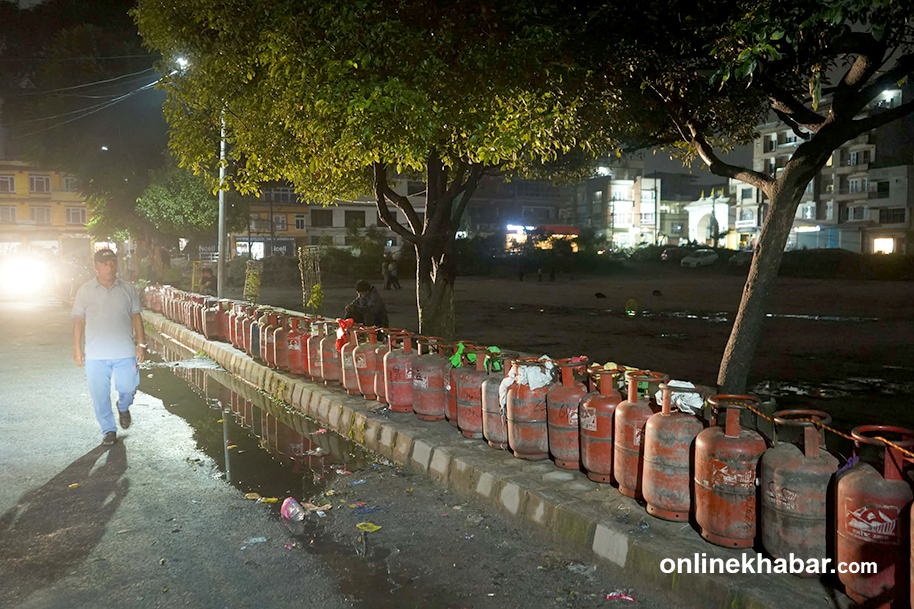
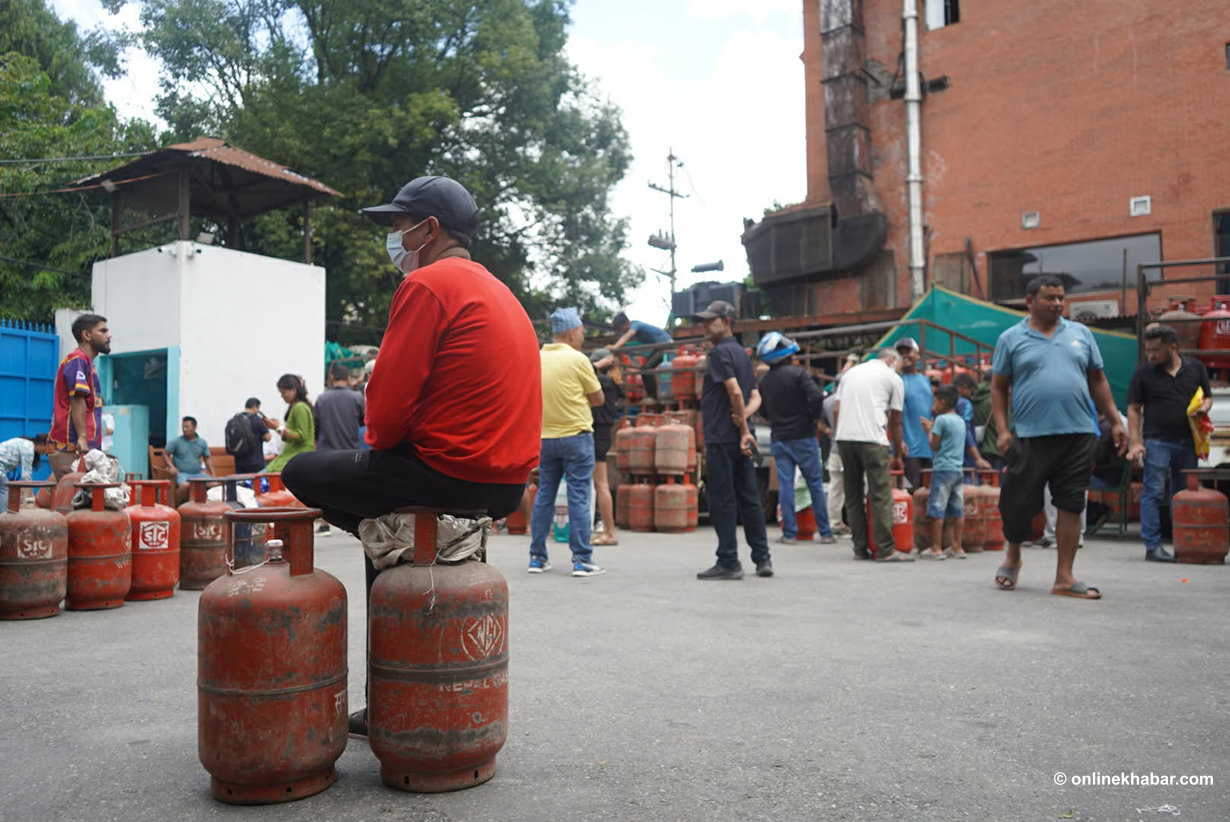
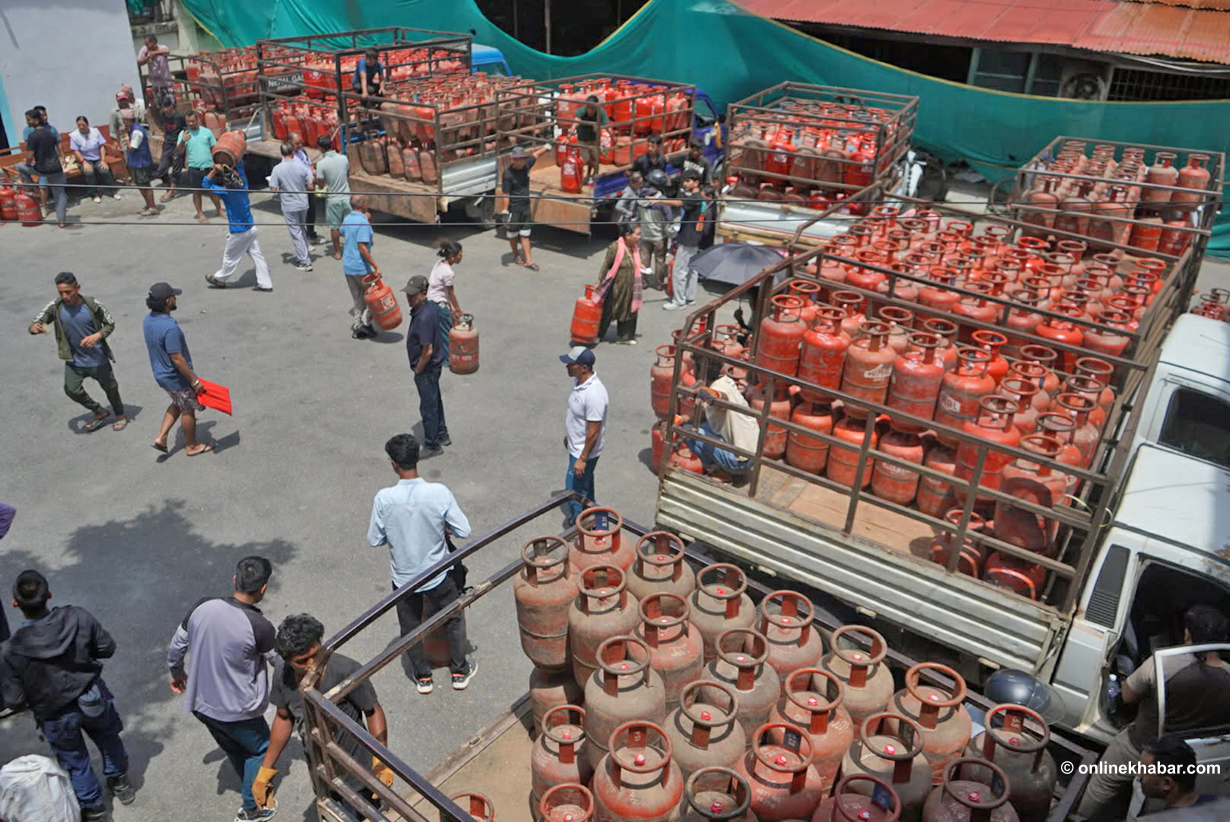
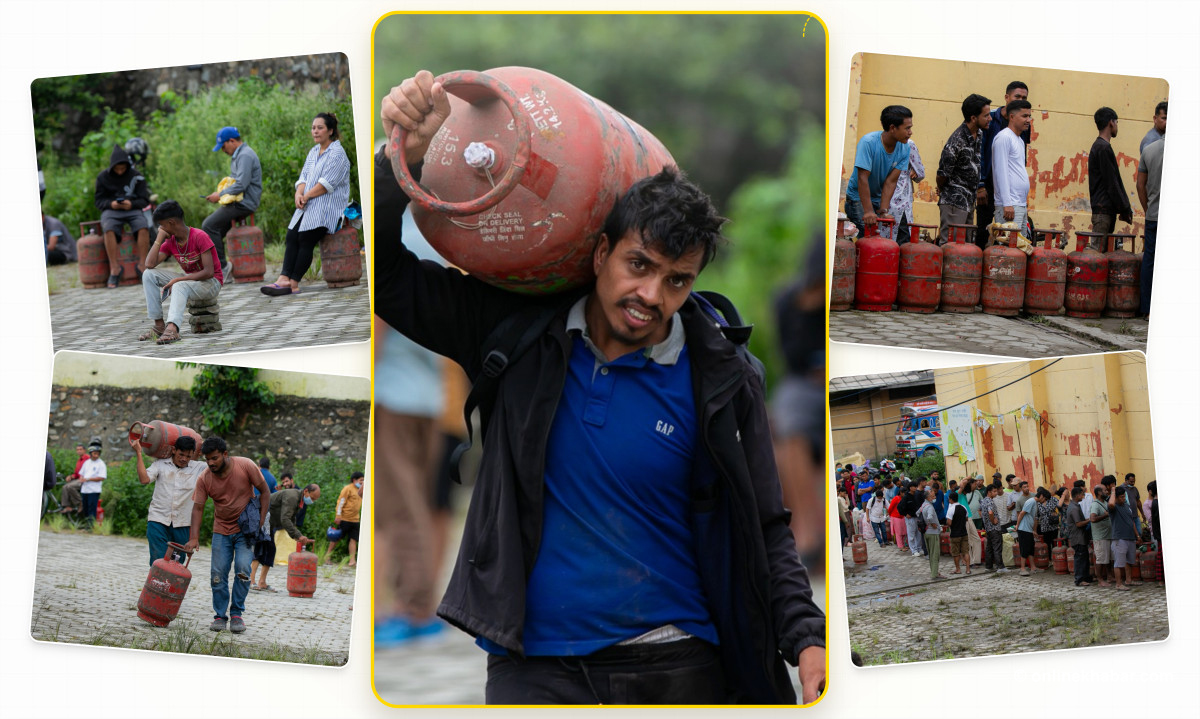
September 11, Kathmandu – A severe shortage of cooking LPG gas persists across Kathmandu Valley and various districts of Nepal. Citizens are seen roaming streets carrying empty cylinders; some have cooked rice on the roadside, while others have staged protests demanding the government provide gas.
Faced with widespread criticism and mounting pressure as consumers’ stoves remain unlit, Industry, Commerce and Supplies Minister Gauri Kumari Yadav tendered her resignation.
More than two and a half months have passed since Balendra Shah (Balen Shah) formed his government, yet for the ordinary people enduring the acute gas shortage, the ministerial resignation and new appointment remain a major talking point. Still, a prevailing question lingers: ‘Will the empty cylinders at home finally be refilled with the change in ministers?’
Citizens had hoped the new government would ensure smooth supply, good governance, and end black market activities, but they are now left disappointed.
The situation is so dire that consumers are forced to pay up to NPR 3,000 per gas cylinder, despite the official price being set at NPR 2,060. Authorities have thus far failed to curb black marketeering and price gouging effectively.
Instead, accusations are being directed at activists of traditional political parties for deliberately hoarding gas, shifting blame onto consumers and the public.
Acknowledging the lack of support from his own ministry’s staff, poor cooperation from Nepal Oil Corporation, and failure to break the cartel of gas traders, Gauri Kumari Yadav stepped down from her ministerial role.
Outgoing Industry Minister Gauri Kumari Yadav
On Thursday, Prime Minister Balen Shah appointed Deepak Kumar Sah, elected from Sunsari-4, as the new minister. Sah took office immediately and started working on resolving the gas problem.
However, the new minister faces formidable challenges in quickly making gas supply easier, as Nepal’s gas crisis stems not from individual leadership alone, but from structural flaws, policy weaknesses, cartel practices among traders, and insufficient infrastructure.
The shortage began as early as December 2025 (Poush 2082 in Nepali calendar). The war in West Asia disrupted supply chains, with the problem remaining unresolved. Although the government has taken various measures, they have not yielded success.
Public Outcry in Parliament: ‘Not Ministers, We Want Gas’
The gas shortage issue has escalated from the streets to the parliament. In today’s House session, MPs strongly criticized the government.
Ashika Tamang, a lawmaker from the ruling Rastriya Swatantra Party (Raswapa), expressed dissatisfaction that the government has failed to ensure even minimum gas supplies.
‘I receive daily calls reporting that stores have gas but shopkeepers refuse to sell it. It’s like gold is available but I have broken ears. Is there a mafia bigger than the government in this country?’ she said.
Raswapa MP Ashika Tamang
MP Tamang warned the two-thirds government that the public cannot be left hungry due to lack of gas in shops.
‘If there really is no gas, then declare it immediately and tell people to find alternate cooking methods. Changing ministers every month without addressing the issue will only make things worse,’ she added.
Similarly, Nepali Congress lawmaker Geeta Gurung reminded the parliament that the public needs gas, not a new minister. ‘Though the industry minister has changed, let the empty cylinders at homes be refilled,’ she stated.
Lack of Storage Capacity and Dependence on Imports
Obstructions such as landslides on the Prithvi Highway or maintenance at Indian refineries continue to disrupt Nepal’s gas supply, largely due to the absence of a national storage infrastructure.
Nepal lacks any official government-operated LPG storage facilities. There are only 58 private industrial gas bullets providing approximately 10,000 tonnes of national storage capacity. Nepal Oil Corporation does not have the capability to operate gas bullets, bottling plants, or storage units.
The entire gas supply chain is controlled by the private sector. During crises, industrialists, dealers, and middlemen create artificial shortages that drive up prices. Until the government asserts its control, these problems will persist.
Building gas storage facilities is not a new concept. Whenever gas shortages arise, such projects have been proposed but remain unimplemented.
After the devastating 2015 earthquake and the Indian blockade, Nepal experienced a severe gas crisis. At that time, Nepal Oil Corporation planned to build a storage with a capacity of 35,000 tonnes, but the plan never materialized.
In 2019, the cabinet considered proposals for storage facilities in Jhapa and Chitwan, but these were scrapped citing government policy to reduce gas consumption and promote electricity use.
During the COVID-19 pandemic, storage and bottling plants were initiated in Jhapa, Janakpur, and Chitwan, but these have yet to have a significant impact.
Due to storage and pipeline issues, Nepal is compelled to use Indian gas bullets for transport, costing approximately NPR 600 million annually in transit fees to India.
There is a plan to build a storage facility and pipeline with a capacity of approximately 45,000 to 50,000 tonnes in Netra Ganj, Sarlahi. Government officials claim completion within three years is expected, though financing arrangements remain undecided, raising concerns the plan may remain just on paper.
Need for Policy-Level Improvements
Consumer rights activist Madhav Timalsina stated that changing ministers will not bring immediate improvements in gas supply. According to him, the root causes lie in a long-standing weak distribution system and policy failures.
‘Our distribution system, rules, procedures, and mindset are outdated, so ministerial changes alone won’t quickly solve the problem,’ Timalsina explained.
He added that poor leadership and lack of strategic vision hamper gas supply efforts. Ministers should have focused on diplomatic coordination between gas stations and policy formulation but instead got entangled in distribution issues themselves.
Distrust of government staff and unnecessary interference have rendered Nepal Oil Corporation inactive, he said.
He suggested that the new minister should be prepared to bring gas even by helicopter during natural disasters and work to build public trust.
Calls to Increase Imports and Strengthen Monitoring
Former Commerce Secretary Purushottam Ojha emphasized the need to increase LPG imports and implement effective monitoring to resolve the gas crisis.
He advised the new minister to prioritize removing road blockades and tracking all 58 industrialists immediately.
Ojha identified two primary causes of the gas shortage: inadequate imports and issues within the distribution network.
‘First, the amount of gas imported must be increased. Second, transportation issues must be resolved swiftly. Road closures have increased costs for trucks transporting gas from the Terai,’ Ojha said.
He recommended strict monitoring using data on the 58 industrialists to prevent gas leakage and black marketing.
While the former minister blamed staff, Ojha cautioned against blaming employees and stressed the importance of leadership gaining their trust to work effectively.
Industry Perspective: Market Has Enough Gas; ‘Panic Buying’ Drives Shortage
Shiv Prasad Ghimire, former president of Nepal LPG Industry Association, claimed that gas supply in the market exceeds normal levels and that ‘panic buying’ due to highway blockades has created an illusion of shortage.
Presenting statistics, he noted that Kathmandu Valley’s daily gas consumption ranges from 35,000 to 40,000 cylinders, and recently even more gas has been sent to meet demand.
‘On September 4, 34,134 cylinders were supplied; on the 5th, 29,239; on the 6th, 42,142; on the 7th, 48,109; on the 8th, 46,218; on the 9th, 53,469; and on the 10th, 45,324 cylinders,’ Ghimire said.
He acknowledged that when highways are blocked, smaller vehicles handle transport, leading to uncontrolled price hikes.
He explained that large vehicles now handle long-haul transport, while smaller vehicles distribute gas within Kathmandu, and also mentioned that imports from India have increased.
‘While normally 40,000 to 45,000 tons are imported monthly, over 60,200 tons have been brought in so far in September,’ he added.
Ghimire considered government accusations against industrialists for the shortage as unfair and unfortunate amidst current circumstances.
Sufficient Supply but Weak Distribution
Sushil Bhattarai, former acting executive director of Nepal Oil Corporation and petroleum expert, stated that Nepal has enough gas in the market, but distribution weaknesses and poor monitoring cause the problems.
‘We require 45,000 to 46,000 tons monthly, but India supplies up to 60,000 tons. However, lack of distribution coordination worsens the problem,’ he noted.
He pointed out that psychological fear leads to simultaneous demand spikes, escalating the shortage.
‘Previously, large gas bullets carrying 1,250 cylinders were sent directly to Kathmandu Valley, but now, distribution is handled by four smaller vehicles,’ Bhattarai explained.
Due to weak monitoring, he said there is practically a ‘vacuum’ in the market, and highlighted that Nepal Oil Corporation lacks legal authority to penalize gas sellers for malpractice.
The data and expert analyses clearly show that the gas shortage cannot be resolved solely by political decisions.
The new minister faces significant challenges in streamlining gas supply since the government lacks accurate data on total consumption and how much gas individual industrialists import.
Dealer certification and a fair distribution process have not been effectively implemented in the public sector.
The new leadership must engage in diplomatic coordination with the Indian government and Indian Oil Corporation to facilitate gas imports from nearby stations.
Ministerial resignations will not solve the supply problem immediately, nor will roads be rebuilt overnight.
Until the private sector cartel is dismantled, state control reinforced, and a national gas storage facility built, there will be no tangible change for consumers.
Thus, ministerial changes are a political event, but the public will only gain accessible gas supply after a sustained, long-term state effort.
The devastating flood in the Bhote Koshi River has not only destroyed homes but also claimed lives across Rasuwa, Nuwakot, and Dhading districts. Many are still searching for their loved ones. Psychiatrist Dr. Sagun Ballabh Pant explains that fear, insomnia, and anxiety after such disasters are common reactions, but timely psychosocial support is essential. He suggests applying the principle of ‘Look, Listen, and Link’ to hear the affected individuals, understand their needs, and connect them with available services.
The catastrophic flood in the Bhote Koshi has swept away houses and lives in Rasuwa, Nuwakot, Dhading, and other affected districts. Many witnessed their spouses or children being carried away before their eyes. Numerous people continue to search anxiously for missing relatives. Survivors remain haunted by the trauma of the flood — suffering from sleeplessness, easily startled by minor sounds, with vivid flashbacks and dreams of lost loved ones. Such distress is not necessarily a sign of mental illness; rather, it is the mind’s natural abnormal response to an extraordinary situation. However, without timely listening, understanding, and support, these responses can develop into depression, anxiety, and severe mental health issues in the future.
In an interview with Pushparaj Chaulagain, psychiatrist Dr. Sagun Ballabh Pant discussed mental health and counseling needs following the disaster. Symptoms such as fear, insomnia, and anxiety have emerged among flood survivors. How should mental health be approached after major disasters? Those affected can be broadly categorized into two groups: first, individuals directly impacted who are recovering; second, those who have lost family members or themselves endured hardships. Additionally, police, military personnel, social workers, journalists, health professionals, and rescue teams may exhibit various psychological symptoms. Nevertheless, not all these symptoms should be classified as mental illnesses; many are normal emotional reactions given the exceptional circumstances.
Those who were directly involved, lost loved ones, or narrowly survived often experience grief. Losing family, home, and future prospects can induce feelings of despair, fear, and insecurity. These signs are not mental disorders and generally diminish over time. How should one communicate with those in grief after major incidents? People may enter an emotional shutdown called ‘denial’, wherein they may resist talking spontaneously. Many might not wish to share their pain with others. In such situations, forcing conversation is harmful. Patience and reassurance such as, “I understand you don’t want to talk now, but whenever you feel ready, I am here to listen,” can encourage them to open up when ready.
Psychological first aid principles involve ‘Look, Listen, and Link’. What does this mean? ‘Look’ refers to assessing the affected person’s immediate needs — food, shelter, family status. ‘Listen’ means patiently hearing what they express. ‘Link’ involves connecting them to necessary services and support, such as regular medication, clothing, and psychosocial assistance. The flood has also impacted children and persons with disabilities who require support like wheelchairs or other aids. How can children who lost their parents be assisted? They should be given factual, age-appropriate information. If all family members are safe, they must be told accordingly; if some have died, the truthful situation should be explained without false hope, as this can have long-term consequences. Children should be maintained within routines and provided immediate necessities. Since young children may not express feelings verbally, an environment that encourages expression through writing, drawing, coloring, or role play should be fostered.
Mental health issues in children are not always evident. Sudden behavior changes, startling during sleep, loss of appetite, or withdrawal may indicate distress. Forcing children to speak is counterproductive; they should be provided with a natural environment to share feelings. How to create such an environment? Regular routines, songs, dance, play, and entertainment opportunities are essential. If schools cannot operate, volunteers can conduct classes in tents or camps. What is the likelihood of long-term psychological issues? Current symptoms are not illnesses and might abate over time. However, persistent symptoms such as prolonged fear, hypervigilance, nightmares, hopelessness, and detachment might develop into serious mental health conditions. Therefore, immediate emotional and psychosocial support is crucial.
How can community, society, and government coordinate to reduce mental health problems? Those affected must feel supported by mutual aid. Communities should ensure no individual feels isolated. Local governments should activate structures to provide counseling, necessary assistance, and rehabilitation planning for affected families. Victims should be encouraged to adopt a positive outlook and actively participate in recovery. Festivals and holidays can amplify loneliness for survivors; hence, communities must sensitively engage them in social activities. Moreover, harmful content that aggravates trauma must be avoided on social media.
Some bereaved individuals have attempted suicide. How can we support people at risk? Previous experiences show that unified community support reduces suicide risk. Currently, relief and assistance have mitigated this problem. However, as relief diminishes after a few months and villages may become deserted, needs increase. Those who lost homes and families may question, “Why should I live?” increasing suicide risk. Hence, victims must share their suffering and openly discuss it with experts or counselors.
How to extend mental health services to the community? It is important to acknowledge that stress, fear, and insomnia experienced after disasters are normal reactions and to provide appropriate care and promotion within communities. Providing basic information to children as well as opportunities for play and recreation is vital. The message, “If you encounter problems, seek help; speak openly; you are not alone; we are here,” should be widely disseminated. Not only psychiatrists but also health workers, police, military, and volunteers can offer initial assistance. Confidential and well-organized counseling services at camps, community centers, and other public venues will be beneficial.
What is the first step in starting counseling? Recognizing that emotional responses are normal is essential. One can share feelings not only with psychiatrists but also with trusted confidants. Encouraging neighbors to ‘listen a little’ can be supportive. Crying is a valid emotional expression. Listeners should avoid prejudice or comparing pain as this can worsen distress. The key principle of current psychosocial support is ‘Look, Listen, and Link’ — carefully observe the person, patiently listen without rushing, and connect them with services.
How can survivors protect their own mental health? Self-care is critical for disaster survivors. Develop regular sleeping and waking routines. Keep the body active through walking and light exercise. Remaining idle and dwelling on sorrow can intensify psychological distress. Eat balanced, nutritious food. Practices such as meditation, yoga, or religious activities may calm the mind. Avoid negative content on social media; instead, engage with positive and hopeful material. Participating in group activities or camps helps foster comfort. However, if persistent sleep difficulties, loss of interest, or lethargy occur, confide in a trusted person and seek professional help as needed.
Just yesterday, the village was whole,
The settlement was intact,
Children played in courtyards as vast as the sky,
Livestock were tied in the sheds,
In the hurry to reach school,
Little children waited eagerly for the school bus,
Mothers were busy in the kitchen.
Suddenly—
A mountain of earth came crashing down from above,
It overturned homes, swept away vehicles and people,
In an instant, the village was buried in soil.
What happened to that soil?
It seems still scattered here and there—
Drawers, beds, and cooking utensils,
Bags, books, and lunchboxes.
Now,
Bridges have collapsed—
The very structures that connected relationships.
Now,
Roads have vanished—
The routes that once linked lost travelers.
Right now,
Deep inside the mountain’s belly,
Workers are trapped in dark tunnels,
Corpses lie breathless beneath rubble,
The memory of the people has disappeared.
I am pondering—
Can homes be rebuilt again?
Will bridges rise once more?
Can roads open up again?
Will schools become vibrant once again?
I wonder—
When will the children who flowed from their mother’s embrace return?
Which brick will awaken the dreams fallen from a father’s shoulder?
Which morning will call out the names buried beneath the earth again?
I want to ask time—
Will the laughing country grow greater,
Or the empty village that weeps?
Village Flood Time
How did reading this story make you feel?
Happy
Sad
Surprised
Excited
Angry
Comments
NewestOldestPopular
Login to comment
Remember me
Forgot password?
Don’t have an account? Sign up
Or login with email/social media
GoogleTwitter
Forgot Password?
Back
+
Comments 4
Comment
Hot Properties
Bhaisepati
House for Sale at Bhaisepati
Rs. 4.25 Cr Total Amount
Siddhipur
House for Sale at Siddhipur
Rs. 3.4 Cr Total Amount
Imadol
House for Sale at Cozy Homes, Imadol
Rs. 3.4 Cr Total Amount
Balkot
Residential Land for Sale at Balkot
Rs. 45 Lac Per Aana
Bhandari Marg
Bungalow House for Sale at Bhandari Marg
Rs. 9.5 Cr Total Amount
Ganesh Chowk
House for Sale at Ganesh Chowk
Rs. 4.89 Cr Total Amount
Tikathali
House for Sale at Tikathali
Rs. 3.95 Cr Total Amount
Imadol
House for Sale at Imadol
Rs. 2.25 Cr Total Amount
Sanothimi
Residential Land for Sale at Sanothimi
Rs. 50 Lac Per Aana
Dhapasi
House for Sale at Dhapasi
Rs. 4 Cr Total Amount
Lubhu
House for Sale at Lubhu
Rs. 1.55 Cr Total Amount
Dholahiti
Bungalow House for Sale at Dholahiti
Rs. 4.5 Cr Total Amount
Tikathali
House for Sale at Tikathali
Rs. 2.75 Cr Total Amount
Tikathali
House for Sale at Tikathali
Rs. 3.2 Cr Total Amount
Hattiban
House for Sale at Hattiban
Rs. 6.9 Cr Total Amount
Bansbari
Bungalow House for Rent at Bansbari
Rs. 2.5 Lac Per Month
Shital Height
House for Sale at Shital Height
Rs. 3.25 Cr Total Amount
Budhanilkantha
Bungalow House for Rent at Budhanilkantha
Rs. 2 Lac Per Month
Jalpa Chowk
House for Sale at Jalpa Chowk
Rs. 4 Cr Total Amount
Related News
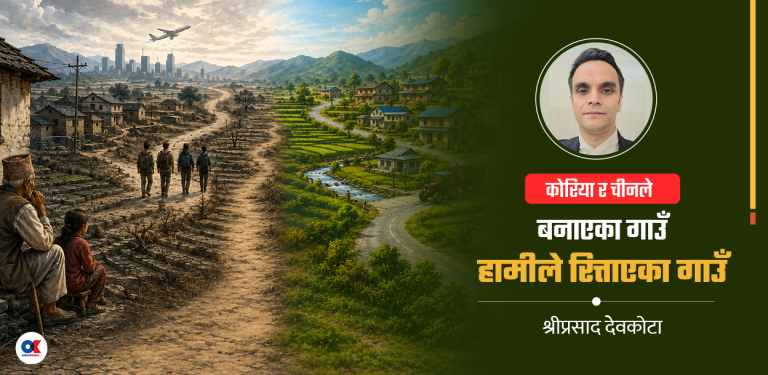
Empty Village, Settlement Shrinking into Memory
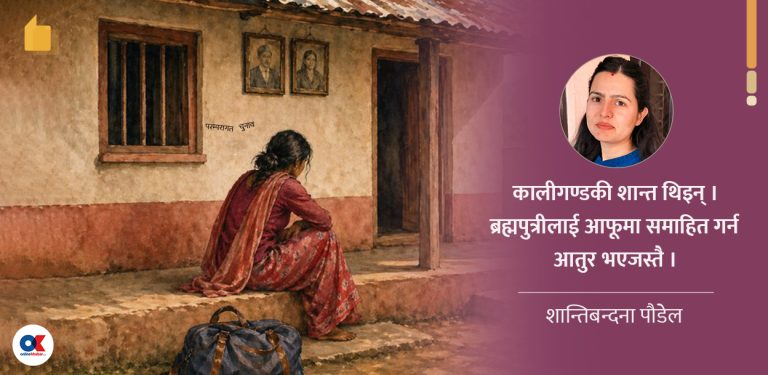
Roots of Memory Grow in the Heart, Not the Brain
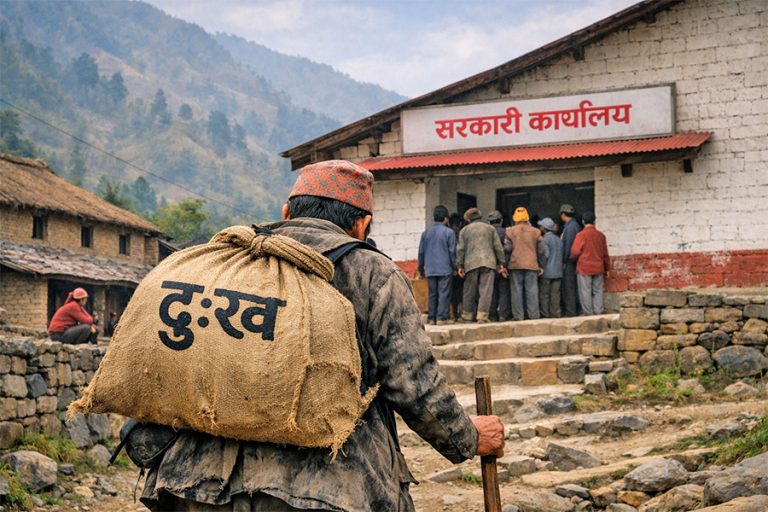
Poem: The Village Carrying Sorrow in Government Office
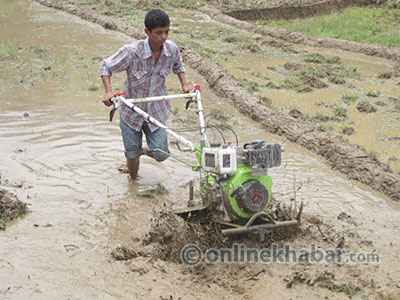
Migration Empties the Village, Farming Tools Replace Oxen
Anthropic claims that accounts linked to Alibaba interacted with Claude over 151 million times from May to July 2026, training its AI model Qwen.
Over 3,500 fake accounts were reportedly created for these interactions; after being blocked, a new set of accounts resumed the activity.
Anthropic plans to enforce identity verification for suspicious accounts from China, Russia, and Iran, while Alibaba has not responded.
September 12, Kathmandu – Artificial intelligence company Anthropic has accused China’s leading tech giant Alibaba of conducting the largest illicit data mining operation to date, extracting data from Anthropic’s AI model ‘Claude’ to train its own model.
According to Anthropic, Alibaba-associated accounts interacted with Claude more than 151 million times from May through July 2026.
Anthropic stated that individuals connected to the Chinese tech giant Alibaba stole significant amounts of data from Claude, their AI model, using it to train their own AI model named ‘Qwen’.
This incident is described as the largest such case to date.
At times, a single account would submit up to 3 million queries in a day. To facilitate this, more than 3,500 fake accounts were created.
These accounts queried Claude in similar ways, recording the entire reasoning process (chain-of-thought) and the answers provided, which were then used to train the Qwen model.
After Anthropic blocked these accounts, Alibaba resumed its activity using a different group of accounts.
Interestingly, these accounts were not exclusive to Alibaba; other Chinese companies such as DeepSea and Xiaomi also reportedly used them.
In February 2026, following Anthropic’s initial disclosure, similar activities were found involving seven other Chinese companies, including DeepSea, Moonshot AI, Xiaomi, Jipu AI, SenseTime, and Minimax.
With these incidents on the rise, Anthropic has announced plans to improve its fake account detection system and enforce identity verification for suspicious accounts originating from China, Russia, and Iran.
Alibaba has yet to issue any response regarding these allegations.
In August, 10 Iranian fishermen who had gone missing from Iran’s southern coast were found in the United Arab Emirates and have now started returning home.
According to Iranian media, the government has arranged for citizens stranded in the UAE due to the ongoing war to reunite with their families soon.
IRNA reported that the 10 Iranians are flying from Dubai back to Bandar Abbas.
September 12, Tehran (RASA/AFP) – Ten Iranian fishermen who went missing from Iran’s southern coastline last August were found in the United Arab Emirates. They have started returning to their homeland from today.
Iranian media have reported that the government has facilitated arrangements for its citizens stranded in the UAE due to the ongoing war to reunite with their families promptly.
These fishermen went missing amid escalating conflict in the Middle East. The Strait of Hormuz has become a major point of dispute between Tehran and Washington. Fishermen operating along Iran’s coast have suffered significantly due to this conflict.
Since the war began on February 28, American-Israeli attacks including bombings of naval mines and ships in Hormuz have created severe risks at sea. According to the Iranian news agency IRNA, shortly before the news was prepared, these ten Iranians departed Dubai by plane bound for home.
They are flying back to Bandar Abbas. Earlier in July, 55 Iranian fishermen also returned home from the UAE. Reports of fishermen going missing at sea frequently appear in Iranian media.
Researchers at the University of Warwick analyzed data from over 1.9 million individuals across 23 studies, confirming a relationship between ADHD and gastrointestinal health.
The study found that individuals with ADHD are approximately 50% more likely to experience gastrointestinal issues, have double the incidence of constipation, and 58% higher prevalence of irritable bowel syndrome.
Researchers emphasized that although a link between ADHD and digestive problems is evident, further studies are necessary to understand the underlying causes.
September 12, Kathmandu – Researchers from the University of Warwick have identified a significant connection between Attention Deficit Hyperactivity Disorder (ADHD) and gastrointestinal health. The team analyzed data from over 1.9 million participants across 23 different studies.
Compared to individuals without ADHD, those diagnosed with the disorder have about a 50% higher likelihood of experiencing gastrointestinal symptoms. The risk of constipation among ADHD individuals is twice as high. Additionally, irritable bowel syndrome (IBS) was found to be 58% more common, and incidence of encopresis, the inability to control bowel movements, was observed to be four times higher.
Globally, it is estimated that around 5% of children and 3-4% of adults have ADHD, with diagnosis rates increasing rapidly over the past four decades.
While gastrointestinal issues have long been recognized among individuals with Autism Spectrum Disorder, scientists have been investigating the so-called “gut-brain axis” to understand links between digestive health and neurodevelopmental conditions. However, there has been limited clarity on gastrointestinal symptoms specifically among those with ADHD.
This study, published in the Journal of Attention Disorders, represents the first systematic review to focus exclusively on gastrointestinal symptoms in people with ADHD. The researchers gathered data from studies conducted in countries including the United States, Sweden, Germany, and South Korea, covering participants aged 2 to 65 years.
Medical student and co-author Sara Blake from Warwick Medical School remarked, “Nearly every digestive symptom we identified—constipation, IBS, even dyspepsia—showed associations with ADHD. These issues can significantly impact daily life but are often overlooked because the focus tends to be solely on ADHD itself.”
While the researchers could not definitively explain why ADHD and gastrointestinal problems co-occur, several plausible reasons were proposed.
ADHD symptoms such as impulsivity and irregular eating habits may adversely affect digestive health. In addition, medications prescribed for ADHD treatment can produce gastrointestinal side effects like constipation.
Another potential factor is the gut microbiome. Previous evidence indicates that variations in gut bacteria linked to ADHD may influence communication between the digestive system and the brain via the vagus nerve, which serves as a key connection between the gut and central nervous system.
The researchers recommend that clinicians caring for patients with ADHD remain vigilant for gastrointestinal symptoms and proactively inquire about digestive health during consultations.
Patients experiencing complex gastrointestinal issues may benefit from specialized support by dietitians or gastroenterologists.
While the findings do not prove that ADHD directly causes digestive problems, they underscore an important association. Further research is needed to determine the extent to which biological factors, medications, or other influences contribute to this connection.
Dr. Saran Shantikumar, Associate Clinical Professor at Warwick Medical School, stated, “We still cannot say for certain whether ADHD causes these gastrointestinal symptoms or what mechanisms are involved. However, this pattern is clinically significant. Healthcare providers managing ADHD patients should consider assessing gastrointestinal issues, especially when these symptoms adversely affect quality of life.”
Summary: Haritalika Teej is a highly popular festival among Nepali women, beginning from Bhadra Shukla Pratipada and concluding with the worship of Rishi Panchami. On the first day of Teej, it is customary to share a feast called ‘Dar,’ while on the second day, women observe a strict fast and worship Lord Shiva. Male participation in the Teej festival has been increasing day by day.
Teej is an extremely popular festival for Nepali women. According to the Vedic calendar, it starts on Bhadra Shukla Pratipada and ends with the worship on Panchami. Traditionally, this festival is a sacred event for Nepalese, especially Hindu women. It is celebrated with sweets, fasting, singing, dancing, wearing ornaments, cleaning rituals, and worship of sages and deities.
With social changes, Teej traditions have evolved over time. Distorted practices such as loose songs, provocative dancing, unusual attire, and excessive unnecessary expense and eating for months have emerged as some negative traits of the festival. The area near Maiti Ghar is closely associated with Teej. Women who cannot visit their maternal homes throughout the year go to Maiti Ghar with their fathers or brothers during Teej, share delicacies, discuss joys and sorrows, and express their pain through songs. However, some of these customs have diminished in modern times.
The Four Main Days of Teej The Teej festival is primarily celebrated over four days with various traditional rituals.
First Day (Dar Eating Day): The first day falls the day before Teej. Married and unmarried sisters gather with family members to receive ‘Dar’ from their brothers. Dar includes various dishes such as meat, milk, yogurt, ghee, and fruits. The night is spent singing and dancing joyfully. Various organizations also organize Dar programs. However, excessive smoking and unhealthy eating have introduced some distortions into the festival.
Second Day (Haritalika Teej): This is the most sacred fasting day. Women observe either waterless or minimal fasts. They spend the day singing and dancing and worship Lord Shiva in the evening. According to religious scriptures, this day is associated with Sati Devi, Parvati, and Lord Shiva. Married women fast for the well-being of their husbands, while unmarried women fast to find good husbands.
Third Day (Ganesh Chaturthi): The day after Teej falls Ganesh Chaturthi, which is considered the sacred birthday of Lord Ganesh. It is believed that Parvati, with Lord Shiva’s blessings, gave birth to Lord Ganesh without any labor pain. Women worship Lord Ganesh on this day.
Fourth Day (Rishi Panchami): The final day of Teej is marked by the Rishi Panchami festival. Women fast and worship the seven sages (Saptarishi). The day begins with baths, cleansing rituals, consuming Panchagavya (five products of the cow), worshiping the sages, singing and dancing, thus concluding the Haritalika Teej festival.
Men’s Participation in Teej Although traditionally regarded as a women’s festival, men have become increasingly involved in the enjoyment, singing, dancing, and feasting during Teej. Men assist women by facilitating social gatherings, outings, and helping with household chores. They participate in cooking, cleaning, gift-giving, accompanying women to temples, and some men even fast during Teej. In the music industry, men produce Teej songs, energizing the market and partaking in performances. Economically, men also play a significant role by buying clothes and jewelry for the festival.
In conclusion, it is important to honor Teej with religious and mythological respect. Efforts must be made to reduce distortions and remain vigilant to protect religion, culture, and traditions. This applies not only to Teej but also other festivals, where reducing negative influences and the impact of Western culture is essential to keep celebrations simple, affordable, and meaningful.
Heartfelt wishes to all Nepali sisters on the occasion of Haritalika Teej 2083. (Dr. Naranath Pandey, Professor at Madhyabindu Multiple Campus, Kawasoti, Nawalpur)
NASA and IBM have released an open-source artificial intelligence (AI) model named the ‘NASA-IBM Lunar Foundation Model’ designed to aid lunar observation. This model will assist researchers in identifying potential ice deposits in the Moon’s permanently shadowed regions, locating safe landing sites, and studying volcanic structures. According to NASA and IBM, testing has shown that the model identifies key features on the lunar surface 23% faster than other methodologies. Kathmandu, 11 September.
The American space agency NASA launched this new open-source AI model to analyze decades of lunar observation data and strengthen plans for sustained human presence on the Moon. Developed through collaboration between NASA and IBM, the ‘NASA-IBM Lunar Foundation Model’ is publicly available and trained on over 30 data layers collected by nine instruments from previous NASA missions. The dataset also includes information gathered by the Lunar Reconnaissance Orbiter (LRO).
This model is comparable to IBM and NASA’s ‘Earth’ series of open foundation models, which have been applied successfully across geospatial and meteorological domains. The new model enables researchers to pinpoint potential ice locations in the Moon’s permanently shadowed areas, map craters suitable for safe landings, and analyze volcanic features. Traditionally, such tasks required scientists to manually study maps and images or rely on lower-resolution machine learning tools.
NASA and IBM report that during testing, this model identified major lunar surface features up to 23% faster and with greater accuracy compared to existing methods. The presence of ice on the Moon indicates potential sources of water and oxygen, which are of significant interest to space agencies. These resources will be critical for constructing permanent bases or stations on the lunar surface and for producing rocket fuel necessary for future Mars missions. Under NASA’s Artemis program, astronauts are planned to return to the Moon during 2026-2027, fostering the development of new technologies for long-term lunar presence and upcoming Martian exploration. This AI model is freely accessible on the Hugging Face platform, with its code also hosted on GitHub, and is expected to support future lunar research efforts.
September 11, Butwal – Businessman and social leader Thaneshwar Paudel from Butwal has contributed NPR 2,525,000 to assist citizens affected by the recent floods. Paudel donated this amount to the Prime Minister’s Natural Disaster Relief Fund to support those impacted by the flooding of the Bhote Koshi River in Rasuwa. He stated that the donation was made personally to the relief fund.
Paudel serves as a volunteer with the Paudel Human Welfare Committee in Butwal and is also the chairman of the Shine Resunga Development Bank’s board of directors. He remarked, “Amid one of the greatest disasters in Nepal’s history affecting districts including Rasuwa, Dhading, and Nuwakot, the country faces severe economic losses and challenging circumstances. It is our responsibility as Nepali citizens to support the government, which is why I have contributed to the relief fund.” He also shared that the Shine Resunga Development Bank, under his chairmanship, has previously donated NPR 6.5 million to the Prime Minister’s Natural Disaster Relief Fund.
Mosquito activity increases during the monsoon season, and they can transmit diseases such as dengue, malaria, chikungunya, and Japanese encephalitis, making protective measures essential.
Female mosquitoes suck blood to develop eggs, and Aedes aegypti is primarily active during the day, so protection during daylight is also necessary.
Even small amounts of stagnant clean water around homes can serve as breeding grounds for mosquitoes; therefore, preventing water accumulation is a key control method.
As the monsoon season begins, a tiny creature becomes increasingly active around homes, in stagnant water, and damp environments: the mosquito. Despite their small size, mosquitoes pose a significant health risk to humans.
Due to their role in spreading diseases such as dengue, malaria, chikungunya, and Japanese encephalitis, it is especially important to protect ourselves from mosquitoes during the rainy season. However, many of us tend to view all mosquitoes the same way. In reality, the world of mosquitoes is not so simple: not all mosquitoes bite humans, not all transmit diseases, and even those that bite do not always do so for blood.
Here are some fascinating facts about mosquitoes that help us better understand their behavior and how to effectively protect ourselves.
1. Creatures That Are Millions of Years Old
Mosquitoes are believed to have originated millions of years ago. Scientific evidence suggests their ancestors may have existed since the Paleozoic or Mesozoic eras. In other words, mosquitoes roamed the earth long before humans did. There are thousands of mosquito species worldwide, but not all are harmful to humans.
2. Not All Mosquitoes Bite Humans
An interesting fact is that primarily female mosquitoes suck blood. Male mosquitoes do not bite humans or animals but generally feed on nectar and plant fluids.
Female mosquitoes require blood to develop their eggs, which is why they actively seek blood meals from humans or animals.
3. They Hunt for Humans
Many wonder how mosquitoes locate humans even in the dark. Mosquitoes use cues such as carbon dioxide exhaled from the body, body heat, sweat, and scent to find their target.
Therefore, mosquito activity can be higher in crowded places.
4. The Buzzing Sound Comes from Their Wings
The ‘buzzing’ noise produced by mosquitoes in flight comes from the rapid vibration of their wings. This sound varies between male and female mosquitoes and helps them recognize and mate with each other.
5. They Don’t Fly Faster Than Humans
Although it may seem like mosquitoes fly very fast, their average speed is around 1.5 miles per hour, which is slower than a typical walking pace of a human. Thus, mosquitoes are not just fast fliers but smart in reaching their goals.
6. Lifespan Up to Six Weeks
Mosquito lifespan varies by species, temperature, availability of water, food sources, and environment. Female mosquitoes generally live longer than males, with some females surviving from 2 to 6 weeks, during which they repeatedly feed on blood and lay eggs.
7. Small Amounts of Water Are Enough for Breeding
Mosquito breeding doesn’t require large water bodies. Even small amounts of clean stagnant water around homes can serve as breeding sites. Old tires, flowerpots, containers, bottles, refrigerators, or water accumulated on rooftops may provide mosquito habitats. Hence, preventing water accumulation during the monsoon is a crucial mosquito control measure.
8. Dengue-Transmitting Mosquitoes Are More Active During the Day
The primary dengue carrier, Aedes aegypti, is mostly active during the daytime, especially in the morning and evening, indicating that nighttime protection alone is insufficient. Measures like using mosquito nets, wearing protective clothing, and repellents are essential throughout the day to avoid bites.
9. Not All Mosquitoes Transmit Diseases
Not all mosquitoes carry diseases. Among thousands of mosquito species worldwide, only a few can transmit diseases to humans. The ability to spread disease depends on the species and the presence of pathogens. Therefore, reducing mosquito populations and controlling breeding of disease-carrying species is key for public health.
10. Mosquito Travel Distances
Most mosquitoes do not fly far. Some species stay near their birthplace, while others can be carried farther by wind, humans, or other means. Some mosquitoes remain within a few hundred feet during their life cycle, whereas others have been found miles away. Therefore, cleaning individual households is not enough; mosquito breeding sites must be controlled throughout the community.
11. They Prefer Clean Water
The common belief that mosquitoes breed only in dirty water is incorrect. Aedes aegypti mosquitoes prefer to lay eggs in clean stagnant water. Water left unused for extended periods inside or around the home can be risky. It’s important to check not only if the water is clean or dirty but also if water is stagnating anywhere.
12. Why Do Mosquito Bites Itch?
When a female mosquito inserts her mouthparts into the skin to suck blood, she injects saliva containing anticoagulants to facilitate blood flow. The immune system reacts to these foreign proteins, causing redness, swelling, and itching at the bite site.
13. Mosquitoes Don’t Only Need Blood
It’s a misconception that mosquito diet consists only of blood. Both male and female mosquitoes primarily derive energy from plant nectar and other sources. Only females require blood specifically for egg development. Human blood is not their daily energy source.
14. Bacteria Are Being Used for Mosquito Control
Scientists are working on new technologies for mosquito control. Bacteria such as Wolbachia are being studied to reduce mosquito populations and their ability to transmit diseases. This indicates ongoing research into biological control methods as alternatives to chemical insecticides.
September 11, Kathmandu – A dispute has emerged after Upper Tamakoshi Hydropower Limited, the company constructing the 456-megawatt Upper Tamakoshi hydroelectric project, convened a board meeting without including directors elected at the general assembly. It has come to light that the board meeting included members nominated by Nepal Electricity Authority (NEA), the ex-officio directors, and invited members from creditor institutions, while rejecting the participation of directors elected by the company’s shareholders through the general assembly.
One member of the board, elected by the public shareholders, criticized the move, stating that senior officials of the authority violated the company’s bylaws and principles of corporate governance by calling the board meeting without notifying the elected directors.
“Until now, no formal meeting of the board of directors had been held,” the member noted. “However, today, the meeting was abruptly shifted from the company’s own office and boardroom in Gyaneshwor to the authority’s premises, and only a limited group of people were invited.” While NEA holds 41% of shares in Upper Tamakoshi and public shareholders hold 49%, the member asserted that excluding directors representing the public shareholders and involving creditor institutions and invited members to make decisions is unlawful and constitutes institutional misuse.
However, Acting Managing Director of Nepal Electricity Authority and Chairman of Upper Tamakoshi, Dhirghayu Kumar Shrestha, stated on Thursday that the company’s board meeting could not be held. He acknowledged that elected directors representing public shareholders were not invited to the board meeting, but explained that since the four-year tenure of these elected directors had expired, the meeting was convened only to discuss whether to call them or not.
“The meeting could not proceed due to lack of quorum. Decisions regarding these directors will be made after obtaining legal opinions,” he said. He also informed that the extension of the current directors’ term until the upcoming annual general meeting was discussed. “If an extension is legally possible, it will be granted; if not, decisions will be made based on the Company Registrar’s advice and legal consultation,” he added.
According to the elected directors, the annual general meeting and the election of new directors should have been completed by the end of August, as required by regulations, but this has not yet occurred. “Although the directors elected for four years are willing to hand over responsibilities to new leadership, officials of the authority have deliberately postponed the general assembly,” the member concluded.
September 10, Kathmandu – Apple unveiled its flagship iPhone 18 Pro at the annual Fall Event held on September 9, 2026, introducing significant changes to its camera features. For the first time, users will have physical aperture control, allowing them to manually adjust the amount of light entering the lens and the depth of field.
1. Manual Aperture Blade Technology
The highlight of the iPhone 18 Pro’s camera system is its 48-megapixel variable aperture camera. According to Kaiyan Drence, Apple’s Vice President of Worldwide iPhone Product Marketing, the system incorporates six laser-cut polymer composite blades, thinner than a human hair. These blades operate with a rotor mechanism and custom lens assembly. In low-light or dark conditions, the aperture will automatically open to allow up to 50% more light into the sensor.
2. Pro Controls and Manual Settings
Catering to professional photographers, Apple has added a ‘Pro Control’ feature within the camera app. This allows users to select from four different aperture options, adjust white balance, modify shutter speed, utilize histograms to monitor exposure, and manually tweak skin texture details for enhanced control.
3. New Software and Video Upgrades
Cinematic Effects: Users can now add half-speed cinematic mode effects at up to 60 FPS even with standard video recordings.
Time-Lapse: Time-lapse videos can be captured in Dolby Vision HDR at 4K resolution.
Audio Mix: The audio mix algorithm has been improved for higher quality voice recordings and now supports background music integration.
4. Smart Focus Tracking and Apple Reference Image
Smart Focus Tracking: Powered by on-device AI, this feature maintains focus on moving objects or people. It prevents loss of focus even if the subject moves out of the frame and returns or changes depth.
Apple Reference Image (Authenticity): This feature verifies whether photos are AI-generated or real. When a photo is captured, the camera sensor securely signs pixel-level data, which is then processed through a private cloud computing system to generate a reference image for authentication.





































Comments 4