March 26, Kathmandu – The Central Committee of the Rastriya Swatantra Party (RSP) is scheduled to convene today.
The meeting will be held at 4 PM this afternoon at the party’s central office in Bansthali.
The agenda includes discussions on selecting the parliamentary party leader, according to the RSP. Following the Central Committee’s decision, the party’s parliamentary group is set to choose Balen as their leader.
The newly elected members of parliament will take their oath of office today. The Central Committee meeting has been convened subsequent to the oath-taking ceremony.
Once the parliamentary party leader is selected in today’s meeting, Balen is expected to be appointed Prime Minister on Friday. The date for his oath-taking as Prime Minister has already been finalized.
Prior to the election, the RSP had already declared senior leader Balen as their prime ministerial candidate. The agreement between the party and Balen also stipulated appointing him as the future Prime Minister.
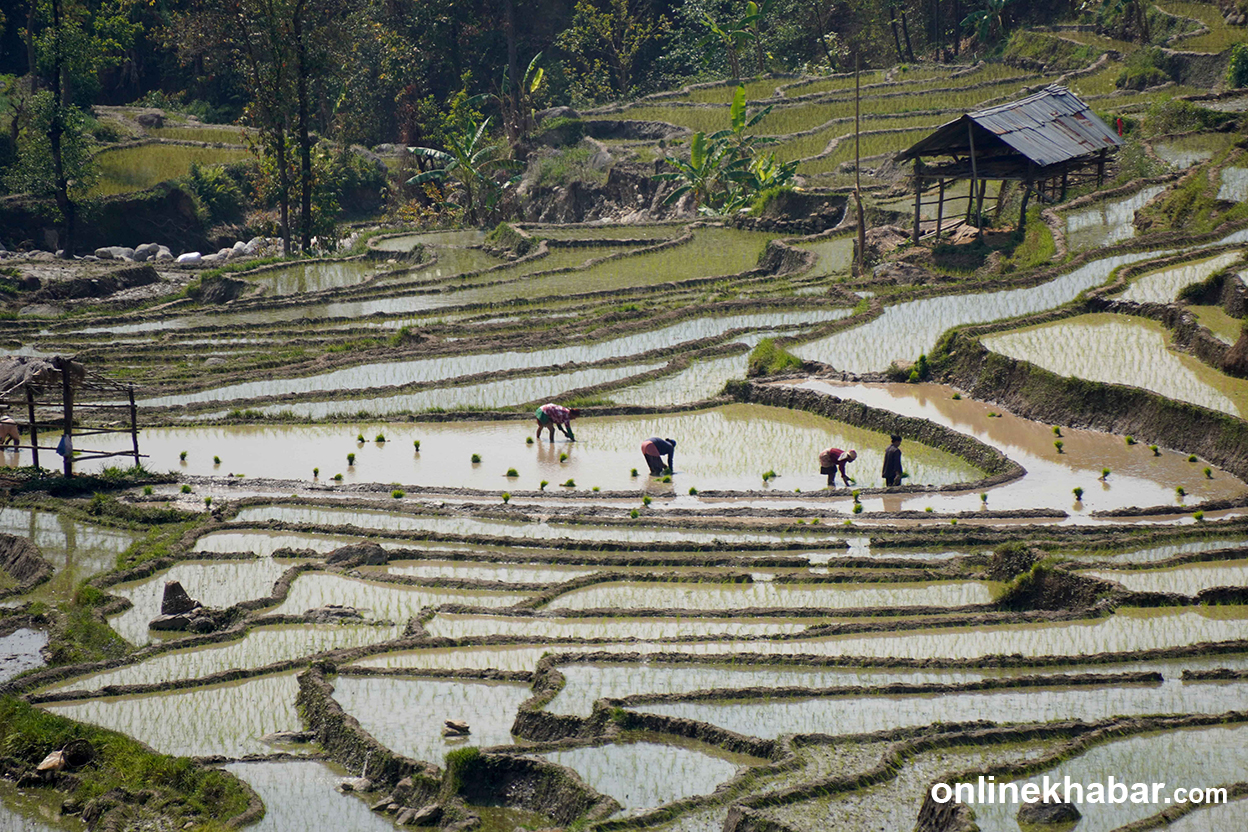
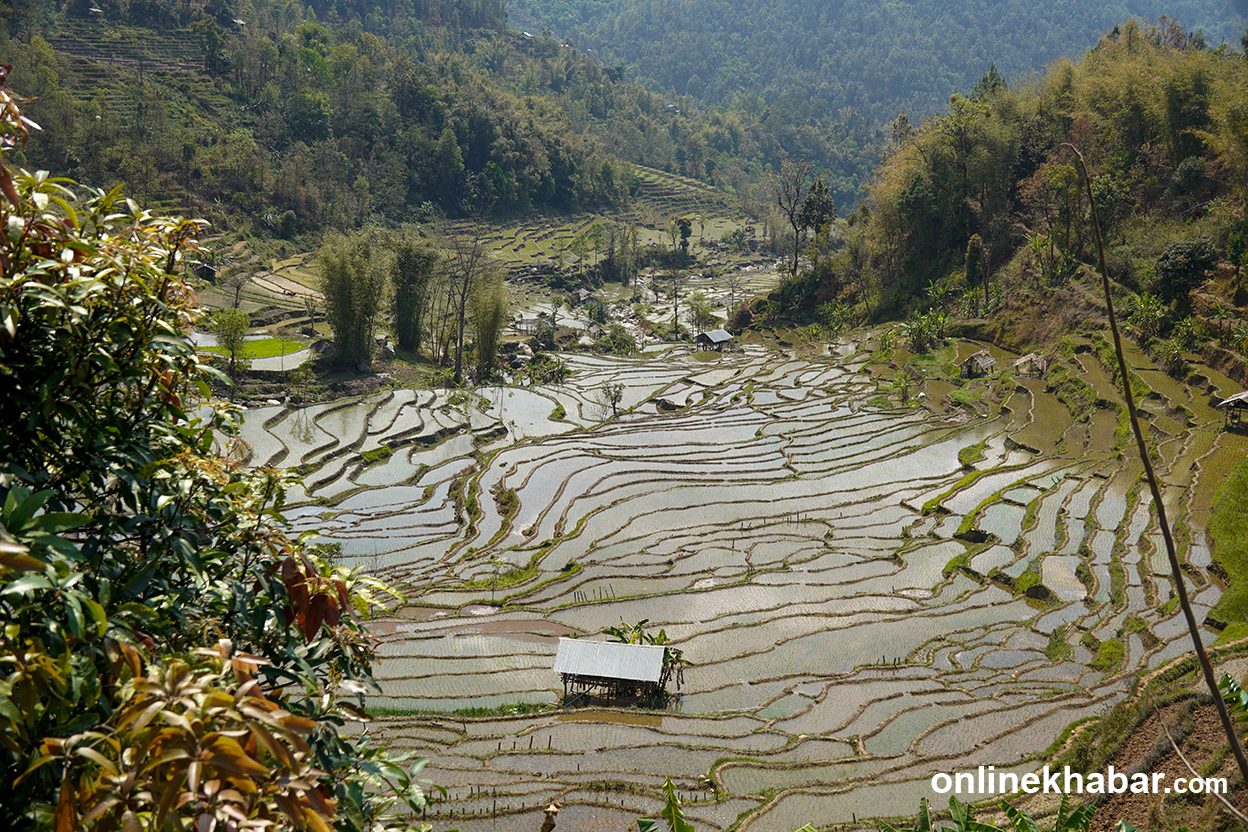
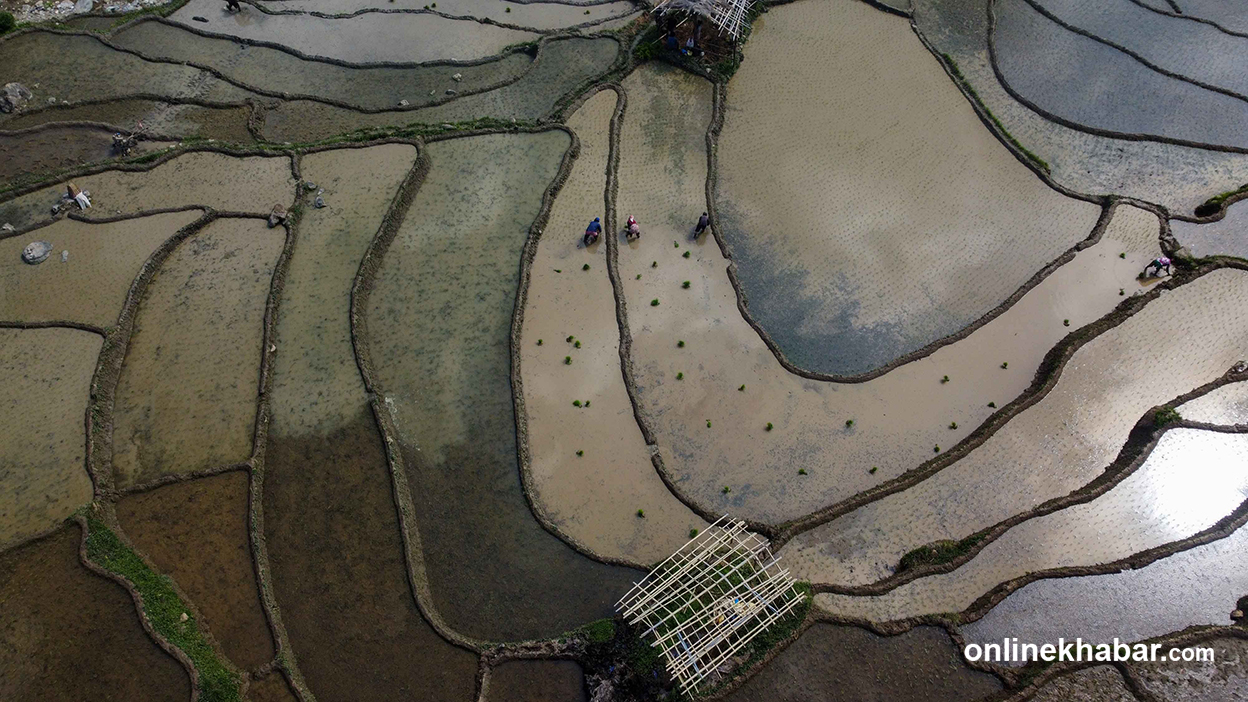
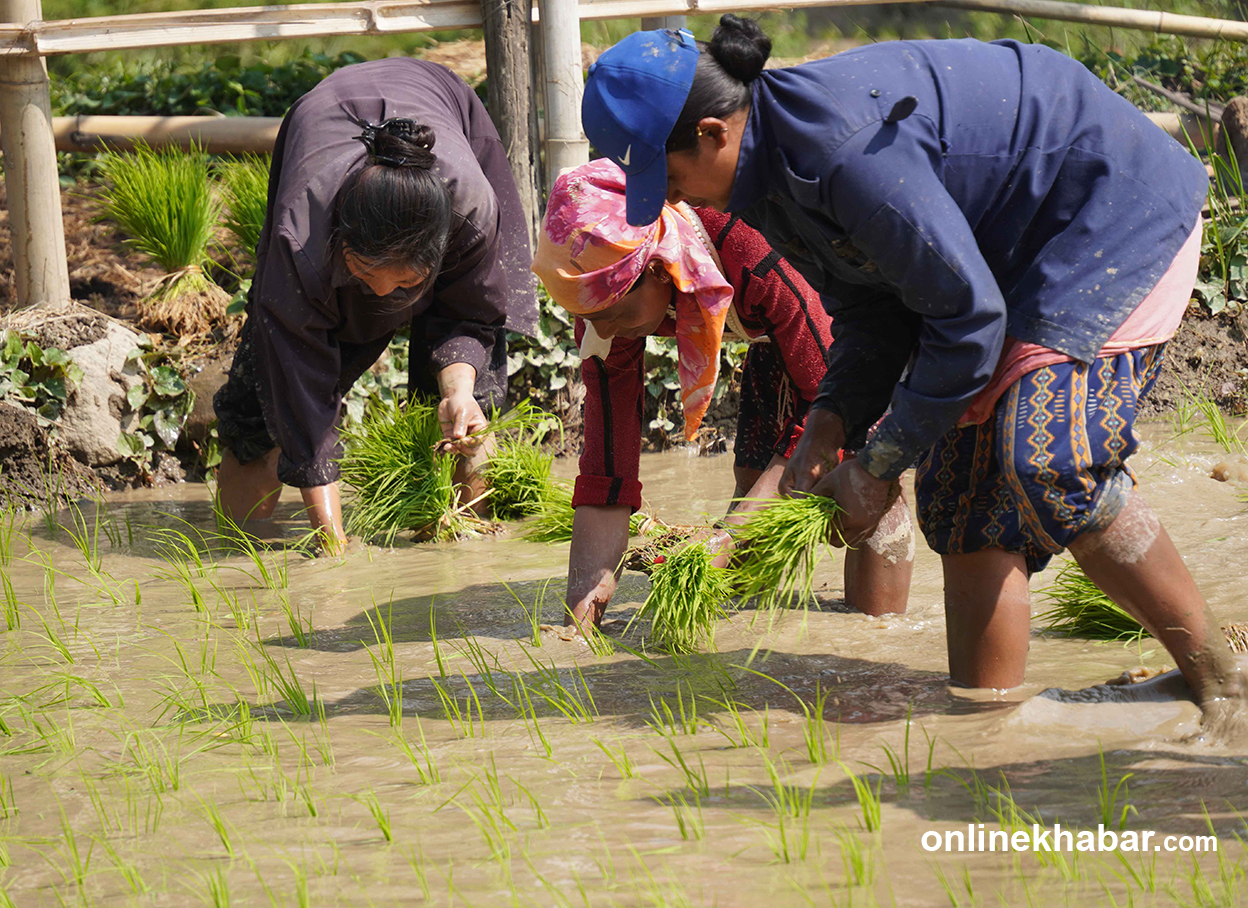
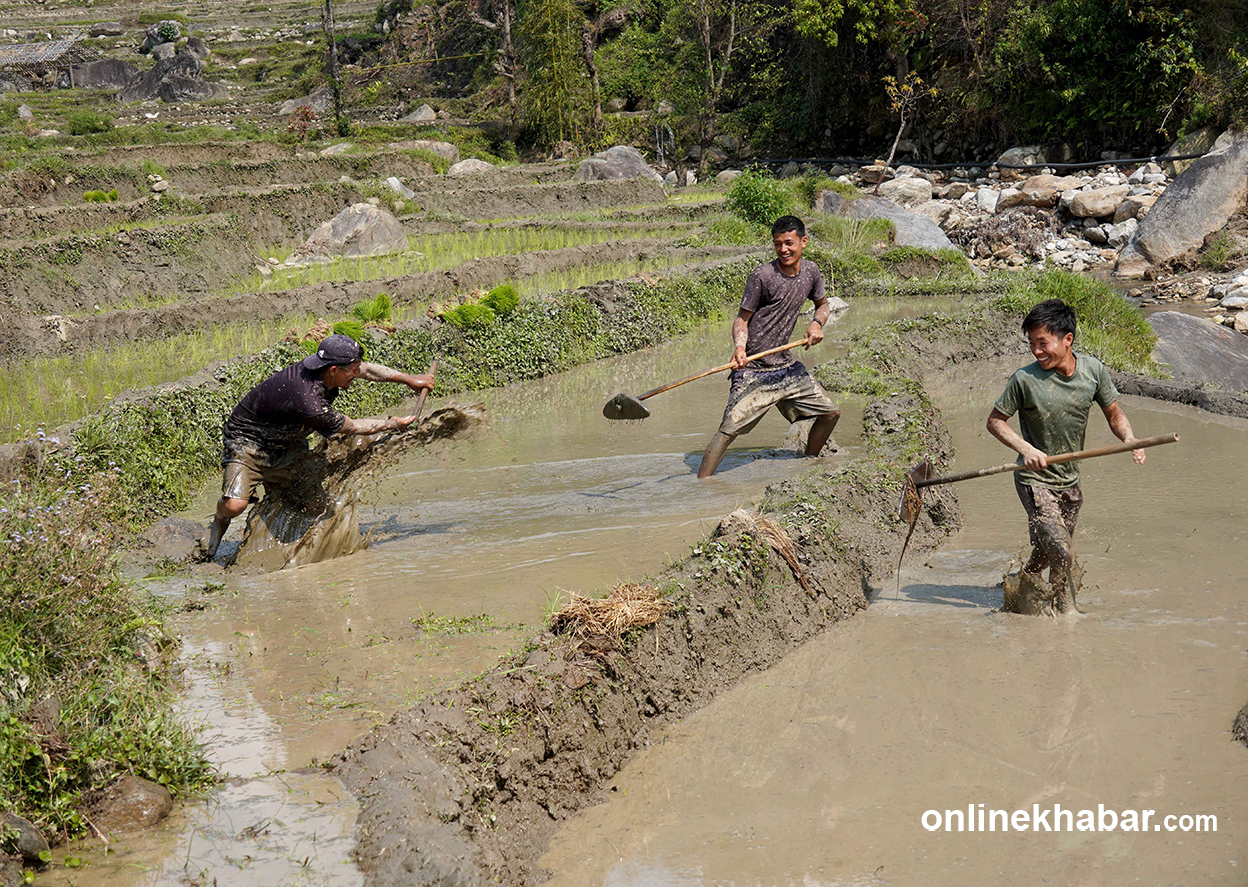
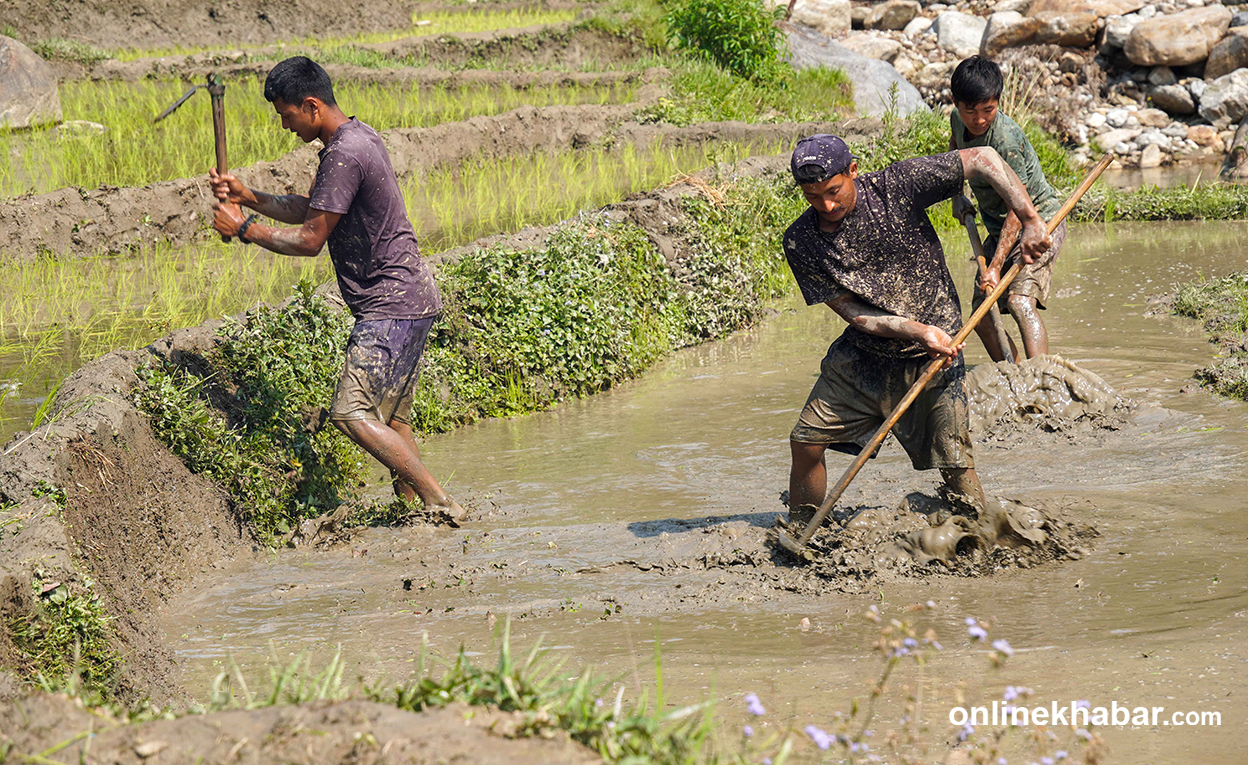
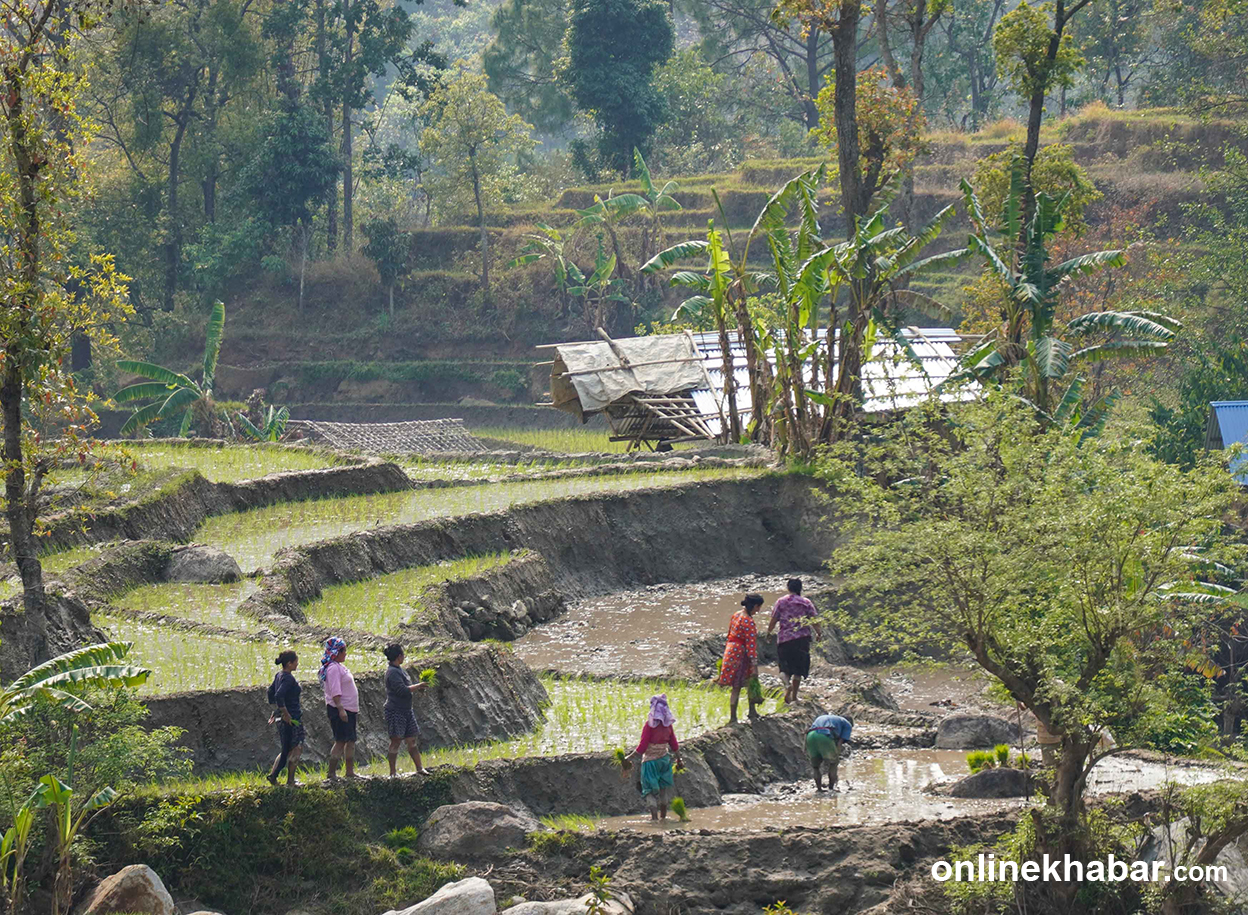
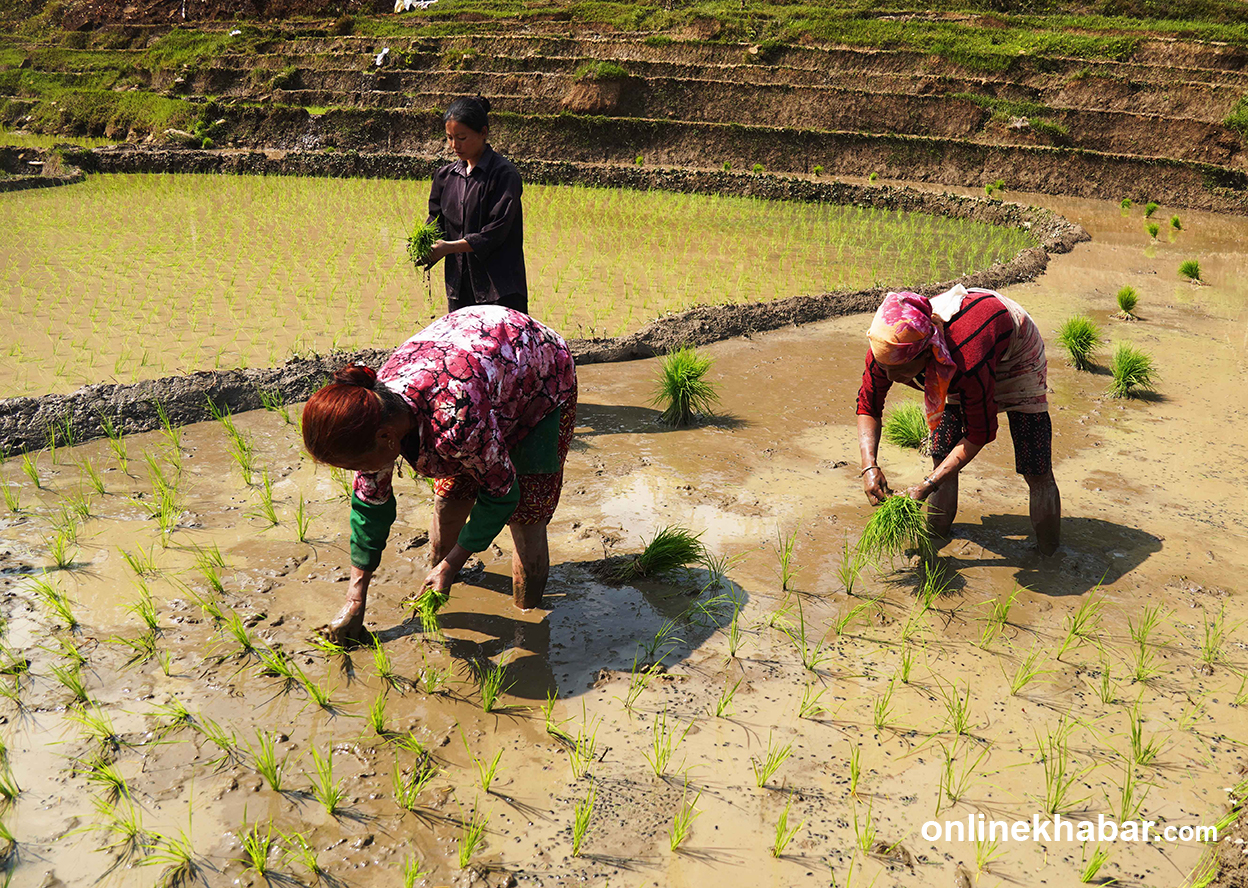
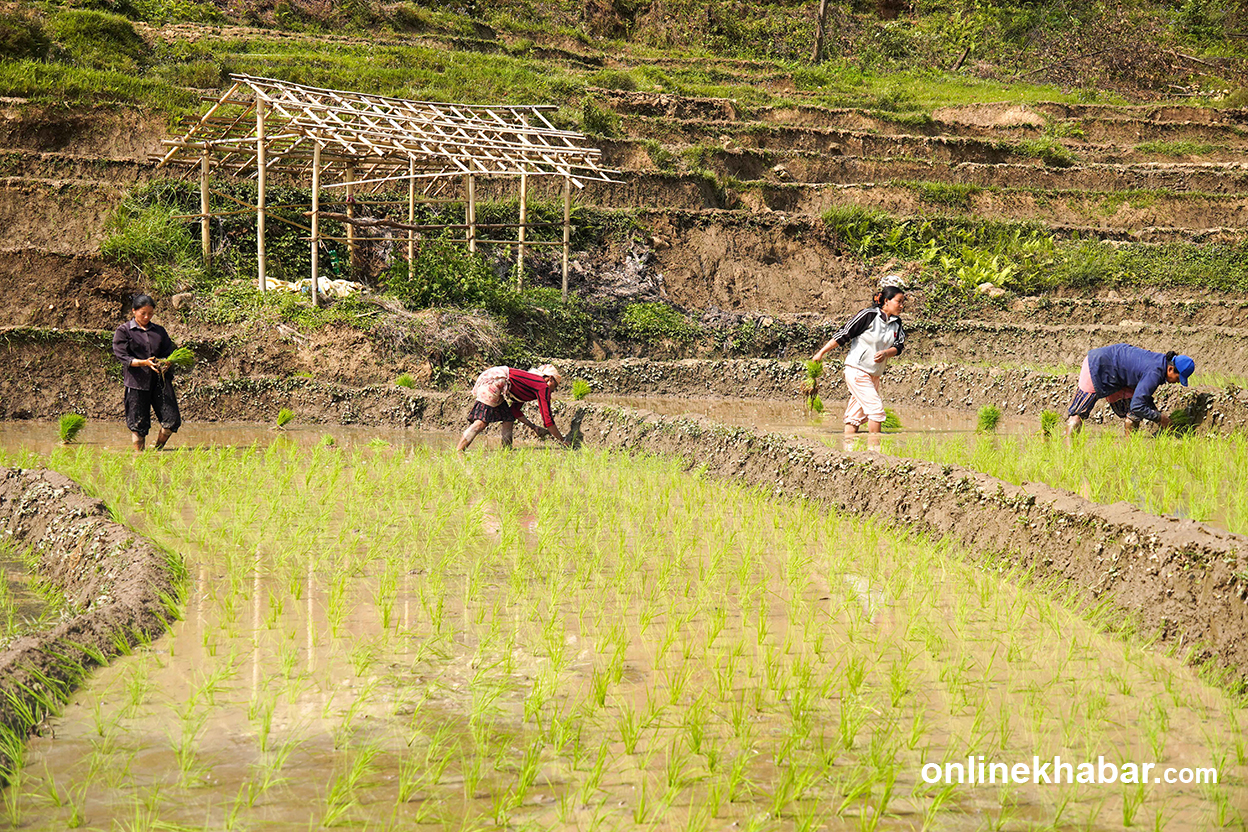
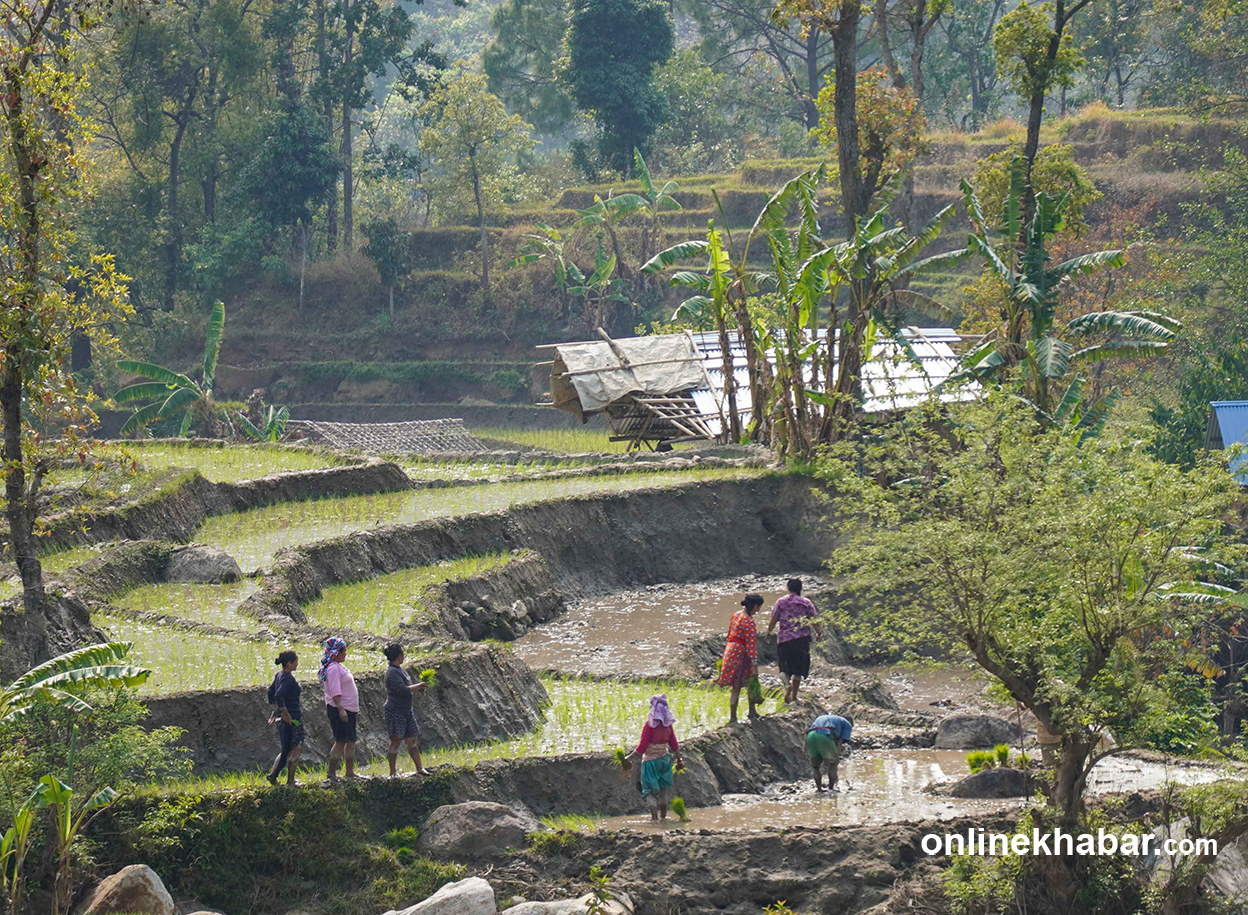
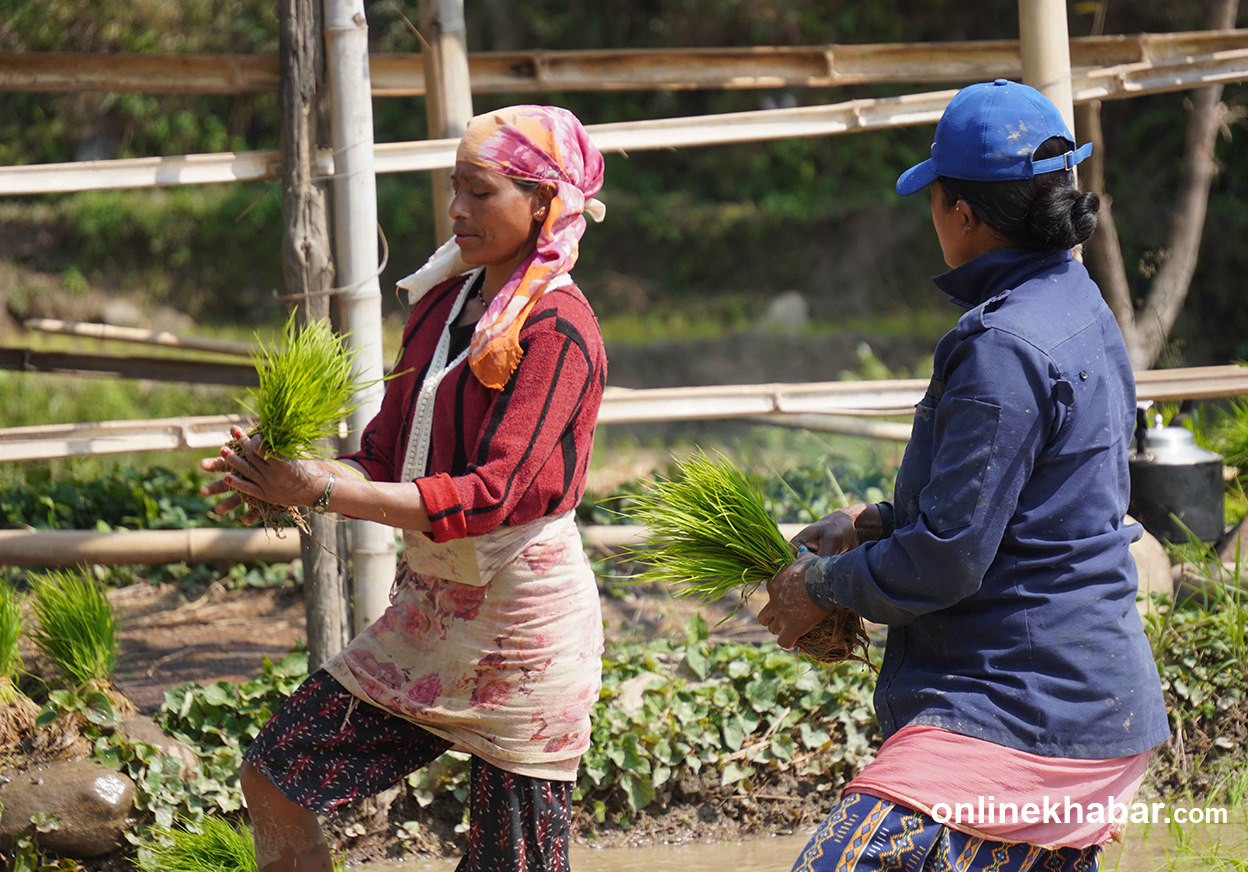
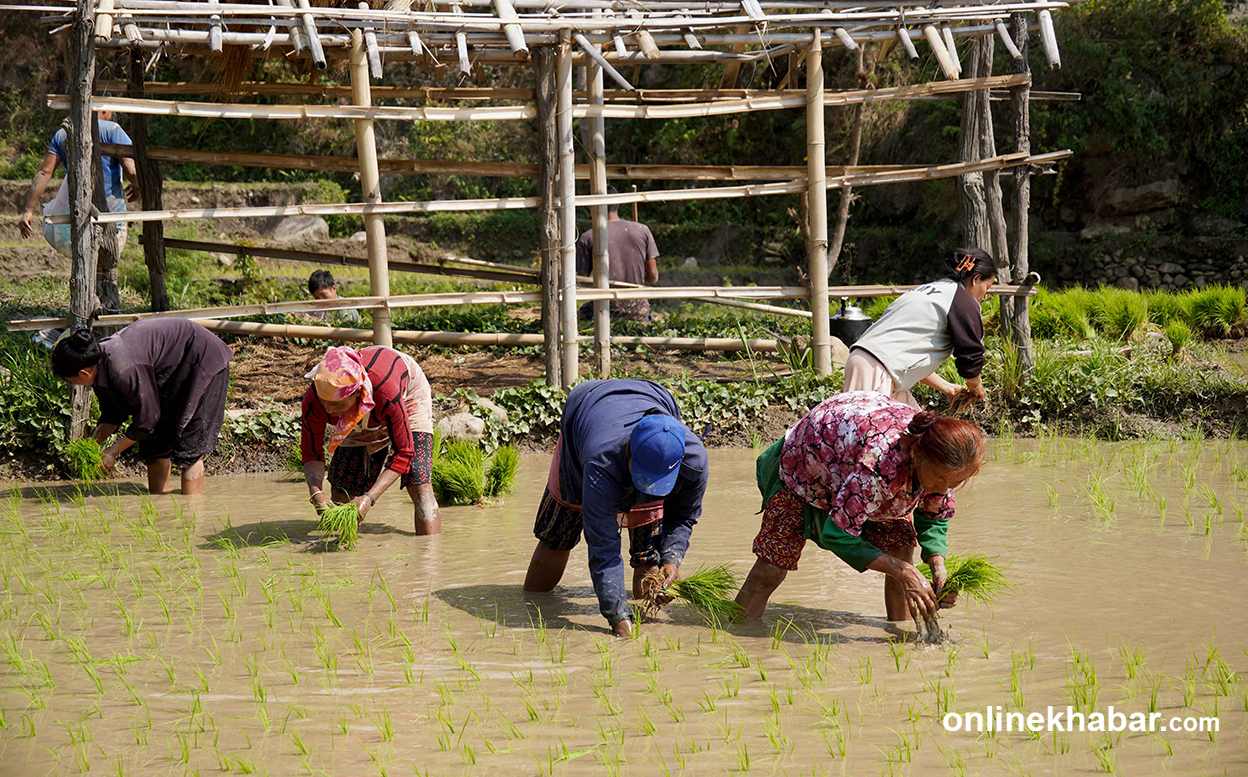
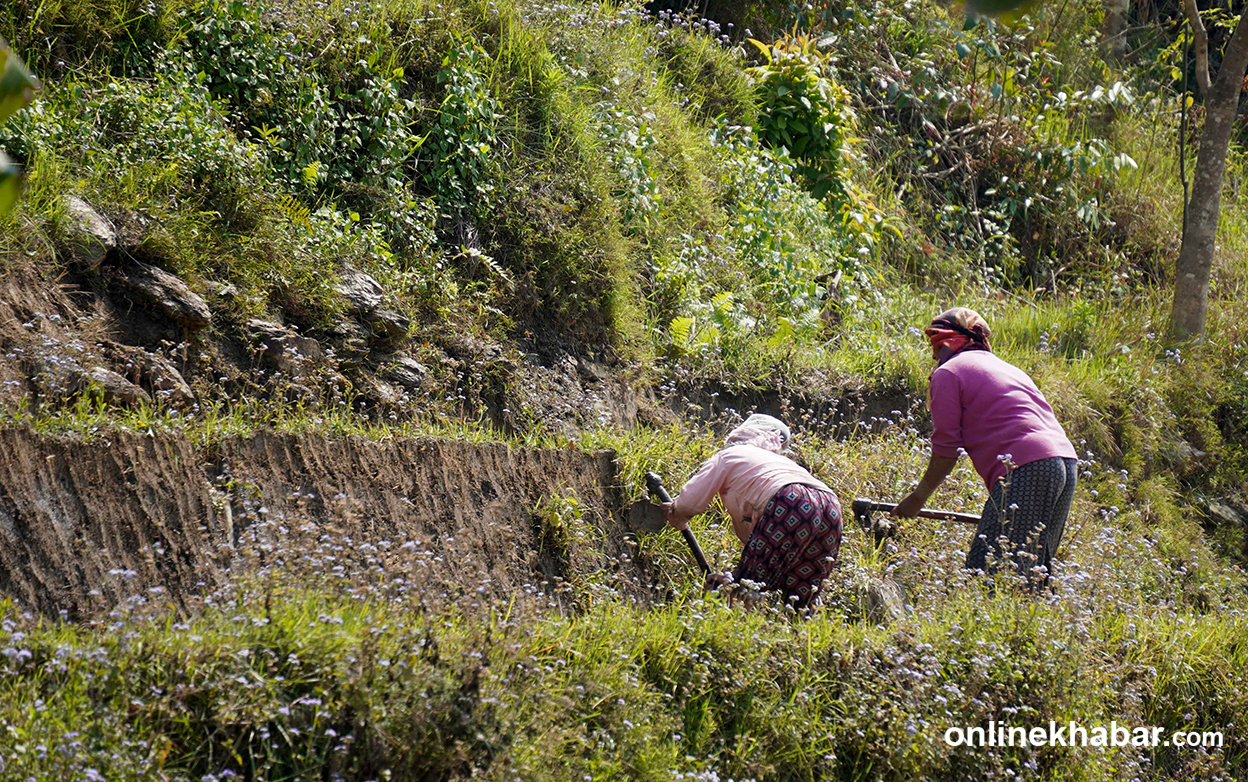
March 26, Panchthar – In this eastern hilly district, Chaite rice has been transplanted earlier this year compared to previous years. Most of the fields around Hokmakhola, Fidim-2, have been planted with Chaite rice.
According to local farmer Upendra Aryal, rice transplanting typically started after March 29 in the east, but this year it has been completed in many places much earlier. “We transplant after the seeds sown in January sprout. We have been farming here for many years. This time, the heat has been more intense. Unlike before, the seeds sprouted quickly, probably due to the increased warmth,” he explained.
Chandrakumari Shrestha, encountered in the fields, also noted that rice was transplanted sooner this year. “We face significant water scarcity here. When the soil is warmer, seeds sprout sooner, which might be a reason,” she said.
Recent rainfall has facilitated easier cultivation of Chaite rice. The rice is mainly grown in the Aul area, where there is a tradition of producing rice twice a year. Rice cultivation occurs only where sufficient irrigation is available.
Keshar Bahadur Magarati, Crop Protection Officer at the Agricultural Knowledge Center in Panchthar, confirmed that rice transplanting began a few weeks earlier this year. “Transplanting started as early as the first week of Chaitra,” he said. According to him, Chaite rice farming is practiced in Fidim Municipality, Phalgunanda, Kummayak, Hilihang, and Miklajung regions. “Last year, Chaite rice farming decreased in Panchthar due to damage and erosion to irrigation canals and fields, but with the canal restored this time, rice cultivation is expected to increase,” he added.
Last year, Chaite rice was cultivated over an area of 2,136 hectares.
March 25, Siraha – Hiradevi Mahara had lived in darkness for five years due to untreated cataracts. Financial constraints had prevented her from seeking medical care.
Her world was shrouded in darkness because of the cataract condition. However, during the first week of Chaitra, she was able to attend an extensive free eye camp organized by the municipality. Expert doctors conducted a thorough eye examination.
Following the examination, surgery was deemed necessary and successfully performed. Hiradevi expressed with joy, “Now I can see clearly,” adding that she found it hard to believe such services were available within her own municipality.
Similarly, Shivakumari Sah, approximately 60 years old from Mirchaiya-6, was unable to undergo treatment earlier due to financial difficulties. Smiling, she said, “The poor often lack the means and are worn down by ill health, but receiving free services here has brought a new light into my life.”
Ramshankar Yadav from Mirchaiya-1 and local Sumitradevi Yadav also regained their vision after receiving eye treatments at the same camp.
Mayor Shravan Kumar Yadav of Mirchaiya Municipality informed that, in collaboration with Tilganga Eye Hospital in Kathmandu, 312 patients underwent cataract surgery at the camp. He emphasized that all services—from vision testing and cataract screening to eyewear examinations—were provided completely free of charge.
According to Dr. Basudev Adhikari, cataract surgery typically costs between NPR 28,000 to 30,000 at hospitals, but each operation here was offered at just NPR 14,000, inclusive of medication, examinations, and transportation.
Mayor Yadav explained that upon learning about elderly members of Dalit and disadvantaged families with vision problems unable to afford treatment, the municipality partnered with Tilganga Eye Hospital to organize this camp.
Health Branch Chief Rajan Kumar Sah reported that from March 16 to 22, screening camps were held across all wards and at Mirchaiya Hospital, treating a total of 4,550 individuals’ eyes, with 312 cataract surgeries successfully completed.
March 26, Kathmandu — A jury in California, USA, has found social media platforms Meta and YouTube guilty of intentionally fostering addiction in a young woman, causing damage to her mental health.
Meta and YouTube were ruled to have failed in warning users about the risks of their platforms, resulting in serious harm to the user.
According to CNN, the case was filed by a 20-year-old woman from California, referred to by the pseudonym ‘Kelly,’ and her mother. They had sued Meta, YouTube, TikTok, and Snap Inc. The lawsuit alleged that these companies attracted Kelly from childhood, fostering an addiction that led to anxiety, body dissatisfaction, and suicidal thoughts. Prior to the trial, reports indicate that TikTok and Snap reached settlements in the case.
The jury ordered Meta and YouTube to pay a combined total of $3 million in damages — $2.1 million from Meta and $900,000 from YouTube. The jury assigned 70 percent of the responsibility to Meta and 30 percent to YouTube, according to CNN.
After a seven-week trial and more than eight days of deliberation, the jury reached its verdict. In court, Kelly testified that her social media addiction still affects her daily life; she feels compelled to secretly use her phone even during work hours and spends hours editing her appearance using filters.
Preparation for Appeal
Both Meta and YouTube have expressed disagreement with the ruling and announced their intention to appeal. Meta argued that adolescent mental health is a complex issue that cannot be attributed to a single app. YouTube stated that it is a responsibly designed platform.
CNN notes that this is the first time among approximately 1,500 similar lawsuits filed against social media companies that a case has gone to a full trial. The verdict is expected to guide the outcomes of future cases. Continued losses in such litigation could force these companies to pay billions in damages and implement significant platform reforms.
Previously, a jury in New Mexico also found Meta liable for failing to protect children from sexual predators.
Experts suggest this decision may represent a ‘turning point’ in the history of social media. Parents and advocacy groups have long called for stricter regulations to ensure children’s safety. Following this ruling, pressure is expected to increase on the U.S. Congress to enact stronger child protection laws.
March 26, Kathmandu – The dates for US President Donald Trump’s visit to China have been finalized. Trump is scheduled to visit China on May 14 and 15, corresponding to the Nepali calendar dates of Baishakh 31 and Jestha 1, 2083.
During this visit, US President Trump is set to hold talks with his Chinese counterpart, Xi Jinping. This long-awaited meeting will take place in Beijing on May 14 and 15, according to information released by the White House on Wednesday, as reported by Reuters.
The China visit, initially expected at the end of March or early April, has been postponed by nearly six weeks. Trump had indicated that due to ongoing conflict with Iran, the talks would be delayed by about a month.
Trump Describes Meeting with Xi as ‘Important and Historic’
Following a press conference on Wednesday, Trump conveyed via the social media platform Truth Social that the US delegation is making final preparations for the ‘historic’ trip. He expressed confidence that his meeting with Chinese President Xi Jinping would be both ‘important and historic.’
According to the Trump administration, the military conflict initiated by the US and Israel against Iran on February 28 may continue for several more weeks.
When questioned about this, White House Press Secretary Karoline Leavitt stated that the war with Iran is expected to last between four to six weeks, and President Trump’s China visit schedule was adjusted accordingly.
Meanwhile, during his visit to China, Trump is also expected to invite President Xi to visit the United States.
According to White House Press Secretary Leavitt, President Trump and First Lady Melania Trump will invite Chinese President Xi and his wife Peng Liyuan to visit Washington, D.C. later this year. The exact dates for this visit will be determined in the future.
United States President Donald Trump has stated that Iran is willing to engage in peaceful negotiations and desires to end the war that began last month between Israel and the US. However, Iran has categorically denied this claim. On Wednesday, Iranian Foreign Minister Abbas Araqchi stated that although the US has sent messages with various proposals, no talks have taken place. Araqchi described Washington’s mention of negotiations as an admission of defeat and warned that they should no longer demand unconditional surrender. He added that Tehran wants the war to end on its own terms, which include assurances that the US and Israel will not launch further attacks and full compensation for the damages suffered by Iranians.
Emphasizing that Iran is engaging in talks, Trump said, “They are afraid to admit it because they fear they could be killed by their own people.” He further remarked, “They fear they could also be killed by us.” On Wednesday, White House Press Secretary Karoline Leavitt reported that President Trump has been involved in “productive talks” with Iran over the past three days. She described US actions as “ahead of schedule” and said the Iranian government is searching for a “way back.” However, these statements sharply contrast with those of Iranian Foreign Minister Abbas Araqchi, who said, “There are currently no plans for negotiations” and that the country remains focused on its “security.”
Discrepancies are also evident regarding proposals to end the war. On Wednesday, reports indicated that Iran had received a 15-point plan from the US aiming at establishing a ceasefire. Citing a senior political-security official in Tehran, state-run Press TV outlined five conditions to end the war, including payment for war damages and compensation and a comprehensive ceasefire on all fronts. Despite these efforts, clashes between the two sides continue. Following Iranian missile strikes, smoke was seen rising from an Israeli energy facility, and air defense system alarms were heard in Tehran.
The United States is deploying thousands of troops to the Gulf region, with nearly 2,000 soldiers from the 82nd Airborne Division ordered to move there.
Iran’s Parliament Speaker Mohammad Bagher Ghalibaf warned that if a neighboring country assists enemies in seizing any Iranian island, Iran will launch an attack on that country.
Iran has claimed it is prepared to allow Yemen’s Houthi rebels to play a role in controlling the Bab-el-Mandeb Strait if necessary.
March 25, Kathmandu – As reports continue about efforts to end the ongoing tensions with Iran, the United States has sent thousands of troops to the Gulf region. Iran suspects that the deployment of American troops toward the Gulf states may be aimed at seizing one of its islands.
On Wednesday, Iran’s Parliament Speaker Mohammad Bagher Ghalibaf issued a warning that if any neighboring country assists “enemies” in seizing an Iranian island, Iran will retaliate with an attack on that country.
“The Iranian military is closely monitoring hostile activities. If they take any action, we will continuously and strongly attack the critical infrastructure of that regional country,” Ghalibaf stated on social media in separate posts.
However, he did not specify the country’s name. Some analysts believe Ghalibaf’s warning could be aimed at the United Arab Emirates (UAE). Al Jazeera noted, “Some interpret that he may be signaling the UAE, which could assist the U.S. in seizing Kharg Island.”
US Focus on Kharg Island
According to Al Jazeera, the U.S. has its sights set on Kharg Island. Kharg is a small, open island close to Iran’s mainland, considered strategically and commercially important.
Iran’s semi-official Tasnim news agency quoted an anonymous military source saying that if military action occurs on Iranian islands or other areas, Iran could open a new front of battle at the gateway to the Red Sea.
U.S. media reported that the Pentagon is deploying “thousands of air and sea troops” to the Gulf region.
Reports indicate that approximately 2,000 soldiers from the 82nd Airborne Division have been ordered to move to the Gulf.
The 82nd Airborne Division is one of the fastest deployable U.S. military units, specially trained to parachute into designated locations. It is commonly known as the “Paratrooper Force.”
Two U.S. Marine units have already been deployed. The first platoon of the marine units embarked on large ships is expected to reach its destination within days.
If the U.S. military presence does indeed establish itself on Kharg Island as suspected, it could pose a threat to the Bab-el-Mandeb maritime route.
Where is Bab-el-Mandeb and Why Is It Sensitive?
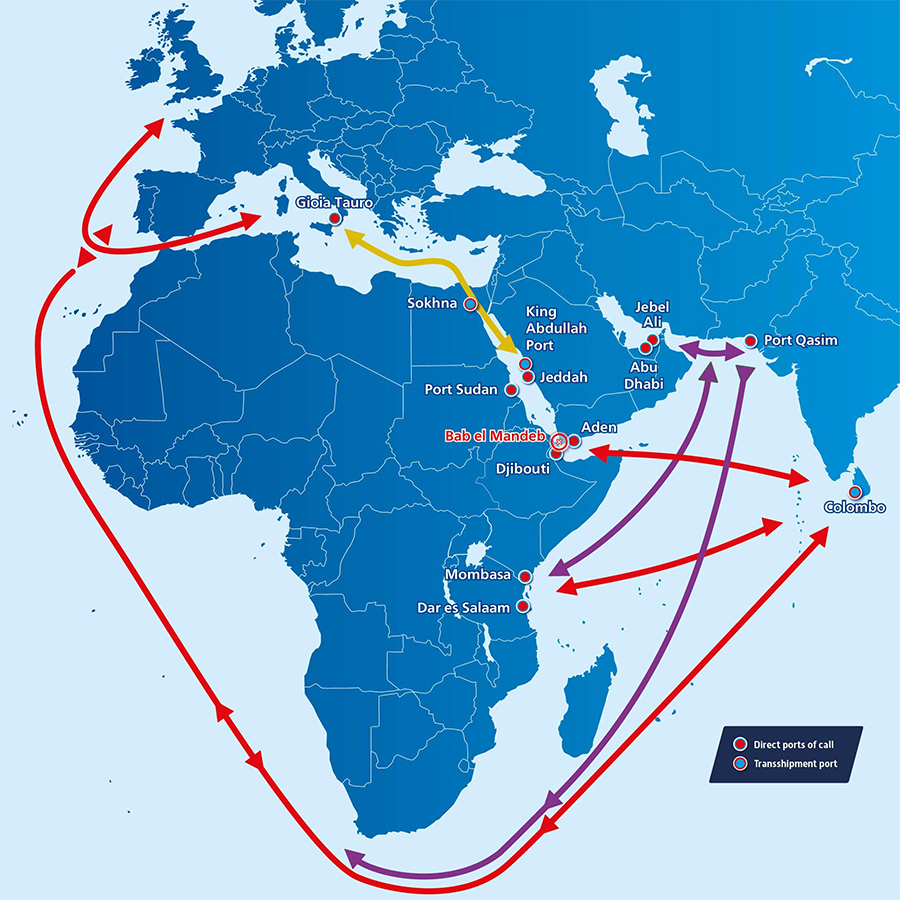
The Bab-el-Mandeb Strait is a critical maritime passage between Africa and Asia. It connects the Red Sea with the Gulf of Aden. To one side lies Yemen (Asia), and to the other side Djibouti and Eritrea (Africa). It links the route toward the Mediterranean Sea through the Suez Canal. A significant volume of goods transits between Asia and Europe via this passage.
This route is particularly crucial for transporting oil and gas.
A large portion of the world’s oil and gas passes through this route. Analysts warn that any disruption here could impact global oil and gas supplies and cause price hikes worldwide.
For the U.S., Europe, and Middle Eastern countries, this is also a militarily sensitive area. Increased tensions could disrupt maritime traffic. If this route is blocked, ships would have to navigate around the southern tip of Africa, substantially increasing travel time and costs.
Tasnim news agency cited sources claiming that if necessary, Iran-backed Yemeni Houthi rebels are ready to play a role in controlling the Bab-el-Mandeb Strait.
The Karnali Provincial Government has appointed Ravindra Chand as Member Secretary of the Karnali Province Sports Development Council.
The Provincial Cabinet decided on Thursday to appoint him to the Member Secretary position.
A selection committee conducted interviews on January 17 and recommended three candidates.
Surkhet – The Karnali Provincial Government has appointed Ravindra Chand as the Member Secretary of the Karnali Provincial Sports Development Council.
The Provincial Cabinet meeting held Thursday morning decided to appoint him to the Member Secretary post.
Earlier, the Member Secretary Selection Committee conducted interviews on January 17 and recommended three candidates. The recommended candidates were Ravindra Chand, Deepak Hamal, and Pramod Hamal.
In the committee’s evaluation, Ravindra Chand scored the highest with 67.17 points, followed by Deepak Hamal with 60.63 points and Pramod Hamal with 52.37 points.
Initially, 21 applicants applied for the Member Secretary position, out of which 10 were shortlisted for the interview. Based on the interview and evaluation, the top three candidates’ names were recommended to the Cabinet. Among them, Chand was appointed as Member Secretary, according to Vinod Kumar Shah, spokesperson for the Karnali Provincial Government and Minister for Land Management, Agriculture, and Cooperatives.
Pramod Hamal Appointed as Vice Chairperson
Similarly, Pramod Hamal from Birendranagar Municipality-5, Surkhet, has been appointed as Vice Chairperson.
Members appointed by the Karnali Provincial Government include Pangkha Bahadur Malla from Khandachakra-7 of Kalikot, Bhim Kumari Bhusal from Birendranagar Municipality-3, Surkhet, Gorkha Bahadur Shahi from Chankheli Rural Municipality-4, Humla, Pawan Kumar Thapa from Dullu Municipality-8, Dailekh, and Kiran Kishor Sapkota from Birendranagar Municipality-4, Surkhet.
March 25, Syangja — A total of 4,275 students from Syangja are set to participate in this year’s Secondary Education Examination (SEE).
According to the Education Development and Coordination Unit of Syangja, 3,221 students will appear in the regular category, while 1,054 students will take the exam under the grade improvement category.
The examinations will commence on Chaitra 19 (April 1). Notably, this year, the number of male students surpasses that of female students. Of the total, 2,174 are male students, while 2,101 are female, indicating 73 more males than females.
In the technical stream, 116 students from six schools across the district will take the SEE exam. Additionally, 16 students from the Sanskrit and Vedic education streams are preparing to sit for the examination.
Across the district’s 11 local levels, 21 examination centers have been designated. Each center will be overseen by the principal or vice-principal of the respective school designated as the chief examiner.
Chief of the Education Development and Coordination Unit Syangja, Bishwaraj Acharya, stated that preparations for the exam have been accelerated. Meetings with center chiefs, monitoring visits, and orientation programs are currently underway. Answer booklets have already been delivered to remote centers, with distribution to remaining centers progressing steadily.
Syangja’s Walung Municipality hosts the highest number of centers, with five, followed by Putalibazar Municipality, which has three centers. Both Bhirkot, Galyang, and Chapakot Municipalities have two centers each, as does Kaligandaki Rural Municipality. All other rural municipalities have been assigned one center each.
Compared to last year, both the number of students and examination centers have decreased. Last year, 4,992 students participated, marking a reduction of 717 students this year. Consequently, the number of examination centers has been reduced from 25 to 21.
According to the office, centers with fewer than the minimum required number of students were closed. This year, Tribhuvan Adarsha Secondary School in Putalibazar has the highest number of students among community schools, while Pioneer Secondary School in Walung has the highest attendance among institutional schools.
As conflict continues with Iran, concerns over the safety of Nepali workers in Israel are rising at home, while those on the ground share mixed experiences with the BBC.
Most Nepali caregivers report little concern about security, whereas workers in the agricultural sector express some unease.
They describe their daily routines during attacks, including entering bunkers or shelters when alerted, leaving them, and continuing work as usual.
Since the end of February, following a joint attack by the United States and Israel on Iran, Tehran has been launching strikes on Israeli cities.
Nonetheless, Nepali workers continue to lead relatively normal daily lives without shortages or increase in prices of essential goods.
Caregivers Display Calm Amid Conflict
Image source, Ramesh Duwadi
Matrika Timalsina from Lalitpur, who has worked as a caregiver in Israel for nearly 19 years, recently returned from a visit to Nepal.
After completing two months of leave, she rejoined her office and expresses little concern about the ongoing war in the Middle East.
“Work continues. As soon as air raid sirens sound, people head to bunkers. Afterwards, they return to work. Everything is proceeding as usual,” she told the BBC by phone.
According to her, work has not stopped even during the conflict. “Daily life is running normally. There has been no major physical damage in my area,” she added.
During Iran-Israel conflict periods, the time to reach a bunker in Gaza used to be three to four minutes, now extended to five to ten, she stated.
“There is sufficient time to reach the shelter,” Timalsina explains. However, because Iran is firing missiles from farther distances, more time is required to reach Israel, resulting in longer defensive warning periods.
She has received alerts on her phone four times in the last 48 hours. The frequency of warnings varies by geographic location.
Areas with more Iranian attacks, including both military and urban zones, receive more warnings.
Adequate Shelter Access Ensured
Ali Mohammad from Gorkha has been working as a caregiver in Israel for eight years.
If the current fighting ceases, he plans to visit Nepal for Eid al-Adha festivities.
There was a previous conflict lasting about one and a half weeks between Iran and Israel, but this time, he feels more apprehensive.
“It’s a bit frightening when outdoors, and there’s some fear. But my family in Nepal is more worried,” Ali told the BBC.
He reassured about Israel’s security arrangements, saying: “Security measures remain active; we go to bunkers and return to work when the danger passes. So far, everyone is safe.”
Private Israeli residences and public places also have bunkers or shelters, accessible to anyone when necessary, Ali explained.
Image source, Matrika Timalsina
Neetu Prefers Not to Return Quickly
Neetu Khatri from Kathmandu has been working as a caregiver in Israel for 16 years.
She started working there even before the ‘G-to-G’ agreement between Nepal and Israel.
During the current conflict, her family has expressed worry, which she shared on the phone.
“My sisters ask me to return to Nepal. My son messages, worried if I am offline for seven hours, asking ‘What happened?’ even when I have just woken up,” Khatri said.
“There is no need to worry about security; just staying in the shelter is enough. I don’t want to leave immediately; I wish to stay longer as the situation improves,” she added.
She said that in the shelters or bunkers, people from Israel and other countries stay together with no discrimination felt.
Concerns Among Agricultural Workers
Although caregivers appear reassuring regarding safety, Nepali workers in agriculture feel comparatively more anxious.
Rajan Duwadi, 38, from Dhading, has been working at a chicken farm in Tiberias, Israel for two years.
He said the current conflict with Iran feels different and has caused mental stress.
“It’s very different from before. The mental stress is constant. The fear of sirens never leaves,” he told the BBC.
Since farms are far from urban centers, it is difficult for them to enter bunkers immediately when attacks occur.
“We think we are safe working in agriculture, but if targeted, we would be very vulnerable,” he said.
He mentioned that they follow a routine of working in the fields and rushing to bunkers when sirens sound.
“The siren sounds loudly, and notifications arrive on mobile phones as well.”
According to Duwadi, around 200 Nepali workers are employed under the ‘Learn and Earn’ program, and another 500 work in agriculture in Israel.
Image source, Harisharan Bajgain
Reassuring Family Through Video Calls
Harisharan Bajgain from Kavrepalanchok is currently in Israel working in fruit picking. He told the BBC, “It’s raining so I haven’t gone to the farm today. I will go once the rain stops.”
He stated that daily routines are relatively normal despite the ongoing conflict.
“People working and locals also think this is the normal situation here,” he said.
Bajgain reported feeling less personal concern than his relatives in Nepal.
“When going out to market, I video call my family to show them everything and reassure them,” he added.
However, working on farms has its difficulties, especially during attacks above cities, though farmers remain somewhat protected, he explained.
Strong Supply Chain Maintained
Despite the ongoing war, Nepali workers report no shortage or price hike of consumer goods in Israel.
“All goods are available as usual,” said Timalsina.
Khatri shared that sometimes she even finds discounts on some items. “Many goods haven’t increased in price, and in some cases, there are discounts,” she mentioned.
Duwadi also expressed confidence in the stable supply system: “It’s reassuring that the supply chain is strong, with no shortages and stable prices.”
With good job opportunities and services, many Nepalis are reluctant to return home. Minimum salaries exceed NPR 300,000, along with other benefits.
The BBC Nepali YouTube channel is also available. To subscribe and watch videos, please click here. Our content is also accessible on Facebook, Instagram, and Twitter. Additionally, the BBC Nepali program is broadcast on the radio every Monday to Friday at 8:45 pm.
March 26, Kathmandu – Iran has stated that it is reviewing a proposal from the United States aimed at ending the war in the Gulf region. However, Tehran has made it clear that there is currently no intention to engage in negotiations to reduce ongoing regional conflicts.
Iran’s Foreign Minister Abbas Araghchi conveyed this position. According to him, there are indications that Iran could be prepared for talks if its demands are met, as reported by Reuters.
“This differs from the initial negative reaction, since Iranian officials had previously publicly rejected the possibility of talks with the United States,” Reuters noted.
Iran’s Foreign Minister: Iran Does Not Want War
Speaking to state television, Araghchi explained that Iran’s top leadership is considering the U.S. proposal but rejected the possibility of direct dialogue. “Exchanging messages through intermediaries is not the same as negotiating directly with the United States,” he said.
He acknowledged that Washington has been sending messages through various intermediaries but made it clear that Tehran does not view these as formal negotiations. “Some proposals have come via messages, which have been forwarded to the highest authorities. If necessary, an official position will be announced,” he added.
Araghchi emphasized that Iran does not want a protracted conflict but seeks a permanent solution on its own terms. “Iran does not want war; it desires a lasting end to this conflict,” he stated.
Iran Calls for Inclusion of Lebanon in Any Agreement
According to Reuters, Iran has informed mediators that Lebanon must also be included in any ceasefire agreement.
Reportedly conveyed through Pakistan, former U.S. President Donald Trump’s 15-point proposal to Iran includes demands to dismantle Iran’s enriched uranium stockpile, halt uranium enrichment, limit ballistic missile programs, and cease economic support for regional allies, according to sources.
Trump claimed at an event in Washington that Iranian leaders are engaged in talks. “They want to make a deal but are afraid to say so openly because they fear their own people. They also fear us,” Trump stated.
The conflict in West Asia, which began after joint U.S. and Israeli attacks on Iran, has now entered its fourth week, disrupting trade in the Strait of Hormuz shipping lane. Tensions escalated further following the February 28 joint assault by the U.S. and Israel, which reportedly resulted in the death of Iran’s Supreme Leader Ali Khamenei.
In response, Iran has targeted U.S. and Israeli sites in various Gulf countries, creating additional obstacles in shipping routes and impacting international energy markets and the global economy.
Attacks on energy infrastructure and restrictions on passage through the Strait of Hormuz have caused oil prices to rise, increasing international pressure, especially on the U.S. and its allies, to seek a resolution, reports indicate.
Recently, after announcing an early election and becoming embroiled in internal disputes that escalated to the courts, Nepali football has been negatively spotlighted extensively.
Summary
The National Sports Council suspended the All Nepal Football Association for three months due to non-compliance with electoral procedural regulations.
ANFA proceeded with an early election in Jhapa on January 12 without adhering to 11 directives laid out by the Council.
During the suspension, ANFA is barred from conducting any football activities and must comply with all directives issued by the Council.
March 24, Kathmandu: Those in power often perceive themselves as right and their actions as justified, whether good or bad. However, they are often less aware of the negative aspects of their decisions.
External critics call for reforms, but the ruling entities tend to dismiss opposition. It is only when situations sharply change that the significant repercussions emerge.
A similar scenario has unfolded within the All Nepal Football Association (ANFA).
As Nepal’s largest sports organization, the football federation is viewed by many institutions as an example of strong infrastructure and budgeting. Nevertheless, failure of the leadership to fulfill their responsibilities has brought numerous problems to light.
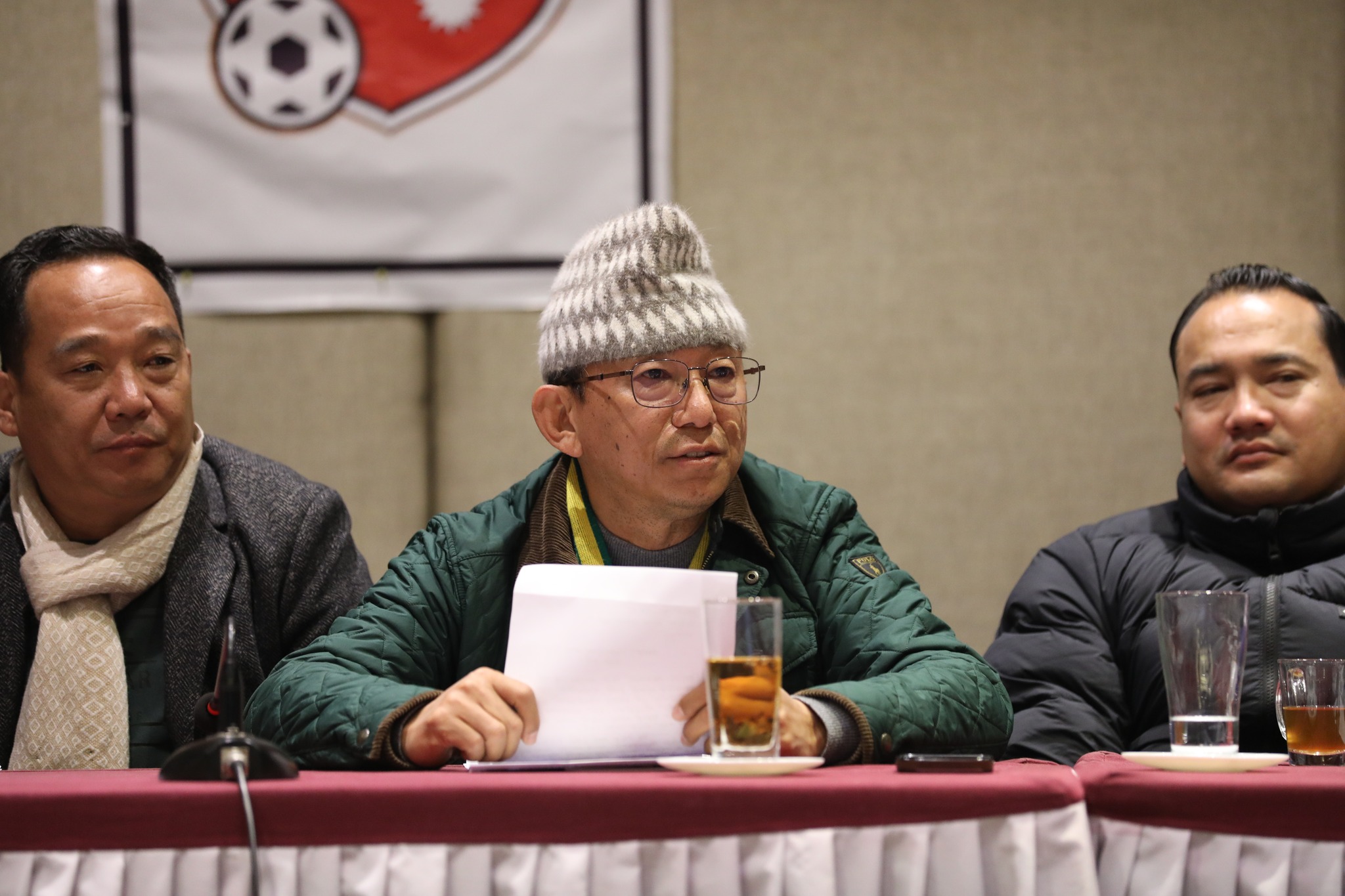
Following the recent announcement of early elections, disputes within Nepali football have intensified, reaching court intervention.
Off the field, political conflicts between the National Sports Council (NSC) and ANFA have escalated through formal correspondence.
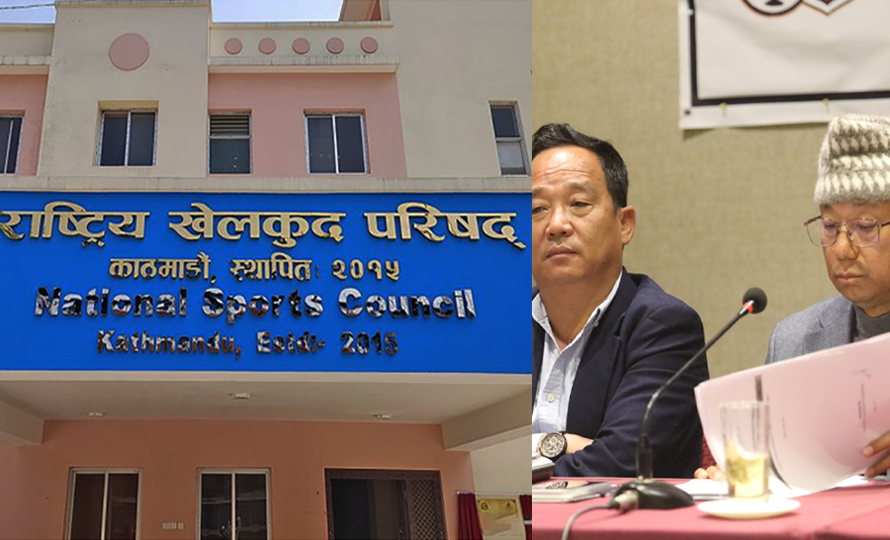
Due to lack of clarification from ANFA, the NSC imposed a three-month suspension on the association this Wednesday. ANFA now finds itself burdened by decisions it made unilaterally.
The NSC’s suspension decision was made based on Article 29(2) of the Sports Development Regulations 2020.
ANFA’s executive committee will remain suspended for the next three months.
File image
The Path from Early Election Announcement to Suspension
The primary reason for the suspension was ANFA’s announcement of an early election on January 29.
This decision triggered significant controversy within Nepali football, with external individuals and clubs protesting that the move violated federation statutes.
Despite this, ANFA leadership claimed that according to majority decisions, they would hold the general assembly and early election on January 28 in Jhapa.
The NSC then issued 11 directives to ANFA, which the federation ignored, resulting in disputes leading to court cases and election postponements.
While the NSC instructed organizing elections from the district level upwards, ANFA insisted it would follow FIFA and AFC directives, allegedly neglecting local procedures.
The NSC took firm action citing ANFA’s failure to follow directives and proceeding without approval, leading to the suspension.
Nevertheless, ANFA plans to hold elections on March 26, and FIFA and AFC representatives have recently visited Nepal.
Efforts to contact ANFA’s president, general secretary, and spokesperson for comment have been unsuccessful so far.
Why Was ANFA Suspended?
1. Failure to comply with directives from the National Sports Council and disregard of the Sports Development Act, 2020.
2. Initiating an unauthorized election process without official approval.
3. Ignoring NSC’s directives and providing unsatisfactory responses to official correspondence.
4. Moving forward with activities without self-compliance or due process.
5. Prioritizing international federation directives over national laws.
6. Not fulfilling responsibilities according to the constitution approved by the NSC.
7. Refusing to comply with regulations and ignoring the accountability standards required by the regulatory body.
8. Operating contrary to the Sports Development Rules.
What Happens Following the Suspension?
The NSC formally announced the three-month suspension this Wednesday. No official response has been received yet from ANFA.
Throughout the suspension, ANFA is prohibited from conducting any football-related activities, and the impact on Nepali football is expected to be significant.
ANFA has already postponed the National League, the Martyrs Memorial Women’s League, and the scheduled Nepal-Hong Kong friendly matches.
Additionally, the Nepali women’s team’s participation in the FIFA Series 2026 in Thailand is also expected to be affected.
What Are the Chances of the Suspension Being Lifted?
The NSC has imposed the suspension for only three months, and if ANFA complies fully with the issued directives during this period, the suspension can be lifted.
According to Article 29(3) of the Sports Development Act 2020, compliance with directives allows the Council to rescind the suspension.
Steps to Lift the Suspension
ANFA must follow nine key directives given by the NSC and report back to the Council on compliance, after which lifting the suspension is possible.
ANFA has repeatedly been asked to follow directives but has failed, complicating the current situation further.
These nine directives include:
1. Maintaining stability within the federation’s constitution and implementing any new constitution only after obtaining NSC approval.
2. Incorporating clarifications regarding the Sports Development Act, 2020 in the federation’s statutes.
3. Clarifying the meaning of the Sports Development Rules, 2022 within federation regulations.
4. Including provisions for democratic elections every four years within the constitution.
5. Ensuring election procedures for officials and members follow rules.
6. Establishing provincial and district-level structures and ensuring representation in the constitution.
7. Holding a general assembly within three months following the fiscal year-end and conducting periodic elections every four years.
8. Implementing necessary amendments and modifications.
9. Obtaining approval for elections as per constitutional provisions and proceeding accordingly.
Consequences if Suspension Is Not Lifted
If ANFA fails to comply with directives, the NSC may form an interim committee.
According to Article 29(4) of the Sports Development Act, 2020, the existing committee can be dissolved, and a new committee must be formed within three months.
If the interim committee also fails to form a new committee within that period, the Council has the authority to deregister the federation.
Furthermore, the Council is empowered to notify relevant international institutions, Nepal Olympic Committee, and government ministries.
The Act also provides ANFA the opportunity to present its defense to the Council before stricter actions are taken.
The conflict in the Middle East has manifested various impacts in Nepal. It has created a potential risk to the fuel supply chain in the country. In response, Nepal Oil Corporation has developed a strategic plan to address these challenges and ensure a stable fuel supply across the nation.
The Department of Hydrology and Meteorology has forecasted that from this Friday through Saturday, western winds will become active, potentially bringing light to moderate rain along with storms. Meteorologists suggest that the Kathmandu Valley might experience light rainfall and storms during this period as well. Kathmandu, 26 March – Toward the end of this week, the western winds are expected to become active again, leading to light to moderate rain accompanied by thunderstorms. Various weather forecast models predict rainfall across Nepal, extending from east to west, though the impact is expected to be stronger in the eastern region and lighter in the west. Meteorologists at the Department of Hydrology and Meteorology have similarly projected the possibility of rainfall on Friday and Saturday.
Senior meteorologist Barun Paudel of the department stated that light to moderate rainfall is likely in the Kathmandu Valley on Friday and Saturday. Earlier on 19 and 20 March, the valley and most other regions experienced storms and hail along with rainfall. Some mountainous districts also received snowfall. While the rain provided relief to farmers, hail and storms caused certain difficulties. Recent satellite images show dense cloud cover over India and surrounding areas, which may influence weather in Nepal. Meteorologist Binu Maharjan explained that the system’s effects will begin to appear from Thursday onward, with rainfall expected on Friday and Saturday. She noted, “Signs of this are already visible starting Thursday.”
According to Maharjan, light to moderate rainfall is expected at many locations. During the pre-monsoon period, the risk of storms and lightning increases, and therefore, caution is advised. The new system, which is expected to bring storms, hail, rain, and even snowfall, is likely to also cause a noticeable drop in temperatures. Its effects are expected to include the Kathmandu Valley. Meteorologist Dr. Vinod Pokharel mentioned that there might be slight rainfall in the western Terai region, with light to moderate rainfall elsewhere. Climate analyst Dr. Dharmaraj Upreti stated that strong winds are expected in the Kathmandu Valley during the evening as the rain arrives, though heavy storms are unlikely due to the valley being surrounded by hills.
He said, “As the system advances from Bihar and Uttar Pradesh in India toward Nepal, greater influence is expected in the Lumbini–Chitwan area, while the Kathmandu Valley is likely to experience less impact.” He added, “Even then, the effects will be temporary and moderate.” Rain and snowfall are also probable in the high mountainous regions. Regarding the system’s intensity, it is expected to be less powerful compared to the system of 19 and 20 March. Maharjan noted, “Based on current observations, this system appears less intense than the previous one.” Dr. Upreti also mentioned that weather forecasting institutions in the European Union, Germany, and India anticipate light to moderate rainfall on Friday and Saturday.
The rainfall impact seems likely to be more pronounced in eastern Nepal and less in the west, whereas the storm risk is expected to be higher in western regions and lower in eastern areas. Upreti stated, “The effects will likely persist from Friday evening through Saturday afternoon. In the Kathmandu Valley, there is a chance of storms and rainfall on Friday evening.”
According to the Indian Meteorological Department, the system is expected to have a significant impact across various Indian states, prompting a moderate risk alert. Satellite data indicates active weather conditions and temperature drops in northern and northeastern India, increasing the chill. This may result in rain and snowfall in the Himalayan regions of Jammu & Kashmir, Himachal Pradesh, and Uttarakhand. Additionally, thunderstorms, storms, and light to moderate rain are forecast in western Punjab, Haryana, Delhi, and Uttar Pradesh. Cloudy conditions and ongoing rainfall activities are expected in Assam, Meghalaya, and Arunachal Pradesh in northeastern India. Meanwhile, southern India’s weather remains comparatively stable, although some cloud cover is present. These factors are also expected to cause a slight temperature drop and increased chill in Nepal.
The conflict in the Middle East has impacted drug production and supply in Nepal, leading to unexpected increases in the prices of raw materials and packaging components, according to producers. Santosh Baral, General Secretary of the Nepal Pharmaceutical Manufacturers Association, stated that the production costs of petroleum-based medicines have risen by 40 to 100 percent. Narayan Dhakal, Director General of the Department of Drug Administration, also highlighted that the price hikes and supply challenges are creating difficulties in producing medicines at the fixed prices. Kathmandu, 11 Chaitra.
The escalating conflict in the Middle East (West Asia) has begun to directly affect pharmaceutical production and supply in Nepal. Santosh Baral, General Secretary of the Nepal Pharmaceutical Manufacturers Association (APPON), emphasized that the abnormal rise in costs for raw materials and packaging has significantly impacted the pharmaceutical sector. Since medicine production and packaging are heavily dependent on petroleum byproducts, any disruption in the supply chain leads to drug shortages and price increases, Baral explained.
According to the pharmaceutical industry, some raw materials used in medicines are petrochemical derivatives. An increase in petroleum prices automatically drives up the cost of these raw materials, putting upward pressure on medicine manufacturing costs, which directly affects retail prices. Substances used in capsules, tablet coatings, syrups such as solvents, and ointments like petroleum jelly are also petroleum-based, so any supply disruption affects production, pharmaceutical producers reported.
Packaging issues are also expected to worsen. Materials such as blister packs, plastic bottles, and syringes—used for storing medicines—are derived from petrochemicals. Supply interruptions in these components could impact distribution systems. Since both raw materials and finished medicines have to be imported, fluctuations in the international market directly affect the Nepalese market, General Secretary Baral explained. Industry representatives also noted that drug production costs have increased by 40 to 100 percent.