Author: space4knews

Who Are the Senior Members Who Administer Oaths to Parliamentarians in Nepal’s Parliamentary History?

From the left: Giriprasad Budhathoki, Girija Prasad Koirala, Bal Bahadur Rai, Surya Bahadur Thapa, Pashupati Shamsher Jang Bahadur Rana, Mahanta Thakur, Kul Bahadur Gurung, and Arjun Narasingh KC.


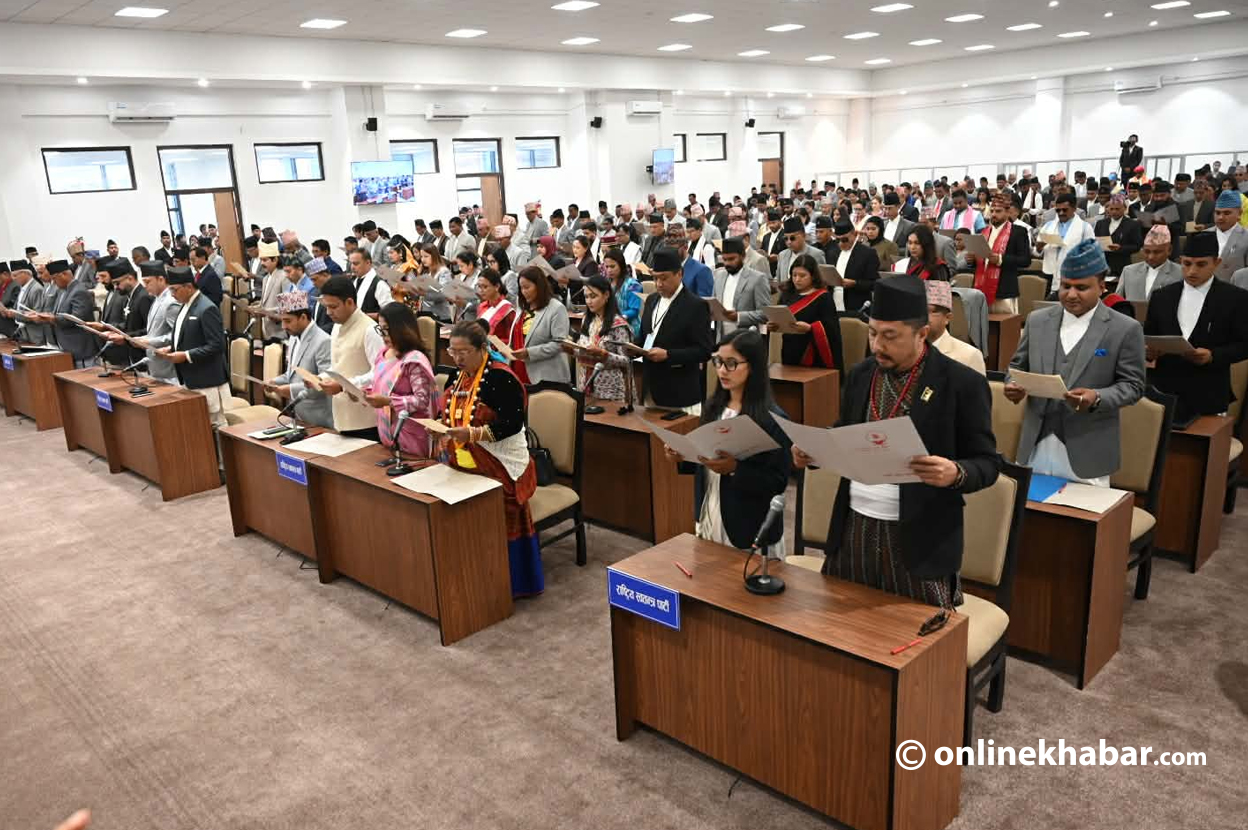
March 26, Kathmandu – Newly elected members of the House of Representatives are currently taking their oath of office and secrecy. According to legal provisions, the senior-most member of the House administers the oath to the other members.

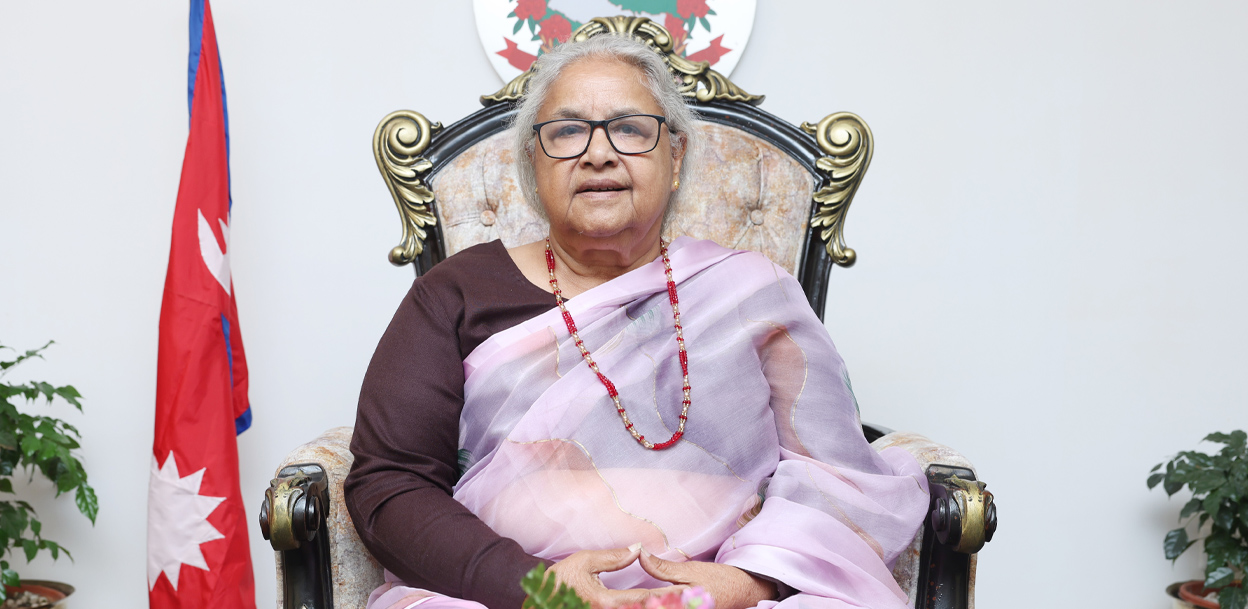
This time, the senior member Arjun Narasingh KC is administering the oath. He is 78 years old.

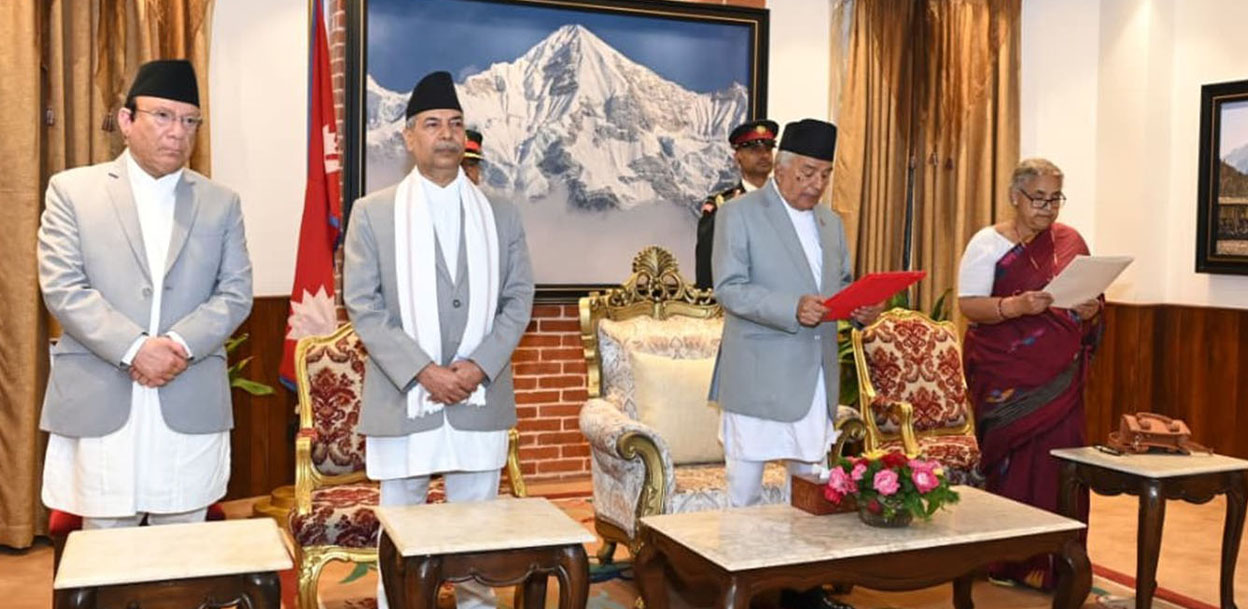
On Wednesday, President Ram Chandra Paudel administered the oath of office and secrecy to senior member KC at Sheetal Niwas. Today, KC is set to administer the oath to the remaining members.

The practice of the senior member administering the oath has been continuous since 1991 (2048 BS). However, in 1958 (2015 BS), oath-taking was administered by Giriprasad Budhathoki, who served as the acting chairman.

According to Rule 13 of the Rules of Procedure of the House of Representatives, 1960 (2016 BS), until the election of the speaker, Giriprasad Budhathoki was nominated as the acting chairman, based on a recommendation from the then Prime Minister to the then monarch (Shree 5). Budhathoki administered the oath to the other members and presided over the first two meetings of the House of Representatives’ first session.

At the third meeting, the newly elected speaker Krishna Prasad Bhattarai was sworn in by the House Secretary, Kul Shekhar Sharma, after which the acting chairman handed over the chairmanship to the newly elected speaker.

Since 1991 (2048 BS), it became customary for the senior-most member to administer the oath to the House members.

Article 51(3) of the Constitution of the Kingdom of Nepal, 1990 (2047 BS), stipulated that if neither the Speaker nor the Deputy Speaker of the House of Representatives was elected or both posts were vacant, meetings would be chaired by the oldest member by age.

At that time, before attending the first session of the House of Representatives following a general election, members were required to take an oath before the monarch (Shree 5). Accordingly, Khaleel Miya, a 74-year-old member of Nepali Congress elected from Sunsari district constituency no. 4, was sworn in as a member on June 19, 1991 (Ashar 5, 2048 BS).

Subsequently, Miya administered the oath to the remaining members on June 20, 1991 (Ashar 6, 2048 BS).

At that time, the first to take the oath were Prime Minister Girija Prasad Koirala, followed by ministers and opposition leader Manmohan Adhikari. Subsequently, other parliamentarians took the oath in 12 grouped batches.

In 1995 (2051 BS), the senior member was Bal Bahadur Rai, who was 72 years old. He administered the oath to the other members and presided over the House meetings until the speaker was elected.

In 1999 (2056 BS), senior member Girija Prasad Koirala, aged 75 at the time, took the oath on June 18 (Ashar 4) at Narayanhiti Royal Palace. He then administered the oath collectively to the other members on June 20 (Ashar 6, 2056 BS).

In 2006 (2063 BS), the reinstated Legislature Parliament convened under the chairmanship of senior member Bal Bahadur Rai. During this session, Subas Chandra Nembang was elected uncontested as the speaker of the Legislature-Parliament at the second meeting.

In 2007 (2064 BS), the first Constituent Assembly election was held. Among the elected members, Kul Bahadur Gurung was the senior member. On May 27, 2008 (Jestha 14, 2065 BS), he first took the oath himself at a special event in the Assembly hall, then administered the oath collectively to the other Constituent Assembly members.

After the 2013 (2070 BS) election, Surya Bahadur Thapa was the senior member of the second Constituent Assembly. He administered the oath to the remaining members.

Following the 2017 (2074 BS) election, Mahanta Thakur was the senior member elected to the House of Representatives. He administered the oath to the other members and presided over three sessions until the election of the speaker.

In 2022 (2079 BS), Pashupati Shamsher Jang Bahadur Rana served as the senior member and administered the oath to the other members.

This time, Arjun Narasingh KC is the senior member and is responsible for administering the oath to the other members.

बालेनको ‘जय महाकाली’ बन्यो युट्युबमा छिटो १० लाख भ्यूज पाउने नेपाली गीत

Balen’s ‘Jai Mahakali’ Sets New Record with Over One Million Views on YouTube

Balen Shah’s latest song, ‘Jai Mahakali,’ has been viewed more than 1.2 million times on YouTube within just three hours of its release, establishing a new record for the fastest Nepali song to reach one million views. The song garnered 107,000 views in the first hour, 458,000 views by the second hour, and over one million views by the third hour.

‘Jai Mahakali’ is poised to break the record for the most viewed Nepali song on YouTube within 24 hours—a benchmark previously held by Durgesh Thapa and Sisan Baniya’s track. In Kathmandu, Balen Shah’s new release is setting a fresh milestone as ‘real-time’ views reached 1,574,000 within three hours.

This achievement makes Balen’s song the fastest Nepali track to reach one million views on YouTube. The rapid pace of viewership is a rare feat in the Nepali music industry. Based on this momentum, the song is expected to surpass the record for the highest number of views within 24 hours.

Until now, the record was held by Durgesh Thapa and Sisan Baniya’s song ‘Jane Bhaye Jam Maya,’ which was viewed 1,636,000 times within 24 hours. Durgesh’s song had also broken the previous record of 1.5 million views held by Bishnu Majhi’s ‘Aain Ama Yo Teejma.’ It now appears certain that Balen’s song will surpass all of these records. The audio for ‘Jai Mahakali’ was originally released 11 years ago but has been re-mastered and re-released recently. The video includes footage from the election campaign, and since the song was released just before the prime minister’s oath-taking ceremony, it quickly gained widespread attention and popularity.

Post-Genji Movement Reconstruction Included in 16th Periodic Plan Implementation

News Summary

Editorial review completed.

  • The National Planning Commission has announced that reconstruction following the Genji movement is now included in the implementation plan of the 16th periodic plan.
  • The plan mandates all three government levels to document damaged government structures, records, and assets, prioritizing their reconstruction.
  • The Commission reported that 2,671 buildings were damaged during the Genji movement, resulting in physical losses estimated at NPR 8.45 billion.

March 26, Kathmandu – The reconstruction efforts following the Genji movement have now been incorporated into the implementation plan for the 16th periodic plan.

The National Planning Commission has released the implementation plan for the 16th Plan (2024/25–2028/29), which also includes ministry-specific action plans.

Accordingly, all three levels of government are now required to prioritize reconstruction efforts. The plan specifies that documentation and detailed inventories of damaged government structures, records, and other assets caused by the movement will be prepared across federal, provincial, and local levels.

The Commission stated that the extent of economic and other damages to public property, infrastructure, and private businesses will be studied and analyzed to assess reconstruction needs.

A strategy has been outlined to coordinate with provincial and local governments to allocate the necessary budget for reconstruction and restoration efforts. Prioritization will be based on the nature of the affected government bodies and the severity of damages, with detailed plans for reconstruction and rehabilitation developed accordingly.

The Commission also indicated that comprehensive plans will be designed and implemented to protect public assets of historical and archaeological significance.

Additionally, the reconstruction policy emphasizes the use of cost-effective, safe, environmentally friendly techniques, along with the utilization of local resources and construction materials.

To mitigate risks from natural disasters and other hazards, the policy includes provisions to insure all types of government and transportation assets.

Details of the Damage are as follows:

During the Genji movement on September 8 and 9, extensive human casualties, looting, vandalism, and arson caused damage to government structures, private, and community properties.

According to the Commission, a total of 2,671 buildings were damaged nationwide. The total physical damage during the movement amounts to NPR 8.45 billion.

Of this, 53% of damage was to government and public property, 40% to the private sector, and 7% to other areas. Broken down by asset type, building damages accounted for NPR 3.93 billion, vehicles NPR 1.29 billion, other physical assets NPR 2.04 billion, cash and valuables NPR 281 million, and other temporary and private assets NPR 902 million.

Dispute Erupts Between Coalition Partners in Sudurpashchim, UML Ministers Boycott Cabinet Meeting

News Summary

Reviewed.

  • A dispute arose between the Nepali Congress and UML over appointments of hospital management committee officials in Sudurpashchim Province, leading UML ministers to boycott Thursday’s cabinet meeting.
  • Chief Minister Kamal Bahadur Shah decided to appoint officials for hospital committees allocated to the Congress and stated no decisions would be made regarding bodies assigned to UML.
  • Internal dissatisfaction is growing within UML regarding parliamentary party leader Rajendra Singh Rawal’s leadership style, increasing pressure for a change in party leadership.

March 25, Dhangadhi – A conflict has erupted between the ruling coalition partners, Nepali Congress and CPN-UML, in Sudurpashchim Province.

The dispute arose over political appointments within various provincial government bodies, resulting in UML ministers abstaining from the cabinet meeting held on Thursday.

With UML ministers absent, Chief Minister Kamal Bahadur Shah conducted the cabinet meeting solely with ministers representing the Congress party.

The meeting resolved to appoint officials and members of hospital management committees in Darchula, Baitadi, Bajhang, and Bajura as allocated to the Congress under the power-sharing arrangement.

According to a minister, the appointments were specifically for hospital management committee positions allotted to Congress.

The meeting also decided to forward suggestions on the Local Level Service Operation Act regulations to the Public Service Commission and approved multi-year criteria and vehicle procurement standards proposed by the Ministry of Finance.

Social Development Minister Meghraj Khadka, who attended the meeting, acknowledged the absence of UML representatives and explained that UML had requested to postpone the meeting as appointments for bodies under their allocation remained undecided.

However, Chief Minister Shah informed UML that only appointments belonging to the Congress side would be made during this session.

The CPN-UML internally requested the Chief Minister to postpone the meeting due to internal disagreements within the party.

Government spokespeople, including Minister for Internal Affairs and Law Hira Sarki and Minister for Physical Infrastructure Development Surendra Pal, also urged the Chief Minister to defer the meeting.

Nevertheless, Shah clearly stated no decisions would be undertaken regarding hospital and other bodies meant for UML under the agreed power-sharing formula.

A UML minister explained that ministers boycotted the meeting after Congress attempted to claim the chairmanship of the Tikapur Hospital Management Committee, a position allocated to UML under prior understanding.

“The chairperson positions at Tikapur Hospital in Kailali, Mahakali Provincial Hospital, Doti Hospital, and Achham Hospital all fall under UML’s quota,” said the minister. “The Chief Minister has recently begun laying claim to Tikapur as well, so we have requested to resolve this before proceeding.”

Both parties assert the dispute will not harm the coalition alliance. Nepali Congress attributes the issue to internal UML disagreements affecting the nomination process.

“This will not impact the coalition,” Minister Khadka said. “They proposed postponing today’s meeting because of internal disputes. Once those are resolved, the next meeting will make the decisions.”

However, sources indicate Congress has already appointed Ram Bahadur Bhandari of Tikapur as chairperson of Tikapur Provincial Hospital’s management committee, a position allocated to UML.

Similarly, Toran Prasad Awasthi has been appointed chairperson of Darchula District Hospital, Dhan Bahadur Kshetri for Baitadi, Dhan Bahadur Rawat for Bajura, and Birendra Bahadur Khadka for Bajhang hospital committees.

The dispute also highlights growing dissent within UML regarding parliamentary party leader Rajendra Singh Rawal’s unilateral decision-making in provincial government power-sharing, increasing demands for leadership change within the party.


आमा बन्दै इन्दिरा जोशी, सेयर गरिन् ‘बेबी बम्प’ को तस्वीर

Indira Joshi Expecting Motherhood, Shares ‘Baby Bump’ Photos

Kathmandu – Singer Indira Joshi is about to become a mother. She announced the news of her pregnancy through social media platforms. On TikTok, Facebook, and Instagram, she shared photos and videos showing her ‘baby bump’, informing her fans about her pregnancy. On TikTok, she wrote, ‘New blessings will arrive soon. Stepping into a new phase of life.’ The artist…

ADB Report: Conflict Poses Economic Crisis Risk to Nepal’s Remittance-Dependent Economy

News Summary

Published after review.

  • Asian Development Bank’s study reveals the Middle East conflict risks severely impacting remittance-dependent economies like Nepal.
  • Nepal receives remittances from West Asia amounting to 8.1% of its GDP, the highest among Asian countries.
  • The conflict risks fuel fuel price hikes, supply disruptions, inflation, and prompts recommendations to limit government subsidies.

March 26, Kathmandu – A recent study by the Asian Development Bank (ADB) has highlighted the serious economic risks posed to remittance-dependent countries like Nepal due to the ongoing conflict in the Middle East. The latest report titled ‘ADB Briefs 384’ warns that the conflict could lead to rising energy prices, supply chain disruptions, tightening financial conditions, and notably, a significant decline in remittance flows.

The report emphasizes that the conflict will directly affect remittance inflows, disproportionately impacting countries such as Nepal that rely heavily on remittances from West Asia.

According to the report, remittances from West Asia account for 8.1 percent of Nepal’s Gross Domestic Product (GDP), the highest share among Asian nations. An economic downturn in West Asian countries is expected to reduce demand for Nepali labor and lower their earnings, which will directly affect foreign currency inflows into Nepal.

For countries like Nepal that rely completely on imports for fuel, the rising prices of crude oil and natural gas present another daunting challenge. The conflict pushed crude oil prices as high as $120 per barrel. Although prices fell slightly following the announcement by the U.S. president to temporarily halt attacks in Iran, renewed signs of conflict escalation have driven Brent crude prices back up to $107 per barrel. Key oil-importing countries in the Asia-Pacific region include China, India, Japan, and South Korea.

ADB projects that if the conflict continues, economic growth rates in developing Asian countries could drop by 1.3 percentage points, while inflation may rise as much as 3.2 percent. South Asia is expected to experience the highest increase in inflation within the region, with prices potentially rising up to 4.9 percent.

West Asia is also a major hub for chemical fertilizer production. The conflict has disrupted the export of urea and ammonia from countries like Qatar and Saudi Arabia, rapidly elevating global fertilizer prices. The report notes that urea prices increased by 42.9 percent between February 27 and March 13. This surge is likely to increase agricultural costs and put upward pressure on food prices in agrarian countries such as Nepal.

Additionally, disruptions in trade routes such as the Oman and Hormuz Straits have led to significant increases in shipping costs and insurance premiums. This will inevitably raise the prices of various imported goods in countries like Nepal.

To mitigate the impact of this crisis, ADB recommends governments limit energy subsidies to only the poorest households and affected industries rather than applying broad subsidies. It also advises reducing energy consumption and accelerating the adoption of alternative energy sources. Furthermore, cautious management of foreign currency reserves is urged amid the risk of declining remittances.

The report warns that this crisis highlights the vulnerabilities in energy security and foreign supply chains for Asian countries. Should the conflict persist, the economic stability of countries like Nepal could face even more severe setbacks.

Prime Minister Sushila Karki Expresses Satisfaction and Hope While Preparing to Transfer Power

News Summary

Generated by AI. Editorially reviewed.

  • Prime Minister Sushila Karki expressed happiness on 12 Chaitra for the opportunity to transfer power to an elected government.
  • She stated, “I accepted this role with the objective of completing elections within six months and handing over responsibility to an elected government.”
  • Karki said she is leaving office with some satisfaction and great hope.

12 Chaitra, Kathmandu – Prime Minister Sushila Karki has expressed her happiness at being able to transfer power to a government elected by the people.

Addressing the nation today, Karki shared that she is departing with great hope.

“I took on this role with the aim of holding elections within six months and handing over responsibility to a government elected by the people,” she said. “Now, I leave with some satisfaction and a lot of hope.”

लयमा फर्कियो संविधान – Online Khabar

Nepal’s Constitution Returns to Its Original Course

March 26, Kathmandu – After the government elected by the then parliament was overturned following the Janjagran (Janjati General) movement, Nepal’s constitutional process, which had been derailed, has been restored to its original path starting Wednesday.

The newly elected members of parliament took their oath on Wednesday, marking the formation of a new House of Representatives that is fully elected by the people. According to Nepal’s Constitution, the parliamentary system is now set to move forward along the proper track.

Following the youth movement against government disorder and corruption on September 8 and 9 last year, the ruling political parties collapsed, and the country fell into near administrative crisis.

In this difficult scenario, President Ramchandra Paudel appointed former Chief Justice Sushila Karki as the head of an interim government on September 11. After taking her oath, Prime Minister Karki recommended dissolving the House of Representatives, a recommendation that the President accepted and dissolved the parliament accordingly.

The decisions to appoint a prime minister from outside parliament and dissolve the House of Representatives were outside the framework envisioned by the 2015 Constitution of Nepal. However, those breaks in constitutional order have now been restored to normalcy.

Tomorrow, Balendra Shah, a member of the newly formed House of Representatives, will be sworn in as Prime Minister following constitutional provisions. Under Article 76(1) of the Constitution, the parliamentary party with a majority in the House is to have its parliamentary leader appointed as Prime Minister—hence Shah’s appointment.

Senior advocate and former parliamentarian Radheshyam Adhikari stated, “The government was formed to hold elections under special circumstances. There were challenges raised in the courts regarding this. Now, with the new House of Representatives formed through elections, the constitution has returned to its proper track.”

After the Janjagran movement intensified, then Prime Minister KP Sharma Oli resigned on September 10. Subsequently, the country experienced widespread arson and chaos, leading to a state of lawlessness and severe public distress.

Political parties were unwilling to engage in dialogue with the protestors, and the prospect of forming a new government from parliament appeared bleak. However, political parties had requested a political solution through the then House of Representatives.

With the protesters challenging the validity of the then parliament, a resolution towards political settlement diminished.

Despite constitutional difficulties in government formation, President Paudel appointed former Chief Justice Karki as interim Prime Minister under Article 61(4) of the Constitution.

The 2015 Constitution lacks provisions to appoint a prime minister from outside parliament, which led to the unusual appointment of a former Chief Justice as Prime Minister.

Constitutional expert Bipin Adhikari commented, “Despite enormous challenges, a widely acceptable government was formed even if it strained the constitution. With the elections carried out by that government, representative democracy has returned to its track. The country is now back on a straightforward constitutional path.”

Former CPN-UML and Nepali Congress MPs had filed writ petitions at the Supreme Court challenging the appointment of a former Chief Justice as Prime Minister and the dissolution of parliament.

While the court was still considering these petitions, elections took place on February 21, and the new parliament has now been formed.

Constitutional scholars anticipate that past constitutional and legal questions will now be resolved automatically since transitional decisions have received public legitimacy through elections.

According to senior advocate Adhikari, “The constitutional and legal issues have been settled.”

After the Janjagran movement, Nepal was at risk of constitutional crisis and prolonged political transition. However, political parties and protestors managed the situation constructively, paving the way for elections.

Adhikari noted, “Democracy had been in deficit. Without elections, government would have remained mired in constitutional ambiguity.”

The main demand of the September 8-9 movement was government reform, a responsibility now transferred to the new House of Representatives. This new parliamentary body will be tasked with government formation, lawmaking, and keeping the executive accountable and balanced.

Constitutional expert Adhikari emphasizes that the House of Representatives must perform its duties with maturity.

This time around, the possibility of the House becoming a battleground for power struggles is reduced, as one party, the Rastriya Swatantra Party (RSP), holds nearly two-thirds of the seats.

With 275 members, the parliament has 182 seats held by RSP, marking the first time since 1990 that a single party has secured such a strong majority in the House of Representatives.

This majority enables the party to efficiently pass desired legislation and remove obstacles in governance.

However, there is a risk that the party’s overwhelming public support might breed arrogance, and the weak opposition could reduce effective oversight and critical voices. The Nepali Congress and CPN-UML have only 38 and 25 seats, respectively, in the House.

The current House also represents a large generational shift, with only about a dozen members being veterans of parliamentary politics while the majority are young newcomers.

Due to the potential lack of experience, constitutional expert Adhikari stresses the need for mature and skilled leadership to manage parliamentary proceedings.

He says, “Effective individuals must be chosen to lead parliamentary committees and to conduct sessions properly.”

Bird Flu Crisis Hits Poultry Industry, 65,000 Chickens Culled in Nepal

Summary

Editorial review completed.

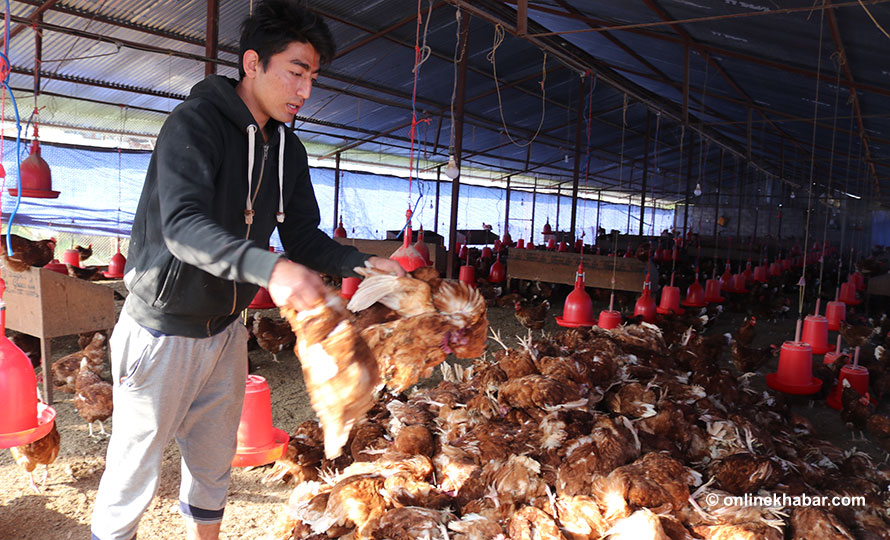
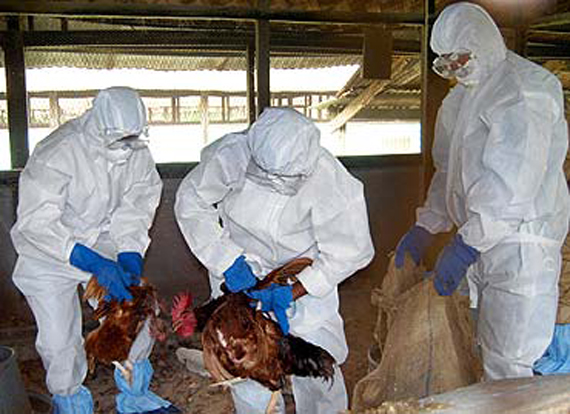
  • Bird flu (H5N1) has been confirmed in Koshi Province districts of Morang, Sunsari, Jhapa, and Chitwan in Nepal, leading to the culling of approximately 65,000 chickens.
  • In Kathmandu, bird flu has been detected only in wild crows, with over 100 dead crows disinfected in Kirtipur.
  • Bird flu has also spread to various states in India, prompting heightened alert at the Nepal-India border; no human infections reported so far.

12 Chaitra, Kathmandu – Nepal is once again facing a serious crisis in public health and the poultry industry due to bird flu (avian influenza).

Initially reported in Koshi Province’s Morang, Sunsari, and Jhapa districts, the H5N1 infection has now also been confirmed in Chitwan, according to the Department of Livestock Services.

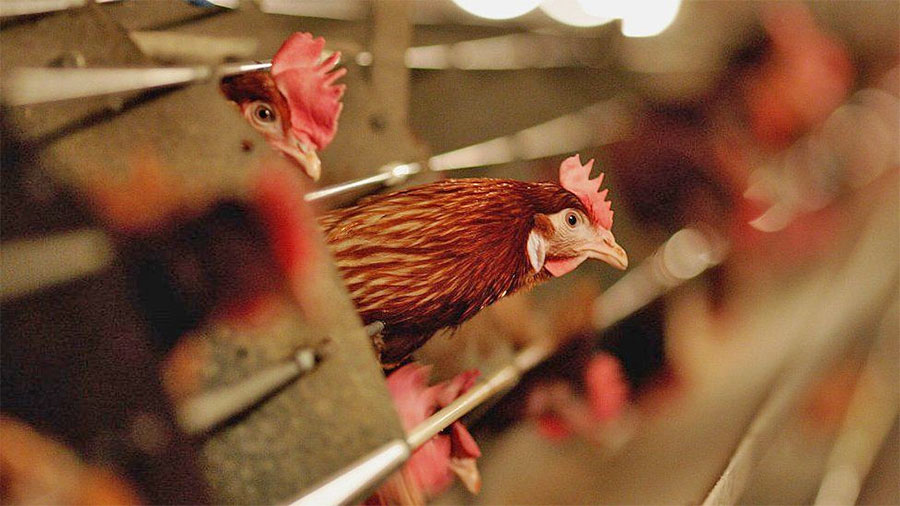
In recent days, the mortality rate among broiler and layer chickens has increased, prompting farmers to bring daily samples of dead birds to laboratories for testing.

Extent of Infection

The Animal Disease Research Laboratory in Biratnagar confirmed bird flu infection at five locations each in Morang and Sunsari, and one location in Jhapa, affecting a total of 11 farms.

Suspected samples are sent to the Central Animal Disease Research Laboratory in Kathmandu for final confirmation.

Infection has been found in Dahal Agricultural Farm in Biratnagar, Halesi Mahadev Agricultural Farm in Sundarharaicha-4, Athiyawari Agricultural Farm in Urlabari-8, and two farms in Katahari, Morang, as stated by Dr. Ajay Kumar Sah, Head of the Morang Livestock Service Center.

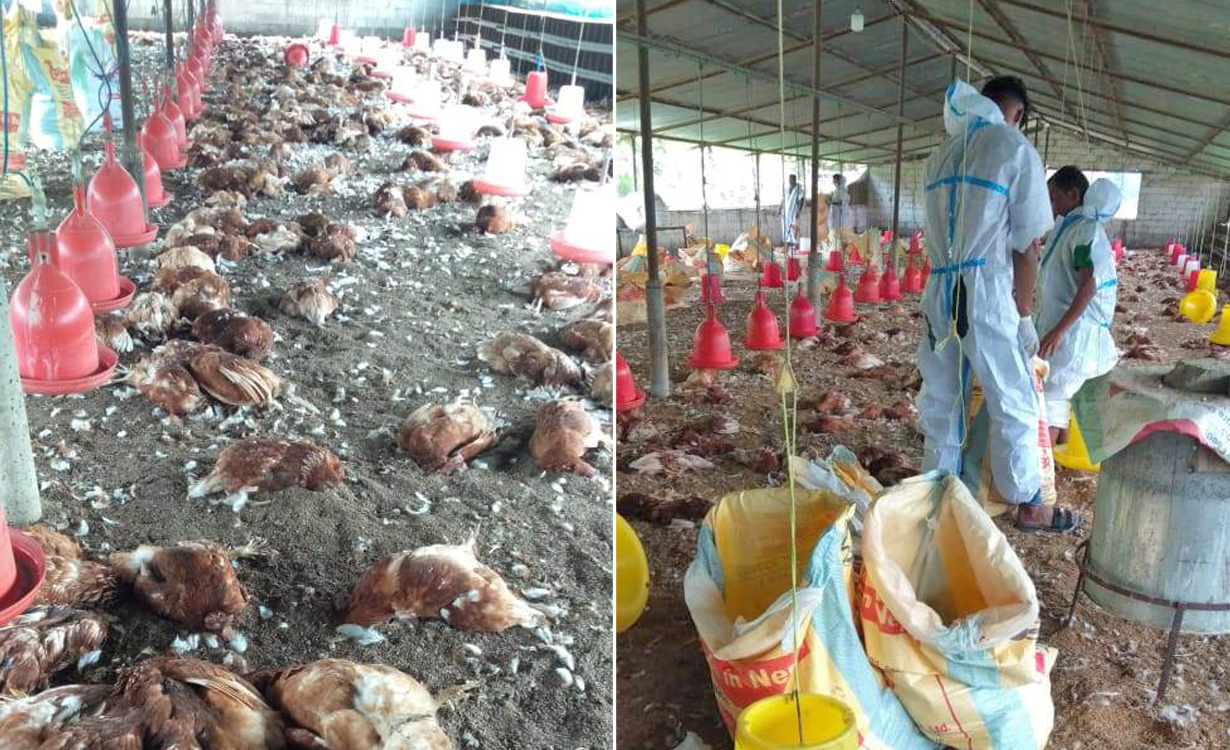
At Dahal Farm, out of 6,000 layer birds, 3,000 had died and the remaining 3,000 were culled.

Similarly, bird flu has been detected in Oko, Laxmi, Rani, and Alam agricultural farms in Itahari Sub-Metropolitan City, as well as the Sangeet Agricultural Farm in Gadhi Rural Municipality-5, Sunsari.

Oko Farm in Itahari-19 has seen the largest culling of poultry. Infection was also confirmed at Damak Agriculture farm in Damak Municipality-10, Jhapa.

Senior veterinary officer Dr. Mukul Upadhyay of the Department of Livestock Services also confirmed bird flu presence in Chitwan, though the exact location is kept confidential.

“To avoid unnecessary panic and ensure control measures are effective, the location is kept secret,” he explained. “Coordination is underway with the Chief District Officer’s office today to cull infected birds.”

Situation in Kathmandu: Wild Crows Infected, Commercial Farms Safe

In Kathmandu, bird flu has only been detected among wild crows and hasn’t affected commercial poultry farms.

Tests on dead crows found in the forest area of Tribhuvan University in Kirtipur confirmed the infection.

The Department of Livestock Services has instructed Kirtipur Municipality to safely manage and disinfect the dead crows.

According to Dr. Upadhyay, over 100 crows have died in the forest area of Kirtipur, and around 60 to more than 100 dead crows have been buried safely in pits.

Although infection has not been reported in broiler or layer chickens in Kathmandu Valley so far, strict monitoring is ongoing.

Control Measures and Heightened Vigilance

About 65,000 infected chickens have already been culled, Dr. Upadhyay shared.

Under the leadership of the Chief District Officer, coordinated efforts between local, provincial, and federal governments are underway to contain and destroy infected animals and materials.

In Chitwan too, disinfection and culling activities are being conducted in collaboration with the Chief District Officer’s office.

To prevent spread to other districts, high alert has been declared and movement of poultry from affected areas is completely banned.

Kirtipur Municipality has imposed a total ban on the transportation of eggs, meat, feed, and poultry products from affected zones.

Dr. Upadhyay stated that poultry farmers, hatcheries, and related producer organizations are being alerted about the situation.

Issuance of veterinary certificates for transport from infected zones has been suspended as well.

With support from police and security agencies, illegal transportation is blocked, and quarantine checkpoints remain on high alert.

Livestock Department Appeals for Biosecurity Measures

The Department of Livestock Services has urged farmers and poultry businesses to remain calm but implement strict biosecurity precautions.

They are advised to restrict unnecessary personnel and vehicles from entering farms and to disinfect those who must enter.

Workers should not move between different farms, and strict monitoring of their comings and goings is recommended.

Installation of foot baths for disinfecting footwear before entry is mandated, along with use of dedicated boots and aprons inside the farm.

Daily disinfection inside and outside farms is required, with secure fencing to prevent access by dogs, cats, and rodents.

Reuse of egg cartons is discouraged.

Transportation of birds and poultry products must comply strictly with veterinary certification regulations.

Farm workers are advised to maintain personal hygiene, wash hands regularly, and report any health problems immediately to medical facilities.

Dead or sick birds should not be discarded casually but buried safely with immediate reporting to authorities.

Identifying and reporting dead birds quickly is critical to controlling the spread.

Bird Flu Situation in India and Heightened Alert at Nepal-India Border

Neighboring India has witnessed rapid spread of bird flu across several states.

Since March, outbreaks in states such as Chhattisgarh, Maharashtra, and Kerala have led to destruction of thousands of poultry and eggs.

In Bilaspur, Chhattisgarh, following the death of over 4,000 chickens, more than 22,000 birds, 25,000 eggs, and 79 quintals of feed were destroyed, and poultry sales banned for 21 days to halt the spread.

At a government hatchery in Nagpur, Maharashtra, the virus was detected, prompting culling of 1,000 chickens and destruction of 14,000 eggs.

Kerala ordered the culling of 20,000 birds after infections in Kozhikode and Alappuzha, and closed a park in Chennai after multiple bird deaths.

The Indian administration has raised security and vigilance along border checkpoints with Nepal.

Monitoring for Human Infection

No confirmed human infections with bird flu virus have been reported to date.

Experts warn that the new mutations of H5N1 could be potentially more lethal than the coronavirus.

The virus was previously limited to birds but now carries increasing risk of transmission to humans.

Infectious disease specialist Dr. Sher Bahadur Pun stated that bird flu is a highly infectious and lethal virus, necessitating strict vigilance.

However, properly cooked meat and eggs do not pose a risk to consumers.

Dr. Pun noted that if H5N1 infects humans, the fatality rate could reach 50 percent, meaning one in two infected individuals might die.

He recalled a 21-year-old man’s death from bird flu in Nepal in 2019, emphasizing that the disease should not be taken lightly and early awareness is critical.

The virus does not easily spread between humans but poses high risk to those in direct contact with infected birds.

Transmission can occur through contact with dead birds, meat, feathers, or secretions.

Poultry farmers, transporters, and slaughterhouse workers should adhere to strict biosecurity protocols.

With bird flu detected in crows around Kathmandu, there is heightened concern of spread due to their movement across locations.

Those at risk are advised to maintain personal hygiene and get seasonal flu vaccinations.

Antiviral drugs like Oseltamivir can be used if infections increase, but prevention remains the best strategy.

Relevant authorities should intensify awareness programs targeting high-risk groups.

State of Nepal’s Poultry Industry

According to the National Statistical Office’s Nepal Commercial Poultry Farming Survey 2081/82, commercial poultry farming is conducted at 22,928 farms nationwide.

Of these, 21,114 farms focus on meat production, 1,706 on egg production, and 118 on chick rearing.

Only 63.7 percent of these farms are registered, with 79.5 percent operated by men and 20.5 percent by women. Ninety-eight percent of farms are privately owned.

Annual production and sales from the poultry sector in Nepal amount to NPR 6.096 billion in meat, NPR 1.482 billion in eggs, NPR 1.022 billion in chicks, and NPR 100 million in poultry manure.

Prime Minister Karki Reveals 192 Key Achievements of Interim Government (Full Text)

News Summary

  • Prime Minister Sushila Karki has announced 192 key accomplishments achieved by her interim government over the past six and a half months.
  • President Ram Chandra Paudel appointed Karki as the interim prime minister on September 12, with a mandate to hold elections within six months.
  • The elections were successfully held on March 5.

March 26, Kathmandu – Prime Minister Sushila Karki on Thursday evening unveiled the 192 significant achievements completed by her interim government during the past six and a half months. Addressing the nation, she highlighted the substantial progress made under her leadership.

Following the Janjati Movement, President Ram Chandra Paudel appointed Karki as the interim prime minister on September 12, granting her the mandate to organize elections within six months. In line with this mandate, the elections were successfully held on March 5.

Full text:

Nepal Tennis Team Departs for ITF Development Championship in Sri Lanka

The Nepalese tennis team departed from Kathmandu on March 26 to participate in the ITF Development Championship (Final) in Colombo, Sri Lanka. The tournament will take place from March 29 to April 10, with Nepal competing in Circuits 1 and 2. Representing Nepal in the boys’ category are Bishwabhesh Dallakoti and Arya Shraj Paudel, while in the women’s category, Sara Pant and Era Khatri will be showcasing Nepal’s challenge. The team is coached by Santosh Khatri, who is currently in Sri Lanka. According to the Nepal Tennis Association, 15 Asian countries are participating in the event. National Sports Council member-secretary Ramcharitra Mehta bade farewell to the team at a ceremony on Thursday, extending best wishes for their success.

Times Basketball Club Secures Eighth Consecutive Victory in HJNB League

News Summary

Created by OK AI. Editorially reviewed.

  • Times Basketball Club has clinched their eighth consecutive win in HJNB League 2026.
  • At Dashrath Rangashala Covered Hall in Tripureshwor, Times defeated Roel by 78-67.
  • The second edition of HJNB League is ongoing with eight teams under the organization of Nepal Basketball Association.

March 25, Kathmandu – Times Basketball Club secured their eighth successive victory in the Himalayan Java National Basketball League (HJNB League) 2026.

In the match held Thursday at Dashrath Rangashala Covered Hall, Tripureshwor, Times defeated Roel with a score of 78-67.

Times dominated the first three quarters and played the fourth quarter evenly with their opponent.

The quarter scores saw Times scoring 15-13 in the first, 24-16 in the second, and 17-16 in the third, while both teams posted an equal 22 points each in the final quarter.

After this eighth consecutive win, Times tops the league table with 17 points from 9 games.

Pemba Sherpa of Times was declared Man of the Match, having scored the highest 20 points.

Additionally, in the game held Wednesday night, Tribhuvan Army Club defeated Solo Basketball Club by a significant margin of 88-70, securing their seventh victory. Army now holds 15 points from 8 games.

Simon Gurung led Army’s scorecard with 22 points.

The second edition of the HJNB League, organized by Nepal Basketball Association (NEBA), features competition among 8 teams.

The league is conducted in a double round-robin format with a total of 56 matches. Following the league phase, the top four teams will advance to the playoffs.

The playoff structure involves the first and second placed teams contesting the first qualifier match, while the third and fourth placed teams face off in the eliminator match.

The loser of the first qualifier and the winner of the eliminator will then compete in the second qualifier, with its winner moving on to the final.

The champion team will receive a cash prize of NPR 400,000, the runner-up will be awarded NPR 200,000, and the third-placed team will earn NPR 100,000.

Players with exceptional performances will be honored with the Most Valuable Player (MVP) award, accompanied by attractive prizes, as announced by NEBA.

Prime Minister to Address the Nation

News Summary

Prepared after review.

  • Prime Minister Sushila Karki will address the nation on Chaitra 12 in Kathmandu.

Chaitra 12, Kathmandu – Prime Minister Sushila Karki is scheduled to address the nation. According to the Prime Minister’s Secretariat, Karki will shortly deliver a national address.

The government led by then Prime Minister KP Sharma Oli collapsed following the mass Janajivi Movement on Bhadra 23 and 24. Subsequently, leading a citizen-led government, Sushila Karki took the helm as the first female Prime Minister of the country.

Her administration fulfilled its mandate by successfully conducting peaceful elections within six months and transferred power accordingly. Following the election, the Rastriya Swatantra Party (Raswap) won approximately two-thirds of the seats, forming a single-party government.

On Friday, senior Raswap leader Balendra Shah is set to become the new Prime Minister. Prior to this transition, Karki will address the nation.

Prime Minister Karki: The Claim That No Party Can Secure Majority Under the Current Electoral System Is Incorrect

News Summary

AI-generated. Editorially reviewed.

  • Prime Minister Sushila Karki stated that the claim no single party can achieve a majority under the current electoral system has proven incorrect.
  • Prime Minister Karki expressed confidence that the youth-led government to be formed will deliver results in good governance, job creation, corruption eradication, economic development, and social justice.

March 26, Kathmandu – Prime Minister Sushila Karki asserted that the notion of no single party being able to secure a majority under the current electoral system is unfounded. She made the remarks during her address to the nation on Thursday evening.

“The electoral system established by the constitution has disproven the claim that no party can obtain a majority,” she stated. “I extend my congratulations to the newly elected members of the House of Representatives and wish them a successful tenure.”

She further expressed her belief that the upcoming government led by youth will undertake result-oriented initiatives in line with the demands and aspirations of the people’s movement, focusing on good governance, employment generation, corruption elimination, economic growth, and social justice.

ANFA Postpones Elections Following Suspension by National Sports Council

News Summary

Prepared after review.

  • The ANFA elections scheduled for Chaitra 13 have been postponed.
  • The ANFA Election Committee announced on Thursday that the election is deferred until further notice.
  • The National Sports Council suspended ANFA for three months on Wednesday for not complying with its directives.

12 Chaitra, Kathmandu – The All Nepal Football Association’s (ANFA) elections have been postponed following a suspension imposed by the National Sports Council (NSC).

The ANFA Election Committee issued a notice stating that the election originally scheduled for Friday, Chaitra 13, has been postponed until further notice.

“The ANFA Secretariat received a letter dated 2082/12/11 (Nepali calendar) from the National Sports Council informing that ANFA has been suspended for three months. This letter was received by the Election Committee on 2082/12/12. Consequently, the polling scheduled for 2082/12/13 has been postponed until a new notice is issued,” the notice reads.

This marks the third postponement of the ANFA elections. Initially, the ANFA executive committee had decided to hold the elections on Magh 28 in Jhapa. However, after a case was filed at Patan High Court against this decision, the court issued an interim order suspending the election.

The second postponement occurred when elections scheduled for Falgun 27 were deferred due to the applicability of the election code of conduct for the House of Representatives and upon receipt of a letter from the Election Commission.

Repeated non-compliance with directives led the NSC executive committee, at its Wednesday meeting, to suspend ANFA’s leadership for three months under Section 29(2) of the Sports Development Act 2077.

Following ANFA’s suspension, Kumar KC, a rival candidate for the presidency, announced his faction would not participate in the elections.

Despite initially insisting on conducting the elections by Wednesday, ANFA ultimately decided to postpone the elections today.

Controversy arose as the current ANFA leadership sought to hold early elections before the completion of their term, which is not outlined in the organization’s statute.

The NSC had repeatedly warned ANFA against holding elections without its approval. Yet, ANFA insisted on proceeding with the elections on Chaitra 13, leading to the council’s decision to suspend the association.