September 20, Kathmandu – At least five people have died following a Russian missile attack on Kyiv, the capital of Ukraine, and surrounding areas on Thursday night. Ukrainian officials reported that more than 23 individuals were injured in the strike. According to Ukraine’s State Emergency Service (DSNS), the attack targeted residential buildings and warehouses. Rescue teams have been deployed to extract those trapped beneath the rubble of collapsed structures, successfully rescuing one person alive.
Kyiv Mayor Vitali Klitschko stated that a children’s hospital was damaged in the attack. Several vehicles in the vicinity also caught fire. Klitschko further reported that the industrial center located in the Solomyansky district, situated in the southwestern part of the capital, was hit by missiles. Meanwhile, a separate strike in the Brovary district of the Kyiv region resulted in one death and one injury, regional governor Tymur Tkachenko confirmed. Prior to the attack, local authorities had urged residents to seek shelter in safe locations.
The Ukrainian Air Force issued multiple alerts throughout the night regarding missile attacks in Kyiv and various other areas. Due to the Russian air strikes, thousands of homes and infrastructures in the Kyiv region have experienced power outages. Officials noted that technical teams are working to repair the damaged energy facilities. For several weeks now, Kyiv has faced missile attacks nearly every night, resulting in dozens of fatalities and many more injuries.
Meanwhile, Ukraine has intensified missile and drone attacks on Russian territory. Two separate Ukrainian strikes on Russian soil this week claimed the lives of at least 16 people, including a child. Russia began its military invasion of Ukraine in February 2022. Over four and a half years into the conflict, Russia controls roughly one-fifth of Ukrainian territory, much of which lies along the eastern border regions.
The 20th Asian Games, set to take place in Aichi-Nagoya, Japan, will start on September 19 and run until October 4, just one month away.
According to the Olympic Council of Asia (OCA), more than 11,000 athletes and 6,000 officials from 45 countries will participate in the 16-day tournament.
The 20th Asian Games will feature 43 sports, 71 disciplines, 469 events, and the awarding of 1,407 medals.
September 20, Kathmandu – The largest sporting event in Asia, the 20th Asian Games (Asiad), is just one month away from kicking off in Aichi-Nagoya, Japan.
The Olympic Council of Asia (OCA) and the Aichi-Nagoya Asian Games Organizing Committee (ANAGOC) have celebrated the countdown to the continent’s biggest multi-sport competition, which will run from September 19 to October 4.
The OCA has confirmed that over 11,000 athletes from 45 countries across Asia, along with 6,000 officials, will take part during the 16-day event.
A total of 43 sports encompassing 71 disciplines will be featured at the 20th Asian Games. There will be 469 competitions and 1,407 medals awarded in total.
The OCA anticipates that this event will mark a historic celebration in the history of Asian sports.
Under the official motto “Imagine ONE Asia,” Japan is hosting the Asian Games for the third time. Previously, Japan successfully hosted the Games twice: in Tokyo in 1958 and Hiroshima in 1994.
The Aichi-Nagoya 2026 Asian Games are expected to become a key occasion to unite the continent through a major multi-sport festival. The event will be supported by 10,200 volunteers, while 5,300 accredited media professionals will cover the Games’ news and activities worldwide.
Millions of spectators around the globe are expected to watch the competitions live and through various media platforms. Japan is fully prepared to deliver an unforgettable sporting festival for Asian athletes.
OCA President Sheikh Joaan Bin Hamad Al Thani stated that these Games, representing the largest and most diverse continent within the Olympic family, will demonstrate Asia’s power of unity, solidarity, and shared vision.
“Japan has world-class experience hosting major international sporting events. I am confident that Aichi-Nagoya 2026 will set new standards for future editions. It will empower youth and inspire the next generation of Asian sport,” he said.
OCA Director General Hussain Al-Musallam thanked Japan for its support in preparing a grand stage for Asian athletes as the Games approach. “These Games will create unforgettable moments not only in Japan but for millions across Asia. Through sport, lifelong friendships will be formed, peace will be promoted through diversity, and a legacy will be established across every corner of our vast continent,” he added.
The grand opening ceremony of Aichi-Nagoya 2026 will be held on September 19, with the closing ceremony concluding the event on October 4. Asian nations are readying themselves for this world-class sporting festival that spans more than two weeks.
A large World War II bomb submerged in the Danube River was uncovered in Slovakia following a sudden drop in the river’s water level. The bomb has since been deactivated.
An explosive ordnance disposal team extracted the bomb from the river and detonated it under controlled conditions.
In football, a player’s transfer fee sometimes sounds as large as the annual budget of a small country. But does a player signed for millions of pounds truly have that exact value?
Summary
Editorial reviewed.
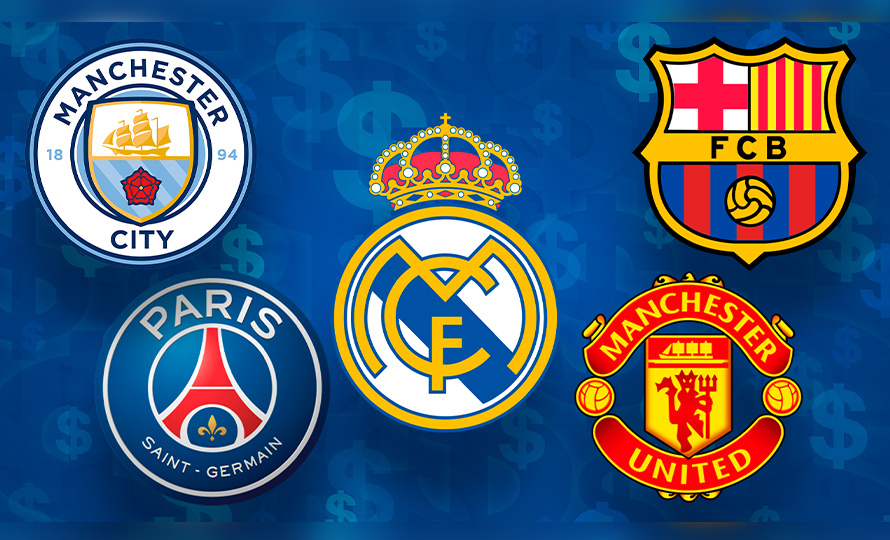
Chelsea has agreed to sign Morgan Rogers from Aston Villa for around £117 million, while Manchester City spent approximately £116 million to acquire Elliot Anderson from Nottingham Forest.
Transfer fees do not represent a player’s true value, as factors like performance, age, contract length, supply and demand, agent fees, and bonuses also influence the price.
From the 2026/27 season, the Premier League will replace the Profitability and Sustainability Rules (PSR) with Squad Cost Ratio (SCR) and Sustainability and Systemic Resilience (SSR), which account for player expenses, wages, and the amortization of transfer costs.
Sometimes, a football player’s transfer fee can sound as large as the annual budget of a small country or even more. Just this summer, Chelsea agreed to pay Aston Villa around £117 million for Morgan Rogers.
Manchester City reportedly spent about £116 million on Elliot Anderson from Nottingham Forest, and Sandro Tonali’s move from Newcastle to Tottenham was estimated around £100 million.
The island nation of Tuvalu in the Pacific had a total national budget of roughly $80 million (approximately £70 million) for the 2021/2022 fiscal year. Rogers’ transfer fee exceeds Tuvalu’s entire budget for two years.
But this raises an interesting question — is Morgan Rogers truly worth £117 million? Is Elliot Anderson’s price equally justified? Or does the transfer market amount reflect more than just the player’s actual ‘value’?
In truth, there is no single formula to determine a player’s value in football. Goals, assists, and performance form just a part of it. Age, contract length, rarity of the player’s position, available alternatives in the market, club’s financial capability, potential future prospects of the player, and the selling club’s needs all influence whether the value is pushed up or down.
Morgan Rogers
The Player’s Value Is Not the Same as the Transfer Fee
The first crucial point to understand is that a player’s ‘value’ and the ‘transfer fee’ paid between clubs are not the same.
The transfer fee is the negotiated outcome between two clubs. One club might demand £100 million, another may offer £70 million, and eventually, they could agree on £80 million.
Therefore, just because a player was sold for £100 million, it doesn’t necessarily mean the market has fixed his true value at exactly that amount.
Rather, that figure reflects the negotiation, supply, demand, and the financial capacity of the two clubs involved.
Furthermore, the announced transfer fee may include bonuses, performance-related payments, additional sums for winning trophies, or future conditional payments.
Hence, hearing about a “£100 million transfer” doesn’t always mean the entire sum was instantly transferred to the selling club’s account.
More Than Just Goals and Assists
When valuing forwards, goals and assists naturally carry significant weight, but midfielders and defenders can’t be valued solely on those metrics.
Passing accuracy, pressing, ball recovery, game tempo control, aerial ability, one-on-one defending skills, injury history, tactical versatility, and performance in big matches all contribute to their value.
Moreover, if world-class players for a specific position are rare, their prices tend to rise.
For example, a club seeking a world-class defensive midfielder will value an outstanding player in that position differently than a goal-scoring winger.
Thus, the simplistic idea of ‘he scored X goals, so he costs Y amount’ doesn’t capture the complexities of the modern transfer market.
Elliot Anderson
Why Age Changes Value by Millions
Age is one of the most important factors in the transfer market.
Two players performing at a similar level, one aged 21 and the other 29, will unlikely have equal market values.
The reason is simple – clubs don’t just buy today’s performance, but also future potential. A young player can serve the club for many years, improve steadily, and may be sold for a higher fee later.
That is why clubs are willing to invest heavily in young talent despite the inherent risks.
Conversely, experienced players may have an immediate impact but typically command lower resale values.
It is not unusual, therefore, for two players with similar current performances to have drastically different price tags based on age.
Contract Length Affects Valuation
If a player’s contract is due to expire the following year, the selling club is in a weaker negotiating position. But if the player has five years remaining, the club holds more leverage.
As a result, selling a player just before contract expiry and selling the same player mid-contract can bring very different fees.
Hence, the ‘contract situation’ is a crucial term regularly used in transfer discussions.
Clubs consider risks of losing a player for free, likelihood of contract renewal, and market demand when making decisions.
Do Wealthy Clubs Drive Up Player Prices?
To a large extent, yes.
Clubs like Manchester City, Chelsea, Arsenal, Manchester United, and Liverpool possess much greater financial muscle compared to smaller market clubs.
A £100 million outlay might be a significant risk for one club but part of a long-term plan for another.
However, having deep pockets isn’t the sole factor that inflates a player’s price; the selling club’s circumstances also matter significantly.
A club that doesn’t need to sell might hold fast to a higher valuation, whereas another facing financial constraints or needing funds for new signings could settle for less.
Therefore, the same player can have vastly different values for different clubs in the transfer market.
Millions of Pounds Difference Between Two Clubs for the Same Player
Player values in the transfer market are far from stable or uniform like prices in an open market.
For example, one club might offer £60 million for a player, but if another club enters the bidding, the selling club gains more bargaining power.
This can increase the price. Sometimes a club urgently needs a player, has no alternative, or it’s right before the season starts with the manager planning his tactics around the player.
In such scenarios, the club might be willing to pay above the usual market value.
This concept is commonly referred to as ‘urgency premium’ — an additional amount paid to fulfill immediate needs.
Agents Also Impact the Financial Calculations
Football transfers involve more than just fees between clubs. Agents or player representatives also play a role and command fees.
FIFA’s current agent regulations specify caps on service fees in certain cases. For instance, when representing players earning over $200,000 annually, agents have a cap of 3% for representing either club or player, and up to 6% for permitted dual representation.
When representing the releasing club, agent fees can go up to 10% of the transfer compensation.
This means a declared £100 million transfer does not mean the full amount was paid solely to the old club; agent fees, bonuses, and other conditions may be included in the agreement.
Amortization Significantly Affects Club Accounts
One of the most interesting accounting terms related to football transfers is ‘amortization.’
For a typical fan, buying a player for £100 million might look like the club spent all that money immediately.
However, in accounting, the transfer fee can be spread across the length of the player’s contract as an expense.
For example, if a club signs a player for £100 million on a five-year contract, the annual amortization expense would typically be £20 million per year.
The Premier League describes amortization under its new financial rules as the process of allocating the transfer cost over the contract period.
Therefore, contract length is not just about keeping a player for years—it is also a key financial management consideration for clubs.
Accounting and financial regulations impose certain limits and provisions. UEFA’s 2026 regulation mandates that player registration costs should be amortized systematically over the contract term, up to a maximum of five years.
Premier League Adopts New Financial Rules Beyond PSR
Another significant change is that from the 2026/27 season, the Premier League will replace the Profitability and Sustainability Rules (PSR) with new Squad Cost Ratio (SCR) and Sustainability and Systemic Resilience (SSR) frameworks.
The SCR links club football-related expenses to football income and profits or losses from player sales. The baseline ratio is 85%, and clubs have a multi-year headroom allowance.
This system includes wages, agent fees, and amortization of transfer fees.
Thus, in today’s Premier League, it’s not just about whether a club has money, but also about how they allocate that money within financial regulations.
Nationality and Market Size Also Influence Value
A player’s nationality itself is not a scientific factor in price valuation, but passports can indirectly affect value.
Visa requirements, work permits, foreign player quotas, domestic player regulations, and competition registration rules can all influence club decisions.
Similarly, the player’s commercial market matters. Large social media following, sponsorship potential, jersey sales, club access to new markets, and the player’s personal brand add to commercial value.
However, clubs must be careful not to overvalue a player’s brand without backing it up with performance on the pitch—the ultimate test remains sporting quality.
Training Clubs Also Receive Compensation
When a player is sold for a large amount, the entire sum does not remain with the selling club.
According to FIFA rules, clubs involved in a player’s training and development are entitled to receive training compensation or ‘solidarity contributions’ under certain conditions.
FIFA’s Clearing House administers the distribution of such payments to the relevant training clubs.
Hence, a multi-million-pound transfer benefits not only the current club but also the clubs that contributed to the player’s development.
This is why player development is itself a strategic financial investment in modern football.
Rodri
The Example of Rodri
The recent transfer of Rodri from Manchester City to Barcelona provides an interesting case study.
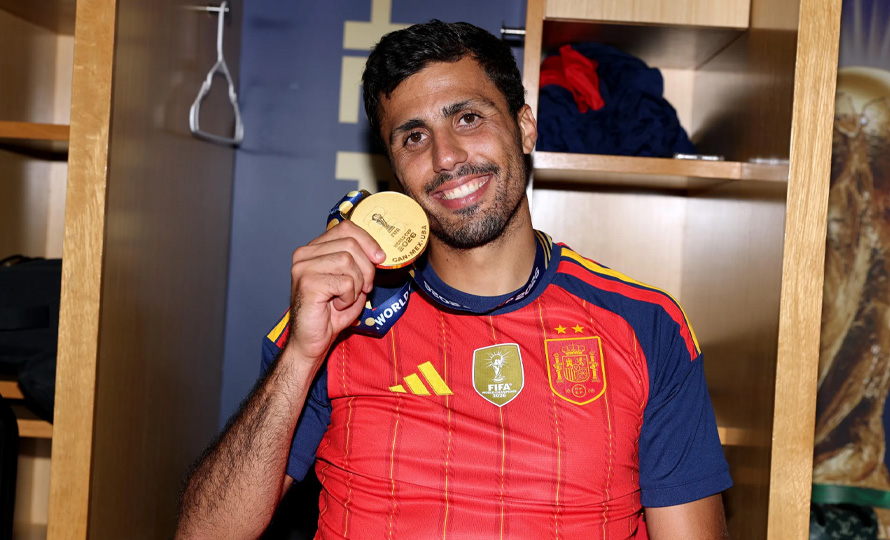
The Spanish midfielder left City after seven years, having played 298 matches, scored 28 goals, and won 14 major trophies including four Premier League titles, Champions League, and two FA Cups. He also won the Ballon d’Or in 2024.
The reported transfer fee to Barcelona is around £65.4 million.
When gauging his value, the focus can’t be solely on goals; factors such as position, ability to control the game, experience, leadership, international success, and reputation as one of the world’s best defensive midfielders come into play.
Additionally, Rodri is 30 years old and had only three years left on his City contract until 2027.
Rodri’s case shows that being a great player and being sold for a high fee are not synonymous. Contract length, age, and selling club’s situation form important parts of a player’s value.
Why Is Future Potential So Much More Valuable?
The two big transfers this summer—Morgan Rogers and Elliot Anderson—illustrate this perfectly.
Chelsea agreed to around £117 million for Rogers from Aston Villa. Manchester City reportedly paid Nottingham Forest approximately £116 million for Anderson.
Both players are not nearing the final stages of their careers; clubs invested in both their current performance and many future years.
Anderson himself has acknowledged the pressure of justifying his high price, expressing his goal to validate the investment by winning trophies.
This is another reality of the modern transfer market—clubs often pay more for the future potential of a player than their past achievements.
***
So, are £100 million players really worth that much? Not necessarily.
The £100 million is not a scientific valuation of the player’s skills or talent. It is a commercial agreement between two clubs.
This fee factors in performance, age, contract duration, injury risks, playing position, future potential, market demand, competing clubs, financial health of selling and buying clubs, and financial regulations.
A player bought for £100 million might become a success; another purchased for £30 million can become world-class, while a £100 million player might fail to meet expectations.
Transfer fees represent the value of expectations, not guaranteed performance. Ultimately, the most valuable price tag a player carries is the one proven by their performance on the pitch.
Clubs can sign players for millions and account for these costs over years, with bonuses and agent fees changing deal structure and financial rules setting spending limits.
But on the field, the accounting is simple: goals, assists, saves, trophies, and impact on the team.
That is where the real answer to the question about player value ultimately lies.
Confirmed reports indicate that a landslide at a gold mine near the Cameroon border in the western part of the Central African Republic has resulted in the discovery of 107 bodies. Local authorities provided details on the rescue and relief operations following the incident that occurred on Tuesday afternoon. Officials have warned that the death toll could rise as more victims may still be trapped under the debris. Kathmandu, September 20 – A devastating landslide struck a gold mine located in the western region of the Central African Republic (CAR) near the Cameroon border, claiming the lives of more than 100 people. The area around the mine suffered significant damage due to the landslide. According to a local official, the BBC has verified the incident. Released videos show a section of the mine collapsing onto people below, with some footage capturing individuals running in an attempt to escape the disaster. Mayor Adamo Abdon of Garoua-Boulaï, the city bordering Cameroon, informed the BBC on Tuesday afternoon about the event. Rescue and relief operations are currently ongoing. Authorities fear that the number of fatalities could increase as efforts continue. So far, Mayor Abdon reported that 107 bodies have been recovered.
Barcelona officially kicked off the 2026–27 season by defeating Al Ahly 2–1 at Camp Nou to win their 61st Joan Gamper Trophy. Nineteen-year-old Hamza Abdelkarim and Rafinha scored in the first half, giving Barcelona a 2–0 lead. Al Ahly became the first African and Arab club to compete in the Gamper Trophy but were unable to stop Barcelona on their home turf. September 20, Kathmandu.
In a competitive match held at their home ground Camp Nou, Spanish champions Barcelona overcame Egypt’s Al Ahly 2–1 to claim the 61st edition of the Joan Gamper Trophy. This tournament was particularly notable as Al Ahly became the first African and Arab club to participate in this prestigious pre-season competition.
The packed Camp Nou witnessed a historic clash between two successful clubs from different continents of world football. The opening goal for Barcelona came from 19-year-old forward Hamza Abdelkarim, who delivered a superb finish against his former club, much to the delight of the home supporters. Rafinha then extended the lead to 2–0 with a penalty in the first half.
In the second half, Al Ahly’s Zizo pulled a goal back, narrowing the deficit. Barcelona’s new signing Anthony Gordon missed a penalty opportunity, preventing the hosts from restoring a two-goal cushion. The Joan Gamper Trophy was inaugurated in 1966 by then-president Enric Llaudet and is named in honor of Barcelona’s founder, former player, and president Joan Gamper. Held annually just before La Liga begins, the tournament traditionally serves as an official home debut for Barcelona’s first team, earning it the nickname ‘season curtain-raiser.’
Al Ahly, one of Africa’s most successful clubs, made history by participating in the Gamper Trophy for the first time. Despite a competitive performance, the Egyptian champions ultimately fell short of claiming the trophy on Barcelona’s home ground. Barcelona now looks to carry the confidence from this victory into their preparations for the upcoming La Liga season.
OpenAI has begun offering the ‘ChatGPT for Teens’ service globally starting August 18, designed specifically for teenagers aged 13 to 17. This service includes features such as ‘Study Mode,’ ‘Quizzes,’ ‘Learning Visualizations,’ and ‘Study Hours,’ providing step-by-step assistance rather than direct answers for homework. Additionally, OpenAI has implemented strict controls on content related to suicide, violence, sexual, and highly violent material, along with a ‘Parental Control’ feature for guardians.
The service aims to support teens in their studies, promote critical thinking, and teach safe and responsible AI use. Within ‘ChatGPT for Teens,’ the ‘Study Mode’ allows students to ask questions and solve problems methodically, reducing the tendency to seek direct answers. If a student attempts to quickly complete homework by requesting direct answers, the ‘Responsible Homework Reminder’ feature redirects them back to ‘Study Mode.’
For practice, teens can utilize ‘Quizzes,’ and to understand complex subjects, they have access to ‘Learning Visualizations.’ The ‘Study Hours’ feature allows teens or their guardians to set specific study times, after which new conversations automatically resume in ‘Study Mode.’ The service is built with enhanced safety features to keep teenagers protected from harmful content.
Guardians can link their accounts with their teen’s account to use ‘Parental Control,’ enabling them to designate ‘Quiet Hours’—times when service use is paused—manage various settings, and receive limited ‘Safety Notifications’ if serious safety concerns arise. However, parents cannot read or monitor all of their teen’s conversations. OpenAI has also partnered with CodeAI to educate teenagers not only on how to use AI responsibly but also on how AI functions, its potential errors, and how to question its responses effectively.
Scientists have reported that a new vaccine used alongside medication has prevented cancer recurrence in patients, marking a “historic moment” in cancer treatment. Developed by Merck and Moderna, the vaccine was administered to patients with skin cancer ‘melanoma’ after surgery.
Preliminary results indicate the vaccine has extended the cancer-free period for these patients, although neither company has disclosed the exact duration. Cancer experts have hailed this as a significant breakthrough but have urged caution, noting that full study results have yet to be released and independent peer review is pending.
Furthermore, despite the completion of trials, the vaccine must still receive regulatory approval and undergo another authorization process before it can be made available through the NHS in the UK. Named Intismiran, the vaccine was given in combination with the immunotherapy drug Keytruda, which has long been used in cancer treatment.
According to Moderna’s CEO, Stéphane Bancel, these results represent a “defining moment” in cancer research. Following the announcement, shares of both Moderna and Merck have risen. Talicia Qualo, head of Prevention and Early Detection at Cancer Research UK, described the findings as “encouraging” but emphasized that a full review is still pending.
US President Donald Trump has issued a stern warning to countries, companies, and institutions providing economic support to Iran, stating they will face severe consequences. Through the social media platform Truth Social, he announced tighter US surveillance on activities related to Iran, including oil smuggling, financial transactions, and cash transfers. Trump claimed that the US has offered Iran numerous opportunities for agreements but will now increase international economic isolation and apply additional pressure. Kathmandu, September 20.
Trump signaled the start of the largest economic pressure campaign ever imposed on Iran and vowed not to spare any country, company, or institution that assists Iran. Via Truth Social, he cautioned that any financial institution, company, airport, or government body from any country facilitating support to Iran could face significant economic losses.
However, Trump did not specify any countries by name in his warning, nor did he clarify the exact nature of possible actions against countries, companies, or financial institutions assisting Iran. He also indicated enhanced US monitoring of economic activities supporting Iran, such as oil smuggling, financial dealings, cash transfers, exchange houses, maritime vessel registrations, and transactions conducted under the names of other companies.
Trump asserted that the US has repeatedly provided Iran with opportunities to come to an agreement, but since Iran has declined these chances, America has resolved to increase economic pressure. He described the forthcoming campaign as an “unprecedented level of economic warfare” and an effort to intensify Iran’s international economic isolation. According to Trump, Iran’s economy is already under significant strain, and further sanctions and pressure will make international trade with Iran even more difficult.
The Nepali tennis team is set to depart for Bengaluru, India, on Thursday to prepare for the upcoming 20th Asian Games scheduled in Japan. The contingent includes players Pradeep Khadka, Nisan Shrestha, Swastika Bista, and coach Renudevi Konda. After completing their training at the Rohan Bopanna Tennis Academy in Bengaluru, the team plans to return home on September 8. (4 Bhadra, Kathmandu)
The four-member Nepali tennis team has confirmed its training session in Bengaluru, India, as part of its preparation for the 20th Asian Games. The squad comprises players Pradeep Khadka, Nisan Shrestha, and Swastika Bista, with coaching led by Renudevi Konda. The team will undergo training at the Rohan Bopanna Tennis Academy and is scheduled to return to Nepal on September 8.
Meanwhile, Abhishek Bastola and Shivali Gurung, selected for the 20th Asian Games, are currently training abroad, according to the Nepal Tennis Association. The team was officially seen off on Wednesday by National Sports Council (NSC) Vice President Vishal Shrestha, NSC Member-Secretary Ramcharitra Mehta, NSC Executive Committee Member Sikka Suwal Shrestha, and Nepal Tennis Association President Manohardas Mool.
It is not only what you eat but also when you eat that is crucial.
“Eat breakfast like a king, lunch like a prince, and dinner like a pauper,” my Spanish friend Javier Hierzfeld shared, recalling how he understood this wisdom from a young age.
In Spain, lunch is the largest meal of the day, while dinner is very light. “Some people even skip dinner and only have fruit and yogurt,” he added.
In the UK and the US where lighter meals are common at midday and larger dinners are typical, scientific studies on ‘chrononutrition’ reveal that we may be following a reversed eating pattern.
Healthy eating is not just about what to eat, but also when to eat, which carries equal importance.
Numerous studies have found that from weight loss to preventing cardiovascular diseases, our body’s ‘biological clock’ or ‘circadian rhythm’ plays a significant role in how food is metabolized and our overall health.
Let’s explore why this is and how we can adjust meal timing to benefit from it.
Set Meal Times According to Your Body’s Internal Clock
Marta Garaulet from the University of Murcia in Spain began investigating how meal timing affects weight loss after observations at a weight loss clinic nearly a decade ago. She compared two patients on identical diets but with different mealtime patterns, resulting in varying weight loss outcomes.
One patient ate lunch at around 1 p.m., while the other, delayed by classes, ate later.
“That was the only difference,” Garaulet explained.
After six weeks, those who ate earlier lost more weight.
Following this, she further tested the impact of meal timing.
Together with colleagues at Murcia University, she observed 420 adults over a 20-week weight loss program in Spain. The study showed that early eaters lost weight faster than late eaters.
In another smaller trial, 32 healthy women consuming the same meals over two weeks showed that those eating lunch later exhibited poorer blood sugar control and carbohydrate digestion. Multiple studies confirm that our biological clock, or circadian rhythm, strongly influences hunger, digestion, and metabolism.
But why does eating the same meal at different times have such a significant effect?
When I asked neuroscientist Frank Scheer from Boston, he said, “Biologically, we are not the same in morning and evening.” The body’s internal clock mostly governs various functions. Eating at times meant for rest can disrupt this balance, a phenomenon called ‘circadian misalignment.’
For example, the body regulates blood sugar differently depending on the time of day. A 2022 study of over 800 adults showed each participant consumed glucose-rich drinks containing about as many carbohydrates as a typical evening meal.
Image source, Getty Images
Caption, Eating early dinners may impact our metabolism
When drinks are consumed four hours before sleeping, the body processes sugar effectively. However, drinking them at bedtime raises blood sugar levels and reduces insulin production.
Insulin is a hormone that helps regulate blood sugar.
Melatonin plays a significant role according to research. Its levels rise in preparation for sleep.
“When melatonin levels increase in the evening, eating then affects glucose control,” explained researcher Scheer.
Late meals have long-term risk implications for diabetes. Globally, the number of people with type 2 diabetes continues to rise.
Eat Earlier to Reduce Hunger
Having dinner late not only worsens blood sugar control but can increase hunger the next day by affecting hormones that signal fullness and hunger. Late eaters produce less leptin, a hormone that signals satiety to the brain.
Meal timing also influences fat storage processes. Eating late can cause fat accumulation in cells, making it harder to maintain a healthy weight.
An international study of 1,200 adults linked late eating with a higher risk of obesity and an increased body mass index (BMI). Eating earlier reduces this risk.
Eat More in the Morning for Heart Health
Eating early benefits heart health as well. A French study with over 1,000 participants found those who delayed their first meal in the morning had a higher risk of cardiovascular disease.
Night shift workers are advised to eat less during the day, but this is not universally required since dietary intake must meet energy needs.
If hungry, small protein-rich snacks are recommended.
Be Mindful When Eating
Our eating habits are often uncontrolled and influenced by our ‘chronotype,’ which determines if we wake early or sleep late, affecting meal timing.
Early risers tend to have quicker insulin responses and less melatonin production, while late eaters have weaker glucose control and higher risks of weight gain.
Sleep quality also affects appetite; poor sleep leads to greater food intake and weight gain.
How to Eat Smart
Experts recommend eating at regular times and consuming fiber-rich carbohydrates — such as whole grains, legumes, nuts, and fruit — early in the day. In the evening, meals should be light but rich in protein.
A recent study showed benefits of including sleep-promoting foods like almonds, nuts, seeds, and tryptophan-rich proteins such as chicken, salmon, and tuna at dinner.
Now I too want to pay closer attention to my body’s internal biological clock. I appreciate the Spanish tradition of a larger midday meal and plan to start cooking early for work.
While there is no fixed ideal time for dinner, it is best to eat more earlier in the day and have dinner at least three hours before bedtime.
Leon Baptiste, former Commonwealth gold medalist and athletics coach from England, is currently serving an eight-month prison sentence in Morocco. Moroccan judicial authorities found Baptiste guilty of sexually abusing a minor and initially sentenced him to 10 months, which was later reduced to eight months on appeal. His three-month absence has affected the training of British sprinters, and the UK Foreign Office has confirmed that he remains in custody in Morocco.
It has been confirmed that Leon Baptiste, former Commonwealth gold medalist and athletics coach from England, is serving a prison sentence in Morocco and is not missing. Moroccan judicial officials convicted him of sexual abuse involving a minor, resulting in an eight-month jail term. After being out of contact for three months, British media had reported him as ‘missing’ in Morocco. However, an investigation by BBC Sports revealed that he was arrested in May in Marrakech and is currently detained at Al-Oudaya prison.
The Moroccan public prosecution initially sentenced Baptiste to 10 months in prison, which was reduced to eight months upon appeal. Under Moroccan law, individuals under the age of 18 are considered minors. In May, Baptiste had informed the British athletes he was coaching that he would be unable to attend training for some time. No explanation for his absence was provided to the athletes, nor had UK Athletics made any public statements. It was only this week that it was disclosed he resigned from his coaching position, citing health issues.
His absence has impacted British sprinters preparing for the Commonwealth Games and the European Championships. Following the loss of the head coach, prominent athletes including Olympic bronze medalist Charlie Dobson and Paralympic silver medalist Jack Shaw had their training temporarily overseen by Adam Gemili and Martin Rooney. Baptiste, who won the 200m gold at the 2010 Commonwealth Games, has in recent years been one of the leading coaches for British sprinters. The UK Foreign Office has confirmed his detention in Morocco and is providing the necessary diplomatic support.
Monty Desai has been removed from his position as the head coach of the Canada cricket team. He confirmed his departure through social media and expressed his gratitude. Canada had appointed Desai as head coach for the second time in May, but with four matches remaining in League 2, the team currently trails the top four by six points.
Desai is also a former head coach of the Nepal cricket team. He led Nepal during two tri-series tournaments held at home and in Scotland as part of the ICC Cricket World Cup League 2. With four matches left in League 2, Canada’s position six points behind the top four puts the team in a situation where it must compete in the World Cup Qualifier Play-off to vie for a spot in the 2027 One Day International World Cup.
In his social media farewell, Desai described his tenure as brief but meaningful. He stated, “It was a short chapter but very significant. My belief that sustainable success is built over time through trust, preparation, strong relationships, and collective responsibility has only grown stronger. I thank the players, support staff, and everyone who accompanied me on this journey.”
Desai brings over two decades of international coaching experience. He has previously coached the national teams of the UAE, Afghanistan, Nepal, and Canada. His tenure in Nepal is regarded as exceptional, during which time Nepal made a historic comeback in the Cricket World Cup League 2 and secured qualification for the One Day International World Cup qualifiers. He also led Nepal as head coach during the 2024 T20 World Cup. Meanwhile, Cricket Canada announced a call for applications for the coaching position five days ago, on August 15.
The government has appointed Dhirgh Rawal as the Deputy Governor of Nepal Rastra Bank in the cabinet meeting held on Wednesday. Rawal, who was serving as the Executive Director of the Bank Supervision Department, has been assigned the responsibility of Deputy Governor for the next five years. Although there are provisions for two Deputy Governors at Nepal Rastra Bank, one of the positions had remained vacant until now.
Kathmandu, 3 Bhadra – Dhirgh Rawal has been appointed as the Deputy Governor of Nepal Rastra Bank. The government made the official appointment during the cabinet meeting on Wednesday. Rawal, previously the Executive Director of the Bank Supervision Department, will serve a five-year term in this position.
According to the Nepal Rastra Bank Act, 2058, there should be two Deputy Governors at the central bank. Since Falgun 2082, both Deputy Governor positions had been vacant. One Deputy Governor was appointed on 24 Chaitra 2082, but the other position remained unfilled until now.
Ram Bahadur Thapa ‘Badal’, Vice President of the NCP UML and leader of the UML parliamentary party in the House of Representatives, has again sparked dissent within his party following his remarks on Wednesday. During a formal address after seeking time in the House, Thapa made numerous aggressive statements filled with suspicion and accusations regarding the government and the country’s sovereignty. Speaking about the government formed by the National Independent Party (RASWAPA), which secured nearly a two-thirds majority in the general elections, Thapa stated, “Some geopolitical analysts claim that the source of this government’s power lies in three ‘A’s – Army, Algorithm, and America.” Subsequently, RASWAPA lawmaker Samiksha Baskota strongly opposed Thapa’s remarks, labeling them as disrespectful to public opinion.
Are Thapa’s statements the official stance of the UML? Attempts were made to get reactions from UML Chairman KP Sharma Oli’s close associates and various officials considered his critics. They claimed to be unaware of Thapa’s remarks and were unable to comment. UML Deputy General Secretary Raghuvir Mahaseth also said he was uninformed on the matter. However, after learning the key points of Thapa’s address, Mahaseth remarked, “This diverges from our party’s direction.” Thapa had made similar comments during the first meeting of the House of Representatives on Chaitra 19 (early April). He had stated, “…primarily, institutions and figures like the Nepal Army, administration, Sushila Sarkar, Karki Commission, and the Barbara Foundation played decisive roles in this victory,” referring to RASWAPA’s win. He added, “Those who make this magical victory decisive from an external perspective—invisible powers, TOB, AI, algorithms, Goebbels…”
Amid such party controversy, the following day the UML secretariat meeting issued a “clear” position on the matter. The meeting chaired by Thapa reportedly had a “serious discussion regarding his remarks.” The decision stated, “The meeting agreed that our party’s relations with the Nepal Army, other security agencies formed according to the country’s constitution and laws, civil bureaucracy, and the international community remain as friendly as before and will be strengthened further.” The meeting also extended congratulations to the victorious lawmakers, the Prime Minister, and the Council of Ministers while respecting the mandate expressed through elections. Furthermore, thanks were expressed to all organizations directly and indirectly contributing to voters and the conduct of the elections.
However, the same style of remarks from Leader Badal reappeared in the House of Representatives recently. According to political analyst and writer Jhalak Subedi, those remarks are not only Thapa’s personal views but have come with the approval of UML Chairman KP Sharma Oli. “That is the party chairman Oli’s line,” Subedi says. “Ram Bahadur Thapa may genuinely believe in it, but he is expressing the chairman’s views.” When Thapa made similar statements previously, Oli was hospitalized after police arrested him. That was when the UML secretariat tried to correct Thapa’s remarks.
Subedi is confident that “Thapa’s address was prepared in consultation with Oli.” “Now that a rift appears between the chairman and general secretary, Thapa’s comments have re-emerged,” she analyzes. “Behind this is likely Oli’s intention to assert his political relevance and justification in society.”
However, UML Deputy General Secretary Raghuvir Mahaseth argues that Vice President Thapa does not represent Chairman Oli’s views. Mahaseth believes that Thapa still fails to grasp the essence of ‘People’s Multiparty Democratic Revolution’ (Jwaj). “The strategy he had during the Maoist era has not yet been completely removed from his mind,” Mahaseth explains. “The party chairman has played some role in constructing Jwaj, so Ram Bahadur Thapa’s statements are made personally, not under the chairman’s advice.”
Mahaseth also expressed concerns that the Jan Andolan (People’s Movement) had been misused to plan activities such as arson. Specifically, he acknowledged weakness in the army’s role regarding the events of Bhadra 24 (early September). However, he asserted the party does not endorse discrediting national security agencies or linking various groups to election outcomes. “Either we should have boycotted the elections, or having participated and accepted the results, repeatedly making such claims against the people’s expressed will is his fault,” he said. “The UML can ask him for an explanation.” Thapa has alleged that weapons are being stored in Tibetan monasteries in Nepal, stating, “Some researchers claim that Tibetan monasteries are amassing significant power, while others suspect that weapons looted in Bhadra are hidden there.” He further claimed that Nepal is a “contested sphere manipulated by great powers.” Additionally, he accused “serious deviations in the government’s foreign policy and national security strategy.” “There is widespread concern whether Nepal is dangerously moving toward Sikkimization,” stated UML leader Ram Bahadur Thapa.